Cockle Rustlers under Surveillance

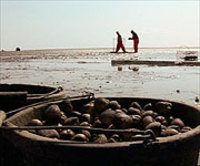
Four times in the past three years, powers designed to catch ter­ror­ists have been deployed against poten­tial cockle rust­lers on the sands out­side Poole Har­bour in Dor­set. I kid you not. The Inde­pend­ent news­pa­per yes­ter­day repor­ted that Poole Bor­ough Coun­cil had used the sweep­ing sur­veil­lance of the Reg­u­la­tion of Invest­ig­at­ory Powers Act (2000), oth­er­wise known as RIPA, to police the cockle fish­er­men of Dorset.

RIPA was inten­ded (the gov­ern­ment told us in 2000) merely to update for the inter­net age the old Inter­cep­tion of Com­mu­nic­a­tions Act (1985) that for the first time had reg­u­lated the intrus­ive sur­veil­lance car­ried out by spooks and police. In fact, the Grim RIPA massively expan­ded state intru­sion into our per­son­al lives, so that nine gov­ern­ment organ­iz­a­tions, includ­ing the secur­ity ser­vices and police, and 792 pub­lic author­it­ies (of which 474 are loc­al coun­cils) now have the powers to snoop on our private com­mu­nic­a­tions, and then some.

In fact, doc­u­ments dis­closed under the Free­dom of Inform­a­tion Act sug­gest that Poole Bor­ough Coun­cil may have the dubi­ous dis­tinc­tion of being the nosi­est in the UK, using RIPA not only to police its waters, but also to check on the res­id­en­tial status of loc­als, dam­age caused to traffic bar­ri­ers or oth­er minor infrac­tions. Hardly the stuff of James Bond.

Inad­vert­ently, Poole Coun­cil has provided a clas­sic case of reduc­tio ad absurdum, but this can be use­ful in high­light­ing more ser­i­ous flaws.

In the last dec­ade we have seen a slew of laws passed by our elec­ted rep­res­ent­at­ives in par­lia­ment that are poten­tially dan­ger­ous to our demo­cracy and way of life. All these laws have been whipped through par­lia­ment, and the media has ten­ded not to give them much consideration.

One such law that springs to mind is the Civil Con­tin­gen­cies Act (2004). This was passed with barely a mur­mur and, in the wake of the foot and mouth crisis, was deemed to be A Good Thing. How­ever, the dev­il is always in the detail. This law allows any seni­or gov­ern­ment min­is­ter, at the stroke of a pen, to declare a 30 day state of emer­gency. Under these terms, the author­it­ies can pre­vent our free asso­ci­ation at polit­ic­al meet­ings or demon­stra­tions, they can quar­ant­ine us, or pre­vent us mov­ing freely around our coun­try. They can even seize our homes, demol­ish them, and not have to pay a penny in com­pens­a­tion, as this will have been done to pro­tect “nation­al security”.

But the real stinker was the draft of the Legis­lat­ive and Reg­u­lat­ory Reform Act (2006). If Blair had suc­ceeded in passing this law, it would have spelled the end of 700 years of par­lia­ment­ary demo­cracy in Bri­tain. Had the ori­gin­al draft been approved, any seni­or gov­ern­ment min­is­ter could have abol­ished any law pre­vi­ously passed by our Houses of Parliament.

Not for noth­ing was this nick­named the “Abol­i­tion of Par­lia­ment Bill” (well, that and the fact that its form­al title is a tongue-twister – try say­ing it out loud!). Fol­low­ing a cit­izens’ cam­paign, the Bill was watered down as it passed through the Houses of Par­lia­ment. How­ever, even though lim­ited safe­guards have been intro­duced, min­is­ters are still in a pos­i­tion to tinker with any Brit­ish laws except the Human Rights Act. So, the tend­ency for author­it­ari­an gov­ern­ment may have been reined in this time, but we need to remain vigilant.

Many people are aware and are also appre­hens­ive of how these laws could be mis­used against the cit­izens of the UK if a more ruth­less and dra­coni­an gov­ern­ment were in power. Many com­ment­at­ors say we are sleep-walk­ing towards a police state. The tragedy is that we are pretty much there – most of the neces­sary laws are in place. It is time for us all to re-engage in the demo­crat­ic pro­cess and halt this rush towards a com­pletely unac­count­able government.

Straw Man

The gov­ern­ment is push­ing through yet anoth­er piece of legis­la­tion designed to provide “pub­lic ser­vice hon­esty, integ­rity and inde­pend­ence” to the Brit­ish people. As part of this strategy, the draft Con­sti­tu­tion­al Renew­al Bill even con­tains a sec­tion to provide pro­tec­tion for gov­ern­ment whis­tleblowers. Need­less to say, spies are auto­mat­ic­ally excluded (see sec­tion 25 (2) of the draft Bill).

The draft Bill states that any whis­tleblowers from with­in the ranks of MI5, MI6 and GCHQ will be dealt with intern­ally. This has always been the case for MI5 and 6 (des­pite the government’s breath­tak­ing lies dur­ing the Shayler case that he could have gone to any crown ser­vant with his con­cerns). How­ever, in the case of GCHQ, this Bill will take away employ­ees’ rights to go to an inde­pend­ent Com­mis­sion­er, to bring it into dra­coni­an line with its sis­ter agencies.

So, to put this bluntly, those in our intel­li­gence agen­cies who exper­i­ence eth­ic­al qualms about their work or, even worse, wit­ness crimes, will have to take their con­cerns to the head of the very agency com­mit­ting these crimes. Let’s guess how far these com­plaints will go.

Now, some might say that it’s naïve to think that the intel­li­gence agen­cies don’t com­mit illeg­al or uneth­ic­al acts. All I can say to that is — grow up. James Bond is a myth. Even the bad old days of the Cold War when, as former MI5 officer Peter Wright put it, MI5 could “bug and burgle its way around Lon­don” with impun­ity are long gone. The 1985 Inter­cep­tion of Com­mu­nic­a­tions Act (and sub­sequent legis­la­tion), the 1989 Secur­ity Ser­vice Act, and the 1994 Intel­li­gence Ser­vices Act, have put paid to that. In line with basic human rights, the spies now have to apply for min­is­teri­al per­mis­sion based on, ahem, a sol­id intel­li­gence case, to aggress­ively invest­ig­ate a target.

Dur­ing the 10 month peri­od of my recruit­ment to MI5 in 1990, I was repeatedly told that the organ­isa­tion had to obey the law; that it was evolving into a mod­ern counter-ter­ror­ism agency. If that is indeed the case, then why is MI5 still to this day not account­able in the same way as the Met­ro­pol­it­an Police Spe­cial Branch, which does the same work?

And who is the brave politi­cian ensur­ing that our intel­li­gence com­munity can remain shrouded in secrecy and pro­tec­ted from cri­ti­cism by the full force of the law? Stand up Justice Min­is­ter Jack Straw.

It just remains for me to say that Straw has a cer­tain his­tory in this area. In 1997, when Shayler blew the whistle, Straw was the Home Sec­ret­ary, the gov­ern­ment min­is­ter charged with over­see­ing MI5. One of Shayler’s early dis­clos­ures was that MI5 held files on a num­ber of politi­cians, includ­ing Straw him­self. Did Straw demand to see his file in angry dis­be­lief? No, he meekly did the spies’ bid­ding and issued a blanket injunc­tion against Shayler and the UK’s nation­al media.

But think about it — this is a clas­sic Catch 22 situ­ation. Either MI5 was right to open a file on Straw because he was a polit­ic­al sub­vers­ive and a danger to nation­al secur­ity – in which case, should he not have imme­di­ately resigned as Home Sec­ret­ary? Or MI5 got it wrong about Straw. In which case he should have been invest­ig­at­ing this mis­take and demand­ing to know how many oth­er inno­cent UK cit­izens had files wrongly and illeg­ally opened on them.

But Straw did neither. Per­haps he was wor­ried about what the spies could reveal about him? It’s inter­est­ing that he is yet again rush­ing to pro­tect their interests….


The (Il)legal Road to War

Yet anoth­er art­icle has appeared about the mess that is the wars in Afgh­anistan and Iraq. Max Hast­ings, writ­ing in the Daily Mail yes­ter­day, described how our sol­diers in Afgh­anistan feel that the con­tin­ued con­flict is point­less if there is no clear polit­ic­al strategy to resolve the situation.

The Brit­ish army is over­stretched, appar­ently at the behest of the USA. Accord­ing to the art­icle, our mil­it­ary badly needs to redeploy both nor­mal troops and the SAS from Iraq to Afgh­anistan, but the US is unwill­ing to allow this to hap­pen for polit­ic­al reas­ons. The Amer­ic­ans also appear to be mak­ing shame­less use of the SAS.

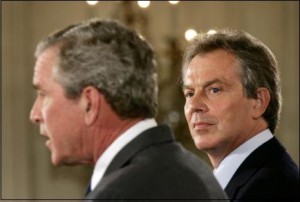
So, let’s remind ourselves of how we got into this mess. At an inform­al meet­ing with Bush in 2002, Blair uni­lat­er­ally com­mit­ted this coun­try to sup­port the Amer­ic­an inva­sion of Iraq. Without the sup­port of Blair, Bush could not have pre­ten­ded that he had a mean­ing­ful inter­na­tion­al coali­tion to invade Iraq.

Hav­ing made this prom­ise, Blair needed to deliv­er. Intel­li­gence mater­i­al, rather than being used to inform policy mak­ing, was manip­u­lated to fit around pre-determ­ined decisions. This was sum­mar­ised clearly by the then head of MI6, Sir Richard Dear­love, in the notori­ous leaked “Down­ing Street Memo”, in which he is quoted as say­ing that the intel­li­gence and facts were being fixed around the policy.

Fol­low­ing on from this came the Septem­ber Dossier, which not only placed undue emphas­is on the claim that WMD could be launched against Brit­ish interests in 45 minutes, but also the fake intel­li­gence that Sad­dam was try­ing to pro­cure urani­um from Niger. And finally, we had the Dodgy Dossier of Feb­ru­ary 2003, based largely on a 12 year old PhD thes­is culled from the inter­net, but which also con­tained nug­gets of raw intel­li­gence from MI6. Inter­est­ingly, it has been estab­lished by the For­eign Affairs Select Com­mit­tee in par­lia­ment that Blair did not have pri­or writ­ten per­mis­sion from MI6 to pub­lish this intel­li­gence, which leaves him wide open to pro­sec­u­tion under Sec­tion 1(1) of the 1989 Offi­cial Secrets Act.

These are the false asser­tions that inex­or­ably took this coun­try to war. But even if these claims had been true, aggress­ive war is illeg­al under both inter­na­tion­al and Brit­ish law. A raft of legis­la­tion pro­hib­its our coun­try enga­ging in any mil­it­ary action except in self-defence:

Just Foreign Policy Iraqi Death EstimatorThe Gen­er­al Treaty for the Renun­ci­ation of War (Kel­logg-Bri­and Pact)
The United Nations Charter
The Nurem­burg Judgment
The Nurem­burg Principles
The Rome Stat­ute of the Inter­na­tion­al Crim­in­al Court
The UK’s Inter­na­tion­al Crim­in­al Court Act 2001

The Iraq and Afghan wars are unwinnable and illeg­al. It is time for the people of the UK to inform them­selves of the laws of war and demand that they be upheld. We are all equal under the law – even the former Prime Min­is­ter. Every day we delay res­ults in the deaths of more of our ser­vice­men and of yet more inno­cent people in the Middle East.

.

Spies and the Law

For con­text, here’s a little bit of back­ground inform­a­tion about the UK’s spy agen­cies, and the leg­al con­straints with­in which they are sup­posed to operate.

There are three primary agen­cies: MI5 (the UK Secur­ity Ser­vice), MI6 (Secret Intel­li­gence Ser­vice — SIS) and GCHQ (the Gov­ern­ment Com­mu­nic­a­tions HQ). Bey­ond this inner circle, there is the Met­ro­pol­it­an Police Spe­cial Branch (MPSB), the spe­cial branches of every oth­er police force in the UK, mil­it­ary intel­li­gence, and Cus­toms, amongst others.

MI5 and MI6 were set up in 1909 dur­ing the build up to the First World War, when their remit was to uncov­er Ger­man spies. For the next 80 years they didn’t offi­cially exist and oper­ated out­side the law.

In 1989 MI5 was put on a leg­al foot­ing for the first time when par­lia­ment passed the Secur­ity Ser­vice Act. This stated that it had to work with­in leg­al para­met­ers, and if it wanted to do some­thing that would oth­er­wise be illeg­al, such as break­ing into and bug­ging someone’s house, it had to get the writ­ten per­mis­sion of its polit­ic­al mas­ter, the Home Sec­ret­ary. Without that, MI5 would be break­ing the law just as you or I would be.

MI6 and GCHQ were not put on a leg­al foot­ing until the 1994 Intel­li­gence Ser­vices Act, and are answer­able to the For­eign Sec­ret­ary. The same Act also set up the Intel­li­gence and Secur­ity Com­mit­tee in Par­lia­ment as a sop to demo­crat­ic over­sight. The ISC is respons­ible for over­see­ing the policy, fin­ance and admin­is­tra­tion of the three agen­cies. It has abso­lutely no remit to look at their oper­a­tion­al run­ning, nor can it invest­ig­ate alleged crimes com­mit­ted by them. Even if it could, the ISC has no power to call for wit­nesses or demand doc­u­ments from the spooks. Moreover, the com­mit­tee is appoin­ted by the Prime Min­is­ter, answer­able only to him, and he can vet its find­ings. Much of the ISC’s annu­al reports are blanked out.

When I was recruited by MI5 in the early 1990s, the organ­isa­tion was at great pains to explain that it worked with­in the law, was account­able, and its work was mainly invest­ig­at­ing ter­ror­ism. Once I began work­ing there, this quickly proved to be untrue. MI5 is incom­pet­ent, it breaks the law, con­nives at the impris­on­ment of inno­cent people, illeg­ally bugs people, lies to gov­ern­ment (on whom it holds per­son­al files) and turns a blind eye to false flag ter­ror­ism. This is why I resigned and helped to blow the whistle.

With all this hys­teria about the threat from Al Qaeda, and the ava­lanche of new powers and resources being thrown at the spooks, as well the erosion of our liber­ties, we need to keep a cool head. Why don’t our politi­cians take a step back and ask what pre­cisely are the scale and nature of the threats facing this coun­try, and how can we best police them? As Sir Ian Blair recently showed, we can­not take the secur­ity forces’ words about this at face value.

There’s a lot of his­tor­ic bag­gage attached to MI5 and 6, par­tic­u­larly after their dirty tricks against the left in the 1980s. As they are now primar­ily doing a poli­cing job against ter­ror­ism, why not just clear the decks and start again? Set up a ded­ic­ated counter-ter­ror­ism agency, which is prop­erly account­able to par­lia­ment, as the police already are and the spies are not.

As it stands the UK has the most secret­ive intel­li­gence agen­cies in the west­ern world. They are exempt from the Free­dom of Inform­a­tion Act, and pro­tec­ted by the dra­coni­an Offi­cial Secrets Act. The 1989 OSA makes it a crim­in­al offence for any­one to blow the whistle on crimes com­mit­ted by the spies, and it is no longer pos­sible for a whis­tleblower to argue that they acted in the pub­lic interest.

No oth­er west­ern demo­cracy has spies who are quite so unac­count­able, nor so pro­tec­ted from scru­tiny by the law. The closest ana­lo­gies are prob­ably the intel­li­gence agen­cies of coun­tries such as Libya or Iran. Par­tic­u­larly as we now know that MI5 and MI6 officers are con­niv­ing in extraordin­ary rendi­tion and the use of torture.

Are they leg­al? Yes, now, in the­ory. Do they abide by the law? Only when it suits them. Are they eth­ic­al? Abso­lutely not.

UK Police Chief Misleads MPs

An inter­est­ing art­icle appeared in The Sunday Times today, stat­ing that Bri­tain’s top police­man, the Com­mis­sion­er of the Met­ro­pol­it­an Police Sir Ian Blair, had “unwit­tingly” misled the par­lia­ment­ary Intel­li­gence and Secur­ity Com­mit­tee about the need to increase the peri­od of deten­tion without charge for ter­ror­ist sus­pects in the UK from 28 to 42 days. Blair claimed that 12 major ter­ror­ist oper­a­tions had been foiled in Bri­tain since 2005. In fact, the art­icle reports that only 6 plots have been stopped. Blair has had to issue a grov­el­ling apo­logy via the Press Asso­ci­ation for this, umm, gaffe.

But the art­icle neg­lects to tell us how and why this new inform­a­tion came to light. So allow me to speculate.

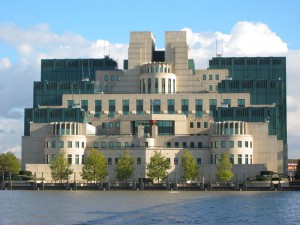
The Met, along with its shad­owy cohorts in MI5, is entrus­ted with pro­tect­ing Bri­tain from ter­ror­ist threats. Since 9/11 and the all-per­vas­ive war on ter­ror, Bri­tain’s secur­ity forces have been gran­ted sweep­ing new powers, resources and a huge increase in staff­ing levels to do this job. To ensure this is jus­ti­fied, they are con­tinu­ally telling us of the huge threat we face from ter­ror­ism and how suc­cess­ful they are in pro­tect­ing us. It is in their interests to talk this up.

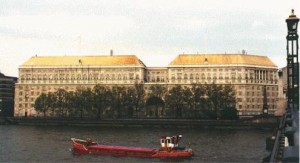
Mean­while, over on the south bank of the river, MI6 con­tin­ues to suf­fer from the loss of prestige brought about by its mis­takes and lack of good intel­li­gence in the run-up to the Iraq inva­sion. There is no love lost between these three agen­cies, as they com­pete for power and resources. So, to use a good civil ser­vice phrase, I can­not rule out the pos­sib­il­ity that someone in MI6 leaked this inform­a­tion to have a pop at the Met and MI5.

How­ever, there is a more ser­i­ous aspect to this incid­ent. But for this inform­a­tion emer­ging, MPs and pub­lic alike would have had no way of know­ing that the per­ceived threat from ter­ror­ism had been grossly inflated in order for the police to gain yet more powers. We would have had to take Sir Ian’s word.

Well, we’ve been here before many, many times, most notori­ously when the intel­li­gence agen­cies would have us believe that Sad­dam had WMD that could attack Brit­ish interests with 45 minutes. This, of course, led to the Iraq war and the deaths of hun­dreds of thou­sands of inno­cent men, women and children.

So how can we ensure we are told the truth by the spies? Well, great­er account­ab­il­ity and effect­ive par­lia­ment­ary over­sight would be a step in the right dir­ec­tion. But we don’t just need the cor­rect mech­an­isms in place in par­lia­ment. We also need MPs with the know­ledge, intel­li­gence and integ­rity to ask the dif­fi­cult ques­tions when faced with bogus assertions.

British Spies and Torture

On 30th April, The Guard­i­an news­pa­per repor­ted that yet anoth­er man, picked up in a Brit­ish counter-ter­ror­ism oper­a­tion in Pakistan, has come for­ward claim­ing that he was tor­tured by the Pakistani intel­li­gence agency, the ISI, with the col­lu­sion of Brit­ish spooks

This is part of a grow­ing body of evid­ence indic­at­ing that Brit­ish intel­li­gence officers are con­tinu­ing to flout the law in one of the most hein­ous ways pos­sible, the pro­longed tor­ture of anoth­er human being. Alleg­a­tions have been emer­ging for years that detain­ees of notori­ous camps such as Guantanamo and Abu Ghraib have heard Brit­ish voices either dur­ing the inter­rog­a­tion ses­sions or dir­ect­ing the line of ques­tion­ing. Many of these detain­ees are also the vic­tims of “extraordin­ary rendi­tion”, in itself an extraordin­ar­ily euphemist­ic phrase for the kid­nap­ping and trans­port­a­tion of ter­ror­ist sus­pects to Third World coun­tries where they can be held indef­in­itely and tor­tured with impunity.

This is a situ­ation that haunts me. I worked as an intel­li­gence officer for MI5 in the 1990s, before leav­ing to blow the whistle. Per­haps I worked with some of the people now dir­ectly involved in tor­ture? Per­haps I was even friends with some of them, met them for drinks, had them round for din­ner? How could young, ideal­ist­ic officers, com­mit­ted to pro­tect­ing their coun­try by leg­al means, make that per­son­al mor­al jour­ney and par­ti­cip­ate in such bar­bar­ic acts?

These ques­tions ran through my head when, in 2007, I had the hon­our to meet a gentle, spir­itu­al man called Moazzam Begg. He is a Brit­ish cit­izen who went to Pakistan with his fam­ily to help build a school. One night, his door was broken down, and he was hooded, cuffed and bundled out of his home by Amer­ic­ans, in front of his hys­ter­ic­al wife and young chil­dren. That was the last they saw of him for over 3 years. Ini­tially he was tor­tured in the notori­ous Bagram air­base, before end­ing up in Guantanamo, which he said was a relief to reach as the con­di­tions were so much bet­ter. Need­less to say, he was released with out charge, and is now suing MI5 and MI6 for com­pens­a­tion. He has also writ­ten a book about his exper­i­ences and now spends his time help­ing the cam­paign, Cage Pris­on­ers.

Bri­tain was the first state to rat­i­fy the European Con­ven­tion of Human Rights, which includes Art­icle 3 — no one shall be sub­jec­ted to tor­ture or to inhu­man or degrad­ing treat­ment or pun­ish­ment. It is impossible for a state to derog­ate from this art­icle. So how and why has Bri­tain stooped to the level that it will appar­ently par­ti­cip­ate in such activ­ity? The “apo­ca­lyptic scen­ario” much loved by apo­lo­gists of tor­ture, where a ter­ror­ist has to be broken to reveal the loc­a­tion of the tick­ing bomb, occurs only in fant­ast­ic­al TV dra­mas like “24”, nev­er in real life.

In the 1990s the accep­ted MI5 pos­i­tion was that tor­ture doesn’t work. This was a les­son the UK secur­ity forces had learned the hard way in 1970s North­ern Ire­land. Then, IRA sus­pects had been roun­ded up, interned without tri­al and sub­jec­ted to what the Amer­ic­ans would no doubt nowadays call “enhanced inter­rog­a­tion tech­niques”. But the secur­ity forces got it wrong. The vast major­ity of internees were arres­ted on the basis of the flim­si­est intel­li­gence and had no links what­so­ever with the IRA. Well, at least when they entered pris­on. Intern­ment proved to be the best pos­sible recruit­ing drive for the IRA.

So why has this think­ing changed? I would sug­gest this is part of a core prob­lem for MI5 – the shroud of secrecy with­in which it con­tin­ues to oper­ate and the com­plete lack of account­ab­il­ity and over­sight for the organ­isa­tion. There is no vent­il­a­tion, no con­struct­ive cri­ti­cism, no debate. Once a new doc­trine has been adop­ted by the lead­er­ship, in slav­ish imit­a­tion of US policy, it rap­idly spreads through­out the organ­isa­tion as officers are told to “just fol­low orders”. To do any­thing else is career sui­cide. This leads to a self-per­petu­at­ing olig­archy where illeg­al or uneth­ic­al beha­viour is accep­ted as the norm.

Of course, you may well argue that a spy organ­isa­tion has to oper­ate in secret. Well, yes and no. Of course it needs to pro­tect sens­it­ive oper­a­tion­al tech­niques, ongo­ing oper­a­tions and the iden­tit­ies of agents. How­ever, bey­ond that it should be open to scru­tiny and demo­crat­ic account­ab­il­ity, just as the police anti-ter­ror­ism branch is. After all, they do vir­tu­ally the same work, so why should they be any less accountable?

The tra­di­tion of UK spies oper­at­ing in abso­lute secrecy is a hangover from the bad old days of the cold war, and is utterly inap­pro­pri­ate to a mod­ern counter-ter­ror­ist organ­isa­tion. Increased open­ness and account­ab­il­ity is not only essen­tial in a mod­ern demo­cracy, it also ensures that the spies can­not con­tin­ue to brush their mis­takes and crimin­al­ity under the car­pet. Bri­tain deserves bet­ter from those charged with pro­tect­ing its nation­al security.


Organisations I’m involved with


I sup­port and work with a num­ber of organ­isa­tions that share my con­cerns about account­ab­il­ity and trans­par­ency in areas such as intel­li­gence and secur­ity, the failed war on drugs, free­dom of inform­a­tion, human rights, pri­vacy issues, civil liber­ties, and the war on terror.

The Cam­paign for Press and Broad­cast­ing Free­dom, which does what it says on the tin! One of the cam­paign organ­isers, Barry White, is cur­rently on the NEC of the UK Nation­al Uni­on of Journ­al­ists, and writes a great blog: www​.fromthenecup​.org​.uk.  Here’s a link to a piece I’ve just writ­ten on my website.


200px-Piratpartiet.svg Pir­ate Party (NL).  Affil­i­ated to the Pir­ate Parties Inter­na­tion­al, this group cam­paigns around issues such (digit­al) civil liber­ties, trans­par­ency, pri­vacy and copy­right.  PPNL fielded can­did­ates in the Dutch gen­er­al elec­tion in 2010.  Shortly before the elec­tion, I was invited to provide some media train­ing to the candidates.


Law Enforce­ment Against Pro­hib­i­tion (LEAP).

Pro­hib­i­tion has nev­er worked, as proven through­out his­tory. And now around the world many judges,lawyers, pris­on gov­ernors, and officers from police, cus­toms, and intel­li­gence organ­isa­tions, as well as many oth­er experts, are chal­len­ging the failed concept of the “war on drugs”.   This policy, in place for dec­ades now in many coun­tries des­pite its mani­fest, abject and repeated fail­ure, crim­in­al­ises great swathes of our pop­u­la­tions, causes health prob­lems, social prob­lems and untold suf­fer­ing, and funds organ­ised crime and ter­ror­ist groups.  It is time for a mature, calm debate about the issue, rather than hys­ter­ic­al, tabloid headlines.

I am hon­oured to be one of this group speak­ing out, and now to be work­ing as the Dir­ect­or of LEAP, Europe.


Make Wars His­tory is a non-profit peace group that aims to end war by uphold­ing the inter­na­tion­al and nation­al laws that make war­fare illeg­al under any con­di­tion except self-defense. It spe­cific­ally seeks account­ab­il­ity for the illeg­al and dis­astrous inva­sion of Iraq and a form­al invest­ig­a­tion of the people who were instru­ment­al in start­ing it. Here’s the launch of the cam­paign in the Houses of Par­lia­ment in Janu­ary 2008.

The UK Spies: Ineffective, Unethical and Unaccountable

The text of my art­icle for e‑International Rela­tions, March 2008:

The UK Intel­li­gence Com­munity: Inef­fect­ive, Uneth­ic­al and Unaccountable

The USA and the UK are enmeshed in an appar­ently unend­ing war of attri­tion – sorry peace­keep­ing — in Iraq.  Why? Well, we may remem­ber that the UK was assured by former Prime Min­is­ter Tony Blair, in sin­cere terms, that Sad­dam Hus­sein pos­sessed weapons of mass destruc­tion which could be deployed again Brit­ish interests with­in 45 minutes.  Indeed the press was awash with “45 minutes from Armaged­don” head­lines on 18th March 2003, the day of the cru­cial war debate in the Brit­ish par­lia­ment. The implic­a­tion was that Bri­tain was dir­ectly at threat from the evil Iraqis.

The US var­ied the diet.  George Bush, in his State of the Uni­on address before the war, assured his nation that Iraq had been attempt­ing to buy mater­i­al to make nuc­le­ar weapons from Niger.  The Amer­ic­an media and pub­lic fell for this claim, hook, line and sinker.

What do these two erro­neous claims have in com­mon?  Well, both were “sexed up” for pub­lic consumption.

We all know now that there nev­er were any WMDs to be found in Iraq.  After 10 years of pun­it­ive sanc­tions, the coun­try simply didn’t have the cap­ab­il­ity, even if it had the will, to devel­op them.  The Niger claim is even more tenu­ous.  This was based on an intel­li­gence report eman­at­ing from the Brit­ish Secret Intel­li­gence Ser­vice (com­monly know as SIS or MI6), which was based on forgeries.

We have had head­line after scream­ing head­line stat­ing that yet anoth­er ter­ror­ist cell has been roun­ded up in Bri­tain. The Ricin plot? The behead­ing of a Brit­ish Muslim ser­vice­man? The liquid bombs on air­planes?  Yet, if one reads the news­pa­pers care­fully, one finds that charges are dropped quietly after a few months.

So, why is this hap­pen­ing?  I can haz­ard a few guesses.  In the 1990s I worked for 6 years as an intel­li­gence officer for MI5, invest­ig­at­ing polit­ic­al “sub­vers­ives”, Irish ter­ror­ists, and Middle East­ern ter­ror­ism.  In late 1996 I, with my then part­ner and col­league Dav­id Shayler, left the ser­vice in dis­gust at the incom­pet­ent and cor­rupt cul­ture to blow the whistle on the UK intel­li­gence estab­lish­ment.  This was not a case of sour grapes – we were both com­pet­ent officers who reg­u­larly received per­form­ance related bonuses.

How­ever, we had grown increas­ingly con­cerned about breaches of the law; ineptitude (which led to bombs going off that could and should have been pre­ven­ted); files on politi­cians; the jail­ing of inno­cent people; illeg­al phone taps; and the illeg­al spon­sor­ing of ter­ror­ism abroad, fun­ded by UK tax-payers.

The key reas­on that we left and went pub­lic is prob­ably one of the most hein­ous crimes – SIS fun­ded an Islam­ic extrem­ist group in Libya to try to assas­sin­ate Col­on­el Gad­dafi in 1996.  The attack failed, but killed inno­cent people.  The attack was also illeg­al under Brit­ish law.  The 1994 intel­li­gence Ser­vices Act, which put SIS on a leg­al foot­ing for the first time in its 80 year his­tory, stated that its officers were immune from pro­sec­u­tion in the UK for illeg­al acts com­mit­ted abroad, if they had the pri­or writ­ten per­mis­sion of its polit­ic­al mas­ter – ie the For­eign Sec­ret­ary.  In this case they did not.

So, the assas­sin­a­tion attempt was not only immor­al, uneth­ic­al and highly reck­less in a volat­ile area of the world, but also illeg­al under Brit­ish law.

In August 1997 we went pub­lic in a nation­al Brit­ish news­pa­per about our con­cerns.  We hoped that the newly-elec­ted Labour gov­ern­ment would take our evid­ence and begin an invest­ig­a­tion of the intel­li­gence agen­cies.  After all, many Labour MPs had been on the receiv­ing end of spook invest­ig­a­tions in their rad­ic­al youth.  Many had also opposed the dra­coni­an UK law, the Offi­cial Secrets Act (OSA 1989), which deprived an intel­li­gence whis­tleblower of a pub­lic interest defence.

How­ever, it was not to be.  I have no proof, but I can spec­u­late that the Labour gov­ern­ment did the spies’ bid­ding for fear of what might be on their MI5 files. They issued an injunc­tion against Dav­id and the nation­al press.  They failed to extra­dite him from France in 1998 but, when he returned vol­un­tar­ily to face trail in the UK in 2000, they lynched him in the media.  They also ensured that, through a series of pre-tri­al leg­al hear­ings, he was not allowed to say any­thing in his own defence and was not able to freely ques­tion his accusers.  Indeed the judge ordered the jury to convict.

The whole sorry saga of the Shayler affair shows in detail how the Brit­ish estab­lish­ment will always shoot the mes­sen­ger to pro­tect its own interests.  If the Brit­ish gov­ern­ment had taken Shayler’s evid­ence, invest­ig­ated his dis­clos­ures, and reformed the ser­vices so that they were sub­ject to effect­ive over­sight and had to obey the law, they may well be work­ing more effi­ciently to pro­tect us from threats to our national’s secur­ity.  After all, the focus of their work is now counter-ter­ror­ism, and they use the same resources and tech­niques as the police.  Why should they not be sub­ject to the same checks and balances?

Instead, MI5 and SIS con­tin­ue to oper­ate out­side mean­ing­ful demo­crat­ic con­trol.  Their cul­tures are self-per­petu­at­ing olig­arch­ies, where mis­takes are glossed over and repeated, and where ques­tions and inde­pend­ent thought are dis­cour­aged.  We deserve better.


Lecture: What can we do to counter the Spies?

My CCC talk in Ber­lin in Decem­ber 2007 about the role of Intel­li­gence agen­cies in society.

In the name of pro­tect­ing nation­al secur­ity, spy agen­cies are being giv­en sweep­ing new powers and resources. Their intel­li­gence has been politi­cised to build a case for the dis­astrous war in Iraq, they are fail­ing to stop ter­ror­ist attacks, and they con­tin­ue to col­lude in illeg­al acts of intern­ment and tor­ture, euphemist­ic­ally called “extraordin­ary rendi­tion”. Most west­ern demo­cra­cies have already giv­en so many new powers to the spies that we are effect­ively liv­ing in police states. As an informed com­munity, what can we do about this?

Here is the present­a­tion page on the CCC-2007-web­site. A video of the talk can be down­loaded from the talk-page or watched dir­ectly through Google-video. I was hon­oured to receive a stand­ing ova­tion at the end of my talk.  A write-up of the talk can be found here.  Enjoy!

MI5 must back use of phone-taps

This is an art­icle of mine that appeared in The Guard­i­an on Wed­nes­day August 03 2005 .

Calls for justice

MI5 must back use of phone-taps

When I worked in MI5 in the 1990s, the use of tele­phone inter­cept mater­i­al (code­named Lin­en) was even then a hot top­ic of dis­cus­sion. Most of the new­er officers and the leg­al advisers advoc­ated its use. The MI5 old guard tried to claim that it was a sensitive
tech­nique and if used in court, tele­phone intel­li­gence would be lost.

Every­one knows tele­phone lines can be bugged. And if, in a spe­cif­ic court case, evid­ence of par­tic­u­lar sens­it­iv­ity occurred in an inter­cept, its exist­ence could be pro­tec­ted by pub­lic interest immunity certificates.

The with­hold­ing of Lin­en is a hangover from the cold war, when tele­phone taps were used purely to gath­er intel­li­gence on espi­on­age and polit­ic­al tar­gets. Now that MI5 is doing largely police-style, evid­en­tial work to bring ter­ror­ists to tri­al, it needs to update its methods.

Intel­li­gence gathered from bugs planted in a sus­pect’s prop­erty is already used as evid­ence in Brit­ish courts, although this is argu­ably a more sens­it­ive tech­nique. Most west­ern demo­cra­cies allow the use of intel­li­gence derived from tele­phone bugs.

Most Bel­marsh internees are incar­cer­ated on the basis of “secret and reli­able intel­li­gence” — ie tele­phone taps — which can­not be used in a court of law to charge them. Per­haps MI5 does not want Lin­en exposed to the scru­tiny of a court of law in these cases because the intel­li­gence is so weak.

In the early 1970s, the then prime min­is­ter, Har­old Wilson, was dis­suaded from employ­ing Judith Hart as a min­is­ter because of “secret and reli­able intel­li­gence”. It turned out that all she had done was ring up a friend who happened to work in the Com­mun­ist party HQ and call her “com­rade”, a prac­tice com­mon in leftwing circles at the time.

MI5 needs to drag itself into the 21st cen­tury and allow its intel­li­gence to be used as evid­ence. It needs to ensure that the new breed of ter­ror­ists threat­en­ing our coun­try can feel the full force of Brit­ish justice, nota bul­let in the back of the head.

Annie Machon is the author of Spies, Lies and Whis­tleblowers: MI5 and the Dav­id Shayler Affair

The Point of No Return

This inter­view by E Jane Dick­son was pub­lished in The Inde­pend­ent news­pa­per in Janu­ary 1999, and cov­ers the time “on the run”, the failed extra­di­tion attempt, and liv­ing in exile in Paris.

The pale noon of Par­is fails to pen­et­rate the hotel lobby where Dav­id Shayler is wait­ing. It is not a fash­ion­able estab­lish­ment; rather, one of those rack­ety joints where Anglo­phones gath­er to swap memor­ies of Her­shey bars and HP sauce. But, for the pro­fes­sion­al couple in the back booth, this is both a refuge and an oper­a­tion­al HQ. This is where Annie Machon stayed when she came to vis­it Dav­id Shayler in gaol. This is where they gath­er their friends and resources and try to work out how on earth Shayler is going to get home.
Last Novem­ber, when Dav­id Shayler walked free from La Sante pris­on, he looked like New Labour’s worst night­mare: an unre­con­struc­ted hairy lefty in a Middles­brough FC shirt, shout­ing the odds about free­dom of inform­a­tion in our brave new Bri­tain. The French court had refused to extra­dite  Shayler, a former MI5 agent who blew the whistle on  incom­pet­ence in the Secur­ity Ser­vice, on the grounds that his rev­el­a­tions were a polit­ic­al act. He is, for the moment, a free man, but should he set foot out­side any French bor­der, it is under­stood that the extra­di­tion pro­cess will start all over again. “It could be worse,” says Shayler, on the way to lunch at a nearby res­taur­ant. “lt could have been Bel­gi­um that I was­n’t extra­dited from.”

The grim humour is typ­ic­al. For a man going nowhere, Shayler laughs a lot, but his eyes are deeply shad­owed by 18 months of uncer­tainty. In August 1997, five months after the left the Ser­vice, Shayler decided to speak out against the cul­ture of obsess­ive bur­eau­cracy and bungling he had wit­nessed in MI5.

In an art­icle in the Mail on Sunday he alleged that secret files had been held on prom­in­ent Labour politi­cians, includ­ing Jack Straw, Har­riet Har­man and Peter Man­del­son. For many, this rev­el­a­tion was so unsur­pris­ing as to be hardly worth break­ing the Offi­cial Secrets Act for. In the late Sev­en­ties and early Eighties, the thrill­ing pro­spect of your very own MI5 file was all too often the prime reas­on for join­ing uni­ver­sity Labour clubs. It was enough, how­ever, for the Gov­ern­ment to slap an injunc­tion on the Mail on Sunday to pre­vent any fur­ther rev­el­a­tions and for Shayler to skip the coun­try with pounds 20,000 from the Mail on
Sunday for expenses.

Much more dam­aging were Shayler­’s sub­sequent claims that the Gov­ern­ment had been party to an assas­sin­a­tion attempt on Col­on­el Gadaf­fi, the Liby­an lead­er, some­thing the For­eign Office strenu­ously denies, and that the Gov­ern­ment had had pri­or warn­ing of
ter­ror­ist attacks includ­ing the bomb­ing of the Israeli Embassy in Kens­ing­ton Palace Gar­dens and the IRA bomb­ing of the City of Lon­don. Because of a chain of incom­pet­ence with­in MI5, Shayler alleged, these warn­ings were not acted upon, res­ult­ing in avoid­able injury and loss of life.

I’m not a spy and I’m not a trait­or,” says Shayler. His words are meas­ured and inflec­ted, like a man­tra or con­fes­sion of faith. “I’m not a spy and I’m not a trait­or. I simply raised issues that I believe are of great import­ance to the nation. If I had wanted to be a traitor,
it would have been very easy for me to do it while I was in MI5. I could have sold inform­a­tion for mil­lions of pounds and nobody would have been any the wiser. I did­n’t do that because I believe in stand­ing up for what I believe in.”

The Gov­ern­ment, how­ever, takes a dim view of Shayler­’s pat­ri­ot­ic prin­ciples and has pur­sued him with the full weight of inter­na­tion­al law. After a year on the run, when they bur­ied them­selves in rur­al France, Shayler and Machon were tracked down to Par­is where he was appear­ing on the Dav­id Frost break­fast pro­gramme. Shayler was watch­ing Middles­brough play on satel­lite tele­vi­sion when he was arres­ted. Two months in pris­on gave him plenty of time to con­sider his pos­i­tion, and he paces his argu­ment like a mara­thon run­ner who knows every inch of the track.

Occa­sion­ally, how­ever, he gath­ers a head of out­rage that sends him pump­ing for the fin­ish­ing line. “At one point,” he says, pink with indig­na­tion, “it looked like I was going to be extra­dited and Gen­er­al Pinochet was­n’t. Jack Straw stood up and said that they were think­ing about send­ing Pinochet back to Chile on com­pas­sion­ate grounds. I read that in a French news­pa­per, in a French pris­on, and I was think­ing ‘this is abso­lutely ridicu­lous’. This is a man who has murdered and tor­tured thou­sands of people. I have writ­ten a
bloody news­pa­per art­icle and he {Straw} is going for me and not for this oth­er guy. IRA pris­on­ers are being released, people who have been in cam­paigns to murder people, and yet I’m being houn­ded for telling the truth.”

Dav­id Shayler hardly fits the per­ceived idea of a secret agent. Born in Middles­brough and edu­cated at state schools and Dun­dee Uni­ver­sity, he was part of MI5’s red­brick recruit­ment drive, a post- Cold-War ini­ti­at­ive to demo­crat­ise the Secur­ity Ser­vice. He applied for the job through the careers pages of The Inde­pend­ent in 1990. “Are you wait­ing for Godot?” ran the enig­mat­ic advert­ise­ment, which stressed the need for people with inter­view­ing and ana­lyt­ic­al skills.

Shayler, who had pre­vi­ously failed to com­plete The Sunday Times gradu­ate training
pro­gramme, thought that he was apply­ing for a job in news­pa­pers. In the course of his second inter­view, he explained how, as edit­or of his uni­ver­sity news­pa­per, he had cour­ted con­tro­versy by pub­lish­ing the banned text of Spycatch­er. This inform­a­tion, which might have giv­en less subtle minds pause for thought, did not deter his future employers.

Shayler rose, not rap­idly, but respect­ably through the ranks.  He met Annie Machon, a Cam­bridge gradu­ate with an impec­cable ser­vice record, in the MI5 lib­rary and, by 1997, the couple were suf­fi­ciently dis­af­fected to leave and find jobs “out­side” as man­age­ment consultants.

The obvi­ous ques­tion,” says Machon, a neatly glam­or­ous woman in ankle-length fake fur, “is why did­n’t I blow the whistle when I had been there even longer than Dave? I know exactly what he’s talk­ing about and so do a lot of oth­er people there. They all agree with him but most people just say, ‘Well, you can­’t change the sys­tem,’ and quietly leave to go on to oth­er jobs. At the time, I really did­n’t want Dave to go pub­lic. I knew what it would mean for us and I asked him not to do it. But in the end,” she says, thread­ing her fin­gers round Shayler­’s, “some­body has to stand up and be counted.”

Shayler seems faintly bewildered by the drub­bing he has received at the hands of a free press. Much has been made of a quote by Shayler­’s old head­mas­ter, who remem­bers a clev­er boy who liked to “sail close to the wind”. “The papers just fell for this idea that because some­body was slightly rebel­li­ous when he was 17, he must be Pub­lic Enemy Num­ber One,” says Shayler. The same teach­er, pressed for fur­ther details of Shayler’s
con­tri­bu­tion to school life, recalled a cred­it­able per­form­ance as a mad­man in the school play. “The Sunday Tele­graph ran a piece say­ing ‘Shayler was a mad­man’ and when my mum, who has been a Tele­graph read­er all her life, wrote to com­plain, they ran anoth­er photo with the cap­tion, ‘Mummy’s Boy’.” Shayler spreads his curi­ously cher­ubic hands,
the soft, scrubbed paws of a choir­boy, with nails gnawed to the quick. “You just can­’t win.”

If Shayler is bewildered by his media image, Machon is “bloody furi­ous” about it. “The name-call­ing makes me so indig­nant and it’s so per­son­al. Dave is a big, well-built chap, and this is used against him, as if a heavy build is some­how mor­ally dubi­ous. It’s medi­ev­al,” she mur­murs, gaz­ing over to the fly­ing but­tresses of Notre Dame, “on a par with say­ing a hunched back is a sign of wickedness”.

Cer­tainly the artic­u­late and easy-humoured man on dis­play today bears no resemb­lance to this sham­bling bogey of the Right. If he did­n’t know the rules of engage­ment before, he cer­tainly knows them now, so why on earth did he choose to have his image flashed
around the world in that filthy old foot­ball shirt? For the first time this after­noon, Shayler seems rattled. “I did it for the obvi­ous reas­on that I wanted to stick two fin­gers up at ‘them’ and I thought that was the best way of doing it.”  Annie sighs and pleads pret­tily for a spoon­ful of Shayler­’s tiram­isu. A woman less in love might have settled for a kick on the shins.

Whatever else it is, this is one hell of a love story. It has been said that Machon, the  daugh­ter of a Guern­sey news­pa­per edit­or, is Shayler­’s best asset, and while she spits fire at the idea, Shayler is the first to agree.

Without a shad­ow of a doubt,”  he says, “I could­n’t have done it without Annie. We have always had a very close rela­tion­ship and this is the biggest and most con­tro­ver­sial thing that came into it. When I was just start­ing with the whole idea of going pub­lic, Annie did­n’t want to know about it; not because she was frightened for her­self, but in case things went wrong, so that she could­n’t say any­thing that might dam­age me. That did put a bit of a
strain on our rela­tion­ship, but the way it’s worked out has made us much closer. By far the worst thing about being in pris­on was being away from Annie. Not being able to hold her or kiss her; it sounds incred­ibly corny, but it was like a phys­ic­al craving.”

It is the kind of close­ness few couples could with­stand. Since Shayler­’s arrest, the
two go every­where togeth­er, even to the shops for their morn­ing baguette. When they were hid­ing out in la France pro­fonde, 30km from the nearest train sta­tion, they often would­n’t see anoth­er soul for days on end. “Fights were just impossible,” recalls Annie. “I’d stamp my foot and say, ‘Right then, I’m going … I’m going … up the lane.’ ”

Right now the big prob­lem is find­ing reas­ons to get up in the morn­ing. There is a lim­it to the num­ber of romantic walks a couple can take, even in Par­is. Neither has a job and funds are run­ning low; to be pre­cise, they have pounds 5,000, a gift from Shayler­’s par­ents. Both speak com­pet­ent French — Shayler­’s improved dra­mat­ic­ally while he was
in pris­on — and Shayler talks about tak­ing up teach­ing Eng­lish as a for­eign lan­guage. They have found a cheap stu­dio flat, but it is a tem­por­ary meas­ure; soon they will need to apply for a Carte de Sejour, a per­mit to stay in France, and for that they will need proof of
income.

At the moment, they give shape to the week by reg­u­lar vis­its to one of Par­is’s Inter­net cafes, where they cor­res­pond with friends and sup­port­ers in Bri­tain, and WH Smith, where they bone up on day-old news from home. There are almost daily calls to Liberty, the Brit­ish civil liber­ties organ­isa­tion, which has taken up Shayler­’s case. Parisians,
Annie is pleased to report, have been amaz­ingly friendly, not at all the stand-off­ish ste­reo­type, but fol­low­ing fam­ily vis­its at Christ­mas the couple now find them­selves feel­ing rather flat.

Shayler misses Middles­brough FC and prop­er fried break­fasts; Annie misses hav­ing her
own things about her. After their Pimlico flat was raided by Spe­cial Branch, their worldly goods were par­celled out to friends and rel­at­ives around the UK. “You just don’t expect to be still liv­ing like stu­dents when you’re in your thirties,” she says. “There is a basic human need to settle down, which you don’t really under­stand until it’s denied you. And even though Dave is ‘free’ in France, we’re con­stantly look­ing over our shoulders. You nev­er know if you’re being fol­lowed. And even if you’re not, the para­noia is exhaust­ing. I think people under­es­tim­ate what fear does to you on a daily basis. There were huge peri­ods when we were abso­lutely ter­ri­fied. “The one good thing to come out of all this,” jokes Machon, sum­mon­ing fem­in­ine van­ity like a remind­er of nor­mal­ity “is I’ve lost loads of weight.”

The para­noia is under­stand­able. While Bri­tain may not want to do a deal with Shayler,
he remains vul­ner­able to oth­er, pos­sibly less scru­pu­lous, agen­cies, who could use the inform­a­tion he is party to. “Our lives are far more like some­thing from a Le Carre nov­el now than they were when we were work­ing for MI5,” says Shayler, who star­ted a nov­el of his own while he was in pris­on. He knows, how­ever, that any work of fic­tion with the faintest ref­er­ence to his former life will be injunc­ted before you can shake a Martini.

Mean­while, his nego­ti­ations with the Gov­ern­ment appear to have reached stale­mate. The Par­lia­ment­ary Intel­li­gence and Secur­ity Com­mit­tee has refused to hear his evid­ence and the Home Office has stated that while Shayler “insists on immunity from pro­sec­u­tion as his price for set­tling the civil pro­ceed­ings, an agree­ment will not be pos­sible”. For Shayler­’s part, he has offered to return the money he received from the Mail on Sunday, some pounds 40,000 in total (hardly a sum to retire to Rio on). He also knows that any fur­ther rev­el­a­tions will risk redoubled attempts for his extra­di­tion, but he is run­ning out
of ideas. “I said no new rev­el­a­tions,” he points out, “but that’s not a pos­i­tion I can main­tain for ever.”

For all his bravura, you feel that in his heart, Shayler still can­’t quite believe that the Gov­ern­ment does­n’t care what he has to say; they just don’t want him to say it. And it is surely not unreas­on­able to expect more from a party that ran its Oppos­i­tion on a civil liber­ties tick­et. Most galling of all is the know­ledge that if he had made his dis­clos­ures before the Con­ser­vat­ive gov­ern­ment tightened the Offi­cial Secrets Act in 1989, he could have cited the pub­lic interest defence which exis­ted then and was only repealed after strenu­ous oppos­i­tion from the Left.

It is a mat­ter of record that Tony Blair, Jack Straw and John Mor­ris, the Attor­ney Gen­er­al, all voted against remov­ing the pub­lic interest defence pre­cisely because it would deter polit­ic­al whis­tleblowers,” explains Shayler. “So why have they changed their stance now they are in gov­ern­ment? It seems there is no longer any embar­rass­ment threshold in
these matters.”

Still he has­n’t giv­en up hope — he still has his Middles­brough FC sea­son tick­et. For Machon, without such an incent­ive, the pro­spect is not so bright. “I’m not sure how easy we’d find it to settle in Eng­land now, after everything that has happened,” she says.
“I’ll fight for the right for Dave to go back, but I’m not sure I want us to stay once we get there.” The point is, in any case, aca­dem­ic. “I can only assume,” says Shayler, with obvi­ous hurt, “that the Gov­ern­ment is quite happy to let me rot out here. I sup­pose they think that maybe I’ll just shut up and go away.”

The prob­lem, both lit­er­al and meta­phys­ic­al, is that Shayler simply has nowhere to go. So he might as well take the scen­ic route. He gath­ers Annie into him and their shad­ows merge on the grey bank of the Seine as they stroll, slowly, back the way they came.