Gestapo Courts

Pub­lished in The Huff­ing­ton Post UK, 30 Septem­ber 2012

Pub­lished in The Real News Net­work, 30 Septem­ber 2012

A lot of sound and fury has been expen­ded in the Brit­ish media over the last few months about the Coali­tion gov­ern­ment’s pro­pos­al to enact secret courts via the pro­posed Justice and Secur­ity Bill — purely for ter­ror­ist cases, you under­stand. Which, of course, is OK as we all know ter­ror­ists are by defin­i­tion the Baddies.

Except we need to drill down into the detail of the pro­pos­als, have a look at some his­tory, and think through the future implications.

The concept of secret courts emerged from the offi­cial UK spook sec­tor — MI5 and MI6 have been lob­by­ing hard for such pro­tec­tion over recent years.  Their argu­ment revolves around a num­ber of civil cases, where Brit­ish vic­tims of extraordin­ary rendi­tion and sub­sequent tor­ture have sued the pants off the spies through civil courts and received some recom­pense for their years of suffering.

The most notori­ous case was that of Binyam Mohamed, who was repeatedly tor­tured in a black pris­on in Morocco, with Brit­ish spies allegedly con­trib­ut­ing to his ques­tion­ing. And we’re not talk­ing about a few stress pos­i­tions, awful as they are. Mohamed was strung up and had his penis repeatedly slashed with a razor.

MI5 and MI6 are aggrieved because they could not defend them­selves in the res­ult­ant civil actions brought against them, and they (and their former polit­ic­al mas­ter Jack Straw) are par­tic­u­larly wor­ried about future cases around the MI6-organ­ised Liby­an rendi­tions exposed last year.  The spies’ argu­ment is that hav­ing to pro­duce evid­ence in their own defence would dam­age that ever-flex­ible but curi­ously vague concept of “nation­al security”.

Well, they would say that, would­n’t they?

The spooks have tra­di­tion­ally used the “nation­al secur­ity” argu­ment as the ulti­mate get-out-of-jail-free card.  It has nev­er been leg­ally defined, but it is unfail­ingly effect­ive with judges and politicians.

We saw sim­il­ar argu­ments dur­ing the post‑9/11 secur­ity flap, when many ter­ror­ist sus­pects were scooped up and interned in high secur­ity Brit­ish pris­ons such as Bel­marsh on the say-so of face­less intel­li­gence officers. No evid­ence needed to be adduced, nor could it be chal­lenged. The sub­sequent con­trol order sys­tem was equally Kafkaesque.

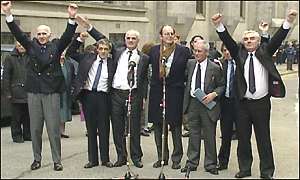
That’s not to say that cer­tain interned indi­vidu­als might not have been an act­ive threat to the UK.  How­ever, in the “good” old days (god, I sound ancient), sus­pects would have had evid­ence gathered against them, been tried by a jury, con­victed and imprisoned. The sys­tem was nev­er per­fect and evid­ence could be egre­giously with­held, but at least appeals were pos­sible, most not­ably in the case of the Birm­ing­ham Six.

Since 9/11 even breath­ing the word “ter­ror­ist” has meant that all these his­tor­ic com­mon law prin­ciples seem to have been jet­tisoned.  Even before the pro­posed enshrine­ment of “secret courts” in the new Bill, they are already being used in the UK — the Spe­cial Immig­ra­tion Appeal Com­mis­sion (SIAC) tribunals hear secret evid­ence and the defend­ant’s chosen law­yer is not allowed to attend. Instead a spe­cial, gov­ern­ment-approved advoc­ate is appoin­ted to “rep­res­ent the interests” of the defend­ant who is not allowed to know what his accusers have to say. And there was no appeal.

But all this is so unne­ces­sary.  The powers are already in place to be used (and abused) to shroud our notion­ally open court pro­cess in secrecy.  Judges can exclude the press and the pub­lic from court rooms by declar­ing the ses­sion in cam­era for all or part of the pro­ceed­ings.  Plus, in nation­al secur­ity cases, gov­ern­ment min­is­ters can also issue Pub­lic Interest Immunity Cer­ti­fic­ates (PIIs) that not only bar the press from report­ing the pro­ceed­ings, but can also ban them from report­ing they are gagged — the gov­ern­ment­al super-injunction.

So the powers already exist to pro­tect “nation­al secur­ity”.  No, the real point of the new secret courts is to ensure that the defend­ant and, par­tic­u­larly in my view, their chosen law­yers can­not hear the alleg­a­tions if based on intel­li­gence of any kind. Yet even the spies them­selves agree that the only type of intel­li­gence that really needs to be kept secret involves ongo­ing oper­a­tions, agent names, and sens­it­ive oper­a­tion­al techniques.

 And as for the right to be tried by a jury of your peers — for­get it.  Of course jur­ies will have no place in such secret courts.  The only time we have seen such dra­coni­an judi­cial meas­ures in the UK out­side a time of offi­cial war was dur­ing the Troubles in North­ern Ire­land — the infam­ous Dip­lock Courts — begin­ning in the 1970s and which incred­ibly were still in use this year.

I am not an apo­lo­gist of ter­ror­ism although I can under­stand the social injustice that can lead to it.  How­ever, I’m also very aware that the threat can be arti­fi­cially ramped up and manip­u­lated to achieve pre­con­ceived polit­ic­al goals.

I would sug­gest that the concept of secret courts will prove fatally dan­ger­ous to our demo­cracy.  It may start with the concept of get­ting the Big Bad Ter­ror­ist, but in more polit­ic­ally unstable or strin­gent eco­nom­ic times this concept is wide open to mis­sion creep.

We are already see­ing a slide towards expand­ing the defin­i­tion of “ter­ror­ist” to include “domest­ic extrem­ists”, act­iv­ists, single issue cam­paign­ers et al, as I have writ­ten before. And just recently inform­a­tion was leaked about a new pub­lic-private EU ini­ti­at­ive, Clean IT, that pro­poses ever more invas­ive and dra­coni­an poli­cing powers to hunt down “ter­ror­ists” on the inter­net. This pro­pos­al fails to define ter­ror­ism, but does provide for endem­ic elec­tron­ic sur­veil­lance of the EU. Pure cor­por­at­ism.

Allow­ing secret courts to try people on the say-so of a shad­owy, unac­count­able and bur­geon­ing spy com­munity lands us straight back in the pages of his­tory: La Ter­reur of revolu­tion­ary France, the creepy sur­veil­lance of the Stasi, or the dis­ap­pear­ances and tor­ture of the Gestapo.

Have we learned nothing?

Will MI6 “fix” intelligence on Iran?

By:    Ray McGov­ern, former CIA ana­lyst and Annie Machon, former MI5 intel­li­gence officer

Recent remarks by the head of MI6, Sir John Saw­ers, leave us won­der­ing if the Secret Intel­li­gence Ser­vice is pre­par­ing to “fix” intel­li­gence on Iran, as his imme­di­ate pre­de­cessor, Sir John Scar­lett, did on Iraq.

Scarlett’s pre-Iraq war role in cre­at­ing “dodgy dossiers” hyp­ing the threat of non-exist­ent “weapons of mass destruc­tion” is well known.  As for Saw­ers, the red warn­ing light for politi­ciz­a­tion blinked brightly on July 4, as he told Brit­ish seni­or civil ser­vants that Iran is “two years away” from becom­ing a “nuc­le­ar weapons state.”  How did Saw­ers come up with “two years?”

Since late 2007, the bench­mark for weigh­ing Iran’s nuc­le­ar pro­gram has been the unan­im­ous assess­ment by all 16 U.S. intel­li­gence agen­cies that Iran hal­ted its nuc­le­ar weapons pro­gram in late 2003 and that, as of mid-2007, had not restar­ted it.  Those judg­ments have been reval­id­ated every year since — des­pite strong pres­sure to bow to more omin­ous — but evid­ence-light — assess­ments by Israel and its neo-con­ser­vat­ive supporters.

Intel­li­gence Can Make a Difference

The 2007 the US Nation­al Intel­li­gence Estim­ate helped to thwart plans to attack Iran in 2008, the last year of the Bush/Cheney admin­is­tra­tion.  This shines through in George Bush’s own mem­oir, Decision Points, in which he rues the NIE’s “eye-pop­ping declar­a­tion: ‘We judge with high con­fid­ence that in fall 2003, Tehran hal­ted its nuc­le­ar weapons program.’”

Bush con­tin­ues, “But after the NIE, how could I pos­sibly explain using the mil­it­ary to des­troy the nuc­le­ar facil­it­ies of a coun­try the intel­li­gence com­munity said had no act­ive nuc­le­ar weapons pro­gram?” (Decision Points, p. 419)

Hands tied on the mil­it­ary side, US cov­ert oper­a­tions flowered, with $400 mil­lion appro­pri­ated at that same time for a major escal­a­tion of the dark-side struggle against Iran, accord­ing to mil­it­ary, intel­li­gence, and con­gres­sion­al sources cited by Sey­mour Her­sh in 2008.  This clandes­tine but all-too-real war on Iran has included attacks with com­puter vir­uses, the murders of Ira­ni­an sci­ent­ists, and what the Israel­is call the “unnat­ur­al” demise of seni­or offi­cials like Revolu­tion­ary Guards Major Gen­er­al Has­san Moghad­dam fath­er of Iran’s mis­sile program.

Moghad­dam was killed in a large explo­sion last Novem­ber, with Time magazine cit­ing a “west­ern intel­li­gence source” as say­ing the Israel’s Mossad was behind the blast.  More threat­en­ing still to Iran are the severe eco­nom­ic sanc­tions, which are tan­tamount to an act of war.

Israeli Prime Min­is­ter Ben­jamin Net­an­yahu and pro-Israel neo-con­ser­vat­ives in the U.S. and else­where have been push­ing hard for an attack on Iran, seiz­ing every pre­text they can find.  Net­an­yahu was sus­pi­ciously fast off the blocks, for example, in claim­ing that Iran was behind the tra­gic ter­ror­ist bomb­ing of Israeli tour­ists in Bul­garia on July 18, des­pite Bul­gari­an author­it­ies and even the White House warn­ing that it is too early to attrib­ute responsibility.

Netanyahu’s instant indict­ment of Iran strongly sug­gests he is look­ing for excuses to up the ante.  With the Per­sian Gulf look­ing like an acci­dent wait­ing to hap­pen, stocked as it is with war­ships from the U.S., the U.K. and else­where — and with no fail-safe way of com­mu­nic­at­ing with Ira­ni­an nav­al com­mand­ers — an escal­a­tion-gen­er­at­ing acci­dent or pro­voca­tion is now more likely than ever.

July 23: Mark­ing a Day of Infamy

Oddly, Sawers’s speech of July 4 came just as an import­ant date approached — the tenth anniversary of a sad day for Brit­ish intel­li­gence on Iraq.  On July 23, 2002 at a meet­ing at 10 Down­ing Street, then-MI6 head, John Dear­love, briefed Tony Blair and oth­er seni­or offi­cials on his talks with his Amer­ic­an coun­ter­part, CIA Dir­ect­or George Ten­et, in Wash­ing­ton three days before.

In the offi­cial minutes of that brief­ing (now known as the Down­ing Street Memo), which were leaked to the Lon­don Times and pub­lished on May 1, 2005, Dear­love explains that George Bush has decided to attack Iraq and the war was to be “jus­ti­fied by the con­junc­tion of ter­ror­ism and weapons of mass destruc­tion.”  While then-For­eign Sec­ret­ary Jack Straw points out that the case was “thin,” Dear­love explains mat­ter-of-factly, “The intel­li­gence and facts are being fixed around the policy.”

There is no sign in the minutes that any­one hic­cupped — much less demurred — at mak­ing a case for war and fur­ther­ing Blair’s determ­in­a­tion to join Bush in launch­ing the kind of “war of aggres­sion” out­lawed by the post-world war Nurem­berg Tribunal and the UN treaty.

Helped by the acqui­es­cence of their chief spies, the Blair gov­ern­ment main­lined into the body polit­ic un-assessed, raw intel­li­gence and forged doc­u­ments, with dis­astrous con­sequences for the world.

UK cit­izens were spoon-fed fake intel­li­gence in the Septem­ber Dossier (2002) and then, just six weeks before the attack on Iraq, the “Dodgy Dossier”, based largely on a 12-year old PhD thes­is culled from the Inter­net — all presen­ted by spy and politi­cian alike as omin­ous pre­mon­it­ory intelligence.

So was made the case for war. All lies, res­ult­ing in hun­dreds of thou­sands dead and maimed and mil­lions of Iraqis dis­placed — yet no one held to account.

Sir Richard Dear­love, who might have pre­ven­ted this had he had the integ­rity to speak out, was allowed to retire with full hon­ours and became the Mas­ter of a Cam­bridge col­lege.  John Scar­lett, who as chair of the Joint Intel­li­gence Com­mit­tee signed off the fraud­u­lent dossiers, was rewar­ded with the top spy job at MI6 and a knight­hood. George W. Bush gave George Ten­et the Pres­id­en­tial Medal of Free­dom — the highest civil­ian award.

What need have we for fur­ther proof? “So are they all, all hon­our­able men” — remin­is­cent of those stand­ing with Bru­tus in Shakespeare’s play, but with no Mark Anthony to expose them and stir the appro­pri­ate pop­u­lar reaction.

Therein lies the prob­lem: instead of being held account­able, these “hon­our­able men” were, well, hon­oured. Their soft land­ings offer a nox­ious object les­son for ambi­tious bur­eau­crats who are ready to play fast and loose with the truth and trim their sails to the pre­vail­ing winds.

Ill-got hon­ours offer neither deterrent nor dis­in­cent­ive to cur­rent and future intel­li­gence chiefs temp­ted to fol­low suit and cor­rupt intel­li­gence rather than chal­lenge their polit­ic­al lead­ers with hard, un-“fixed” facts. Integ­rity? In this milieu integ­rity brings know­ing smirks rather than hon­ours. And it can get you kicked out of the club.

Fix­ing Intel­li­gence on Iran

Are we in for anoth­er round of “fix­ing” — this time on Iran? We may know soon.  Israeli Prime Min­is­ter Net­an­yahu, cit­ing the ter­ror­ist attack in Bul­garia, has already provided what amounts to a vari­ation on Dearlove’s ten-year old theme regard­ing how war can be “jus­ti­fied by the con­junc­tion of ter­ror­ism and weapons of mass destruction.”

Accord­ing to the Jer­u­s­alem Post on July 17, Net­an­yahu said that all coun­tries that under­stand that Iran is an export­er of world ter­ror must join Israel in “stat­ing that fact clearly,” in order to emphas­ize the import­ance of pre­vent­ing Iran from obtain­ing a nuc­le­ar weapon.

Appear­ing yes­ter­day on Fox News Sunday and CBS’s Face the Nation, Net­an­yahu returned to that theme. Put­ting the blame for the ter­ror­ist attack in Bul­garia squarely on Iran (and Hezbol­lah), Net­an­yahu warned of the increased dangers that would accrue if Iran acquired nuc­le­ar weapons. “What would be the con­sequences if the most dan­ger­ous régime in the world got the world’s most dan­ger­ous weapons?”.

Will MI6 chief Saw­ers mod­el his con­duct on that of his pre­de­cessors who “jus­ti­fied” war on Iraq? Will he “fix” intel­li­gence around U.K./U.S./Israeli policy on Iran? Par­lia­ment­ary over­seers should demand a brief­ing from Saw­ers forth­with, before erstwhile bull­dog Bri­tain is again dragged like a poodle into anoth­er unne­ces­sary war.

Annie Machon is a former intel­li­gence officer in the UK’s MI5 Secur­ity Ser­vice and Ray McGov­ern is a fomer U.S Army Intel­li­gence Officer and CIA analyst.

What whistleblowers want

Whis­tleblowers want the sun and the moon — or at least they want to get their inform­a­tion out there, they want to make a dif­fer­ence, they want a fair hear­ing, and they don’t want to pay too high a per­son­al price for doing so.

Is that too much to ask? The decision to expose crimin­al­ity and bad prac­tice for the pub­lic good has ser­i­ous, life-chan­ging implications.

By going pub­lic about ser­i­ous con­cerns they have about their work­place, they are jeop­ard­ising their whole way of life: not just their pro­fes­sion­al repu­ta­tion and career, but all that goes with it, such as the abil­ity to pay the mort­gage, their social circle, their fam­ily life, their rela­tion­ship…  Plus, the whis­tleblower can poten­tially risk pris­on or worse.

So, with these risks in mind, they are cer­tainly look­ing for an aven­ue to blow the whistle that will offer a degree of pro­tec­tion and allow them to retain a degree of con­trol over their own lives.  In the old days, this meant try­ing to identi­fy an hon­our­able, cam­paign­ing journ­al­ist and a media organ­isa­tion that had the clout to pro­tect its source.  While not impossible, that could cer­tainly be dif­fi­cult, and becomes increas­ingly so in this era of endem­ic elec­tron­ic surveillance.

Today the oth­er option is the secure, high-tech pub­lish­ing con­duit, as trail-blazed by Wikileaks. While this does not provide the poten­tial bene­fits of work­ing with a cam­paign­ing journ­al­ist, it does provide anonym­ity and a cer­tain degree of con­trol to the mod­ern whis­tleblower, plus it allows their inform­a­tion to reach a wide audi­ence without either being filtered by the media or blocked by gov­ern­ment or cor­por­ate injunctions.

As someone who has a nod­ding acquaint­ance with the reper­cus­sions of blow­ing the whistle on a secret gov­ern­ment agency, I have liked the Wikileaks mod­el since I first stumbled across it in 2009.

As with most truly revolu­tion­ary ideas, once pos­ited it is blind­ingly obvious.

Nev­er before has this been tech­nic­ally pos­sible — the idea that a whis­tleblower­’s inform­a­tion could be made freely avail­able to the cit­izens of the world, in order to inform their demo­crat­ic choices, with no block­age, not cen­sor­ship, no fil­ter­ing or “inter­pret­a­tion” by the cor­por­ate media.

This is par­tic­u­larly rel­ev­ant in an age when the glob­al media has been con­sol­id­ated in the hands of a few mul­tina­tion­als, and when these mul­tina­tion­als have a cer­tain, shall we say “cosy”, rela­tion­ship with many of top our politi­cians and power elites.

The con­trol of the main­stream media by the spooks and gov­ern­ments has been the focus of many of my recent talks.  These cor­rupt inter-rela­tion­ships have also been recently laid bare with the News Inter­na­tion­al phone-hack­ing scandals.

The days of gar­ner­ing news from one favoured paper or TV bul­let­in are long gone. Few people now trust just one media out­let — they skip across a vari­ety of news sources, try­ing to eval­u­ate the truth for them­selves. But even that can be prob­lem­at­ic when some­thing big occurs, such as the “jus­ti­fic­a­tion” for the inva­sion of Iraq or Libya, and the cur­rent beat of war drums against Iran, when the cor­por­ate media mys­ter­i­ously achieves a consensus.

Hence the demo­crat­ic dis­con­nect, hence the dis­trust, and hence (in part) the plum­met­ing profits of the old media.

Wikileaks is based on a simple concept —  it allows the people to read the source mater­i­al for them­selves and make up their own minds based on real inform­a­tion.  This led to expos­ure of all kinds of glob­al nas­ties way before the massive 2010 US data-dump.

Des­pite this approach, the impact was ini­tially sub­dued until Wikileaks col­lab­or­ated with the old media.  This, as we all know, did indeed pro­duce the cov­er­age and aware­ness of those issues deemed import­ant as it was filtered through the MSM. This has also inev­it­ably lead to ten­sions between the new mod­el hackt­iv­ists and the old-school journalists.

No gov­ern­ment, least of all the USA, likes to have demands for justice and trans­par­ency forced upon it, and the push back since 2010 has been massive across the world in terms of an appar­ently illeg­al fin­an­cial block­ade, opaque leg­al cases and a media back­lash. Cer­tain of Wikileak­s’s erstwhile media part­ners have col­lab­or­ated in this, turn­ing on one of their richest sources of inform­a­tion in history.

How­ever, Wikileaks is more than a media source.  It is a whole new mod­el — a high-tech pub­lish­er that offers a safe con­duit for whis­tleblowers to cache and pub­li­cise their inform­a­tion without imme­di­ately hav­ing to over­turn (and in some cases risk) their lives.

For this work, Wikileaks has over the years won a num­ber of inter­na­tion­ally pres­ti­gi­ous journ­al­ism awards.

Inev­it­ably, crit­ics in the main­stream media seem to want to have their cake and eat it too: one early part­ner, the New York Times, has writ­ten that it does­n’t recog­nise Wikileaks as a journ­al­ist organ­isa­tion or a pub­lish­er — it is a source, pure and simple.

Either way, by say­ing this the media are surely shoot­ing them­selves in the cor­por­ate feet with both bar­rels. If Wikileaks is indeed “just” a source (the NYT seems to be blithely for­get­ting that good journ­al­ism is entirely depend­ent on its sources), then the media are break­ing their prime dir­ect­ive: pro­tect a source at all costs.

How­ever, if Wikileaks is a journ­al­ism or pub­lish­ing organ­isa­tion and as such is being tar­geted by the US gov­ern­ment, then all oth­er media are surely equally at risk in the future?

By not stand­ing up for Wikileaks in either capa­city, it appears that the old media have a death wish.

Over the years whis­tleblowers around the world have demon­strated their trust in Wikileaks, as it was set up by someone emer­ging from the ori­gin­al bona fide hack­er com­munity.   And rightly so — let’s not for­get that no source has been exposed through the fail­ure of the organ­isa­tion’s technology.

Many media organ­isa­tions rushed to emu­late its suc­cess by try­ing to set up their own “secure” whis­tleblow­ing repos­it­or­ies.  What the media execs failed to under­stand was the hack­er eth­os, the open source men­tal­ity: they went to their tech­ie depart­ment or com­mer­cial IT ser­vice pro­viders and said “we want one”, but failed to under­stand both the eth­os and the secur­ity con­cerns around closed, pro­pri­et­ary soft­ware sys­tems, often chan­nelled through the post-Pat­ri­ot Act, post-CISPA USA.

Oth­er, appar­ently well-mean­ing organ­isa­tions, also tried to emu­late the Wikileaks mod­el, but most have died a quiet death over the last year.  Per­haps, again, for want of real trust in their ori­gin or tech security?

Why on earth would any secur­ity-con­scious whis­tleblower, emer­ging out of a gov­ern­ment, mil­it­ary or intel­li­gence organ­isa­tion, trust such a set-up?  If someone comes out of such an envir­on­ment they will know all-too-well the scale of the push-back, the pos­sible entrap­ments, and the state-level resources that will be used to track them down. They either need an über-secure whis­tleblow­ing plat­form, or they need journ­al­ists and law­yers with fire in their belly to fight the fight, no mat­ter what.

So now to Open­Leaks — appar­ently the brainchild of Wikileaks defect­or Daniel Dom­sheit-Berg. He and the shad­owy “Archi­tect” fam­ously fell out with Juli­an Assange in late 2010, just when the polit­ic­al heat was ramp­ing up on the organ­isa­tion.  They left, reportedly tak­ing some of the cru­cial cod­ing and a tranche of files with them, and Dom­sheit-Berg decided to set up a rival organ­isa­tion called Open­Leaks.  As a res­ult of his actions, Dom­sheit-Berg was uniquely cast out of the inter­na­tion­al hack­er group, the CCC in Berlin.

He now seems to have been wel­comed back into the fold and Open­Leaks appears, finally, to be ready to receive whis­tleblower information.

How­ever, there is a cru­cial dif­fer­ence between the two organ­isa­tions.  Where Wikileaks wants to lay the inform­a­tion out there for pub­lic eval­u­ation, Open­Leaks will merely act as a repos­it­ory for cer­tain approved main­stream media organ­isa­tions to access. We are back to the ori­gin­al block­age of the cor­por­ate media decid­ing what inform­a­tion we, the people, should be allowed to ingest.

I would not wish to com­ment on Dom­sheit-Ber­g’s motiv­a­tion, but to me this seems to be an even worse option for a whis­tleblower than dir­ectly con­tact­ing a cam­paign­ing journ­al­ist with a proven track record of cov­er­ing hard-core stor­ies and fight­ing for the cause.

With Open­Leaks, the whis­tleblower loses not only the auto­mat­ic wide­spread dis­sem­in­a­tion of their inform­a­tion, but also any semb­lance of con­trol over which journ­al­ists will be work­ing on their story.  Their inform­a­tion will be parked on the web­site and any­one from pre-selec­ted media organ­isa­tions will be able to access, use and poten­tially abuse it.

One could say that Open­Leaks oper­ates as a secure sta­ging plat­form where a whis­tleblower can safely store sens­it­ive doc­u­ments and inform­a­tion.… but the founder allegedly removed and des­troyed sens­it­ive files from Wikileaks when he jumped ship in 2010.  Could any whis­tleblower really trust that Open­Leaks would not sim­il­arly “dis­ap­pear” shit-hot inform­a­tion in the future?

Plus, there is the added worry for any rightly-para­noid whis­tleblower that the founder of Open­Leaks so eas­ily aban­doned Wikileaks when under pres­sure.  Who’s to say that this would not hap­pen again, if the full might of the Pentagon were brought to bear on OpenLeaks?

Open­Leaks offers neither the per­son­al sup­port of work­ing with a trus­ted journ­al­ist and a media organ­isa­tion with the clout to fight back, nor does it provide full dis­clos­ure to the wider pub­lic to side-step poten­tial media self-cen­sor­ship and gov­ern­ment law suits, as the ori­gin­al Wikileaks mod­el does.

As such Open­Leaks seems, at least to this par­tic­u­lar whis­tleblower, to be an evol­u­tion­ary blip — a ret­ro­grade step — in the quest for justice and accountability.

The Gareth Williams Inquest

What a mess, what a cov­er-up.  The inquest into the sad, strange death of Gareth Wil­li­ams con­cluded yes­ter­day, with the cor­on­er rais­ing more ques­tions than she was able to answer.

It was also pat­ently obvi­ous that both MI6 and the Met­ro­pol­it­an Police Counter-Ter­ror­ism Squad (SO15) hampered the invest­ig­a­tion, for the inev­it­able reas­ons of “nation­al security”.

When will MI6 real­ise that it is not above the law?

My heart goes out to Gareth­’s family.

One man’s terrorist is another man’s activist

Here we go again.  In this heart­warm­ing art­icle in today’s Guard­i­an news­pa­per, Brit­ish MPs on the Home Affairs Com­mit­tee have decided that the inter­net is the most sig­ni­fic­ant factor in the rad­ic­al­isa­tion of viol­ent extrem­ists and con­clude that Some­thing Must Be Done.

One para­graph leapt out at me:

The Com­mons home affairs com­mit­tee says inter­net ser­vice pro­viders need to be as effect­ive at remov­ing mater­i­al that pro­motes viol­ent extrem­ism as they are in remov­ing con­tent that is sexu­al or breaches copy­right.” (My emphasis.)

Anti_SOPA_cartoonMost of us are aware of the recent dog­fight in the US about the pro­posed SOPA and PIPA laws to crack down on copy­right infringe­ment and, as a res­ult, there is a some­what belated but stead­ily increas­ing out­cry in Europe about the immin­ent impos­i­tion of ACTA across the continent. 

I have writ­ten before about how such laws provide the mil­it­ary-intel­li­gence com­plex with the per­fect stalk­ing horse for a pan­op­tic sur­veil­lance state, and the cam­paign­ing writer, Cory Doc­torow, summed it up beau­ti­fully when he wrote that “you can­’t make a sys­tem that pre­vents spy­ing by secret police and allows spy­ing by media giants”.

And, lo, it is now appar­ently com­ing to pass.  The Par­lia­ment­ary half-wits are now pro­pos­ing to use com­mer­cial legis­la­tion such as the utterly undemo­crat­ic ACTA as a bench­mark for coun­ter­ing poten­tial ter­ror­ists and extrem­ists.  Might they have failed to notice the pleth­ora of exist­ing counter-ter­ror­ism and eaves­drop­ping legis­la­tion, put in place for this very pur­pose and already much used and abused by a wide range of pub­lic bod­ies in the UK?

This yet again high­lights the mis­sion-creepy Big Broth­er cor­por­at­ist group-think.  Rather than hav­ing to spell it out in bor­ing old lin­ear text, here is some use­ful link­age — what I like to think of as 3‑D writing: 

Pro­test­er = act­iv­ist = domest­ic extrem­ist = viol­ent extrem­ist = ter­ror­ist  

G20_kettling

I’m sure you can see where I am head­ing.  To name but a few notori­ous abuses, we already live in a world where west­ern gov­ern­ments and spy agen­cies col­lude in the kid­nap­ping, tor­ture and assas­sin­a­tion of alleged ter­ror­ist sus­pects; the NDAA now endorses these prac­tices with­in the US; Brit­ish police spy on inno­cent protest groups for years; legit­im­ate pro­test­ers can be “kettled”, beaten up and maced; act­iv­ists can be pre-empt­ively arres­ted as eas­ily in the UK as in Syr­ia; and where Amer­ic­an politi­cians want to des­ig­nate the high-tech pub­lish­ing organ­isa­tion Wikileaks as a ter­ror­ist group.

There is an old aph­or­ism that one man’s ter­ror­ist was anoth­er man’s free­dom fight­er.  I think the time has come for an update:

One man’s ter­ror­ist is anoth­er man’s activist. 

And we are all increas­ingly at risk. 

Fascism 2012 — the ongoing merger of the corporate and the state

I’m gradu­ally com­ing to after a knock-out blow last Octo­ber — the unex­pec­ted death of my beloved and only broth­er, Rich.  Words can­not describe.

But look­ing for­ward to the delights that 2012 will no doubt offer: Juli­an Assange remains trapped in a leg­al spider­’s web, but all cred­it to Wikileaks — it keeps on provid­ing the goods. 

The recent pub­lic­a­tion of the Spy­Files should have been a massive wake-up call, as it it high­lighted the increas­ing use and abuse of mer­cen­ary spy tech — all without any effect­ive over­sight, as I recently wrote in my art­icle for the Bur­eau of Invest­ig­at­ive Journ­al­ism

Need­less to say, the issue of massive com­mer­cial sur­veil­lance cap­ab­il­it­ies usu­ally remains con­fined to a niche media mar­ket, although the Daily Mail did rouse itself to report that shop­pers were being tracked via mobile phones as they con­sumed their way around malls.  Well, I sup­pose it’s a start.

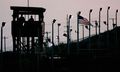
With the growth of mer­cen­ary spy com­pan­ies in our minds, we should be even more con­cerned about the accel­er­ated shred­ding of our civil liber­ties, par­tic­u­larly in the US and UK.  Des­pite earli­er prom­ises that he would veto any such legis­la­tion, Pres­id­ent Obama signed into law the invi­di­ous NDAA on 31st Decem­ber.  This means that the US mil­it­ary is now empowered to seize and indef­in­itely detain, with no recourse to tra­di­tion­al due pro­cess, not only poten­tially all non-Amer­ic­ans across the plan­et à la the Guantanamo/extraordinary rendi­tion mod­el, but can now also do this to US cit­izens with­in their own country.

Guantanamo_BayDes­pite the pas­sion­ate inter­net debate, the issue has unsur­pris­ingly been largely ignored by most of the main­stream cor­por­ate media.  But the pre­dom­in­antly US-based inter­net com­ment­ary dis­plays a breath­tak­ing hypo­crisy: yes, the NDAA is a ter­rible law with awful implic­a­tions for Amer­ic­an cit­izens.  How­ever, people around the world have been liv­ing with just this fear for a dec­ade, with whole com­munit­ies afraid of being snatched and dis­ap­peared into black CIA tor­ture facil­it­ies.   Where was the US out­rage then?  The Pas­tor Mar­tin Niemoeller poem remains as rel­ev­ant today as when it was writ­ten 70 years ago.

That said a couple of brave voices have spoken out: Naomi Wolf recently described how the US legis­lat­ors could iron­ic­ally find them­selves on the receiv­ing end of this law, if we go by all his­tor­ic pre­ced­ents.  Paul Craig Roberts was on froth­ing good form too, inveigh­ing against the war crimes of the US mil­it­ary, the per­se­cu­tion of Wikileaks for expos­ing those very crimes, and the evolving total­it­ari­an­ism of our countries.

SOPAIn a digit­al mir­ror of the NDAA, the enter­tain­ment industry and their pet lob­by­ists are suc­cess­fully ram­ming through the invi­di­ous SOPA law.   As acclaimed digit­al rights act­iv­ist and author, Cory Doc­torow, described in his key­note at the recent CCC geek­fest in Ber­lin, these ostens­ibly com­mer­cial laws are in effect a stalk­ing horse for gov­ern­ments to seize con­trol of the inter­net.  As he wrote in the Guard­i­an “you can­’t make a sys­tem that pre­vents spy­ing by secret police and allows spy­ing by media giants”. 

With this in the back of our minds, the Wikileaks Spy­Files rev­el­a­tions about the increas­ing glob­al­isa­tion and com­mer­cial­isa­tion of cor­por­ate spy tech­no­logy are even more alarm­ing.  The gov­ern­ment spy agen­cies work with little effect­ive over­sight, but the mer­cen­ar­ies have a com­pletely free leg­al rein.  Intriguingly, it appears that unlike our own gov­ern­ments Afgh­anistan is alive to this prob­lem and is reportedly boot­ing out for­eign contractors. 

Yet the bal­ance of power in cer­tain west­ern coun­tries is slid­ing over­whelm­ingly towards police states —  or, indeed, fas­cism, if you take into con­sid­er­a­tion Benito Mus­solin­i’s defin­i­tion: “the mer­ger of state and cor­por­ate power”.

Our line of defence is slender — organ­isa­tions like Wikileaks, one or two politi­cians of con­science, a few remain­ing real invest­ig­at­ive journ­al­ists and per­haps the odd whis­tleblower.  Bey­ond that, we must indi­vidu­ally get to grips with the threat, get informed, teched up, and pro­tect ourselves, as we can no longer rely on our gov­ern­ments to uphold our basic rights — you know, pri­vacy, free­dom of expres­sion, habeas cor­pus, and all those oth­er delight­fully old-fash­ioned ideas.

If we do not act soon, we may no longer be able to act at all in the near future.…  So I wish every­one an informed, pro­duct­ive and act­ive 2012!


The Big Dig Journalism Conference, Copenhagen

I recently did the open­ing key­note at the Big Dig invest­ig­at­ive journ­al­ism con­fer­ence in Copen­ha­gen.  Thanks to the organ­isers for a won­der­ful weekend!

Mediafabric talk, Prague, October 2011

Last Octo­ber I had the pleas­ure of speak­ing at the excel­lent Medi­afab­ric con­fer­ence in Prague.  The focus of my talk was the future of intel­li­gence, whis­tleblow­ing and journalism.

The event was organ­ised by Source­fab­ric, an inter­na­tion­al organ­isa­tion that provides open source tools and solu­tions for journ­al­ists, so it was an eclect­ic and stim­u­lat­ing crowd of journ­al­ists, geeks, hack­tav­ists and design­ers.   So well done and thank you to the organisers.

Here’s the video:

Global Investigative Journalism Conference, Kiev

Off to do a key­note at the Glob­al Invest­ig­at­ive Journ­al­ism Con­fer­ence in Kiev.   Should be inter­est­ing — watch this space.

GIJC_logo

The Official Secrets Act — when will the British media learn?

I have been watch­ing with a cer­tain cyn­ic­al interest the unfold­ing of Oper­a­tion Weet­ing, one of the pleth­ora of Met­ro­pol­it­an Police invest­ig­a­tions into the UK phone hack­ing scan­dal, involving many of our favour­ite play­ers: shady private invest­ig­at­ors, pred­at­ory journ­al­ists, bent cop­pers, and politi­cians con­tort­ing them­selves in an effort to pro­tect both their own repu­ta­tions and their Friends in High Places.  And the ripples are spread­ing inter­na­tion­ally.  Noth­ing like a little bit of globilisation.…

Rupert_and_Rebekah The Guard­i­an news­pa­per has made most of the early run­ning in expos­ing the cor­rupt prac­tices of the now defunct News of the Screws, high­light­ing all the dubi­ous tabloid prac­tices of hack­ing, blagging, pinging, and god knows what else.  All this done with the help of bot­tom-feed­ing private invest­ig­at­ors, but also mani­festly with the help of cor­rupt police officers who were not averse to the idea of tak­ing a bribe to help their friends in Wap­ping.  And how far might this “trickle down cor­rup­tion” might have gone, um, up?

Des­pite the self-right­eous­ness of oth­er UK news­pa­pers, it has also now become appar­ent that these dubi­ous and poten­tially illeg­al prac­tices were com­mon through­out Fleet Street, and oth­er nation­al news­pa­pers are also under investigation.

And yet it appears that all this could have been nipped in the bud over a dec­ade ago, when Steven Nott, a con­cerned Brit­ish cit­izen, tried to expose the vul­ner­ab­il­ity of mobile phones after he stumbled across the prac­tice by acci­dent.  He took his find­ings to a vari­ety of nation­al news­pa­pers, all of whom seem to have ini­tially thought there was a good story, but every time the news was bur­ied.  Well, I sup­pose it would be, would­n’t it — after all, why would hacks expose a prac­tice that could be so useful?

But back to the dear old OSA and the media.

Police_news_international In yes­ter­day’s Observ­er news­pa­per, it was repor­ted that the police have threatened the journ­al­ists at The Guard­i­an with the Offi­cial Secrets Act (1989) to force them to dis­close the iden­tity of their source amongst the police officer(s) in Oper­a­tion Weet­ing who leaked use­ful inform­a­tion to the news­pa­per to help its expos­ure of illeg­al prac­tices.  And, rightly, the great and the good are up in arms about this dra­coni­an use of a par­tic­u­larly invi­di­ous law:

John Cooper, a lead­ing human rights law­yer and vis­it­ing pro­fess­or at Cardiff Uni­ver­sity, echoed Evans’s con­cerns. “In my view this is a mis­use of the 1989 act,” Cooper said. “Fun­da­ment­ally the act was designed to pre­vent espi­on­age. In extreme cases it can be used to pre­vent police officers tip­ping off crim­in­als about police invest­ig­a­tions or from selling their stor­ies. In this instance none of this is sug­ges­ted, and many believe what was done was in the pub­lic interest.

Cooper added: “The police action is very likely to con­flict with art­icle 10 of the European Con­ven­tion on Human Rights, which pro­tects free­dom of speech.”

But I think he’s miss­ing a bit of recent leg­al his­tory here.  The UK had the 1911 OSA which was sup­posed to pro­tect the coun­try from espi­on­age and trait­ors, who faced 14 years in pris­on upon con­vic­tion.  Need­less to say this pro­vi­sion was rarely used — most of the cold war Soviet moles in the estab­lish­ment were allowed to slink off to the USSR, or at the very most be stripped of their “K”.

How­ever, as I’ve writ­ten before, the revised 1989 OSA was much more use­ful for the estab­lish­ment.  It was spe­cific­ally put in place to stop whis­tleblow­ing after the embar­rass­ment of the 1980s Clive Ponting/Belgrano case. 

Ponting The new act was spe­cific­ally designed to strip away the “pub­lic interest” defence used by Pont­ing in his tri­al, and also to pen­al­ise journ­al­ists who had the temer­ity to report leaks and whis­tleblow­ing from the heart of the estab­lish­ment.  The OSA (1989) has been used extens­ively since the late 1990s, des­pite the fact that many seni­or fig­ures in the former Labour gov­ern­ment opposed its pro­vi­sions when it went through Par­lia­ment.   Journ­al­ists are just as liable as whis­tleblowers or “leak­ers” under the pro­vi­sions of this act (the infam­ous Sec­tion 5).

So, back to The Guard­i­an and its leg­al cham­pi­ons.  I agree with what they are say­ing: yes, the 1989 OSA  has a chilling effect on free­dom of speech that unduly vic­tim­ises both the whis­tleblower and the journ­al­ist; yes, it is a uniquely dra­coni­an law for a notion­al West­ern demo­cracy to have on its books; yes, there should be a defence of “act­ing in the pub­lic interest”; and yes, the OSA should be deemed to be incom­pat­ible with Sec­tion 10(2) of the European Con­ven­tion of Human Rights, guar­an­tee­ing free speech, which can only be cir­cum­scribed in the interests of “nation­al secur­ity”, itself a leg­ally undefined, neb­u­lous, and con­tro­ver­sial phrase under Brit­ish law.

David_Shayler_High_Court But if all the out­raged law­yers read up on their case law, par­tic­u­larly the hear­ings and leg­al dog­fights in the run up to Regina v Shayler cases, they will see that all these issues have been addressed, appar­ently to the sat­is­fac­tion of the hon­our­able m’luds who preside over Brit­ish courts, and cer­tainly to the estab­lish­ment fig­ures who like to use the OSA as their “get out of jail free” card.

So I wish The Guard­i­an journ­al­ists well in this con­front­a­tion.  But I have to say, per­haps they would not have found them­selves in this situ­ation today vis a vis the OSA if, rather than just a few brave journ­al­ists, the media insti­tu­tions them­selves had put up a more robust fight against its pro­vi­sions dur­ing its bas­tard birth in 1989 and its sub­sequent abuse.

It has been repor­ted today that the police may have down­graded their invest­ig­a­tion to a purely crim­in­al mat­ter, not the OSA.  Whatever hap­pens does not obvi­ate the need for the media to launch a con­cer­ted cam­paign to call for reform of the invi­di­ous OSA.  Just because one of their own is no longer threatened does not mean the chilling threat of this law has gone away.  As Mar­tin Luth­er King said while imprisoned in 1963:

Injustice any­where is a threat to justice everywhere.”

I would also sug­gest the new gen­er­a­tion work­ing in the Brit­ish media urgently read this excel­lent book­let pro­duced by John Wadham of Liberty and Art­icle 19 way back in 2000 Down­load Article_19_Liberty_on_OSA_2000,  to remind them­selves of fun­da­ment­al argu­ments against dra­coni­an legis­la­tion such as the OSA and in favour of the free­dom of the press.

Spy documents found in Libya reveal more British double dealing

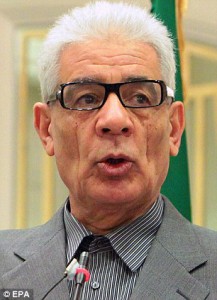
Musa_KousaA cache of highly clas­si­fied intel­li­gence doc­u­ments was recently dis­covered in the aban­doned offices of former Liby­an spy mas­ter, For­eign Min­is­ter and high-pro­file defect­or, Musa Kusa.

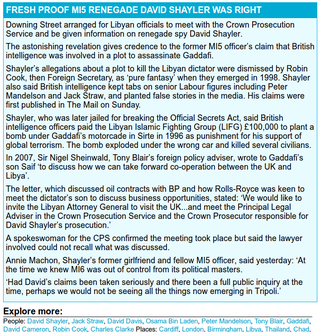
These doc­u­ments have over the last couple of weeks provided a fas­cin­at­ing insight into the grow­ing links in the last dec­ade between the former UK Labour gov­ern­ment, par­tic­u­larly Tony Blair, and the Gad­dafi régime.  They have dis­played in oily detail the degree of toady­ing that the Blair gov­ern­ment was pre­pared to coun­ten­ance, not only to secure luc­rat­ive busi­ness con­tracts but also to gloss over embar­rass­ing epis­odes such as Lock­er­bie and the false flag MI6-backed 1996 assas­sin­a­tion plot against Gaddafi.

These doc­u­ments have also appar­ently revealed dir­ect involve­ment by MI6 in the “extraordin­ary rendi­tion” to Tripoli and tor­ture of two Liby­ans.  Iron­ic­ally it has been repor­ted that they were wanted for being mem­bers of the Liby­an Islam­ic Fight­ing Group, the very organ­isa­tion that MI6 had backed in its failed 1996 coup.

The sec­u­lar dic­tat­or­ship of Col Gad­dafi always had much to fear from Islam­ist extrem­ism, so it is per­haps unsur­pris­ing that, after Blair’s notori­ous “deal in the desert” in 2004, the Gad­dafi régime used its con­nec­tions with MI6 and the CIA to hunt down its enemies.  And, as we have all been end­lessly told, the rules changed after 9/11…

The tor­ture  vic­tims, one of whom is now a mil­it­ary com­mand­er of the rebel Liby­an forces, are now con­sid­er­ing suing the Brit­ish gov­ern­ment.  Jack Straw, the For­eign Sec­ret­ary at the time, has tried to shuffle off any blame, stat­ing that he could not be expec­ted to know everything that MI6 does.

Well, er, no — part of the job descrip­tion of For­eign Sec­ret­ary is indeed to over­see the work of MI6 and hold it to demo­crat­ic account­ab­il­ity, espe­cially about such ser­i­ous policy issues as “extraordin­ary rendi­tion” and tor­ture.  Such oper­a­tions would indeed need the min­is­teri­al sign-off to be leg­al under the 1994 Intel­li­gence Ser­vices Act.

There has been just so much hot air from the cur­rent gov­ern­ment about how the Gib­son Tor­ture Inquiry will get to the bot­tom of these cases, but we all know how tooth­less such inquir­ies will be, cir­cum­scribed as they are by the terms of the Inquir­ies Act 2005.  We also know that Sir Peter Gib­son him­self has for years been “embed­ded” with­in the Brit­ish intel­li­gence com­munity and is hardly likely to hold the spies mean­ing­fully to account.

MoS_Shayler_11_09_2011So I was par­tic­u­larly intrigued to hear that the the cache of doc­u­ments showed the case of Dav­id Shayler, the intel­li­gence whis­tleblower who revealed the 1996 Gad­dafi assas­sin­a­tion plot and went to pris­on twice for doing so, first in France in 1998 and then in the UK in 2002, was still a sub­ject of dis­cus­sion between the Liby­an and UK gov­ern­ments in 2007. And, as I have writ­ten before, as late as 2009 it was obvi­ous that this case was still used by the Liby­ans for lever­age, cer­tainly when it came to the tit-for-tat nego­ti­ations around case of the murder in Lon­don out­side the Liby­an Embassy of WPC Yvonne Fletch­er in 1984.

Of course, way back in 1998, the Brit­ish gov­ern­ment was all too ready to crush the whis­tleblower rather than invest­ig­ate the dis­clos­ures and hold the spies to account for their illeg­al and reck­less acts.  I have always felt that this was a fail­ure of demo­cracy, that it ser­i­ously under­mined the future work and repu­ta­tion of the spies them­selves, and par­tic­u­larly that it was such a shame for the fate of the PBW (poor bloody whis­tleblower).

But it now appears that the Brit­ish intel­li­gence com­munity’s sense of omni­po­tence and of being above the law has come back to bite them.  How else explain their slide into a group-think men­tal­ity that par­ti­cip­ates in “extraordin­ary rendi­tion” and tor­ture?

One has to won­der if wily old Musa Kusa left this cache of doc­u­ments behind in his aban­doned offices as an “insur­ance policy”, just in case his defec­tion to the UK were not to be as com­fort­able as he had hoped — and we now know that he soon fled to Qatar after he had been ques­tioned about the Lock­er­bie case.

But wheth­er an hon­est mis­take or cun­ning power play, his actions have helped to shine a light into more dark corners of Brit­ish gov­ern­ment lies and double deal­ing vis a vis Libya.…

Senior UK psychiatrist struck off for abusive relationship

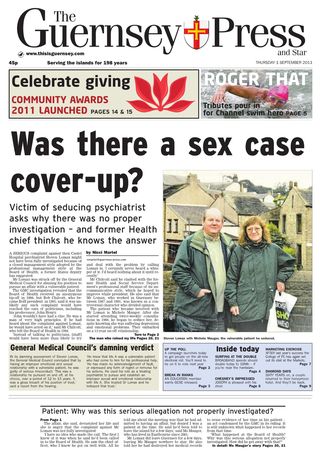
Ex-Dr Steven Lomax was last month sum­mar­ily struck off from the UK register of doc­tors by the Gen­er­al Med­ic­al Coun­cil in London.

In this excep­tion­al hear­ing, the GMC ruled that the former seni­or psy­chi­at­rist, who used to work as the Dir­ect­or of the Castel Hos­pit­al in Guernsey:

  • had an inap­pro­pri­ate emo­tion­al and sexu­al rela­tion­ship with his patient, Michele Mauger;
  • had appar­ently des­troyed her med­ic­al records;
  • had brought the med­ic­al pro­fes­sion into disrepute.

Michele_and_Lomax

How do I know all this?  The vic­tim of this egre­gious abuse, Michele Mauger, is my mother.

The GMC made an excep­tion to hear this case in the light of the sever­ity of the abuse and the over­whelm­ing prima facie evid­ence of  Lomax’s guilt.  Cases older than 5 years are usu­ally not invest­ig­ated.  Michele’s abuse began over 23 years ago.

In a resound­ing con­dem­na­tion, the GMC stated that he had “blatantly trans­gressed” the bound­ar­ies gov­ern­ing the doctor/patient rela­tion­ship and that he had caused “irre­par­able dam­age both to the patient and her family”.

There has been some cov­er­age in the media.  Per­haps the most accur­ate reflec­tion of what happened can be found in the  Guern­sey Press: Down­load Guernsey_Press_front_page, Down­load Guernsey_Press_Interview

The gov­ern­ing body of the Guern­sey hos­pit­als, the Board of Health, would also appear to have some ser­i­ous ques­tions to answer.

Michele recently did an excel­lent inter­view on BBC Radio4: Woman’s Hour, that encap­su­lated the core issues around this type of pro­fes­sion­al abuse. The inter­view is at the begin­ning of the show — listen here.

Last chance to find out what happened to Dr David Kelly — help needed

Many will be aware of the con­tro­versy sur­round­ing the death of Dr Dav­id Kelly, the world-renowned weapons inspect­or who was said to have blown the whistle about the “sex­ing-up” of the intel­li­gence case that took our coun­tries into the 2003 Iraq War.

Dr_Kelly_2jpgIgnor­ing all stand­ard Brit­ish leg­al require­ments, there has nev­er been an inquest into Dr Kelly’s sud­den death in 2003.  Sub­sequent gov­ern­ment enquir­ies have tried to assert over the years that he com­mit­ted sui­cide. How­ever, a group of seni­or Brit­ish doc­tors has con­sist­ently chal­lenged these find­ings and stated that his death was not proved to be sui­cide bey­ond all reas­on­able doubt.

Dominic_GrieveThe cur­rent seni­or leg­al advisor to the UK Coali­tion gov­ern­ment, Attor­ney Gen­er­al Domin­ic Grieve, prom­ised before last year’s elec­tion that he would con­sider a form­al inquest into Dr Kelly’s death.  How­ever, since com­ing to power Grieve has retreated from that.  In addi­tion, all the evid­ence sur­round­ing the death of Dr Kelly will, excep­tion­ally, remain clas­si­fied for 70 years.

The Brit­ish doc­tors, led by Dr Dav­id Halpin, have one last chance to get to the truth.  This week, they are apply­ing for a Judi­cial Review of Grieve’s decision.

The leg­al papers need to be filed by 8th Septem­ber, and the costs of this case will be at least £50,000, much of which has already been con­trib­uted by the doc­tors and sup­port­ers.  They are ask­ing for dona­tions to cov­er the remainder.  Please help if you can, spread the word to all your con­tacts, and ask them to make a fin­an­cial pledge at this site.