Save Our Free Speech

The Guard­i­an today repor­ted that the United Nations Com­mit­tee on Human Rights had issued a damning indict­ment of the Brit­ish gov­ern­ment’s use of legis­la­tion to sup­press a right that is fun­da­ment­al to all func­tion­ing demo­cra­cies: free­dom of expression.

This is not news to me. But it’s inter­est­ing that free­dom of expres­sion is now being cur­tailed in so many var­ied, inter­est­ing and ima­gin­at­ive ways: libel laws, ter­ror­ism laws and offi­cial secrecy. That’s quite an arsenal.

Bri­tain is now infam­ous for being the “libel cap­it­al” of the world. Wealthy indi­vidu­als can use our courts to sup­press pub­lic­a­tion of crit­ic­al books and art­icles any­where in the world, if they can prove that the book has been sold in the UK – even if it’s just one, second-hand copy on Amazon. The magazine, Private Eye, has been com­ment­ing on this extens­ively over the last year.

Then, under the slew of new counter-ter­ror­ism legis­la­tion that the Labour gov­ern­ment has intro­duced since 2001, it is now an offence to say any­thing that might “encour­age” ter­ror­ism. That defin­i­tion is so broad that, say, you or I made an inno­cent com­ment about the Palestini­an or Iraqi situ­ation, and this could be mis­con­strued by anoth­er per­son as encour­aging them to viol­ence, this could be assessed sub­ject­ively as a crim­in­al offence by the pro­sec­ut­ing author­it­ies. This is third party thought-crime.

These sort of laws have a neg­at­ive impact on free speech, as pub­lish­ers, edit­ors and journ­al­ists begin to self-cen­sor rather than run informed risks for the pub­lic good.

But it’s the third area of law that res­on­ates most with me, for obvi­ous reas­ons: the 1989 Offi­cial Secrets Act, which crim­in­al­ises any unau­thor­ised dis­clos­ure by serving or former intel­li­gence officers, noti­fied per­sons, and oth­er crown ser­vants and offi­cials. These people are the most likely to wit­ness high crimes and mis­de­mean­ors on the part of gov­ern­ment, police and the intel­li­gence ser­vices, and yet they are the most crim­in­al­ised in this coun­try for speak­ing out. Whis­tleblowers in oth­er areas of work are spe­cific­ally pro­tec­ted by the law under the Pub­lic Interest Dis­clos­ure Act (1998).

How did this hap­pen? Ever since the 1911 Offi­cial Secrets Act came into force, there has been legis­la­tion to pro­tect this nation’s genu­ine secrets against the actions of trait­ors. Under this law, crown ser­vants face 14 years in pris­on if they betray inform­a­tion to hos­tile powers. Of course we need to pro­tect genu­ine secrets, and this is cer­tainly safe­guard enough.

The change in this law was spe­cific­ally designed to gag genu­ine whis­tleblowers in sens­it­ive areas, not pro­tect nation­al secur­ity. This came about in the 1980s after the notori­ous failed pro­sec­u­tion of Min­istry of Defense civil ser­vant, Clive Pont­ing. In 1984 he blew the whistle on the fact the Brit­ish gov­ern­ment knew that the Argen­tini­an war­ship, the Gen­er­al Bel­grano, was sail­ing away from the exclu­sion zone dur­ing the Falk­lands War in 1982. Des­pite this, the order was still giv­en to attack it, and many were killed. Pont­ing was rightly out­raged by this, and went pub­lic. His actions were mani­festly in the pub­lic interest, and this was pre­cisely the suc­cess­ful defense he ran in court. Furi­ous, the Con­ser­vat­ive gov­ern­ment of the time re-wrote the secrecy laws, remov­ing the pub­lic interest defense to deter such prin­cipled whis­tleblowers in the future. And this is the cur­rent Offi­cial Secrets Act cri­ti­cised so strongly by the UN.

Inter­est­ingly, at the time the Labour party strongly opposed this change, rightly think­ing that this would cur­tail cru­cial inform­a­tion reach­ing the pub­lic domain. At this point, of course, many of them cor­rectly sus­pec­ted that they were on the receiv­ing end of illeg­al invest­ig­a­tions by MI5.

The roll call of Labour MPs who voted against the pro­posed Act as it passed through Par­lia­ment in 1988 includes such luminar­ies as Tony Blair, Jack Straw and the former Attor­ney Gen­er­al John Mor­ris. All these people went on to use the 1989 OSA to threaten and pro­sec­ute the intel­li­gence whis­tleblowers of the last decade.

The blanket ban on free­dom of expres­sion for intel­li­gence per­son­nel appears to be illeg­al under the terms of the European Con­ven­tion of Human Rights. Sure, Art­icle 10(2) does give nations the lim­ited right to cur­tail free­dom of expres­sion in a pro­por­tion­ate way to pro­tect nation­al secur­ity. How­ever, the term “nation­al secur­ity” has nev­er been defined for leg­al pur­poses in this coun­try and is used as a catch-all phrase to pre­vent dis­clos­ure of any­thing embar­rass­ing to the gov­ern­ment and the intel­li­gence agen­cies. Plus, dur­ing these cases, law­yers and judges have con­sist­ently con­fused the notion of the nation­al interest with nation­al secur­ity – two very dif­fer­ent beasts. And free­dom of expres­sion can­not be leg­ally cur­tailed under the Con­ven­tion merely for reas­ons of “the nation­al interest”.

So I was heartened to read the UN’s ver­dict on this leg­al mess: “Powers under the Offi­cial Secrets Act have been “exer­cised to frus­trate former employ­ees of the crown from bring­ing into the pub­lic domain issues of genu­ine pub­lic interest, and can be exer­cised to pre­vent the media from pub­lish­ing such matters”.”

Let’s hope this leads to the rein­state­ment of the pub­lic interest defence at the very least. Dur­ing this time of the unend­ing “war on ter­ror”, gov­ern­ments lying to take us into illeg­al wars, and the use of tor­ture and intern­ment, whis­tleblowers play an import­ant role in uphold­ing and defend­ing our demo­crat­ic val­ues. We need to pro­tect them, not pro­sec­ute them.

Boiling a Frog

Last Sunday George Bush gra­ciously flew into the UK for a final offi­cial vis­it before he steps down as pres­id­ent in Janu­ary next year. PM Gor­don Brown looked dis­tinctly uncom­fort­able at their joint press con­fer­ence, par­tic­u­larly when he had to announce that the UK would con­tin­ue to sup­port US mil­it­ary adven­tur­ism in the Middle East by send­ing yet more troops out there.

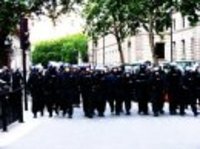
Of course, over the years many mil­lions of us opposed these illeg­al wars, but to no avail. This was the last oppor­tun­ity for peace pro­test­ers in the UK to vent their feel­ings towards Bush. The police respon­ded in an increas­ingly heavy-handed way, pen­ning the peacen­iks up, beat­ing inno­cent people around the head for no reas­on, and call­ing in the armoured riot police.

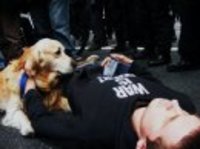
One friend of mine said that they were stand­ing there play­ing protest songs when sud­denly a wall of Rob­ocop lookalikes appeared and began to advance on them. My friend, a seasoned act­iv­ist, had nev­er seen any­thing quite like it; even he was unnerved. Anoth­er decided to make a stand. Well, to be exact, he lay down at their feet, pro­tec­ted only by Solomon his trusty Peace Dog.

Des­pite all this, the police per­sisted in blam­ing the pro­test­ers. Deputy Assist­ant Com­mis­sion­er Chris Allis­on announced that the Met would hold an enquiry and said: “We are ser­i­ously dis­ap­poin­ted by the irre­spons­ible and crim­in­al action of those who have chal­lenged police….”

Allis­on then went on to make a state­ment that chilled my heart: he said that the protest could have been used as a “cov­er” for ter­ror­ists tar­get­ing George Bush.

So this is what it has come to. Many intel­li­gent com­ment­at­ors over recent years have said that politi­cians and police use the threat of ter­ror­ism to gain more and more dra­coni­an powers. Time and again we have seen inno­cent people stopped for no good reas­on under Sec­tion 44 of the Ter­ror­ism Act. Infam­ously, this Act was also used to throw 87 year old Wal­ter Wolfgang out of a Labour Party con­fer­ence for heck­ling Jack Straw. Police can even arrest you now purely to ascer­tain your identity.

But for a seni­or police­man to claim that viol­ence is accept­able against peace cam­paign­ers as they might be har­bour­ing ter­ror­ists is one step bey­ond. The tac­tics the US army has used so dis­astrously on the streets of Bagh­dad have now been impor­ted to the streets of Westminster.

I have been say­ing for a long time that the laws are already in place for the UK to be defined as effect­ively a police state. The only reas­on that this is not yet obvi­ous to all is because these laws are not applied more widely. But per­haps we are see­ing the first signs of this now.

Where will this end? The Ger­man people did not just wake up one day in 1939 and find that they lived under a fas­cist régime. The pro­cess was slow, and the erosion of demo­cracy incre­ment­al. The vast major­ity was not even aware of what was hap­pen­ing to their coun­try until it was too late.

They say that if you put a frog in cold water, and then gradu­ally heat up the pot, the frog can­not detect the change in tem­per­at­ure fast enough and will sit there boil­ing to death. This, I fear, is what is hap­pen­ing to our democracy.


Cockle Rustlers under Surveillance

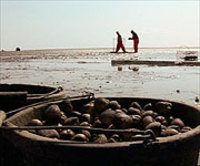
Four times in the past three years, powers designed to catch ter­ror­ists have been deployed against poten­tial cockle rust­lers on the sands out­side Poole Har­bour in Dor­set. I kid you not. The Inde­pend­ent news­pa­per yes­ter­day repor­ted that Poole Bor­ough Coun­cil had used the sweep­ing sur­veil­lance of the Reg­u­la­tion of Invest­ig­at­ory Powers Act (2000), oth­er­wise known as RIPA, to police the cockle fish­er­men of Dorset.

RIPA was inten­ded (the gov­ern­ment told us in 2000) merely to update for the inter­net age the old Inter­cep­tion of Com­mu­nic­a­tions Act (1985) that for the first time had reg­u­lated the intrus­ive sur­veil­lance car­ried out by spooks and police. In fact, the Grim RIPA massively expan­ded state intru­sion into our per­son­al lives, so that nine gov­ern­ment organ­iz­a­tions, includ­ing the secur­ity ser­vices and police, and 792 pub­lic author­it­ies (of which 474 are loc­al coun­cils) now have the powers to snoop on our private com­mu­nic­a­tions, and then some.

In fact, doc­u­ments dis­closed under the Free­dom of Inform­a­tion Act sug­gest that Poole Bor­ough Coun­cil may have the dubi­ous dis­tinc­tion of being the nosi­est in the UK, using RIPA not only to police its waters, but also to check on the res­id­en­tial status of loc­als, dam­age caused to traffic bar­ri­ers or oth­er minor infrac­tions. Hardly the stuff of James Bond.

Inad­vert­ently, Poole Coun­cil has provided a clas­sic case of reduc­tio ad absurdum, but this can be use­ful in high­light­ing more ser­i­ous flaws.

In the last dec­ade we have seen a slew of laws passed by our elec­ted rep­res­ent­at­ives in par­lia­ment that are poten­tially dan­ger­ous to our demo­cracy and way of life. All these laws have been whipped through par­lia­ment, and the media has ten­ded not to give them much consideration.

One such law that springs to mind is the Civil Con­tin­gen­cies Act (2004). This was passed with barely a mur­mur and, in the wake of the foot and mouth crisis, was deemed to be A Good Thing. How­ever, the dev­il is always in the detail. This law allows any seni­or gov­ern­ment min­is­ter, at the stroke of a pen, to declare a 30 day state of emer­gency. Under these terms, the author­it­ies can pre­vent our free asso­ci­ation at polit­ic­al meet­ings or demon­stra­tions, they can quar­ant­ine us, or pre­vent us mov­ing freely around our coun­try. They can even seize our homes, demol­ish them, and not have to pay a penny in com­pens­a­tion, as this will have been done to pro­tect “nation­al security”.

But the real stinker was the draft of the Legis­lat­ive and Reg­u­lat­ory Reform Act (2006). If Blair had suc­ceeded in passing this law, it would have spelled the end of 700 years of par­lia­ment­ary demo­cracy in Bri­tain. Had the ori­gin­al draft been approved, any seni­or gov­ern­ment min­is­ter could have abol­ished any law pre­vi­ously passed by our Houses of Parliament.

Not for noth­ing was this nick­named the “Abol­i­tion of Par­lia­ment Bill” (well, that and the fact that its form­al title is a tongue-twister – try say­ing it out loud!). Fol­low­ing a cit­izens’ cam­paign, the Bill was watered down as it passed through the Houses of Par­lia­ment. How­ever, even though lim­ited safe­guards have been intro­duced, min­is­ters are still in a pos­i­tion to tinker with any Brit­ish laws except the Human Rights Act. So, the tend­ency for author­it­ari­an gov­ern­ment may have been reined in this time, but we need to remain vigilant.

Many people are aware and are also appre­hens­ive of how these laws could be mis­used against the cit­izens of the UK if a more ruth­less and dra­coni­an gov­ern­ment were in power. Many com­ment­at­ors say we are sleep-walk­ing towards a police state. The tragedy is that we are pretty much there – most of the neces­sary laws are in place. It is time for us all to re-engage in the demo­crat­ic pro­cess and halt this rush towards a com­pletely unac­count­able government.

CCTV doesn’t prevent crime

So, the argu­ment about CCTV and our big broth­er soci­ety rumbles on. A seni­or police­man, Detect­ive Chief Inspect­or Mick Neville of the Visu­al Images, Iden­ti­fic­a­tions and Detec­tions Office (Viido) at New Scot­land Yard, has been quoted as say­ing that only 3 per cent of crimes have been solved by CCTV evid­ence. Des­pite the UK hav­ing the highest per cap­ita num­ber of CCTVs in the world, this brave new world has failed to make us safer.

A few oth­er police forces, and nat­ur­ally the secur­ity com­pan­ies flog­ging the kit, say that CCTV has at least dra­mat­ic­ally reduced oppor­tun­ist­ic crimes. Who should we believe?

What can­not be dis­puted is the fact that there are well over 4,000,000 CCTVs in this coun­try, and the organ­isa­tion, Pri­vacy Inter­na­tion­al, assesses that we are the most watched cit­izenry in Europe.

While some law-abid­ing cit­izens say they feel intim­id­ated by CCTV and how the inform­a­tion could poten­tially be mis­used, most people seem not to care. In fact, the major­ity appar­ently feel safer if they can see CCTV on the streets, even if this per­vas­ive sur­veil­lance has in no way dis­cour­aged crimes of viol­ence. So why this gap between per­cep­tion and reality?

One of my pet the­or­ies has always been to blame Big Broth­er. No, not the book. I have always been flum­moxed by the pop­ular­ity of the TV show and the pleth­ora of real­ity TV spin-offs. My instinct­ive reac­tion was that it was sim­il­ar to being “groomed” to accept round-the-clock intru­sion into our per­son­al lives. More than accept – desire it. The clear mes­sage is that such sur­veil­lance can lead to instant fame, wealth and access to the Z‑list parties of Lon­don. And for that we are sleep-walk­ing into a real Orwellian nightmare.

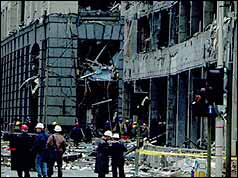
Slightly flip­pant the­or­ies aside, it is inter­est­ing that one of the most cited examples of the need for CCTV was the Bish­opsgate bomb­ing in Lon­don in 1993. In this case a lorry bomb, filled with a tonne of home made explos­ive (HME) was det­on­ated in the heart of the city of Lon­don by the IRA. One per­son was killed, many were injured, and hun­dreds of mil­lions of pounds worth of dam­age was caused, not to men­tion the fact threat the IRA scored a huge pub­li­city coup.

But this had noth­ing to do with the lack or oth­er­wise of CCTV in the streets of the City. It was an intel­li­gence fail­ure, pure and simple.

This attack could and should have been pre­ven­ted. It occurred while I was work­ing in MI5, and it was widely known in the ser­vice at the time that the bomber should have been arres­ted six months before dur­ing a sur­veil­lance oper­a­tion. Des­pite the fact that he was seen check­ing out anoth­er lorry bomb in stor­age, he was allowed to walk free and escape to the Repub­lic of Ire­land due to pro­ced­ur­al cock-ups. Months later, he returned to the City and bombed Bishopsgate.

By rely­ing increas­ingly on tech­no­lo­gies to pro­tect us, we are fol­low­ing in the foot­steps of the Amer­ic­ans. They have always had an over-reli­ance on gad­gets and giz­mos when seek­ing to invest­ig­ate crim­in­als and ter­ror­ists: satel­lite track­ing, phone taps, bugs. But this hoover­ing up of inform­a­tion is nev­er an adequate replace­ment for pre­cise invest­ig­at­ive work. Plus, any crim­in­al or ter­ror­ist worth their salt these days knows not to dis­cuss sens­it­ive plans electronically.

Scat­ter-gun approaches to gath­er­ing intel­li­gence, such as blanket sur­veil­lance, still at this stage require human beings to pro­cess and assess it for evid­en­tial use. That, accord­ing to DCI Neville, is part of the prob­lem. There is just too much com­ing in, not enough staff, insuf­fi­cient co-oper­a­tion between forces, and the job lacks per­ceived status with­in the police.

The oth­er prob­lem of an over-reli­ance on tech­no­logy is that it can always be hacked. The most recent hack­ing has broken the RFID chips that we all carry in our pass­ports, Oyster cards and the planned ID cards. New tech­no­lo­gies can­not guar­an­tee that our per­son­al data is secure, so rather than pro­tect­ing us, they make us more liable to crimes such as iden­tity theft.

So once again nation­al and loc­al gov­ern­ment bod­ies have rushed to buy up tech­no­logy, without fully think­ing through either its applic­a­tion or its use­ful­ness. And without fully assess­ing the implic­a­tions for a free soci­ety. Just because the tech­no­logy exists, it does not mean that it is fit for pur­pose, nor that it will make us safer.


Lecture: What can we do to counter the Spies?

My CCC talk in Ber­lin in Decem­ber 2007 about the role of Intel­li­gence agen­cies in society.

In the name of pro­tect­ing nation­al secur­ity, spy agen­cies are being giv­en sweep­ing new powers and resources. Their intel­li­gence has been politi­cised to build a case for the dis­astrous war in Iraq, they are fail­ing to stop ter­ror­ist attacks, and they con­tin­ue to col­lude in illeg­al acts of intern­ment and tor­ture, euphemist­ic­ally called “extraordin­ary rendi­tion”. Most west­ern demo­cra­cies have already giv­en so many new powers to the spies that we are effect­ively liv­ing in police states. As an informed com­munity, what can we do about this?

Here is the present­a­tion page on the CCC-2007-web­site. A video of the talk can be down­loaded from the talk-page or watched dir­ectly through Google-video. I was hon­oured to receive a stand­ing ova­tion at the end of my talk.  A write-up of the talk can be found here.  Enjoy!

Guardian Interview 2000 — No place to hide

The Sabine Dur­rant inter­view with me in The Guard­i­an, April 2000
No place to hide

How big a price can a woman pay for stand­ing by her man? The part­ner of exiled MI6 whis­tleblower Dav­id Shayler lives and loves on the run — with Big Broth­er watch­ing her every move

Annie Machon and her boy­friend, Dav­id Shayler, the former MI5 officers now liv­ing in Par­is, have got used to feel­ing watched. Their phone plays up. Their emails go miss­ing. Even the walls of their flat seem to look down on them. If they want to dis­cuss “an issue”, they find a safe café to do it in. A dif­fer­ent one each time? “Of course,” says Machon with a slight curve to her lips. And in bed? “We have dis­cussed that, yes,” she says. “You just try and blank it out and get on with your life.”

She is poised and con­trolled. She remains cool even when recall­ing “sweaty cop­pers” read­ing out her love let­ters in the course of an  inter­rog­a­tion. Even when describ­ing the state of her under­wear (“inside out, with the crotches turned up as if they’d been sniff­ing them”) after their flat in Pimlico had been searched.

Machon, who is 31, has been at Shayler­’s side since he fled to France in 1997 to escape pro­sec­u­tion for break­ing the Offi­cial Secrets Act when his claims of MI5 incom­pet­ence were first pub­lished in a Sunday news­pa­per. They packed for a fort­night. They’ve been gone two and a half years.

Shayler is a straight­for­ward love or hate fig­ure. He is either the whis­tleblower, fired by mor­al pur­pose to draw atten­tion to bungling with­in the intel­li­gence ser­vices, from rev­el­a­tions that they mon­itored “sub­vers­ives” includ­ing such threats to nation­al secur­ity as Har­riet Har­man and the reg­gae band UB40, to his more recent alleg­a­tions that MI6 was behind an illeg­al assas­sin­a­tion attempt on Muam­mar Gadafy, the Liby­an pres­id­ent. Or, as MI5 would have it (in an inter­est­ing mélange of con­tra­dic­tions), he is the trait­or, the self-pub­li­cist, the break­er of offi­cial secrets, the fantasist.

Machon has remained a much more enig­mat­ic fig­ure. At first she was just “Shayler­’s girl­friend”. With her blonde hair and big blue eyes, she looked like a deb, a nurs­ery school teach­er, caught up in events bey­ond her con­trol. A former MI5 officer her­self, she made no dir­ect alleg­a­tions while sup­port­ing Shayler in his. But this may not have been cau­tion so much as sound management.

Unlike Shayler (who spent four months in jail before extra­di­tion pro­ceed­ings failed; he is now being sued in the civil courts) she is at liberty to come and go in Bri­tain. “It’s import­ant that I remain free to travel, import­ant I remain out of reproach.”

Machon was in Lon­don to deliv­er to Scot­land Yard a dossier sup­port­ing Shayler­’s Gadafy claims (an MI6 file recently pos­ted on the inter­net also appears to con­firm the alleg­a­tions). She holds press con­fer­ences. She meets with MPs. With law­yers. She wants account­ab­il­ity. She wants free­dom of expres­sion. She wants amnesty. She wants Shayler to be listened to. Taken ser­i­ously. To be allowed home. Then she wants to be left alone.

We meet at Vaux­hall under­ground sta­tion, close by the MI6 build­ing, although she doesn’t
want to hang around long. The closest café is too close. She walks very fast to the next. She does­n’t look over her shoulder once. She sees con­nec­tions where oth­ers might see blank walls. There are advert­ise­ments for laptops nearby. She refers to the recent stor­ies of the mugged MI5 officer, whose laptop was nicked and the drunk­en MI6 officer who mis­laid his. “What a coin­cid­ence,” she smiles sar­don­ic­ally. If she and Shayler win their case, she says she does­n’t think they’ll ever come back to Lon­don. “Dave would feel quite uncom­fort­able liv­ing here,” she says. “I would too. It’s just that sense of unease all the time.”

She is all in black, although her nails are gold. She is pale and slim, unlike Shayler whose plump­ness in pho­to­graphs can make him look like a yob. (“He put on weight at MI5, actu­ally. Social­ising after work — that drink­ing cul­ture he talked about — and also a sense
of unease. He eats when he’s feel­ing stressed. He’s joined a health club now. He swims nearly every day.”)

It’s not the only reas­on they seem an unlikely couple. A Middles­brough boy, with work­ing-class roots, Shayler is said to be chippy about pub­lic-school Oxbridge types.

Machon, who is the daugh­ter of a pilot turned news­pa­per­man, and from an old Guern­sey fam­ily, went to a private girls’ school and then to Cam­bridge, where she stud­ied clas­sics. “Yes, yes, I know. I think he did think I was a bit posh at first, but he squared it with the fact that I was a schol­ar­ship girl. Also we both moved around a lot when we were young. We had that in common.”

Machon says that as soon as they met in an MI5 lib­rary they made each oth­er laugh and that their rela­tion­ship is “pas­sion­ate”. There are hints of that in her story. The night before she came back to Eng­land for the first time, sus­pect­ing she would be arres­ted, but not sure wheth­er they would con­fis­cate her pass­port, they lay in bed and held each oth­er and cried, “not know­ing when we would see each oth­er again”. Then, after 10 months in hid­ing at a farm­house in south-west France, when he was sud­denly taken into cus­tody, for days she walked around with “no one’s hand in mine”.

Inter­est­ingly, too, while Machon looks as though but­ter would­n’t melt in her mouth,
she found out soon after join­ing MI5 (after sit­ting the for­eign office exams), that  psy­cho­lo­gic­al pro­fil­ing had marked her out as a mav­er­ick. “I was hav­ing a bit of a debate with my man­ager in the office and she said, ‘I’ve been warned about you’.” She smiles enig­mat­ic­ally. “I was quite flattered.”

She and Shayler had already left MI5 when Shayler decided to go pub­lic, both had nice well-paid jobs as man­age­ment con­sult­ants. They had a nice social life, nice Pimlico flat.
She did­n’t want him to go to the papers. “It was­n’t so much doubt as fear. I knew they’d come after us and I knew what they could do against us. If you’ve worked for MI5 it does­n’t help your para­noia, put it that way.”

She slips a light­er out of her cigar­ette pack­et and lights up. “And I must say I was shown to be right. Not that I’d ever say I told you so to Dave.”

The papers ran the story on a bank hol­i­day week­end. Machon and Shayler got the last plane out of Heath­row on the Sat­urday night, to Ams­ter­dam. They braced them­selves. Then Diana, Prin­cess of Wales was killed. “In one sense it was a relief because the pres­sure was taken off us. In anoth­er it was ter­rible. An injunc­tion had been put on the paper and if she had­n’t died, Fleet Street would have been up in arms about gag­ging the free press, they would have been more bal­anced in their assess­ment of Dave, demanding
inquir­ies. As it was, there were a lot of back­room brief­ings against him, say­ing he was a loud­mouth, unbal­anced, and we were bur­ied there.”

She uses the word “bur­ied” a lot. It’s hard to tell wheth­er it is a good thing or a bad thing for someone who needs pub­li­city (“it’s our only pro­tec­tion”) and yet longs to hide. On the run, they “bur­ied them­selves” in the French coun­tryside, a dif­fer­ent hotel every night, pay­ing cash.

After that they were “bur­ied” again in a remote farm­house near Per­pig­nan, “freez­ing cold, miles from the shops”, liv­ing off their £40,000 news­pa­per earn­ings, where Shayler wrote his nov­el (it has since been banned) and she kept house. The Brit­ish gov­ern­ment pre­ten­ded to nego­ti­ate with them, she says. “They thought we’d run out of money and rot abroad. They wanted to bury us.”

It was only when Shayler was in pris­on, when the worst had happened, that she got
her con­fid­ence back. “I found I was tough­er than I thought. Dave had always been the more ebul­li­ent char­ac­ter. And sud­denly when he was arres­ted, even though I was des­per­ately lonely, it was, ‘Right, you’ve got to do it.’ ”

Actu­ally, there was worse to come: an approach by an armed Liby­an a week after Shayler­’s release. He offered a six-fig­ure sum in exchange for names linked to the Gadafy plot and evid­ence on Lock­er­bie (Shayler had been an expert). He fol­lowed them
when they refused. A few nights later their buzzer rang for five minutes in the night: “We cowered in the corner with our kit­chen knives.” They repor­ted the incid­ent to MI5, and were told it was a mat­ter for the French, who told them it was a mat­ter for the Brits.

What does Machon hope for now? She says she can­’t think what to do with her life. “I’m a dif­fer­ent per­son to the one I was two years ago.” Maybe an old house in Nor­mandy: Shayler could con­tin­ue writ­ing, nov­els, his column for Punch.

What about chil­dren? “I don’t want those. Neither of us does. We nev­er have. I’m not at all mater­nal. I’ve nev­er felt the desire. My broth­er is 11 years young­er and I don’t have a
romantic view of chil­dren. I know what they’re like.”

I was going to sug­gest that when she hits her mid-30s she might change her mind, but then I saw the look in her eye and changes of mind did­n’t seem to come into it.