Last chance to find out what happened to Dr David Kelly — help needed

Many will be aware of the con­tro­versy sur­round­ing the death of Dr Dav­id Kelly, the world-renowned weapons inspect­or who was said to have blown the whistle about the “sex­ing-up” of the intel­li­gence case that took our coun­tries into the 2003 Iraq War.

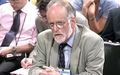
Dr_Kelly_2jpgIgnor­ing all stand­ard Brit­ish leg­al require­ments, there has nev­er been an inquest into Dr Kelly’s sud­den death in 2003.  Sub­sequent gov­ern­ment enquir­ies have tried to assert over the years that he com­mit­ted sui­cide. How­ever, a group of seni­or Brit­ish doc­tors has con­sist­ently chal­lenged these find­ings and stated that his death was not proved to be sui­cide bey­ond all reas­on­able doubt.

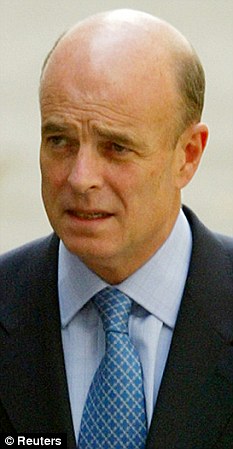
Dominic_GrieveThe cur­rent seni­or leg­al advisor to the UK Coali­tion gov­ern­ment, Attor­ney Gen­er­al Domin­ic Grieve, prom­ised before last year’s elec­tion that he would con­sider a form­al inquest into Dr Kelly’s death.  How­ever, since com­ing to power Grieve has retreated from that.  In addi­tion, all the evid­ence sur­round­ing the death of Dr Kelly will, excep­tion­ally, remain clas­si­fied for 70 years.

The Brit­ish doc­tors, led by Dr Dav­id Halpin, have one last chance to get to the truth.  This week, they are apply­ing for a Judi­cial Review of Grieve’s decision.

The leg­al papers need to be filed by 8th Septem­ber, and the costs of this case will be at least £50,000, much of which has already been con­trib­uted by the doc­tors and sup­port­ers.  They are ask­ing for dona­tions to cov­er the remainder.  Please help if you can, spread the word to all your con­tacts, and ask them to make a fin­an­cial pledge at this site.

Book review in The Sunday Express

Noth­ing like being paid to read a book — a win-win situ­ation for me. 

Here’s a link to my review in the Sunday Express news­pa­per of a new his­tory of MI6, called “The Art of Betray­al” by Gor­don Corera, the BBC’s Secur­ity Correspondent.

And here’s the article:

REVIEW: THE ART OF BETRAYALLIFE AND DEATH IN THE BRITISH SECRET SERVICE
Fri­day August 19, 2011
By Annie Machon

THE Art of Betray­al: Life and Death in the Brit­ish Secret Ser­vice
Gor­don Corera Weiden­feld & Nich­olson, £20

THE INTRODUCTION to The Art Of Betray­al, Gor­don Corera’s unof­fi­cial post-war his­tory of MI6, raises ques­tions about the mod­ern rel­ev­ance and eth­ic­al frame­work of our spies. It also provides an anti­dote to recent offi­cial books cel­eb­rat­ing the cen­ten­ar­ies of MI5 and MI6

Corera, the BBC’s secur­ity cor­res­pond­ent, has enjoyed priv­ileged access to key spy play­ers from the past few dec­ades and, writ­ing in an enga­ging, easy style, he picks up the story of MI6 at the point where the “offi­cial” his­tory grinds to a halt after the Second World War. 

Spy geeks will enjoy the swash­buck­ling stor­ies from the Cold War years and he offers an intel­li­gent explor­a­tion of the men­tal­ity of betray­al between the West and the former Soviet Uni­on, focus­ing on the notori­ous Philby, Pen­kovsky and Gordi­evsky cases among many others. 

For the more cyn­ic­al read­er, this book presents some prob­lems. Where Corera dis­cusses the aim­less years of MI6 post-Cold War attempts at rein­ven­tion, fol­lowed by the mus­cu­lar, mor­ally ambigu­ous post‑9/11 world, he ref­er­ences quotes from former top spies and offi­cial inquir­ies only, all of which need to be read with a healthy degree of skep­ti­cism. To use a mem­or­able quote from the Six­ties Pro­fumo Scan­dal, also men­tioned in the book: “Well, they would say that, would­n’t they?”

In Corera’s view, there has always been inher­ent ten­sion in MI6 between the “doers” (who believe that intel­li­gence is there to be acted upon James Bond-style and who want to get their hands dirty with cov­ert oper­a­tions) and the “thinkers” (those who believe, à la George Smi­ley, that know­ledge is power and should be used behind the scenes to inform offi­cial gov­ern­ment policy). 

He demon­strates that the “doers” have often been in con­trol and the image of MI6 staffed by gung-ho, James Bond wan­nabes is cer­tainly a ste­reo­type I recog­nise from my years work­ing as an intel­li­gence officer for the sis­ter spy organ­isa­tion, MI5

The prob­lem, as this book reveals, is that when the action men have the cul­tur­al ascend­ancy with­in MI6 events often go badly wrong through estab­lish­ment com­pla­cency, betray­al or mere enthu­si­ast­ic amateurism. 

That said, the oppos­ing cul­ture of the “thinkers”, or patient intel­li­gence gather­ers, led in the Six­ties and Sev­en­ties to intro­spec­tion, mole-hunt­ing para­noia and sclerosis. 

Wor­ry­ingly, many former officers down the years are quoted as say­ing that they hoped there was a “real” spy organ­isa­tion behind the appar­ently ama­teur out­fit they had joined, a sen­ti­ment shared by most of my intake in the Nineties. 

Nor does it appear that les­sons were learned from his­tory: the Oper­a­tion Gla­dio débâcle in Albania and the top­pling of Iran’s first demo­crat­ic­ally-elec­ted Pres­id­ent Mossad­eq in the Fifties could have provided valu­able les­sons for MI6 in its work in Afgh­anistan, Iraq, and Libya over the past two decades. 

Corera is remark­ably coy about Libya des­pite the wealth of now pub­licly-avail­able inform­a­tion about MI6’s med­dling in the Lock­er­bie case, the illeg­al assas­sin­a­tion plot against Gad­dafi­in 1996 and the dirty, MI6-brokered oil deals of the past decade. 

Corera pulls togeth­er his recur­ring themes in the final chapters, explor­ing the com­prom­ise of intel­li­gence in jus­ti­fy­ing the Iraq war, describ­ing how the “doers” pumped unveri­fied intel­li­gence from unproven agents dir­ectly into the veins of White­hall and Washington. 

Many civil ser­vants and middle-rank­ing spies ques­tioned and doubted but were told to shut up and fol­low orders. The res­ults are all-too tra­gic­ally well known. 

Corera does not, how­ever, go far enough. 

He appre­ci­ates that the glob­al reach of MI6 main­tains Bri­tain’s place in an exclus­ive club of world powers. At what price, though? 

Here is the ques­tion he should per­haps have asked: in light of all the mis­takes, betray­als, liber­ties com­prom­ised, les­sons unlearned and deaths, has MI6 out­lived its usefulness? 

Annie Machon is a former MI5 intel­li­gence officer and author.

Ver­dict 4/5

Lawyers challenge integrity of UK spy torture inquiry

Gareth_Peirce_1It was widely repor­ted today that a num­ber of well-respec­ted Brit­ish law­yers and civil liber­ties organ­isa­tions are ques­tion­ing the integ­rity of the much-trum­peted inquiry into UK spy com­pli­city in torture.

And about time too.  One hopes this is all part of a wider strategy, not merely a defens­ive reac­tion to the usu­al power play on the part of the Brit­ish estab­lish­ment.  After all, it has been appar­ent from the start that the whole inquiry would be ques­tion­able when it was announced that Sir Peter Gib­son would be chair­ing the inquiry.

Gib­son has cer­tain form.  He was until recently the Intel­li­gence Ser­vices Com­mis­sion­er — the very per­son who for the last five years has been invited into MI5, MI6 and GCHQ for cosy annu­al chats with care­fully selec­ted intel­li­gence officers (ie those who won’t rock the boat), to report back to the gov­ern­ment that demo­crat­ic over­sight was work­ing won­der­fully, and it was all A‑OK in the spy organisations.

After these years of happy frat­ern­ising, when his name was put for­ward to invest­ig­ate poten­tial crim­in­al com­pli­city in tor­ture on the part of the spies, he did the pub­licly decent thing and resigned as Com­mis­sion­er to take up the post of chair of the Tor­ture Inquiry.

Well, we know the estab­lish­ment always like a safe pair of hands.…  and this safety has also been pretty much guar­an­teed by law for the last six years. 

Ever since the Inquir­ies Act 2005 was pushed through as law, with rel­at­ively little press aware­ness or par­lia­ment­ary oppos­i­tion, gov­ern­ment depart­ments and intel­li­gence agen­cies have pretty much been able to call the shots when it comes to the scope of sup­posedly inde­pend­ent inquiries.

Malcolm_RifkindInter­est­ingly, Tory grandee Sir Mal­colm Rif­kind, the former For­eign Sec­ret­ary who now chairs the Intel­li­gence and Secur­ity Com­mit­tee, has also weighed in to the debate.  On BBC Radio 4’s Today pro­gramme he stated:

I can­not recol­lect an inquiry that’s been pro­posed to be so open as we’re hav­ing in this par­tic­u­lar case. When was the last time the head of MI5 and the head of MI6 – the prime min­is­ter has made quite clear – can be summoned to this inquiry and be required to give evid­ence?

This from the seni­or politi­cian who has always denied that he was offi­cially briefed about the illeg­al assas­sin­a­tion plot against Col­on­el Gad­dafi of Libya in 1996; this from the man who is now call­ing for the arm­ing of the very same extrem­ists to topple Gad­dafi in the ongo­ing shambles that is the Liby­an War; and this from the man who is also loudly call­ing for an exten­sion of the ISC’s leg­al powers so that it can demand access to wit­nesses and doc­u­ments from the spy organisations. 

No doubt my head will stop spin­ning in a day or two.…

Alastair Campbell — guilty of breaching the OSA?

Alastair_Campbell_1I have long sus­pec­ted that Alastair Camp­bell, Labour’s former Dir­ect­or of Com­mu­nic­a­tions, may poten­tially have broken the UK’s Offi­cial Secrets Act.  Now prima facie evid­ence is begin­ning to emerge that he did indeed breach the “clear bright line” against unau­thor­ised dis­clos­ure of intelligence. 

I know that the Met­ro­pol­it­an Police have their hands full invest­ig­at­ing the melt­down that is the News of the World hack­ing scan­dal — and also try­ing to replace all those seni­or officers who had to resign because of it — but they do have a duty to invest­ig­ate crime.  And not just any old crime, in this case, but one that has poten­tially threatened the very basis of our nation­al security.

Why do I say this? 

Sun_45_minutes_from_doomYou’ll no doubt have some vague recol­lec­tion that, in the run-up to the 2003 Iraq War, the Brit­ish gov­ern­ment pro­duced a couple of reports “mak­ing a case for war”.  The first, the Septem­ber Dossier (2002), is the one most remembered, as this did indeed sex up the case for war, as well as include fake intel­li­gence about Sad­dam Hus­sein try­ing to acquire urani­um from Niger.  Most mem­or­ably it led to the “Brits 45 minutes from Doom” front-page head­line in Rupert Mur­doch’s The Sun news­pa­per, no less, on the eve of the cru­cial war vote in Parliament.

There was also the notori­ous leaked Down­ing Street Memo, where the then-head of MI6, Sir Richard Dear­love ©, was minuted as say­ing that the intel­li­gence and facts were being fit­ted around the [pre­de­ter­mined war] policy.

How­ever, for the pur­poses of a pos­sible Regina v. Camp­bell day in court, it is the second report that requires our attention.

It was pub­lished in Feb­ru­ary 2003, just before “shock and awe” was launched to lib­er­ate the grate­ful Iraqi people.   This report became known as the “Dodgy Dossier”, as it was largely lif­ted from a 12 year old PhD thes­is that the spin doc­tors had found on the inter­net.  How­ever, it also included nug­gets of brand-new and unas­sessed intel­li­gence from MI6.  Indeed, even the tooth­less Intel­li­gence and Secur­ity Com­mit­tee in Par­lia­ment stated in para­graph 82 of its 2002–2003 Annu­al Report ( Down­load ISC_2003) that:

We believe that mater­i­al pro­duced by the [intel­li­gence] Agen­cies can be used in pub­lic­a­tions and attrib­uted appro­pri­ately, but it is imper­at­ive that the Agen­cies are con­sul­ted before any of their mater­i­al is pub­lished. This pro­cess was not fol­lowed when a second doc­u­ment was pro­duced in Feb­ru­ary 2003. Although the doc­u­ment did con­tain some intel­li­gence-derived mater­i­al it was not clearly attrib­uted or high­lighted amongst the oth­er mater­i­al, nor was it checked with the Agency provid­ing the intel­li­gence or cleared by the JIC pri­or to pub­lic­a­tion. We have been assured that sys­tems have now been put in place to ensure that this can­not hap­pen again, in that the JIC Chair­man endorses any mater­i­al on behalf of the intel­li­gence com­munity pri­or to pub­lic­a­tion.

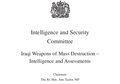
ISC_Iraq_reportAt the time it was repor­ted that Blair and Camp­bell had spon­tan­eously dis­trib­uted this report to journ­al­ists trav­el­ling with them on a tour of the Far East.   The ISC con­firmed that the intel­li­gence had been passed to journ­al­ists without the per­mis­sion of MI6 in its Septem­ber 2003 spe­cial report — “Iraq Weapons of Mass Destruc­tion: Intel­li­gence and Assess­ments” (see pars 131 to 134):

The doc­u­ment was ori­gin­ally giv­en to a num­ber of journ­al­ists over the week­end of
1 and 2 Feb­ru­ary and then placed in the Lib­rary of the House on 3 Feb­ru­ary. The Prime
Min­is­ter described the doc­u­ment as follows:

We issued fur­ther intel­li­gence over the week­end about the infra­struc­ture of
con­ceal­ment. It is obvi­ously dif­fi­cult when we pub­lish intel­li­gence reports, but I hope
that people have some sense of the integ­rity of our secur­ity ser­vices. They are not
pub­lish­ing this, or giv­ing us this inform­a­tion, and mak­ing it up. It is the intel­li­gence
that they are receiv­ing, and we are passing on to people. In the dossier that we
pub­lished last year, and again in the mater­i­al that we put out over the week­end, it is
very clear that a vast amount of con­ceal­ment and decep­tion is going on.”

Con­clu­sions:

The Com­mit­tee took evid­ence on this mat­ter from the Chief of the SIS on both
12 Feb­ru­ary and 17 July and sep­ar­ately from Alastair Camp­bell on 17 July. Both agreed
that mak­ing the doc­u­ment pub­lic without con­sult­ing the SIS or the JIC Chair­man was
a “cock-up”. Alastair Camp­bell con­firmed that, once he became aware that the
proven­ance of the doc­u­ment was being ques­tioned because of the inclu­sion of
Dr Al-Marashi’s work without attri­bu­tion, he tele­phoned both the Chief of the SIS and
the JIC Chair­man to apologise.

We con­clude that the Prime Min­is­ter was cor­rect to describe the doc­u­ment as
con­tain­ing “fur­ther intel­li­gence… about the infra­struc­ture of con­ceal­ment.… It is the
intel­li­gence that they [the Agen­cies] are receiv­ing, and we are passing on to people.”

How­ever, as we pre­vi­ously con­cluded, it was a mis­take not to con­sult the
Agen­cies before their mater­i­al was put in the pub­lic domain. In evid­ence to us the
Prime Min­is­ter agreed. We have repor­ted the assur­ance that we have been giv­en
that in future the JIC Chair­man will check all intel­li­gence-derived mater­i­al on
behalf of the intel­li­gence com­munity pri­or to publication.”

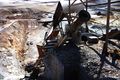
Iraq_supergunCru­cially, Blair and Camp­bell had jumped the (old Iraqi super-) gun by issu­ing this inform­a­tion, but Camp­bell seems to have got away with it by describ­ing such a breach of the OSA as a “cock-up”.  Or per­haps just anoth­er pre­cip­it­ous “rush of blood to the head” on his part, as recently described in the long-sup­pressed testi­mony of SIS2 revealed around the Chil­cot Enquiry and repor­ted in The Guard­i­an:

Papers released by the Chil­cot inquiry into the war show that an MI6 officer, iden­ti­fied only as SIS2, had reg­u­lar con­tacts with Camp­bell: “We found Alastair Camp­bell, I think, an enthu­si­ast­ic indi­vidu­al, but also some­what of an unguided mis­sile.” He added: “We also, I think, suffered from his propensity to have rushes of blood to the head and pass vari­ous stor­ies and inform­a­tion to journ­al­ists without appro­pri­ate pri­or con­sulta­tion” (my emphasis).

So why do I sug­gest that Camp­bell could be liable for pro­sec­u­tion?  It appears that he was a “noti­fied per­son” for the pur­poses of Sec­tion 1(1) of the OSA.  While not employed by the intel­li­gence agen­cies, noti­fied per­sons have reg­u­lar access to intel­li­gence mater­i­al and are sub­jec­ted to the highest clear­ance — developed vet­ting — in the same way as the full-time spooks.  As such, they are also bound by the law against dis­clos­ure of such mater­i­al without the pri­or writ­ten per­mis­sion of the head of the agency whose intel­li­gence they want to dis­sem­in­ate.  There is no room for manœuvre, no dam­age assess­ment, and no pub­lic interest defence.  The law is clear. 

And a report in today’s Tele­graph about Andy Coulson and the phone-hack­ing scan­dal seems to show clearly that Camp­bell was just such a noti­fied person:

Unlike Alastair Camp­bell and oth­er pre­vi­ous hold­ers of the Down­ing Street com­mu­nic­a­tions dir­ect­or role, Mr Coulson was not cleared to see secret intel­li­gence reports and so was spared the most detailed scru­tiny of his back­ground and per­son­al life.….

The only people who will be sub­ject to developed vet­ting are those who are work­ing in secur­ity mat­ters reg­u­larly and would need to have that sort of information.

The only spe­cial advisers that would have developed vet­ting would be in the For­eign Office, Min­istry of Defence and maybe the Home Office. Andy Coulson’s role was dif­fer­ent to Alastair Camp­bell’s and Jonath­an Powell.

Alastair Camp­bell could instruct civil ser­vants. This is why [Coulson] was­n’t neces­sar­ily cleared. Giv­en [the nature of] Andy Coulson’s role as more stra­tegic he would­n’t have neces­sar­ily have been sub­ject to developed vetting.”

So it would appear that Alastair Camp­bell is bang to rights for a breach of the Offi­cial Secrets Act under Sec­tion 1(1).  He released new, unas­sessed and uncleared MI6 intel­li­gence with­in the dodgy dossier.  This is not just some tech­nic­al  infrac­tion of the law — although even if it were, he would still have a case to answer.

EMBNo, this report led inex­or­ably to our coun­try going to war against Iraq, shoulder to shoulder with the US, and the res­ult­ing deaths, maim­ings, pois­on­ings and dis­place­ment of mil­lions of inno­cent Iraqi people.  It has also dir­ectly increased the ter­ror­ist threat to the UK, as Tony Blair was offi­cially warned pre-Iraq war by the then-head of MI5, Eliza Man­ning­ham-Buller.  With the dodgy dossier, Camp­bell has dir­ectly harmed count­less lives and our nation­al security.

Of course, many of us might fan­tas­ise about war­mon­gers get­ting their just deserts in The Hag­ue.  But per­haps the OSA could prove to be Al Camp­bell’s Al Capone-style tax eva­sion moment.

Now, what about The Right Hon­our­able Tony Blair?

Former head of MI6 says that fact and fiction get mixed up

Sir_john_Scarlett Former head of MI6, Sir John Scar­lett — he of the dodgy Septem­ber Dossier fame that led inex­or­ably to the UK’s inva­sion of Iraq in 2003 and the death, maim­ing, depleted-urani­um pois­on­ing and dis­place­ment of hun­dreds of thou­sands of people — has com­pla­cently stated dur­ing his recent talk at the Hay Lit­er­ary Fest­iv­al that:

One of the prob­lems of intel­li­gence work is that fact and fic­tion get very eas­ily mixed up.  A key les­son you have to learn very early on is you keep them separate.”

Well, no doubt many, many people might just wish he’d listened to his own advice way back in Septem­ber 2002.

Scar­lett is, of course, the seni­or UK spook who made the case for the Iraq war.  Here’s the link:  Down­load Iraq_WMD_Dossier

No doubt you will remem­ber the li(n)es: not only that Iraq’s non-exist­ent  “weapons of mass destruc­tion” could be launched with­in 45 minutes, but also that fake intel­li­gence doc­u­ments had per­suaded MI6 that Iraq was try­ing to buy urani­um from Niger , as Colin Pow­ell asser­ted dur­ing his per­suas­ive speech to the UN in 2003.

Scar­lett pub­licly took the rap and, by pro­tect­ing Tony Blair and Alastair Camp­bell, was rewar­ded with the top job at MI6 and the inev­it­able knight­hood.  No doubt a suit­able recog­ni­tion for his entirely hon­our­able behaviour.

But it gets worse — now he has appar­ently landed a luc­rat­ive job as an advisor on the situ­ation in Iraq work­ing for Nor­we­gi­an oil mega-cor­por­a­tion, Statoil.

You could­n’t make it up…

… or per­haps you could if you’re a former top spy with an undeserved “K” and a luc­rat­ive oil con­tract who has dif­fi­culty sep­ar­at­ing fact from fiction.…..


Can the product of bugs be used as court evidence in the UK?

Black_sheep?_textAn inter­est­ing story on Chan­nel 4 TV news today: four Lon­don police officers are being pro­sec­uted for beat­ing up Babar Ahmad in 2003 while arrest­ing him on sus­pi­cion of ter­ror­ism charges.  And it turns out that the key evid­ence for the pro­sec­u­tion comes not from Ahmad’s com­plaint, nor from pho­to­graphs of his injur­ies, but from the product of an eaves­drop­ping device, more com­monly known as a bug, planted in his home by the UK Secur­ity Ser­vice, MI5.

It’s inter­est­ing in itself that MI5 has released this inform­a­tion for court pro­ceed­ings against Met counter-ter­ror­ism officers.  I shall res­ist spec­u­lat­ing now, but shall be watch­ing devel­op­ments with interest.

But the point I want to make quickly today is about the use of inter­cept mater­i­al as leg­al evid­ence in UK courts.  This can poten­tially be cru­cial for law­yers when speak­ing to their cli­ents, journ­al­ists who wish to pro­tect their sources, polticial act­iv­ists, and those who simply wish to pro­tect their inher­ent right to pri­vacy as the encroach­ing elec­tron­ic sur­veil­lance state con­tin­ues to swell.

It can also be poten­tially use­ful inform­a­tion for MPs talk­ing to their con­stitu­ents.  Indeed, return­ing to the years-long case of Babar Ahmad, there was a media furore in 2008 when it was revealed that the Met had author­ised the bug­ging of his con­ver­sa­tions with his MP Sad­iq Khan dur­ing pris­on visits. 

And who was the com­mand­ing officer who author­ised this?  Step for­ward former Met Counter Ter­ror­ism supremo, Andy Hay­man, that much esteemed defend­er of Brit­ish civil liber­ties who recently sug­ges­ted “dawn raids” and “snatch squads ” be used against polit­ic­al activists.

Unlike most oth­er west­ern coun­tries, the UK does not allow the use of tele­phone inter­cept as evid­ence in a court of law.  As I’ve writ­ten before, it’s a hangover from the cold war spy­ing game.  MI5 has tra­di­tion­ally seen phone taps as a source of intel­li­gence, not evid­ence, des­pite the fact that much of their work is notion­ally more evid­en­tially based in the 21st cen­tury.  It also still remains a sub­ject of debate and a fiercely fought rear­gard action by the spies them­selves, who claim telecheck is a “sens­it­ive technique”. 

As if we don’t all know that our phones can be bugged.….

How­ever, eaves­drop­ping devices that are planted in your prop­erty — your home, your office, even your car — can indeed pro­duce evid­ence that can be used against you in a court of law.   All this requires a Home Office War­rant (HOW) to make it leg­al, but Home Sec­ret­ar­ies are tra­di­tion­ally reluct­ant to refuse a request in the interests of “nation­al secur­ity”.  Moreover, if the own­er of the prop­erty agrees to a bug, even without a HOW, they can be leg­ally used.  So if you live in ren­ted accom­mod­a­tion, befriend your landlord!

Not a lot of people know all that — but we should. 

How the Light Gets In — speaking in Hay-on-Wye, May 30 2011

How_the_light_gets_in_Banner I did two ses­sions at Hay-on-Wye philo­sophy and music fest­iv­al — How the Light gets In in May 2011.

The first was a debate called “An Age of Trans­par­ency” with neo-con­ser­vat­ive com­ment­at­or Douglas Mur­ray, and philo­soph­er Nigel Warburton.

The second was my talk about “Spies, Lies, and Life on the Run”.

Here’s a link to a video of my talk.

How_the_light_gets_in_banner

So wasn’t the royal wedding lovely?

Well, yes, for some per­haps, and no doubt for the happy couple.

How­ever, oth­ers spent the glor­i­ous day in a bare, con­crete police cell, pre-empt­ively arres­ted for what they might do and untrace­able to their loved ones and law­yers.  Effect­ively they were “dis­ap­peared”, taken off the streets in case they uttered some­thing that might mar the great day or, heav­en for­bid, caused some embarrassment.

A few days ago I wrote a piece high­light­ing my con­cerns about the threatened secur­ity response to pos­sible pro­test­ers — draw­ing com­par­is­ons with the mind­set, if not the viol­ent tac­tics, of the thugs in Syr­i­a’s secur­ity appar­at­us.  But still, in some deep recess of my mind and against all the accu­mu­lated evid­ence from my last 15 years, I found I still had an emo­tion­al, resid­ual echo of the notion of Brit­ish fair play that, really, we don’t do those kinds of things in the UK.  Well, then I was a child, and spoke as a child.… 

In the run up to the happy nup­tials, the Met­ro­pol­it­an Police stated that it had no spe­cif­ic intel­li­gence of any ter­ror­ist threat from either dis­sid­ent Irish repub­lic­ans, nor from any pos­sible group­ing emer­ging from the Middle East.  Des­pite this, the secur­ity forces had launched a massive intel­li­gence-gath­er­ing oper­a­tion to hunt down known “anarch­ists” who might want to voice their protest against the concept of the mon­archy.  Act­iv­ist pages on Face­book were sud­denly deleted with no warn­ing, but the com­pany said it was because of regis­tra­tion issues, and not because of the police.

Yes, there may well have been some who wanted to cause viol­ence — after which they could have been arres­ted legit­im­ately under the terms of the law .  How­ever, what the police did in this case was in an alto­geth­er dif­fer­ent league.  Using the meth­od­o­logy if not the bru­tal­ity of the Syr­i­an mukhabar­at, they organ­ised house raids and snatch squads.  They banned cer­tain act­iv­ists from Lon­don, and arres­ted oth­ers both in the days before the wed­ding and on the day itself. 

Those caught in the secur­ity sweep included a Pro­fess­or of Anthro­po­logy, Chris Knight, and his friends who were plan­ning a bit of mildly amus­ing street theatre involving a fake guil­lot­ine and a Prince Andrew dummy (is that tautologous?).

Oth­ers swept up by the secur­ity forces included a bunch of envir­on­ment­al­ist squat­ters who were busily tend­ing their mar­ket garden, accord­ing to rightly con­cerned MP John McDon­nell, and some ran­dom “zom­bies” who wanted to go to an altern­at­ive “not the roy­al wed­ding” garden party.  Hardly the stuff of revolu­tion­ary nightmares.

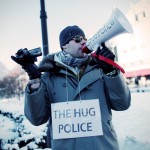
Hug_the_Police2And then there’s the case of Charlie Veitch, now denounced across the UK media as the known anarch­ist. Yes, Charlie is anti-roy­al­ist and wanted to voice his views, but he runs an inter­na­tion­ally-known act­iv­ist organ­isa­tion called the Love Police, for chris­sakes.  The peace­ful inten­tions of the organ­isa­tion might pos­sibly be giv­en away by the name.…

So what happened? On Thursday even­ing two police officers, tooled up with proto-Borg tech, muscled their way into the Cam­bridge home he shares with his girl­friend, Silkie Carlo, declar­ing that they were there to arrest him and search the place. They had the pres­ence of mind to film the whole pro­cess and ask some per­tin­ent questions.

Charlie’s alleged pre-crime?  That he had pos­ted a fright­en­ingly pres­ci­ent video on You­tube say­ing that he thought he was being spied on, but still cri­tiquing the roy­al wed­ding and sug­gest­ing that fel­low act­iv­ists get togeth­er in Soho Square, Lon­don (quite a dis­tance away from the fest­iv­it­ies) on the day.  OK, so he had a bit of a rant — but that’s what people do on You­tube.  Agree with him or strongly dis­agree, it’s called his free­dom of expres­sion — a much-vaunted, tra­di­tion­al Brit­ish liberty. 

But in the eyes of the police, appar­ently he was “con­spir­ing to cause a pos­sible breach of the peace”, and needed to be locked up.   It’s like we’ve time-trav­elled back to pre-revolu­tion­ary 18th cen­tury France, where the king could issue a lettre de cachet to send people to the Bastille.

So at the very time that Prince Wil­li­am and his blush­ing bride were cre­ated Duke and Duch­ess of Cam­bridge, a Brit­ish cit­izen was raided, locked up and hid­den away in a police cell in that very city for exer­cising free speech. 

On Thursday night he was hauled off to the Cam­bridge nick, which then refused to con­firm to his under­stand­ably upset girl­friend where he was being held, before being transfered to the Met Police on Fri­day morn­ing and held incom­mu­nic­ado for the rest of the day.  Fam­ily and law­yers then appar­ently spent fruit­less hours ringing around all the Lon­don police sta­tions try­ing to track him down.  So Charlie had effect­ively been “dis­ap­peared”, like a dis­sid­ent in a total­it­ari­an régime.

So let’s get this straight — we’re talk­ing about the Met­ro­pol­it­an Police spy­ing on known act­iv­ists (as we all now know they do, after the under­cov­er cop scan­dal earli­er this year) to pre­vent them from express­ing their legit­im­ate polit­ic­al views about the wed­ding of Kate and Wills.  The secur­ity forces had already stated that there was no spe­cif­ic ter­ror­ist threat, so this was all about pre­vent­ing an embar­rass­ing incid­ent on the big day.  And I’m sorry, but I don’t think that Pre­ven­tion of Embar­rass­ment is covered by the leg­al code.

Plus, these arrests were pre-empt­ive to stop a pos­sible crime which might be com­mit­ted — and let’s face it, only breach of the peace at that.  Not a biggy.

So we are basic­ally look­ing at the police spy­ing on and then pre-empt­ively arrest­ing cam­paign­ers for being poten­tial dis­sid­ents, for ThoughtCrime.  How much more Orwellian can it get?

I men­tioned the tac­tics of the Syr­i­an secur­ity forces and their bru­tal crack-down.  I’ve also pre­vi­ously writ­ten about how the slide towards fas­cism began in Ger­many in the 1930s with the bru­tal­isa­tion of intern­al oppos­i­tion­ists and dissidents . 

So let’s really stop and think about this — do we really want to let these early indic­a­tions slide by, uncon­tested? After all, we have the Olympics and the Dia­mond Jubilee next year, and no doubt the same, or exten­ded, powers will come into force.  How far will we let it go before we wake up to the threat?

As I’ve writ­ten before, with thanks to Pas­tor Mar­tin Niemoeller:

First they came for the Irish in the 1980s,

But I was not Irish so I did not speak up.

Then they came for the Muslims after 9/11,

But I was not a Muslim, so I did not speak up.

Then they came for the “domest­ic extremists”,

But I was not an act­iv­ist, so I did not speak up.

Then they came for me;

and there was nobody left to speak up for me.


RTTV interview on the royal wedding and arrest of UK activists

My inter­view on 29 April 2011 for RTTV about the pre-empt­ive arrests of UK polit­ic­al act­iv­ists in the run-up to the roy­al wedding. 

Thoughtcrime appears to have arrived in the UK — and I acci­dent­ally became a roy­al wed­ding com­ment­at­or (sort of). 

Well, nev­er say nev­er in life.…


Guantanamo Files: was Bin Hamlili really an MI6 source?

My recent art­icle in The Guard­i­an news­pa­per about the strange, sad case of yet anoth­er Guantanamo victim.

Guantá­namo Bay files: Was Bin Ham­lili really an MI6 source?

With dirty tricks rife in the secret ser­vice we may nev­er know the truth about the Algeri­an car­pet-seller­’s ver­sion of events.

Anoth­er cache of intel­li­gence nas­ties has emerged, blink­ing, into the main­stream media day­light by way of WikiLeaks. This time, the inform­a­tion is drawn from offi­cial Guantá­namo reports on detain­ees, draw­ing on inform­a­tion gleaned over the years of “enhanced” interrogations.

One case that caught my atten­tion was that of Algeri­an car­pet seller Adil Hadi al Jazairi Bin Ham­lili, an alleged “al-Qaida oper­at­ive, facil­it­at­or, cour­i­er, kid­nap­per and assas­sin” who also appar­ently worked as an agent of CSIS (Cana­dian Secret Intel­li­gence Ser­vice) and our very own MI6. So was this man a double-agent, play­ing his own lonely game and caught between the demands of his al-Qaida con­tacts and his west­ern hand­lers? Or has MI6 been employ­ing its very own al-Qaida assassin?

The report states that this is Bin Ham­lili’s story in his own words – no doubt freely uttered as he emerged, splut­ter­ing, from yet anoth­er inter­rog­a­tion. It appears that he entered the mujahideen world when he was a child in the 1980s, fight­ing the Soviet occu­pa­tion of Afgh­anistan. An era when the group was very much an ally of the west, fun­ded, trained and armed by the CIA and MI6 in the fight against the Soviet Union.

This could very well have led to MI6 and/or CSIS approach­ing Bin Ham­lili as a poten­tial source of human intel­li­gence. Humint sources are the crown jew­els of intel­li­gence work – able to reach parts bey­ond the range of elec­tron­ic sur­veil­lance. The down­side, of course, is that they are merely human and need strong sup­port and backup to sur­vive their dan­ger­ous job, year after year. This is some­thing that is not always provided to them and they can often end up feel­ing exposed, increas­ingly para­noid and in real danger, play­ing every side just to survive.

While some agents do indeed suf­fer a genu­ine revul­sion towards their earli­er alle­gi­ances – the basic ideo­lo­gic­al shift – and try to atone by help­ing the spooks, most are entrapped by the oth­er three points in the clas­sic spy acronym: money, ideo­logy, com­prom­ise, ego. These are more shaded, com­pelled motiv­a­tions that can lead to resent­ment and poten­tial double-deal­ing, and require close agent hand­ling and care. Unfor­tu­nately, this is often lacking.

So wel­come to the clas­sic intel­li­gence “hall of mir­rors”. Was Bin Ham­lili really an MI6 source? Or was this just an attempt to stop the tor­ture in Guantá­namo, how­ever tem­por­ar­ily? Per­haps he was play­ing both sides? Or per­haps he faith­fully repor­ted back to his CSIS/MI6 hand­lers but his reports were not effect­ively acted on – this hap­pens in the intel­li­gence agen­cies – and the culp­able officers brushed these mis­takes under the car­pet by claim­ing “agent unre­li­ab­il­ity” or “lack of co-operation”.

Or, more wor­ry­ingly, Bin Ham­lili might indeed have had an effect­ive work­ing rela­tion­ship with his hand­lers and was actu­ally tasked in his work as pro­vocateur or even ter­ror­ist, for some arcane intel­li­gence pur­poses. But once caught, he was deemed to be polit­ic­ally embar­rass­ing and hung out to dry.

This would cer­tainly not be the first time this has happened to intel­li­gence agents. Dirty tricks were intrins­ic in the dirty war in North­ern Ire­land from the early 1970s, and agents such as Mar­tin McGart­land, Denis Don­ald­son (deceased) and Kev­in Fulton have learned all too bru­tally what the phrase “hung out to dry” really means.

This was not restric­ted to North­ern Ire­land. In 1996, MI6 illeg­ally fun­ded an “al-Qaida” coup to assas­sin­ate Col­on­el Gad­dafi, using as its agent a Liby­an mil­it­ary intel­li­gence officer. The attempt mani­festly failed, although inno­cent people were killed in the attempt. This was all hushed up at the time, but now seems rather tame as we watch our defence sec­ret­ary, Liam Fox, fly out to dis­cuss with his US coun­ter­part, Robert Gates, the overt assas­sin­a­tion of Gad­dafi using pred­at­or drones. State ter­ror­ism as the new diplomacy?

I doubt we shall ever now know the truth behind Bin Ham­lili’s report. The expos­ure of the Guantá­namo régime high­lights once again that tor­ture is coun­ter­pro­duct­ive – it panders to the pre­con­cep­tions of the inter­rog­at­ors and acts as a recruit­ing ground for future poten­tial ter­ror­ists. This used to be the con­sensus even with­in our intel­li­gence agen­cies, pre‑9/11. They need to re-remem­ber the les­sons of his­tory, and their humanity.

A tale of two countries — pre-emptive policing in Britain and Syria

What a dif­fer­ence a mere month makes in the UK media.  At the end of March The Inde­pend­ent news­pa­per pro­duced this art­icle in the wake of the huge TUC anti-cuts protest in Lon­don, where the Brit­ish Home Sec­ret­ary was cas­tig­ated for con­sid­er­ing great­er police powers to pre­vent such “trouble” again, with par­tic­u­lar ref­er­ence to the forth­com­ing roy­al wedding.

At the time former assist­ant com­mis­sion­er at Scot­land Yard, Andy Hay­man, who had served as the head of the Met­ro­pol­it­an Police Counter-Ter­ror­ism squad and was, umm,  reportedlymuch-esteemed officer before his early resig­na­tion, adop­ted a mus­cu­lar tone by call­ing for “snatch squads” and “dawn raids” to be car­ried out by police against sus­pec­ted trouble­makers.  How ter­ribly un-British.

Per­haps I’m start­ing at shad­ows, but with the above in mind two inter­est­ing aricles appeared in that very same news­pa­per today.

The first art­icle that caught my eye con­firmed there was indeed just such a secur­ity crack­down against sus­pec­ted dis­sid­ents in the UK on the eve of the roy­al wed­ding.  Lynne Owens, the Met­ro­pol­it­an Police assist­ant com­mis­sion­er in charge of the roy­al poli­cing oper­a­tion, is quoted as saying:

“We have to be abso­lutely clear. If any­one comes to Lon­don intend­ing to com­mit crim­in­al acts, we will act quickly, robustly and decis­ively.” She said the Met was work­ing with forces across the coun­try and would use “spot­ters” to identi­fy those caus­ing trouble.”

The art­icle goes on to say:

As police teams step up their pro­cess of “pre-event invest­ig­a­tion” and “intel­li­gence gath­er­ing”, reports have come in from pro­test­ers that plain-clothed police are turn­ing up at their homes to warn them against attend­ing Fri­day’s event.” 

Military&pageantryIt seems that the poor old Met is hav­ing con­nip­tions about poten­tially embar­rass­ing pro­test­ers sul­ly­ing the pageantry of the roy­al wed­ding and is put­ting our money where its mouth is.  Last week The Tele­graph also repor­ted that counter-intel­li­gence oper­a­tions were being con­duc­ted against “anarch­ists” to pre­vent trouble on 29th April.

Inter­est­ing use of lan­guage, but I sup­pose that one news­pa­per­’s “pro­test­er” will always be another­’s “anarch­ist”.…

So what of the second art­icle that con­cerned me?  This described the bru­tal secur­ity crack­down in Syr­ia, where the secret police were pre-empt­ively hunt­ing down and arrest­ing sus­pec­ted dissidents:

Syr­i­a’s feared secret police raided hun­dreds of homes yes­ter­day as author­it­ies stepped up attempts to crush the pro-reform movement.….”

UK For­eign Sec­ret­ary, Wil­li­am Hag­ue is quoted as say­ing that:

Syr­ia is now at a fork in the road… it can choose ever-more viol­ent repres­sion which can only ever bring short-term secur­ity for the author­it­ies there.”

How much more need I say?  Put­ting aside the fact that Hag­ue seems to have acquired his very own fork(ed tongue), the only dis­cern­able dif­fer­ence at this stage is in the sheer scale of the bru­tal­ity and repres­sion, not the mind-set or intent.

It’s a slip­pery slope.….

Frontline Club/New Statesman (FCNS) whistleblower debate with Julian Assange

This house believes whis­tleblowers make the world a safer place.”

I was hon­oured to be asked to say a few words at the recent debate about the value of whis­tleblowers in Lon­don on 9th April 2011.

The Front­line Club and the left-wing New States­man magazine jointly hos­ted the event, which starred Juli­an Assange, edit­or in chief of Wikileaks.  Here is the debate in full:


Need­less to say, the oppos­i­tion had an uphill battle arguing not only against logic, the fair applic­a­tion of law, and the mean­ing of a vibrant and informed demo­cracy, but also against the new real­it­ies in the worlds of journ­al­ism and technology. 

The first more dip­lo­mat­ic­ally-minded oppos­i­tion­ist adop­ted a policy of appease­ment towards the audi­ence, but the last two had to fall back on the stale and puerile tac­tics of name-call­ing and ad hom­inem attacks.  So good to see that expens­ive edu­ca­tions are nev­er a waste.…

The pro­pos­i­tion was sup­por­ted enthu­si­at­ic­ally by the sell-out crowd, a resound­ing vote of con­fid­ence in the demo­crat­ic notions of account­ab­il­ity and transparency.

Here’s a snip­pet of my (brief) con­tri­bu­tion to a fant­ast­ic afternoon: