Deja Vu

I had a strong sense of déjà vu today, when I read about the woes of Mrs Green, the bar­ris­ter wife of Tory MP Dami­en Green who was arres­ted last Novem­ber for allegedly encour­aging gov­ern­ment inform­a­tion leaks.

Mr Green was arres­ted under an obscure and antique piece of legis­la­tion for “con­spir­ing to com­mit mis­con­duct in a pub­lic office and aid­ing and abet­ting, coun­selling or pro­cur­ing mis­con­duct in a pub­lic office”.  This, des­pite the fact that civil ser­vice man­dar­ins had per­suaded the Met­ro­pol­it­an Police Spe­cial Branch (MPSB) to invest­ig­ate him because he posed a “ser­i­ous threat to nation­al secur­ity”.  The case has now been dropped and reports have now shown that these civil ser­vants sig­ni­fic­antly over­stated the case to spur the police into action.

In such a case the obvi­ous step would have been for the Met to have invoked the dra­coni­an 1989 Offi­cial Secrets Act.  Cer­tainly their heavy-handed response seemed to indic­ate that this was how they were view­ing the grav­ity of the case, even if they were des­per­ately try­ing to avoid the attend­ant scan­dal such a step would have pro­voked.    Spe­cial Branch officers in the Counter-Ter­ror­ism squad are not nor­mally sent to rip apart people’s houses for minor offences.

Which takes me back to the inter­view with the out­raged Mrs Green.  A bar­ris­ter spe­cial­ising in highly con­fid­en­tial child abuse cases, she inno­cently let the secret police enter her home, only to watch in dis­be­lief as they ripped it apart in what sounds to me like a counter-ter­ror­ism style search.  They, of course, found noth­ing rel­ev­ant to their invest­ig­a­tion, but scoured the com­puters, removed the bed­sheets, took away love let­ters between the Greens, and even rifled through the chil­dren’s books.

I sup­pose I was more for­tu­nate than the hap­less Mrs Green.  When the secret police ripped apart my home in the same way back in 1997, I was in Europe with my ex-part­ner and col­league, MI5 whis­tleblower Dav­id Shayler.  After we had exposed the fact that MI5 was shame­lessly break­ing the law, the MPSB had obtained a war­rant that allowed them to search our home for mater­i­al relat­ing to our employ­ment in MI5.  As I was away, they jack­hammered the front door in, and then spent two days rip­ping through the flat in Pimlico.  It had been my home for 4 years.

Nat­ur­ally, the police found noth­ing rel­ev­ant.  That did not deter them from search­ing the place for two days, and tak­ing away bags of pos­ses­sions, includ­ing some of my under­wear, the bed­sheets, pho­to­graphs, and our love let­ters.  They also smashed up chairs and lamps, ripped the bath apart, pulled up the car­pets, and scattered my remain­ing under­wear across the bed­room floor. It looked like they had been play­ing with it.

I saw all this when I returned home a month later, and I felt viol­ated.  I know this is a com­mon reac­tion when one’s home is burgled; but in this case my home had been despoiled by the police, not by crim­in­als.  No doubt, some would say that we, and the Greens, deserved this treat­ment.  After all, we had the temer­ity to expose mal­prac­tice, lies, and crime with­in gov­ern­ment circles.  We, of course, would argue that we had acted for the pub­lic good.

Whatever.  I still think that a counter-ter­ror­ism style search of a whis­tleblower­’s house is over the top and delib­er­ately intimidatory.

The police may have ran­sacked my home, but I was nev­er charged with any offence.  Nor did I ever did get my under­wear or love let­ters back.….

Quick to Miss a Trick

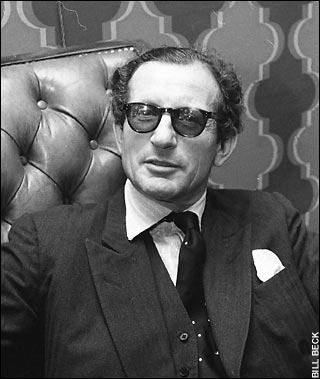
Bob_QuickFormer Assist­ant Com­mis­sion­er of Spe­cial Oper­a­tions at the Met­ro­pol­it­an Police, Bob Quick, has hit the head­lines a couple of times in the last few months — for all the wrong reasons. 

Last Novem­ber he author­ised the arrest of Tory MP Dami­en Green for allegedly encour­aging leaks of sens­it­ive gov­ern­ment inform­a­tion.  This had the knock-on bene­fit of wak­ing MPs up to the fact that we are now liv­ing in a de facto police state.  Well, I sup­pose that must have been a wel­come dis­trac­tion for them.  It must be so dull merely to spend your time devis­ing new and ingeni­ous ways of fid­dling your par­lia­ment­ary expenses. 

This week, Quick was pho­to­graphed enter­ing Down­ing Street with highly clas­si­fied doc­u­ments under his arm about a sens­it­ive UK ter­ror­ist invest­ig­a­tion, which were clearly vis­ible to wait­ing pho­to­graph­ers.  The clearly vis­ible “Secret” brief­ing doc­u­ment detailed an MI5-led oper­a­tion, code­named Path­way, and bounced the counter-ter­ror­ism agen­cies into mak­ing pre­ma­ture arrests of the sus­pects, many of them young Pakistanis in the UK on stu­dent visas.

Out­rage fol­lowed this massive secur­ity lapse.  What on earth was the man doing, openly car­ry­ing secret doc­u­ments?  Pro­tect­ive rules dic­tate that such papers are not allowed out­side HQ unless signed out and in a secur­ity briefcase.  The vol­un­tary press cen­sor­ship com­mit­tee, the Defence, Press and Broad­cast­ing Advis­ory Com­mit­tee, has slapped a ‘D’ Notice all over the story.  Quick has, of course, resigned.  Reportedly, he may even (gasp) face dis­cip­lin­ary pro­ceed­ings with­in the Met.

Is it just me, or people miss­ing a trick here?  This man has dis­closed a highly clas­si­fied intel­li­gence doc­u­ment without per­mis­sion.  In addi­tion, this doc­u­ment con­tained inform­a­tion about an ongo­ing oper­a­tion AND the names of seni­or intel­li­gence officers — accord­ing to MI5 lore two of the most dam­aging types of inform­a­tion that could pos­sibly be dis­closed.  So, why is Quick not facing pro­sec­u­tion under the dra­coni­an 1989 Offi­cial Secrets Act?  He clearly falls under Sec­tion 1(1) of the Act as a noti­fied per­son if he is hand­ling Secret documents:

1(1) A per­son who is or has been—

(a) a mem­ber of the secur­ity and intel­li­gence ser­vices; or

(b) a per­son noti­fied that he is sub­ject to the pro­vi­sions of this subsection,

is guilty of an offence if without law­ful author­ity he dis­closes any inform­a­tion, doc­u­ment or oth­er art­icle relat­ing to secur­ity or intel­li­gence which is or has been in his pos­ses­sion by vir­tue of his pos­i­tion as a mem­ber of any of those ser­vices or in the course of his work while the noti­fic­a­tion is or was in force.

Under these pro­vi­sions, there is no real defence under law.  Leg­al pre­ced­ent in recent OSA tri­als has clearly estab­lished that the reas­on for an unau­thor­ised dis­clos­ure of secrets is irrel­ev­ant.  (The the­or­et­ic­al and untested sub­sequent defence of “neces­sity” has no bear­ing on this par­tic­u­lar case.)  Wheth­er the breach occurs due to prin­cipled whis­tleblow­ing or a mis­take does­n’t mat­ter: the clear bright line against dis­clos­ure has been crossed and pro­sec­u­tion inex­or­ably follows.

Except if you have suf­fi­ciently seni­or­ity, it appears.….

MPs object to police state

Dgreen An inter­est­ing polit­ic­al row has erup­ted this week in the UK about the arrest of the oppos­i­tion Tory MP, Dami­en Green, who is also the Shad­ow Min­is­ter for Immig­ra­tion.  He was arres­ted on Thursday for alleged breaches of an obscure com­mon law  “aid­ing and abet­ting mis­con­duct in pub­lic office”.

Reports indic­ate that the Met­ro­pol­it­an Police Spe­cial Branch, or as the news­pa­pers would have it the “anti-ter­ror­ism branch” was called in to invest­ig­ate leaks from the Home Office about immig­ra­tion policy, that Green was using these leaks to score points off the gov­ern­ment, and the Home Sec­ret­ary Jac­qui Smith in particular.

Nat­ur­ally, MPs from both sides of the House have been froth­ing at the mouth:  how dare Plod embar­rass an MP by arrest­ing him without warn­ing and by con­duct­ing co-ordin­ated searches of his homes and offices in both Kent and Lon­don?  News­pa­pers, par­tic­u­larly on the right of the polit­ic­al spec­trum, have been full of head­lines say­ing that this is proof that we are liv­ing in a police state.

While I have some sym­pathy for the belea­guered Mr Green, hav­ing also been hauled off by the Met Spe­cial Branch and quizzed for hours for dis­cuss­ing sens­it­ive inform­a­tion that was very much in the pub­lic interest, as well as see­ing my home ripped apart in a co-ordin­ated counter-ter­ror­ism style raid and seen friends arres­ted in co-ordin­ated dawn raids, I am still aghast at the hypo­crisy of both the politi­cians’ and medi­a’s reaction.

Many of us are already all to pain­fully aware that we live in a de facto police state.  Under the notori­ous Sec­tion 44 of the 2000 Ter­ror­ism Act, we can all be stopped and searched for no reas­on — and can even be arres­ted purely so that a bobby on the beat can ascer­tain our iden­tity.  Notices to this effect are now help­fully pinned up out­side most tube sta­tions in Lon­don.  Thou­sands of people are sub­ject to this across the UK every year on the streets of Britain.

But oth­er points rather leap to my atten­tion from the cov­er­age of this case.  If MPs don’t like the heavy-handed use and abuse of police powers, why did they pass these laws in the first place?  Did they not think through the implic­a­tions?  Or do they think that, as MPs, they are some­how above the laws of this land?

Plus, seni­or MPs are arguing that the use of leaks from dis­gruntled civil ser­vants is a time-hon­oured way for HM Oppos­i­tion in Par­lia­ment to hold the gov­ern­ment to account.  Well, that might be good for the MPs’ par­lia­ment­ary careers, but what of the hap­less and fre­quently brave souls with­in the Civil Ser­vice who face 2 years in pris­on for such leaks if they are con­victed of a breach of the 1989 Offi­cial Secrets Act?  And, of course, there is no leg­al defense under the OSA of hav­ing acted “in the pub­lic interest” — the very argu­ment that MPs are using to jus­ti­fy Green’s expos­ure of Home Office cov­er-ups and incompetence. 

As far as I can see, there have been no com­ments from either journ­al­ists or MPs about the fate of the source.    The most I could find was the fol­low­ing in the Daily Tele­graph:

An alleged “whis­tleblower”, thought to be a male Home Office offi­cial was arres­ted 10 days ago.”

Either that means that journ­al­ists and MPs could­n’t give a toss about the fate of this per­son — after all, an MP’s career is far more import­ant — or that any report­ing of the arrest of the whis­tleblower has been injunc­ted in the media to the nth degree.  This would be even more troub­ling, as someone can just be “dis­ap­peared” into a Kafka-esque leg­al nightmare. 


The Rise of the Mercenary

Steph­en Arm­strong pub­lished an inter­est­ing art­icle in today’s New States­man magazine. Based on his new book War plc: the Rise of the New Cor­por­ate Mer­cen­ary, it exam­ines the rise of the cor­por­ate secur­ity con­sult­ant. Or in basic Eng­lish – mercenaries.

I met Steph­en when I was invited by James Whale to review the book on Press TV. I was impressed with his research and depth of know­ledge on this sub­ject. It was an unusu­ally har­mo­ni­ous talk show — rather than arguing, we all took a broadly sim­il­ar approach to the issue of mer­cen­ar­ies, over­sight and accountability.

The increas­ing privat­isa­tion of intel­li­gence is an insi­di­ous devel­op­ment in the world of espi­on­age and war. For many dec­ades there have exis­ted on the fringes of the offi­cial intel­li­gence world a few private secur­ity com­pan­ies; think Kroll, Black­wa­ter, Aegis. These com­pan­ies are often the last refuge of .….. former intel­li­gence officers of the west­ern spook organisations.

These people, often frus­trated at the overly bur­eau­crat­ic nature of the gov­ern­ment­al spy organ­isa­tions, resign and are gently steered towards these cor­por­a­tions. That, or the relo­ca­tion officers get them nice juicy jobs at mer­chant banks, arms com­pan­ies or inter­na­tion­al quan­gos. It’s always use­ful to have reli­able chaps in use­ful places, after all.

In the last dec­ade, how­ever, we have seen an explo­sion in the num­ber of these com­pan­ies. One of my former col­leagues is a founder of Dili­gence, which is going from strength to strength. These kinds of com­pan­ies spe­cial­ise in cor­por­ate spy­ing, the neut­ral­isa­tion of oppos­i­tion and protest groups, and secur­ity. The lat­ter usu­ally boils down to provid­ing mil­it­ary muscle in hot spots like Iraq. While I can see the attrac­tion for sol­diers leav­ing crack regi­ments and won­der­ing what on earth they can do with their spe­cial­ised expert­ise, and who then decide that earn­ing £10,000 a week risk­ing their lives in Bagh­dad is a good bet, this has wor­ry­ing implic­a­tions for the rule of law.

Leav­ing aside the small mat­ter that, under inter­na­tion­al and domest­ic UK law, all wars of aggres­sion are illeg­al, our offi­cial Brit­ish mil­it­ary pres­ence in Afgh­anistan and Iraq is at least to a cer­tain degree account­able. The most egre­gious war crimes have res­ul­ted in court mar­tials. But the new mer­cen­ar­ies live in a leg­al no-man’s land, and in this ter­rit­ory any­thing goes. Or can at least be covered up.

This is the same prin­ciple that has guided these unof­fi­cial spook com­pan­ies over the years – plaus­ible deni­ab­il­ity. What little demo­crat­ic over­sight there is in the UK of the intel­li­gence com­munity still does give them lim­ited pause for thought: what if the media hears about it? What if an MP asks an awk­ward ques­tion? By using former col­leagues in the cor­por­ate intel­li­gence world, MI5, MI6 et al can out source the risk.

The over­sight and account­ab­il­ity for the offi­cial spooks and the army are bad enough. The privat­isa­tion of intel­li­gence and mil­it­ary might makes a fur­ther mock­ery of the feeble over­sight pro­vi­sions in place in this coun­try. This is a wor­ry­ing devel­op­ment in leg­al and demo­crat­ic terms; more import­antly, it has a dir­ect, daily impact on the rights of inno­cent men, women and chil­dren around the world. We need to ensure that the offi­cial and unof­fi­cial spooks and mil­it­ary are account­able under the law.

Lost Document Débâcle

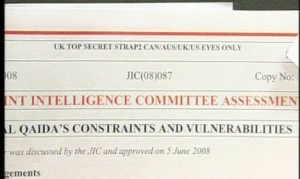
So anoth­er intel­li­gence offi­cial has mis­laid some highly clas­si­fied doc­u­ments — this time by leav­ing them lying on a com­muter train depart­ing Water­loo sta­tion. And while the Cab­in­et office (his soon to be former employ­er?) is des­per­ately try­ing to down­play the sens­it­iv­ity of these doc­u­ments, let’s not be fooled. “Top Secret – Strap – Can/Aus/UK/US Eyes Only” is very high level clas­si­fic­a­tion indeed.

In this case, it appears that the offi­cial may not even have had per­mis­sion to remove these doc­u­ments in the first place. Cab­in­et Min­is­ter, Ed Miliband, is quoted in the Daily Mail today as say­ing that there had been ‘a clear breach’ of rules for­bid­ding the remov­al of doc­u­ments without author­isa­tion. Then, hav­ing removed these doc­u­ments illeg­ally, the intel­li­gence offi­cial appears to have taken them out of the secur­ity briefcase and read them in pub­lic, before leav­ing them on the train.

One can only spec­u­late wheth­er he was drunk, simply care­less, or wheth­er this was a tim­id attempt to blow the whistle and draw the BBC’s atten­tion to yet fur­ther proof that the “war on ter­ror” is overhyped.

The secur­ity breach is not unusu­al. Over the years, drunk­en spies have mis­laid count­less doc­u­ments in pubs and on the jour­ney home. In 2000 an MI6 officer even left a laptop in a Vaux­hall bar. How­ever, the secret inform­a­tion usu­ally has a degree of low-level pro­tec­tion – the com­puter is encryp­ted or the doc­u­ments are locked in a secur­ity briefcase, not left lying around in an orange folder.

When I was work­ing for the spooks, the drink­ing cul­ture was endem­ic. Seni­or man­agers set the pace, with some going to the pub most days for lunch – one pub was fam­ously called Base Camp Two – sink­ing a few pints, and then doz­ing the after­noon away. Of course, the young­er officers fol­lowed suit, reg­u­larly meet­ing after work for a drink and a moan. Often, they would have secur­ity briefcases with them to take away the next day for work, and it was a mir­acle that more doc­u­ments were not lost.

There is spec­u­la­tion in the media that the man will be dis­cip­lined. He has already been sus­pen­ded. But the media appears to be miss­ing a trick: this is also a breach of the Offi­cial Secrets Act 1989. In this case, Sec­tion 1(1) will apply:

A per­son who is or has been—

(a) a mem­ber of the secur­ity and intel­li­gence ser­vices; or

(b) a per­son noti­fied that he is sub­ject to the pro­vi­sions of this subsection,

is guilty of an offence if without law­ful author­ity he dis­closes any inform­a­tion, doc­u­ment or oth­er art­icle relat­ing to secur­ity or intel­li­gence which is or has been in his pos­ses­sion by vir­tue of his pos­i­tion as a mem­ber of any of those ser­vices or in the course of his work while the noti­fic­a­tion is or was in force.”

So, if this offi­cial was drunk and care­less with the nation’s secrets, he deserves to face the music. The doc­u­ments were seen by a mem­ber of pub­lic and by BBC staff, so the “clear bright line” against dis­clos­ure that is always argued in whis­tleblower tri­als had already been breached.

If this was a cov­ert attempt a get­ting the inform­a­tion to the media, as happened, then this per­son is a whis­tleblower and deserves pro­tec­tion. The law makes no dis­tinc­tion based on intent, as the pub­lic interest defence was removed from the OSA in 1989 (des­pite the fact that Blair, Straw and most of the Labour gov­ern­ment past and present voted against this measure).

How­ever, such an action is clearly mor­ally dif­fer­ent from drunk­en care­less­ness, and if that was indeed his intent, he would have done bet­ter to have had the cour­age of his con­vic­tions and gone dir­ectly to the media. He would still not have had any defence under the OSA for his prin­cipled stance, but the impact and poten­tial for change would have been great­er. Bet­ter to be hung for a sheep than a lamb.

The Media and the Spies

The UK main­stream media has made much this week of Home Sec­ret­ary Jac­qui Smith’s asser­tion that MI5 had not reques­ted the government’s pro­posed exten­sion of the impris­on­ment without charge of ter­ror­ist sus­pects from 28 to 42 days.

This state­ment has caused a furore in the UK, and there is a chance that the PM may lose the key vote in Par­lia­ment on this amend­ment tomorrow.

In fact, such has been the uproar that the Dir­ect­or Gen­er­al of MI5, Jonath­an Evans, is repor­ted by Reu­ters to have made a rare pub­lic statement:

Since the secur­ity ser­vice is neither a pro­sec­ut­ing author­ity nor respons­ible for crim­in­al invest­ig­a­tions, we are not, and nev­er have been, the appro­pri­ate body to advise the gov­ern­ment on pre-charge deten­tion time lim­its,” he said in a state­ment on the MI5 website.

We have not, there­fore, sought to com­ment pub­licly or privately on the cur­rent pro­pos­als, except to say that we recog­nise the chal­lenge posed for the police ser­vice by the increas­ingly com­plex and inter­na­tion­al char­ac­ter of some recent ter­ror­ist cases.”

What par­tic­u­larly strikes me about this is an appar­ently insig­ni­fic­ant phrase, “raised pub­licly or privately”.

In con­trast to the Met­ro­pol­it­an Police Com­mis­sion­er Sir Ian Blair, who admit­ted to “unin­ten­tion­ally mis­lead­ing” the par­lia­ment­ary Joint Com­mit­tee charged with assess­ing the need to increase the deten­tion lim­it, Evans had refused to give evid­ence about the 42 day issue. So he has cer­tainly not raised this in a pub­licly account­able way.

It’s the word “private” that intrigues me. It reeks of sotto voce dis­cus­sions between old school chums at the grander gentlemen’s clubs in Lon­don: of unat­trib­ut­able brief­ings between anonym­ous MI5 officers and chosen journ­al­ists; and of cosy lunches with Fleet Street edit­ors in the DG’s din­ing room at Thames House, MI5’s Lon­don HQ.

While Evans denies using this meth­od­o­logy around the 42 day issue, his state­ment con­firms that such private dis­cus­sions do indeed play a part in influ­en­cing policy decisions and media perception.

I saw this approach first-hand in the 1990s dur­ing the whis­tleblow­ing years. In fact, it was then that MI5 stepped up its charm offens­ive with politi­cians and journ­al­ists. It was dur­ing one of the first of these cosy media lunches in Thames House, hos­ted by the then DG Steph­en Lander, that the respec­ted BBC Dip­lo­mat­ic Edit­or Mark Urb­an asked a fate­ful ques­tion about the Gad­dafi Plot and was reportedly told by Lander that “he was not here to answer half-baked ques­tions from smart-arse journ­al­ists”. So there were cer­tain short­falls in the charm, even if the lack of account­ab­il­ity held up well.

But there are oth­er, more sin­is­ter ways for the spies to manip­u­late pub­lic opin­ion. MI6 has a sens­it­ive sec­tion called Inform­a­tion Oper­a­tions (I/Ops), which exists purely to set the news agenda for the spies. I/Ops man­ages this either by mas­sa­ging the facts, spin­ning the tone of the story or, more wor­ry­ingly, plant­ing false stor­ies in a qui­es­cent press.

In the 1990s there was a fam­ous case. Col­on­el Gaddafi’s son, Saif Al Islam, applied for a visa to come to Bri­tain. I/Ops planted a com­pletely false story in The Sunday Tele­graph that he was involved in money laun­der­ing with Iran and, lo and behold, MI5 had the per­fect excuse to deny him a visa. Al Islam sub­sequently sued the news­pa­per which, faced with Shayler­’s evid­ence, settled out of court.

A few months ago the ex-head of MI6, Sir Richard Dear­love, gave a talk at the LSE about the intel­li­gence agen­cies and the media. I went along to have a laugh, and was gra­ciously allowed to ask a ques­tion. Nat­ur­ally I raised the issue of I/Ops, its rela­tion­ship with the media, and wheth­er such a role was accept­able in a mod­ern democracy.

In the con­text of the talk, what could have been more per­tin­ent? How­ever, Dear­love declined to answer. In fact, he went so far as to say that such a mat­ter was “with­in the ring of secrecy”. At which point a journ­al­ist from a pres­ti­gi­ous nation­al news­pa­per who was sit­ting next to me, turned and said glee­fully that this at last proved that I/Ops exis­ted. Grat­i­fy­ing as this was, I shall reit­er­ate my ques­tion: is the role of I/Ops accept­able in a mod­ern demo­cracy, where we are sup­posed to enjoy free­dom of inform­a­tion, trans­par­ency and account­ab­il­ity from the powers-that-be?

Spooks leave UK vulnerable to Russian mafia

Accord­ing to the Daily Mail this week, Rus­si­an secur­ity expert, Andrei Sold­atov, reck­ons the UK is wide open to the threat of the Rus­si­an mafia. He primar­ily blames the froid­eur that has blighted Anglo-Rus­si­an rela­tions since the Litv­inen­ko affair. How­ever, he also states that MI5 no longer has a role to play in invest­ig­at­ing organ­ised crime, and that has con­trib­uted to our vulnerability.

Nat­ur­ally res­ist­ing the tempta­tion to say that MI5’s involve­ment would not neces­sar­ily have afforded us any mean­ing­ful pro­tec­tion, I would say that this is down to a fun­da­ment­al prob­lem in how we organ­ise our response to threats to the nation­al secur­ity of this country.

The secur­ity infra­struc­ture in the UK has evolved over the last cen­tury into a ter­ribly Brit­ish muddle. For his­tor­ic reas­ons, we have a pleth­ora of intel­li­gence agen­cies, all com­pet­ing for fund­ing, power and prestige: MI5, MI6, GCHQ, the Met­ro­pol­it­an Police Spe­cial Branch (MPSB), spe­cial branches in every oth­er police force, mil­it­ary intel­li­gence, and HM Rev­en­ue and Cus­toms et al. Each is sup­posed to work with the oth­er, but in real­ity they guard their ter­rit­ory and intel­li­gence jeal­ously. After all, know­ledge is power.

MI5 and MPSB have always been the lead intel­li­gence organ­isa­tions oper­at­ing with­in the UK. As such, their cov­ert rivalry has been pro­trac­ted and bit­ter, but to the out­side world they appeared to rub along while MI5 was primar­ily focus­ing on espi­on­age and polit­ic­al sub­ver­sion and the Met con­cen­trated on the IRA. How­ever, after the end of the Cold War, MI5 had to find new tar­gets or lose staff, status and resources.

In 1992 the then Home Sec­ret­ary, Ken Clarke, announced that MI5 was tak­ing over the lead respons­ib­il­ity for invest­ig­at­ing IRA activ­ity on the UK main­land — work that had been done by MPSB for over 100 years. Vic­tory was largely cred­ited to clev­er White­hall man­oeuv­er­ing on the part of the head of MI5, Stella Rim­ing­ton. The Met were furi­ous, and the trans­fer of records was frac­tious, to say the least.

Also, there was a year’s delay in the han­dover of respons­ib­il­ity. So MI5 arti­fi­cially main­tained the per­ceived threat levels posed by polit­ic­al sub­ver­sion in order to retain its staff until the trans­ition was com­plete. This meant that there was no real case for the aggress­ive invest­ig­a­tion of sub­vers­ive groups in the UK – which made all such oper­a­tions illeg­al. Staff in this sec­tion, includ­ing me, voci­fer­ously argued against this con­tin­ued sur­veil­lance, rightly stat­ing that such invest­ig­a­tions were thereby flag­rantly illeg­al, but the seni­or man­age­ment ignored us in the interests of pre­serving their empires.

How­ever, in the mid-1990s, when peace appeared to be break­ing out in North­ern Ire­land and bey­ond, MI5 had to scout around for more work to jus­ti­fy its exist­ence. Hence, in 1996, the Home Sec­ret­ary agreed that they should play a role in tack­ling organ­ised crime – but only in a sup­port­ing role to MPSB. This was nev­er a par­tic­u­larly pal­at­able answer for the spooks, so it is no sur­prise that they have sub­sequently dropped this area of work now that the threat from “Al Qaeda” has grown. Ter­ror­ism has always been per­ceived as high­er status work. And of course this new threat has led to a slew of increased resources, powers and staff for MI5, not to men­tion the open­ing of eight region­al headquar­ters out­side London.

But should we really be approach­ing a sub­ject as ser­i­ous as the pro­tec­tion of our nation­al secur­ity in such a haphaz­ard way, based solely on the fact that we have these agen­cies in exist­ence, so let’s give them some work?

If we are really faced with such a ser­i­ous ter­ror­ist threat, would it not be smarter for our politi­cians to ask the basic ques­tions: what is the real­ist­ic threat to our nation­al secur­ity and the eco­nom­ic well­being of the state, and how can we best pro­tect ourselves from these threats? If the most effect­ive answer proves to be a new, ded­ic­ated counter-ter­ror­ism organ­isa­tion, so be it. We Brits love a sense of his­tory, but a new broom will often sweep clean.


Iran Threat — First the Spooks, now the Politicians

As I pos­ted on on 7 May, Israeli intel­li­gence is claim­ing it has new intel­li­gence that proves the recent US Nation­al Intel­li­gence Estim­ate wrong in its assess­ment of the nuc­le­ar threat posed by Iran.

Mossad claims to have sol­id intel­li­gence that proves Iran is still try­ing to devel­op a nuc­le­ar mil­it­ary cap­ab­il­ity. There have been recent high-level talks about this between the intel­li­gence agen­cies of the US, UK and Israel.

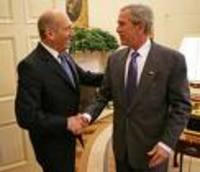
A report in The Guard­i­an today now indic­ates that the politi­cians are fol­low­ing suit. Israeli Prime Min­is­ter, Ehud Olmert, is set to meet Pres­id­ent Bush today to dis­cuss the threat from Iran. It would not sur­prise me if the US soon announces that it has proof of Iran’s nuc­le­ar intent, and tries to push for anoth­er a “pre-empt­ive”, and highly illeg­al, attack.

MI5 caught with its pants down

An MI5 A4 sur­veil­lance officer has had to resign because his wife sold a story to The News of the World news­pa­per that the For­mula One boss, Max Mos­ley, son of notori­ous fas­cist Sir Oswald Mos­ley, had indulged in a Nazi-inspired orgy with her and four oth­er pros­ti­tutes in a cel­lar in Chelsea, one of the swanki­est areas of London.

This raises an inter­est­ing ques­tion. Either the A4 officer, reportedly a former Roy­al Mar­ine, had no idea that his wife was work­ing as a pros­ti­tute, in which case, what the hell was he doing work­ing for the sur­veil­lance unit of MI5? Not quite the sharpest knife in the block, then. Or he knew, but chose to keep it quiet – a ser­i­ous vet­ting offence. Which was it?

The move against Mos­ley cer­tainly seems to have been a “hon­eytrap” of sorts – at least on the part of The News of the Screws, which reportedly equipped “Mrs Bond” with the cam­er­as. But bey­ond that? The Screws and its sis­ter paper The Sunday Times asser­ted that the MI5 con­nec­tion was just a coin­cid­ence, as did The Sunday Tele­graph, known in spook circles as the in-house magazine of MI6.

The Mos­ley case does have his­tor­ic­al echoes. A sim­il­ar, and notori­ous case, occurred in the 1970s. Lord Lamb­ton, at the time the RAF Min­is­ter in Edward Heath’s gov­ern­ment, was caught in flagrente with a call girl and, even worse, was caught on film smoking a joint. Lamb­ton had to resign in disgrace.

But there was more to it. The News of the Screws pho­to­graph­er lurk­ing in the ward­robe had been lent the night-vis­ion cam­era by an MI6 agent to obtain nice, clear images.

Why did MI6, the for­eign intel­li­gence gath­er­ing agency, tar­get Lord Lamb­ton? Well, accord­ing to the agent in ques­tion, Lee Tracey who first came to the public’s atten­tion in the Pro­fumo Affair, MI6 was motiv­ated by a desire to embar­rass MI5, which it deemed not to be up to scratch in its domest­ic spy­ing work.

So the “hon­eytrap” is a tried and tested meth­od to com­prom­ise your oppon­ents and score polit­ic­al points. But, unless there is some private feud with the spies, it does seem unlikely in this case. Mos­ley may enjoy an exot­ic sex life, but does the F1 boss really look like he poses a legit­im­ate threat to nation­al security? .

The more fun­da­ment­al issue is surely the effect­ive­ness of MI5’s in-house vet­ting sec­tion. How did the A4 officer­’s mar­riage to a pros­ti­tute escape their notice? The sec­tion respons­ible, C4, checks the back­grounds of employ­ees to the nth degree – a sys­tem called “Developed Vet­ting”. Any char­ac­ter “defects” must be picked up via an extens­ive series of checks.

In the wake of this scan­dal, an inev­it­able unnamed seni­or White­hall source was quoted as say­ing “I can­not talk about indi­vidu­al cases, but we do expect high stand­ards of beha­viour from all staff at all times, both pro­fes­sion­ally and privately”.

Well, sort of….

When I was recruited in 1991, MI5’s primary con­cern was that unknown trans­gres­sions could lead to black­mail. If the mis­de­mean­ours were minor but admit­ted, MI5 ten­ded to turn a blind eye.

In the 1990s MI5 still had an offi­cial policy of not employ­ing homo­sexu­als. As late as the 1980s, homo­sexu­al­ity had been deemed by the ser­vice to be a “char­ac­ter defect”, as well as a poten­tial source of black­mail. As you sign away your employ­ment rights when you join MI5, there was no point in any­one cry­ing “dis­crim­in­a­tion”. The pos­i­tion changed in 1995, and one brave soul did step out of the closet at the time. Also, when I worked there, dope-smoking was com­mon­place amongst young officers – and some coughed (if you’ll par­don the pun) to this dur­ing their vet­ting inter­views. No action was taken. Sim­il­arly, infi­del­ity was a vet­ting offense, but many (mar­ried) officers were at it like the pro­ver­bi­al rabbits.

Per­haps it has tightened up since my day. How­ever, this seems unlikely giv­en the recent scan­dal. How can we expect MI5 to adequately pro­tect this coun­try when it can’t even police its own staff?

Cockle Rustlers under Surveillance

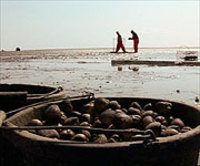
Four times in the past three years, powers designed to catch ter­ror­ists have been deployed against poten­tial cockle rust­lers on the sands out­side Poole Har­bour in Dor­set. I kid you not. The Inde­pend­ent news­pa­per yes­ter­day repor­ted that Poole Bor­ough Coun­cil had used the sweep­ing sur­veil­lance of the Reg­u­la­tion of Invest­ig­at­ory Powers Act (2000), oth­er­wise known as RIPA, to police the cockle fish­er­men of Dorset.

RIPA was inten­ded (the gov­ern­ment told us in 2000) merely to update for the inter­net age the old Inter­cep­tion of Com­mu­nic­a­tions Act (1985) that for the first time had reg­u­lated the intrus­ive sur­veil­lance car­ried out by spooks and police. In fact, the Grim RIPA massively expan­ded state intru­sion into our per­son­al lives, so that nine gov­ern­ment organ­iz­a­tions, includ­ing the secur­ity ser­vices and police, and 792 pub­lic author­it­ies (of which 474 are loc­al coun­cils) now have the powers to snoop on our private com­mu­nic­a­tions, and then some.

In fact, doc­u­ments dis­closed under the Free­dom of Inform­a­tion Act sug­gest that Poole Bor­ough Coun­cil may have the dubi­ous dis­tinc­tion of being the nosi­est in the UK, using RIPA not only to police its waters, but also to check on the res­id­en­tial status of loc­als, dam­age caused to traffic bar­ri­ers or oth­er minor infrac­tions. Hardly the stuff of James Bond.

Inad­vert­ently, Poole Coun­cil has provided a clas­sic case of reduc­tio ad absurdum, but this can be use­ful in high­light­ing more ser­i­ous flaws.

In the last dec­ade we have seen a slew of laws passed by our elec­ted rep­res­ent­at­ives in par­lia­ment that are poten­tially dan­ger­ous to our demo­cracy and way of life. All these laws have been whipped through par­lia­ment, and the media has ten­ded not to give them much consideration.

One such law that springs to mind is the Civil Con­tin­gen­cies Act (2004). This was passed with barely a mur­mur and, in the wake of the foot and mouth crisis, was deemed to be A Good Thing. How­ever, the dev­il is always in the detail. This law allows any seni­or gov­ern­ment min­is­ter, at the stroke of a pen, to declare a 30 day state of emer­gency. Under these terms, the author­it­ies can pre­vent our free asso­ci­ation at polit­ic­al meet­ings or demon­stra­tions, they can quar­ant­ine us, or pre­vent us mov­ing freely around our coun­try. They can even seize our homes, demol­ish them, and not have to pay a penny in com­pens­a­tion, as this will have been done to pro­tect “nation­al security”.

But the real stinker was the draft of the Legis­lat­ive and Reg­u­lat­ory Reform Act (2006). If Blair had suc­ceeded in passing this law, it would have spelled the end of 700 years of par­lia­ment­ary demo­cracy in Bri­tain. Had the ori­gin­al draft been approved, any seni­or gov­ern­ment min­is­ter could have abol­ished any law pre­vi­ously passed by our Houses of Parliament.

Not for noth­ing was this nick­named the “Abol­i­tion of Par­lia­ment Bill” (well, that and the fact that its form­al title is a tongue-twister – try say­ing it out loud!). Fol­low­ing a cit­izens’ cam­paign, the Bill was watered down as it passed through the Houses of Par­lia­ment. How­ever, even though lim­ited safe­guards have been intro­duced, min­is­ters are still in a pos­i­tion to tinker with any Brit­ish laws except the Human Rights Act. So, the tend­ency for author­it­ari­an gov­ern­ment may have been reined in this time, but we need to remain vigilant.

Many people are aware and are also appre­hens­ive of how these laws could be mis­used against the cit­izens of the UK if a more ruth­less and dra­coni­an gov­ern­ment were in power. Many com­ment­at­ors say we are sleep-walk­ing towards a police state. The tragedy is that we are pretty much there – most of the neces­sary laws are in place. It is time for us all to re-engage in the demo­crat­ic pro­cess and halt this rush towards a com­pletely unac­count­able government.

CCTV doesn’t prevent crime

So, the argu­ment about CCTV and our big broth­er soci­ety rumbles on. A seni­or police­man, Detect­ive Chief Inspect­or Mick Neville of the Visu­al Images, Iden­ti­fic­a­tions and Detec­tions Office (Viido) at New Scot­land Yard, has been quoted as say­ing that only 3 per cent of crimes have been solved by CCTV evid­ence. Des­pite the UK hav­ing the highest per cap­ita num­ber of CCTVs in the world, this brave new world has failed to make us safer.

A few oth­er police forces, and nat­ur­ally the secur­ity com­pan­ies flog­ging the kit, say that CCTV has at least dra­mat­ic­ally reduced oppor­tun­ist­ic crimes. Who should we believe?

What can­not be dis­puted is the fact that there are well over 4,000,000 CCTVs in this coun­try, and the organ­isa­tion, Pri­vacy Inter­na­tion­al, assesses that we are the most watched cit­izenry in Europe.

While some law-abid­ing cit­izens say they feel intim­id­ated by CCTV and how the inform­a­tion could poten­tially be mis­used, most people seem not to care. In fact, the major­ity appar­ently feel safer if they can see CCTV on the streets, even if this per­vas­ive sur­veil­lance has in no way dis­cour­aged crimes of viol­ence. So why this gap between per­cep­tion and reality?

One of my pet the­or­ies has always been to blame Big Broth­er. No, not the book. I have always been flum­moxed by the pop­ular­ity of the TV show and the pleth­ora of real­ity TV spin-offs. My instinct­ive reac­tion was that it was sim­il­ar to being “groomed” to accept round-the-clock intru­sion into our per­son­al lives. More than accept – desire it. The clear mes­sage is that such sur­veil­lance can lead to instant fame, wealth and access to the Z‑list parties of Lon­don. And for that we are sleep-walk­ing into a real Orwellian nightmare.

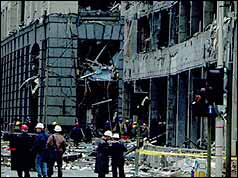
Slightly flip­pant the­or­ies aside, it is inter­est­ing that one of the most cited examples of the need for CCTV was the Bish­opsgate bomb­ing in Lon­don in 1993. In this case a lorry bomb, filled with a tonne of home made explos­ive (HME) was det­on­ated in the heart of the city of Lon­don by the IRA. One per­son was killed, many were injured, and hun­dreds of mil­lions of pounds worth of dam­age was caused, not to men­tion the fact threat the IRA scored a huge pub­li­city coup.

But this had noth­ing to do with the lack or oth­er­wise of CCTV in the streets of the City. It was an intel­li­gence fail­ure, pure and simple.

This attack could and should have been pre­ven­ted. It occurred while I was work­ing in MI5, and it was widely known in the ser­vice at the time that the bomber should have been arres­ted six months before dur­ing a sur­veil­lance oper­a­tion. Des­pite the fact that he was seen check­ing out anoth­er lorry bomb in stor­age, he was allowed to walk free and escape to the Repub­lic of Ire­land due to pro­ced­ur­al cock-ups. Months later, he returned to the City and bombed Bishopsgate.

By rely­ing increas­ingly on tech­no­lo­gies to pro­tect us, we are fol­low­ing in the foot­steps of the Amer­ic­ans. They have always had an over-reli­ance on gad­gets and giz­mos when seek­ing to invest­ig­ate crim­in­als and ter­ror­ists: satel­lite track­ing, phone taps, bugs. But this hoover­ing up of inform­a­tion is nev­er an adequate replace­ment for pre­cise invest­ig­at­ive work. Plus, any crim­in­al or ter­ror­ist worth their salt these days knows not to dis­cuss sens­it­ive plans electronically.

Scat­ter-gun approaches to gath­er­ing intel­li­gence, such as blanket sur­veil­lance, still at this stage require human beings to pro­cess and assess it for evid­en­tial use. That, accord­ing to DCI Neville, is part of the prob­lem. There is just too much com­ing in, not enough staff, insuf­fi­cient co-oper­a­tion between forces, and the job lacks per­ceived status with­in the police.

The oth­er prob­lem of an over-reli­ance on tech­no­logy is that it can always be hacked. The most recent hack­ing has broken the RFID chips that we all carry in our pass­ports, Oyster cards and the planned ID cards. New tech­no­lo­gies can­not guar­an­tee that our per­son­al data is secure, so rather than pro­tect­ing us, they make us more liable to crimes such as iden­tity theft.

So once again nation­al and loc­al gov­ern­ment bod­ies have rushed to buy up tech­no­logy, without fully think­ing through either its applic­a­tion or its use­ful­ness. And without fully assess­ing the implic­a­tions for a free soci­ety. Just because the tech­no­logy exists, it does not mean that it is fit for pur­pose, nor that it will make us safer.


The (Il)legal Road to War

Yet anoth­er art­icle has appeared about the mess that is the wars in Afgh­anistan and Iraq. Max Hast­ings, writ­ing in the Daily Mail yes­ter­day, described how our sol­diers in Afgh­anistan feel that the con­tin­ued con­flict is point­less if there is no clear polit­ic­al strategy to resolve the situation.

The Brit­ish army is over­stretched, appar­ently at the behest of the USA. Accord­ing to the art­icle, our mil­it­ary badly needs to redeploy both nor­mal troops and the SAS from Iraq to Afgh­anistan, but the US is unwill­ing to allow this to hap­pen for polit­ic­al reas­ons. The Amer­ic­ans also appear to be mak­ing shame­less use of the SAS.

So, let’s remind ourselves of how we got into this mess. At an inform­al meet­ing with Bush in 2002, Blair uni­lat­er­ally com­mit­ted this coun­try to sup­port the Amer­ic­an inva­sion of Iraq. Without the sup­port of Blair, Bush could not have pre­ten­ded that he had a mean­ing­ful inter­na­tion­al coali­tion to invade Iraq.

Hav­ing made this prom­ise, Blair needed to deliv­er. Intel­li­gence mater­i­al, rather than being used to inform policy mak­ing, was manip­u­lated to fit around pre-determ­ined decisions. This was sum­mar­ised clearly by the then head of MI6, Sir Richard Dear­love, in the notori­ous leaked “Down­ing Street Memo”, in which he is quoted as say­ing that the intel­li­gence and facts were being fixed around the policy.

Fol­low­ing on from this came the Septem­ber Dossier, which not only placed undue emphas­is on the claim that WMD could be launched against Brit­ish interests in 45 minutes, but also the fake intel­li­gence that Sad­dam was try­ing to pro­cure urani­um from Niger. And finally, we had the Dodgy Dossier of Feb­ru­ary 2003, based largely on a 12 year old PhD thes­is culled from the inter­net, but which also con­tained nug­gets of raw intel­li­gence from MI6. Inter­est­ingly, it has been estab­lished by the For­eign Affairs Select Com­mit­tee in par­lia­ment that Blair did not have pri­or writ­ten per­mis­sion from MI6 to pub­lish this intel­li­gence, which leaves him wide open to pro­sec­u­tion under Sec­tion 1(1) of the 1989 Offi­cial Secrets Act.

These are the false asser­tions that inex­or­ably took this coun­try to war. But even if these claims had been true, aggress­ive war is illeg­al under both inter­na­tion­al and Brit­ish law. A raft of legis­la­tion pro­hib­its our coun­try enga­ging in any mil­it­ary action except in self-defence:

Just Foreign Policy Iraqi Death EstimatorThe Gen­er­al Treaty for the Renun­ci­ation of War (Kel­logg-Bri­and Pact)
The United Nations Charter
The Nurem­burg Judgment
The Nurem­burg Principles
The Rome Stat­ute of the Inter­na­tion­al Crim­in­al Court
The UK’s Inter­na­tion­al Crim­in­al Court Act 2001

The Iraq and Afghan wars are unwinnable and illeg­al. It is time for the people of the UK to inform them­selves of the laws of war and demand that they be upheld. We are all equal under the law – even the former Prime Min­is­ter. Every day we delay res­ults in the deaths of more of our ser­vice­men and of yet more inno­cent people in the Middle East.

.

UK Police Chief Misleads MPs

An inter­est­ing art­icle appeared in The Sunday Times today, stat­ing that Bri­tain’s top police­man, the Com­mis­sion­er of the Met­ro­pol­it­an Police Sir Ian Blair, had “unwit­tingly” misled the par­lia­ment­ary Intel­li­gence and Secur­ity Com­mit­tee about the need to increase the peri­od of deten­tion without charge for ter­ror­ist sus­pects in the UK from 28 to 42 days. Blair claimed that 12 major ter­ror­ist oper­a­tions had been foiled in Bri­tain since 2005. In fact, the art­icle reports that only 6 plots have been stopped. Blair has had to issue a grov­el­ling apo­logy via the Press Asso­ci­ation for this, umm, gaffe.

But the art­icle neg­lects to tell us how and why this new inform­a­tion came to light. So allow me to speculate.

The Met, along with its shad­owy cohorts in MI5, is entrus­ted with pro­tect­ing Bri­tain from ter­ror­ist threats. Since 9/11 and the all-per­vas­ive war on ter­ror, Bri­tain’s secur­ity forces have been gran­ted sweep­ing new powers, resources and a huge increase in staff­ing levels to do this job. To ensure this is jus­ti­fied, they are con­tinu­ally telling us of the huge threat we face from ter­ror­ism and how suc­cess­ful they are in pro­tect­ing us. It is in their interests to talk this up.

Mean­while, over on the south bank of the river, MI6 con­tin­ues to suf­fer from the loss of prestige brought about by its mis­takes and lack of good intel­li­gence in the run-up to the Iraq inva­sion. There is no love lost between these three agen­cies, as they com­pete for power and resources. So, to use a good civil ser­vice phrase, I can­not rule out the pos­sib­il­ity that someone in MI6 leaked this inform­a­tion to have a pop at the Met and MI5.

How­ever, there is a more ser­i­ous aspect to this incid­ent. But for this inform­a­tion emer­ging, MPs and pub­lic alike would have had no way of know­ing that the per­ceived threat from ter­ror­ism had been grossly inflated in order for the police to gain yet more powers. We would have had to take Sir Ian’s word.

Well, we’ve been here before many, many times, most notori­ously when the intel­li­gence agen­cies would have us believe that Sad­dam had WMD that could attack Brit­ish interests with 45 minutes. This, of course, led to the Iraq war and the deaths of hun­dreds of thou­sands of inno­cent men, women and children.

So how can we ensure we are told the truth by the spies? Well, great­er account­ab­il­ity and effect­ive par­lia­ment­ary over­sight would be a step in the right dir­ec­tion. But we don’t just need the cor­rect mech­an­isms in place in par­lia­ment. We also need MPs with the know­ledge, intel­li­gence and integ­rity to ask the dif­fi­cult ques­tions when faced with bogus assertions.

British Spies and Torture

On 30th April, The Guard­i­an news­pa­per repor­ted that yet anoth­er man, picked up in a Brit­ish counter-ter­ror­ism oper­a­tion in Pakistan, has come for­ward claim­ing that he was tor­tured by the Pakistani intel­li­gence agency, the ISI, with the col­lu­sion of Brit­ish spooks

This is part of a grow­ing body of evid­ence indic­at­ing that Brit­ish intel­li­gence officers are con­tinu­ing to flout the law in one of the most hein­ous ways pos­sible, the pro­longed tor­ture of anoth­er human being. Alleg­a­tions have been emer­ging for years that detain­ees of notori­ous camps such as Guantanamo and Abu Ghraib have heard Brit­ish voices either dur­ing the inter­rog­a­tion ses­sions or dir­ect­ing the line of ques­tion­ing. Many of these detain­ees are also the vic­tims of “extraordin­ary rendi­tion”, in itself an extraordin­ar­ily euphemist­ic phrase for the kid­nap­ping and trans­port­a­tion of ter­ror­ist sus­pects to Third World coun­tries where they can be held indef­in­itely and tor­tured with impunity.

This is a situ­ation that haunts me. I worked as an intel­li­gence officer for MI5 in the 1990s, before leav­ing to blow the whistle. Per­haps I worked with some of the people now dir­ectly involved in tor­ture? Per­haps I was even friends with some of them, met them for drinks, had them round for din­ner? How could young, ideal­ist­ic officers, com­mit­ted to pro­tect­ing their coun­try by leg­al means, make that per­son­al mor­al jour­ney and par­ti­cip­ate in such bar­bar­ic acts?

These ques­tions ran through my head when, in 2007, I had the hon­our to meet a gentle, spir­itu­al man called Moazzam Begg. He is a Brit­ish cit­izen who went to Pakistan with his fam­ily to help build a school. One night, his door was broken down, and he was hooded, cuffed and bundled out of his home by Amer­ic­ans, in front of his hys­ter­ic­al wife and young chil­dren. That was the last they saw of him for over 3 years. Ini­tially he was tor­tured in the notori­ous Bagram air­base, before end­ing up in Guantanamo, which he said was a relief to reach as the con­di­tions were so much bet­ter. Need­less to say, he was released with out charge, and is now suing MI5 and MI6 for com­pens­a­tion. He has also writ­ten a book about his exper­i­ences and now spends his time help­ing the cam­paign, Cage Pris­on­ers.

Bri­tain was the first state to rat­i­fy the European Con­ven­tion of Human Rights, which includes Art­icle 3 — no one shall be sub­jec­ted to tor­ture or to inhu­man or degrad­ing treat­ment or pun­ish­ment. It is impossible for a state to derog­ate from this art­icle. So how and why has Bri­tain stooped to the level that it will appar­ently par­ti­cip­ate in such activ­ity? The “apo­ca­lyptic scen­ario” much loved by apo­lo­gists of tor­ture, where a ter­ror­ist has to be broken to reveal the loc­a­tion of the tick­ing bomb, occurs only in fant­ast­ic­al TV dra­mas like “24”, nev­er in real life.

In the 1990s the accep­ted MI5 pos­i­tion was that tor­ture doesn’t work. This was a les­son the UK secur­ity forces had learned the hard way in 1970s North­ern Ire­land. Then, IRA sus­pects had been roun­ded up, interned without tri­al and sub­jec­ted to what the Amer­ic­ans would no doubt nowadays call “enhanced inter­rog­a­tion tech­niques”. But the secur­ity forces got it wrong. The vast major­ity of internees were arres­ted on the basis of the flim­si­est intel­li­gence and had no links what­so­ever with the IRA. Well, at least when they entered pris­on. Intern­ment proved to be the best pos­sible recruit­ing drive for the IRA.

So why has this think­ing changed? I would sug­gest this is part of a core prob­lem for MI5 – the shroud of secrecy with­in which it con­tin­ues to oper­ate and the com­plete lack of account­ab­il­ity and over­sight for the organ­isa­tion. There is no vent­il­a­tion, no con­struct­ive cri­ti­cism, no debate. Once a new doc­trine has been adop­ted by the lead­er­ship, in slav­ish imit­a­tion of US policy, it rap­idly spreads through­out the organ­isa­tion as officers are told to “just fol­low orders”. To do any­thing else is career sui­cide. This leads to a self-per­petu­at­ing olig­archy where illeg­al or uneth­ic­al beha­viour is accep­ted as the norm.

Of course, you may well argue that a spy organ­isa­tion has to oper­ate in secret. Well, yes and no. Of course it needs to pro­tect sens­it­ive oper­a­tion­al tech­niques, ongo­ing oper­a­tions and the iden­tit­ies of agents. How­ever, bey­ond that it should be open to scru­tiny and demo­crat­ic account­ab­il­ity, just as the police anti-ter­ror­ism branch is. After all, they do vir­tu­ally the same work, so why should they be any less accountable?

The tra­di­tion of UK spies oper­at­ing in abso­lute secrecy is a hangover from the bad old days of the cold war, and is utterly inap­pro­pri­ate to a mod­ern counter-ter­ror­ist organ­isa­tion. Increased open­ness and account­ab­il­ity is not only essen­tial in a mod­ern demo­cracy, it also ensures that the spies can­not con­tin­ue to brush their mis­takes and crimin­al­ity under the car­pet. Bri­tain deserves bet­ter from those charged with pro­tect­ing its nation­al security.