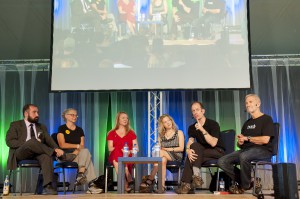
LIBE whistleblower hearing at the European Parliament

This week I was invited to give a state­ment to the LIBE Com­mit­tee at the European Par­lia­ment about whis­tleblow­ing and the NSA mass sur­veil­lance scandal.

I was in good com­pany: ex-NSA Tom Drake, ex-Depart­ment of Justice Jes­selyn Radack, and ex-NSA Kirk Wiebe. As well as describ­ing the prob­lems we had faced as intel­li­gence whis­tleblowers, we also sug­ges­ted some pos­sible solutions.

We were well received, even to the extent of an ova­tion from the nor­mally reti­cent MEPs.  We also all did vari­ous inter­views for TV dur­ing the day, but this is the only one I have tracked down so far.

Here is the video:

EU Par­lia­ment LIBE Inquiry on Elec­tron­ic Mass Sur­veil­lance of EU Cit­izens from Annie Machon on Vimeo.

European Parliament LIBE Inquiry on Electronic Mass Surveillance of EU Citizens

Below is some back­ground mater­i­al from my sub­mis­sion to the European Par­lia­ment’s LIBE Com­mit­tee on the implic­a­tions of the NSA scandal.

Here is a video link to the hear­ing.

LIBE Com­mit­tee Inquiry on Elec­tron­ic Mass Sur­veil­lance of EU Cit­izens, European Par­lia­ment, 30th Septem­ber 2013

Bio­graphy:

Annie Machon was an intel­li­gence officer for the UK’s MI5 in the 1990s, before leav­ing to help blow the whistle on the crimes and incom­pet­ence of the Brit­ish spy agen­cies.  As a res­ult she and her former part­ner had to go on the run around Europe, live in exile in France, face arrest and impris­on­ment, and watch as friends, fam­ily and journ­al­ists were arrested.

She is now a writer, media com­ment­at­or, polit­ic­al cam­paign­er, and inter­na­tion­al pub­lic speak­er on a vari­ety of related issues: the war on ter­ror­ism, the war on drugs, the war on whis­tleblowers, and the war on the inter­net.  In 2012 she star­ted as a Dir­ect­or of LEAP in Europe (www​.leap​.cc).

Annie has an MA (Hons) Clas­sics from Cam­bridge University.

Back­ground material:

Recom­mend­a­tions:

  • Mean­ing­ful par­lia­ment­ary over­sight of intel­li­gence agen­cies, with full powers of invest­ig­a­tion, at both nation­al and European levels.
  • These same demo­crat­ic bod­ies to provide a legit­im­ate chan­nel for intel­li­gence whis­tleblowers to give their evid­ence of mal­feas­ance, with the clear and real­ist­ic expect­a­tion that a full inquiry will be con­duc­ted, reforms applied and crimes punished.
  • Insti­tute a dis­cus­sion about the leg­al defin­i­tion of nation­al secur­ity, what the real threats are to the integ­rity of nation states and the EU, and estab­lish agen­cies to work with­in the law to defend just that. This will halt inter­na­tion­al intel­li­gence mis­sion creep.
  • EU-wide imple­ment­a­tion of the recom­mend­a­tions in the Ech­el­on Report (2001):
  1. to devel­op and build key infra­struc­ture across Europe that is immune from US gov­ern­ment­al and cor­por­at­ist sur­veil­lance; and
  2. Ger­many and the United King­dom are called upon to make the author­isa­tion of fur­ther com­mu­nic­a­tions inter­cep­tion oper­a­tions by US intel­li­gence ser­vices on their ter­rit­ory con­di­tion­al on their com­pli­ance with the ECHR (European Con­ven­tion on Human Rights).”
  • The duty of the European par­lia­ment is to the cit­izens of the EU.  As such it should act­ively pur­sue tech­no­logy policies to pro­tect the pri­vacy and basic rights of the cit­izens from the sur­veil­lance of the NSA and its vas­sals; and if it can­not, it should warn its cit­izens abut this act­ively and edu­cate them to take their own steps to pro­tect their pri­vacy (such as no longer using cer­tain Inter­net ser­vices or learn­ing to use pri­vacy enhan­cing tech­no­lo­gies). Con­cerns such as the trust Europeans have in ‘e‑commerce’ or ‘e‑government’ as men­tioned by the European Com­mis­sion should be sec­ond­ary to this con­cern at all times.
  • Without free media, where we can all read, write, listen and dis­cuss ideas freely and in pri­vacy, we are all liv­ing in an Orwellian dysto­pia, and we are all poten­tially at risk. These media must be based on tech­no­lo­gies that empower indi­vidu­al cit­izens, not cor­por­a­tions or for­eign gov­ern­ments. The Free Soft­ware Found­a­tion has been mak­ing these recom­mend­a­tions for over two decades.
  • The cent­ral soci­et­al func­tion of pri­vacy is to cre­ate the space for cit­izens to res­ist the viol­a­tion of their rights by gov­ern­ments and cor­por­a­tions. Pri­vacy is the last line of defense his­tor­ic­ally against the most poten­tially dan­ger­ous organ­isa­tion that exists: the nation state. There­fore there is no ‘bal­ance between pri­vacy and secur­ity’ and this false dicho­tomy should not be part of any policy debate.

International Day of Privacy, Berlin Demo

The Inter­na­tion­al Day of Pri­vacy was cel­eb­rated glob­ally on 31 August, with the cases of Chelsea Man­ning and Edward Snowden bring­ing extra energy and res­on­ance to the subject.

I was invited take part in a demon­stra­tion in Ber­lin, cul­min­at­ing with a talk at the hugely sym­bol­ic Branden­burg Gate. Here’s the talk:

BBC Sunday Morning Live — whistleblower debate

Here is a video of a debate I was involved with about whis­tleblowers on the most recent edi­tion of BBC debate show, Sunday Morn­ing Live. The ques­tion under dis­cus­sion: are whis­tleblowers her­oes or villains?

BBC Sunday Morn­ing Live from Annie Machon on Vimeo.
A shame that some of the stu­dio guests used this oppor­tun­ity to launch ad hom­inem attacks rather than focus on the key ques­tion, but I’m glad I could contribute.

RT interview on Manning sentencing

Here is my most recent RT inter­view, live as Chelsea Man­ning was sen­tenced to 35 years in a US pris­on for blow­ing the whistle and expos­ing war crimes:

RT Inter­view about Man­ning sen­ten­cing from Annie Machon on Vimeo.

OHM 2013 — Geeks and Drugs

ohm2013_logoAs I have men­tioned before, the Dutch geek­fest Observe, Hack, Make (OHM 2013) was not just a chance for geeks to play with cool tech toys, the whole event also had a very strong polit­ic­al track. While there was inev­it­ably a lot of focus on whis­tleblow­ing in the wake of the Snowden dis­clos­ures, anoth­er speak­er track attrac­ted a lot of atten­tion: glob­al drug policy and the fail­ure of prohibition.

This was a track I sug­ges­ted and I was pleased that three speak­ers were giv­en the chance to dis­cuss this on the main stage. While com­ing to the sub­ject from rad­ic­ally dif­fer­ent per­spect­ives and exper­i­ences, the under­ly­ing mes­sage of all three was that the “war on drugs” was an abject fail­ure that caused massive and increas­ing harm to the glob­al population.

John Gilmore was first up. John made his dosh dur­ing the tech boom, and has since spent sig­ni­fic­ant sums try­ing to reform the failed drug policies with­in his home coun­try, the good ol’ US of A. Of course, there, it was always going to be an uphill battle.  The USA is the foun­tain head of pro­hib­i­tion, ram­ming the drug con­ven­tions of 1961, 1971, and 1988 through the United Nations by brute dip­lo­mat­ic force.

To this day, the US remains the key power ensur­ing that the UN upholds these con­ven­tions, des­pite the fact that the policy of pro­hib­i­tion has mani­festly failed, des­pite the fact that many coun­tries have exper­i­mented suc­cess­fully with harm reduc­tion and decrim­in­al­isa­tion of per­son­al use, and des­pite the fact that these laws are from a dif­fer­ent era and are wildly out of date — in the 1960s HIV and AIDS had yet to emerge, and rap­idly mutat­ing “leg­al highs” were unknown.

And let’s not for­get that the USA is the world’s biggest con­sumer coun­try of drugs. It is Amer­ica that drives this illeg­al mar­ket. And it is in Amer­ica that 20 states have leg­al­ised the medi­cin­al use of can­nabis, and two states have fully leg­al­ised the use even, gasp, purely for pleas­ure. The hypo­crisy is breathtaking.

But change is afoot. Primar­ily, I believe, because the USA no longer needs the “war on drugs” as a pre­text for invading/interfering with oth­er coun­tries, now it has the “war on ter­ror”. But also because of the excel­lent work of research and edu­ca­tion­al civil soci­ety groups. The Beckley Found­a­tion, set up by Aman­da Feild­ing in 1998, is one such.

Aman­da gave an excel­lent talk, focus­ing on the dual nature of Beckley’s work: policy and sci­entif­ic research. Her view is that sound nation­al and inter­na­tion­al policy can­not be developed unless it is based on evid­ence, research and facts. Yet the cur­rent “war on drugs” has become almost an art­icle of faith that too many politi­cians are afraid to challenge.

Beckley aims to provide the research and the facts. It funds and estab­lishes sci­entif­ic research that enables lead­ing sci­ent­ists, such as Pro­fess­or Dav­id Nutt in the UK, to research the poten­tial thera­peut­ic bene­fits of cur­rently illeg­al drugs, and also to assess the dif­fer­ent soci­et­al harms caused by all drugs, both licit and illi­cit. To date, the pro­hib­i­tion ortho­doxy has inhib­ited free sci­entif­ic research to the det­ri­ment of many people across the planet.

Aman­da was pleased to be able to announce two new research pro­jects just start­ing in the UK, into the poten­tial thera­peut­ic bene­fits of psilo­cybin (magic mush­rooms) and LSD. Beckley has also recently com­mis­sioned a cost bene­fit ana­lys­is of the leg­al­isa­tion of (only) can­nabis is the UK. The res­ults will be form­ally announced in Septem­ber, so for now I shall con­fine myself to say­ing that they are encouraging.

Using such research, Beckley is thus in a pos­i­tion to advise gov­ern­ments about devel­op­ing fact-base policy. One of the key areas of the world invest­ig­at­ing poten­tially bene­fi­cial altern­at­ives to pro­hib­i­tion is Lat­in Amer­ica, and Aman­da has developed close work­ing rela­tion­ships with a num­ber of gov­ern­ments across the region.

And under­stand­ably so — Lat­in Amer­ica, as one of the key pro­du­cer regions of the world, has been rav­aged by the drug wars. Viol­ent organ­ised crime car­tels have grown so wealthy and power­ful that they can sub­vert whole coun­tries, cor­rupt gov­ern­ments and law enforce­ment, and ter­ror­ise whole pop­u­la­tions in their quest to dom­in­ate the illeg­al drugs trade.

In Mex­ico, since the war on drugs was ramped up 7 years ago, it is estim­ated that over 70,000 inno­cent people have been kid­napped, tor­tured and killed in drug-related viol­ence. Many have simply been disappeared.

Finally I also did a talk at OHM as the European dir­ect­or of Law Enforce­ment Against Pro­hib­i­tion (LEAP).

LEAP is a unique voice in the glob­al drug policy debate. The organ­isa­tion, only 11 years old, has over 100,000 sup­port­ers and a pres­ence in 120 coun­tries. We con­sist of police officers, judges, law­yers, pris­on gov­ernors, intel­li­gence per­son­nel, and even drug czars. What unites us is a shared pro­fes­sion­al know­ledge, exper­i­enced across the spec­trum of drug law enforce­ment, that pro­hib­i­tion has egre­giously failed.

Over the last 50 years drug use has expo­nen­tially increased, the potency of illeg­al drugs has increased, they are ubi­quit­ously avail­able, and the price of street drugs has gone through the floor. Faced with this inform­a­tion, how can our gov­ern­ments claim they are win­ning the “war on drugs” to cre­ate a “drug free world”? Quite the oppos­ite — pro­hib­i­tion has enabled a glob­al and expo­nen­tially grow­ing black market.

I became aware of the drug pro­hib­i­tion fail­ure while I was work­ing for MI5. One of my post­ings involved invest­ig­at­ing ter­ror­ist logist­ics, which meant that I had to work closely with UK Cus­toms across the UK. This exper­i­ence made me very aware that the “war” had been lost.  It also made me very aware, early on, that there was a massive over­lap between the illeg­al drug mar­ket and ter­ror­ist funding.

The US DEA estim­ates that over half of the des­ig­nated ter­ror­ist groups around the world gain the bulk of their fund­ing from drugs money. So on the one hand pro­hib­it­ing drugs and fight­ing the “war on drugs” sends the mar­ket under­ground and that black money provides a key rev­en­ue stream to the ter­ror­ists. On the oth­er hand the West is also waging the “war on ter­ror”.  What they give with one hand they take away with another.

One stark example of this is the cur­rent melt-down in Libya — coun­try that was “grate­fully” lib­er­ated by NATO two years ago. The dic­tat­or was tor­tured and killed, MI6 and the CIA were help­ing the “spon­tan­eous” rebels. the infra­struc­ture was ruined, and the bulk of the coun­try is now run by ban­dit mili­tias which bru­tal­ise the inhab­it­ants pr impose hard-line Islam­ism on them. Many pre­dicted this would hap­pen, includ­ing myself.

What was not pre­dicted was the explo­sion in the drug trade. Over the last dec­ade west­ern Africa has become one of the main trans­it regions between the pro­du­cer coun­tries (Lat­in Amer­ica) and the con­sumer coun­tries in Europe. It now appears that this luc­rat­ive trade has not only res­ul­ted in destabil­ising coun­tries, lead­ing to viol­ent narco-states such as Mali and Guinea-Bis­sau, the trade has also become a stream of income to Al Qaeda affil­i­ated groups in Libya. Which is bad for west­ern secur­ity, is bad for the sta­bil­ity of Libya, but is also bad for the people of Libya, where there has reportedly been an explo­sion of drug use and rock­et­ing infec­tions of HIV.

There have been many suc­cess­ful attempts to alle­vi­ate the pen­al­isa­tion of drug users in many European coun­tries — Por­tugal, the Neth­er­lands and Switzer­land spring to mind. Because of more lib­er­al decrim­in­al­isa­tion laws, all these coun­tries have seen a decrease in drug use and asso­ci­ated crime, plus good health out­comes and the free­ing up of law enforce­ment resources across the spec­trum to go for the drug traders.

How­ever, we in LEAP would argue that only full reg­u­la­tion, con­trol and tax­a­tion of the drug mar­ket will deal with the scourge of the inter­na­tion­al drug trade. Until that hap­pens, this glob­al trade, estim­ated by even the UN at being worth between $320 bil­lion and $500 bil­lion per year, will only profit organ­ised crime car­tels and ter­ror­ist organisations.

The “war on drugs” has failed. Albert Ein­stein said that the very defin­i­tion of insan­ity was to con­tin­ue to do the same, even if it repeatedly fails, in the hope that you will even­tu­ally get a dif­fer­ent out­come. That is what we are see­ing with prohibition.

And the geek com­munity under­stand this too. Of course they do, they are sci­ent­ists. I was heartened by their interest and by their response. Let’s all cam­paign to end this insanity.

Here is a video of my talk at OHM on the subject:

LEAP — End­ing the war on drugs and people (OHM 2013) from Annie Machon on Vimeo.

LEAP_logo

OHM 2013 — The Joy of Geeks

ohm2013_logoHome and recovered from the rigours of the amaz­ing geek­fest, OHM 2013.

This was a 5‑day fest­iv­al in the Neth­er­lands where 3000 geeks, act­iv­ists and whis­tleblowers gathered to have fun and also try to put the world to rights.  And this crowd, out of all act­iv­ist groups, has a fight­ing chance. The geeks are tooled-up, tech-savvy, and increas­ingly politi­cised after all the recent assaults on the inter­net and wider freedoms.

These include all the anti-pir­acy meas­ures (inter­est­ingly, Rus­sia has just joined the lost war that is the anti-pir­acy legis­la­tion, and the Rus­si­an pir­ates are going to form a Pir­ate Church, as this will give them spe­cial pro­tec­tions and rights under the law). It also includes all the invi­di­ous inter­na­tion­al agree­ments that the US and its Euro-vas­sals are try­ing to force down the throats of reluct­ant pop­u­la­tions: ACTA, PIPA, SOPA, TAFTA.… you name it, there’s a whole new anti-free­dom alpha­bet soup out there in addi­tion to the spook acronyms.

Not to men­tion all the illeg­al US take-downs of legit­im­ate busi­ness web­sites, such as Megaup­load, and the pan­op­tic sur­veil­lance powers of the NSA and its glob­al intel­li­gence bud­dies, long sus­pec­ted by many and now proven by the dis­clos­ures of the cour­ageous Edward Snowden.

So it was lovely to see at OHM an increas­ing politi­cisa­tion. This was partly because of all the above recent hor­rors, but also because the OHM organ­isers had pulled togeth­er a strong polit­ic­al and whis­tleblow­ing speak­er track. The attack against digit­al civil liber­ties is inex­tric­ably linked to and reflect­ive of the full-front­al attack on our his­tor­ic real-world freedoms:  endem­ic sur­veil­lance, kid­nap­ping, tor­ture, CIA kill lists, illeg­al wars, drone strikes, secret courts, and many oth­er encroach­ing hor­rors that I have writ­ten about ad nauseam. And this is just what we know about.

sinking_shipIn my view our West­ern demo­cra­cies have been at least fatally holed, if they have not yet foundered. Which, of course, means that our viol­ent, inter­ven­tion­ist attempts to bring “demo­cracy” to the devel­op­ing world are derided as hypo­crit­ic­al at best, and viol­ently res­isted at worst.

The new front-line of this struggle is “cyber” war­fare — be it the illeg­al aggress­ive attacks of such US/Israeli vir­uses against Iran such as Stuxnet (that is now roam­ing free in the wild and mutat­ing), or the slower wars of attri­tion against “pir­ates”, hack­ers, Wikileaks, and the grow­ing war on whis­tleblowers such as Brad­ley Man­ning and Edward Snowden.

Well, geeks are the new res­ist­ance and they have a fight­ing chance in my view. And this is why I think that they are our best hope.

SAMSUNGThis was my exper­i­ence of OHM. Three thou­sand of the best and the bright­est from around the world gathered togeth­er not just to have fun play­ing with bleed­ing-edge tech, hack­ing and build­ing toys, and cre­at­ing slightly sur­real, if beloved, hov­er-pets (see right), but also who turned out in their thou­sands to listen to and absorb the exper­i­ences of a num­ber of inter­na­tion­al intel­li­gence whis­tleblowers. In the wake of the Edward Snowden case, this is a hot top­ic in these circles and there was a huge impetus to help.

We whis­tleblowers had a fab­ulous time too. One is a “nat­ur­al-born geek” — Tom Drake, formerly of the NSA, who was threatened with 35 years in pris­on because he dared to dis­close prob­lems with his organ­isa­tion. His law­yer, gov­ern­ment law­yer-turned-whis­tleblower Jes­selyn Radack, also spoke of her exper­i­ences. Coleen Row­ley, the FBI whis­tleblower who exposed the intel­li­gence fail­ure in the US in the run-up to 9/11 and was voted Time Per­son of the Year in 2002 also gave a fant­ast­ic talk called “Secrecy Kills”, and former CIA ana­lyst and pres­id­en­tial “briefer”, Ray McGov­ern, gave the open­ing key­note speech, focus­ing on the need to speak out and pre­serve our rights. I fin­ished the quin­tet of whis­tleblowers and provided the Euro-perspective.

And of course the pat­ron saint of whis­tleblowers also did one of the key talks — but he had to be beamed in. Juli­an Assange, who was free to attend HAR, the last such event in the Neth­er­lands four years ago, was unavoid­ably detained in his embassy refuge in the UK.

OHM_Great_Spook_Panel_2013

Photo by Rein­oud van Leeuwen (http://​rein​oud​.van​.leeuwen​.net/)

The whis­tleblowers all came togeth­er for one of the big ses­sions of OHM — the “Great Spook Pan­el”, mod­er­ated by the indom­it­able Nick Farr. The pan­el was basic­ally a call to arms for the next gen­er­a­tion. This addressed the need to stand up to pro­tect our rights against all the egre­gious erosions that have occurred since 9/11.  The response was hugely enthu­si­ast­ic. I hope this goes glob­al, and the wider com­munity fol­lows up.

It cer­tainly did in one way. Ray McGov­ern announced the estab­lish­ment of the Edward Snowden Defence Fund at the end of the pan­el dis­cus­sion, and the dona­tions poured in for the rest of the event.

So a very suc­cess­ful fest­iv­al. How do I make that assess­ment? Well, on top of all the fun, vari­ety of talks and net­work­ing, the Dutch intel­li­gence ser­vice, the AIVD (an unfor­tu­nate-sound­ing name to most Eng­lish speak­ers), reques­ted a plat­form at the event after the Great Spook Pan­el was announced in the programme.

Such an act­ive and open response shows a degree of push-back against a per­ceived “threat”. No doubt the organ­isa­tion wanted to inject the estab­lish­ment anti-venom before the truth-tell­ers had their say. Any­way, on the grounds that most whis­tleblowers are gen­er­ally denied a main­stream media plat­form and/or are smeared, the AIVD was pro­hib­ited the stage.

Of course, the AIVD would have been very wel­come to buy a tick­et like nor­mal humans or pay the cor­por­ate rate to attend to show sup­port for the com­munity — its officers might have learned something.…

UK spy agency GCHQ prostitutes itself to NSA

From the middle of a Dutch field at the OHM 2013 fest­iv­al, I man­aged to do this inter­view for RT about GCHQ tak­ing large sums of money from its US equi­val­ent, the NSA:

UK spy agency GCHQ pros­titues itself to NSA in cor­rupt rela­tion­ship (HD) from Annie Machon on Vimeo.

Dutch festival OHM — Observe, Hack, Make

Today I am limber­ing up to attend the Dutch geek fest­iv­al, Observe Hack Make (OHM 2013). A lot of talks from whis­tleblowers, sci­ent­ists, geeks, futur­ists and bleed­ing edge tech people. The visionaries?

You decide — all talks will be live streamed and avail­able after­wards. Enjoy!

RT interview as Bradley Manning conviction was announced

I was live on RT as the con­vic­tion of Brad­ley Man­ning was announced:

RT inter­view as the con­vic­tion of Brad­ley Man­ning was announced from Annie Machon on Vimeo.

Newsletter Excerpt re Edward Snowden

For read­ers who have not yet signed up to my monthly news­let­ter, here is the excerpt about Edward Snowden from my June edi­tion, with a little update at the end:

The Edward Snowden saga is riv­et­ing for me on so many levels.You’ll no doubt be aware of the case, unless you have been liv­ing in a cup­board for the last few weeks.  Snowden is the brave young NSA con­tract­or who has blown the whistle on a range of glob­al sur­veil­lance pro­grammes that the Amer­ic­ans and the Brits have developed over the last few years to fight the war on ter­ror­ism spy on all of us.

The sheer scale of his dis­clos­ures so far is incred­ible and has huge implic­a­tions for what remains of our demo­crat­ic way of life. Just today more inform­a­tion emerged to show that the NSA has been spy­ing on key EU insti­tu­tions — which might go some way to explain­ing why so much recent EU legis­la­tion appears to favour the interests of US cor­por­at­ism over those of European citizens.…

Pun­dits have been call­ing him the most sig­ni­fic­ant whis­tleblower since Daniel Ells­berg, who leaked the Pentagon Papers about the Viet­nam war 40 years ago.  But I would go fur­ther.  In my view Edward Snowden is the most sig­ni­fic­ant whis­tleblower in mod­ern his­tory because, while Ells­berg dis­closed vital inform­a­tion, it was largely a mat­ter that affected the Amer­ic­ans and the hap­less Viet­namese.  What Snowden has exposed, just to date, impacts all of us around the world.

Snowden has con­firmed the darkest fears of leg­al experts, geeks and con­cerned glob­al cit­izens about the sheer scale of the sur­veil­lance soci­ety we all now live under.  Not only are our intel­li­gence agen­cies run­ning amok, they do so using the infra­struc­ture of the glob­al inter­net mega­corps.  What he has laid bare is the fact that we are all already liv­ing under full-blown fascism.

He played it so well with that early film stat­ing very clearly his motiv­a­tion to go pub­lic — to defend a way of life that he saw was under threat. He appears to have learned from the mis­takes of pre­vi­ous whis­tleblowers.  He chose a journ­al­ist who under­stands the issues and has the fire in the belly and the inter­na­tion­al pro­file to fight his corner.  Glenn Gre­en­wald is a fear­less cam­paign­ing law­yer-turned-journ­al­ist who for years has been defend­ing the work of Wikileaks, with the irony being that he is now the new Assange, being attacked, threatened and smeared for report­ing the disclosures.

Of course, I and many oth­er former whis­tleblowers have been swamped by the usu­al fren­zied media tsunami, called up for inter­view after inter­view.  For me this began just as I was about to turn in for the night at 11.30pm on 9th June, when RT rang me up ask­ing for an urgent live inter­view just as the iden­tity of Snowden was emer­ging across the world’s media.  After a frantic 15 minutes sort­ing out the makeup and the tech (in that order, nat­ur­ally), I was wide awake again and speak­ing on live TV.  From that came a slew of oth­er requests over the next few days, includ­ing many pro­grammes on the BBC, Sky News, and mul­tiple radio and news­pa­per inter­views.  I could barely find time to leave my phone and com­puter to get to the bath­room.…  Then the wave receded for a few days before Snowden fled to Rus­sia, when the whole cycle began again.

Read­ing about Snowden going on the run also brought back a num­ber of per­son­al memor­ies for me. In 1997 I fled the UK with Dav­id Shayler only 12 hours ahead of his ini­tial dis­clos­ures about MI5 crimin­al­ity break­ing in the UK media. We were pur­sued across Europe, and had a month lit­er­ally on the run, fol­lowed by a year liv­ing in hid­ing in la France Pro­fonde before Dav­id was arres­ted, pending extra­di­tion, at the request of the Brit­ish gov­ern­ment.  He spent almost 4 months in a Par­is pris­on before the French released him — their view being that he was a whis­tleblower, which was deemed to be a polit­ic­al offence for which France spe­cific­ally does not extra­dite.  We lived more openly in Par­is for anoth­er two years, although Dav­id was trapped in France — had he trav­elled to anoth­er coun­try the whole ghastly extra­di­tion pro­cess would have star­ted again.

Well, there are worse places than France to be trapped in exile, but even so it was dif­fi­cult for him.  How much more so for Edward Snowden, whose options are more ser­i­ously con­strained and who faces life in pris­on in the US if he is caught?  Know­ing the pen­al­ties he faces and being aware of the track­ing cap­ab­il­it­ies and the ruth­less dis­reg­ard for the law and human rights of the mod­ern US intel­li­gence infra­struc­ture, his bravery in expos­ing the glob­al US sur­veil­lance state is truly breath-taking.

To fin­ish, here is one of my recent Sky News inter­views about the Edward Snowden case:

Sky TV inter­view on Snowden case from Annie Machon on Vimeo.

Addendum: today’s news told us that Bolivi­an Pres­id­ent, Evo Mor­ales’s offi­cial, dip­lo­mat­ic­ally pro­tec­ted, plane have been barred from fly­ing home from Moscow over much of Euro air­space, where he had been par­ti­cip­at­ing in high-level talks.  The reas­on being that Edward Snowden might have been be on board. Mor­ales was groun­ded in Aus­tria and had to sub­mit to a police search of the plane, against all dip­lo­mat­ic pro­tocol.  No Snowden was found, naturally.

I see this as a very clev­er move by per­sons unknown — test­ing exactly what the inter­na­tion­al response would be if Edward Snowden tries to fly out of Rus­sia.  And the Europeans, under undoubted pres­sure from the US, have fallen for it hook, line and sinker.

The US-Euro com­pli­cit pat­sies have been flushed out by this dip­lo­mat­ic scan­dal. Demon­stra­tions are appar­ently already occur­ring against the French embassy in Bolivia.  And this on the same day that the French Pres­id­ent, Fran­cois Hol­lande, used the Snowden dis­clos­ures to delay the rightly-maligned US-EU trade agreement.

So, even as the French use the Snowden dis­clos­ures for polit­ic­al advant­age, they appar­ently refuse to assist the source.  Which is unfor­tu­nate — my memory of French law is that whis­tleblow­ing is deemed a polit­ic­al act and the French spe­cific­ally do not extra­dite for alleged polit­ic­al offences.

Per­haps the French con­sti­tu­tion and law have changed since Sarkozy took France into NATO.…

The Secret Policemen’s Balls-Up

First pub­lished on RT Op-Edge, with the slightly more cir­cum­spect title: “Brit­ish police secretly oper­ated out­side demo­crat­ic con­trol for years”. Also on HuffPo UK.

In the wake of the glob­al impact of the ongo­ing Edward Snowden saga, a smal­ler but still import­ant whis­tleblower story flared and faded last week in the UK media.

Peter Fran­cis revealed that 20 years ago he had worked as an under­cov­er cop in the Met­ro­pol­it­an Police For­ce’s secret Spe­cial Demon­stra­tions Squad (SDS) sec­tion. In this role, Fran­cis stated that he was tasked to dig up dirt with which the Met could dis­cred­it the fam­ily of murdered black teen­ager, Steph­en Lawrence and thereby derail their cam­paign for a full and effect­ive police invest­ig­a­tion into his death.  The Lawrence fam­ily cor­rectly believed that the ori­gin­al invest­ig­a­tion had been fumbled because of  insti­tu­tion­al police racism at that time.

The fact that secret police were pos­ing as act­iv­ists to infilt­rate protest groups will come as no shock after the cas­cade of rev­el­a­tions about secret police­men in 2011, start­ing with DC Mark Kennedy/environmental act­iv­ist “Mark Stone”.  Kennedy was uncovered by his “fel­low” act­iv­ists, and nine more quickly emerged in the wake of that scan­dal. This has res­ul­ted in an enquiry into the shad­owy activ­it­ies of these most secret officers, accus­a­tions that the Crown Pro­sec­u­tion Ser­vice sup­pressed key evid­ence in crim­in­al tri­als, and a slew of court cases brought by women whom these (pre­dom­in­antly male) police officers seduced.

But the dis­clos­ures of Peter Fran­cis plumb new depths.  In the wake of the Steph­en Lawrence murder, many left-wing and anti-Nazi groups jumped on the band­wag­on, organ­ising demon­stra­tions and pro­vok­ing con­front­a­tions with the far-right Brit­ish Nation­al Party.  There was a clash near the BNP’s book­shop in south Lon­don in 1993.  So, sure, the Met Police could poten­tially just about argue that the under­cov­er officers were try­ing to gath­er advance intel­li­gence to pre­vent pub­lic dis­order and riot­ing, although the sheer scale of the oper­a­tion was utterly disproportionate.

How­ever, what is com­pletely bey­ond the Pale is this appar­ent attempt to smear the trau­mat­ised fam­ily of a murder vic­tim in order to derail their cam­paign for justice.

The role of under­cov­er cops spy­ing on their fel­low cit­izens who are polit­ic­ally act­ive is dis­taste­ful in a demo­cracy. And the fact that, until the ori­gin­al scan­dal broke in 2011, the recon­sti­t­uted SDS con­tin­ued to tar­get peace and envir­on­ment­al protest groups who offered no threat what­so­ever to nation­al secur­ity is dis­grace­ful — it smacks of the Stasi in East Germany.

To make mat­ters even worse, when details emerged two years ago, it became appar­ent that the SDS Ver­sion 2.0 was oper­at­ing out­side the form­al hier­archy of the police, with what little demo­crat­ic over­sight that would provide. In fact, it emerged that the SDS been renamed the Nation­al Pub­lic Order Intel­li­gence Unit (NPOIU) and had for years been the private fief­dom of a private lim­ited com­pany — the Asso­ci­ation of Chief Police Officers (ACPO).  With­in a notion­al demo­cracy, this is just gobsmacking.

So how did this mess evolve?

From the late 19th cen­tury the Met­ro­pol­it­an Police Spe­cial Branch invest­ig­ated ter­ror­ism while MI5, estab­lished in 1909, was a counter-intel­li­gence unit focus­ing on espi­on­age and polit­ic­al “sub­ver­sion”. The switch began in 1992 when Dame Stella Rim­ing­ton, then head of MI5, effected a White­hall coup and stole primacy for invest­ig­at­ing Irish ter­ror­ism from the Met. As a res­ult MI5 magic­ally dis­covered that sub­ver­sion was not such a threat after all – this rev­el­a­tion only three years after the Ber­lin Wall came down – and trans­ferred all its staff over to the new, sexy counter-ter­ror­ism sec­tions. Since then, MI5 has been eagerly build­ing its counter-ter­ror­ism empire, des­pite this being more obvi­ously evid­en­tial police work.

Spe­cial Branch was releg­ated to a sup­port­ing role, dab­bling in organ­ised crime and anim­al rights act­iv­ists, but not ter­ribly excited about either. Its prestige had been ser­i­ously den­ted. It also had a group of exper­i­enced under­cov­er cops – known then to MI5 as the Spe­cial Duties Sec­tion – with time on their hands.

It should there­fore come as little sur­prise that ACPO came up with the bril­liant idea of using this skill-set against UK “domest­ic extrem­ists”. It renamed the SDS as the NPOIU, which first focused primar­ily on poten­tially viol­ent anim­al rights act­iv­ists, but mis­sion creep rap­idly set in and the unit’s role expan­ded into peace­ful protest groups. When this unac­count­able unit was revealed it rightly caused an out­cry, espe­cially as the term “domest­ic extrem­ist” is not recog­nised under UK law, and can­not leg­ally be used as jus­ti­fic­a­tion to aggress­ively invade an indi­vidu­al’s pri­vacy because of their legit­im­ate polit­ic­al beliefs and activism.

So, as the police become ever more spooky, what of MI5?

As I men­tioned, they have been aggress­ively hoover­ing up the pres­ti­gi­ous counter-ter­ror­ism work. But, des­pite what the Amer­ic­ans have hys­ter­ic­ally asser­ted since 9/11, ter­ror­ism is not some unique form of “evil­tude”. It is a crime – a hideous, shock­ing one, but still a crime that should be invest­ig­ated, with evid­ence gathered, due pro­cess applied and the sus­pects on tri­al in front of a jury.

A mature demo­cracy that respects human rights and the rule of law should not intern sus­pects or render them to secret pris­ons and tor­ture them for years. And yet this is pre­cisely what our spooks have been doing – par­tic­u­larly when col­lud­ing with their US counterparts.

Also, MI5 and MI6 have for years oper­ated out­side any real­ist­ic demo­crat­ic over­sight and con­trol. Until this year, the remit of the Intel­li­gence and Secur­ity Com­mit­tee in Par­lia­ment has only covered the policy, admin­is­tra­tion and fin­ance of the spies. Since the com­mit­tee’s incep­tion in 1994 it has repeatedly failed to mean­ing­fully address more ser­i­ous ques­tions about the spies’ role, and has been repeatedly lied to by seni­or spies and police officers.

The spooks are effect­ively above the law, while at the same time pro­tec­ted by the dra­coni­an Offi­cial Secrets Act. This makes the abuses of the NPOIU seem almost quaint. So what to do? A good first step might be to have an informed dis­cus­sion about the real­ist­ic threats to the UK. The police and spies huddle behind the pro­tect­ive phrase “nation­al secur­ity”. But what does this mean?

The core idea should be safe­guard­ing the nation’s integ­rity. A group of well-mean­ing envir­on­ment­al pro­test­ers should not even be on the radar. And, no mat­ter how awful, the occa­sion­al ter­ror­ist attack is not an exist­en­tial threat to the fab­ric of the nation in the way of, say, the planned Nazi inva­sion in 1940. Nor is it even close to the sus­tained bomb­ing of gov­ern­ment, infra­struc­ture and mil­it­ary tar­gets by the Pro­vi­sion­al IRA in the 1970s-90s.

Only once we under­stand the real threats can we as a nation dis­cuss the neces­sary steps to take to pro­tect ourselves effect­ively; what meas­ures should be taken, what liber­ties occa­sion­ally and leg­ally com­prom­ised, and what demo­crat­ic account­ab­il­ity exists to ensure that the secur­ity forces do not exceed their remit and work with­in the law.

It is only by going through this pro­cess that can we ensure such scan­dals as the secret police will remain firmly in the past. And in the wake not only of Peter Fran­cis’s con­fes­sions but the sheer scale of the endem­ic elec­tron­ic sur­veil­lance revealed by Edward Snowden, this long-over­due nation­al debate becomes ever more necessary.

RT interview re Snowden flying to Russia

As the news broke that NSA whis­tleblower, Edward Snowden, had fled Hong Kong for Rus­sia today, I was invited on RT to do an inter­view. At that point few people had any idea of his plans.  How­ever, it appears that the USA had charged Snowden under the Espi­on­age Act 1917 (no sur­prises) and then asked Hong Kong to arrest and hold him, pending extra­di­tion. Equally unsur­pris­ingly, Hong Kong found mis­takes in the paper­work and used the oppor­tun­ity to com­plain about US spy­ing activ­ity in its territory.

Any­way, this gave Snowden, with appar­ently the help of the whis­tleblow­ing pub­lish­ing site Wikileaks, the chance to leave the coun­try and fly to Rus­sia, with the repor­ted final des­tin­a­tion being Ecuador.

So here’s my ini­tial take on the situation:

Snowden case shows US is bully boy of world — RTTV inter­view from Annie Machon on Vimeo.

Magna Carta versus Snoopers’ Charter

black_sheep_text_OK, this has to be a bleed­ing obvi­ous point, but I feel moved to make it anyway.

After the bru­tal Wool­wich murder of  Drum­mer Lee Rigby,  there were calls from the Brit­ish securo­crats to resur­rect the dis­cred­ited Com­mu­nic­a­tions Data bill — aka the Snoop­ers’ Charter.  Cap­it­al­ising on the nation’s shock, they believed it was the right time to push through a par­tic­u­larly dra­coni­an piece of legis­la­tion, as I wrote at the time.

The aim of the Snoop­er­’s Charter is to store all the meta-data of our com­mu­nic­a­tions in the UK, which means they can poten­tially be used as evid­ence against us at some neb­u­lous future point if the leg­al goal­posts shift — as they seem to be doing at an alarm­ing rate these days.

Not only are act­iv­ists now being called “domest­ic extrem­ists” or “ter­ror­ists”, but the concept of secret courts seems to be meta­stas­ising at an alarm­ing rate — it is not longer just a concept used in immig­ra­tion and now civil courts, it has reached the giddy heights of the Supreme Court in the UK, with the secret hear­ings around the Ira­ni­an Mel­lat bank. Top UK Law Lord Neuber­ger was recently quoted, in the Daily Mail of all places, as say­ing that secret justice is no justice.

But I digress. Post-Wool­wich, the securo­crats were over­taken by events. The cour­ageous Edward Snowden blew the whistle on the fact that the NSA and its pals like GCHQ are already hoover­ing up all our elec­tron­ic com­mu­nic­a­tions, as well as spy­ing on top politi­cians. As a res­ult the securo­crats have gone to ground, but no doubt they will try to slith­er out again soon.

Or per­haps not — today still fur­ther sur­veil­lance hor­rors emerged as a res­ult of the Snowden dis­clos­ures: the UK listen­ing post GCHQ, which has long had an unhealth­ily inces­tu­ous rela­tion­ship with the NSA, has gone to the next level with the “Total Mas­tery of the Inter­net” pro­gramme, code­named “TEMPORA.

The repor­ted cap­ab­il­it­ies of TEMPORA are huge — GCHQ can tap into all the inform­a­tion flow­ing through the trans-Atlantic fibre optic cables and bey­ond. It is truly suck­ing on the fire hydrant of information

This should be gobsmack­ing news, but the concept was already repor­ted in The Register 4 years ago. The trouble is, nobody really cared then or just thought it was a bunch of geeks being para­noid. Now this is glob­al news thanks to the brave actions of a whistleblower.

One has to won­der if the UK gov­ern­ment is so keen to ram the Snoop­ers’ Charter into law as a ret­ro­grade jus­ti­fic­a­tion for the endem­ic PRISM and TEMPORA snoop­ing that has already been going on for years? And let’s not for­get the old pro­to­type snoop­ing programe, ECHELON

As a lead­ing European pri­vacy cam­paign­er recently wrote, by the year 1215 Brit­ish bar­ons had more basic rights under the Magna Carta than we mod­ern day serfs can pos­sibly aspire to now.

How can we be going back­wards, so fast?

O tem­pora, o mores indeed.…. some clas­si­cist, some­where in the bowels of the Brit­ish intel­li­gence agen­cies, is hav­ing a laugh.