Just how many unaccountable spy organisations are out there in the UK?

Black_sheep?Unsuc­cess­fully res­ist­ing the tempta­tion to say that the obvi­ous ones (MI5, MI6 and GCHQ) are still pretty unac­count­able, I was intrigued by a few recent art­icles in The Guard­i­an

George Mon­bi­ot, someone I have enorm­ous respect for but don’t always see eye-to-swiv­el­ling-eye with, wrote an excel­lent piece about the after­shocks of the Mark Kennedy/undercover cop scan­dal earli­er this year. 

Mon­bi­ot calls for the abol­i­tion of that demo­crat­ic­ally unac­count­able seni­or plod organ­isa­tion and PLC, the Asso­ci­ation of Chief Police Officers (ACPO).  This was the organ­isa­tion under whose aegis the under­cov­er cops spied on hap­less envir­on­ment protest­ors — the very people who are now being encour­aged to appeal against their con­vic­tions by Dir­ect­or of Pub­lic Pro­sec­u­tions, no less.

Mon­bi­ot quotes a couple of acronyms cov­er­ing this shady world of police spy­ing: NPOIU and NECTU.   But in anoth­er Guard­i­an art­icle today — about the police tak­ing pre-empt­ive steps against so-called anarch­ists in the run-up to the roy­al wed­ding — I saw this:

The Met is also get­ting intel­li­gence from the Fix­ated Threat Assess­ment Centre, a police unit set up in 2006 togeth­er with men­tal health agen­cies to identi­fy indi­vidu­als who are obsessed with mem­bers of the roy­al fam­ily, politi­cians or celebrities.”

Que?  When was this unit set up, and who runs it?  What about data pro­tec­tion and pri­vacy of med­ic­al records?  Or are these notions already just quaint ana­chron­isms, and a de facto Big Broth­er data­base is already in place?

Per­haps it is time for ACPO to make a clean breast of all the little group­ings it has set up over the last decade.….

Frontline Club/New Statesman (FCNS) whistleblower debate with Julian Assange

This house believes whis­tleblowers make the world a safer place.”

I was hon­oured to be asked to say a few words at the recent debate about the value of whis­tleblowers in Lon­don on 9th April 2011.

The Front­line Club and the left-wing New States­man magazine jointly hos­ted the event, which starred Juli­an Assange, edit­or in chief of Wikileaks.  Here is the debate in full:


Need­less to say, the oppos­i­tion had an uphill battle arguing not only against logic, the fair applic­a­tion of law, and the mean­ing of a vibrant and informed demo­cracy, but also against the new real­it­ies in the worlds of journ­al­ism and technology. 

The first more dip­lo­mat­ic­ally-minded oppos­i­tion­ist adop­ted a policy of appease­ment towards the audi­ence, but the last two had to fall back on the stale and puerile tac­tics of name-call­ing and ad hom­inem attacks.  So good to see that expens­ive edu­ca­tions are nev­er a waste.…

The pro­pos­i­tion was sup­por­ted enthu­si­at­ic­ally by the sell-out crowd, a resound­ing vote of con­fid­ence in the demo­crat­ic notions of account­ab­il­ity and transparency.

Here’s a snip­pet of my (brief) con­tri­bu­tion to a fant­ast­ic afternoon:


My article about the role of the spies, The Guardian, 24 January 2011

Annie_1_Heleen_Banner Here’s a link to my art­icle in The Guard­i­an today, explor­ing the con­fused roles of mod­ern Brit­ish spies, and look­ing at some ways to sort out the mess.  Both the police and the spooks seem to be hav­ing a bit of an iden­tity crisis at the moment…


Are envir­on­ment­al act­iv­ists really a spy­ing priority?

Rev­el­a­tions about police­men spy­ing on envir­on­ment­al act­iv­ists sug­gest we need a sense of per­spect­ive on threats to the nation.

The cas­cade of rev­el­a­tions about secret police­men, start­ing with PC Mark Kennedy/environmental act­iv­ist “Mark Stone”, has high­lighted the iden­tity crisis afflict­ing the Brit­ish secur­ity estab­lish­ment. Private under­cov­er police units are hav­ing their James Bond moment – cider shaken, not stirred – while MI5 has become ever more plod-like, yet without the accom­pa­ny­ing over­sight. How has this happened to our demo­cracy without any pub­lic debate?

From the late 19th cen­tury the Met­ro­pol­it­an Police Spe­cial Branch invest­ig­ated ter­ror­ism while MI5, estab­lished in 1909, was a counter-intel­li­gence unit focus­ing on espi­on­age and polit­ic­al “sub­ver­sion”. The switch began in 1992 when Dame Stella Rim­ing­ton, then head of MI5, effected a White­hall coup and stole primacy for invest­ig­at­ing Irish ter­ror­ism from the Met. As a res­ult MI5 magic­ally dis­covered that sub­ver­sion was not such a threat after all – this rev­el­a­tion only three years after the Ber­lin Wall came down – and trans­ferred all its staff over to the new, sexy counter-ter­ror­ism sec­tions. Since then, MI5 has been eagerly build­ing its counter-ter­ror­ism empire, des­pite this being more obvi­ously evid­en­tial police work.

Spe­cial Branch was releg­ated to a sup­port­ing role, dab­bling in organ­ised crime and anim­al rights act­iv­ists, but not ter­ribly excited about either. Its prestige had been ser­i­ously tar­nished. It also had a group of exper­i­enced under­cov­er cops – known then as the Spe­cial Duties Sec­tion – with time on their hands.

It should there­fore come as little sur­prise that Acpo, the private lim­ited com­pany com­pris­ing seni­or police officers across the coun­try, came up with the bril­liant idea of using this skill-set against UK “domest­ic extrem­ists”. Acpo set up the Nation­al Pub­lic Order Intel­li­gence Unit (NPOIU). This first focused primar­ily on anim­al rights act­iv­ists, but mis­sion creep rap­idly set in and the unit’s role expan­ded into peace­ful protest groups. When this unac­count­able, Stasi-like unit was revealed it rightly caused an out­cry, espe­cially as the term “domest­ic extrem­ist” is not recog­nised under UK law, and can­not leg­ally be used as jus­ti­fic­a­tion to aggress­ively invade an indi­vidu­al’s pri­vacy because of their legit­im­ate polit­ic­al beliefs and act­iv­ism. So, plod has become increas­ingly spooky. What of the spooks?

As I men­tioned, they have been aggress­ively hoover­ing up the pres­ti­gi­ous counter-ter­ror­ism work. But, des­pite what the Amer­ic­ans have hys­ter­ic­ally asser­ted since 9/11, ter­ror­ism is not some unique form of “evil­tude”. It is a crime – a hideous, shock­ing one, but still a crime that should be invest­ig­ated, with evid­ence gathered, due pro­cess applied and the sus­pects on tri­al in front of a jury.

A mature demo­cracy that respects human rights and the rule of law should not intern sus­pects or render them to secret pris­ons and tor­ture them for years. And yet this is pre­cisely what our spooks are now allegedly doing – par­tic­u­larly when col­lud­ing with their US counterparts.

Also, MI5 and MI6 oper­ate out­side any real­ist­ic demo­crat­ic over­sight and con­trol. The remit of the intel­li­gence and secur­ity com­mit­tee in par­lia­ment only cov­ers the policy, admin­is­tra­tion and fin­ance of the spies. Since the com­mit­tee’s incep­tion in 1994 it has repeatedly failed to mean­ing­fully address more ser­i­ous ques­tions about the spies’ role. The spooks are effect­ively above the law, while at the same time pro­tec­ted by the dra­coni­an Offi­cial Secrets Act. This makes the abuses of the NPOIU seem almost quaint. So what to do? A good first step might be to have an informed dis­cus­sion about the real­ist­ic threats to the UK. The police and spies huddle behind the pro­tect­ive phrase “nation­al secur­ity”. But what does this mean?

The core idea should be safe­guard­ing the nation’s integ­rity. A group of well-mean­ing envir­on­ment­al pro­test­ers should not even be on the radar. And, no mat­ter how awful, the occa­sion­al ter­ror­ist attack is not an exist­en­tial threat to the fab­ric of the nation in the way of, say, the planned Nazi inva­sion in 1940. Nor is it even close to the sus­tained bomb­ing of gov­ern­ment, infra­struc­ture and mil­it­ary tar­gets by the Pro­vi­sion­al IRA in the 70s-90s.

Once we under­stand the real threats, we as a nation can dis­cuss the steps to take to pro­tect ourselves; what meas­ures should be taken and what liber­ties occa­sion­ally and leg­ally com­prom­ised, and what demo­crat­ic account­ab­il­ity exists to ensure that the secur­ity forces do not exceed their remit and work with­in the law.

If you’ve done nothing wrong, you have nothing to hide.…

Well, if you’ve done noth­ing wrong, you have noth­ing to hide.  Why object to increas­ing state sur­veil­lance powers?”

I speak reg­u­larly at inter­na­tion­al events about basic freedoms, civil liber­ties and encroach­ing police states, and this is one of the most fre­quently asked questions.

This ques­tion is usu­ally posed in the con­text of the ubi­quit­ous CCTV cam­er­as that infest the streets of Bri­tain, where it is estim­ated that you can be pho­to­graphed hun­dreds of times a day going about your daily busi­ness in London. 

DroneNot to men­tion the talk­ing CCTV cam­er­as in the North of Eng­land, nor the increas­ing use of spy drones (as yet, reportedly, unweapon­ised — at least leth­ally)  over the skies of Bri­tain.  Nor the fact that the police officers in charge of CCTV units admit that the tech­no­logy is only use­ful as evid­ence in 3% of cases, and that viol­ent crime has actu­ally gone up since the spread of CCTV, so we’re cer­tainly no safer on our streets.

Nor do the well-mean­ing people ask­ing this ques­tion (who, one pre­sumes, have nev­er-ever done any­thing wrong in their lives, even to the extent of not drop­ping lit­ter) seem to grasp the his­tor­ic­al evid­ence: they retain an optim­ist­ic faith in the long-term benign inten­tions of our governments.

Yet as we’ve seen time and time again in his­tory, more dubi­ous, total­it­ari­an and malig­nant gov­ern­ments can indeed gain power, and will abuse and extend the sur­veil­lance laws and avail­able tech­no­logy against their own peoples.  And I’m not just talk­ing about Hitler­’s rise to power in the 1930s or the East Ger­man Stasi, although I’m in agree­ment with UK Edu­ca­tion Sec­ret­ary Michael Gove at the moment in say­ing that his­tory les­sons are nev­er a waste.…

Big_Brother_posterBut we also need to learn more recent les­sons: the UK in the 1970s-1990s, where the Irish com­munity as a whole was tar­geted because of fringe Repub­lic­an ter­ror­ism; or the Muslim com­munity post‑9/11, which lives with the real fear of of being arres­ted, extraordin­ar­ily rendered, tor­tured, or even assas­sin­ated on the say-so of unac­count­able intel­li­gence agen­cies; or even peace­ful protest groups in the USA and UK who are infilt­rated and aggress­ively invest­ig­ated by Stasi-like police officers.

The Uni­ver­sal Declar­a­tion of Human Rights was put in place for a very good reas­on in 1948: to pre­vent the hor­rors of state ter­ror­ism, viol­ence and gen­o­cide from ever hap­pen­ing again.  Amongst the essen­tial, inter­na­tion­ally-agreed core prin­ciples are the right to life, the right not to be tor­tured, free­dom of expres­sion, and the right to indi­vidu­al privacy. 

Which brings me neatly back to the start of this art­icle.  This is pre­cisely why increas­ing state sur­veil­lance is a prob­lem.  Because of the post‑9/11, over-inflated, hyped-up threat from soi-dis­ant ter­ror­ist groups, we are all being pen­al­ised.  The bal­ance of power is shift­ing over­whelm­ingly in favour of the Big Broth­er state.

Well, almost.  The Wikileaks mod­el is help­ing to level the play­ing field, and whatever hap­pens to this trail-blaz­ing organ­isa­tion, the prin­ciples and tech­no­logy are out there and will be rep­lic­ated.  The genie can­not be put back in the bottle.

So, why not pose the very ques­tion in the title of this piece back on those who want to turn back the clock and erad­ic­ate Wikileaks — the gov­ern­ments, mega-cor­por­a­tions, and intel­li­gence agen­cies which have been outed, shamed and embar­rassed, and which are now try­ing to sup­press its work?

If you’ve done noth­ing wrong, you have noth­ing to hide.….


UK spies continue to lie about torture

Jonathan_EvansWhat a dif­fer­ence a year makes in the may­fly minds of the old media. 

In Feb­ru­ary 2010 The Guard­i­an’s res­id­ent spook watch­er, Richard Norton-Taylor, repor­ted that the serving head of MI5, Jonath­an Evans, had been forced in 2008 to con­fess to the cred­u­lous and com­pli­ant Intel­li­gence and Secur­ity Com­mit­tee in Par­lia­ment that the spies had lied, yet again, about their com­pli­city in torture.

This con­fes­sion came shortly after the ISC had released its “author­it­at­ive” report about rendi­tion and tor­ture, assert­ing that there had been no such com­pli­city.  How did the ISC get this so utterly wrong?

It turns out that in 2006 Bar­on­ess Eliza Man­ning­ham-Buller, Evans’s pre­de­cessor in the MI5 hot-seat, had misled the ISC about MI5’s aware­ness of the use of tor­ture against ter­ror­ist sus­pects, par­tic­u­larly the hap­less Binyam Mohamed, whose case was wend­ing its way through the Brit­ish courts.  Bul­ly­ing-Man­ner (as she is known in the cor­ridors of power) appears to have been cov­er­ing up for her pre­de­cessor, Sir Steph­en Lander, who was quoted in The Tele­graph in March 2001 as say­ing “I blanche at some of the things I declined to tell the com­mit­tee [ISC] early on”.….

MusharrafBut Evans had to come clean to the ISC because of the Mohamed court case, and Norton-Taylor wrote, by the Grauny’s stand­ards, his fairly hard-hit­ting art­icle last year. 

Yes­ter­day, how­ever, he seems to be back-track­ing frantic­ally.  Fol­low­ing an inter­view by the BBC with former Pakistani Pres­id­ent Per­vez Mush­ar­raf appear­ing to con­firm that MI5 did indeed turn a blind eye to the use of tor­ture, Richard Norton-Taylor and oth­er mem­bers of our esteemed Fourth Estate are once again quot­ing Bar­on­ess Man­ning­ham-Buller­’s dicred­ited li(n)es to the ISC as gos­pel truth, and for­get­ing both the serving head of MI5’s unavoid­able con­fes­sion and the evid­ence from the Mohamed court case itself.

The ISC was put in place fol­low­ing the 1994 Intel­li­gence Ser­vices Act as a demo­crat­ic fig-leaf: it is not a fully-func­tion­ing, inde­pend­ent over­sight com­mit­tee, as it is only able to report on mat­ters of spy policy, fin­ance and admin­is­tra­tion.  It has no powers to invest­ig­ate prop­erly alleg­a­tions of crime, tor­ture or oper­a­tion­al incom­pet­ence, is unable to demand doc­u­ments or inter­view wit­nesses under oath, and is appoin­ted by and answer­able only to the Prime Min­is­ter.  It has been lied to by the spies and seni­or police time and time again — the very people it notion­ally over­sees.  As I have writ­ten before, the ISC has since its incep­tion failed to address many key intel­li­gence mat­ters of the day, instead spend­ing its time nit­pick­ing over details.

In the face of this utter lack of intel­li­gence account­ab­il­ity and trans­par­ency, is it any won­der that sites like Wikileaks have caught the pub­lic’s ima­gin­a­tion?  Wikileaks is an obvi­ous and neces­sary reac­tion to the endem­ic secrecy, gov­ern­ment­al back-scratch­ing and cov­er-ups that are not only wrong in prin­ciple in a notion­al demo­cracy, but have also res­ul­ted dir­ectly in illeg­al wars, tor­ture and the erosion of our tra­di­tion­al freedoms.

The role of intelligence agencies within a democracy

I recently stumbled across this excel­lent art­icle in the Trin­id­ad Express, of all places.  It appears that the state of Trin­id­ad and Tobago is in the throes of debat­ing the legit­im­ate role of intel­li­gence agen­cies with­in a democracy.

Alana Wheel­er, a Ful­bright Schol­ar with a Mas­ters degree in Nation­al Secur­ity Stud­ies, con­trib­utes a clear and well-argued art­icle that gets to the heart of these issues; what is “nation­al secur­ity” and what is the best way to pro­tect a nation’s integ­rity with­in a leg­al, pro­por­tion­ate and demo­crat­ic framework?

If the demo­crat­ic move­ments with­in coun­tries like Tunisia, Egypt and Libya are allowed to coalesce organ­ic­ally and unhindered, no doubt this also be a key issue for their new con­sti­tu­tions — espe­cially after dec­ades of repres­sion and fear meted out by bru­tal securocrats.

So why the hell can­’t we have such an informed debate about these issues in the “mature demo­cra­cies” of UK or the USA?

TrebleThink: the new American hypocrisy

George Orwell is just so old-world, retro and quaintly Brit­ish.  Gone are the days of simple Double­Think.  The Amer­ic­ans inev­it­ably had to super­size the concept.

Sec­ret­ary of State Hil­lary Clin­ton was last week speak­ing at the George Wash­ing­ton Uni­ver­sity about polit­ic­al act­iv­ism and free­dom of expression:


Now we appear to have entered the realm of TrebleThink.

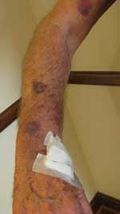
McGovern_injuries1 McGovern_injuries2At the meet­ing Ray McGov­ern, army vet­er­an, long-term CIA ana­lyst, and now inter­na­tion­ally-renowned peace act­iv­ist chose to exer­cise his right to free­dom of expres­sion by stand­ing up and silently turn­ing his back on Clin­ton dur­ing her speech.

For his pains 71-year-old McGov­ern sus­tained pain­fully injur­ies while being for­cibly removed by name­less “secur­ity per­son­nel”, before end­ing up in a tiny police cell.  On his even­tu­al release he had to take a taxi to hos­pit­al for treat­ment.

Hil­lary Clin­ton did not even stumble over her words dur­ing McGov­ern’s arrest.

The start­ling hypo­crisy of Clin­ton’s speech is clear on three dif­fer­ent fronts:

1) She is defend­ing the rights of act­iv­ists in the Middle East to speak out against cor­rupt gov­ern­ments, while ignor­ing the bru­tal­isa­tion of a fel­low cit­izen for silently using those very rights in America.

2) She’s doing so while speak­ing out about the vital role of inter­net freedoms — indeed stand­ing behind a podi­um with the words “Inter­net Free­dom” writ­ten on it — in inform­ing cit­izens and spread­ing demo­cracy.  Yet at the same time a secretly-con­vened US Grand Jury is frantic­ally scrab­bling around for any pre­text what­so­ever to pro­sec­ute Juli­an Assange, the founder of Wikileaks.  And yet anoth­er is invest­ig­at­ing attacks against the col­lab­or­at­ing US cor­por­a­tions that pulled the plug on Wikileaks sup­port last year.  Iron­ic­ally, on the same day as Clin­ton’s speech, Twit­ter was in court fight­ing US gov­ern­ment attempts to obtain per­son­al inform­a­tion of alleged Wikileaks sup­port­ers.  No doubt Clin­ton would con­demn the former Egyp­tian gov­ern­ment if it had done the same thing.

3) And let’s not for­get that the USA is host­ing the UNESCO World Press Free­dom Day this year too.  This was announced on the very day Juli­an Assange was arres­ted in the UK.

The hypo­crisy is flag­rant. As I said, wel­come to the world of Treb­le­Think.  You read it here first.…


Cambridge Union Society Talk on PSTV, January 2011

Paradigm Shift TV (Sky 201 and 203)  pro­duced this film of my talk at the Cam­bridge Uni­on Soci­ety in Janu­ary 2011:


With thanks to Keith and Steve!

Durham Union Society Talk, 16 February 2011

DUS_logo It’s a busy couple of months for talks, and I have the pleas­ure of speak­ing at the Durham Uni­on Soci­ety tomor­row night (16th February).

My talk will be focus­ing on the mod­ern role of intel­li­gence agen­cies, the war on ter­ror, what it’s like to be recruited to work as a spook, whis­tleblow­ing, Wikileaks, police states and civil liber­ties.  An eclect­ic mix.

The talk is open to all stu­dents, not just mem­bers of the Uni­on, so if you’re in the area and have the time, do come along!

Varsity newspaper interview, February 2011

The Secret Ser­vice: “A very Brit­ish mess”

Olivia Crel­lin inter­rog­ates Annie Machon on her life after MI5

by Olivia Crellin

Thursday 3rd Feb­ru­ary 2011

Annie Machon, former MI5 agent, is the image of glam­our and guts. Her blonde hair, of the bomb­shell vari­ety, frames a face that, far from being that of the reserved and stealthy spook, exudes energy, enthu­si­asm, and openness.

Andrew_Griffin_Varsity_Newspaper_2011Unlike her former part­ner, the whis­tleblower Dav­id Shayler, Machon seems to have emerged rel­at­ively unscathed from the years imme­di­ately fol­low­ing the couple’s attempts to reveal ser­i­ous MI5 blun­ders in 1996.

Now work­ing as a self-pro­fessed “author, media pun­dit, journ­al­ist, cam­paign­er and prom­in­ent pub­lic speak­er”, she has made a “new way of life” out of selling her­self, her past, and her story. And she’s doing a good job.

Machon, who stud­ied Clas­sics at Cam­bridge, is the most recent in a long line of fam­ous spies to have emerged from the Uni­ver­sity – most not­ably the Cam­bridge Spies who defec­ted to the Rus­si­ans dur­ing the Cold War.

Best known for her whistle-blow­ing on issues such as MI5’s alleged involve­ment in the attemp­ted assas­sin­a­tion on Gad­dafi, Machon is an oft-con­sul­ted expert on cur­rent affairs top­ics such as Wikileaks, the infilt­ra­tion of act­iv­ist groups, and the 9/11 Truth Move­ment, cri­tiquing what she sees as con­tem­por­ary society’s des­cent into a “police state”.

Com­ment­ing on the “very Brit­ish mess” that is the cur­rent UK Intel­li­gence Ser­vices, Machon’s answers to my ques­tions blend per­son­al anec­dote with hard-hit­ting asser­tions. She sounds con­vin­cing. Des­pite no longer hav­ing any insider inform­a­tion, she still has plenty to say.

Recruited dur­ing the “mar­gin­ally golden eth­ic­al era” of the 1990s, Machon’s exper­i­ence of MI5 was nev­er­the­less riddled with anti­qua­tion, con­fu­sion, insu­lar­ity and suffocation.

Draw­ing atten­tion to MI5 and MI6’s “cul­ture of just-fol­low-orders”, an eth­os that former head of MI5 Dame Stella Rim­ing­ton also acknow­ledged, Machon believes that the UK Intel­li­gence Ser­vices have, for a long time, been their own worst enemy.

Entrenched in unne­ces­sary laws, a “hangover” from the organisation’s counter-espi­on­age ori­gins, Machon states that until the spooks “open up a little bit to con­struct­ive cri­ti­cism from the oth­er side, so that [MI5] can get a bit of fresh air, they’re going to spir­al down into… tor­ture and things.”

While Machon asserts that there was no use of tor­ture in her time with the agency – it was con­sidered “counter-pro­duct­ive” and “uneth­ic­al” – she did hear some hor­ror stor­ies from the older boys’ exper­i­ence in North­ern Ire­land includ­ing one case con­cern­ing an agent, code­named Steak Knife, who was per­mit­ted to tor­ture and even kill his fel­low intel­li­gence officers in order to keep his cov­er in the “Nut­ting Squad” of the IRA – “A sick James Bond got­ten out of hand.”

Machon refers to these stor­ies as “a sort of petri dish of the abuses that we are see­ing now with the Muslim com­munity”. Just as the trend to tar­get one group of soci­ety returns, the use of tor­ture, as exper­i­enced in Ire­land, comes full circle. “It makes me shiver,” Machon tells me, “that people who were per­haps my friends, ideal­ist­ic twenty-somethings when I was an officer, who I might’ve had drinks with, had din­ner with, whatever, might be those people now.”

While there seems to be a “demo­crat­ic will” to get rid of “some of the more Dra­coni­an laws from under the last gov­ern­ment”, Machon believes that instances such as Mark Kennedy’s under­cov­er infilt­ra­tion of an act­iv­ist group demands soci­ety to take a closer look at the ways in which we pro­tect nation­al secur­ity. “Once you start erod­ing someone’s civil liber­ties on one front, it’ll cas­cade. That’s how Ger­many found itself in a Fas­cist state in the 1930s,” the former-spy asserts. “They didn’t wake up one morn­ing and Hitler was in power. It’s a very slip­pery slope.” This is why Machon, above all oth­er issues, is call­ing for an “adult debate” about the work­ings of Secret Intel­li­gence in a “mature democracy”.

One organ­iz­a­tion that Machon sees as con­trib­ut­ing to this debate is Wikileaks. Machon praised this form of new media, call­ing it “fant­ast­ic” as a “high-tech con­duit to enable whis­tleblowers” in con­trast to the “self-cen­sor­ship and fear” of the main­stream press, which blocks the flow of such inform­a­tion to the public.

Machon advised stu­dents at the Cam­bridge Uni­on to find altern­at­ive sources of inform­a­tion for their news, cit­ing coun­tries’ decept­ive use of false-flag ter­ror­ism. “I’m not say­ing that every major ter­ror­ist atro­city might be a dirty trick, but you have to keep that pos­sib­il­ity in the back of your mind,” she warned.

It’s all about a sort of breach of trust,” Machon con­cludes, which is “cor­ros­ive for a demo­cracy.” Wheth­er it’s an issue like 9/11, or the bail­ing out of the banks or the war in Iraq, Machon asserts that the erosion of civil liber­ties is finally for­cing soci­ety to “become demo­crat­ic­ally engaged again, which can­not be bad.”

In many ways Annie Machon is serving her coun­try as stealth­ily and determ­inedly as if she had nev­er left MI5. Tak­ing the “same sort of fun­da­ment­al drive to try and make a dif­fer­ence, to try and change things for the bet­ter,” into this new arena of her work, she hands me a red-and-black busi­ness card with her shades-tot­ing self on it and the phrase “Using Our Intel­li­gence” emblazoned on the front.

There’s always the debate,” she tells me cryptic­ally, “is it bet­ter to be inside the tent piss­ing out or out­side the tent piss­ing in?”

Cambridge Union Society, 28th January 2011

CUS_3Well I had a fab time revis­it­ing the old place last week to do a talk at the Uni­on Soci­ety — some­where I spent many happy hours, oh, aeons ago!

Many thanks to Rebecca and the rest of the team for organ­ising and host­ing the event, and to Silkie for set­ting the whole ball rolling.

It was a busy week­end.  The Fri­day even­ing began with an all-too-brief appear­ance at the first meet­ing of a new group, MI7 — can I say that, or is it a state secret? — organ­ised by Silkie and Charlie Veitch of the Love Police

CUS_1It was strange to go back to the Uni­on as a speak­er after so long and so many unusu­al exper­i­ences.  The audi­ence seemed to stay wide awake for my hour-long talk, and the ques­tions after­wards were inter­est­ing, lively and var­ied.  I was also encour­aged to see that ideas deemed to be “rad­ic­al” only a few years ago are now going mainstream.

The next day was taken up with inter­views for The Cam­bridge Stu­dent and Varsity stu­dent news­pa­pers, Sky 203 Chan­nel,  and a photo shoot with QH Pho­to­graphy for a gal­lery exhib­i­tion in Lon­don later this year.

The Cam­bridge Stu­dent journ­al­ists gamely allowed the inter­view to be film by Sky 203 — not the easi­est of scenarios.

Varsity” news­pa­per did a col­our­ful and intel­li­gent inter­view — thanks Olivia! — which was rap­idly fol­lowed on the news­pa­per web­site today with this puff piece about MI6

I can only assume that this is merely bal­anced news report­ing, espe­cially as the Mas­ter of Pem­broke Col­lege, Chair of the Trust­ee Board of the Uni­on Soci­ety, and former head of MI6, Sir Richard Dear­love, will be speak­ing at the Uni­on in a couple of weeks.…. 

Cambridge_1Cer­tainly an inter­est­ing juxtaposition!

The photo shoot was fun, and the res­ults will be appear­ing in Lon­don at the end of this year.  As you can see from the photo on the left, Huy takes a mean picture.

I also ran into Ryan J‑W Smith, who is in the pro­cess of com­plet­ing his intriguing film, 2Plus2Makes4.  Lim­ited private and fest­iv­al screen­ings are expec­ted this summer.

The film syn­op­sis asks some fun­da­ment­al questions:

How close are we to slid­ing into Orwell’s total­it­ari­an night­mare, ‘1984’? Con­tro­ver­sial, shock­ing, power­ful and hon­est — star­ring Tony Benn, Gore Vid­al, former MI5, CIA, FBI agents, Sen­at­ors, Pres­id­en­tial Nom­in­ees, etc.  A ‘Must-See’ fea­ture doc­u­ment­ary from award-win­ning film­maker, Ryan J‑W Smith. Smith’s pre­vi­ous films have received 16 Inter­na­tion­al Film Fest­iv­al Selec­tions, 5 ‘Best Film’ Nom­in­a­tions, and 4 ‘Best Film’ wins.”

Cambridge Union Society Talk, 28th January 2011

Cus_logo I shall be return­ing to my alma mater next week to do a talk at the Cam­bridge Uni­on Soci­ety on 28th Janu­ary.  I’ll be dis­cuss­ing spies, civil liber­ites, whis­tleblowers, Wikileaks and much more.….

Bits of Freedom Talk, Amsterdam, September 2010

Bof2 Bof3 I was invited to talk at a gath­er­ing of the (digit­al) civil liber­ties organ­isa­tion, Bits of Free­dom, in Ams­ter­dam in Septem­ber 2010.  This inter­na­tion­al, Dutch-based organ­isa­tion is doing a fant­ast­ic job high­light­ing con­cerns about inter­net pri­vacy, secur­ity and free speech issues. 

Many thanks to Ot and the team for invit­ing me, and thanks also to Jildou for film­ing the talk.  I had such a fun time, I even feel moved to for­give BoF for their thought­ful gift at the end of the even­ing — Tony Blair’s riv­et­ing auto­bi­o­graphy.  Well, it makes a good door-stop.….