RT interview re Snowden flying to Russia

As the news broke that NSA whis­tleblower, Edward Snowden, had fled Hong Kong for Rus­sia today, I was invited on RT to do an inter­view. At that point few people had any idea of his plans.  How­ever, it appears that the USA had charged Snowden under the Espi­on­age Act 1917 (no sur­prises) and then asked Hong Kong to arrest and hold him, pending extra­di­tion. Equally unsur­pris­ingly, Hong Kong found mis­takes in the paper­work and used the oppor­tun­ity to com­plain about US spy­ing activ­ity in its territory.

Any­way, this gave Snowden, with appar­ently the help of the whis­tleblow­ing pub­lish­ing site Wikileaks, the chance to leave the coun­try and fly to Rus­sia, with the repor­ted final des­tin­a­tion being Ecuador.

So here’s my ini­tial take on the situation:

Snowden case shows US is bully boy of world — RTTV inter­view from Annie Machon on Vimeo.

Magna Carta versus Snoopers’ Charter

black_sheep_text_OK, this has to be a bleed­ing obvi­ous point, but I feel moved to make it anyway.

After the bru­tal Wool­wich murder of  Drum­mer Lee Rigby,  there were calls from the Brit­ish securo­crats to resur­rect the dis­cred­ited Com­mu­nic­a­tions Data bill — aka the Snoop­ers’ Charter.  Cap­it­al­ising on the nation’s shock, they believed it was the right time to push through a par­tic­u­larly dra­coni­an piece of legis­la­tion, as I wrote at the time.

The aim of the Snoop­er­’s Charter is to store all the meta-data of our com­mu­nic­a­tions in the UK, which means they can poten­tially be used as evid­ence against us at some neb­u­lous future point if the leg­al goal­posts shift — as they seem to be doing at an alarm­ing rate these days.

Not only are act­iv­ists now being called “domest­ic extrem­ists” or “ter­ror­ists”, but the concept of secret courts seems to be meta­stas­ising at an alarm­ing rate — it is not longer just a concept used in immig­ra­tion and now civil courts, it has reached the giddy heights of the Supreme Court in the UK, with the secret hear­ings around the Ira­ni­an Mel­lat bank. Top UK Law Lord Neuber­ger was recently quoted, in the Daily Mail of all places, as say­ing that secret justice is no justice.

But I digress. Post-Wool­wich, the securo­crats were over­taken by events. The cour­ageous Edward Snowden blew the whistle on the fact that the NSA and its pals like GCHQ are already hoover­ing up all our elec­tron­ic com­mu­nic­a­tions, as well as spy­ing on top politi­cians. As a res­ult the securo­crats have gone to ground, but no doubt they will try to slith­er out again soon.

Or per­haps not — today still fur­ther sur­veil­lance hor­rors emerged as a res­ult of the Snowden dis­clos­ures: the UK listen­ing post GCHQ, which has long had an unhealth­ily inces­tu­ous rela­tion­ship with the NSA, has gone to the next level with the “Total Mas­tery of the Inter­net” pro­gramme, code­named “TEMPORA.

The repor­ted cap­ab­il­it­ies of TEMPORA are huge — GCHQ can tap into all the inform­a­tion flow­ing through the trans-Atlantic fibre optic cables and bey­ond. It is truly suck­ing on the fire hydrant of information

This should be gobsmack­ing news, but the concept was already repor­ted in The Register 4 years ago. The trouble is, nobody really cared then or just thought it was a bunch of geeks being para­noid. Now this is glob­al news thanks to the brave actions of a whistleblower.

One has to won­der if the UK gov­ern­ment is so keen to ram the Snoop­ers’ Charter into law as a ret­ro­grade jus­ti­fic­a­tion for the endem­ic PRISM and TEMPORA snoop­ing that has already been going on for years? And let’s not for­get the old pro­to­type snoop­ing programe, ECHELON

As a lead­ing European pri­vacy cam­paign­er recently wrote, by the year 1215 Brit­ish bar­ons had more basic rights under the Magna Carta than we mod­ern day serfs can pos­sibly aspire to now.

How can we be going back­wards, so fast?

O tem­pora, o mores indeed.…. some clas­si­cist, some­where in the bowels of the Brit­ish intel­li­gence agen­cies, is hav­ing a laugh.

Edward Snowden — the Globalisation of Whistleblowing

I have held back from writ­ing about the Edward Snowden NSA whis­tleblow­ing case for the last week — partly because I was immersed in the res­ult­ing media inter­views and talks, and partly because I wanted to watch how the story developed, both polit­ic­ally and in the old media. The reac­tion of both can tell you a lot.

That does not mean that I did not have a very pos­it­ive response to what Snowden has done. Far from it. The same night the story broke about who was behind the leaks, I dis­cussed the implic­a­tions on an RT inter­view and called what he did Whis­tleblow­ing 2.0.

Why did I say that? Well, it appeared from his ini­tial video inter­view with The Guard­i­an that he had learned from pre­vi­ous whis­tleblow­ing cases: he had watched the media and care­fully chosen a journ­al­ist, Glenn Gre­en­wald, with a good track record on the rel­ev­ant issues who would prob­ably fight his corner fear­lessly; his inform­a­tion clearly demon­strated that the intel­li­gence agen­cies were spin­ning out of con­trol and build­ing sur­veil­lance states; he care­fully chose a jur­is­dic­tion to flee to that might have the clout to pro­tect him leg­ally against the wrath of an over-mighty USA; and he has used his inter­net and media savvy to gain as much expos­ure and pro­tec­tion as quickly as possible.

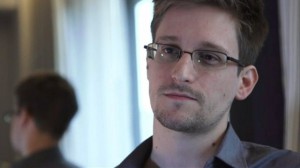
edward_snowdenPlus, he has been incred­ibly brave, con­sid­er­ing the dra­coni­an war on whis­tleblowers that is cur­rently being waged by the Amer­ic­an admin­is­tra­tion. There have been three oth­er NSA whis­tleblowers in recent years, all also talk­ing about endem­ic sur­veil­lance. All have paid a high per­son­al price, all dis­played great bravery in the face of adversity yet, sadly, none has achieved the same level of inter­na­tion­al impact. Were we just deaf to their warn­ings, or has Snowden played this better?

I think a bit of both.  He’s a geek, a young geek, he will have seen what happened to oth­er whis­tleblowers and appears to have taken steps to avoid the same pit­falls. He has gone pub­lic to pro­tect his fam­ily and pre­vent harm to his former col­leagues in any ensu­ing witch-hunt. And he has fled the coun­try in order to remain at liberty to argue his case, which is key to keep­ing the story alive for more than a week in the gad­fly minds of the old media. I know, I’ve been involved in the same process.

He has blown the whistle to pro­tect an Amer­ic­an way of life he thinks “worth dying for”. Yet he has broadened out the issues inter­na­tion­ally — what hap­pens in Amer­ica impacts the rest of the world. This, in my view, is cru­cial.  I have been writ­ing for years that the US is increas­ingly claim­ing glob­al leg­al hege­mony over the entire inter­net, as well as the right to kid­nap, tor­ture and murder for­eign­ers at will.

The Pat­ri­ot Act has not only shred­ded the US con­sti­tu­tion, it also now appar­ently has glob­al reach for as long as our craven gov­ern­ments allow it to. Now we know that this is not some abstract concept, the­ory or spec­u­la­tion — we are all poten­tially being watched

Edward Snowden argued his case very effect­ively in a live chat on The Guard­i­an news­pa­per web­site. It became clear that he is indeed a new gen­er­a­tion of whisteblower. This is not someone who wit­nessed one crime and imme­di­ately felt he had to speak out. This is a tech­nic­al expert who watched, over time and with dis­may, the encroach­ing Big Broth­er sur­veil­lance state that is tak­ing over the world via the NSA and its clones.

He is young, he had faith that a new gov­ern­ment would mean change, but in the end felt com­pelled to take con­sidered action when he wit­nessed the unac­count­able mis­sion creep, the lim­ited and inef­fec­tu­al over­sight, and the neutered politi­cians who rush to reas­sure us that everything is leg­al and pro­por­tion­ate when they really have no idea what the spy agen­cies get up to.

In both the US and the UK the spies repeatedly get away with lying to the notion­al over­sight bod­ies about mis­takes made, rules bent, and illeg­al oper­a­tions. Former seni­or CIA ana­lyst, Ray McGov­ern, has cata­logued the US lies, and here are a few home-brewed Brit­ish examples. The inter­net com­pan­ies have also been wrig­gling on the hook over the last week.

Snowden appears to be very aware not only of poten­tial state level sur­veil­lance but also the glob­al cor­por­at­ist aspect of the sub­ver­sion of the basic com­pan­ies most people use to access the inter­net — Google, Face­book, Microsoft, Yahoo, Apple, Skype et al. A few pion­eers have been dis­cuss­ing the need to pro­tect one­self from such cor­por­at­ist over­sight for years, and such pion­eers have largely been ignored by the main­stream: they’re “just geeks” they are “para­noid”, “tin foil hat” etc.

Edward Snowden has laid bare the truth of this glob­al­ised, cor­por­at­ist Big Broth­er state. From his pub­lic state­ments so far, he seems very alive to the inter­na­tion­al aspects of what he is reveal­ing. This is not just about Amer­ic­ans being snooped on, this affects every­body. We are all sub­ject to the bru­tal hege­mony that US securo­crats and cor­por­a­tions are try­ing to impose on us, with no rights, no redress under the law.

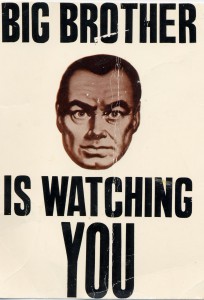
Big_Brother_posterWe have already seen this with the illeg­al US state take-down of Kim Dot­com’s secure cloud ser­vice, Megaup­load, with the glob­al per­se­cu­tion of Wikileaks, with Obama’s war on whis­tleblowers, with the NDAA, with the asym­met­ric extra­di­tion cases, with the drone wars across the Middle East and Cent­ral Asia.….  where to stop?

Snowden, through his incred­ible act of bravery, has con­firmed our worst fears. It is not just cor­por­a­tions that have gone glob­al — sur­veil­lance has too. And now, thank­fully, so too are whistleblowers.

What troubles me some­what is the way that the old media is respond­ing — even The Guard­i­an, which broke the story. Glenn Gre­en­wald is an excel­lent, cam­paign­ing journ­al­ist and I have no doubt what­so­ever that he will fight to the wire for his source.

How­ever, the news­pa­per as an entity seems to be hold­ing back the free flow of inform­a­tion. Char­it­ably, one could assume that this is to max­im­ise the impact of Snowden’s dis­clos­ures. Less char­it­ably, one could also see it as a way to eke out the stor­ies to max­im­ise the news­pa­per­’s profits and glory. Again, it’s prob­ably a bit of both.

How­ever, I do not think this will ulti­mately work in the best interests of the whis­tleblower, who needs to get the inform­a­tion out there now, and get the whole debate going now.

Plus, today it was repor­ted that a D‑Notice had been issued against the UK media last week. I have writ­ten before about this invi­di­ous self-cen­sor­ship with which the Brit­ish media col­lab­or­ates: seni­or edit­ors and seni­or mil­it­ary per­son­nel and spooks meet to agree wheth­er or not stor­ies may act against “nation­al secur­ity” (still a leg­ally undefined phrase), and ban pub­lic­a­tions accord­ingly. And this is “vol­un­tary” — what does that say about our press hold­ing power to account, when they will­ingly col­lude in the sup­pres­sion of inform­a­tion?

Plus, some of the key journ­al­ists at The Guard­i­an who were involved in the Wikileaks stitch-up are also now peck­ing away at the Snowden story. The old media are still con­tinu­ing to act as a bot­tle­neck of the free flow of inform­a­tion from whis­tleblowers to the pub­lic domain. In the post-Wikileaks era, this is a ret­ro­grade step. It is not for them to assess what the pub­lic needs to know, nor is it down to them to ana­lyse and second-guess why any whis­tleblower is doing what they are doing.

As Edward Snowden stated: “The con­sent of the gov­erned is not con­sent if it is not informed”.

RT interview about whistleblower Edward Snowden

The whis­tleblower behind last week’s PRISM leaks dra­mat­ic­ally went pub­lic last night.  Edward Snowden gave an inter­view to Glenn Gre­en­wald of The Guard­i­an explain­ing calmly and cogently why he chose to expose the NSA’s endem­ic data-min­ing. An immensely brave man.

Here is an inter­view I did about the case last night for RT:

And here is the tran­script.

Spies need more oversight, not new powers

Pub­lished on www​.polit​ics​.co​.uk, and Huff­ing­ton Post UK.

Fol­low­ing the awful murder of Drum­mer Lee Rigby in Wool­wich last week, the polit­ic­al securo­crats who claim to rep­res­ent the interests of the Brit­ish intel­li­gence ser­vices have swung into action, demand­ing yet fur­ther sur­veil­lance powers for MI5 and MI6 “in order to pre­vent future Wool­wich-style attacks”.

As I’ve writ­ten before, it was heart­en­ing that the UK Prime Min­is­ter said in the after­math of the attack that there would be no knee-jerk secur­ity reac­tion. How­ever, that has not deterred cer­tain intel­li­gence sock-pup­pets from polit­ic­al oppor­tunism — they stridently call for the resur­rec­tion of the draft Com­mu­nic­a­tions Data Bill that was earli­er this year kicked into the long grass. If the hawks are suc­cess­ful, the new law would have implic­a­tions not only for our freedoms at home, but also for our policy and stand­ing abroad.

Recently the civil liber­ties camp acquired a sur­pris­ing ally in this debate, with MI5 unex­pec­tedly enter­ing the fray.  And rightly so. There is abso­lutely no need for this new legis­la­tion, the requis­ite powers are already in place. Seni­or secur­ity sources have argued that those cit­ing the Wool­wich attack to pro­mote the snoop­ers’ charter are using a “cheap argu­ment”.

As I said in this recent BBC radio inter­view, all the neces­sary laws are already in place for MI5 either to pass­ively mon­it­or or aggress­ively invest­ig­ate per­sons of interest under the ori­gin­al terms of IOCA (1985) and updated in the Reg­u­la­tion of Invest­ig­at­ory Powers Act (RIPA 2000).

There now appears to be little doubt that the two Wool­wich sus­pects were well and truly on the MI5 radar. It has been repor­ted that they had been tar­gets for at least 8 years and that Michael Ade­bolajo had been approached to work as an agent by MI5 as recently as 6 months ago.

One of his friends, Abu Nusay­bah, recor­ded an inter­view for BBC’s News­night pro­gramme last week, only to be arres­ted by counter-ter­ror­ism police imme­di­ately after­wards. He stated that Ade­bolajo had been tor­tured and threatened with rape after his arrest in Kenya en route to Somalia, and that this treat­ment may have flipped him into more viol­ent action. Indeed, the tale gets ever mur­ki­er, with reports yes­ter­day stat­ing that Ade­bolajo was snatched by the SAS in Kenya on the orders of MI5.

Oth­er inform­a­tion has since been released by the organ­isa­tion Cage­Pris­on­ers indic­at­ing that Ade­bola­jo’s fam­ily and friends had also been har­rassed to pres­sur­ize him into report­ing to MI5.

All of which obvi­ates the early claims that Ade­bolajo was either a “lone wolf” or a low-pri­or­ity tar­get. It cer­tainly indic­ates to me that MI5 will have at the very least been mon­it­or­ing Ade­bola­jo’s com­mu­nic­a­tions data, espe­cially if they were try­ing to recruit him as a source. If that indeed turns out to have been the case, then without doubt MI5 will also have been inter­cept­ing the con­tent of his com­mu­nic­a­tions, to under­stand his think­ing and assess his access. Any­thing less would have been slip­shod — a derel­ic­tion of duty — and all this could and should have been done under the exist­ing terms of RIPA.

So what are the chances of some real over­sight or answers?

If we’re talk­ing about an inde­pend­ent inquiry, the chances are slim: the Inquir­ies Act (2005) passed little noticed into law, but it means that the gov­ern­ment and the depart­ment under invest­ig­a­tion can pretty much determ­ine the scope and terms of the inquiry to which they are subject.

How­ever, might we nail the flag of hope to the mast of the Intel­li­gence and Secur­ity Com­mit­tee of Par­lia­ment (ISC) — the com­mit­tee tasked with over­see­ing the work of the UK intel­li­gence agen­cies? The new DG of MI5, Andrew Park­er, has already sub­mit­ted a writ­ten report about Wool­wich and will be giv­ing evid­ence to the ISC in per­son next week about wheth­er MI5 missed some vital intel­li­gence or dropped the ball.

Th ISC of Par­lia­ment was estab­lished as part of the Intel­li­gence Ser­vices Act (1994) — the law that finally brought MI6 and GCHQ under the umbrella of notion­al demo­crat­ic over­sight. MI5 had already come into the leg­al fold with the Secur­ity Ser­vice Act (1989).

As I have writ­ten before, ini­tially the ISC was a demo­crat­ic fig-leaf — its mem­bers were appoin­ted by the PM not Par­lia­ment, it repor­ted dir­ectly to the PM, and its remit only covered the policy, fin­ance and admin­is­tra­tion of the UK’s intel­li­gence agencies.

Until this year the ISC could not invest­ig­ate oper­a­tion­al mat­ters, nor could it demand to see doc­u­ments or ques­tion top spooks under oath. Indeed, it has been well repor­ted that seni­or spies and police have long evaded mean­ing­ful scru­tiny by being “eco­nom­ic­al with the truth”.

Former MI5 DG Sir Steph­en Lander in 2001 said “I blanche at some of the things I declined to tell the com­mit­tee early on”; a more recent DG, Sir Jonath­an Evans, had to admit in 2008 that MI5 had lied about its involve­ment in tor­ture; and Lord Blair, former Com­mis­sion­er of the Met­ro­pol­it­an Police, had to apo­lo­gise in 2008 for mis­lead­ing the ISC about the num­ber of thwarted ter­ror­ist attacks on his watch.

How­ever the cur­rent Chair of the ISC, Sir Mal­com Rif­kind, has pur­sued a more mus­cu­lar over­sight role. And it seems he has at least won some battles. The one good ele­ment to have come out of the con­ten­tious Justice and Secur­ity Act (2013) appears to be that the ISC has more dir­ect account­ab­il­ity to Par­lia­ment, rather than just to the PM (the dev­il is expressed in the detail: the ISC is now “of” Par­lia­ment, rather than “in” Parliament…).

Some­what more per­tin­ently, the ISC can now invest­ig­ate oper­a­tion­al mat­ters, demand papers and wit­nesses, and it appears they now have a spe­cial invest­ig­at­or who can go and rum­mage around the MI5 Registry for information.

It remains to be seen how effect­ive the ISC will real­ist­ic­ally be in hold­ing the intel­li­gence agen­cies to account, even with these new powers. How­ever, Sir Mal­colm Rif­kind has good reas­on to know how slip­pery the spies can be — after all, he was the For­eign Sec­ret­ary in 1995/6, the years when MI6 was fund­ing Al Qaeda asso­ci­ates to assas­sin­ate Col­on­el Gad­dafi of Libya.  The attack went wrong, inno­cent people were killed and, cru­cially, it was illeg­al under UK law, as MI6 had not reques­ted the pri­or writ­ten per­mis­sion for such a plot from the For­eign Sec­ret­ary, as required under Sec­tion 7(1) of the afore­men­tioned ISA (1994). Rif­kind has always claimed that he was not told about the plot by MI6.

So, in the interests of justice let us hope that the Rif­kind and the oth­er mem­bers of the ISC fully exer­cise their powers and that MI5’s new DG, Andrew Park­er is some­what more frank about the work of his agency than his pre­de­cessors have been. It is only through great­er hon­esty and account­ab­il­ity that our intel­li­gence agen­cies can learn from the mis­takes of the past and bet­ter pro­tect our coun­try in the future.

Journalists need to tool up

Pub­lished in the Huff­ing­ton Post UK:

Over the last week more sound, fury and indig­na­tion has cas­caded forth from the US media, spill­ing into the European news, about the Amer­ic­an gov­ern­ment and the Asso­ci­ated Press spy­ing scan­dal.

Last week it emerged that the US Depart­ment of Justice mon­itored the tele­phones of, gasp, journ­al­ists work­ing at AP. Appar­ently this was done to try to invest­ig­ate who might have been the source for a story about a foiled ter­ror­ist plot in Yemen. How­ever, the drag­net seems to have widened to cov­er almost 100 journ­al­ists and poten­tially threatened gov­ern­ment­al leak­ers and whis­tleblowers who, in these days of sys­tem­at­ic secur­ity crack­downs in the US, are fast becom­ing Pub­lic Enemy No 1.

Now it appears that the US DoJ has been read­ing the emails of a seni­or Fox News report­er. And this has got the US hacks into a fright­ful tizz. What about the First Amendment?

Well, what about the fact that the Pat­ri­ot Act shred­ded most of the US Con­sti­tu­tion a dec­ade ago?

Also, who is actu­ally facing the secur­ity crack­down here? The US journ­al­ists are bleat­ing that their sources are dry­ing up in the face of a sys­tem­at­ic witch hunt by the US admin­is­tra­tion. That must be hard for the journ­al­ists — hard at least to get the stor­ies and by-lines that ensure their con­tin­ued employ­ment and the abil­ity to pay the mort­gage. This adds up to the phrase du jour: a “chilling effect” on free speech.

Er, yes, but how much harder for the poten­tial whis­tleblowers? They are the people facing not only a loss of pro­fes­sion­al repu­ta­tion and career if caught, but also all that goes with it. Plus, now, they are increas­ingly facing dra­coni­an pris­on sen­tences under the recently rean­im­ated and cur­rently much-deployed US 1917 Espi­on­age Act for expos­ing issues in the pub­lic interest. Ex-NSA Thomas Drake faced dec­ades in pris­on for expos­ing cor­rup­tion and waste, while ex-CIA John Kiriakou is cur­rently lan­guish­ing in pris­on for expos­ing the use of torture.

The US gov­ern­ment has learned well from the example of the UK’s Offi­cial Secrets Acts — laws that nev­er actu­ally seem to be wiel­ded against real estab­lish­ment trait­ors, who always seem to be allowed to slip away, but which have been used fre­quently and effect­ively to stifle dis­sent, cov­er up spy crimes, and to spare the blushes of the Establishment.

So, two points:

Firstly, the old media could and should have learned from the new mod­el that is Wikileaks and its ilk. Rather than asset strip­ping the organ­isa­tion for inform­a­tion, while abandon­ing the alleged source, Brad­ley Man­ning, and the founder, Juli­an Assange, to their fates, Wikileak­s’s erstwhile allies could and mor­ally should cam­paign for them. The issues of the free flow of inform­a­tion, demo­cracy and justice are big­ger than petty argu­ments about per­son­al­ity traits.

Plus, the old media appear to have a death wish: to quote the words of the former New York Times edit­or and Wikileaks col­lab­or­at­or Bill Keller, Wikileaks is not a pub­lish­er — it is a source, pure and simple. But surely, if Wikileaks is “only” a source, it must be pro­tec­ted at all costs — that is the medi­a’s prime dir­ect­ive. Journ­al­ists have his­tor­ic­ally gone to pris­on rather than give away their sources.

How­ever, if Wikileaks is indeed deemed to be a pub­lish­er and can be per­se­cuted this way, then all the old media are equally vul­ner­able. And indeed that is what we are wit­ness­ing now with these spy­ing scandals.

Secondly, these so-called invest­ig­at­ive journ­al­ists are sur­prised that their phones were tapped?  Really?

If they are doing prop­er, worth­while journ­al­ism, of course their comms will be tapped in a post-Pat­ri­ot Act, sur­veil­lance-state world. Why on earth are they not tak­ing their own and their sources’ secur­ity ser­i­ously? Is it ama­teur night?

In this day and age, any ser­i­ous journ­al­ist (and there are still a few hon­our­able examples) will be tak­ing steps to pro­tect the secur­ity of their sources. They will be tooled up, tech-savvy, and they will have atten­ded Crypto-parties to learn secur­ity skills. They will also be pain­fully aware that a whis­tleblower is a per­son poten­tially facing pris­on, rather than just the source of a career-mak­ing story.

If main­stream journ­al­ists are ser­i­ous about expos­ing cor­rup­tion, hold­ing power to account, and fight­ing for justice they need to get ser­i­ous about source pro­tec­tion too and get teched-up. Help is widely avail­able to those who are inter­ested. Indeed, this sum­mer the Centre for Invest­ig­at­ive Journ­al­ism is host­ing talks in Lon­don on this sub­ject, and many oth­er inter­na­tion­al journ­al­ism con­fer­ences have done the same over the last few years.

Sadly, the level of interest and aware­ness remains rel­at­ively low — many journ­al­ists retain a naïve trust in the gen­er­al leg­al­ity of their gov­ern­ment’s actions: the author­it­ies may bend the rules a little for “ter­ror­ists”, but of course they will abide by the rules when it comes to the media.….

.…or not. Water­gate now looks rather quaint in comparison.

As for me: well, I have had some help and have indeed been teched-up. My laptop runs the free Ubuntu Linux (the 64 bit ver­sion for grown-ups) from an encryp­ted sol­id state hard drive. I have long and dif­fer­ent pass­words for every online ser­vice I use. My mail and web serv­er are in Switzer­land and I encrypt as much of my email as pos­sible. It’s at least a start.

And here’s what I have to say about why journ­al­ists should think about these issues and how they can pro­tect both them­selves and their sources:  Open­ing key­note “The Big Dig Con­fer­ence” from Annie Machon on Vimeo.

Club of Amsterdam

Last week I had the pleas­ure of speak­ing at the Club of Ams­ter­dam.  The top­ic under dis­cus­sion was “The future of digit­al iden­tity”.  Many thanks to Felix and the team. A lively evening.

Annie Machon at the Club of Ams­ter­dam from Annie Machon on Vimeo.
First pub­lished in my news­let­ter last week, amongst much else. Do sign up!

Security and liberty — the aftermath of the Boston bombings

An abbre­vi­ated ver­sion of this art­icle was pub­lished by RT Op-Edge yesterday.

News of the two bombs in Boston, in which 3 people have so far died and more than 100 have been injured, has rico­cheted around the world.  Bey­ond the grim stat­ist­ics, there is little con­crete evid­ence about the who and the why, and nor will there be pos­sibly for days or even weeks.  This con­fu­sion is inev­it­able in the wake of such an attack, as the intel­li­gence agen­cies and police play frantic catch-up to identi­fy the per­pet­rat­ors and, we hope, bring them to justice — although of course in post-Pat­ri­ot Act, post-NDAA Amer­ica, the per­pet­rat­ors are more likely to find their names on the CIA’s pres­id­en­tially-approved kill list.

In the absence of facts, the media fills its air­waves with spec­u­la­tion and repe­ti­tion, thereby inad­vert­ently whip­ping up yet more fear and uncer­tainty.  The fall-out from this is an erup­tion of pre­ju­dice in the social media, with desk bound her­oes jump­ing to con­clu­sions and advoc­at­ing viol­ent repris­als against whole swathes of the Middle East.  And this fear and hate plays straight into the hands of the “enemy-indus­tri­al com­plex” so aptly described by Tom Engel­hardt recently.

With that in mind, let’s take a moment to pay our respects to those who died in ter­ror­ist attacks on Monday. Even a quick surf through the inter­net pro­duces a grim and no doubt incom­plete tally: Iraq (55); Afgh­anistan (7); Somalia (30); Syr­ia (18); Pakistan (4); USA (3). All these num­bers rep­res­ent someone’s child, moth­er, friend, broth­er, loved one, and all will be mourned.

Alas, not all of these vic­tims will receive as much air-time as the unfor­tu­nates caught up in the Boston attacks. And this is espe­cially the case where attacks are car­ried out by the Amer­ic­an mil­it­ary against sus­pec­ted “insur­gents” across the Middle East.

Indeed, on the same day The Tele­graph repor­ted that the UN spe­cial rap­por­teur on counter-ter­ror­ism and human rights, fam­ous Brit­ish bar­ris­ter Ben Emmer­son (Queen’s Coun­sel), had stated that drone strikes across the Middle East were illeg­al under inter­na­tion­al law. Their con­tin­ued use only served to legit­im­ise Al Qaeda attacks against the US mil­it­ary and its infra­struc­ture in the region.

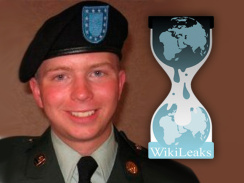
bradley_manningAs we saw in 2010 when Wikileaks released the video, “Col­lat­er­al Murder”, such atro­cit­ies are covered up for years, denied by the gov­ern­ment, nor will the per­pet­rat­ors be held to account — they are prob­ably still serving in the mil­it­ary. Instead the whis­tleblower who exposed this crime, Brad­ley Man­ning, lan­guishes in pris­on facing a court mar­tial, and the pub­lish­er of the mater­i­al, Wikileaks, faces glob­al repres­sion and a secret fed­er­al grand jury indict­ment.

With its end­less, spec­u­lat­ive scare­mon­ger­ing about the Boston attacks, the US media plays a diabol­ic­al role in fur­ther­ing the work of the attack­ers — ie ter­ror­ising the pop­u­la­tion, indu­cing them to live in a state of abject fear.  Of course, once suit­ably ter­ror­ised, the US people will be even more will­ing to give away what remains of their his­tor­ic freedoms, all in the name of increas­ing their secur­ity.  Well, we know the views of one late, great Amer­ic­an on this sub­ject, Ben­jamin Frank­lin: “those who would give up essen­tial liberty to pur­chase a little tem­por­ary safety deserve neither liberty nor safety”.

Indeed, the abrog­a­tion of liberty in the USA has pat­ently not res­ul­ted in great­er secur­ity, as Boston has so bru­tally demon­strated. No soci­ety can pro­tect itself abso­lutely against terrorism.

In a demo­cracy, just as rights come with respons­ib­il­it­ies, so freedoms come with risk. And we need to remem­ber that those freedoms were hard-won by our ancest­ors and will be equally dif­fi­cult to win back if we heed­lessly throw them away now, while the risks remain stat­ist­ic­ally negligible.

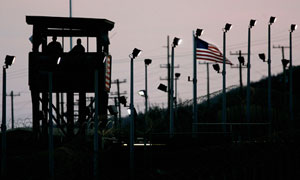
Guantanamo_BaySuc­cess­ive US gov­ern­ments have already decim­ated the basic rights of the US people in the post‑9/11 secur­ity pan­ic. At the sharp end, people, both glob­ally and now also in Amer­ica, can be extraordin­ar­ily rendered (kid­napped) to black pris­on sites and tor­tured for years on the word of anonym­ous intel­li­gence officers, they can be denied due leg­al pro­cess, and they can be killed on pres­id­en­tial decree by drone strikes — a real-world ver­sion of the snuff video.

Addi­tion­ally, the US has des­cen­ded into a pan­op­tic­an sur­veil­lance state, with endem­ic data-min­ing of com­mu­nic­a­tions, air­borne drone spy­ing, and the cat­egor­isa­tion of pro­test­ers as “domest­ic extrem­ists” or even “ter­ror­ists” who are then beaten up by mil­it­ar­ised police forces. This oti­ose secur­ity theatre con­stantly reminds US cit­izens to be afraid, be very afraid, of the enemy within.

Ter­ror­ist atro­cit­ies are crim­in­al acts, they are not a sep­ar­ate form of “evil­tude”, to use George Bush-era ter­min­o­logy.  As such, the crim­in­als behind such attacks should be invest­ig­ated, evid­ence gathered, and they should be tried in front of a jury of their peers, where justice can be done and be seen to be done. So it is troub­ling that the Boston FBI bur­eau chief, Richard Des­Laur­i­ers, is today quoted in the New York Times as say­ing he is work­ing on “a crim­in­al invest­ig­a­tion that is a poten­tial ter­ror­ist invest­ig­a­tion”. The pre­cise dif­fer­ence being?

Like­wise, ter­ror­ist attacks are not an exist­en­tial threat to the fab­ric of the nation, even events on the scale of 9/11.  How­ever, I would sug­gest that the response of the secur­ity-indus­tri­al com­plex poses a great­er exist­en­tial threat to the future well-being of the USA. The post‑9/11 secur­ity crack­down in the USA has eroded core demo­crat­ic val­ues, while the mil­it­ary response across the Middle East has bank­rup­ted Amer­ica and cre­ated a gen­er­a­tion of poten­tial enemies.

But it does­n’t have to be this way. Com­pare and con­trast the response of the Nor­we­gi­an people in the after­math of the ter­ror­ist attacks and murder of 77 people by Anders Breivik. As a coun­try, there was a need to see justice done, but not to allow such an appalling attack to com­prom­ise the val­ues of the soci­ety and des­troy a cher­ished way of life for all.  And this the Nor­we­gi­an people achieved.

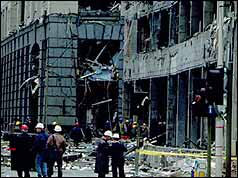
BishopsgateSim­il­arly between the late 1980s and the late 1990s the UK endured Lock­er­bie, Omagh, Bish­opsgate, Canary Wharf, and Manchester, to name but a few major atro­cit­ies.  A good sum­mary of the ter­ror­ist attacks against Lon­don alone over the last 150 years can be found here, with the first Tube bomb­ing occur­ring in 1885.  A pilot, Patrick Smith, also recently wrote a great art­icle about air­craft secur­ity and the sheer scale of the ter­ror­ist threat to the West in the 1980s — and asks a very per­tin­ent ques­tion: just how would we col­lect­ively react to such a stream of atro­cit­ies now?

Dur­ing the 1990s, at the height of the Pro­vi­sion­al IRA’s bomb­ing cam­paign on main­land Bri­tain, I lived in cent­ral Lon­don and worked as an intel­li­gence officer for the UK’s domest­ic Secur­ity Ser­vice (MI5). Put­ting aside my pro­fes­sion­al life, I have per­sonal memor­ies of what it was like to live under the shad­ow of ter­ror­ism.  I remem­ber mak­ing my way to work in 1991 and com­mut­ing through Vic­toria train sta­tion in Lon­don 10 minutes before a bomb, planted in a rub­bish bin, exploded on the sta­tion con­course.  One per­son was killed, and many sus­tained severe injur­ies.  One per­son had their foot blown off — the image haunted me for a long time.

I also vividly remem­ber, two years later, sit­ting at my desk in MI5’s May­fair office, and hear­ing a dull thud in the back­ground — this turned out to be a bomb explod­ing out­side Har­rods depart­ment store in Knights­bridge.  And let’s not for­get the almost daily dis­rup­tion to the tube and rail net­works dur­ing the 1990s because of secur­ity alerts.  Every Lon­doner was exhor­ted to watch out for, and report, any sus­pi­cious pack­ages left at sta­tions or on streets.

Lon­don­ers grew used to such incon­veni­ence; they grumbled a bit about the dis­rup­tion and then got on with their lives — echoes of the “keep calm and carry on” men­tal­ity that evolved dur­ing the Blitz years.  In the 1990s the only notice­able change to London’s diurn­al rhythm was that there were few­er US tour­ists clog­ging up the streets — an early indic­a­tion of the dis­pro­por­tion­ate, para­noid US reac­tion to a per­ceived ter­ror­ist threat.

In con­trast to the post‑9/11 years, the UK did not then react by shred­ding the basic freedoms of its people.  There were cer­tainly con­tro­ver­sial cases and heated debates about how long you could hold a ter­ror­ist sus­pect without charge, but the way of life con­tin­ued much as before. Now, twelve years after 9/11 — an attack on a dif­fer­ent con­tin­ent — the UK has all the laws in place to enact a de facto police state with­in days.

Life and liberty are both pre­cious. It is always tra­gic when lives are be lost in the name of some twis­ted or arcane polit­ic­al cause; it is even more tra­gic when the liberty of all is also lost as a result.

Statue_of_Liberty_7My heart goes out to those who were injured and to the friends and fam­il­ies who have lost loved ones in the Boston attacks, in the same way it goes out to all those who were killed and maimed across the Middle East yesterday.

How­ever, I do urge cau­tion in the US response; evid­ence needs to be gathered and justice seen to be done. Anoth­er secur­ity crack­down on a fear­ful US pop­u­la­tion will hurt Amer­ic­ans much more than two bombs in Boston ever could, while yet more remotely-con­trolled revenge killings across the Middle East will kill, maim and dis­place many more thousands.

I shall leave you with a quote from anoth­er great Amer­ic­an, Thomas Jefferson:

Single acts of tyranny may be ascribed to the acci­dent­al opin­ion of the day; but a series of oppres­sions, begun at a dis­tin­guished peri­od, and pur­sued unal­ter­ably through every change of min­is­ters too plainly proves a delib­er­ate, sys­tem­at­ic plan of redu­cing us to slavery.

A Tangled Web

Also pub­lished on the Huff­ing­ton Post UK.

A couple of days ago I was invited onto RT Arab­ic TV to do an inter­view about the ongo­ing cluster­fuck that is Syr­ia, with a par­tic­u­lar focus on the issue of West­ern jihadis allegedly flood­ing into the country.

The premise, pushed across much of the West­ern media, is that these newly trained jihadis will then return home chock-full of insur­gency know-how, ready to unleash ter­ror on their unwit­ting host countries.

And, yes, there is an ele­ment of truth in this:  the les­sons of the US-backed mujahideen in 1980s Afgh­anistan and onwards across the Middle East since then is test­a­ment to that. Not that this les­son seems to have been absorbed by West­ern gov­ern­ments, who con­tin­ue reck­lessly to back “rebel” forces across North Africa and the Middle East.

Or has it, at least on a cer­tain level? If you do a little dig­ging into where these stor­ies are eman­at­ing from, anoth­er pic­ture emerges.

Farr 1.jpgThe basis for these scare stor­ies is a heav­ily-spun recent report, pro­duced by the Office for Secur­ity and Counter-Ter­ror­ism (OSCT).  What is this, you might ask? Well, it appears to be a sine­cure with­in the UK’s Home Office.  The head of the organ­isa­tion is a hawk­ish securo­crat called Charles Farr, a former seni­or MI6 officer from the cold war era.

In 2007 Mr Farr (OBE) moved to his new home at the Home Office, where he is con­veni­ently in a rela­tion­ship with Fiona Cun­ning­ham, spe­cial advisor to his new boss the Home Sec­ret­ary Theresa May. Oh, and then he applied to be the civil ser­vant in charge of the Home Office, but was recently turned down for that job a couple of months ago.

So how is Farr now spend­ing his time?  Well, he has just released a report, and it appears that he is behind some of the most egre­gious recent assaults on basic Brit­ish freedoms.

Where to begin? His depart­ment was behind the Pre­vent cam­paign — sup­posedly a social ini­ti­at­ive to reach out to dis­af­fected youth in Bri­tain and help “pre­vent” their rad­ic­al­isa­tion. Unfor­tu­nately, Pre­vent has been pub­licly lam­basted for intim­id­at­ing young Muslim men and try­ing to brow­beat them into report­ing on their communities.

On top of that, Charles Farr has, it has been repor­ted, been one of the key lob­by­ists push­ing for the total­it­ari­an “Snoop­ers’ Charter” — a pro­posed law that would allow the intel­li­gence and law enforce­ment agen­cies to hoover up all our data communications.

And finally, Mr Farr is one of the key sup­port­ers of the utterly undemo­crat­ic new Justice and Secur­ity Bill that enshrines the concept of “secret courts”, all done in the name of pro­tect­ing “nation­al secur­ity”, natch.  Or in oth­er words, cov­er­ing up the embar­rass­ment of the intel­li­gence agen­cies when they are caught red-handed in illeg­al activ­it­ies such as kid­nap­ping and tor­ture.

So, is it purely coin­cid­ent­al that this is the same upstand­ing Brit­ish pub­lic ser­vant report­ing that Syr­ia will be a new breed­ing-ground for rad­ic­al­ised Muslim youth attack­ing the UK? Or might there be a sneak­ing sus­pi­cion that the threat could be yet anoth­er excuse to be used to ramp up the case for all these undemo­crat­ic and deeply unpop­u­lar new laws?

Let’s not to for­get that the UK has a his­tory of back­ing such insur­gency groups when it suits them, and then turn­ing on them for polit­ic­al expedi­ency — shades of Abdel Hakim Bel­haj in Libya, any­one? It strikes me that the situ­ation in Syr­ia is evolving along sim­il­ar lines.

So let’s retain a healthy scep­ti­cism about the wheels and cogs of ves­ted interests and media manip­u­la­tion whirr­ing behind securo­crats such as Charles Farr. The pre­dic­tions of his Office for Secur­ity and Counter-Ter­ror­ism could have dam­aging con­sequences for our liber­ties in the UK; they could also have poten­tially fatal con­sequences for many thou­sands of people in Syr­ia and the wider Middle East.

RT interview about censorship of internet porn

Coin­cid­ent­ally, while in Ice­land I was invited on to RT to do an inter­view about the coun­try’s pro­pos­al to cen­sor the inter­net in order to stop access to viol­ent porn.  I stress that this dis­cus­sion is still, appar­ently, at a con­sultat­ive stage — decisions have yet to be taken.

Talk at the Icelandic Centre for Investigative Journalism

Wikileaks spokes­man, Kris­tinn Hrafns­son, invited me to speak at the Iceland­ic Centre for Invest­ig­at­ive Journ­al­ism while I was in Ice­land in February.

While focus­ing on the inter­sec­tion and con­trol between intel­li­gence and the media, my talk also explores many of my oth­er cur­rent areas of interest.

Ice­land Journ­al­ists talk 2013 from Annie Machon on Vimeo.

Iceland Tour

Well, this will be an inter­est­ing week.  On the invit­a­tion of Snar­rot­in, the Iceland­ic civil liber­ties organ­isa­tion, I’m off to Ice­land for a series of talks and inter­views on behalf of Law Enforce­ment Against Pro­hib­i­tion (www​.leap​.cc).

Ice­land is an inspir­a­tion­al and inter­est­ing coun­try.  Fol­low­ing the 2008 cred­it crash, the Icelanders bucked inter­na­tion­al trends and actu­ally held some of their rul­ing élite — the politi­cians and bankers who had brought about these fin­an­cial prob­lems — to account.  The gov­ern­ment fell, some bankers were fired and pro­sec­uted, and the Iceland­ic people are hav­ing a ser­i­ous rethink about the way their demo­cracy could and should work.

And indeed why should the people pay the price for the decisions made in their name by an unac­count­able élite?  One could spe­ciously argue that the people had a mean­ing­ful choice at the bal­lot box.… but back in the real, 21st cen­tury polit­ic­al world, Ice­land was as stitched-up as all oth­er notion­al West­ern demo­cra­cies.  The worst alleg­a­tion that can be thrown at the people was that they were dis­en­gaged, unin­volved and side­lined from how their coun­try was really run — as many of us across the West feel to this day.

But appar­ently no longer in Ice­land: since the fin­an­cial crisis the cit­izens of this small demo­cracy have re-engaged in the polit­ic­al pro­cess, and the future is look­ing rosy.

New, account­able politi­cians have been elec­ted to form a new gov­ern­ment. Cit­izens have been involved in draw­ing up a new con­sti­tu­tion, and heated debates are chal­len­ging the estab­lished shib­boleths of the cor­por­at­ist gov­ern­ing class: revolving around such issues as fin­ance, inter­net freedoms, free media, ter­ror­ism, and how a mod­ern coun­try should be run in the interest of the many. And next week, I hope, a rethink of the coun­try’s oblig­a­tions to the inter­na­tion­al “war on drugs”.

While the issue is strenu­ously ignored by the West­ern gov­ern­ing élite, it is now widely recog­nised that the cur­rent pro­hib­i­tion strategy has failed out­right: drug traf­fick­ing and use has increased, the street price of drugs has plummeted and they are endem­ic­ally avail­able, whole com­munit­ies have been imprisoned, whole coun­tries have become narco-states and des­cen­ded into drug war viol­ence, and the only people to profit are the organ­ised crime car­tels and ter­ror­ist organ­isa­tions that reap vast profits. Oh, and of course the banks kept afloat with dirty drug money, the mil­it­ar­ised drug enforce­ment agen­cies, and the politi­cians who now, hypo­crit­ic­ally, want to look “tough on crime” des­pite alleg­a­tions that they also dabbled in their youth.….

Well, the time has come for an adult dis­cus­sion about this failed policy, using facts and not just empty rhetoric.

So, a week dis­cuss­ing all my favour­ite happy top­ics: the “war” on drugs, the “war” on ter­ror, and the “war” on the inter­net.  My type of mini-break!

LEAP_logo

The FISA/Echelon Panopticon

A recent inter­view with James Corbett of the Corbett Report on Glob­al Research TV dis­cuss­ing issues such as FISA, Ech­el­on, and our cul­tur­al “groom­ing” by the bur­geon­ing sur­veil­lance state:

The End of Privacy and Freedom of Thought?

I saw this chilling report in my Twit­ter feed today (thanks @Asher_Wolf): Tel­stra is imple­ment­ing deep pack­et inspec­tion tech­no­logy to throttle peer to peer shar­ing over the internet.

Des­pite being a clas­si­cist not a geek by train­ing, this sounds like I know what I’m talk­ing about, right?  Well some­what to my own sur­prise, I do, after years of expos­ure to the “hackt­iv­ist” eth­os and a grow­ing aware­ness that geeks may our last line of defence against the cor­por­at­ists.  In fact, I recently did an inter­view on The Keiser Report about the “war on the internet”.

Offi­cially, Tel­stra is imple­ment­ing this cap­ab­il­ity to pro­tect those fra­gile busi­ness flowers (surely “broken busi­ness mod­els” — Ed) with­in the enter­tain­ment and copy­right indus­tries — you know, the com­pan­ies who pimp out cre­at­ive artists, pay most of them a pit­tance while keep­ing the bulk of the loot for them­selves, and then whine about how P2P file shar­ing and the cir­cu­la­tion and enjoy­ment of the artists’ work is theft?

But who, ser­i­ously, thinks that such tech­no­logy, once developed, will not be used and abused by all and sun­dry, down to and includ­ing our bur­geon­ing police state appar­at­us? If the secur­ity forces can use any tool, no mat­ter how sor­did, they will do so, as has been recently repor­ted with the UK under­cov­er cops assum­ing the iden­tit­ies of dead chil­dren in order to infilt­rate peace­ful protest groups.

Writer and act­iv­ist, Cory Doc­torow, summed this prob­lem up best in an excel­lent talk at the CCC hack­er­fest in Ber­lin in 2011:

The shred­ding of any notion of pri­vacy will also have a chilling effect not only on the pri­vacy of our com­mu­nic­a­tions, but will also res­ult in our begin­ning to self-cen­sor the inform­a­tion we ingest for fear of sur­veil­lance (Nazi book burn­ings are so 20th Cen­tury).  It will, inev­it­ably, also lead us to self-cen­sor what we say and what we write, which will slide us into an Orwellian dysto­pia faster than we could say “Aaron Swartz”.

As Columbi­an Pro­fess­or of Law, Eben Moglen, said so elo­quently last year at anoth­er event in Ber­lin — “free­dom of thought requires free media”:

Two of my favour­ite talks, still freely avail­able on the inter­net. Enjoy.