The Keiser Report — my recent interview

My recent inter­view on Max Keiser­’s excel­lent RT show, The Keiser Report, appar­ently now the most watched Eng­lish lan­guage news com­ment­ary show across the world.

We were dis­cuss­ing such happy sub­jects as the war on ter­ror, the war on drugs, but pre­dom­in­antly the war on the internet:

Echelon Redux

Just a quick­ie, as this is some sort of hol­i­day sea­son appar­ently.  How­ever, this did annoy me.   In the same way that Pres­id­ent Obama signed the invi­di­ous NDAA on 31st Decem­ber last year, des­pite his prot­est­a­tions about veto­ing etc, it appears the US gov­ern­ment has sneaked/snuck through (please delete as appro­pri­ate, depend­ing on how you pro­nounce “tomato”) yet anoth­er dra­coni­an law dur­ing the fest­ive sea­son, which appar­ently fur­ther erodes the US con­sti­tu­tion and the civil rights of all Americans.

Yet anoth­er prob­lem for our benighted cous­ins across the pond, you might think.  But as so often hap­pens these days, bonkers Amer­ic­an laws can affect us all.

Yes­ter­day the Sen­ate approved an expan­sion of the terms of the For­eign Intel­li­gence Sur­veil­lance Act (FISA).  This allows the US intel­li­gence ser­vices to hoover up, if you’ll par­don the mild intel­li­gence joke, the emails of god-fear­ing, law-abid­ing Amer­ic­ans if they are exchan­ging emails with pesky foreigners.

Well of course the whole world now knows, post 9/11, that all for­eign­ers are poten­tial ter­ror­ists and are now being watched/snatched/extraordin­ar­ily rendered/tor­tured/assas­sin­ated with impun­ity.  In Europe we have had many people suf­fer this way and some have man­aged to achieve recog­ni­tion and resti­tu­tion.  That appears to do little to stop the drone wars and blood-let­ting that the USA has unleashed across the Middle East.

But the NDAA and the exten­ded FISA should at least rouse the ire of Amer­ic­ans them­selves: US cit­izens on US soil can now poten­tially be tar­geted.  This is new, this is dan­ger­ous, right?

Well, no, not quite, as least as far as the inter­cep­tion of com­mu­nic­a­tions goes.

The Ech­el­on sys­tem, exposed in 1988 by Brit­ish journ­al­ist Duncan Camp­bell and rein­vestig­ated in 1999, put in place just such a (leg­ally dubi­ous) mech­an­ism for watch­ing domest­ic cit­izens.  The sur­veil­lance state was already in place, even if through a back door, as you can see from this art­icle I wrote 4 years ago, which included the fol­low­ing paragraph:

ECHELON was an agree­ment between the NSA and its Brit­ish equi­val­ent GCHQ (as well as the agen­cies of Canada, Aus­tralia, and New Zea­l­and) whereby they shared inform­a­tion they gathered on each oth­ers’ cit­izens. GCHQ could leg­ally eaves­drop on people out­side the UK without a war­rant, so they could tar­get US cit­izens of interest, then pass the product over to the NSA. The NSA then did the same for GCHQ. Thus both agen­cies could evade any demo­crat­ic over­sight and account­ab­il­ity, and still get the intel­li­gence they wanted.

The only dif­fer­ence now is that FISA has come blast­ing through the front door, and yet people remain quiescent.

The Free Speech Debate

My recent inter­view for the excel­lent Oxford Uni­ver­sity Free Speech Debate pro­ject, run by Pro­fess­or Timothy Gar­ton Ash.  I dis­cuss whis­tleblow­ing, the Offi­cial Secrets Act, Wikileaks and much more:

The Real News Network on Whistleblowing, Part 2

Part Two of my recent inter­view on the excel­lent, inde­pend­ent and fear­less Real News Net­work:

British politicians Droning on

Pub­lished in The Huff­ing­ton Post UK, 2 Octo­ber 2012

Only in the mad world of mod­ern Brit­ish polit­ics could it be pos­sible to con­nect MPs, drones and roy­al breasts. Is this sound­ing a little too bizarre? Let me explain.…

Way back in 2008 Con­ser­vat­ive MP Dami­en Green, who was at the time the Shad­ow Min­is­ter for Immig­ra­tion, was arres­ted on sus­pi­cion of eli­cit­ing leaks from a Home Office civil ser­vant that appeared to con­firm the then Labour gov­ern­ment was cov­er­ing up UK immig­ra­tion figures.

When I say arres­ted, this was not the stand­ard, civ­il­ised and pre-arranged appoint­ment at the loc­al nick, which the police tra­di­tion­ally allow their polit­ic­al “mas­ters” or, for that mat­ter, their bud­dies at News International.

Oh no, this was a full-on, Cold War-style arrest, car­ried out by the Met­ro­pol­it­an Police Counter-Ter­ror­ism com­mand (known in the old days as Spe­cial Branch). Intriguingly, civil ser­vants appeared to have mis­lead­ingly hyped up the need for a heavy-handed police response by stat­ing that they were “in no doubt that there has been con­sid­er­able dam­age to nation­al secur­ity already as a res­ult of some of these leaks”.

And indeed, the res­ult­ing arrests bore all the hall-marks of a nation­al secur­ity case: secret police, dawn raids, and counter-ter­ror­ism style searches of the fam­ily home, the con­stitu­ency office, and — shock — an inva­sion of Green’s office in parliament.

Yet Green was not arres­ted under the terms of the Offi­cial Secrets Act. Instead, both he and his hap­less whis­tleblower, Chris­toph­er Gal­ley, were only seized on sus­pi­cion of breach­ing some arcane Vic­tori­an law (“aid­ing and abet­ting mis­con­duct in pub­lic office”).  I sup­pose arrest­ing a sit­ting MP for a breach of the OSA would have been just too polit­ic­ally tricky.

Leav­ing aside the under­stand­able upset caused to Green’s wife and chil­dren by the raid on their home, plus the fact that the police viol­ated not only their per­son­al effects such as bed sheets and love let­ters but also con­fid­en­tial leg­al papers about child abuse cases that Mrs Green was work­ing on, what really caused out­rage in the media and polit­ic­al classes was the fact that Plod had dared to invade the hal­lowed ground of parliament.

There was an out­cry from politi­cians about the “encroach­ing police state”. The case was duly dropped, the seni­or officer, Assist­ant Com­mis­sion­er Bob Quick, had to resign (but only after com­mit­ting yet anoth­er polit­ic­al gaffe), and oth­er stor­ies, such as the MP expenses scan­dal, grabbed the atten­tion of the main­stream media.

Roll on four years, and Dami­en Green has now ascen­ded to the giddy heights of Home Office Min­is­ter of State for Police and Crim­in­al Justice. Well, meet­ing his new staff must have been an inter­est­ing exper­i­ence for him.

But what is this man now doing in his emin­ent role, to stop the slide into the encroach­ing police state that is the UK? Of all people, one would expect him to be sens­it­ive to such issues.

Sadly, he appears to have already gone nat­ive on the job. It was repor­ted yes­ter­day that he is pro­pos­ing the use of police drones to spy on the UK pop­u­la­tion, but in an “appro­pri­ate and pro­por­tion­ate” man­ner of course.

The concept of small aer­i­al drones being used by UK police has been mooted for a few years now — indeed some police forces and secur­ity agen­cies have already bought them. But where­as the ini­tial, stand­ard jus­ti­fic­a­tion was that it would help in the “war on ter­ror” (as it has so ably done in the Middle East, where inno­cent fam­il­ies are routinely slaughtered in the name of assas­sin­at­ing mil­it­ants), mis­sion-creep has already set in.  Dami­en Green stated at the launch of the new Nation­al Police Air Ser­vice (NPAS) that drones could be use­ful mon­it­or­ing protests and traffic viol­a­tions. It has even been repor­ted that the Home Office plans to use non-leth­al weapons to do so.

Of course there are prob­lems around the use of drones in UK air­space.  Our skies are already very crowded and they could present a haz­ard to air­craft, although the BBC has repor­ted that drones could be air­borne in the next few years.  This appears to be the only argu­ment hold­ing the use of drones in check — for­get about civil liber­ties and pri­vacy issues.

This is par­tic­u­larly per­tin­ent as we look at the evol­u­tion of drone tech­no­logy.  Cur­rently the UK police are dis­cuss­ing toy-sized drones, but it has already been repor­ted that drones the size of birds or even insects, with autonom­ous intel­li­gence or swarm cap­ab­il­it­ies are being developed. And don’t even get me star­ted on the sub­ject of poten­tial militarisation.…

There is a whole debate to be had about what can be viewed and what can­not — where does the pub­lic sphere end and the private begin? A couple of years ago I sug­ges­ted some­what facetiously that our best hope of defeat­ing the intro­duc­tion of sur­veil­lance drones in the UK might be indig­nant celebs suing the paparazzi for using the tech­no­lo­gies.  But per­haps the ante has already been upped in the recent fall-out from the Duch­ess of Cam­bridge and her roy­ally papped breasts.

If drone tech­no­logy becomes wide­spread, then nobody will have any pri­vacy any­where. But who knows, before we get to that stage per­haps HM Queen will come out swinging on the side of pri­vacy for her grand­daugh­ter-in-law, if not for the rest of her “sub­jects”. If that were to hap­pen then no doubt Dami­en Green will aban­don his new-found enthu­si­asm for these air­borne sur­veil­lance pests; if not to stop the “encroach­ing police state” of which he must have such col­our­ful recol­lec­tions, then at least to safe­guard any poten­tial knight­hood in his rosy min­is­teri­al future.

Gestapo Courts

Pub­lished in The Huff­ing­ton Post UK, 30 Septem­ber 2012

Pub­lished in The Real News Net­work, 30 Septem­ber 2012

A lot of sound and fury has been expen­ded in the Brit­ish media over the last few months about the Coali­tion gov­ern­ment’s pro­pos­al to enact secret courts via the pro­posed Justice and Secur­ity Bill — purely for ter­ror­ist cases, you under­stand. Which, of course, is OK as we all know ter­ror­ists are by defin­i­tion the Baddies.

Except we need to drill down into the detail of the pro­pos­als, have a look at some his­tory, and think through the future implications.

The concept of secret courts emerged from the offi­cial UK spook sec­tor — MI5 and MI6 have been lob­by­ing hard for such pro­tec­tion over recent years.  Their argu­ment revolves around a num­ber of civil cases, where Brit­ish vic­tims of extraordin­ary rendi­tion and sub­sequent tor­ture have sued the pants off the spies through civil courts and received some recom­pense for their years of suffering.

The most notori­ous case was that of Binyam Mohamed, who was repeatedly tor­tured in a black pris­on in Morocco, with Brit­ish spies allegedly con­trib­ut­ing to his ques­tion­ing. And we’re not talk­ing about a few stress pos­i­tions, awful as they are. Mohamed was strung up and had his penis repeatedly slashed with a razor.

MI5 and MI6 are aggrieved because they could not defend them­selves in the res­ult­ant civil actions brought against them, and they (and their former polit­ic­al mas­ter Jack Straw) are par­tic­u­larly wor­ried about future cases around the MI6-organ­ised Liby­an rendi­tions exposed last year.  The spies’ argu­ment is that hav­ing to pro­duce evid­ence in their own defence would dam­age that ever-flex­ible but curi­ously vague concept of “nation­al security”.

Well, they would say that, would­n’t they?

The spooks have tra­di­tion­ally used the “nation­al secur­ity” argu­ment as the ulti­mate get-out-of-jail-free card.  It has nev­er been leg­ally defined, but it is unfail­ingly effect­ive with judges and politicians.

We saw sim­il­ar argu­ments dur­ing the post‑9/11 secur­ity flap, when many ter­ror­ist sus­pects were scooped up and interned in high secur­ity Brit­ish pris­ons such as Bel­marsh on the say-so of face­less intel­li­gence officers. No evid­ence needed to be adduced, nor could it be chal­lenged. The sub­sequent con­trol order sys­tem was equally Kafkaesque.

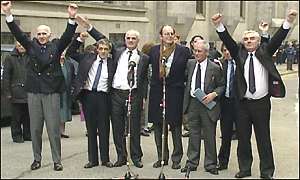
That’s not to say that cer­tain interned indi­vidu­als might not have been an act­ive threat to the UK.  How­ever, in the “good” old days (god, I sound ancient), sus­pects would have had evid­ence gathered against them, been tried by a jury, con­victed and imprisoned. The sys­tem was nev­er per­fect and evid­ence could be egre­giously with­held, but at least appeals were pos­sible, most not­ably in the case of the Birm­ing­ham Six.

Since 9/11 even breath­ing the word “ter­ror­ist” has meant that all these his­tor­ic com­mon law prin­ciples seem to have been jet­tisoned.  Even before the pro­posed enshrine­ment of “secret courts” in the new Bill, they are already being used in the UK — the Spe­cial Immig­ra­tion Appeal Com­mis­sion (SIAC) tribunals hear secret evid­ence and the defend­ant’s chosen law­yer is not allowed to attend. Instead a spe­cial, gov­ern­ment-approved advoc­ate is appoin­ted to “rep­res­ent the interests” of the defend­ant who is not allowed to know what his accusers have to say. And there was no appeal.

But all this is so unne­ces­sary.  The powers are already in place to be used (and abused) to shroud our notion­ally open court pro­cess in secrecy.  Judges can exclude the press and the pub­lic from court rooms by declar­ing the ses­sion in cam­era for all or part of the pro­ceed­ings.  Plus, in nation­al secur­ity cases, gov­ern­ment min­is­ters can also issue Pub­lic Interest Immunity Cer­ti­fic­ates (PIIs) that not only bar the press from report­ing the pro­ceed­ings, but can also ban them from report­ing they are gagged — the gov­ern­ment­al super-injunction.

So the powers already exist to pro­tect “nation­al secur­ity”.  No, the real point of the new secret courts is to ensure that the defend­ant and, par­tic­u­larly in my view, their chosen law­yers can­not hear the alleg­a­tions if based on intel­li­gence of any kind. Yet even the spies them­selves agree that the only type of intel­li­gence that really needs to be kept secret involves ongo­ing oper­a­tions, agent names, and sens­it­ive oper­a­tion­al techniques.

 And as for the right to be tried by a jury of your peers — for­get it.  Of course jur­ies will have no place in such secret courts.  The only time we have seen such dra­coni­an judi­cial meas­ures in the UK out­side a time of offi­cial war was dur­ing the Troubles in North­ern Ire­land — the infam­ous Dip­lock Courts — begin­ning in the 1970s and which incred­ibly were still in use this year.

I am not an apo­lo­gist of ter­ror­ism although I can under­stand the social injustice that can lead to it.  How­ever, I’m also very aware that the threat can be arti­fi­cially ramped up and manip­u­lated to achieve pre­con­ceived polit­ic­al goals.

I would sug­gest that the concept of secret courts will prove fatally dan­ger­ous to our demo­cracy.  It may start with the concept of get­ting the Big Bad Ter­ror­ist, but in more polit­ic­ally unstable or strin­gent eco­nom­ic times this concept is wide open to mis­sion creep.

We are already see­ing a slide towards expand­ing the defin­i­tion of “ter­ror­ist” to include “domest­ic extrem­ists”, act­iv­ists, single issue cam­paign­ers et al, as I have writ­ten before. And just recently inform­a­tion was leaked about a new pub­lic-private EU ini­ti­at­ive, Clean IT, that pro­poses ever more invas­ive and dra­coni­an poli­cing powers to hunt down “ter­ror­ists” on the inter­net. This pro­pos­al fails to define ter­ror­ism, but does provide for endem­ic elec­tron­ic sur­veil­lance of the EU. Pure cor­por­at­ism.

Allow­ing secret courts to try people on the say-so of a shad­owy, unac­count­able and bur­geon­ing spy com­munity lands us straight back in the pages of his­tory: La Ter­reur of revolu­tion­ary France, the creepy sur­veil­lance of the Stasi, or the dis­ap­pear­ances and tor­ture of the Gestapo.

Have we learned nothing?

What whistleblowers want

Whis­tleblowers want the sun and the moon — or at least they want to get their inform­a­tion out there, they want to make a dif­fer­ence, they want a fair hear­ing, and they don’t want to pay too high a per­son­al price for doing so.

Is that too much to ask? The decision to expose crimin­al­ity and bad prac­tice for the pub­lic good has ser­i­ous, life-chan­ging implications.

By going pub­lic about ser­i­ous con­cerns they have about their work­place, they are jeop­ard­ising their whole way of life: not just their pro­fes­sion­al repu­ta­tion and career, but all that goes with it, such as the abil­ity to pay the mort­gage, their social circle, their fam­ily life, their rela­tion­ship…  Plus, the whis­tleblower can poten­tially risk pris­on or worse.

So, with these risks in mind, they are cer­tainly look­ing for an aven­ue to blow the whistle that will offer a degree of pro­tec­tion and allow them to retain a degree of con­trol over their own lives.  In the old days, this meant try­ing to identi­fy an hon­our­able, cam­paign­ing journ­al­ist and a media organ­isa­tion that had the clout to pro­tect its source.  While not impossible, that could cer­tainly be dif­fi­cult, and becomes increas­ingly so in this era of endem­ic elec­tron­ic surveillance.

Today the oth­er option is the secure, high-tech pub­lish­ing con­duit, as trail-blazed by Wikileaks. While this does not provide the poten­tial bene­fits of work­ing with a cam­paign­ing journ­al­ist, it does provide anonym­ity and a cer­tain degree of con­trol to the mod­ern whis­tleblower, plus it allows their inform­a­tion to reach a wide audi­ence without either being filtered by the media or blocked by gov­ern­ment or cor­por­ate injunctions.

As someone who has a nod­ding acquaint­ance with the reper­cus­sions of blow­ing the whistle on a secret gov­ern­ment agency, I have liked the Wikileaks mod­el since I first stumbled across it in 2009.

As with most truly revolu­tion­ary ideas, once pos­ited it is blind­ingly obvious.

Nev­er before has this been tech­nic­ally pos­sible — the idea that a whis­tleblower­’s inform­a­tion could be made freely avail­able to the cit­izens of the world, in order to inform their demo­crat­ic choices, with no block­age, not cen­sor­ship, no fil­ter­ing or “inter­pret­a­tion” by the cor­por­ate media.

This is par­tic­u­larly rel­ev­ant in an age when the glob­al media has been con­sol­id­ated in the hands of a few mul­tina­tion­als, and when these mul­tina­tion­als have a cer­tain, shall we say “cosy”, rela­tion­ship with many of top our politi­cians and power elites.

The con­trol of the main­stream media by the spooks and gov­ern­ments has been the focus of many of my recent talks.  These cor­rupt inter-rela­tion­ships have also been recently laid bare with the News Inter­na­tion­al phone-hack­ing scandals.

The days of gar­ner­ing news from one favoured paper or TV bul­let­in are long gone. Few people now trust just one media out­let — they skip across a vari­ety of news sources, try­ing to eval­u­ate the truth for them­selves. But even that can be prob­lem­at­ic when some­thing big occurs, such as the “jus­ti­fic­a­tion” for the inva­sion of Iraq or Libya, and the cur­rent beat of war drums against Iran, when the cor­por­ate media mys­ter­i­ously achieves a consensus.

Hence the demo­crat­ic dis­con­nect, hence the dis­trust, and hence (in part) the plum­met­ing profits of the old media.

Wikileaks is based on a simple concept —  it allows the people to read the source mater­i­al for them­selves and make up their own minds based on real inform­a­tion.  This led to expos­ure of all kinds of glob­al nas­ties way before the massive 2010 US data-dump.

Des­pite this approach, the impact was ini­tially sub­dued until Wikileaks col­lab­or­ated with the old media.  This, as we all know, did indeed pro­duce the cov­er­age and aware­ness of those issues deemed import­ant as it was filtered through the MSM. This has also inev­it­ably lead to ten­sions between the new mod­el hackt­iv­ists and the old-school journalists.

No gov­ern­ment, least of all the USA, likes to have demands for justice and trans­par­ency forced upon it, and the push back since 2010 has been massive across the world in terms of an appar­ently illeg­al fin­an­cial block­ade, opaque leg­al cases and a media back­lash. Cer­tain of Wikileak­s’s erstwhile media part­ners have col­lab­or­ated in this, turn­ing on one of their richest sources of inform­a­tion in history.

How­ever, Wikileaks is more than a media source.  It is a whole new mod­el — a high-tech pub­lish­er that offers a safe con­duit for whis­tleblowers to cache and pub­li­cise their inform­a­tion without imme­di­ately hav­ing to over­turn (and in some cases risk) their lives.

For this work, Wikileaks has over the years won a num­ber of inter­na­tion­ally pres­ti­gi­ous journ­al­ism awards.

Inev­it­ably, crit­ics in the main­stream media seem to want to have their cake and eat it too: one early part­ner, the New York Times, has writ­ten that it does­n’t recog­nise Wikileaks as a journ­al­ist organ­isa­tion or a pub­lish­er — it is a source, pure and simple.

Either way, by say­ing this the media are surely shoot­ing them­selves in the cor­por­ate feet with both bar­rels. If Wikileaks is indeed “just” a source (the NYT seems to be blithely for­get­ting that good journ­al­ism is entirely depend­ent on its sources), then the media are break­ing their prime dir­ect­ive: pro­tect a source at all costs.

How­ever, if Wikileaks is a journ­al­ism or pub­lish­ing organ­isa­tion and as such is being tar­geted by the US gov­ern­ment, then all oth­er media are surely equally at risk in the future?

By not stand­ing up for Wikileaks in either capa­city, it appears that the old media have a death wish.

Over the years whis­tleblowers around the world have demon­strated their trust in Wikileaks, as it was set up by someone emer­ging from the ori­gin­al bona fide hack­er com­munity.   And rightly so — let’s not for­get that no source has been exposed through the fail­ure of the organ­isa­tion’s technology.

Many media organ­isa­tions rushed to emu­late its suc­cess by try­ing to set up their own “secure” whis­tleblow­ing repos­it­or­ies.  What the media execs failed to under­stand was the hack­er eth­os, the open source men­tal­ity: they went to their tech­ie depart­ment or com­mer­cial IT ser­vice pro­viders and said “we want one”, but failed to under­stand both the eth­os and the secur­ity con­cerns around closed, pro­pri­et­ary soft­ware sys­tems, often chan­nelled through the post-Pat­ri­ot Act, post-CISPA USA.

Oth­er, appar­ently well-mean­ing organ­isa­tions, also tried to emu­late the Wikileaks mod­el, but most have died a quiet death over the last year.  Per­haps, again, for want of real trust in their ori­gin or tech security?

Why on earth would any secur­ity-con­scious whis­tleblower, emer­ging out of a gov­ern­ment, mil­it­ary or intel­li­gence organ­isa­tion, trust such a set-up?  If someone comes out of such an envir­on­ment they will know all-too-well the scale of the push-back, the pos­sible entrap­ments, and the state-level resources that will be used to track them down. They either need an über-secure whis­tleblow­ing plat­form, or they need journ­al­ists and law­yers with fire in their belly to fight the fight, no mat­ter what.

So now to Open­Leaks — appar­ently the brainchild of Wikileaks defect­or Daniel Dom­sheit-Berg. He and the shad­owy “Archi­tect” fam­ously fell out with Juli­an Assange in late 2010, just when the polit­ic­al heat was ramp­ing up on the organ­isa­tion.  They left, reportedly tak­ing some of the cru­cial cod­ing and a tranche of files with them, and Dom­sheit-Berg decided to set up a rival organ­isa­tion called Open­Leaks.  As a res­ult of his actions, Dom­sheit-Berg was uniquely cast out of the inter­na­tion­al hack­er group, the CCC in Berlin.

He now seems to have been wel­comed back into the fold and Open­Leaks appears, finally, to be ready to receive whis­tleblower information.

How­ever, there is a cru­cial dif­fer­ence between the two organ­isa­tions.  Where Wikileaks wants to lay the inform­a­tion out there for pub­lic eval­u­ation, Open­Leaks will merely act as a repos­it­ory for cer­tain approved main­stream media organ­isa­tions to access. We are back to the ori­gin­al block­age of the cor­por­ate media decid­ing what inform­a­tion we, the people, should be allowed to ingest.

I would not wish to com­ment on Dom­sheit-Ber­g’s motiv­a­tion, but to me this seems to be an even worse option for a whis­tleblower than dir­ectly con­tact­ing a cam­paign­ing journ­al­ist with a proven track record of cov­er­ing hard-core stor­ies and fight­ing for the cause.

With Open­Leaks, the whis­tleblower loses not only the auto­mat­ic wide­spread dis­sem­in­a­tion of their inform­a­tion, but also any semb­lance of con­trol over which journ­al­ists will be work­ing on their story.  Their inform­a­tion will be parked on the web­site and any­one from pre-selec­ted media organ­isa­tions will be able to access, use and poten­tially abuse it.

One could say that Open­Leaks oper­ates as a secure sta­ging plat­form where a whis­tleblower can safely store sens­it­ive doc­u­ments and inform­a­tion.… but the founder allegedly removed and des­troyed sens­it­ive files from Wikileaks when he jumped ship in 2010.  Could any whis­tleblower really trust that Open­Leaks would not sim­il­arly “dis­ap­pear” shit-hot inform­a­tion in the future?

Plus, there is the added worry for any rightly-para­noid whis­tleblower that the founder of Open­Leaks so eas­ily aban­doned Wikileaks when under pres­sure.  Who’s to say that this would not hap­pen again, if the full might of the Pentagon were brought to bear on OpenLeaks?

Open­Leaks offers neither the per­son­al sup­port of work­ing with a trus­ted journ­al­ist and a media organ­isa­tion with the clout to fight back, nor does it provide full dis­clos­ure to the wider pub­lic to side-step poten­tial media self-cen­sor­ship and gov­ern­ment law suits, as the ori­gin­al Wikileaks mod­el does.

As such Open­Leaks seems, at least to this par­tic­u­lar whis­tleblower, to be an evol­u­tion­ary blip — a ret­ro­grade step — in the quest for justice and accountability.
The Scandinavian Tour 2012

I had an immensely stim­u­lat­ing time dur­ing my recent mini-tour of Scand­inavi­an invest­ig­at­ive journ­al­ism con­fer­ences, meet­ing informed, inter­est­ing, and inter­ested people.

The focus of my talks was the nex­us between the intel­li­gence world and the media — les­sons I had learned, researched and deduced dur­ing the whis­tleblow­ing years and bey­ond.  I have heard so many hair-rais­ing media stor­ies over the years.…

And, hav­ing listened to the exper­i­ences of journ­al­ists from a wide vari­ety of oth­er coun­tries, it seems I am on the right track.

Grav_talkFirst stop was the Grav con­fer­ence in Sweden, where I gave a talk and had the pleas­ure of meet­ing invest­ig­at­ive journ­al­ists who con­firmed what I was say­ing, even if some of them did­n’t think I had quite gone far enough!  We also had fun at the “min­gel” evening.

Next stop, next day, was the SKUP con­fer­ence in Nor­way where I did a talk, and also a debate about the media and whis­tleblowers.  Note to self: nev­er, ever agree to do a morn­ing debate after the legendary SKUP party the night before.

Finally, last week­end, I vis­ited the Tutki 2012 journ­al­ism con­fer­ence in Fin­land (Down­load Helsinki_Talk).  The response was over­whelm­ingly pos­it­ive, and once again I had con­firm­a­tion of what I was say­ing from the journ­al­ists themselves.

So what can we do about this situ­ation?  I shall keep spread­ing the word, and the journ­al­ists them­selves just need to keep say­ing a resound­ing “no” to the induce­ments, at least if they want to work on mean­ing­ful invest­ig­a­tions.  And what real journ­al­ist does­n’t, au fond?

Next stop Geneva, which is why I’m limber­ing up with the French.

And now to Finland.…

Tutki2012_logoMy grand tour around Scand­inavia con­tin­ues next week­end, when I shall be giv­ing the open­ing key­note at the Tutki!2012 invest­ig­at­ive journ­al­ism con­fer­ence in Hel­sinki.  Look­ing for­ward to the conference!

The Extradition Farce — why the delay in reform?

Out­rage con­tin­ues to swell about the per­emp­tory extra­di­tion of Brit­ish cit­izens to face tri­al on tenu­ous charges abroad.

Thanks to the tire­less cam­paign­ing of dis­traught fam­ily mem­bers, a grow­ing anger in the UK press, and indig­nant ques­tions and debates in Par­lia­ment — even our somn­am­bu­lant MPs have roused them­selves to state that Some­thing Must be Done — the Extra­di­tion Act 2003 is now centre stage, and reform of the law will no doubt occur at some point.

As there is a grow­ing con­sensus, why the delay?  I have a the­ory, but first let’s review some of the most troub­ling recent cases.

Janis_SharpThe case that really brought the issue to wide­spread pub­lic atten­tion  is the dec­ade-long extra­di­tion battle of Gary McKin­non.  With this sword of Damocles hanging over his head for so long, poor Gary has already effect­ively served a 10-year sen­tence, uncer­tain of his future and unable to work in his chosen pro­fes­sion.  Thanks to the indefatig­able cam­paign­ing of his moth­er, Janis Sharp, his case has received wide­spread sup­port from the media and politi­cians alike.

Des­pite this the Home Sec­ret­ary, Theresa May (who has recently been work­ing so hard in Jordan to pro­tect the rights of Abu Qatada), has dragged her feet abom­in­ably over mak­ing a decision about wheth­er Gary should be extra­dited to the US to face a pos­sible 70-year pris­on sen­tence — even though the UK invest­ig­a­tion into his alleged crime was aban­doned way back in 2002.

Julia_and Richard_OdwyerThen there is the more recent case of stu­dent Richard O’D­wyer, wanted in the US even though he lives in the UK and has broken no Brit­ish laws.  He is facing a 10 year max­im­um secur­ity sen­tence if extra­dited.  Once again, his moth­er, Julia, is tire­lessly fight­ing and cam­paign­ing for her son.

Most recently, Chris Tap­pin, a retired busi­ness­man and golf club pres­id­ent, has been shipped off to a Texas high secur­ity pen­it­en­tiary fol­low­ing what sounds like a US entrap­ment oper­a­tion (a tech­nique not leg­ally admiss­able in UK courts), and faces a 35 year sen­tence if convicted.

Chris_and_Elaine_TappinDes­pite hav­ing turned him­self in, this eld­erly gent, who walks with the aid of a cane, is con­sidered such a flight risk that he was last week denied bail. Once again, his wife Elaine has come out fight­ing.
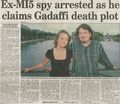
My heart goes out to all these women, and I salute their tenacity and bravery.  I remem­ber liv­ing through a sim­il­ar, if mer­ci­fully briefer, four months back in 1998 when the UK gov­ern­ment tried and failed to extra­dite Dav­id Shayler from France to the UK to stand tri­al for a breach of the OSA. I remem­ber with crys­tal clar­ity the shock of the arrest, the fear when he dis­ap­peared into a for­eign leg­al sys­tem without trace, the anguish about his life in an ali­en prison.

Sunday_Times_Paris_98And I remem­ber the fright­en­ing moment when I real­ised I had to step up and fight for him — the leg­al case, deal­ing with MPs and the end­less media work, includ­ing the ter­ror of live TV inter­views.  And all this when you are wor­ried sick about the fate of a loved one.  Shall I just say it was a steep learn­ing curve?

In the wake of the recent extra­di­tion cases, there have been ques­tions in Par­lia­ment, motions, debates, reviews (Down­load Review), and there is an ongo­ing push for an urgent need for reform.  And no doubt this will come, in time.

So why the delay?  Why not change the law now, and pre­vent McKin­non, O’Dy­wer and many oth­ers being sac­ri­ficed on the Amer­ic­an leg­al altar — the concept of “judi­cial rendi­tion”, as I have men­tioned before.

Well, I have a the­ory, one derived from per­son­al exper­i­ence.  The Brit­ish media — most not­ably the Daily Mail — inveigh against the uni­lat­er­al extra­di­tion of UK cit­izens to the USA’s bru­tal pris­on régime.  There is also some con­cern about extra­di­tion to oth­er European jur­is­dic­tions — usu­ally on the fringes to the south and east of the con­tin­ent, regions where the Brit­ish seem to have a vis­cer­al fear of cor­rupt offi­cials and kangaroo courts.

But what many com­ment­at­ors seem to miss is the cru­cial leg­al con­nec­tion — the extra­di­tion arrange­ments that ensure Brits can be shipped off to the US and many oth­er leg­al banana repub­lics com­par­able leg­al sys­tems to face out­rageous sen­tences are, in fact, embed­ded with­in the Extra­di­tion Act 2003.  This is the act that enshrined the power of the European Arrest War­rant, the the act that was rushed through Par­lia­ment in the midst of the post‑9/11 ter­ror­ism flap.

And, of course, this is the very act that is cur­rently being used and abused to extra­dite Juli­an Assange to Sweden merely for police ques­tion­ing (he has not even been charged with any crime), whence he can be “tem­por­ar­ily sur­rendered” to the delights of the US judi­cial pro­cess. Hmm, could this pos­sibly be the reas­on for the delay in reform­ing the Act?

Assange_Supreme_CourtLet me guess, you think this is begin­ning to sound a bit tin-foil hat? Surely it is incon­ceiv­able that the Brit­ish politi­cians and judges would delay right­ing a flag­rant leg­al wrong that mani­festly res­ults in inno­cent people being unjustly extra­dited and pro­sec­uted? Surely our gov­ern­ment would move swiftly to pro­tect its citizens?

As I men­tioned, my the­ory stems from per­sonal exper­i­ence. Once again delving into the mists of time, in 1997 Dav­id Shayler blew the whistle on the wrong­ful con­vic­tion on ter­ror­ist charges of two inno­cent Palestini­an stu­dents, Samar Alami and Jawad Bot­meh. Their law­yer, the excel­lent Gareth Peirce, was imme­di­ately on the case, but the UK gov­ern­ment dragged its heels for a year. Why?

Dur­ing that time, the UK gov­ern­ment tried to have Shayler extra­dited from France to the UK to stand tri­al. Gov­ern­ment law­yers were con­fid­ent of vic­tory and delayed a decision on the stu­dents’ appeal against their con­vic­tions until the whis­tleblower was safely incar­cer­ated in HMP Bel­marsh, await­ing trial.

Except it all went wrong, and the French freed Shayler for being mani­festly a polit­ical whis­tleblower, which in their leg­al opin­ion was not an extra­dict­able offence. Only at that point did the UK gov­ern­ment law­yers begin to work with Peirce on the Palestini­an case, details of which can be found here.

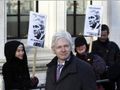
Christine_AssangeSo my the­ory is that the UK is drag­ging its feet about reform­ing the pre­pos­ter­ous Extra­di­tion Act until it has Assange safely over in Sweden. How­ever, they may be count­ing their chick­ens pre­ma­turely — and they should nev­er, ever over­look the determ­in­a­tion of the cam­paign­ing moth­er, in this case Christine Assange.

But in the mean­time, while the UK con­tin­ues to pros­ti­tute itself to the USA, how many more inno­cent people will have to suf­fer unjust and unjus­ti­fi­able extradition?

Subversion” old and new

Abu_Qatada_CartoonAn inter­est­ing art­icle in yes­ter­day’s Tele­graph by polit­ic­al com­ment­at­or Peter Oborne about Abu Qatada.  This case has caused much sound and fury amongst the Brit­ish polit­ic­al and media classes over the last couple of days.  Oborne’s art­icle strips out the bom­bast and takes us back to basic prin­ciples — as did this oth­er recent art­icle in the Inde­pend­ent a day or two ago by Christina Patterson.

How­ever, what really grabbed my atten­tion in Oborne’s art­icle was his ref­er­ence to Dav­id Max­well Fyfe, the Brit­ish politi­cian and law­yer who was tasked by Sir Win­ston Churchill to lay the found­a­tions of the European sys­tem of human rights after the atro­cit­ies of World War Two — a peri­od when the need for basic rights was seared into people’s minds.

Maxwell_FyfeWhile Max­well Fyfe laid some good found­a­tions for European law, his name also has res­on­ance to all who worked for the UK domest­ic Secur­ity Ser­vice, MI5, dur­ing or in the imme­di­ate after­math of the Cold War.  It was Max­well Fyfe’s dir­ect­ive, issued in 1952, that was instru­ment­al in allow­ing MI5 to spy on Brit­ish polit­ic­al act­iv­ists sub­vers­ives.  This dir­ect­ive remained in place until 1989, when MI5 was placed on a leg­al foot­ing for the first time in its then 80 year his­tory, with the Secur­ity Ser­vice Act 1989. Here is a seg­ment about the Max­well Fyfe dir­ect­ive from my old book, “Spies, Lies and Whis­tleblowers”:

Back­ground to subversion

At this time MI5 was still using the same cri­ter­ia for record­ing indi­vidu­al sub­vers­ives and their sym­path­isers as was set out by Home Sec­ret­ary Dav­id Max­well-Fyfe in 1952.  He called on the ser­vices to identi­fy any indi­vidu­al engaged in under­min­ing Par­lia­ment­ary demo­cracy, nation­al secur­ity and/or the eco­nom­ic well-being of the UK by viol­ent, indus­tri­al or polit­ic­al means.  In fact, many would argue that groups who used only polit­ic­al means to get their point across were merely exer­cising their demo­crat­ic rights.  In fact, MI5 used pho­tos of demon­stra­tions, cop­ies of elec­tion lists and even lists of sub­scribers to rad­ic­al left-wing book clubs as indic­at­ors of sub­vers­ive sym­pathy and mem­ber­ship.  Of course, the world was a very dif­fer­ent place when I joined the sec­tion, almost 40 years after Maxwell-Fyfe’s declar­a­tion, not least because of the dis­in­teg­ra­tion of the Soviet Uni­on and its East­ern bloc allies. 

TrotskyFrom Maxwell-Fyfe’s state­ment to Par­lia­ment, which was nev­er made law, MI5 and sub­sequent gov­ern­ments used to argue that all mem­bers of cer­tain parties –such as the Com­mun­ist Party of Great Bri­tain (CPGB) or later the bewil­der­ing array of Trot­sky­ists, with names like the Inter­na­tion­al Marx­ist Group (IMG), Work­ers’ Revolu­tion­ary Party (WRP) Major and Minor, Revolu­tion­ary Com­mun­ist Party (RCP) and Revolu­tion­ary Com­mun­ist Group (RCG), anarch­ists and the extreme right — were threats to the secur­ity of the state or our demo­crat­ic sys­tem.  This in itself is a con­ten­tious pro­pos­i­tion.  None of these Trot­sky­ist groups was cul­tiv­at­ing East­ern bloc fin­ance or build­ing bombs in smoky back rooms, but were instead using legit­im­ate demo­crat­ic meth­ods to make their case, such as stand­ing in elec­tions, organ­ising demon­stra­tions and edu­cat­ing ‘the work­ers’.  They cer­tainly had no alle­gi­ance to a for­eign power, the primary rais­on d’etre for the invest­ig­a­tion of sub­ver­sion, because, unlike the Com­mun­ist Party, they abhorred the East­ern bloc.

Greenham-commonSince MI5 was effect­ively invest­ig­at­ing indi­vidu­als for hold­ing opin­ions the gov­ern­ment did not like — a very un-Brit­ish pos­i­tion — it was always at pains to point out that it took its respons­ib­il­it­ies with regard to human rights very ser­i­ously, although not ser­i­ously enough to ensure that these activ­it­ies were reg­u­lated by a leg­al frame­work.  All the service’s phone taps pri­or to the passing of the Inter­cep­tion of Com­mu­nic­a­tions Act (IOCA) in 1985 were unlaw­ful because there was no legis­la­tion gov­ern­ing the inter­cep­tion of communications.”

The dir­ect­ive was not a leg­ally bind­ing doc­u­ment, but it was the basis for the work of F Branch, MI5’s massive sec­tion tasked with hunt­ing “sub­vers­ives” dur­ing those dec­ades.  It allowed intel­li­gence officers great lat­it­ude in inter­pret­ing what was deemed sub­vers­ive activ­ity and who were “legit­im­ate’ tar­gets.  And yet there were many, many instances of the abuse of this sys­tem by para­noid, seni­or intel­li­gence officers over the years.  More inform­a­tion can be found in this chapter on sub­ver­sion from the book.

So my point is, yes, Bri­tain ostens­ibly led the way in devel­op­ing a sys­tem to pro­tect human rights in the after­math of the Second World War.  But the very archi­tect of that sys­tem then pro­duced the dir­ect­ive that gave Brit­ish spies carte blanche to invest­ig­ate polit­ic­al dis­sid­ents with­in their own coun­try, which they abused for decades.

Mark_KennedyAnd now we have com­ment­at­ors rightly say­ing that we should uphold basic human rights’ val­ues in cases such as Abu Qatada.  But what about all the UK act­iv­ists who were illeg­ally invest­ig­ated by MI5 from 1952 to the 1990s? And, more per­tin­ently today, what about all the act­iv­ists and pro­test­ers who have been aggress­ively spied upon by the unac­count­able, under­cov­er police of the NPOIU since the 1990s, under the illeg­al cat­egory of “domest­ic extrem­ists”?

I was heartened to see 87 year old artist and peace act­iv­ist John Catt is suing the NPOIU for intrus­ive sur­veil­lance over the last 6 years.  Per­haps he should quote Max­well Fyfe on human rights dur­ing his case?

A Tale of Two Cases

Abu_QatadaThe first case, the one hit­ting the head­lines this week, is that of Jord­ani­an-born alleged ter­ror­ist supremo Abu Qatada, who arrived in the UK using a forged pass­port almost 20 years ago and claimed asylum, and has already been found guilty twice in absen­tia of ter­ror­ist attacks in Jordan. He is reportedly also wanted in sev­en oth­er coun­tries for ter­ror­ist-related offences.  He has been labeled Bin Laden’s right-hand man in Europe, and over the last few years in the UK has been vari­ously interned, placed under con­trol order, and held in max­im­um secur­ity prisons. 

The UK courts ruled that he should be depor­ted to stand tri­al in his nat­ive coun­try, but these rul­ings were recently over­turned by the European Court of Human Rights (ECtHR), as it had con­cerns that Jord­ani­an dip­lo­mat­ic assur­ances that he would not be tor­tured could not be relied on, and that evid­ence against him in any retri­al there might have been obtained using torture. 

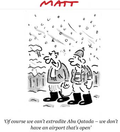
MATT_CartoonAs a res­ult, Mr Justice Mit­ting of the Spe­cial Immig­ra­tion Appeals Com­mis­sion (Siac) has ruled that he should be released under a strict T‑PIM (the new con­trol order).  This decision has pre­dict­ably roused the froth­ing wrath of the Home Office and the read­er­ship of the Daily Mail.  Politi­cians of all fla­vours have rushed out their sound bites con­demning the ECtHR decision. 

But can they not see that it is the com­pla­cency and the very dis­dain for law that the Brit­ish polit­ic­al and intel­li­gence infra­struc­ture has dis­played for the last dec­ade that has cre­ated this mess in the first place?  If, instead of kid­nap­ping, tor­ture, assas­sin­a­tion, and indeed intern­ment without tri­al with­in the UK, the rule of law had been fol­lowed, the coun­try would not cur­rently find itself in this leg­al quagmire. 

There used to be a notion that you used due pro­cess to invest­ig­ate a ter­ror­ist sus­pect as you would any oth­er sus­pec­ted crim­in­al: gath­er the evid­ence, present the case to the Crown Pro­sec­u­tion Ser­vice, hold a tri­al in front of a jury, and work towards a conviction. 

How quaintly old-fash­ioned that all seems today.  Instead, since 9/11 and the incep­tion of the hys­ter­ic­ally bru­tal “war on ter­ror” led by the USA, we have seen people in the UK thrown into pris­on for years on the secret word of anonym­ous intel­li­gence officers, where even the sus­pects’ law­yers are not allowed to see the inform­a­tion against their cli­ents.  The Brit­ish leg­al sys­tem has become truly Kafkaesque.

Which leads me to the second case.  This was a quote in yes­ter­day’s Guard­i­an about the Abu Qatada ruling:

The Con­ser­vat­ive back­bench­er Domin­ic Raab echoed Blun­kett’s anger: “This res­ult is a dir­ect res­ult of the per­verse rul­ing by the Stras­bourg court. It makes a mock­ery of human rights law that a ter­ror­ist sus­pect deemed ‘dan­ger­ous’ by our courts can­’t be returned home, not for fear that he might be tor­tured, but because European judges don’t trust the Jord­ani­an justice sys­tem.”

Julian_assangeIn the case of Juli­an Assange, can we really trust the Swedish justice sys­tem? While the Swedish judi­cial sys­tem may have an ostens­ibly more fra­grant repu­ta­tion than that of Jordan, it has been flag­rantly politi­cised and manip­u­lated in the Assange case, as has been repeatedly well doc­u­mented. Indeed, the Swedish justice sys­tem has the highest rate per cap­ita of cases taken to the ECtHR for flout­ing Art­icle 6 — the right to a fair trial.

If Assange were extra­dited merely for ques­tion­ing by police — he has yet to be even charged with any crime in Sweden — there is a strong risk that the Swedes will just shove him straight on the next plane to the US under the leg­al terms of a “tem­por­ary sur­render”.  And, to bas­tard­ise the above quote, who now really trusts the Amer­ic­an justice system?

A secret Grand Jury has been con­vened in Vir­gin­ia to find a law — any law — with which to pro­sec­ute Assange.  Hell, if the Yanks can­’t find an exist­ing law, they will prob­ably write a new one just for him.

For­get about the fact that Wikileaks is a ground-break­ing new form of high-tech journ­al­ism that has exposed cor­rupt prac­tices across the world over the years.  The US just wants to make an example of Assange in retali­ation for the embar­rass­ment he has caused by expos­ing US double deal­ing and war crimes over the last dec­ade, and no doubt as a dread­ful example to deter others. 

Bradley_Manning_2The alleged Wikileaks source, US sol­dier Private Brad­ley Man­ning, has been kept in inhu­mane and degrad­ing con­di­tions for well over a year and will now be court-mar­tialed.  The gen­er­al assump­tion is that this pro­cess was designed to break him, so that he would implic­ate Assange and pos­sibly oth­er Wikileaks asso­ci­ates.  

In my view, that means that any US tri­al of Assange could essen­tially be rely­ing on evid­ence obtained under tor­ture.  And if Assange is extra­dited and and judi­cially rendered to the US, he too will face tor­tur­ous con­di­tions.

So, to sum­mar­ise, on the one hand we have a man who is wanted in eight coun­tries for ter­ror­ist offences, has already been con­victed twice in his home coun­try, but who can­not be extradited.

And on the oth­er hand we have a man who has not been charged, tried or con­victed of any­thing, but is merely wanted for ques­tion­ing on minor and appar­ently trumped up charges in anoth­er coun­try, yet who has also been imprisoned in sol­it­ary con­fine­ment and held under house arrest.  And it looks like the Brit­ish author­it­ies are happy to col­lude in his extradition.

Both these men poten­tially face a mis­tri­al and both may poten­tially exper­i­ence what is now euphemist­ic­ally known as “degrad­ing and inhu­mane treatment”.

But because one faces being sent back to his home coun­try — now seen for the pur­poses of his case as a banana repub­lic with a cor­rupt judi­cial sys­tem that relies on evid­ence extrac­ted under tor­ture — he shall prob­ably not be extra­dited.  How­ever, the oth­er faces being sent to an ali­en coun­try well known as a beacon of civil rights and fair judi­cial sys­tem oops, sorry, as a banana repub­lic with a cor­rupt judi­cial sys­tem that relies on evid­ence extrac­ted under torture.

A_Tale_of_Two_CitiesThe UK has become a leg­al laugh­ing stock around the world and our judi­cial frame­work has been bent com­pletely out of shape by the require­ments of the “war on ter­ror” and the rap­idly devel­op­ing cor­por­ate fas­cism of our government. 

The UK is cur­rently cel­eb­rat­ing the bicen­ten­ary of the birth of Charles Dick­ens.  Per­haps the time has come to pause and think about some of the issues he dis­cussed in one of his best-known nov­els, “A Tale of Two Cit­ies”.  Do we want our coun­try to slide fur­ther down the path of state ter­ror­ism — a phrase adop­ted from the ori­gin­al Grande Ter­reur of the French Revolution? 

We need to seize back our basic rights, the due pro­cess of law, and justice.

One man’s terrorist is another man’s activist

Here we go again.  In this heart­warm­ing art­icle in today’s Guard­i­an news­pa­per, Brit­ish MPs on the Home Affairs Com­mit­tee have decided that the inter­net is the most sig­ni­fic­ant factor in the rad­ic­al­isa­tion of viol­ent extrem­ists and con­clude that Some­thing Must Be Done.

One para­graph leapt out at me:

The Com­mons home affairs com­mit­tee says inter­net ser­vice pro­viders need to be as effect­ive at remov­ing mater­i­al that pro­motes viol­ent extrem­ism as they are in remov­ing con­tent that is sexu­al or breaches copy­right.” (My emphasis.)

Anti_SOPA_cartoonMost of us are aware of the recent dog­fight in the US about the pro­posed SOPA and PIPA laws to crack down on copy­right infringe­ment and, as a res­ult, there is a some­what belated but stead­ily increas­ing out­cry in Europe about the immin­ent impos­i­tion of ACTA across the continent. 

I have writ­ten before about how such laws provide the mil­it­ary-intel­li­gence com­plex with the per­fect stalk­ing horse for a pan­op­tic sur­veil­lance state, and the cam­paign­ing writer, Cory Doc­torow, summed it up beau­ti­fully when he wrote that “you can­’t make a sys­tem that pre­vents spy­ing by secret police and allows spy­ing by media giants”.

And, lo, it is now appar­ently com­ing to pass.  The Par­lia­ment­ary half-wits are now pro­pos­ing to use com­mer­cial legis­la­tion such as the utterly undemo­crat­ic ACTA as a bench­mark for coun­ter­ing poten­tial ter­ror­ists and extrem­ists.  Might they have failed to notice the pleth­ora of exist­ing counter-ter­ror­ism and eaves­drop­ping legis­la­tion, put in place for this very pur­pose and already much used and abused by a wide range of pub­lic bod­ies in the UK?

This yet again high­lights the mis­sion-creepy Big Broth­er cor­por­at­ist group-think.  Rather than hav­ing to spell it out in bor­ing old lin­ear text, here is some use­ful link­age — what I like to think of as 3‑D writing: 

Pro­test­er = act­iv­ist = domest­ic extrem­ist = viol­ent extrem­ist = ter­ror­ist  

G20_kettling

I’m sure you can see where I am head­ing.  To name but a few notori­ous abuses, we already live in a world where west­ern gov­ern­ments and spy agen­cies col­lude in the kid­nap­ping, tor­ture and assas­sin­a­tion of alleged ter­ror­ist sus­pects; the NDAA now endorses these prac­tices with­in the US; Brit­ish police spy on inno­cent protest groups for years; legit­im­ate pro­test­ers can be “kettled”, beaten up and maced; act­iv­ists can be pre-empt­ively arres­ted as eas­ily in the UK as in Syr­ia; and where Amer­ic­an politi­cians want to des­ig­nate the high-tech pub­lish­ing organ­isa­tion Wikileaks as a ter­ror­ist group.

There is an old aph­or­ism that one man’s ter­ror­ist was anoth­er man’s free­dom fight­er.  I think the time has come for an update:

One man’s ter­ror­ist is anoth­er man’s activist. 

And we are all increas­ingly at risk. 

The Bureau of Investigative Journalism article

Here is a recent art­icle I wrote for The Bur­eau of Invest­ig­at­ive Journ­al­ism, about our slide into a sur­veil­lance state. 

TBIJ sup­por­ted Wikileaks dur­ing the release of the Spy­Files. The issue is of such cru­cial import­ance for our demo­cracy, I was dis­ap­poin­ted that more of the main­stream media did not fol­low up on the stor­ies provided.

Here’s the text:

Ana­lys­is: the slide into a sur­veil­lance state

Fifty years ago, Pres­id­ent Eis­en­hower warned of the ‘dis­astrous rise’ of the mil­it­ary-indus­tri­al com­plex. His fears proved all too accurate.

Now in the post‑9/11 world, the threat goes even fur­ther: the mil­it­ary-indus­tri­al com­plex is evolving into the mil­it­ary-intel­li­gence com­plex. It is a world, I fear, that is pro­pelling us into a dysto­pi­an sur­veil­lance nightmare.

I have seen this night­mare unfold from close quar­ters. In the mid-90s I was an intel­li­gence officer for MI5, the UK domest­ic secur­ity ser­vice. That is, until I resigned to help my former part­ner and col­league Dav­id Shayler blow the whistle on a cata­logue of incom­pet­ence, cov­er-ups and crimes com­mit­ted by spies. We naively hoped that this would lead to an inquiry, and a review of intel­li­gence work and account­ab­il­ity with­in the notori­ously secret­ive Brit­ish system.

The blun­ders and illeg­al oper­a­tions that we wit­nessed in our six years at MI5 took place at what is prob­ably the most eth­ic­al and account­able dec­ade in the Brit­ish spy­ing service’s 100-year history.

Even then, they were get­ting away with pretty much whatever they wanted.

Since the attacks of 9/11, I have watched with increas­ing dis­may as more powers, money and resources have been pumped into the inter­na­tion­al intel­li­gence com­munity to com­bat the neb­u­lous ‘war on ter­ror’. As a res­ult, civil liber­ties have been eroded in our own coun­tries, and count­less inno­cent people have been killed, maimed and dis­placed across the Middle East.

The Reg­u­la­tion of Invest­ig­at­ory Powers Act (RIPA), which was designed to allow our spy agen­cies to law­fully inter­cept our com­mu­nic­a­tions to counter ter­ror­ism and organ­ised crime, has been routinely used and abused by almost 800 pub­lic bod­ies. MI5 admit­ted to mak­ing 1,061 mis­takes or ‘admin­is­trat­ive errors’ this year alone in its applic­a­tion of RIPA, accord­ing to the Inter­cep­tion of Com­mu­nic­a­tions Com­mis­sion­er, Sir Paul Kennedy.

Intel­li­gence creep extends to the police, as we saw with the under­cov­er police scan­dal earli­er this year, where the unac­count­able Nation­al Pub­lic Order Intel­li­gence Unit was dis­covered to be infilt­rat­ing harm­less and legit­im­ate protest groups for years on end.

It is a world, I fear, that is pro­pelling us into a dysto­pi­an sur­veil­lance nightmare.

Even bey­ond the under­cov­er cops, we have seen an explo­sion in cor­por­ate spy­ing. This involves mer­cen­ary spy com­pan­ies such as Xe (formerly Black­wa­ter), Kroll, Aegis and Dili­gence offer­ing not just secur­ity muscle in hot­spots around the world, but also bespoke oper­a­tions enabling big cor­por­a­tions to check out staff or to infilt­rate and invest­ig­ate protest groups that may embar­rass the companies.

The mer­cen­ary spy oper­ates without any over­sight what­so­ever, and can even be gran­ted immunity from pro­sec­u­tion, as Xe enjoyed when oper­at­ing in Iraq.

The last dec­ade has also been a boom time for com­pan­ies provid­ing high-tech sur­veil­lance cap­ab­il­it­ies. One aspect of this in the UK – the endem­ic CCTV cov­er­age – is notori­ous. Loc­al coun­cils have inves­ted in mobile CCTV smart spy cars, while cam­er­as that bark orders to you on the street have been tri­alled in Middlesbrough.

Drones are increas­ingly used for aer­i­al sur­veil­lance – and the poten­tial for mil­it­ar­isa­tion of these tools is clear.

All this des­pite the fact that the head of the Met­ro­pol­it­an Police depart­ment that is respons­ible for pro­cessing all this sur­veil­lance inform­a­tion stated pub­licly that CCTV evid­ence is use­less in help­ing to solve all but 3% of street rob­ber­ies in Lon­don. In fact, since CCTV has been rolled out nation­ally, viol­ent crime on the streets of Bri­tain has increased.

But, hey, who cares about facts when secur­ity is Big Busi­ness? Someone, some­where, is get­ting very rich by rolling out ever more Orwellian sur­veil­lance tech­no­logy. And while the tech­no­logy might not be used against the wider UK cit­izenry in a par­tic­u­larly malig­nant man­ner – yet – the same com­pan­ies are cer­tainly allow­ing their tech­no­lo­gies to find their way to the more viol­ent and repress­ive Middle East­ern states.

That would nev­er hap­pen in Bri­tain – would it? We retain an optim­ist­ic faith in the long-term benign inten­tions of our gov­ern­ment, while tut-tut­ting over Syr­i­an police snatch squads pre-empt­ively arrest­ing sus­pec­ted dis­sid­ents. Yet this has already happened in the UK: before the roy­al wed­ding in April, pro­test­ers were pre-empt­ively arres­ted to ensure that they would not cause embar­rass­ment. The intent is the same in Syr­ia and Bri­tain. Only the scale and bru­tal­ity dif­fers – at the moment.

When I worked for MI5 in the 1990s I was appalled how eas­ily tele­phone inter­cep­tion could be used illeg­ally, and how eas­ily the spies could hide their incom­pet­ence and crimes from the gov­ern­ment. In the last dec­ade it has become much worse, with seni­or spies and police officers repeatedly being caught out lying to the tooth­less Intel­li­gence and Secur­ity Com­mit­tee in Par­lia­ment. And this is only the offi­cial intel­li­gence sector.

How much worse is the endem­ic sur­veil­lance car­ried out by the cor­por­ate spy industry?

The bal­ance of power, bolstered by new tech­no­lo­gies, is shift­ing over­whelm­ingly in favour of the Big Broth­er state – well, almost. The WikiLeaks mod­el is help­ing level the play­ing field, and whatever hap­pens to this trail­blaz­ing organ­isa­tion, the prin­ciples and tech­no­logy are out there and will be rep­lic­ated. This genie can­not be put back in the bottle. This – com­bined with the work of informed MPs, invest­ig­at­ive journ­al­ists and poten­tially the occa­sion­al whis­tleblower – gives me hope that we can halt this slide into a Stasi state.

Annie Machon is a former spy with MI5, the Brit­ish intel­li­gence agency work­ing to pro­tect the UK’s nation­al secur­ity against threats such as ter­ror­ism and espi­on­age.
You can read Annie Machon’s blog ‘Using Our Intel­li­gence’ here.