Will MI6 “fix” intelligence on Iran?

By:    Ray McGov­ern, former CIA ana­lyst and Annie Machon, former MI5 intel­li­gence officer

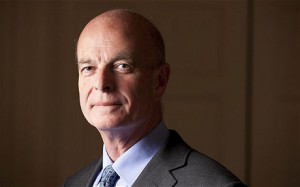
Recent remarks by the head of MI6, Sir John Saw­ers, leave us won­der­ing if the Secret Intel­li­gence Ser­vice is pre­par­ing to “fix” intel­li­gence on Iran, as his imme­di­ate pre­de­cessor, Sir John Scar­lett, did on Iraq.

Scarlett’s pre-Iraq war role in cre­at­ing “dodgy dossiers” hyp­ing the threat of non-exist­ent “weapons of mass destruc­tion” is well known.  As for Saw­ers, the red warn­ing light for politi­ciz­a­tion blinked brightly on July 4, as he told Brit­ish seni­or civil ser­vants that Iran is “two years away” from becom­ing a “nuc­le­ar weapons state.”  How did Saw­ers come up with “two years?”

Since late 2007, the bench­mark for weigh­ing Iran’s nuc­le­ar pro­gram has been the unan­im­ous assess­ment by all 16 U.S. intel­li­gence agen­cies that Iran hal­ted its nuc­le­ar weapons pro­gram in late 2003 and that, as of mid-2007, had not restar­ted it.  Those judg­ments have been reval­id­ated every year since — des­pite strong pres­sure to bow to more omin­ous — but evid­ence-light — assess­ments by Israel and its neo-con­ser­vat­ive supporters.

Intel­li­gence Can Make a Difference

The 2007 the US Nation­al Intel­li­gence Estim­ate helped to thwart plans to attack Iran in 2008, the last year of the Bush/Cheney admin­is­tra­tion.  This shines through in George Bush’s own mem­oir, Decision Points, in which he rues the NIE’s “eye-pop­ping declar­a­tion: ‘We judge with high con­fid­ence that in fall 2003, Tehran hal­ted its nuc­le­ar weapons program.’”

Bush con­tin­ues, “But after the NIE, how could I pos­sibly explain using the mil­it­ary to des­troy the nuc­le­ar facil­it­ies of a coun­try the intel­li­gence com­munity said had no act­ive nuc­le­ar weapons pro­gram?” (Decision Points, p. 419)

Hands tied on the mil­it­ary side, US cov­ert oper­a­tions flowered, with $400 mil­lion appro­pri­ated at that same time for a major escal­a­tion of the dark-side struggle against Iran, accord­ing to mil­it­ary, intel­li­gence, and con­gres­sion­al sources cited by Sey­mour Her­sh in 2008.  This clandes­tine but all-too-real war on Iran has included attacks with com­puter vir­uses, the murders of Ira­ni­an sci­ent­ists, and what the Israel­is call the “unnat­ur­al” demise of seni­or offi­cials like Revolu­tion­ary Guards Major Gen­er­al Has­san Moghad­dam fath­er of Iran’s mis­sile program.

Moghad­dam was killed in a large explo­sion last Novem­ber, with Time magazine cit­ing a “west­ern intel­li­gence source” as say­ing the Israel’s Mossad was behind the blast.  More threat­en­ing still to Iran are the severe eco­nom­ic sanc­tions, which are tan­tamount to an act of war.

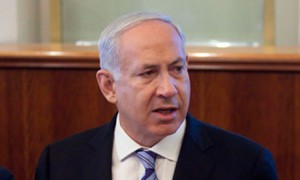
Israeli Prime Min­is­ter Ben­jamin Net­an­yahu and pro-Israel neo-con­ser­vat­ives in the U.S. and else­where have been push­ing hard for an attack on Iran, seiz­ing every pre­text they can find.  Net­an­yahu was sus­pi­ciously fast off the blocks, for example, in claim­ing that Iran was behind the tra­gic ter­ror­ist bomb­ing of Israeli tour­ists in Bul­garia on July 18, des­pite Bul­gari­an author­it­ies and even the White House warn­ing that it is too early to attrib­ute responsibility.

Netanyahu’s instant indict­ment of Iran strongly sug­gests he is look­ing for excuses to up the ante.  With the Per­sian Gulf look­ing like an acci­dent wait­ing to hap­pen, stocked as it is with war­ships from the U.S., the U.K. and else­where — and with no fail-safe way of com­mu­nic­at­ing with Ira­ni­an nav­al com­mand­ers — an escal­a­tion-gen­er­at­ing acci­dent or pro­voca­tion is now more likely than ever.

July 23: Mark­ing a Day of Infamy

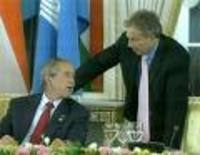
Oddly, Sawers’s speech of July 4 came just as an import­ant date approached — the tenth anniversary of a sad day for Brit­ish intel­li­gence on Iraq.  On July 23, 2002 at a meet­ing at 10 Down­ing Street, then-MI6 head, John Dear­love, briefed Tony Blair and oth­er seni­or offi­cials on his talks with his Amer­ic­an coun­ter­part, CIA Dir­ect­or George Ten­et, in Wash­ing­ton three days before.

In the offi­cial minutes of that brief­ing (now known as the Down­ing Street Memo), which were leaked to the Lon­don Times and pub­lished on May 1, 2005, Dear­love explains that George Bush has decided to attack Iraq and the war was to be “jus­ti­fied by the con­junc­tion of ter­ror­ism and weapons of mass destruc­tion.”  While then-For­eign Sec­ret­ary Jack Straw points out that the case was “thin,” Dear­love explains mat­ter-of-factly, “The intel­li­gence and facts are being fixed around the policy.”
There is no sign in the minutes that any­one hic­cupped — much less demurred — at mak­ing a case for war and fur­ther­ing Blair’s determ­in­a­tion to join Bush in launch­ing the kind of “war of aggres­sion” out­lawed by the post-world war Nurem­berg Tribunal and the UN treaty.

Helped by the acqui­es­cence of their chief spies, the Blair gov­ern­ment main­lined into the body polit­ic un-assessed, raw intel­li­gence and forged doc­u­ments, with dis­astrous con­sequences for the world.

UK cit­izens were spoon-fed fake intel­li­gence in the Septem­ber Dossier (2002) and then, just six weeks before the attack on Iraq, the “Dodgy Dossier”, based largely on a 12-year old PhD thes­is culled from the Inter­net — all presen­ted by spy and politi­cian alike as omin­ous pre­mon­it­ory intelligence.

So was made the case for war. All lies, res­ult­ing in hun­dreds of thou­sands dead and maimed and mil­lions of Iraqis dis­placed — yet no one held to account.

Sir Richard Dear­love, who might have pre­ven­ted this had he had the integ­rity to speak out, was allowed to retire with full hon­ours and became the Mas­ter of a Cam­bridge col­lege.  John Scar­lett, who as chair of the Joint Intel­li­gence Com­mit­tee signed off the fraud­u­lent dossiers, was rewar­ded with the top spy job at MI6 and a knight­hood. George W. Bush gave George Ten­et the Pres­id­en­tial Medal of Free­dom — the highest civil­ian award.

What need have we for fur­ther proof? “So are they all, all hon­our­able men” — remin­is­cent of those stand­ing with Bru­tus in Shakespeare’s play, but with no Mark Anthony to expose them and stir the appro­pri­ate pop­u­lar reaction.

Therein lies the prob­lem: instead of being held account­able, these “hon­our­able men” were, well, hon­oured. Their soft land­ings offer a nox­ious object les­son for ambi­tious bur­eau­crats who are ready to play fast and loose with the truth and trim their sails to the pre­vail­ing winds.

Ill-got hon­ours offer neither deterrent nor dis­in­cent­ive to cur­rent and future intel­li­gence chiefs temp­ted to fol­low suit and cor­rupt intel­li­gence rather than chal­lenge their polit­ic­al lead­ers with hard, un-“fixed” facts. Integ­rity? In this milieu integ­rity brings know­ing smirks rather than hon­ours. And it can get you kicked out of the club.

Fix­ing Intel­li­gence on Iran

Are we in for anoth­er round of “fix­ing” — this time on Iran? We may know soon.  Israeli Prime Min­is­ter Net­an­yahu, cit­ing the ter­ror­ist attack in Bul­garia, has already provided what amounts to a vari­ation on Dearlove’s ten-year old theme regard­ing how war can be “jus­ti­fied by the con­junc­tion of ter­ror­ism and weapons of mass destruction.”

Accord­ing to the Jer­u­s­alem Post on July 17, Net­an­yahu said that all coun­tries that under­stand that Iran is an export­er of world ter­ror must join Israel in “stat­ing that fact clearly,” in order to emphas­ize the import­ance of pre­vent­ing Iran from obtain­ing a nuc­le­ar weapon.

Appear­ing yes­ter­day on Fox News Sunday and CBS’s Face the Nation, Net­an­yahu returned to that theme. Put­ting the blame for the ter­ror­ist attack in Bul­garia squarely on Iran (and Hezbol­lah), Net­an­yahu warned of the increased dangers that would accrue if Iran acquired nuc­le­ar weapons. “What would be the con­sequences if the most dan­ger­ous régime in the world got the world’s most dan­ger­ous weapons?”.

Will MI6 chief Saw­ers mod­el his con­duct on that of his pre­de­cessors who “jus­ti­fied” war on Iraq? Will he “fix” intel­li­gence around U.K./U.S./Israeli policy on Iran? Par­lia­ment­ary over­seers should demand a brief­ing from Saw­ers forth­with, before erstwhile bull­dog Bri­tain is again dragged like a poodle into anoth­er unne­ces­sary war.

Annie Machon is a former intel­li­gence officer in the UK’s MI5 Secur­ity Ser­vice and Ray McGov­ern is a fomer U.S Army Intel­li­gence Officer and CIA analyst.

The Lindmo Show, Norway

Fol­low­ing on from my talk at the Nor­we­gi­an SKUP invest­ig­at­ive journ­al­ism con­fer­ence in March, I was invited onto the Anne Lindmo Show in Nor­way on 4 May.

Anne is one of the most fam­ous and respec­ted journ­al­ists in Nor­way, and her chat show is extremely pop­u­lar on prime time NRK TV on Fri­day nights.  We had a lively ses­sion dis­cuss­ing the world of spy­ing, what it was like to blow the whistle and go on the run, and the per­son­al price that has to be paid.

Here’s the link to the whole show, and here’s my segment:

Lindmo inter­view on Nor­we­gi­an TV from Annie Machon on Vimeo.

The Report on BBC Radio 4 — the Death of Gareth Williams

A look at the forensic and police fail­ures around the invest­ig­a­tion of the still inex­plic­able death of intel­li­gence officer, Gareth Wil­li­ams, in Lon­don in 2010.

Here’s the link.

La Conférence régionale du journalisme d’enquête, Geneva

Swiss_Press_Club_PhotoThe end of April saw me bask­ing in the hot and sunny weath­er of Geneva, where I had been invited to give a talk (Down­load Geneva) at the Swiss Press Club.

We had a lovely time in Geneva, and many thanks to Jean-Phil­ippe Ceppi and the rest of the team for such a warm, inter­ested and inter­est­ing welcome.

The Gareth Williams Inquest

What a mess, what a cov­er-up.  The inquest into the sad, strange death of Gareth Wil­li­ams con­cluded yes­ter­day, with the cor­on­er rais­ing more ques­tions than she was able to answer.

It was also pat­ently obvi­ous that both MI6 and the Met­ro­pol­it­an Police Counter-Ter­ror­ism Squad (SO15) hampered the invest­ig­a­tion, for the inev­it­able reas­ons of “nation­al security”.

When will MI6 real­ise that it is not above the law?

My heart goes out to Gareth­’s family.

21st Century Pacificism (The Old Stuff)

The_ScreamI have always been ideo­lo­gic­ally opposed to war and all the hor­rors that flow in its wake: agon­ising fear and death, fam­ine, dis­place­ment, maim­ing, tor­ture, rape, intern­ment and the break­down of all the hard-won val­ues of civ­il­ised human law and behaviour.

Look­ing back, I think that was partly why I was attrac­ted to work in dip­lomacy and how I ended up being enticed into intel­li­gence. These worlds, although by no means per­fect, could con­ceiv­ably be seen as the last-ditch defences before a coun­try goes bel­low­ing into all-out war.

I marched against the Iraq war, toured the UK to speak at Stop the War meet­ings, worked with Make Wars His­tory, and have cease­lessly spoken out and writ­ten about these and related issues.

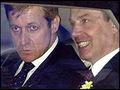
Alastair_Campbell_1Today in the UK we have reached a con­sensus that Blair’s gov­ern­ment lied to the coun­try into the Iraq war on the false premise of weapons of mass destruc­tion, and sub­sequently enabled the Bush admin­is­tra­tion to do the same in the USA, hyp­ing up the threat of a nuc­le­ar Iraq using false intel­li­gence provided by MI6.

Mil­lions of people marched then, and mil­lions of people con­tin­ue to protest against the ongo­ing engorge­ment of the military/intelligence com­plex, but noth­ing ever seems to change.  It’s demo­crat­ic­ally dis­em­power­ing and an ener­vat­ing exper­i­ence.  What can we do about it?

I have a couple of sug­ges­tions (The New Stuff), but first let’s look at some of the most egre­gious cur­rent fake realities.

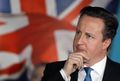
David_CameronLast year we had the spec­tacle of the cur­rent No 10 incum­bent, Dave Camer­on, stat­ing that the Liby­an inter­ven­tion would be noth­ing like Iraq — it would be “neces­sary, leg­al and right”. But there was no sub­sequent joined-up think­ing, and Blair and his cronies have still not been held to account for the Iraq gen­o­cide, des­pite prima facie breaches of inter­na­tion­al war law and of the Offi­cial Secrets Act.…

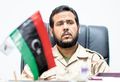
Abdelhakim-BelhajBut help might be at hand for those inter­ested in justice, cour­tesy of Abdel Hakim Bel­haj, former Liby­an Islam­ic Fight­ing Group lead­er, MI6 kid­nap­ping and tor­ture vic­tim, and cur­rent mil­it­ary com­mand­er in Tripoli.

After NATO’s human­it­ari­an bomb­ing of Libya last year and the fall of Gad­dafi’s régime, some ser­i­ously embar­rass­ing paper­work was found in the aban­doned office of Liby­an For­eign Min­is­ter and former spy head honcho, Musa Kusa (who fled to the UK and sub­sequently on to Qatar).

These let­ters, sent in 2004 by former MI6 Head of Ter­ror­ism and cur­rent BP con­sult­ant, Sir Mark Allen, gloat­ingly offer up the hap­less Bel­haj to the Liby­ans for tor­ture.  It almost seems like MI6 wanted a gold star from their new best­est friends.

Bel­haj, under­stand­ably, is still slightly peeved about this and is now suing MI6. As a res­ult, a frantic dam­age-lim­it­a­tion exer­cise is going on, with MI6 try­ing to buy his silence with a mil­lion quid, and scat­ter­ing unat­trib­uted quotes across the Brit­ish media: “it was­n’t us, gov, it was the, er, government.…”.

Which drops either (or both) Tony Blair and Jack Straw eye­brow-deep in the stink­ing cesspit. One or oth­er of them should have signed off on Bel­haj’s kid­nap­ping, know­ing he would be tor­tured in Tripoli. Or per­haps they actu­ally are inno­cent of this.…. but if they did­n’t sign off on the Bel­haj extraordin­ary kid­nap­ping, then MI6 was run­ning rampant, work­ing out­side the law on their watch.

Either way, there are ser­i­ous ques­tions to be answered.

Jack_StrawBoth these upstand­ing politi­cians are, of course, suf­fer­ing from polit­ic­al amne­sia about this case. In fact, Jack Straw, the For­eign Sec­ret­ary at the time of the kid­nap­ping, has said that he can­not have been expec­ted to know everything the spies got up to — even though that was pre­cisely his job, as he was respons­ible for them under the terms of the Intel­li­gence Secur­ity Act 1994, and should cer­tainly have had to clear an oper­a­tion so polit­ic­ally sensitive.

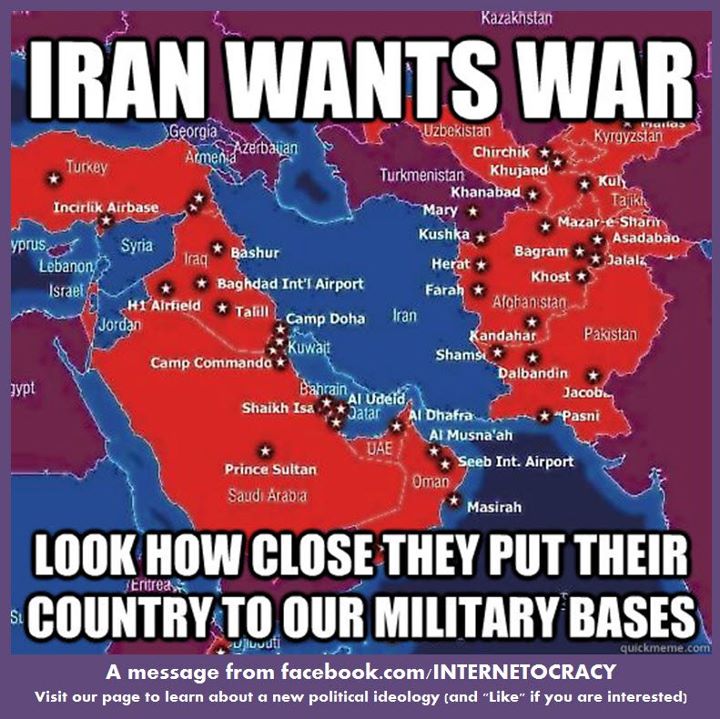
In the wake of Afgh­anistan, Iraq and Libya, what wor­ries me now is that exactly the same reas­ons, with politi­cians mouth­ing exactly the same plat­it­ud­in­ous “truths”, are being pushed to jus­ti­fy an increas­ingly inev­it­able strike against Iran.

Depress­ing as this all is, I would sug­gest that protest­ing each new, indi­vidu­al war is not the neces­sar­ily the most effect­ive response.  Just as the world’s mar­kets have been glob­al­ised, so mani­festly to the bene­fit of all we 99%-ers, have many oth­er issues.

Unlike Dave Camer­on, we need to apply some joined-up think­ing.  Glob­al protest groups need to counter more than indi­vidu­al wars in Iraq, Afgh­anistan, Pakistan, Somalia, Libya, Sudan (North and South), Syr­ia, Iran.….. sorry, I’m get­ting writer­’s cramp just enu­mer­at­ing all the cur­rent wars.

Give me a while to over­come my mor­al spasm, and I shall return with a few sug­ges­tions about pos­sible ways for­ward — 21st Cen­tury Paci­fism; the New Stuff.

Iran_and_US_bases

The Scandinavian Tour 2012

I had an immensely stim­u­lat­ing time dur­ing my recent mini-tour of Scand­inavi­an invest­ig­at­ive journ­al­ism con­fer­ences, meet­ing informed, inter­est­ing, and inter­ested people.

The focus of my talks was the nex­us between the intel­li­gence world and the media — les­sons I had learned, researched and deduced dur­ing the whis­tleblow­ing years and bey­ond.  I have heard so many hair-rais­ing media stor­ies over the years.…

And, hav­ing listened to the exper­i­ences of journ­al­ists from a wide vari­ety of oth­er coun­tries, it seems I am on the right track.

Grav_talkFirst stop was the Grav con­fer­ence in Sweden, where I gave a talk and had the pleas­ure of meet­ing invest­ig­at­ive journ­al­ists who con­firmed what I was say­ing, even if some of them did­n’t think I had quite gone far enough!  We also had fun at the “min­gel” evening.

Next stop, next day, was the SKUP con­fer­ence in Nor­way where I did a talk, and also a debate about the media and whis­tleblowers.  Note to self: nev­er, ever agree to do a morn­ing debate after the legendary SKUP party the night before.

Finally, last week­end, I vis­ited the Tutki 2012 journ­al­ism con­fer­ence in Fin­land (Down­load Helsinki_Talk).  The response was over­whelm­ingly pos­it­ive, and once again I had con­firm­a­tion of what I was say­ing from the journ­al­ists themselves.

So what can we do about this situ­ation?  I shall keep spread­ing the word, and the journ­al­ists them­selves just need to keep say­ing a resound­ing “no” to the induce­ments, at least if they want to work on mean­ing­ful invest­ig­a­tions.  And what real journ­al­ist does­n’t, au fond?

Next stop Geneva, which is why I’m limber­ing up with the French.

A blast from the past

How strange to stumble across this art­icle in the Guard­i­an news­pa­per yes­ter­day, which describes a journ­al­ist’s jus­ti­fi­ably para­noid exper­i­ences inter­view­ing Dav­id Shayler and me back in 2000 while writ­ing an art­icle for Esquire magazine.

The author, Dr Eamonn O’Neill, now a lec­turer in journ­al­ism at Strath­clyde Uni­ver­sity, spent a few days with us in Lon­don and Par­is way back when.

Shayler_Esquire_2000The Esquire art­icle high­lights the para­noia and sur­veil­lance that we had to live with at the time, and the con­tra­dict­ory brief­ings and slanders that were com­ing out of the Brit­ish estab­lish­ment and the media. O’Neill also intel­li­gently tries to address the motiv­a­tions of a whistleblower.

When it was pub­lished I was mildly uncom­fort­able about this art­icle — I felt it did­n’t do Dav­id full justice, nor did it appear to get quite to the heart of the issues he was dis­cuss­ing.  I sup­pose, at the time, I was just too enmeshed in the whole situation.

Now, with hind­sight, it is more per­spic­a­cious than I had thought.  And rather sad.

This art­icle is a timely remind­er of how vicious the estab­lish­ment can be when you cause it embar­rass­ment and pain; the treat­ment meted out to Dav­id Shayler was bru­tal.  And yet noth­ing has changed to this day, as we can see with the ongo­ing pur­suit and vili­fic­a­tion of Wikileaks.

And now to Finland.…

Tutki2012_logoMy grand tour around Scand­inavia con­tin­ues next week­end, when I shall be giv­ing the open­ing key­note at the Tutki!2012 invest­ig­at­ive journ­al­ism con­fer­ence in Hel­sinki.  Look­ing for­ward to the conference!

Talks in Sweden and Norway

Off on my travels again at the end of the week, with two key­notes at Scand­inavi­an journ­al­ism conferences.

Grav_logo I shall first be speak­ing at the Grav con­fer­ence in Sweden on Fri­day 23 March.

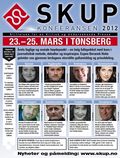
SKUP_2012Top­ics under dis­cus­sion will include everything from secur­ity and intel­li­gence to the war on ter­ror, civil liber­ties to eth­ics and media freedoms, gov­ern­ment account­ab­il­ity to whis­tleblow­ing and Wikileaks.

On Sat­urday I travel on to Nor­way to speak at the SKUP con­fer­ence to give a talk and also on Sunday morn­ing to par­ti­cip­ate in a pan­el dis­cus­sion about all things whis­tleblow­ing and Wikileaks. I gath­er that such dis­cus­sions can get quite, um, lively.

I’m look­ing for­ward to an inter­est­ing and stim­u­lat­ing weekend.

Cops Take Pro-Legalization Message to UN War on Drugs Meeting

LEAP_logo

Law Enfor­cers Say End­ing Pro­hib­i­tion Will Improve Glob­al Secur­ity & Human Rights

VIENNA, AUSTRIA – Judges, pro­sec­utors and jail­ers who sup­port leg­al­iz­ing drugs are bring­ing their mes­sage to the United Nations Com­mis­sion on Nar­cot­ic Drugs meet­ing next week in Vienna. At the U.N. ses­sion, which comes just days after the Obama admin­is­tra­tion stepped-up its attempts to coun­ter­act the emer­ging anti-pro­hib­i­tion sen­ti­ment among sit­ting pres­id­ents in Lat­in Amer­ica, the pro-leg­al­iz­a­tion law enforce­ment offi­cials will work to embolden nation­al del­eg­a­tions from around the world to push back against the U.S.-led failed “war on drugs.”

VanwicklerRichard Van Wick­ler, a cur­rently-serving jail super­in­tend­ent who will be rep­res­ent­ing Law Enforce­ment Against Pro­hib­i­tion (LEAP) in Vienna, says, “World lead­ers who believe we could bet­ter handle drug prob­lems by repla­cing crim­in­al­iz­a­tion with leg­al con­trol are becom­ing less and less afraid of U.S. repris­al for speak­ing out or reform­ing their nations’ policies. And for good reason.”

Van Wick­ler, who has was named 2011’s Cor­rec­tions Super­in­tend­ent of the Year by the New Hamp­shire Asso­ci­ation of Counties, explains, “Voters in at least two U.S. states will be decid­ing on meas­ures to leg­al­ize marijuana this Novem­ber. It would be pure hypo­crisy for the Amer­ic­an fed­er­al gov­ern­ment to con­tin­ue force­fully push­ing a rad­ic­al pro­hib­i­tion­ist agenda on the rest of the world.”

In recent weeks, Pres­id­ents Otto Perez Molina of Guatem­ala, Juan Manuel San­tos of Colom­bia, Laura Chinchilla of Costa Rica and Felipe Cal­der­on of Mex­ico have added their voices to the call for a ser­i­ous con­ver­sa­tion on altern­at­ives to drug pro­hib­i­tion, caus­ing U.S. Vice Pres­id­ent Joe Biden to travel to Lat­in Amer­ica this week in an unsuc­cess­ful attempt to quash the debate.

GierachFormer Chica­go drug pro­sec­utor James Gier­ach, recently a fea­tured speak­er at a con­fer­ence in Mex­ico City last month atten­ded by the first lady of Mex­ico and the former pres­id­ents of Colom­bia and Brazil, says, “The unend­ing cycle of car­tel viol­ence caused by the pro­hib­i­tion mar­ket has turned a steady trickle of former elec­ted offi­cials cri­ti­ciz­ing pro­hib­i­tion into a flood of sit­ting pres­id­ents, busi­ness lead­ers and law enforce­ment offi­cials call­ing for an out­right dis­cus­sion about leg­al­iz­a­tion. It’s time for the U.S. and the U.N. to acknow­ledge that leg­al con­trol, rather than crim­in­al­iz­a­tion, is a much bet­ter way to man­age our drug prob­lems. The world can have either drug pro­hib­i­tion, viol­ence and cor­rup­tion or it can have con­trolled drug leg­al­iz­a­tion with safe streets and mor­al fab­ric, but it can­’t have both.”

The UN meet­ing in Vienna is an annu­al oppor­tun­ity for nations around the world to re-eval­u­ate drug con­trol strategies and treat­ies. More inform­a­tion about the meet­ing is here

In recent years, coun­tries like Por­tugal and Mex­ico have made moves to sig­ni­fic­antly trans­form crim­in­al­iz­a­tion-focused drug policies into health approaches by fully decrim­in­al­iz­ing pos­ses­sion of small amounts of all drugs. Still, no coun­try has yet to leg­al­ize and reg­u­late the sale of any of these drugs. Doing so, the pro-leg­al­iz­a­tion law enfor­cers point out, would be the only way to pre­vent viol­ent transna­tion­al crim­in­al organ­iz­a­tions from profit­ing in the drug trade.

Maria.KaramAlso attend­ing the con­fer­ence on behalf of LEAP will be former Brazili­an judge Maria Lucia Karam and former UK MI5 intel­li­gence officer Annie Machon.

Law Enforce­ment Against Pro­hib­i­tion (LEAP) rep­res­ents police, pro­sec­utors, judges, FBI/DEA agents and oth­ers who sup­port leg­al­iz­a­tion after fight­ing on the front lines of the “war on drugs” and learn­ing firsthand that pro­hib­i­tion only serves to worsen addic­tion and viol­ence. More info can be found here.

CONTACT:

Tom Angell: 001 202 557‑4979 or media@leap.cc

Shaleen Title: 001 617 955‑9638 or speakers@leap.cc

Subversion” old and new

Abu_Qatada_CartoonAn inter­est­ing art­icle in yes­ter­day’s Tele­graph by polit­ic­al com­ment­at­or Peter Oborne about Abu Qatada.  This case has caused much sound and fury amongst the Brit­ish polit­ic­al and media classes over the last couple of days.  Oborne’s art­icle strips out the bom­bast and takes us back to basic prin­ciples — as did this oth­er recent art­icle in the Inde­pend­ent a day or two ago by Christina Patterson.

How­ever, what really grabbed my atten­tion in Oborne’s art­icle was his ref­er­ence to Dav­id Max­well Fyfe, the Brit­ish politi­cian and law­yer who was tasked by Sir Win­ston Churchill to lay the found­a­tions of the European sys­tem of human rights after the atro­cit­ies of World War Two — a peri­od when the need for basic rights was seared into people’s minds.

Maxwell_FyfeWhile Max­well Fyfe laid some good found­a­tions for European law, his name also has res­on­ance to all who worked for the UK domest­ic Secur­ity Ser­vice, MI5, dur­ing or in the imme­di­ate after­math of the Cold War.  It was Max­well Fyfe’s dir­ect­ive, issued in 1952, that was instru­ment­al in allow­ing MI5 to spy on Brit­ish polit­ic­al act­iv­ists sub­vers­ives.  This dir­ect­ive remained in place until 1989, when MI5 was placed on a leg­al foot­ing for the first time in its then 80 year his­tory, with the Secur­ity Ser­vice Act 1989. Here is a seg­ment about the Max­well Fyfe dir­ect­ive from my old book, “Spies, Lies and Whis­tleblowers”:

Back­ground to subversion

At this time MI5 was still using the same cri­ter­ia for record­ing indi­vidu­al sub­vers­ives and their sym­path­isers as was set out by Home Sec­ret­ary Dav­id Max­well-Fyfe in 1952.  He called on the ser­vices to identi­fy any indi­vidu­al engaged in under­min­ing Par­lia­ment­ary demo­cracy, nation­al secur­ity and/or the eco­nom­ic well-being of the UK by viol­ent, indus­tri­al or polit­ic­al means.  In fact, many would argue that groups who used only polit­ic­al means to get their point across were merely exer­cising their demo­crat­ic rights.  In fact, MI5 used pho­tos of demon­stra­tions, cop­ies of elec­tion lists and even lists of sub­scribers to rad­ic­al left-wing book clubs as indic­at­ors of sub­vers­ive sym­pathy and mem­ber­ship.  Of course, the world was a very dif­fer­ent place when I joined the sec­tion, almost 40 years after Maxwell-Fyfe’s declar­a­tion, not least because of the dis­in­teg­ra­tion of the Soviet Uni­on and its East­ern bloc allies. 

TrotskyFrom Maxwell-Fyfe’s state­ment to Par­lia­ment, which was nev­er made law, MI5 and sub­sequent gov­ern­ments used to argue that all mem­bers of cer­tain parties –such as the Com­mun­ist Party of Great Bri­tain (CPGB) or later the bewil­der­ing array of Trot­sky­ists, with names like the Inter­na­tion­al Marx­ist Group (IMG), Work­ers’ Revolu­tion­ary Party (WRP) Major and Minor, Revolu­tion­ary Com­mun­ist Party (RCP) and Revolu­tion­ary Com­mun­ist Group (RCG), anarch­ists and the extreme right — were threats to the secur­ity of the state or our demo­crat­ic sys­tem.  This in itself is a con­ten­tious pro­pos­i­tion.  None of these Trot­sky­ist groups was cul­tiv­at­ing East­ern bloc fin­ance or build­ing bombs in smoky back rooms, but were instead using legit­im­ate demo­crat­ic meth­ods to make their case, such as stand­ing in elec­tions, organ­ising demon­stra­tions and edu­cat­ing ‘the work­ers’.  They cer­tainly had no alle­gi­ance to a for­eign power, the primary rais­on d’etre for the invest­ig­a­tion of sub­ver­sion, because, unlike the Com­mun­ist Party, they abhorred the East­ern bloc.

Greenham-commonSince MI5 was effect­ively invest­ig­at­ing indi­vidu­als for hold­ing opin­ions the gov­ern­ment did not like — a very un-Brit­ish pos­i­tion — it was always at pains to point out that it took its respons­ib­il­it­ies with regard to human rights very ser­i­ously, although not ser­i­ously enough to ensure that these activ­it­ies were reg­u­lated by a leg­al frame­work.  All the service’s phone taps pri­or to the passing of the Inter­cep­tion of Com­mu­nic­a­tions Act (IOCA) in 1985 were unlaw­ful because there was no legis­la­tion gov­ern­ing the inter­cep­tion of communications.”

The dir­ect­ive was not a leg­ally bind­ing doc­u­ment, but it was the basis for the work of F Branch, MI5’s massive sec­tion tasked with hunt­ing “sub­vers­ives” dur­ing those dec­ades.  It allowed intel­li­gence officers great lat­it­ude in inter­pret­ing what was deemed sub­vers­ive activ­ity and who were “legit­im­ate’ tar­gets.  And yet there were many, many instances of the abuse of this sys­tem by para­noid, seni­or intel­li­gence officers over the years.  More inform­a­tion can be found in this chapter on sub­ver­sion from the book.

So my point is, yes, Bri­tain ostens­ibly led the way in devel­op­ing a sys­tem to pro­tect human rights in the after­math of the Second World War.  But the very archi­tect of that sys­tem then pro­duced the dir­ect­ive that gave Brit­ish spies carte blanche to invest­ig­ate polit­ic­al dis­sid­ents with­in their own coun­try, which they abused for decades.

Mark_KennedyAnd now we have com­ment­at­ors rightly say­ing that we should uphold basic human rights’ val­ues in cases such as Abu Qatada.  But what about all the UK act­iv­ists who were illeg­ally invest­ig­ated by MI5 from 1952 to the 1990s? And, more per­tin­ently today, what about all the act­iv­ists and pro­test­ers who have been aggress­ively spied upon by the unac­count­able, under­cov­er police of the NPOIU since the 1990s, under the illeg­al cat­egory of “domest­ic extrem­ists”?

I was heartened to see 87 year old artist and peace act­iv­ist John Catt is suing the NPOIU for intrus­ive sur­veil­lance over the last 6 years.  Per­haps he should quote Max­well Fyfe on human rights dur­ing his case?

One man’s terrorist is another man’s activist

Here we go again.  In this heart­warm­ing art­icle in today’s Guard­i­an news­pa­per, Brit­ish MPs on the Home Affairs Com­mit­tee have decided that the inter­net is the most sig­ni­fic­ant factor in the rad­ic­al­isa­tion of viol­ent extrem­ists and con­clude that Some­thing Must Be Done.

One para­graph leapt out at me:

The Com­mons home affairs com­mit­tee says inter­net ser­vice pro­viders need to be as effect­ive at remov­ing mater­i­al that pro­motes viol­ent extrem­ism as they are in remov­ing con­tent that is sexu­al or breaches copy­right.” (My emphasis.)

Anti_SOPA_cartoonMost of us are aware of the recent dog­fight in the US about the pro­posed SOPA and PIPA laws to crack down on copy­right infringe­ment and, as a res­ult, there is a some­what belated but stead­ily increas­ing out­cry in Europe about the immin­ent impos­i­tion of ACTA across the continent. 

I have writ­ten before about how such laws provide the mil­it­ary-intel­li­gence com­plex with the per­fect stalk­ing horse for a pan­op­tic sur­veil­lance state, and the cam­paign­ing writer, Cory Doc­torow, summed it up beau­ti­fully when he wrote that “you can­’t make a sys­tem that pre­vents spy­ing by secret police and allows spy­ing by media giants”.

And, lo, it is now appar­ently com­ing to pass.  The Par­lia­ment­ary half-wits are now pro­pos­ing to use com­mer­cial legis­la­tion such as the utterly undemo­crat­ic ACTA as a bench­mark for coun­ter­ing poten­tial ter­ror­ists and extrem­ists.  Might they have failed to notice the pleth­ora of exist­ing counter-ter­ror­ism and eaves­drop­ping legis­la­tion, put in place for this very pur­pose and already much used and abused by a wide range of pub­lic bod­ies in the UK?

This yet again high­lights the mis­sion-creepy Big Broth­er cor­por­at­ist group-think.  Rather than hav­ing to spell it out in bor­ing old lin­ear text, here is some use­ful link­age — what I like to think of as 3‑D writing: 

Pro­test­er = act­iv­ist = domest­ic extrem­ist = viol­ent extrem­ist = ter­ror­ist  

G20_kettling

I’m sure you can see where I am head­ing.  To name but a few notori­ous abuses, we already live in a world where west­ern gov­ern­ments and spy agen­cies col­lude in the kid­nap­ping, tor­ture and assas­sin­a­tion of alleged ter­ror­ist sus­pects; the NDAA now endorses these prac­tices with­in the US; Brit­ish police spy on inno­cent protest groups for years; legit­im­ate pro­test­ers can be “kettled”, beaten up and maced; act­iv­ists can be pre-empt­ively arres­ted as eas­ily in the UK as in Syr­ia; and where Amer­ic­an politi­cians want to des­ig­nate the high-tech pub­lish­ing organ­isa­tion Wikileaks as a ter­ror­ist group.

There is an old aph­or­ism that one man’s ter­ror­ist was anoth­er man’s free­dom fight­er.  I think the time has come for an update:

One man’s ter­ror­ist is anoth­er man’s activist. 

And we are all increas­ingly at risk.