European Parliament LIBE Inquiry on Electronic Mass Surveillance of EU Citizens

Below is some back­ground mater­i­al from my sub­mis­sion to the European Par­lia­ment’s LIBE Com­mit­tee on the implic­a­tions of the NSA scandal.

Here is a video link to the hear­ing.

LIBE Com­mit­tee Inquiry on Elec­tron­ic Mass Sur­veil­lance of EU Cit­izens, European Par­lia­ment, 30th Septem­ber 2013

Bio­graphy:

Annie Machon was an intel­li­gence officer for the UK’s MI5 in the 1990s, before leav­ing to help blow the whistle on the crimes and incom­pet­ence of the Brit­ish spy agen­cies.  As a res­ult she and her former part­ner had to go on the run around Europe, live in exile in France, face arrest and impris­on­ment, and watch as friends, fam­ily and journ­al­ists were arrested.

She is now a writer, media com­ment­at­or, polit­ic­al cam­paign­er, and inter­na­tion­al pub­lic speak­er on a vari­ety of related issues: the war on ter­ror­ism, the war on drugs, the war on whis­tleblowers, and the war on the inter­net.  In 2012 she star­ted as a Dir­ect­or of LEAP in Europe (www​.leap​.cc).

Annie has an MA (Hons) Clas­sics from Cam­bridge University.

Back­ground material:

Recom­mend­a­tions:

  • Mean­ing­ful par­lia­ment­ary over­sight of intel­li­gence agen­cies, with full powers of invest­ig­a­tion, at both nation­al and European levels.
  • These same demo­crat­ic bod­ies to provide a legit­im­ate chan­nel for intel­li­gence whis­tleblowers to give their evid­ence of mal­feas­ance, with the clear and real­ist­ic expect­a­tion that a full inquiry will be con­duc­ted, reforms applied and crimes punished.
  • Insti­tute a dis­cus­sion about the leg­al defin­i­tion of nation­al secur­ity, what the real threats are to the integ­rity of nation states and the EU, and estab­lish agen­cies to work with­in the law to defend just that. This will halt inter­na­tion­al intel­li­gence mis­sion creep.
  • EU-wide imple­ment­a­tion of the recom­mend­a­tions in the Ech­el­on Report (2001):
  1. to devel­op and build key infra­struc­ture across Europe that is immune from US gov­ern­ment­al and cor­por­at­ist sur­veil­lance; and
  2. Ger­many and the United King­dom are called upon to make the author­isa­tion of fur­ther com­mu­nic­a­tions inter­cep­tion oper­a­tions by US intel­li­gence ser­vices on their ter­rit­ory con­di­tion­al on their com­pli­ance with the ECHR (European Con­ven­tion on Human Rights).”
  • The duty of the European par­lia­ment is to the cit­izens of the EU.  As such it should act­ively pur­sue tech­no­logy policies to pro­tect the pri­vacy and basic rights of the cit­izens from the sur­veil­lance of the NSA and its vas­sals; and if it can­not, it should warn its cit­izens abut this act­ively and edu­cate them to take their own steps to pro­tect their pri­vacy (such as no longer using cer­tain Inter­net ser­vices or learn­ing to use pri­vacy enhan­cing tech­no­lo­gies). Con­cerns such as the trust Europeans have in ‘e‑commerce’ or ‘e‑government’ as men­tioned by the European Com­mis­sion should be sec­ond­ary to this con­cern at all times.
  • Without free media, where we can all read, write, listen and dis­cuss ideas freely and in pri­vacy, we are all liv­ing in an Orwellian dysto­pia, and we are all poten­tially at risk. These media must be based on tech­no­lo­gies that empower indi­vidu­al cit­izens, not cor­por­a­tions or for­eign gov­ern­ments. The Free Soft­ware Found­a­tion has been mak­ing these recom­mend­a­tions for over two decades.
  • The cent­ral soci­et­al func­tion of pri­vacy is to cre­ate the space for cit­izens to res­ist the viol­a­tion of their rights by gov­ern­ments and cor­por­a­tions. Pri­vacy is the last line of defense his­tor­ic­ally against the most poten­tially dan­ger­ous organ­isa­tion that exists: the nation state. There­fore there is no ‘bal­ance between pri­vacy and secur­ity’ and this false dicho­tomy should not be part of any policy debate.

The Culture High

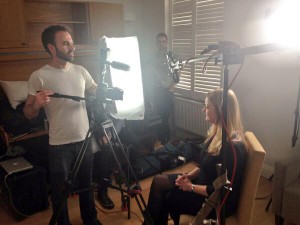
Culture_High_InterviewI had a fab­ulous time doing an inter­view on behalf of LEAP for the new anti-pro­hib­i­tion film, The Cul­ture High.

Made by Adam Scor­gie, who dir­ec­ted the cult film, The Uni­on, his new work prom­ises to be the film on the sub­ject of can­nabis pro­hib­i­tion.  Thanks to the team for a wide-ran­ging, lively and stim­u­lat­ing interview.

If you want to sup­port their work, click here.  And the film will be released next summer.

Riga Talk about Spies, Whistleblowers and the Media

Last week I was invited to dis­cuss the con­trol of the media by the spies and the gov­ern­ment appar­at­us by the Centre for Media Stud­ies at the Stock­holm School of Eco­nom­ics in Riga. Many thanks to Hans, Anders and the team for invit­ing me, and to Inese Voika , the Chair of Trans­par­ency Inter­na­tion­al in Latvia, for set­ting the scene so well.

I focused par­tic­u­larly on how journ­al­ists can work with and pro­tect whistleblowers:

Whis­tleblow­ing is the New Rock and Roll from Annie Machon on Vimeo.

International Day of Privacy, Berlin Demo

The Inter­na­tion­al Day of Pri­vacy was cel­eb­rated glob­ally on 31 August, with the cases of Chelsea Man­ning and Edward Snowden bring­ing extra energy and res­on­ance to the subject.

I was invited take part in a demon­stra­tion in Ber­lin, cul­min­at­ing with a talk at the hugely sym­bol­ic Branden­burg Gate. Here’s the talk:

OHM 2013 — The Great Spook Panel

Finally the videos from the whis­tleblower track at the August inter­na­tion­al geek­fest OHM 2013 in the Neth­er­lands are begin­ning to emerge. Here’s one of the key ses­sions, the Great Spook Pan­el, with ex-CIA Ray McGov­ern, ex-FBI Coleen Row­ley, ex-NSA Tom Drake, ex-Depart­ment of Justice Jes­selyn Radack, and myself.

We came togeth­er to show, en masse, that whis­tleblow­ing is done for the demo­crat­ic good, to dis­cuss the (fright­en­ingly sim­il­ar) exper­i­ences we all went through, and to show that whis­tleblowers can sur­vive the pro­cess, build new lives, and even poten­tially thrive.

Here is a great art­icle about the whis­tleblowers at OHM by Silkie Carlo (@silkiecarlo) for Vice Magazine.

With the recent cases of Chelsea Man­ning, Wikileaks and Edward Snowden, respect to the OHM organ­isers who saw the rel­ev­ance of this event so far ahead.

RT interview on Manning sentencing

Here is my most recent RT inter­view, live as Chelsea Man­ning was sen­tenced to 35 years in a US pris­on for blow­ing the whistle and expos­ing war crimes:

RT Inter­view about Man­ning sen­ten­cing from Annie Machon on Vimeo.

Another abuse of UK terrorism laws

First pub­lished on RT Op-Edge.

Dav­id Mir­anda had just spent a week in Ber­lin, before fly­ing back to his home coun­try, Brazil, via Lon­don’s Heath­row air­port. As he attemp­ted to trans­it on to his flight home — not enter the UK, mind you, just make an inter­na­tion­al con­nec­tion —  he was pulled to one side by the UK’s bor­der secur­ity officers and ques­tioned for nine hours, as well as hav­ing all his tech­nic­al equip­ment confiscated.

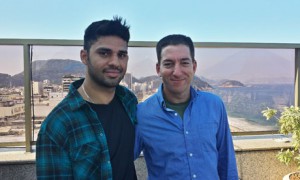
Glenn Greenwald and his partner David MirandaHe was detained for the max­im­um peri­od allowed under the dra­coni­an terms of Sched­ule 7 of the UK’s Ter­ror­ism Act (2000).  His appar­ent “crime”? To be the part­ner of cam­paign­ing journ­al­ist Glenn Gre­en­wald who broke the Edward Snowden whis­tleblow­ing stories.

Mir­anda’s deten­tion has caused out­rage, rightly, around the world. Dip­lo­mat­ic rep­res­ent­a­tions have been made by the Brazili­an gov­ern­ment to the Brit­ish, UK MPs are ask­ing ques­tions, and The Guard­i­an news­pa­per (which is the primary pub­lish­er of  Gre­en­wald’s stor­ies), has sent in the lawyers.

This epis­ode is troub­ling on so many levels, it is dif­fi­cult to know where to begin.

Magna_CartaFirstly, the Ter­ror­ism Act (2000) is designed to invest­ig­ate, er, ter­ror­ism — at least, so you would think. How­ever it is all too easy for mis­sion creep to set in, as I have been say­ing for years.  The defin­i­tion of ter­ror­ism has expan­ded to cov­er act­iv­ists, plac­ard wavers, and pro­test­ers as well as, now appar­ently, the part­ners of journ­al­ists.  The old under­stand­ing of due leg­al pro­cess is merely yet anoth­er quaint, Brit­ish arte­fact like the Magna Carta and habeas cor­pus.

In the UK we now have secret courts cov­er­ing all things “nation­al secur­ity”, we have per­vas­ive Big Broth­er sur­veil­lance as exem­pli­fied by GCHQ’s TEMPORA pro­gramme, and we have our spies involved in kid­nap­ping and tor­ture.

So Sched­ule 7 of the Ter­ror­ism Act is just anoth­er small nail in the coffin of his­tor­ic Brit­ish freedoms. Under its terms, any­one can be pulled aside, detained and ques­tioned by bor­der secur­ity guards if they are “sus­pec­ted of” involve­ment in, the com­mis­sion­ing of, or fin­an­cial sup­port for ter­ror­ism. The detain­ee is not allowed to speak to a law­yer, nor are they allowed not to answer ques­tions, on pain of crim­in­al pro­sec­u­tion. Plus their prop­erty can be indef­in­itely seized and ran­sacked, includ­ing com­puters, phones, and oth­er gadgets.

Under Sched­ule 7 people can be ques­tioned for a max­im­um of 9 hours. After that, the author­it­ies either have to apply for a form­al exten­sion, charge and arrest, or release. Accord­ing to a UK gov­ern­ment doc­u­ment, 97% people are ques­tioned for less than 1 hour then released and only 0.06% are held for six hours.  Mir­anda was held up until the last minute of the full nine hours before being released without charge.

Secondly, this abuse of power dis­plays all too clearly the points that Edward Snowden has dis­closed via Gre­en­wald about a bur­geon­ing and out-of-con­trol sur­veil­lance state. The deten­tion of Mir­anda dis­plays all the obsess­ive vin­dict­ive­ness of a wounded secret state that is buzz­ing around, angry as a wasp. Snowden has the pro­tec­tion of the only state cur­rently with the power to face down the brute might of US “dip­lomacy”, and Gre­en­wald still has the shreds of journ­al­ist pro­tec­tions around him.

Friends and part­ners, how­ever, can be seen as fair game.

I know this from bit­ter per­son­al exper­i­ence. In 1997 former MI5 intel­li­gence officer, Dav­id Shayler, blew the whistle on a whole range of UK spy crimes: files on gov­ern­ment min­is­ters, illeg­al phone taps, IRA bombs that could have been pre­ven­ted, inno­cent people in pris­on, and an illeg­al MI6 assas­sin­a­tion plot against Gad­dafi, which went wrong and inno­cent people died.

Work­ing with a major UK news­pa­per and with due respect for real nation­al secrets, he went pub­lic about these crimes.  Pre-empt­ively we went on the run togeth­er, so that we could remain free to argue about and cam­paign around the dis­clos­ures, rather than dis­ap­pear­ing into a max­im­um secur­ity pris­on for years. After a month on the run across Europe, I returned to the UK to work with our law­yers, see our trau­mat­ised fam­il­ies, and pack up our smashed-up, police-raided flat.

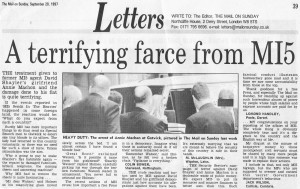
Annie_arrest_BWIn Septem­ber 1997 I flew back with my law­yer from Spain to Lon­don Gatwick. I knew that the Met­ro­pol­it­an Police Spe­cial Branch wanted to inter­view me, and my law­yer had nego­ti­ated this ahead of my travel.  Des­pite this, I was arres­ted at the immig­ra­tion desk by six heav­ies, and car­ted off to a counter-ter­ror­ism suite at Char­ing Cross police sta­tion in cent­ral Lon­don, where I was inter­rog­ated for six hours.

At that point I had done noth­ing more than sup­port Dav­id. As anoth­er ex-MI5 officer I agreed that the spies needed great­er over­sight and account­ab­il­ity, but actu­ally my arrest was because I was his girl­friend and going after me would be lever­age against him. But is got worse — two days later Shayler­’s two best friends and his broth­er were arres­ted on flag­rantly trumped-up charges. None of us was ever charged with any crime, but we were all kept on police bail for months.

Look­ing back, our treat­ment was designed to put more pres­sure on him and “keep him in his box” — it was pure intim­id­a­tion. Journ­al­ists and stu­dents were also threatened, har­assed, and in one case charged and con­victed for hav­ing the temer­ity to expose spy crimes dis­closed by Shayler. To this day, none of the crim­in­als in the UK intel­li­gence agency has ever been charged or convicted.

So the threats and intim­id­a­tion around the Snowden case, and the deten­tion of Gre­en­wald’s part­ner, are old, old tac­tics. What is new is the sheer scale of blatant intim­id­a­tion, the sheer bru­tish force. Des­pite the full glare of glob­al inter­net and media cov­er­age, the US and UK spooks still think they can get away with this sort of intim­id­a­tion. Will they? Or will we, the glob­al cit­izenry, draw a line in the sand?

Oh, and let’s not for­get the sheer hypo­crisy as well — the US con­demns Snowden for seek­ing refuge in Rus­sia, and cas­tig­ates that coun­try for its civil rights record on cer­tain issues. Be that as it may, the US estab­lish­ment should look to the log in its own eye first — that one of its young cit­izens faces the death sen­tence or life-long incar­cer­a­tion for expos­ing (war) crimes against the glob­al com­munity as well as the coun­try’s own constitution.

There is an inter­na­tion­ally-recog­nised leg­al pre­ced­ent from the Nurem­burg Nazi tri­als after World War 2: “just fol­low­ing orders” is not a defence under any law, par­tic­u­larly when those orders lead to vic­tim­isa­tion, war crimes and gen­o­cide.  The UK bor­der guards, as well as the inter­na­tion­al intel­li­gence com­munit­ies and mil­it­ary, would do well to heed that power­ful les­son from history.

So this overzeal­ous use of a law to detain the part­ner of a journ­al­ist merely trav­el­ling through the UK should make us all pause for thought. The West has long inveighed against total­it­ari­an regimes and police states. How can they not recog­nise what they have now become? And how long can we, as cit­izens, con­tin­ue to turn a blind eye?

Keeping Abreast of Privacy Issues

In the wake of the Edward Snowden dis­clos­ures about endem­ic glob­al sur­veil­lance, the rather thread­bare old argu­ment about “if you have done noth­ing wrong and have noth­ing to hide, you have noth­ing to fear” has been trot­ted out by many Big Broth­er apologists.

But it’s not about doing any­thing wrong, it’s about hav­ing an enshrined right to pri­vacy — as recog­nised in the Uni­ver­sal Declar­a­tion of Human Rights agreed in 1948.  And this was enshrined in the wake of the hor­rors of World War 2, and for very good reas­on.  If you are denied pri­vacy to read or listen, if you are denied pri­vacy to speak or write, and if you are denied pri­vacy about whom you meet and see, then free­dom has died and total­it­ari­an­ism has begun.

Those were the les­sons learned from the growth of fas­cism in the 1930s and 1940s.  If you lose the right to pri­vacy, you also lose the abil­ity to push back against dic­tat­or­ships, cor­rupt gov­ern­ments, and all the attend­ant horrors.

How quickly we for­get the les­sons of his­tory: not just the rights won over the last cen­tury, but those fought and died for over cen­tur­ies. We recent gen­er­a­tions in the West have grown too bloated on ease, too fin­an­cially fat and socially com­pla­cent, to fully appre­ci­ate the freedoms we are cas­u­ally throw­ing away.

body_armourSo what sparked this mini-rant? This art­icle I found in my Twit­ter stream (thanks @LossofPrivacy). It appears that a US police depart­ment in Detroit has just sent out all the tra­di­tion­ally vital stat­ist­ics of its female officers to the entire depart­ment — weight, height and even the bra size of indi­vidu­al female police officers have been shared with the staff, purely because of an email gaffe.

Well people make mis­takes and hit the wrong but­tons. So this may not sound like much, but appar­ently the women in ques­tion are not happy, and rightly so. In the still macho envir­on­ment of law enforce­ment, one can but cringe at the “josh­ing” that followed.

Put­ting aside the obvi­ous ques­tion of wheth­er we want our police officers to be tooled up like Rob­ocop, this minor débâcle high­lights a key point of pri­vacy. It’s not that one needs to hide one’s breasts as a woman — they are pretty much obvi­ous for chris­sakes — but does every­one need to know the spe­cif­ics, or is that per­son­al inform­a­tion one step too far? And as for a woman’s weight, don’t even go there.….

So these cops in Detroit, no doubt all up-stand­ing pil­lars of their com­munit­ies, might have learned a valu­able les­son. It is not a “them and us” situ­ation — the “them” being “ter­ror­ists”, act­iv­ists, com­mun­ists, lib­er­als, Teabag­gers — whatever the theme du jour hap­pens to be.

It is about a fun­da­ment­al need for pri­vacy as human beings, as the Duch­ess of Cam­bridge also dis­covered last year. This is not just about height, bra size or, god for­bid, one’s weight. This is about big­ger issues if not big­ger boobs. We all have some­thing we want kept private, be it bank state­ments, bonk­ing, or bowel movements.

How­ever, with endem­ic elec­tron­ic sur­veil­lance, we have already lost our pri­vacy in our com­mu­nic­a­tions and in our daily routines — in Lon­don it is estim­ated that we are caught on CCTV more than 300 times a day just going about our daily business.

More import­antly, in this era of fin­an­cial, eco­nom­ic and polit­ic­al crises, we are los­ing our free­dom to read and watch, to speak and meet, and to protest without fear of sur­veil­lance. It is the Stas­i’s wet dream, real­ised by those unas­sum­ing chaps (and obvi­ously the chapesses with boobs) in law enforce­ment, the NSA, GCHQ et al.

But it is not just the nation state level spies we have to worry about. Even if we think that we could not pos­sibly be import­ant enough to be on that par­tic­u­lar radar (although Mr Snowden has made it abund­antly clear that we all are), there is a bur­geon­ing private sec­tor of cor­por­ate intel­li­gence com­pan­ies who are only too happy to watch, infilt­rate and destabil­ise social, media and protest groups. “Psy­ops” and “astro-turf­ing” are ter­ri­fy­ing words for any­one inter­ested in human rights, act­iv­ism and civil liber­ties. But this is the new reality.

So, what can we do? Let’s remem­ber that most law enforce­ment people in the var­ied agen­cies are us — they want a stable job that feels val­ued, they want to provide for their fam­il­ies, they want to do the right thing. Reach out to them, and help those who do have the cour­age to speak out and expose wrong­do­ing, be it law enforce­ment pro­fes­sion­als speak­ing out against the failed “war on drugs” (such as those in LEAP) or intel­li­gence whis­tleblowers expos­ing war crimes, illeg­al sur­veil­lance and torture.

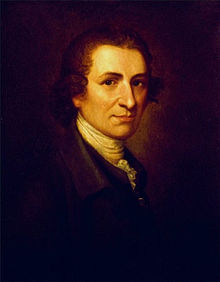
Thomas_PaineBut also have the cour­age to protest and throw the tired old argu­ment back in the faces of the secur­ity proto-tyr­ants. This is what the found­ing fath­ers of the USA did: they risked being hanged as trait­ors by the Brit­ish Crown in 1776, yet they still made a stand. Using the “sedi­tious” writ­ings of Tom Paine, who ended up on the run from the UK, they had the cour­age to speak out, meet up and fight for what they believed in, and they pro­duced a good first attempt at a work­able democracy.

Unfor­tu­nately, the USA estab­lish­ment has long been cor­rup­ted and sub­ver­ted by cor­por­at­ist interests. And unfor­tu­nately for the rest of the world, with the cur­rent geo-polit­ic­al power bal­ance, this still has an impact on most of us, and provides a clear example of how the chan­ging polit­ic­al land­scape can shift the goal posts of “accept­able” beha­viour — one day your are an act­iv­ist wav­ing a plac­ard, the next you are poten­tially deemed to be a “ter­ror­ist”.

But also remem­ber — we are all, poten­tially, Tom Paine. And as the end­less, neb­u­lous, and frankly largely bogus “war on ter­ror” con­tin­ues to rav­age the world and our demo­cra­cies, we all need to be.

In this post-PRISM world, we need to take indi­vidu­al respons­ib­il­ity to pro­tect our pri­vacy and ensure we have free media. At least then we can freely read, write, speak, and meet with our fel­low cit­izens. We need this pri­vacy to be the new res­ist­ance to the creep­ing total­it­ari­an­ism of the glob­al elites.

Read the sem­in­al books of Tom Paine (while you still can), weep, and then go forth.….

With thanks to my moth­er for the title of this piece. It made me laugh.

OHM 2013 — Geeks and Drugs

ohm2013_logoAs I have men­tioned before, the Dutch geek­fest Observe, Hack, Make (OHM 2013) was not just a chance for geeks to play with cool tech toys, the whole event also had a very strong polit­ic­al track. While there was inev­it­ably a lot of focus on whis­tleblow­ing in the wake of the Snowden dis­clos­ures, anoth­er speak­er track attrac­ted a lot of atten­tion: glob­al drug policy and the fail­ure of prohibition.

This was a track I sug­ges­ted and I was pleased that three speak­ers were giv­en the chance to dis­cuss this on the main stage. While com­ing to the sub­ject from rad­ic­ally dif­fer­ent per­spect­ives and exper­i­ences, the under­ly­ing mes­sage of all three was that the “war on drugs” was an abject fail­ure that caused massive and increas­ing harm to the glob­al population.

John Gilmore was first up. John made his dosh dur­ing the tech boom, and has since spent sig­ni­fic­ant sums try­ing to reform the failed drug policies with­in his home coun­try, the good ol’ US of A. Of course, there, it was always going to be an uphill battle.  The USA is the foun­tain head of pro­hib­i­tion, ram­ming the drug con­ven­tions of 1961, 1971, and 1988 through the United Nations by brute dip­lo­mat­ic force.

To this day, the US remains the key power ensur­ing that the UN upholds these con­ven­tions, des­pite the fact that the policy of pro­hib­i­tion has mani­festly failed, des­pite the fact that many coun­tries have exper­i­mented suc­cess­fully with harm reduc­tion and decrim­in­al­isa­tion of per­son­al use, and des­pite the fact that these laws are from a dif­fer­ent era and are wildly out of date — in the 1960s HIV and AIDS had yet to emerge, and rap­idly mutat­ing “leg­al highs” were unknown.

And let’s not for­get that the USA is the world’s biggest con­sumer coun­try of drugs. It is Amer­ica that drives this illeg­al mar­ket. And it is in Amer­ica that 20 states have leg­al­ised the medi­cin­al use of can­nabis, and two states have fully leg­al­ised the use even, gasp, purely for pleas­ure. The hypo­crisy is breathtaking.

But change is afoot. Primar­ily, I believe, because the USA no longer needs the “war on drugs” as a pre­text for invading/interfering with oth­er coun­tries, now it has the “war on ter­ror”. But also because of the excel­lent work of research and edu­ca­tion­al civil soci­ety groups. The Beckley Found­a­tion, set up by Aman­da Feild­ing in 1998, is one such.

Aman­da gave an excel­lent talk, focus­ing on the dual nature of Beckley’s work: policy and sci­entif­ic research. Her view is that sound nation­al and inter­na­tion­al policy can­not be developed unless it is based on evid­ence, research and facts. Yet the cur­rent “war on drugs” has become almost an art­icle of faith that too many politi­cians are afraid to challenge.

Beckley aims to provide the research and the facts. It funds and estab­lishes sci­entif­ic research that enables lead­ing sci­ent­ists, such as Pro­fess­or Dav­id Nutt in the UK, to research the poten­tial thera­peut­ic bene­fits of cur­rently illeg­al drugs, and also to assess the dif­fer­ent soci­et­al harms caused by all drugs, both licit and illi­cit. To date, the pro­hib­i­tion ortho­doxy has inhib­ited free sci­entif­ic research to the det­ri­ment of many people across the planet.

Aman­da was pleased to be able to announce two new research pro­jects just start­ing in the UK, into the poten­tial thera­peut­ic bene­fits of psilo­cybin (magic mush­rooms) and LSD. Beckley has also recently com­mis­sioned a cost bene­fit ana­lys­is of the leg­al­isa­tion of (only) can­nabis is the UK. The res­ults will be form­ally announced in Septem­ber, so for now I shall con­fine myself to say­ing that they are encouraging.

Using such research, Beckley is thus in a pos­i­tion to advise gov­ern­ments about devel­op­ing fact-base policy. One of the key areas of the world invest­ig­at­ing poten­tially bene­fi­cial altern­at­ives to pro­hib­i­tion is Lat­in Amer­ica, and Aman­da has developed close work­ing rela­tion­ships with a num­ber of gov­ern­ments across the region.

And under­stand­ably so — Lat­in Amer­ica, as one of the key pro­du­cer regions of the world, has been rav­aged by the drug wars. Viol­ent organ­ised crime car­tels have grown so wealthy and power­ful that they can sub­vert whole coun­tries, cor­rupt gov­ern­ments and law enforce­ment, and ter­ror­ise whole pop­u­la­tions in their quest to dom­in­ate the illeg­al drugs trade.

In Mex­ico, since the war on drugs was ramped up 7 years ago, it is estim­ated that over 70,000 inno­cent people have been kid­napped, tor­tured and killed in drug-related viol­ence. Many have simply been disappeared.

Finally I also did a talk at OHM as the European dir­ect­or of Law Enforce­ment Against Pro­hib­i­tion (LEAP).

LEAP is a unique voice in the glob­al drug policy debate. The organ­isa­tion, only 11 years old, has over 100,000 sup­port­ers and a pres­ence in 120 coun­tries. We con­sist of police officers, judges, law­yers, pris­on gov­ernors, intel­li­gence per­son­nel, and even drug czars. What unites us is a shared pro­fes­sion­al know­ledge, exper­i­enced across the spec­trum of drug law enforce­ment, that pro­hib­i­tion has egre­giously failed.

Over the last 50 years drug use has expo­nen­tially increased, the potency of illeg­al drugs has increased, they are ubi­quit­ously avail­able, and the price of street drugs has gone through the floor. Faced with this inform­a­tion, how can our gov­ern­ments claim they are win­ning the “war on drugs” to cre­ate a “drug free world”? Quite the oppos­ite — pro­hib­i­tion has enabled a glob­al and expo­nen­tially grow­ing black market.

I became aware of the drug pro­hib­i­tion fail­ure while I was work­ing for MI5. One of my post­ings involved invest­ig­at­ing ter­ror­ist logist­ics, which meant that I had to work closely with UK Cus­toms across the UK. This exper­i­ence made me very aware that the “war” had been lost.  It also made me very aware, early on, that there was a massive over­lap between the illeg­al drug mar­ket and ter­ror­ist funding.

The US DEA estim­ates that over half of the des­ig­nated ter­ror­ist groups around the world gain the bulk of their fund­ing from drugs money. So on the one hand pro­hib­it­ing drugs and fight­ing the “war on drugs” sends the mar­ket under­ground and that black money provides a key rev­en­ue stream to the ter­ror­ists. On the oth­er hand the West is also waging the “war on ter­ror”.  What they give with one hand they take away with another.

One stark example of this is the cur­rent melt-down in Libya — coun­try that was “grate­fully” lib­er­ated by NATO two years ago. The dic­tat­or was tor­tured and killed, MI6 and the CIA were help­ing the “spon­tan­eous” rebels. the infra­struc­ture was ruined, and the bulk of the coun­try is now run by ban­dit mili­tias which bru­tal­ise the inhab­it­ants pr impose hard-line Islam­ism on them. Many pre­dicted this would hap­pen, includ­ing myself.

What was not pre­dicted was the explo­sion in the drug trade. Over the last dec­ade west­ern Africa has become one of the main trans­it regions between the pro­du­cer coun­tries (Lat­in Amer­ica) and the con­sumer coun­tries in Europe. It now appears that this luc­rat­ive trade has not only res­ul­ted in destabil­ising coun­tries, lead­ing to viol­ent narco-states such as Mali and Guinea-Bis­sau, the trade has also become a stream of income to Al Qaeda affil­i­ated groups in Libya. Which is bad for west­ern secur­ity, is bad for the sta­bil­ity of Libya, but is also bad for the people of Libya, where there has reportedly been an explo­sion of drug use and rock­et­ing infec­tions of HIV.

There have been many suc­cess­ful attempts to alle­vi­ate the pen­al­isa­tion of drug users in many European coun­tries — Por­tugal, the Neth­er­lands and Switzer­land spring to mind. Because of more lib­er­al decrim­in­al­isa­tion laws, all these coun­tries have seen a decrease in drug use and asso­ci­ated crime, plus good health out­comes and the free­ing up of law enforce­ment resources across the spec­trum to go for the drug traders.

How­ever, we in LEAP would argue that only full reg­u­la­tion, con­trol and tax­a­tion of the drug mar­ket will deal with the scourge of the inter­na­tion­al drug trade. Until that hap­pens, this glob­al trade, estim­ated by even the UN at being worth between $320 bil­lion and $500 bil­lion per year, will only profit organ­ised crime car­tels and ter­ror­ist organisations.

The “war on drugs” has failed. Albert Ein­stein said that the very defin­i­tion of insan­ity was to con­tin­ue to do the same, even if it repeatedly fails, in the hope that you will even­tu­ally get a dif­fer­ent out­come. That is what we are see­ing with prohibition.

And the geek com­munity under­stand this too. Of course they do, they are sci­ent­ists. I was heartened by their interest and by their response. Let’s all cam­paign to end this insanity.

Here is a video of my talk at OHM on the subject:

LEAP — End­ing the war on drugs and people (OHM 2013) from Annie Machon on Vimeo.

LEAP_logo

UK spy agency GCHQ prostitutes itself to NSA

From the middle of a Dutch field at the OHM 2013 fest­iv­al, I man­aged to do this inter­view for RT about GCHQ tak­ing large sums of money from its US equi­val­ent, the NSA:

UK spy agency GCHQ pros­titues itself to NSA in cor­rupt rela­tion­ship (HD) from Annie Machon on Vimeo.

Dutch festival OHM — Observe, Hack, Make

Today I am limber­ing up to attend the Dutch geek fest­iv­al, Observe Hack Make (OHM 2013). A lot of talks from whis­tleblowers, sci­ent­ists, geeks, futur­ists and bleed­ing edge tech people. The visionaries?

You decide — all talks will be live streamed and avail­able after­wards. Enjoy!

RT interview as Bradley Manning conviction was announced

I was live on RT as the con­vic­tion of Brad­ley Man­ning was announced:

RT inter­view as the con­vic­tion of Brad­ley Man­ning was announced from Annie Machon on Vimeo.

Dearlove Doublethink

Pub­lished on Con­sor­ti­um News, RT Op-Edge, and The Real News Net­work.

In a sen­sa­tion­al art­icle in a UK news­pa­per last week­end, the former head of the UK’s for­eign intel­li­gence gath­er­ing agency, MI6, appears to have broken the code of omer­tà around the fraud­u­lent intel­li­gence case used as the pre­text for the Iraq war in 2003.

DearloveSir Richard Dear­love, former head of MI6 and cur­rent Mas­ter of Pem­broke Col­lege, Cam­bridge, con­tac­ted the UK’s Mail on Sunday news­pa­per to state that he had writ­ten his ver­sion of the (ab)use of intel­li­gence in the run-up to the US/UK inva­sion of Iraq.  With the long-awaited and much-delayed offi­cial Chil­cot Enquiry into the case for war about to be pub­lished, Dear­love is obvi­ously aware that he might be blamed for the “sex­ing up” of the intel­li­gence, and that Teflon Tony Blair might once again shuffle off all responsibility.

You’ll no doubt have some vague recol­lec­tion that, in the run-up to the 2003 Iraq War, the Brit­ish gov­ern­ment pro­duced a couple of reports “mak­ing a case for war”, as Major Gen­er­al Michael Laurie said in his evid­ence to the enquiry in 2011: “We knew at the time that the pur­pose of the [Septem­ber] dossier was pre­cisely to make a case for war, rather than set­ting out the avail­able intel­li­gence, and that to make the best out of sparse and incon­clus­ive intel­li­gence the word­ing was developed with care.”

The first such report, the Septem­ber Dossier (2002), is the one most remembered, as this did indeed “sex up” the case for war as the deceased Iraqi weapons inspect­or Dr Dav­id Kelly exposed. It also included the fraud­u­lent intel­li­gence about Sad­dam Hus­sein try­ing to acquire urani­um from Niger. It was this lat­ter claim that Colin Pow­ell used to such great effect at the UN Secur­ity Council.

Rupert_Murdoch

Also, just six weeks before the attack on Iraq, the “Dodgy” Dossier, based largely on a 12-year old PhD thes­is culled from the Inter­net, but con­tain­ing nug­gets of raw MI6 intel­li­gence — was presen­ted by spy and politi­cian alike as omin­ous pre­mon­it­ory intelligence.

Most mem­or­ably in the UK, it led to the bogus “Brits 45 minutes from Doom” front-page head­line in Rupert Mur­doch’s The Sun news­pa­per, no less, on the eve of the cru­cial war vote in Parliament.

Inter­est­ingly from a Brit­ish leg­al pos­i­tion, it appears that Tony Blair and his spin doc­tor Alastair Camp­bell released this report without the pri­or writ­ten per­mis­sion of the head of MI6, which means that they would appear to be in breach of the UK’s dra­coni­an secrecy law, the Offi­cial Secrets Act (1989).

Thus was made the dodgy case for war.  All lies — mil­lions of deaths and many more maimed, wounded, and dis­placed, yet no one held to account.

Sub­sequently, there was also the notori­ous leaked Down­ing Street Memo, where Sir Richard Dear­love was minuted as say­ing that the intel­li­gence and facts were being fit­ted around the [pre­de­ter­mined war] policy.

On July 23, 2002 at a meet­ing at 10 Down­ing Street, Dear­love briefed Tony Blair and oth­er seni­or offi­cials on his talks with his Amer­ic­an coun­ter­part, CIA Dir­ect­or George Ten­et, in Wash­ing­ton three days before.

In the draft minutes of that brief­ing, which were leaked to the Lon­don Times and pub­lished on May 1, 2005, Dear­love explains that George Bush had decided to attack Iraq and the war was to be “jus­ti­fied by the con­junc­tion of ter­ror­ism and weapons of mass destruc­tion.”  While then-For­eign Sec­ret­ary Jack Straw points out that the case was “thin,” Dear­love explains mat­ter-of-factly, “the intel­li­gence and facts are being fixed around the policy.”

Tony_BlairThere is no sign in the minutes that any­one hic­cuped — much less demurred — at ”mak­ing a case for war” and fur­ther­ing Blair’s determ­in­a­tion to join Bush in launch­ing the kind of “war of aggres­sion” out­lawed by the post-world war Nurem­berg Tribunal and the UN treaty.

The acqui­es­cence of the chief spies helped their polit­ic­al mas­ters main­line into the body polit­ic unas­sessed, raw intel­li­gence and forged doc­u­ments, with dis­astrous con­sequences for the people of Iraq and the world.

Yet Dear­love long remained unre­pent­ant. Even as recently as 2011, post-retire­ment and bloated with hon­ours, he con­tin­ued to deny culp­ab­il­ity. When ques­tioned about the Down­ing Street Memo dur­ing an address to the pres­ti­gi­ous Cam­bridge Uni­ver­sity Uni­on Soci­ety by the fear­less and fear­somely bright stu­dent, Silkie Carlo, Dear­love tried grandi­loquently to brush her aside.

But were the remarks in the Memo really “taken out of con­text” as Dear­love tried to assert? No – the text of the Memo was clear and explicit.

So Dear­love could poten­tially have saved mil­lions of lives across the Middle East if he had gone pub­lic then, rather than now as he is threat­en­ing, with his con­sidered pro­fes­sion­al opin­ion about the intel­li­gence facts being fit­ted around a pre­con­ceived war policy.

Would it not be lovely if these retired ser­vants of the crown, replete with respect, status and hon­ours, could actu­ally take a stand while they are in a pos­i­tion to influ­ence world events?

Doing so now, purely to pre­serve his repu­ta­tion rather than to pre­serve lives, is even more “eth­ic­ally flex­ible” than you would nor­mally expect of an aver­age MI6 intel­li­gence officer. Per­haps that is why he floated to the top of the organisation.

Dear­love is right to be wor­ried about how both Chil­cot and his­tory will judge him.  These intel­li­gence fail­ures and lies have been picked over and spec­u­lated about for years. They are an open secret.

But hold­ing the gun of dis­clos­ure to the UK gov­ern­ment’s head smacks of des­per­a­tion.  He is quoted as say­ing that he has no plans to breach the Offi­cial Secrets Act by pub­lish­ing his mem­oirs. But by pub­lish­ing an account of the run-up to the Iraq war, he would be still guilty of a breach of the OSA. It has been estab­lished under UK law that any unau­thor­ised dis­clos­ure crosses the “clear bright line” of the law. And Dear­love seems well aware of this – his ori­gin­al plan was for his account to be made avail­able after his death.

Rectum_DefendeI can see why he would plan that – firstly he would not risk pro­sec­u­tion under the dra­coni­an terms of the OSA, but his account would, in his view, set the record straight and pro­tect his repu­ta­tion for pos­ter­ity.  A posthum­ous win-win.

The offi­cial motto of the UK spies is “Regnum Defende” — defence of the realm. Serving intel­li­gence officers mord­antly alter this to “Rectum Defende” — politely trans­lated as watch your back.

Dear­love seems to be liv­ing up to the motto.  He must be one very frightened old man to be con­tem­plat­ing such pre­ma­ture publication.

With cred­it and thanks to former CIA ana­lyst, cur­rent truth-tell­er and gen­er­al pain in the “regnum” to the intel­li­gence estab­lish­ment, Ray McGov­ern, and also Sander Venema for his eleg­antly clas­sic­al rework­ing of the final image.

German complicity in NSA PRISM surveillance programme

My latest inter­view on RT about the Ger­man intel­li­gence agen­cies’ com­pli­city in the PRISM sur­veil­lance programme:

Revealed: Ger­many part­ner of NSA, Merkel denies know­ledge from Annie Machon on Vimeo.

Edward Snowden’s dis­clos­ures first revealed that the NSA had been spy­ing on EU insti­tu­tions; cue Ger­man anger.

Then it was revealed that Ger­many is seen as a Class 3 part­ner in sur­veil­lance by the USA. This means that they are not deemed by the NSA to be intel­li­gence part­ners but rather tar­gets — in the same way as China, Iraq, and Saudi Ara­bia. This means that on aver­age half a bil­lion Ger­man com­mu­nic­a­tions are hoovered up by the NSA every month. And this des­pite a strong con­sti­tu­tion devised to pre­vent such excesses, as the memor­ies of the Gestapo and the Stasi still res­on­ate; cue Ger­man anger.

And now it appears that, des­pite their (unknown?) Class 3 status, the Ger­man intel­li­gence ser­vices, the for­eign BND and the domest­ic BfV, have them­selves been main-lin­ing off the NSA’s illeg­al PRISM pro­gramme; cue Ger­man.… polit­ic­al embarrassment.
With friends like the USA, who needs enemies?