The Keiser Report — my recent interview

My recent inter­view on Max Keiser­’s excel­lent RT show, The Keiser Report, appar­ently now the most watched Eng­lish lan­guage news com­ment­ary show across the world.

We were dis­cuss­ing such happy sub­jects as the war on ter­ror, the war on drugs, but pre­dom­in­antly the war on the internet:

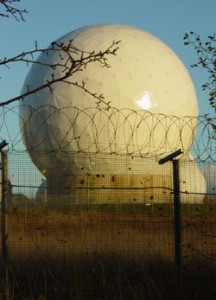
Echelon Redux

Just a quick­ie, as this is some sort of hol­i­day sea­son appar­ently.  How­ever, this did annoy me.   In the same way that Pres­id­ent Obama signed the invi­di­ous NDAA on 31st Decem­ber last year, des­pite his prot­est­a­tions about veto­ing etc, it appears the US gov­ern­ment has sneaked/snuck through (please delete as appro­pri­ate, depend­ing on how you pro­nounce “tomato”) yet anoth­er dra­coni­an law dur­ing the fest­ive sea­son, which appar­ently fur­ther erodes the US con­sti­tu­tion and the civil rights of all Americans.

Yet anoth­er prob­lem for our benighted cous­ins across the pond, you might think.  But as so often hap­pens these days, bonkers Amer­ic­an laws can affect us all.

Yes­ter­day the Sen­ate approved an expan­sion of the terms of the For­eign Intel­li­gence Sur­veil­lance Act (FISA).  This allows the US intel­li­gence ser­vices to hoover up, if you’ll par­don the mild intel­li­gence joke, the emails of god-fear­ing, law-abid­ing Amer­ic­ans if they are exchan­ging emails with pesky foreigners.

Well of course the whole world now knows, post 9/11, that all for­eign­ers are poten­tial ter­ror­ists and are now being watched/snatched/extraordin­ar­ily rendered/tor­tured/assas­sin­ated with impun­ity.  In Europe we have had many people suf­fer this way and some have man­aged to achieve recog­ni­tion and resti­tu­tion.  That appears to do little to stop the drone wars and blood-let­ting that the USA has unleashed across the Middle East.

But the NDAA and the exten­ded FISA should at least rouse the ire of Amer­ic­ans them­selves: US cit­izens on US soil can now poten­tially be tar­geted.  This is new, this is dan­ger­ous, right?

Well, no, not quite, as least as far as the inter­cep­tion of com­mu­nic­a­tions goes.

The Ech­el­on sys­tem, exposed in 1988 by Brit­ish journ­al­ist Duncan Camp­bell and rein­vestig­ated in 1999, put in place just such a (leg­ally dubi­ous) mech­an­ism for watch­ing domest­ic cit­izens.  The sur­veil­lance state was already in place, even if through a back door, as you can see from this art­icle I wrote 4 years ago, which included the fol­low­ing paragraph:

ECHELON was an agree­ment between the NSA and its Brit­ish equi­val­ent GCHQ (as well as the agen­cies of Canada, Aus­tralia, and New Zea­l­and) whereby they shared inform­a­tion they gathered on each oth­ers’ cit­izens. GCHQ could leg­ally eaves­drop on people out­side the UK without a war­rant, so they could tar­get US cit­izens of interest, then pass the product over to the NSA. The NSA then did the same for GCHQ. Thus both agen­cies could evade any demo­crat­ic over­sight and account­ab­il­ity, and still get the intel­li­gence they wanted.

The only dif­fer­ence now is that FISA has come blast­ing through the front door, and yet people remain quiescent.

The House I Live In” — drug panel discussion

I recently rep­res­en­ted LEAP at a pan­el dis­cus­sion in Lon­don about the failed war on drugs after a screen­ing of the excel­lent film The House I Live In, along with Steve Rolles of Trans­form and Niamh East­wood of Release:

Oval Space Cinema Club: ‘The House I Live In’ — Pan­el Dis­cus­sion from Oval Space on Vimeo.

LEAP Interview on The Real News Network, October 2012

I par­ti­cip­ated in the Law Enforce­ment Against Pro­hib­i­tion (LEAP) board meet­ing last Octo­ber in Bal­timore. While there, I arranged for board mem­bers to do a series of inter­views about the failed glob­al “war on drugs” with the excel­lent and inde­pend­ent Real News Net­work.

The tide of his­tory is with us — more and more coun­tries are speak­ing out about the fail­ure of pro­hib­i­tion.  LEAP sup­ports and con­trib­utes to this discussion.

LEAP has rep­res­ent­at­ives across the world with a wide range of pro­fes­sion­al expert­ise: police officers, drug czars, judges, pris­on gov­ernors, law­yers, drug enforce­ment officers, and even the occa­sion­al former spook.…

Our var­ied exper­i­ences and back­grounds have brought us to one con­clu­sion: we all assess the “war on drugs” to have been an abject fail­ure that causes more glob­al soci­et­al harm than good, as well as fund­ing organ­ised crime, ter­ror­ism and white col­lar bank crime.

We urgently need to rethink the failed UN drug conventions.

Here is the RNN inter­view I par­ti­cip­ated in, along with Brazili­an Judge Maria Lucia Karam:

Asymmetric Extradition — the American Way

Pub­lished in the Huff­ing­ton Post UK, The Real News Net­work, and Inform­a­tion Clear­ing House

I blame my part­ner. There I was hav­ing a per­fectly nice day off, poot­ling my way through the Sunday news­pa­pers and find­ing such intriguing art­icles about the fact that Bri­tain has invaded all but 22 coun­tries around the world over the cen­tur­ies (France is the second most pro­lif­ic invader but also has the dubi­ous dis­tinc­tion of being the coun­try most invaded by Bri­tain, apparently).

Then he has to go and say “well, if the US ignores oth­er coun­tries’ laws, why should we be sub­ject to theirs?”. This post is the unavoid­able result.

I had made the tac­tic­al blun­der of shar­ing two art­icles with him.  The first was an excel­lent inter­view in today’s Inde­pend­ent with news supremo and fin­an­cial sub­vers­ive, Max Keiser; the second was an art­icle I found in my Twit­ter stream from the indefatig­able Julia O’D­wyer about her son’s ongo­ing leg­al fight in the UK.

The con­nec­tion?  Unfor­tu­nately and rather inev­it­ably these days — extradition.

Richard O’D­wyer is the Shef­field stu­dent who is cur­rently wanted by the USA on copy­right infringe­ment charges.  Using a bit of old-fash­ioned get-up-and-go, he set up a web­site called tvshack​.com, which appar­ently acted as a sign-post­ing ser­vice to web­sites where people could down­load media.  Put­ting aside the simple argu­ment that the ser­vice he provided was no dif­fer­ent from Google, he also had no copy­righted mater­i­al hos­ted on his website.

Richard has lived all his life in the UK, and he set up his web­site there.  Under UK law he had com­mit­ted no crime.

How­ever, the Amer­ic­an author­it­ies thought dif­fer­ently.  O’D­wyer had registered his web­site as a .com and the US now claims that any web­site, any­where in the world, using a US-ori­gin­ated domain name (com/org/info/net etc) is sub­ject to US law, thus allow­ing the Amer­ic­an gov­ern­ment to glob­al­ise their leg­al hege­mony. The most notori­ous recent case was the illeg­al US intel­li­gence oper­a­tion to take down Megaup­load and arrest Kim Dot­com in New Zea­l­and earli­er this year.

This has already res­ul­ted in for­eign web­sites that attract the wrath of the US author­it­ies being taken down, with no warn­ing and no due pro­cess. This is the cyber equi­val­ent of drone war­fare and the pres­id­en­tially-approved CIA kill list.

As a res­ult, not only was O’D­wyer­’s web­site sum­mar­ily taken down, he is now facing extra­di­tion to the US and a 10 year stretch in a max­im­um secur­ity pris­on.  All for some­thing that is not even a crime under UK law.  His case echoes the ter­rible 10-year ordeal that Gary McKin­non went through, and high­lights the appalling prob­lems inher­ent in the invi­di­ous, one-sided UK/USA Extra­di­tion Act.

So how does this link to the Max Keiser inter­view? Read­ing it reminded me of an invest­ig­a­tion Keiser did a few years ago into the extraordin­ary rendi­tion of a “ter­ror­ist sus­pect”, Abu Omar, from Italy to Egypt where he was inev­it­ably, hor­rific­ally tor­tured.  Since then, 23 CIA officers have now been tried under Itali­an law and found guilty of his kid­nap­ping (let’s not mince our words here).  The Mil­an Head of Sta­tion, Robert Lady is now wanted in Italy to serve his 9‑year sen­tence, but the US gov­ern­ment has refused to extra­dite him.

So let’s just reit­er­ate this: on the one hand, the US demands EU cit­izens on sus­pi­cion that they may have com­mit­ted a cyber-crime accord­ing to the diktats of Amer­ic­an law, which we are all now sup­posed to agree has a glob­al­ised reach; on the oth­er hand, US cit­izens who have already been con­victed by the due leg­al pro­cess of oth­er West­ern demo­cra­cies are not handed over to serve their sen­tences for appalling crimes involving kid­nap­ping and torture.

I have writ­ten at length about Amer­ica’s asym­met­ric extra­di­tion laws, but this is tak­ing the sys­tem to new heights of hypocrisy.

Just why, indeed, should European coun­tries reli­giously obey Amer­ica’s self-styled glob­al leg­al domin­ion and hand over its cit­izens, pre­sumed inno­cent until proven guilty, to the bru­tal and dis­pro­por­tion­ate US leg­al sys­tem?  Espe­cially when the US brushes aside the due leg­al pro­cesses of oth­er demo­cra­cies and refuses to extra­dite con­victed felons?

It appears that the USA is in a hurry to reach and breach Bri­tain’s record for for­eign inva­sions. But in addi­tion to old-fash­ioned mil­it­ary incur­sions, Amer­ica is also going for full-spec­trum leg­al dominance.

The Real News Network on Whistleblowing, Part 2

Part Two of my recent inter­view on the excel­lent, inde­pend­ent and fear­less Real News Net­work:

British politicians Droning on

Pub­lished in The Huff­ing­ton Post UK, 2 Octo­ber 2012

Only in the mad world of mod­ern Brit­ish polit­ics could it be pos­sible to con­nect MPs, drones and roy­al breasts. Is this sound­ing a little too bizarre? Let me explain.…

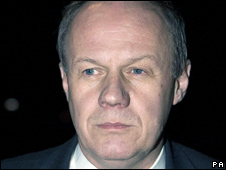
Way back in 2008 Con­ser­vat­ive MP Dami­en Green, who was at the time the Shad­ow Min­is­ter for Immig­ra­tion, was arres­ted on sus­pi­cion of eli­cit­ing leaks from a Home Office civil ser­vant that appeared to con­firm the then Labour gov­ern­ment was cov­er­ing up UK immig­ra­tion figures.

When I say arres­ted, this was not the stand­ard, civ­il­ised and pre-arranged appoint­ment at the loc­al nick, which the police tra­di­tion­ally allow their polit­ic­al “mas­ters” or, for that mat­ter, their bud­dies at News International.

Oh no, this was a full-on, Cold War-style arrest, car­ried out by the Met­ro­pol­it­an Police Counter-Ter­ror­ism com­mand (known in the old days as Spe­cial Branch). Intriguingly, civil ser­vants appeared to have mis­lead­ingly hyped up the need for a heavy-handed police response by stat­ing that they were “in no doubt that there has been con­sid­er­able dam­age to nation­al secur­ity already as a res­ult of some of these leaks”.

And indeed, the res­ult­ing arrests bore all the hall-marks of a nation­al secur­ity case: secret police, dawn raids, and counter-ter­ror­ism style searches of the fam­ily home, the con­stitu­ency office, and — shock — an inva­sion of Green’s office in parliament.

Yet Green was not arres­ted under the terms of the Offi­cial Secrets Act. Instead, both he and his hap­less whis­tleblower, Chris­toph­er Gal­ley, were only seized on sus­pi­cion of breach­ing some arcane Vic­tori­an law (“aid­ing and abet­ting mis­con­duct in pub­lic office”).  I sup­pose arrest­ing a sit­ting MP for a breach of the OSA would have been just too polit­ic­ally tricky.

Leav­ing aside the under­stand­able upset caused to Green’s wife and chil­dren by the raid on their home, plus the fact that the police viol­ated not only their per­son­al effects such as bed sheets and love let­ters but also con­fid­en­tial leg­al papers about child abuse cases that Mrs Green was work­ing on, what really caused out­rage in the media and polit­ic­al classes was the fact that Plod had dared to invade the hal­lowed ground of parliament.

There was an out­cry from politi­cians about the “encroach­ing police state”. The case was duly dropped, the seni­or officer, Assist­ant Com­mis­sion­er Bob Quick, had to resign (but only after com­mit­ting yet anoth­er polit­ic­al gaffe), and oth­er stor­ies, such as the MP expenses scan­dal, grabbed the atten­tion of the main­stream media.

Roll on four years, and Dami­en Green has now ascen­ded to the giddy heights of Home Office Min­is­ter of State for Police and Crim­in­al Justice. Well, meet­ing his new staff must have been an inter­est­ing exper­i­ence for him.

But what is this man now doing in his emin­ent role, to stop the slide into the encroach­ing police state that is the UK? Of all people, one would expect him to be sens­it­ive to such issues.

Sadly, he appears to have already gone nat­ive on the job. It was repor­ted yes­ter­day that he is pro­pos­ing the use of police drones to spy on the UK pop­u­la­tion, but in an “appro­pri­ate and pro­por­tion­ate” man­ner of course.

The concept of small aer­i­al drones being used by UK police has been mooted for a few years now — indeed some police forces and secur­ity agen­cies have already bought them. But where­as the ini­tial, stand­ard jus­ti­fic­a­tion was that it would help in the “war on ter­ror” (as it has so ably done in the Middle East, where inno­cent fam­il­ies are routinely slaughtered in the name of assas­sin­at­ing mil­it­ants), mis­sion-creep has already set in.  Dami­en Green stated at the launch of the new Nation­al Police Air Ser­vice (NPAS) that drones could be use­ful mon­it­or­ing protests and traffic viol­a­tions. It has even been repor­ted that the Home Office plans to use non-leth­al weapons to do so.

Of course there are prob­lems around the use of drones in UK air­space.  Our skies are already very crowded and they could present a haz­ard to air­craft, although the BBC has repor­ted that drones could be air­borne in the next few years.  This appears to be the only argu­ment hold­ing the use of drones in check — for­get about civil liber­ties and pri­vacy issues.

This is par­tic­u­larly per­tin­ent as we look at the evol­u­tion of drone tech­no­logy.  Cur­rently the UK police are dis­cuss­ing toy-sized drones, but it has already been repor­ted that drones the size of birds or even insects, with autonom­ous intel­li­gence or swarm cap­ab­il­it­ies are being developed. And don’t even get me star­ted on the sub­ject of poten­tial militarisation.…

There is a whole debate to be had about what can be viewed and what can­not — where does the pub­lic sphere end and the private begin? A couple of years ago I sug­ges­ted some­what facetiously that our best hope of defeat­ing the intro­duc­tion of sur­veil­lance drones in the UK might be indig­nant celebs suing the paparazzi for using the tech­no­lo­gies.  But per­haps the ante has already been upped in the recent fall-out from the Duch­ess of Cam­bridge and her roy­ally papped breasts.

If drone tech­no­logy becomes wide­spread, then nobody will have any pri­vacy any­where. But who knows, before we get to that stage per­haps HM Queen will come out swinging on the side of pri­vacy for her grand­daugh­ter-in-law, if not for the rest of her “sub­jects”. If that were to hap­pen then no doubt Dami­en Green will aban­don his new-found enthu­si­asm for these air­borne sur­veil­lance pests; if not to stop the “encroach­ing police state” of which he must have such col­our­ful recol­lec­tions, then at least to safe­guard any poten­tial knight­hood in his rosy min­is­teri­al future.

Gestapo Courts

Pub­lished in The Huff­ing­ton Post UK, 30 Septem­ber 2012

Pub­lished in The Real News Net­work, 30 Septem­ber 2012

A lot of sound and fury has been expen­ded in the Brit­ish media over the last few months about the Coali­tion gov­ern­ment’s pro­pos­al to enact secret courts via the pro­posed Justice and Secur­ity Bill — purely for ter­ror­ist cases, you under­stand. Which, of course, is OK as we all know ter­ror­ists are by defin­i­tion the Baddies.

Except we need to drill down into the detail of the pro­pos­als, have a look at some his­tory, and think through the future implications.

The concept of secret courts emerged from the offi­cial UK spook sec­tor — MI5 and MI6 have been lob­by­ing hard for such pro­tec­tion over recent years.  Their argu­ment revolves around a num­ber of civil cases, where Brit­ish vic­tims of extraordin­ary rendi­tion and sub­sequent tor­ture have sued the pants off the spies through civil courts and received some recom­pense for their years of suffering.

The most notori­ous case was that of Binyam Mohamed, who was repeatedly tor­tured in a black pris­on in Morocco, with Brit­ish spies allegedly con­trib­ut­ing to his ques­tion­ing. And we’re not talk­ing about a few stress pos­i­tions, awful as they are. Mohamed was strung up and had his penis repeatedly slashed with a razor.

MI5 and MI6 are aggrieved because they could not defend them­selves in the res­ult­ant civil actions brought against them, and they (and their former polit­ic­al mas­ter Jack Straw) are par­tic­u­larly wor­ried about future cases around the MI6-organ­ised Liby­an rendi­tions exposed last year.  The spies’ argu­ment is that hav­ing to pro­duce evid­ence in their own defence would dam­age that ever-flex­ible but curi­ously vague concept of “nation­al security”.

Well, they would say that, would­n’t they?

The spooks have tra­di­tion­ally used the “nation­al secur­ity” argu­ment as the ulti­mate get-out-of-jail-free card.  It has nev­er been leg­ally defined, but it is unfail­ingly effect­ive with judges and politicians.

We saw sim­il­ar argu­ments dur­ing the post‑9/11 secur­ity flap, when many ter­ror­ist sus­pects were scooped up and interned in high secur­ity Brit­ish pris­ons such as Bel­marsh on the say-so of face­less intel­li­gence officers. No evid­ence needed to be adduced, nor could it be chal­lenged. The sub­sequent con­trol order sys­tem was equally Kafkaesque.

That’s not to say that cer­tain interned indi­vidu­als might not have been an act­ive threat to the UK.  How­ever, in the “good” old days (god, I sound ancient), sus­pects would have had evid­ence gathered against them, been tried by a jury, con­victed and imprisoned. The sys­tem was nev­er per­fect and evid­ence could be egre­giously with­held, but at least appeals were pos­sible, most not­ably in the case of the Birm­ing­ham Six.

Since 9/11 even breath­ing the word “ter­ror­ist” has meant that all these his­tor­ic com­mon law prin­ciples seem to have been jet­tisoned.  Even before the pro­posed enshrine­ment of “secret courts” in the new Bill, they are already being used in the UK — the Spe­cial Immig­ra­tion Appeal Com­mis­sion (SIAC) tribunals hear secret evid­ence and the defend­ant’s chosen law­yer is not allowed to attend. Instead a spe­cial, gov­ern­ment-approved advoc­ate is appoin­ted to “rep­res­ent the interests” of the defend­ant who is not allowed to know what his accusers have to say. And there was no appeal.

But all this is so unne­ces­sary.  The powers are already in place to be used (and abused) to shroud our notion­ally open court pro­cess in secrecy.  Judges can exclude the press and the pub­lic from court rooms by declar­ing the ses­sion in cam­era for all or part of the pro­ceed­ings.  Plus, in nation­al secur­ity cases, gov­ern­ment min­is­ters can also issue Pub­lic Interest Immunity Cer­ti­fic­ates (PIIs) that not only bar the press from report­ing the pro­ceed­ings, but can also ban them from report­ing they are gagged — the gov­ern­ment­al super-injunction.

So the powers already exist to pro­tect “nation­al secur­ity”.  No, the real point of the new secret courts is to ensure that the defend­ant and, par­tic­u­larly in my view, their chosen law­yers can­not hear the alleg­a­tions if based on intel­li­gence of any kind. Yet even the spies them­selves agree that the only type of intel­li­gence that really needs to be kept secret involves ongo­ing oper­a­tions, agent names, and sens­it­ive oper­a­tion­al techniques.

 And as for the right to be tried by a jury of your peers — for­get it.  Of course jur­ies will have no place in such secret courts.  The only time we have seen such dra­coni­an judi­cial meas­ures in the UK out­side a time of offi­cial war was dur­ing the Troubles in North­ern Ire­land — the infam­ous Dip­lock Courts — begin­ning in the 1970s and which incred­ibly were still in use this year.

I am not an apo­lo­gist of ter­ror­ism although I can under­stand the social injustice that can lead to it.  How­ever, I’m also very aware that the threat can be arti­fi­cially ramped up and manip­u­lated to achieve pre­con­ceived polit­ic­al goals.

I would sug­gest that the concept of secret courts will prove fatally dan­ger­ous to our demo­cracy.  It may start with the concept of get­ting the Big Bad Ter­ror­ist, but in more polit­ic­ally unstable or strin­gent eco­nom­ic times this concept is wide open to mis­sion creep.

We are already see­ing a slide towards expand­ing the defin­i­tion of “ter­ror­ist” to include “domest­ic extrem­ists”, act­iv­ists, single issue cam­paign­ers et al, as I have writ­ten before. And just recently inform­a­tion was leaked about a new pub­lic-private EU ini­ti­at­ive, Clean IT, that pro­poses ever more invas­ive and dra­coni­an poli­cing powers to hunt down “ter­ror­ists” on the inter­net. This pro­pos­al fails to define ter­ror­ism, but does provide for endem­ic elec­tron­ic sur­veil­lance of the EU. Pure cor­por­at­ism.

Allow­ing secret courts to try people on the say-so of a shad­owy, unac­count­able and bur­geon­ing spy com­munity lands us straight back in the pages of his­tory: La Ter­reur of revolu­tion­ary France, the creepy sur­veil­lance of the Stasi, or the dis­ap­pear­ances and tor­ture of the Gestapo.

Have we learned nothing?

Interview for the Release newsletter, “TalkingDrugs”

An inter­view I did on behalf of LEAP this week for the news­let­ter of the UK cam­paign, Release.

Release, run by the indefatig­able Niamh East­wood, does excel­lent work provid­ing leg­al advice about drug issues, and cam­paign­ing for fairer and more com­pas­sion­ate drug laws.

The inter­view appeared in the cam­paign’s news­let­ter, “Talk­ing­Drugs”.

Here’s the link, and here’s the text:

Q1 What led you into think­ing that cur­rent drug policies on illi­cit drugs were failing?

My jour­ney began when I was work­ing as an intel­li­gence officer for MI5 in the 1990s.  One of my roles was invest­ig­at­ing ter­ror­ist logist­ics and work­ing closely with UK Cus­toms.  I learned then that try­ing to stop the flow of illi­cit mater­i­al into the UK (wheth­er drugs, weapons, or people) is like look­ing for a needle in the pro­ver­bi­al hay­stack.  Plus there is a huge over­lap between the fund­ing of organ­ised crime and ter­ror­ist groups.

Over the last dec­ade I have become a writer, com­ment­at­or and pub­lic speak­er on a vari­ety of inter-con­nec­ted issues around intel­li­gence, the war on ter­ror, whis­tleblowers, poli­cing, and civil liber­ties.  To me, the war on drugs meshes very closely with all these top­ics.  Three years ago I was approached by LEAP to become a speak­er, and then in March this year I became a mem­ber of the inter­na­tion­al board and also the Dir­ect­or of LEAP Europe in order to con­sol­id­ate the organ­isa­tion’s work here.

Q2 Do you think that there are bar­ri­ers to police officers being hon­est about the effect­ive­ness of their actions to com­bat the trade in illi­cit drugs and is the great­er dis­quiet amongst those involved in law enforce­ment about cur­rent policies than is pop­ularly perceived ?

Yes, abso­lutely, and it’s not just amongst the police but also the wider law enforce­ment community.

LEAP sup­port­ers, approach­ing 100,000 in over 90 coun­tries around the world, include judges, law­yers, pris­on gov­ernors, cus­toms and intel­li­gence officers, and former drug czars.  With­in all these pro­fes­sions there is a tacit under­stand­ing that you toe the con­ven­tion­al line.  In my exper­i­ence, most people go into this type of work hop­ing not only to have an inter­est­ing job, but also to do some good and make a dif­fer­ence.  Many then see the social fall-out, or that friends, fam­ily or com­munity are affected by the drug wars, and many serving offi­cials do ques­tion what it is all about and what it is really achieving.

How­ever, they are there to do a job, which is uphold­ing and apply­ing the law.  The cul­tur­al pres­sure with­in such groups can make it extremely dif­fi­cult on many levels for them to speak out.

Any change to the inter­na­tion­al and nation­al drug laws will have to come from the politi­cians with­in the UN and nation­ally.  LEAP increas­ingly con­trib­utes to the polit­ic­al debate and is build­ing a groundswell of sup­port inter­na­tion­ally.   Most people today will know someone who has at least tried a cur­rently illeg­al drug.  They also instinct­ively know this is mere social exper­i­ment­a­tion, relax­a­tion or, at worst, a health prob­lem.  And pen­al­isa­tion, impris­on­ment and a crim­in­al record exacer­bates rather than helps the situation.

Q3 Does the poli­cing of drug pos­ses­sion impact the effect­ive­ness of poli­cing gen­er­ally and what bene­fits do you think could stem from ceas­ing to use law enforce­ment to attempt to dis­cour­age drug use?

There are mul­tiple strands to this issue: the diver­sion of police resources, the addi­tion­al crime caused by pro­hib­i­tion that is not dealt with suc­cess­fully, the diver­sion of resources from harm reduc­tion pro­grammes, the crim­in­al­isa­tion of what are essen­tially health issues, and the dis­rep­ute that res­ults for law enforcement.

The poli­cing of drug pos­ses­sion takes away vast resources from invest­ig­at­ing oth­er crimes such as burg­lary, rape and murder.  Yet it is largely point­less – those with a drug depend­ency need health inter­ven­tions, and there will always be replace­ments for any low-level deal­ers who are arres­ted and imprisoned.  If you arrest and con­vict a rap­ist, he will not be on the streets com­mit­ting more rapes; but if you catch a drug deal­er, you just cre­ate a job vacancy for which many will com­pete in ever more viol­ent ways for a slice of an incred­ibly luc­rat­ive market.

The UK anti-pro­hib­i­tion advocacy group, Trans­form, estim­ates that even if just can­nabis were leg­al­ised in the UK, an addi­tion­al $1.6 bil­lion would flow into the Brit­ish eco­nomy every year.  While tax raised on a con­trolled and reg­u­lated can­nabis trade is pre­dicted to provide the bulk of this ($1.2 bil­lion), $170 mil­lion would be saved from law enforce­ment, $155 mil­lion from the justice sys­tem, and $135 mil­lion from the pris­on system.

In the cur­rent eco­nom­ic situ­ation, can the UK afford not to con­sider altern­at­ives to the cur­rent drug war?

Also, as we have seen since the decrim­in­al­is­tion laws in Por­tugal since 2001 and Switzer­land since 1994, the “peace dividend” by end­ing the war on drugs would not only see a drop in prop­erty crimes (about 50% of which are com­mit­ted to fund drug depend­en­cies), it could also be used to fin­ance and extend harm reduc­tion pro­grammes.  As we have seen in the case of tobacco across the West, we do not need to ban a sub­stance to reduce its use; edu­ca­tion and treat­ment are far more effective.

Finally, illeg­al drugs are avail­able to any­one who wants to buy them on the streets of the UK.  The increas­ing mil­it­ar­isa­tion of the police to fight the war on drugs, the break­down of civil liber­ties for the same reas­on (mir­ror­ing the war on ter­ror), and the wide­spread flag­rant flout­ing of the drug laws by large num­bers of the pop­u­la­tion, thereby “mak­ing an ass of the law”, has led to a break­down of trust and respect between the police and the policed. One of LEAP’s aims is to rebuild this trust, this social contract.

Q4 The impact on the safety of law enforce­ment per­son­nel of the ‘war on drugs’ should be an issue for oth­er mem­ber­ship organ­isa­tions rep­res­ent­ing the sec­tor, will you be reach­ing out to them to encour­age cam­paign­ing on the issue?

Safety is cer­tainly an issue, although we have been more for­tu­nate in Europe than our col­leagues in the USA, where the more pre­val­ent gun cul­ture leads to many more law enforce­ment deaths.  That said, gang viol­ence is on the rise across Europe where organ­ised crime gangs fight increas­ingly viol­ent turf battles.

Mex­ico has been one of the worst hit coun­tries in the world.  Since the ramp­ing up of the war on drugs  almost six years ago, over 62,000 men women and chil­dren have been tor­tured and murdered in that coun­try, and many of them had no involve­ment what­so­ever in the drugs trade.  In fact, LEAP USA has just suc­cess­fully par­ti­cip­ated in the Mex­ic­an Cara­van for Peace, a group of act­iv­ists and fam­il­ies high­light­ing the tragedy, that toured across the USA for a month to raise aware­ness and fin­ished with a rally in Wash­ing­ton last week.

The increas­ing viol­ence of the drugs trade and the mil­it­ar­isa­tion of the response should be of con­cern to all law enfor­cers, mem­ber­ship organ­isa­tions and allied groups work­ing in the drugs sec­tor.  We need to think urgently about how to avoid a sim­il­ar spir­al of viol­ence in Europe.   LEAP is happy to reach out to such organ­isa­tions to devel­op a more humane solution.

Q5 How would you like to see LEAP in Europe devel­op and will you be look­ing to lobby European policy makers in Brussels?

There are already LEAP speak­ers across most European coun­tries.  We in LEAP see the organ­isa­tion’s primary goal as edu­ca­tion­al.  We shall be work­ing to build up speak­ing engage­ments for a wide vari­ety of groups and audi­ences, includ­ing the polit­ic­al sec­tor, as well as strength­en­ing our media expos­ure.  We recog­nise the valu­able work Release and oth­er NGOs and advocacy groups are already doing across Europe, and hope that you will see that we offer a unique voice and pool of expert­ise that can be used to strengthen your work.

It is won­der­ful that so many organ­isa­tions and indeed gov­ern­ments around the world (par­tic­u­larly in Europe and Lat­in Amer­ica) are now focus­ing on explor­ing altern­at­ives such as decrim­in­al­is­tion and harm reduc­tion pro­grammes.  Based on our pro­fes­sion­al exper­i­ence, LEAP argues that we need, at very least, to con­sider the next logic­al step in the chain: con­trolled reg­u­la­tion of the drug mar­ket as we cur­rently do with alco­hol and tobacco.

Decrim­in­al­isa­tion may help to reduce the harm for the drug users, but leaves the drug trade in the hands of increas­ingly viol­ent glob­al organ­ised crime net­works.  Only by remov­ing the profit motive from this illi­cit trade can we end the involve­ment of the crim­in­al ele­ment and all the attend­ant viol­ence, and work to make the world safer for all.

Interview about Iran on The Real News Network

Fol­low­ing on from the art­icle former CIA ana­lyst, Ray McGov­ern, and I co-authored last month about the pos­sible “fix­ing” of intel­li­gence around Iran, here is a sub­sequent inter­view we did for The Real News Net­work:

The Assange Witch Hunt

Pub­lished in The Huff­ing­ton Post UK, 17 August 2012

A storm of dip­lo­mat­ic sound and fury has broken over Ecuador’s decision to grant polit­ic­al asylum to Wikileaks founder, Juli­an Assange. The UK gov­ern­ment has threatened to breach all dip­lo­mat­ic pro­tocol and inter­na­tion­al law and go into the embassy to arrest Assange.

The UK jus­ti­fies this by cit­ing the 1987 Dip­lo­mat­ic and Con­su­lar Premises Act, a law appar­ently put in place fol­low­ing the 1984 shoot­ing of WPC Yvonne Fletch­er from the Liby­an Embassy in Lon­don.  The murder res­ul­ted in an 11-day siege, and the embassy staff even­tu­ally being expelled from the coun­try.  Nobody has yet been brought to justice for this murder.

It is hard to equate the grav­ity of the crime that brought about the 1987 legis­la­tion — the murder of a police­wo­man — with Assange’s situ­ation.  Des­pite the scream­ing head­lines, let us not for­get that he is merely wanted for ques­tion­ing in Sweden. Nev­er­the­less, the UK is pre­pared to over­turn all dip­lo­mat­ic pro­tocol and cre­ate a dan­ger­ous inter­na­tion­al pre­ced­ent to “get their man”, des­pite there being a clear lack of jus­ti­fic­a­tion under the terms of the ’87 Act.

Many people in the west­ern media remain puzzled about Assange’s fear of being held cap­tive in the Swedish leg­al sys­tem. But can we really trust Swedish justice when it has been flag­rantly politi­cised and manip­u­lated in the Assange case, as has been repeatedly well doc­u­mented. Indeed, the Swedish justice sys­tem has the highest rate per cap­ita of cases taken to the ECtHR for flout­ing Art­icle 6 — the right to a fair trial.

If Assange were extra­dited merely for ques­tion­ing by police — he has yet to be even charged with any crime in Sweden — there is a strong risk that the Swedes will just shove him straight on the next plane to the US under the leg­al terms of a “tem­por­ary sur­render”. And in the US, a secret Grand Jury has been con­vened in Vir­ginia to find a law — any law — with which to pro­sec­ute Assange.  Hell, if the Yanks can’t find an exist­ing law, they will prob­ably write a new one just for him.

So why all the sound and fury? What is this really all about?

Wikileaks is a ground-break­ing new form of high-tech, award-win­ning journ­al­ism that has exposed cor­rupt prac­tices across the world over the years.  And cru­cially, in this war-torn, weary and fin­an­cially broken world, it offers a secure con­duit to whis­tleblowers who want to expose insti­tu­tion­al crime and cor­rup­tion for the pub­lic good.

Whis­tleblowers want to get their inform­a­tion out there, they want to make a dif­fer­ence, they want a fair hear­ing, and they don’t want to pay too high a per­sonal price for doing so. Is that too much to ask?

By going pub­lic about ser­i­ous con­cerns they have about their work­place, they are jeop­ard­ising their whole way of life: not just their pro­fes­sional repu­ta­tion and career, but all that goes with it, such as the abil­ity to pay the mort­gage, their social circle, their fam­ily life, their rela­tion­ship…  Plus, the whis­tleblower can poten­tially risk pris­on or worse.

So, with these risks in mind, they are cer­tainly look­ing for an aven­ue to blow the whistle that will offer a degree of pro­tec­tion and allow them to retain a degree of con­trol over their own lives.  In the old days, this meant try­ing to identi­fy an hon­our­able, cam­paign­ing journ­al­ist and a media organ­isa­tion that had the clout to pro­tect its source.  While not impossible, that could cer­tainly be dif­fi­cult, and becomes increas­ingly so in this era of endem­ic elec­tronic sur­veil­lance.

Today the oth­er option is a secure, high-tech pub­lish­ing con­duit such as Wikileaks. This provides anonym­ity and a cer­tain degree of con­trol to the mod­ern whis­tleblower, plus it allows their inform­a­tion to reach a wide audi­ence without either being filtered by the media or blocked by gov­ern­ment or cor­por­ate injunctions.

As someone who has a nod­ding acquaint­ance with the reper­cus­sions of blow­ing the whistle on a secret gov­ern­ment agency, I have long seen the value of the Wikileaks mod­el — and I also under­stand quite why gov­ern­ments feel so threatened by it. After all, no gov­ern­ment or mega-cor­por­a­tion wants free­dom of inform­a­tion and trans­par­ency forced upon it, nor an informed cit­izenry ques­tion­ing its actions.

Our gov­ern­ments like to spout the phrase “if you have done noth­ing wrong, you have noth­ing to hide” as they roll out yet anoth­er intrus­ive sur­veil­lance measure.

Wikileaks has turned that right back at them — hence this mod­ern-day witch-hunt.

The Olympics — Welcome to the Machine

Pub­lished in The Huff­ing­ton Post UK, 27 July 2012

OK, I was really so not plan­ning on ever writ­ing any­thing, what­so­ever, at any point while I con­tin­ue to breathe, about the Lon­don Olympics.  First of all I have abso­lutely zero interest in the cir­cus that is mod­ern com­pet­it­ive sport (pan­em et cir­censes), and secondly what more could I pos­sibly add to the scan­dals around the secur­ity?  All the inform­a­tion is out there if people choose to join the dots.

But syn­chron­icity plays its part.  Firstly, this morn­ing I read this excel­lent art­icle by former UK ambas­sad­or-turned-whis­tleblower, Craig Mur­ray, about how the UK is now under mar­tial law in the run-up to the Olympics.  Shortly after­wards I did an inter­view with the women’s glossy magazine, Grazia, about the secur­ity set-up around the games. I know, I know, some­times the heav­ens align in a once-in-a-cen­tury configuration.…..

So on the back of this for­tu­it­ous align­ment and while my angry-o-meter is still spiked at the “dan­ger­ous” level, I wanted to set some thoughts down.

Craig is cor­rect — because of the Olympic Games, Lon­don has gone into full mar­tial law lock-down.  Nev­er before in peace-time has the cap­it­al city of the formerly Great Bri­tain seen such a mil­it­ary “defens­ive” pres­ence: mis­sile launch­ers on loc­al tower blocks primed to blow stray­ing com­mer­cial air­liners out of the skies over Lon­don, regard­less of “col­lat­er­al dam­age”; anti-air­craft bunkers dug in on Green­wich com­mon; and nav­al des­troy­ers moored on the Thames.

Plus, absent the prom­ised G4S pub­licly-fun­ded work-exper­i­ence slaves — sorry, secur­ity staff —  the mil­it­ary has been draf­ted in.  Sol­diers just home from patrolling the streets in Afgh­anistan in daily fear of their lives have had all leave can­celled.  Instead of the much-needed R & R, they shall be patrolling the Olympic crowds.  Does any­one else see a poten­tial prob­lem here?

And all this fol­lows a dec­ade of erosion of basic freedoms and civil liber­ties — all stripped away in the name of pro­tect­ing the UK from the ever-grow­ing but neb­u­lous ter­ror­ist threat.

But I would take it a step fur­ther than Craig Mur­ray — this is not just mar­tial law, this is fas­cist mar­tial law.

(And being con­scious of any poten­tial copy­right thought-crimes, I hereby give all due cred­it to a very fam­ous UK TV advert cam­paign which appears to use the same cadence.)

Why do I say this is one step beyond?

The Itali­an World War II dic­tat­or, Benito Mus­solini, is fam­ously cred­ited with defin­ing fas­cism thus: “the mer­ger of the cor­por­ate and the state”.

And this is pre­cisely what we are see­ing on the streets of Lon­don.  Not only are Lon­don­ers sub­jec­ted to an over­whelm­ing mil­it­ary and police pres­ence, the cor­por­ate com­mis­sars are also stalk­ing the streets.

When Seb Coe and Tony Blair tri­umphantly announced that Lon­don had won the Olympics on 6th July 2005, one of their man­tras was how Lon­don and the UK would bene­fit from the pres­ence of the games.  They painted a rosy pic­ture of loc­al busi­nesses boom­ing on the back of the influx of tourists.

But the cold real­ity of today’s Olympics is grey­er.  Com­muters are being advised to work from home rather than use the over­loaded trans­port net­works; the civil ser­vice is effect­ively shut­ting down; and Zil lanes for the “great and the good” of the Olympics uni­verse are chok­ing already con­ges­ted Lon­don streets.

Even worse, busi­nesses across the UK, but par­tic­u­larly the loc­al ones in the eco­nom­ic­ally deprived environs of the Olympic Park in East Lon­don, are cat­egor­ic­ally NOT allowed to bene­fit from the games.  Under the terms of the con­tracts drawn up by the cor­por­ate mega-spon­sors, Lon­don small busi­nesses are not allowed to cap­it­al­ize in any con­ceiv­able, pos­sible, min­is­cule way on the pres­ence of the games in their own city.

And these terms and con­di­tions are enshrined in the Olympics Act 2006; any infrac­tion of the rules car­ries a crim­in­al pen­alty.  For more than a week, cor­por­ate police enfor­cers have been patrolling Lon­don look­ing for infrac­tions of the Olympic trade­mark.  And this goes way bey­ond “Olympics R US” or some such.  As Nick Cohen wrote in an excel­lent recent art­icle in The Spec­tat­or magazine:

In the Lon­don Olympic Games and Para­lympic Games Act of 2006, the gov­ern­ment gran­ted the organ­isers remark­able con­ces­sions. Most glar­ingly, its Act is bespoke legis­la­tion that breaks the prin­ciple of equal­ity before the law. Bri­tain has not offered all busi­nesses and organ­isa­tions more powers to pun­ish rivals who seek to trade on their repu­ta­tion. It has giv­en priv­ileges to the ­Olympics alone. The gov­ern­ment has told the courts they may wish to take par­tic­u­lar account of any­one using two or more words from what it calls ‘List A’ — ‘Games’; ‘Two Thou­sand and Twelve’; ‘2012’; ‘twenty twelve’. The judges must also come down hard on a busi­ness or char­ity that takes a word from List A and con­joins it with one or more words from ‘List B’ — ‘Gold’; ‘Sil­ver’; ‘Bronze’; ‘Lon­don’; ‘medals’; ‘spon­sors’; ‘sum­mer’. Com­mon nouns are now private property.”

I heard recently that a well-estab­lished loc­al café in Strat­ford, East Lon­don, that has for years been known as the Olympic Café, has been ordered to paint over its sign for the dur­a­tion of the games. If I owned the café, I would be temp­ted to sue the Olympic Com­mit­tee for breach of trademark.

It seems to me that this real-world trade­mark pro­tec­tion­ism is an exten­sion of the ongo­ing copy­right wars in cyber­space — a blatant attempt to use state level power and legis­la­tion to pro­tect the interests of the wealthy inter­na­tion­al mega-corps few.  We saw early attempts at this dur­ing the South Afric­an Foot­ball World Cup in 2010, and the Van­couver Winter Olympics the same year.

But the Lon­don Olympics take it to the next level: there is a long list of what you are not allowed to take into the sta­dia.  Spec­tat­ors will be sub­jec­ted to air­port-style secur­ity theatre.  This will ensure that no liquids of more than 100ml can be car­ried, although empty bottles will be allowed if people want to fill them up with tap water on site.  This, of course, means that more spec­tat­ors will be buy­ing their spon­sor-approved liquids in situ and at no-doubt over-inflated prices, to the bene­fit of one of the key Olympic sponsors.

The Lon­don games seem to be the first time that the glob­al cor­por­ate com­munity is demon­strat­ing its full spec­trum dom­in­ance — where the leg­al, police, and mil­it­ary resources of the state are put at the dis­pos­al of the giant, bloated, money-suck­ing leech that is the Inter­na­tion­al Olympic Committee.

Every city that has hos­ted the Olympics over the last four dec­ades has been fin­an­cially bled white; many are still pay­ing back the ini­tial invest­ment in the infra­struc­ture, even if it is now decay­ing and use­less. Greece, any­body?

But do the IOC or its region­al pimps care?  Hell, no. Like all good para­sites, once the ori­gin­al host has been drained dry, the Games move on to a new food source every four years.

What really, deeply puzzles me is why the hell are the people of Lon­don not out there protest­ing against this cor­por­at­ist putsch?  Per­haps they fear being shot?

How can it be a crime to take a full bottle of water into a sta­di­um when you want to watch a sport? How can it be a crime to tweet a pic­ture?  How can it be crim­in­al to cel­eb­rate the occa­sion in your loc­al pub with Olympic flags draped around your bar, drink­ing a beer and eat­ing a bur­ger mar­keted cheesily as “fit for cham­pi­ons” or some such?

The ori­gin­al ideals behind the recon­sti­t­u­tion of the mod­ern Olympics in 1896 were a highly roman­ti­cised and dis­tor­ted vis­ion of the val­ues of the ancient games.  But even that naïve ideal has been lost in the crapu­lous cor­por­at­ism that is the mod­ern event.

We have even gone way bey­ond the Roman view of bread and cir­cuses pla­cat­ing the masses.  Now we are into the hard­core real­politik of inter­na­tion­al cor­por­a­tions and nation­al gov­ern­ments using the games as a per­fect pre­text to tight­en the “secur­ity” screws even more.

And so the UK is proud to present full-blown Cor­por­ate Fas­cism Ver­sion 2.0.

Vae vic­tis.

The Lindmo Show, Norway

Fol­low­ing on from my talk at the Nor­we­gi­an SKUP invest­ig­at­ive journ­al­ism con­fer­ence in March, I was invited onto the Anne Lindmo Show in Nor­way on 4 May.

Anne is one of the most fam­ous and respec­ted journ­al­ists in Nor­way, and her chat show is extremely pop­u­lar on prime time NRK TV on Fri­day nights.  We had a lively ses­sion dis­cuss­ing the world of spy­ing, what it was like to blow the whistle and go on the run, and the per­son­al price that has to be paid.

Here’s the link to the whole show, and here’s my segment:

Lindmo inter­view on Nor­we­gi­an TV from Annie Machon on Vimeo.

The Report on BBC Radio 4 — the Death of Gareth Williams

A look at the forensic and police fail­ures around the invest­ig­a­tion of the still inex­plic­able death of intel­li­gence officer, Gareth Wil­li­ams, in Lon­don in 2010.

Here’s the link.