The Lindmo Show, Norway

Fol­low­ing on from my talk at the Nor­we­gi­an SKUP invest­ig­at­ive journ­al­ism con­fer­ence in March, I was invited onto the Anne Lindmo Show in Nor­way on 4 May.

Anne is one of the most fam­ous and respec­ted journ­al­ists in Nor­way, and her chat show is extremely pop­u­lar on prime time NRK TV on Fri­day nights.  We had a lively ses­sion dis­cuss­ing the world of spy­ing, what it was like to blow the whistle and go on the run, and the per­son­al price that has to be paid.

Here’s the link to the whole show, and here’s my segment:

Lindmo inter­view on Nor­we­gi­an TV from Annie Machon on Vimeo.

La Conférence régionale du journalisme d’enquête, Geneva

Swiss_Press_Club_PhotoThe end of April saw me bask­ing in the hot and sunny weath­er of Geneva, where I had been invited to give a talk (Down­load Geneva) at the Swiss Press Club.

We had a lovely time in Geneva, and many thanks to Jean-Phil­ippe Ceppi and the rest of the team for such a warm, inter­ested and inter­est­ing welcome.

The Scandinavian Tour 2012

I had an immensely stim­u­lat­ing time dur­ing my recent mini-tour of Scand­inavi­an invest­ig­at­ive journ­al­ism con­fer­ences, meet­ing informed, inter­est­ing, and inter­ested people.

The focus of my talks was the nex­us between the intel­li­gence world and the media — les­sons I had learned, researched and deduced dur­ing the whis­tleblow­ing years and bey­ond.  I have heard so many hair-rais­ing media stor­ies over the years.…

And, hav­ing listened to the exper­i­ences of journ­al­ists from a wide vari­ety of oth­er coun­tries, it seems I am on the right track.

Grav_talkFirst stop was the Grav con­fer­ence in Sweden, where I gave a talk and had the pleas­ure of meet­ing invest­ig­at­ive journ­al­ists who con­firmed what I was say­ing, even if some of them did­n’t think I had quite gone far enough!  We also had fun at the “min­gel” evening.

Next stop, next day, was the SKUP con­fer­ence in Nor­way where I did a talk, and also a debate about the media and whis­tleblowers.  Note to self: nev­er, ever agree to do a morn­ing debate after the legendary SKUP party the night before.

Finally, last week­end, I vis­ited the Tutki 2012 journ­al­ism con­fer­ence in Fin­land (Down­load Helsinki_Talk).  The response was over­whelm­ingly pos­it­ive, and once again I had con­firm­a­tion of what I was say­ing from the journ­al­ists themselves.

So what can we do about this situ­ation?  I shall keep spread­ing the word, and the journ­al­ists them­selves just need to keep say­ing a resound­ing “no” to the induce­ments, at least if they want to work on mean­ing­ful invest­ig­a­tions.  And what real journ­al­ist does­n’t, au fond?

Next stop Geneva, which is why I’m limber­ing up with the French.

A blast from the past

How strange to stumble across this art­icle in the Guard­i­an news­pa­per yes­ter­day, which describes a journ­al­ist’s jus­ti­fi­ably para­noid exper­i­ences inter­view­ing Dav­id Shayler and me back in 2000 while writ­ing an art­icle for Esquire magazine.

The author, Dr Eamonn O’Neill, now a lec­turer in journ­al­ism at Strath­clyde Uni­ver­sity, spent a few days with us in Lon­don and Par­is way back when.

Shayler_Esquire_2000The Esquire art­icle high­lights the para­noia and sur­veil­lance that we had to live with at the time, and the con­tra­dict­ory brief­ings and slanders that were com­ing out of the Brit­ish estab­lish­ment and the media. O’Neill also intel­li­gently tries to address the motiv­a­tions of a whistleblower.

When it was pub­lished I was mildly uncom­fort­able about this art­icle — I felt it did­n’t do Dav­id full justice, nor did it appear to get quite to the heart of the issues he was dis­cuss­ing.  I sup­pose, at the time, I was just too enmeshed in the whole situation.

Now, with hind­sight, it is more per­spic­a­cious than I had thought.  And rather sad.

This art­icle is a timely remind­er of how vicious the estab­lish­ment can be when you cause it embar­rass­ment and pain; the treat­ment meted out to Dav­id Shayler was bru­tal.  And yet noth­ing has changed to this day, as we can see with the ongo­ing pur­suit and vili­fic­a­tion of Wikileaks.

Subversion” old and new

Abu_Qatada_CartoonAn inter­est­ing art­icle in yes­ter­day’s Tele­graph by polit­ic­al com­ment­at­or Peter Oborne about Abu Qatada.  This case has caused much sound and fury amongst the Brit­ish polit­ic­al and media classes over the last couple of days.  Oborne’s art­icle strips out the bom­bast and takes us back to basic prin­ciples — as did this oth­er recent art­icle in the Inde­pend­ent a day or two ago by Christina Patterson.

How­ever, what really grabbed my atten­tion in Oborne’s art­icle was his ref­er­ence to Dav­id Max­well Fyfe, the Brit­ish politi­cian and law­yer who was tasked by Sir Win­ston Churchill to lay the found­a­tions of the European sys­tem of human rights after the atro­cit­ies of World War Two — a peri­od when the need for basic rights was seared into people’s minds.

Maxwell_FyfeWhile Max­well Fyfe laid some good found­a­tions for European law, his name also has res­on­ance to all who worked for the UK domest­ic Secur­ity Ser­vice, MI5, dur­ing or in the imme­di­ate after­math of the Cold War.  It was Max­well Fyfe’s dir­ect­ive, issued in 1952, that was instru­ment­al in allow­ing MI5 to spy on Brit­ish polit­ic­al act­iv­ists sub­vers­ives.  This dir­ect­ive remained in place until 1989, when MI5 was placed on a leg­al foot­ing for the first time in its then 80 year his­tory, with the Secur­ity Ser­vice Act 1989. Here is a seg­ment about the Max­well Fyfe dir­ect­ive from my old book, “Spies, Lies and Whis­tleblowers”:

Back­ground to subversion

At this time MI5 was still using the same cri­ter­ia for record­ing indi­vidu­al sub­vers­ives and their sym­path­isers as was set out by Home Sec­ret­ary Dav­id Max­well-Fyfe in 1952.  He called on the ser­vices to identi­fy any indi­vidu­al engaged in under­min­ing Par­lia­ment­ary demo­cracy, nation­al secur­ity and/or the eco­nom­ic well-being of the UK by viol­ent, indus­tri­al or polit­ic­al means.  In fact, many would argue that groups who used only polit­ic­al means to get their point across were merely exer­cising their demo­crat­ic rights.  In fact, MI5 used pho­tos of demon­stra­tions, cop­ies of elec­tion lists and even lists of sub­scribers to rad­ic­al left-wing book clubs as indic­at­ors of sub­vers­ive sym­pathy and mem­ber­ship.  Of course, the world was a very dif­fer­ent place when I joined the sec­tion, almost 40 years after Maxwell-Fyfe’s declar­a­tion, not least because of the dis­in­teg­ra­tion of the Soviet Uni­on and its East­ern bloc allies. 

TrotskyFrom Maxwell-Fyfe’s state­ment to Par­lia­ment, which was nev­er made law, MI5 and sub­sequent gov­ern­ments used to argue that all mem­bers of cer­tain parties –such as the Com­mun­ist Party of Great Bri­tain (CPGB) or later the bewil­der­ing array of Trot­sky­ists, with names like the Inter­na­tion­al Marx­ist Group (IMG), Work­ers’ Revolu­tion­ary Party (WRP) Major and Minor, Revolu­tion­ary Com­mun­ist Party (RCP) and Revolu­tion­ary Com­mun­ist Group (RCG), anarch­ists and the extreme right — were threats to the secur­ity of the state or our demo­crat­ic sys­tem.  This in itself is a con­ten­tious pro­pos­i­tion.  None of these Trot­sky­ist groups was cul­tiv­at­ing East­ern bloc fin­ance or build­ing bombs in smoky back rooms, but were instead using legit­im­ate demo­crat­ic meth­ods to make their case, such as stand­ing in elec­tions, organ­ising demon­stra­tions and edu­cat­ing ‘the work­ers’.  They cer­tainly had no alle­gi­ance to a for­eign power, the primary rais­on d’etre for the invest­ig­a­tion of sub­ver­sion, because, unlike the Com­mun­ist Party, they abhorred the East­ern bloc.

Greenham-commonSince MI5 was effect­ively invest­ig­at­ing indi­vidu­als for hold­ing opin­ions the gov­ern­ment did not like — a very un-Brit­ish pos­i­tion — it was always at pains to point out that it took its respons­ib­il­it­ies with regard to human rights very ser­i­ously, although not ser­i­ously enough to ensure that these activ­it­ies were reg­u­lated by a leg­al frame­work.  All the service’s phone taps pri­or to the passing of the Inter­cep­tion of Com­mu­nic­a­tions Act (IOCA) in 1985 were unlaw­ful because there was no legis­la­tion gov­ern­ing the inter­cep­tion of communications.”

The dir­ect­ive was not a leg­ally bind­ing doc­u­ment, but it was the basis for the work of F Branch, MI5’s massive sec­tion tasked with hunt­ing “sub­vers­ives” dur­ing those dec­ades.  It allowed intel­li­gence officers great lat­it­ude in inter­pret­ing what was deemed sub­vers­ive activ­ity and who were “legit­im­ate’ tar­gets.  And yet there were many, many instances of the abuse of this sys­tem by para­noid, seni­or intel­li­gence officers over the years.  More inform­a­tion can be found in this chapter on sub­ver­sion from the book.

So my point is, yes, Bri­tain ostens­ibly led the way in devel­op­ing a sys­tem to pro­tect human rights in the after­math of the Second World War.  But the very archi­tect of that sys­tem then pro­duced the dir­ect­ive that gave Brit­ish spies carte blanche to invest­ig­ate polit­ic­al dis­sid­ents with­in their own coun­try, which they abused for decades.

Mark_KennedyAnd now we have com­ment­at­ors rightly say­ing that we should uphold basic human rights’ val­ues in cases such as Abu Qatada.  But what about all the UK act­iv­ists who were illeg­ally invest­ig­ated by MI5 from 1952 to the 1990s? And, more per­tin­ently today, what about all the act­iv­ists and pro­test­ers who have been aggress­ively spied upon by the unac­count­able, under­cov­er police of the NPOIU since the 1990s, under the illeg­al cat­egory of “domest­ic extrem­ists”?

I was heartened to see 87 year old artist and peace act­iv­ist John Catt is suing the NPOIU for intrus­ive sur­veil­lance over the last 6 years.  Per­haps he should quote Max­well Fyfe on human rights dur­ing his case?

The Big Dig Journalism Conference, Copenhagen

I recently did the open­ing key­note at the Big Dig invest­ig­at­ive journ­al­ism con­fer­ence in Copen­ha­gen.  Thanks to the organ­isers for a won­der­ful weekend!

Mediafabric talk, Prague, October 2011

Last Octo­ber I had the pleas­ure of speak­ing at the excel­lent Medi­afab­ric con­fer­ence in Prague.  The focus of my talk was the future of intel­li­gence, whis­tleblow­ing and journalism.

The event was organ­ised by Source­fab­ric, an inter­na­tion­al organ­isa­tion that provides open source tools and solu­tions for journ­al­ists, so it was an eclect­ic and stim­u­lat­ing crowd of journ­al­ists, geeks, hack­tav­ists and design­ers.   So well done and thank you to the organisers.

Here’s the video:

Spies and the Media — my recent talk at the Centre for Investigative Journalism

Here’s the film of my talk at the recent sum­mer school at the Centre for Invest­ig­at­ive Journ­al­ism in Lon­don a month ago:


Many thanks to Gav­in and the rest of the CIJ team for such a stim­u­lat­ing and thought-pro­vok­ing weekend!

Lawyers challenge integrity of UK spy torture inquiry

Gareth_Peirce_1It was widely repor­ted today that a num­ber of well-respec­ted Brit­ish law­yers and civil liber­ties organ­isa­tions are ques­tion­ing the integ­rity of the much-trum­peted inquiry into UK spy com­pli­city in torture.

And about time too.  One hopes this is all part of a wider strategy, not merely a defens­ive reac­tion to the usu­al power play on the part of the Brit­ish estab­lish­ment.  After all, it has been appar­ent from the start that the whole inquiry would be ques­tion­able when it was announced that Sir Peter Gib­son would be chair­ing the inquiry.

Gib­son has cer­tain form.  He was until recently the Intel­li­gence Ser­vices Com­mis­sion­er — the very per­son who for the last five years has been invited into MI5, MI6 and GCHQ for cosy annu­al chats with care­fully selec­ted intel­li­gence officers (ie those who won’t rock the boat), to report back to the gov­ern­ment that demo­crat­ic over­sight was work­ing won­der­fully, and it was all A‑OK in the spy organisations.

After these years of happy frat­ern­ising, when his name was put for­ward to invest­ig­ate poten­tial crim­in­al com­pli­city in tor­ture on the part of the spies, he did the pub­licly decent thing and resigned as Com­mis­sion­er to take up the post of chair of the Tor­ture Inquiry.

Well, we know the estab­lish­ment always like a safe pair of hands.…  and this safety has also been pretty much guar­an­teed by law for the last six years. 

Ever since the Inquir­ies Act 2005 was pushed through as law, with rel­at­ively little press aware­ness or par­lia­ment­ary oppos­i­tion, gov­ern­ment depart­ments and intel­li­gence agen­cies have pretty much been able to call the shots when it comes to the scope of sup­posedly inde­pend­ent inquiries.

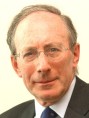
Malcolm_RifkindInter­est­ingly, Tory grandee Sir Mal­colm Rif­kind, the former For­eign Sec­ret­ary who now chairs the Intel­li­gence and Secur­ity Com­mit­tee, has also weighed in to the debate.  On BBC Radio 4’s Today pro­gramme he stated:

I can­not recol­lect an inquiry that’s been pro­posed to be so open as we’re hav­ing in this par­tic­u­lar case. When was the last time the head of MI5 and the head of MI6 – the prime min­is­ter has made quite clear – can be summoned to this inquiry and be required to give evid­ence?

This from the seni­or politi­cian who has always denied that he was offi­cially briefed about the illeg­al assas­sin­a­tion plot against Col­on­el Gad­dafi of Libya in 1996; this from the man who is now call­ing for the arm­ing of the very same extrem­ists to topple Gad­dafi in the ongo­ing shambles that is the Liby­an War; and this from the man who is also loudly call­ing for an exten­sion of the ISC’s leg­al powers so that it can demand access to wit­nesses and doc­u­ments from the spy organisations. 

No doubt my head will stop spin­ning in a day or two.…

UK spies get a B+ for intrusive surveillance in 2010

Black_sheep?The quan­go­crats charged with over­see­ing the leg­al­ity of the work of the UK spies have each pro­duced their undoubt­ably author­it­at­ive reports for 2010. 

Sir Paul Kennedy, the com­mis­sion­er respons­ible for over­see­ing the inter­cep­tion of com­mu­nic­a­tions, and Sir Peter Gib­son, the intel­li­gence ser­vices com­mis­sion­er, both pub­lished their reports last week. 

Gib­son has, of course, hon­our­ably now stood down from his 5‑year over­sight of MI5, MI6, and GCHQ in order to head up the inde­pend­ent enquiry into spy com­pli­city in torture. 

And both the reports say, nat­ur­ally, that it’s all hunky-dorey.  Yes, there were a few mis­takes (well, admis­trat­ive errors — 1061 over the last year), but the com­mis­sion­ers are con­fid­ent that these were neither malign in intent nor an indic­a­tion of insti­tu­tion­al failings. 

So it appears that the UK spies gained a B+ for their sur­veil­lance work last year.

Both com­mis­sion­ers pad out their reports with long-win­ded descrip­tions of what pre­cisely their role is, what powers they have, and the full, frank and open access they had to the intel­li­gence officers in the key agencies. 

They seem sub­limely unaware that when they vis­it the spy agen­cies, they are only giv­en access to the staff that the agen­cies are happy for them to meet — intel­li­gence officers pushed into the room, primped out in their party best and scrubbed behind the ears — to tell them what they want to hear. 

Any intel­li­gence officers who might have con­cerns have, in the past, been rig­or­ously banned from meet­ing those charged with hold­ing the spies to demo­crat­ic account.….

.…which is not much dif­fer­ent from the over­sight mod­el employed when gov­ern­ment min­is­ters, the notion­al polit­ic­al mas­ters of MI6, MI6 and GCHQ, sign off on bug­ging war­rants that allow the aggress­ive invest­ig­a­tion of tar­gets (ie their phones, their homes or cars, or fol­low them around).  Then the min­is­ters are only giv­en a sum­mary of a sum­mary of a sum­mary, an applic­a­tion that has been titrated through many mana­geri­al, leg­al and civil ser­vice fil­ters before land­ing on their desks. 

So, how on earth are these min­is­ters able to make a true eval­u­ation of the worth of such an applic­a­tion to bug someone? 

They just have to trust what the spies tell them — as do the commissioners. 

Keynote at Centre for Investigative Journalism Summer School, 16 July 2011

CIJ_logo_summerschool

My next talk in the UK will be a key­note at the renowned CIJ sum­mer school on 16th July. One of the major themes this year is whis­tleblow­ing, for obvi­ous Wikileaks-related reas­ons, and it appears I shall be in good company.

My talk is at 2pm on the Sat­urday.  I under­stand the key­notes are open to the pub­lic, not just sum­mer school attendees, so come along if you can and please spread the word!

UK Intelligence and Security Committee to be reformed?

The Guard­i­an’s spook com­ment­at­or extraordin­aire, Richard Norton-Taylor, has repor­ted that the cur­rent chair of the Intel­li­gence and Secur­ity Com­mit­tee (ISC) in the UK Par­lia­ment, Sir Mal­colm Rif­kind, wants the com­mit­tee to finally grow a pair.  Well, those wer­en’t quite the words used in the Grauny, but they cer­tainly cap­ture the gist.

If Rif­kind’s stated inten­tions are real­ised, the new-look ISC might well provide real, mean­ing­ful and demo­crat­ic over­sight for the first time in the 100-year his­tory of  the three key UK spy agen­cies — MI5, MI6, and GCHQ, not to men­tion the defence intel­li­gence staff, the joint intel­li­gence com­mit­tee and the new Nation­al Secur­ity Council .

FigleafFor many long years I have been dis­cuss­ing the woe­ful lack of real demo­crat­ic over­sight for the UK spies.  The privately-con­vened ISC, the demo­crat­ic fig-leaf estab­lished under the aegis of the 1994 Intel­li­gence Ser­vices Act (ISA), is appoin­ted by and answer­able only to the Prime Min­is­ter, with a remit only to look at fin­ance, policy and admin­is­tra­tion, and without the power to demand doc­u­ments or to cross-exam­ine wit­nesses under oath.  Its annu­al reports are always heav­ily redac­ted and have become a joke amongst journalists.

When the remit of the ISC was being drawn up in the early 1990s, the spooks were apo­plect­ic that Par­lia­ment should have any form of over­sight what­so­ever.  From their per­spect­ive, it was bad enough at that point that the agen­cies were put on a leg­al foot­ing for the first time.  Spy think­ing then ran pretty much along the lines of “why on earth should they be answer­able to a bunch of here-today, gone-tomor­row politi­cians, who were leaky as hell and gos­siped to journ­al­ists all the time”?

So it says a great deal that the spooks breathed a huge, col­lect­ive sigh of relief when the ISC remit was finally enshrined in law in 1994.  They really had noth­ing to worry about.  I remem­ber, I was there at the time.

This has been borne out over the last 17 years.  Time and again the spies have got away with telling bare­faced lies to the ISC.  Or at the very least being “eco­nom­ic­al with the truth”, to use one of their favour­ite phrases.  Former DG of MI5, Sir Steph­en Lander, has pub­licly said that “I blanche at some of the things I declined to tell the com­mit­tee [ISC] early on…”.  Not to men­tion the out­right lies told to the ISC over the years about issues like whis­tleblower testi­mony, tor­ture, and counter-ter­ror­ism meas­ures.

But these new devel­op­ments became yet more fas­cin­at­ing to me when I read that the cur­rent Chair of the ISC pro­pos­ing these reforms is no less than Sir Mal­colm Rif­kind, crusty Tory grandee and former Con­ser­vat­ive For­eign Min­is­ter in the mid-1990s.

For Sir Mal­colm was the For­eign Sec­ret­ary notion­ally in charge of MI6 when the intel­li­gence officers, PT16 and PT16/B, hatched the ill-judged Gad­dafi Plot when MI6 fun­ded a rag-tag group of Islam­ic extrem­ist ter­ror­ists in Libya to assas­sin­ate the Col­on­el, the key dis­clos­ure made by Dav­id Shayler when he blew the whistle way back in the late 1990s.

Obvi­ously this assas­sin­a­tion attempt was highly reck­less in a very volat­ile part of the world; obvi­ously it was uneth­ic­al, and many inno­cent people were murdered in the attack; and obvi­ously it failed, lead­ing to the shaky rap­proche­ment with Gad­dafi over the last dec­ade.  Yet now we are see­ing the use of sim­il­ar tac­tics in the cur­rent Liby­an war (this time more openly) with MI6 officers being sent to help the rebels in Benghazi and our gov­ern­ment openly and shame­lessly call­ing for régime change.

Malcolm_RifkindBut most import­antly from a leg­al per­spect­ive, in 1996 the “Gad­dafi Plot” MI6 appar­ently did not apply for pri­or writ­ten per­mis­sion from Rif­kind — which they were leg­ally obliged to do under the terms of the 1994 Intel­li­gence Ser­vices Act (the very act that also estab­lished the ISC).  This is the fabled, but real, “licence to kill” — Sec­tion 7 of the ISA — which provides immunity to MI6 officers for illeg­al acts com­mit­ted abroad, if they have the requis­ite min­is­teri­al permission.

At the time, Rif­kind pub­licly stated that he had not been approached by MI6 to sanc­tion the plot when the BBC Pan­or­ama pro­gramme con­duc­ted a spe­cial invest­ig­a­tion, screened on 7 August 1997.  Rif­kind’s state­ment was also repor­ted widely in the press over the years, includ­ing this New States­man art­icle by Mark Thomas in 2002.

That said, Rif­kind him­self wrote earli­er this year in The Tele­graph that help should now be giv­en to the Benghazi “rebels” — many of whom appear to be mem­bers of the very same group that tried to assas­sin­ate Gad­dafi with MI6’s help in 1996 — up to and includ­ing the pro­vi­sion of arms.  Rif­kind’s view of the leg­al­it­ies now appear to be some­what more flex­ible, whatever his stated pos­i­tion was back in the 90s. 

Of course, then he was notion­ally in charge of MI6 and would have to take the rap for any polit­ic­al fall-out.  Now he can relax into the role of “quis cus­todiet ipsos cus­todes?”.  Such a relief.

I shall be watch­ing devel­op­ments around Rif­kind’s pro­posed reforms with interest.