Riga Talk about Spies, Whistleblowers and the Media

Last week I was invited to dis­cuss the con­trol of the media by the spies and the gov­ern­ment appar­at­us by the Centre for Media Stud­ies at the Stock­holm School of Eco­nom­ics in Riga. Many thanks to Hans, Anders and the team for invit­ing me, and to Inese Voika , the Chair of Trans­par­ency Inter­na­tion­al in Latvia, for set­ting the scene so well.

I focused par­tic­u­larly on how journ­al­ists can work with and pro­tect whistleblowers:

Whis­tleblow­ing is the New Rock and Roll from Annie Machon on Vimeo.

International Day of Privacy, Berlin Demo

The Inter­na­tion­al Day of Pri­vacy was cel­eb­rated glob­ally on 31 August, with the cases of Chelsea Man­ning and Edward Snowden bring­ing extra energy and res­on­ance to the subject.

I was invited take part in a demon­stra­tion in Ber­lin, cul­min­at­ing with a talk at the hugely sym­bol­ic Branden­burg Gate. Here’s the talk:

OHM 2013 — The Great Spook Panel

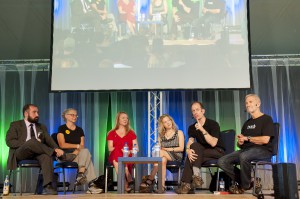
Finally the videos from the whis­tleblower track at the August inter­na­tion­al geek­fest OHM 2013 in the Neth­er­lands are begin­ning to emerge. Here’s one of the key ses­sions, the Great Spook Pan­el, with ex-CIA Ray McGov­ern, ex-FBI Coleen Row­ley, ex-NSA Tom Drake, ex-Depart­ment of Justice Jes­selyn Radack, and myself.

We came togeth­er to show, en masse, that whis­tleblow­ing is done for the demo­crat­ic good, to dis­cuss the (fright­en­ingly sim­il­ar) exper­i­ences we all went through, and to show that whis­tleblowers can sur­vive the pro­cess, build new lives, and even poten­tially thrive.

Here is a great art­icle about the whis­tleblowers at OHM by Silkie Carlo (@silkiecarlo) for Vice Magazine.

With the recent cases of Chelsea Man­ning, Wikileaks and Edward Snowden, respect to the OHM organ­isers who saw the rel­ev­ance of this event so far ahead.

BBC Sunday Morning Live — whistleblower debate

Here is a video of a debate I was involved with about whis­tleblowers on the most recent edi­tion of BBC debate show, Sunday Morn­ing Live. The ques­tion under dis­cus­sion: are whis­tleblowers her­oes or villains?

BBC Sunday Morn­ing Live from Annie Machon on Vimeo.
A shame that some of the stu­dio guests used this oppor­tun­ity to launch ad hom­inem attacks rather than focus on the key ques­tion, but I’m glad I could contribute.

Another abuse of UK terrorism laws

First pub­lished on RT Op-Edge.

Dav­id Mir­anda had just spent a week in Ber­lin, before fly­ing back to his home coun­try, Brazil, via Lon­don’s Heath­row air­port. As he attemp­ted to trans­it on to his flight home — not enter the UK, mind you, just make an inter­na­tion­al con­nec­tion —  he was pulled to one side by the UK’s bor­der secur­ity officers and ques­tioned for nine hours, as well as hav­ing all his tech­nic­al equip­ment confiscated.

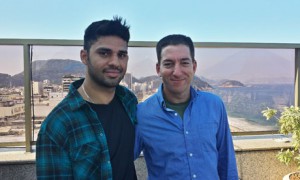
Glenn Greenwald and his partner David MirandaHe was detained for the max­im­um peri­od allowed under the dra­coni­an terms of Sched­ule 7 of the UK’s Ter­ror­ism Act (2000).  His appar­ent “crime”? To be the part­ner of cam­paign­ing journ­al­ist Glenn Gre­en­wald who broke the Edward Snowden whis­tleblow­ing stories.

Mir­anda’s deten­tion has caused out­rage, rightly, around the world. Dip­lo­mat­ic rep­res­ent­a­tions have been made by the Brazili­an gov­ern­ment to the Brit­ish, UK MPs are ask­ing ques­tions, and The Guard­i­an news­pa­per (which is the primary pub­lish­er of  Gre­en­wald’s stor­ies), has sent in the lawyers.

This epis­ode is troub­ling on so many levels, it is dif­fi­cult to know where to begin.

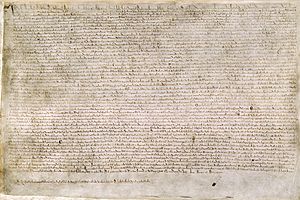
Magna_CartaFirstly, the Ter­ror­ism Act (2000) is designed to invest­ig­ate, er, ter­ror­ism — at least, so you would think. How­ever it is all too easy for mis­sion creep to set in, as I have been say­ing for years.  The defin­i­tion of ter­ror­ism has expan­ded to cov­er act­iv­ists, plac­ard wavers, and pro­test­ers as well as, now appar­ently, the part­ners of journ­al­ists.  The old under­stand­ing of due leg­al pro­cess is merely yet anoth­er quaint, Brit­ish arte­fact like the Magna Carta and habeas cor­pus.

In the UK we now have secret courts cov­er­ing all things “nation­al secur­ity”, we have per­vas­ive Big Broth­er sur­veil­lance as exem­pli­fied by GCHQ’s TEMPORA pro­gramme, and we have our spies involved in kid­nap­ping and tor­ture.

So Sched­ule 7 of the Ter­ror­ism Act is just anoth­er small nail in the coffin of his­tor­ic Brit­ish freedoms. Under its terms, any­one can be pulled aside, detained and ques­tioned by bor­der secur­ity guards if they are “sus­pec­ted of” involve­ment in, the com­mis­sion­ing of, or fin­an­cial sup­port for ter­ror­ism. The detain­ee is not allowed to speak to a law­yer, nor are they allowed not to answer ques­tions, on pain of crim­in­al pro­sec­u­tion. Plus their prop­erty can be indef­in­itely seized and ran­sacked, includ­ing com­puters, phones, and oth­er gadgets.

Under Sched­ule 7 people can be ques­tioned for a max­im­um of 9 hours. After that, the author­it­ies either have to apply for a form­al exten­sion, charge and arrest, or release. Accord­ing to a UK gov­ern­ment doc­u­ment, 97% people are ques­tioned for less than 1 hour then released and only 0.06% are held for six hours.  Mir­anda was held up until the last minute of the full nine hours before being released without charge.

Secondly, this abuse of power dis­plays all too clearly the points that Edward Snowden has dis­closed via Gre­en­wald about a bur­geon­ing and out-of-con­trol sur­veil­lance state. The deten­tion of Mir­anda dis­plays all the obsess­ive vin­dict­ive­ness of a wounded secret state that is buzz­ing around, angry as a wasp. Snowden has the pro­tec­tion of the only state cur­rently with the power to face down the brute might of US “dip­lomacy”, and Gre­en­wald still has the shreds of journ­al­ist pro­tec­tions around him.

Friends and part­ners, how­ever, can be seen as fair game.

I know this from bit­ter per­son­al exper­i­ence. In 1997 former MI5 intel­li­gence officer, Dav­id Shayler, blew the whistle on a whole range of UK spy crimes: files on gov­ern­ment min­is­ters, illeg­al phone taps, IRA bombs that could have been pre­ven­ted, inno­cent people in pris­on, and an illeg­al MI6 assas­sin­a­tion plot against Gad­dafi, which went wrong and inno­cent people died.

Work­ing with a major UK news­pa­per and with due respect for real nation­al secrets, he went pub­lic about these crimes.  Pre-empt­ively we went on the run togeth­er, so that we could remain free to argue about and cam­paign around the dis­clos­ures, rather than dis­ap­pear­ing into a max­im­um secur­ity pris­on for years. After a month on the run across Europe, I returned to the UK to work with our law­yers, see our trau­mat­ised fam­il­ies, and pack up our smashed-up, police-raided flat.
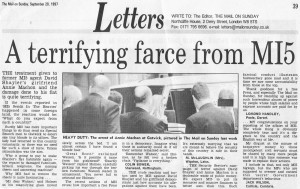
Annie_arrest_BWIn Septem­ber 1997 I flew back with my law­yer from Spain to Lon­don Gatwick. I knew that the Met­ro­pol­it­an Police Spe­cial Branch wanted to inter­view me, and my law­yer had nego­ti­ated this ahead of my travel.  Des­pite this, I was arres­ted at the immig­ra­tion desk by six heav­ies, and car­ted off to a counter-ter­ror­ism suite at Char­ing Cross police sta­tion in cent­ral Lon­don, where I was inter­rog­ated for six hours.

At that point I had done noth­ing more than sup­port Dav­id. As anoth­er ex-MI5 officer I agreed that the spies needed great­er over­sight and account­ab­il­ity, but actu­ally my arrest was because I was his girl­friend and going after me would be lever­age against him. But is got worse — two days later Shayler­’s two best friends and his broth­er were arres­ted on flag­rantly trumped-up charges. None of us was ever charged with any crime, but we were all kept on police bail for months.

Look­ing back, our treat­ment was designed to put more pres­sure on him and “keep him in his box” — it was pure intim­id­a­tion. Journ­al­ists and stu­dents were also threatened, har­assed, and in one case charged and con­victed for hav­ing the temer­ity to expose spy crimes dis­closed by Shayler. To this day, none of the crim­in­als in the UK intel­li­gence agency has ever been charged or convicted.

So the threats and intim­id­a­tion around the Snowden case, and the deten­tion of Gre­en­wald’s part­ner, are old, old tac­tics. What is new is the sheer scale of blatant intim­id­a­tion, the sheer bru­tish force. Des­pite the full glare of glob­al inter­net and media cov­er­age, the US and UK spooks still think they can get away with this sort of intim­id­a­tion. Will they? Or will we, the glob­al cit­izenry, draw a line in the sand?

Oh, and let’s not for­get the sheer hypo­crisy as well — the US con­demns Snowden for seek­ing refuge in Rus­sia, and cas­tig­ates that coun­try for its civil rights record on cer­tain issues. Be that as it may, the US estab­lish­ment should look to the log in its own eye first — that one of its young cit­izens faces the death sen­tence or life-long incar­cer­a­tion for expos­ing (war) crimes against the glob­al com­munity as well as the coun­try’s own constitution.

There is an inter­na­tion­ally-recog­nised leg­al pre­ced­ent from the Nurem­burg Nazi tri­als after World War 2: “just fol­low­ing orders” is not a defence under any law, par­tic­u­larly when those orders lead to vic­tim­isa­tion, war crimes and gen­o­cide.  The UK bor­der guards, as well as the inter­na­tion­al intel­li­gence com­munit­ies and mil­it­ary, would do well to heed that power­ful les­son from history.

So this overzeal­ous use of a law to detain the part­ner of a journ­al­ist merely trav­el­ling through the UK should make us all pause for thought. The West has long inveighed against total­it­ari­an regimes and police states. How can they not recog­nise what they have now become? And how long can we, as cit­izens, con­tin­ue to turn a blind eye?

OHM 2013 — The Joy of Geeks

ohm2013_logoHome and recovered from the rigours of the amaz­ing geek­fest, OHM 2013.

This was a 5‑day fest­iv­al in the Neth­er­lands where 3000 geeks, act­iv­ists and whis­tleblowers gathered to have fun and also try to put the world to rights.  And this crowd, out of all act­iv­ist groups, has a fight­ing chance. The geeks are tooled-up, tech-savvy, and increas­ingly politi­cised after all the recent assaults on the inter­net and wider freedoms.

These include all the anti-pir­acy meas­ures (inter­est­ingly, Rus­sia has just joined the lost war that is the anti-pir­acy legis­la­tion, and the Rus­si­an pir­ates are going to form a Pir­ate Church, as this will give them spe­cial pro­tec­tions and rights under the law). It also includes all the invi­di­ous inter­na­tion­al agree­ments that the US and its Euro-vas­sals are try­ing to force down the throats of reluct­ant pop­u­la­tions: ACTA, PIPA, SOPA, TAFTA.… you name it, there’s a whole new anti-free­dom alpha­bet soup out there in addi­tion to the spook acronyms.

Not to men­tion all the illeg­al US take-downs of legit­im­ate busi­ness web­sites, such as Megaup­load, and the pan­op­tic sur­veil­lance powers of the NSA and its glob­al intel­li­gence bud­dies, long sus­pec­ted by many and now proven by the dis­clos­ures of the cour­ageous Edward Snowden.

So it was lovely to see at OHM an increas­ing politi­cisa­tion. This was partly because of all the above recent hor­rors, but also because the OHM organ­isers had pulled togeth­er a strong polit­ic­al and whis­tleblow­ing speak­er track. The attack against digit­al civil liber­ties is inex­tric­ably linked to and reflect­ive of the full-front­al attack on our his­tor­ic real-world freedoms:  endem­ic sur­veil­lance, kid­nap­ping, tor­ture, CIA kill lists, illeg­al wars, drone strikes, secret courts, and many oth­er encroach­ing hor­rors that I have writ­ten about ad nauseam. And this is just what we know about.

sinking_shipIn my view our West­ern demo­cra­cies have been at least fatally holed, if they have not yet foundered. Which, of course, means that our viol­ent, inter­ven­tion­ist attempts to bring “demo­cracy” to the devel­op­ing world are derided as hypo­crit­ic­al at best, and viol­ently res­isted at worst.

The new front-line of this struggle is “cyber” war­fare — be it the illeg­al aggress­ive attacks of such US/Israeli vir­uses against Iran such as Stuxnet (that is now roam­ing free in the wild and mutat­ing), or the slower wars of attri­tion against “pir­ates”, hack­ers, Wikileaks, and the grow­ing war on whis­tleblowers such as Brad­ley Man­ning and Edward Snowden.

Well, geeks are the new res­ist­ance and they have a fight­ing chance in my view. And this is why I think that they are our best hope.

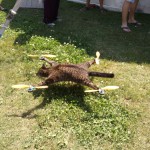
SAMSUNGThis was my exper­i­ence of OHM. Three thou­sand of the best and the bright­est from around the world gathered togeth­er not just to have fun play­ing with bleed­ing-edge tech, hack­ing and build­ing toys, and cre­at­ing slightly sur­real, if beloved, hov­er-pets (see right), but also who turned out in their thou­sands to listen to and absorb the exper­i­ences of a num­ber of inter­na­tion­al intel­li­gence whis­tleblowers. In the wake of the Edward Snowden case, this is a hot top­ic in these circles and there was a huge impetus to help.

We whis­tleblowers had a fab­ulous time too. One is a “nat­ur­al-born geek” — Tom Drake, formerly of the NSA, who was threatened with 35 years in pris­on because he dared to dis­close prob­lems with his organ­isa­tion. His law­yer, gov­ern­ment law­yer-turned-whis­tleblower Jes­selyn Radack, also spoke of her exper­i­ences. Coleen Row­ley, the FBI whis­tleblower who exposed the intel­li­gence fail­ure in the US in the run-up to 9/11 and was voted Time Per­son of the Year in 2002 also gave a fant­ast­ic talk called “Secrecy Kills”, and former CIA ana­lyst and pres­id­en­tial “briefer”, Ray McGov­ern, gave the open­ing key­note speech, focus­ing on the need to speak out and pre­serve our rights. I fin­ished the quin­tet of whis­tleblowers and provided the Euro-perspective.

And of course the pat­ron saint of whis­tleblowers also did one of the key talks — but he had to be beamed in. Juli­an Assange, who was free to attend HAR, the last such event in the Neth­er­lands four years ago, was unavoid­ably detained in his embassy refuge in the UK.

OHM_Great_Spook_Panel_2013

Photo by Rein­oud van Leeuwen (http://​rein​oud​.van​.leeuwen​.net/)

The whis­tleblowers all came togeth­er for one of the big ses­sions of OHM — the “Great Spook Pan­el”, mod­er­ated by the indom­it­able Nick Farr. The pan­el was basic­ally a call to arms for the next gen­er­a­tion. This addressed the need to stand up to pro­tect our rights against all the egre­gious erosions that have occurred since 9/11.  The response was hugely enthu­si­ast­ic. I hope this goes glob­al, and the wider com­munity fol­lows up.

It cer­tainly did in one way. Ray McGov­ern announced the estab­lish­ment of the Edward Snowden Defence Fund at the end of the pan­el dis­cus­sion, and the dona­tions poured in for the rest of the event.

So a very suc­cess­ful fest­iv­al. How do I make that assess­ment? Well, on top of all the fun, vari­ety of talks and net­work­ing, the Dutch intel­li­gence ser­vice, the AIVD (an unfor­tu­nate-sound­ing name to most Eng­lish speak­ers), reques­ted a plat­form at the event after the Great Spook Pan­el was announced in the programme.

Such an act­ive and open response shows a degree of push-back against a per­ceived “threat”. No doubt the organ­isa­tion wanted to inject the estab­lish­ment anti-venom before the truth-tell­ers had their say. Any­way, on the grounds that most whis­tleblowers are gen­er­ally denied a main­stream media plat­form and/or are smeared, the AIVD was pro­hib­ited the stage.

Of course, the AIVD would have been very wel­come to buy a tick­et like nor­mal humans or pay the cor­por­ate rate to attend to show sup­port for the com­munity — its officers might have learned something.…

UK spy agency GCHQ prostitutes itself to NSA

From the middle of a Dutch field at the OHM 2013 fest­iv­al, I man­aged to do this inter­view for RT about GCHQ tak­ing large sums of money from its US equi­val­ent, the NSA:

UK spy agency GCHQ pros­titues itself to NSA in cor­rupt rela­tion­ship (HD) from Annie Machon on Vimeo.

Dutch festival OHM — Observe, Hack, Make

Today I am limber­ing up to attend the Dutch geek fest­iv­al, Observe Hack Make (OHM 2013). A lot of talks from whis­tleblowers, sci­ent­ists, geeks, futur­ists and bleed­ing edge tech people. The visionaries?

You decide — all talks will be live streamed and avail­able after­wards. Enjoy!

RT interview as Bradley Manning conviction was announced

I was live on RT as the con­vic­tion of Brad­ley Man­ning was announced:

RT inter­view as the con­vic­tion of Brad­ley Man­ning was announced from Annie Machon on Vimeo.

Dearlove Doublethink

Pub­lished on Con­sor­ti­um News, RT Op-Edge, and The Real News Net­work.

In a sen­sa­tion­al art­icle in a UK news­pa­per last week­end, the former head of the UK’s for­eign intel­li­gence gath­er­ing agency, MI6, appears to have broken the code of omer­tà around the fraud­u­lent intel­li­gence case used as the pre­text for the Iraq war in 2003.

DearloveSir Richard Dear­love, former head of MI6 and cur­rent Mas­ter of Pem­broke Col­lege, Cam­bridge, con­tac­ted the UK’s Mail on Sunday news­pa­per to state that he had writ­ten his ver­sion of the (ab)use of intel­li­gence in the run-up to the US/UK inva­sion of Iraq.  With the long-awaited and much-delayed offi­cial Chil­cot Enquiry into the case for war about to be pub­lished, Dear­love is obvi­ously aware that he might be blamed for the “sex­ing up” of the intel­li­gence, and that Teflon Tony Blair might once again shuffle off all responsibility.

You’ll no doubt have some vague recol­lec­tion that, in the run-up to the 2003 Iraq War, the Brit­ish gov­ern­ment pro­duced a couple of reports “mak­ing a case for war”, as Major Gen­er­al Michael Laurie said in his evid­ence to the enquiry in 2011: “We knew at the time that the pur­pose of the [Septem­ber] dossier was pre­cisely to make a case for war, rather than set­ting out the avail­able intel­li­gence, and that to make the best out of sparse and incon­clus­ive intel­li­gence the word­ing was developed with care.”

The first such report, the Septem­ber Dossier (2002), is the one most remembered, as this did indeed “sex up” the case for war as the deceased Iraqi weapons inspect­or Dr Dav­id Kelly exposed. It also included the fraud­u­lent intel­li­gence about Sad­dam Hus­sein try­ing to acquire urani­um from Niger. It was this lat­ter claim that Colin Pow­ell used to such great effect at the UN Secur­ity Council.

Rupert_Murdoch

Also, just six weeks before the attack on Iraq, the “Dodgy” Dossier, based largely on a 12-year old PhD thes­is culled from the Inter­net, but con­tain­ing nug­gets of raw MI6 intel­li­gence — was presen­ted by spy and politi­cian alike as omin­ous pre­mon­it­ory intelligence.

Most mem­or­ably in the UK, it led to the bogus “Brits 45 minutes from Doom” front-page head­line in Rupert Mur­doch’s The Sun news­pa­per, no less, on the eve of the cru­cial war vote in Parliament.

Inter­est­ingly from a Brit­ish leg­al pos­i­tion, it appears that Tony Blair and his spin doc­tor Alastair Camp­bell released this report without the pri­or writ­ten per­mis­sion of the head of MI6, which means that they would appear to be in breach of the UK’s dra­coni­an secrecy law, the Offi­cial Secrets Act (1989).

Thus was made the dodgy case for war.  All lies — mil­lions of deaths and many more maimed, wounded, and dis­placed, yet no one held to account.

Sub­sequently, there was also the notori­ous leaked Down­ing Street Memo, where Sir Richard Dear­love was minuted as say­ing that the intel­li­gence and facts were being fit­ted around the [pre­de­ter­mined war] policy.

On July 23, 2002 at a meet­ing at 10 Down­ing Street, Dear­love briefed Tony Blair and oth­er seni­or offi­cials on his talks with his Amer­ic­an coun­ter­part, CIA Dir­ect­or George Ten­et, in Wash­ing­ton three days before.

In the draft minutes of that brief­ing, which were leaked to the Lon­don Times and pub­lished on May 1, 2005, Dear­love explains that George Bush had decided to attack Iraq and the war was to be “jus­ti­fied by the con­junc­tion of ter­ror­ism and weapons of mass destruc­tion.”  While then-For­eign Sec­ret­ary Jack Straw points out that the case was “thin,” Dear­love explains mat­ter-of-factly, “the intel­li­gence and facts are being fixed around the policy.”

Tony_BlairThere is no sign in the minutes that any­one hic­cuped — much less demurred — at ”mak­ing a case for war” and fur­ther­ing Blair’s determ­in­a­tion to join Bush in launch­ing the kind of “war of aggres­sion” out­lawed by the post-world war Nurem­berg Tribunal and the UN treaty.

The acqui­es­cence of the chief spies helped their polit­ic­al mas­ters main­line into the body polit­ic unas­sessed, raw intel­li­gence and forged doc­u­ments, with dis­astrous con­sequences for the people of Iraq and the world.

Yet Dear­love long remained unre­pent­ant. Even as recently as 2011, post-retire­ment and bloated with hon­ours, he con­tin­ued to deny culp­ab­il­ity. When ques­tioned about the Down­ing Street Memo dur­ing an address to the pres­ti­gi­ous Cam­bridge Uni­ver­sity Uni­on Soci­ety by the fear­less and fear­somely bright stu­dent, Silkie Carlo, Dear­love tried grandi­loquently to brush her aside.

But were the remarks in the Memo really “taken out of con­text” as Dear­love tried to assert? No – the text of the Memo was clear and explicit.

So Dear­love could poten­tially have saved mil­lions of lives across the Middle East if he had gone pub­lic then, rather than now as he is threat­en­ing, with his con­sidered pro­fes­sion­al opin­ion about the intel­li­gence facts being fit­ted around a pre­con­ceived war policy.

Would it not be lovely if these retired ser­vants of the crown, replete with respect, status and hon­ours, could actu­ally take a stand while they are in a pos­i­tion to influ­ence world events?

Doing so now, purely to pre­serve his repu­ta­tion rather than to pre­serve lives, is even more “eth­ic­ally flex­ible” than you would nor­mally expect of an aver­age MI6 intel­li­gence officer. Per­haps that is why he floated to the top of the organisation.

Dear­love is right to be wor­ried about how both Chil­cot and his­tory will judge him.  These intel­li­gence fail­ures and lies have been picked over and spec­u­lated about for years. They are an open secret.

But hold­ing the gun of dis­clos­ure to the UK gov­ern­ment’s head smacks of des­per­a­tion.  He is quoted as say­ing that he has no plans to breach the Offi­cial Secrets Act by pub­lish­ing his mem­oirs. But by pub­lish­ing an account of the run-up to the Iraq war, he would be still guilty of a breach of the OSA. It has been estab­lished under UK law that any unau­thor­ised dis­clos­ure crosses the “clear bright line” of the law. And Dear­love seems well aware of this – his ori­gin­al plan was for his account to be made avail­able after his death.

Rectum_DefendeI can see why he would plan that – firstly he would not risk pro­sec­u­tion under the dra­coni­an terms of the OSA, but his account would, in his view, set the record straight and pro­tect his repu­ta­tion for pos­ter­ity.  A posthum­ous win-win.

The offi­cial motto of the UK spies is “Regnum Defende” — defence of the realm. Serving intel­li­gence officers mord­antly alter this to “Rectum Defende” — politely trans­lated as watch your back.

Dear­love seems to be liv­ing up to the motto.  He must be one very frightened old man to be con­tem­plat­ing such pre­ma­ture publication.

With cred­it and thanks to former CIA ana­lyst, cur­rent truth-tell­er and gen­er­al pain in the “regnum” to the intel­li­gence estab­lish­ment, Ray McGov­ern, and also Sander Venema for his eleg­antly clas­sic­al rework­ing of the final image.

Edward Snowden — the Globalisation of Whistleblowing

I have held back from writ­ing about the Edward Snowden NSA whis­tleblow­ing case for the last week — partly because I was immersed in the res­ult­ing media inter­views and talks, and partly because I wanted to watch how the story developed, both polit­ic­ally and in the old media. The reac­tion of both can tell you a lot.

That does not mean that I did not have a very pos­it­ive response to what Snowden has done. Far from it. The same night the story broke about who was behind the leaks, I dis­cussed the implic­a­tions on an RT inter­view and called what he did Whis­tleblow­ing 2.0.

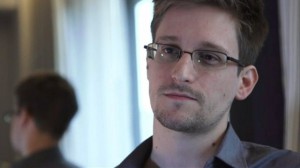
Why did I say that? Well, it appeared from his ini­tial video inter­view with The Guard­i­an that he had learned from pre­vi­ous whis­tleblow­ing cases: he had watched the media and care­fully chosen a journ­al­ist, Glenn Gre­en­wald, with a good track record on the rel­ev­ant issues who would prob­ably fight his corner fear­lessly; his inform­a­tion clearly demon­strated that the intel­li­gence agen­cies were spin­ning out of con­trol and build­ing sur­veil­lance states; he care­fully chose a jur­is­dic­tion to flee to that might have the clout to pro­tect him leg­ally against the wrath of an over-mighty USA; and he has used his inter­net and media savvy to gain as much expos­ure and pro­tec­tion as quickly as possible.

edward_snowdenPlus, he has been incred­ibly brave, con­sid­er­ing the dra­coni­an war on whis­tleblowers that is cur­rently being waged by the Amer­ic­an admin­is­tra­tion. There have been three oth­er NSA whis­tleblowers in recent years, all also talk­ing about endem­ic sur­veil­lance. All have paid a high per­son­al price, all dis­played great bravery in the face of adversity yet, sadly, none has achieved the same level of inter­na­tion­al impact. Were we just deaf to their warn­ings, or has Snowden played this better?

I think a bit of both.  He’s a geek, a young geek, he will have seen what happened to oth­er whis­tleblowers and appears to have taken steps to avoid the same pit­falls. He has gone pub­lic to pro­tect his fam­ily and pre­vent harm to his former col­leagues in any ensu­ing witch-hunt. And he has fled the coun­try in order to remain at liberty to argue his case, which is key to keep­ing the story alive for more than a week in the gad­fly minds of the old media. I know, I’ve been involved in the same process.

He has blown the whistle to pro­tect an Amer­ic­an way of life he thinks “worth dying for”. Yet he has broadened out the issues inter­na­tion­ally — what hap­pens in Amer­ica impacts the rest of the world. This, in my view, is cru­cial.  I have been writ­ing for years that the US is increas­ingly claim­ing glob­al leg­al hege­mony over the entire inter­net, as well as the right to kid­nap, tor­ture and murder for­eign­ers at will.

The Pat­ri­ot Act has not only shred­ded the US con­sti­tu­tion, it also now appar­ently has glob­al reach for as long as our craven gov­ern­ments allow it to. Now we know that this is not some abstract concept, the­ory or spec­u­la­tion — we are all poten­tially being watched

Edward Snowden argued his case very effect­ively in a live chat on The Guard­i­an news­pa­per web­site. It became clear that he is indeed a new gen­er­a­tion of whisteblower. This is not someone who wit­nessed one crime and imme­di­ately felt he had to speak out. This is a tech­nic­al expert who watched, over time and with dis­may, the encroach­ing Big Broth­er sur­veil­lance state that is tak­ing over the world via the NSA and its clones.

He is young, he had faith that a new gov­ern­ment would mean change, but in the end felt com­pelled to take con­sidered action when he wit­nessed the unac­count­able mis­sion creep, the lim­ited and inef­fec­tu­al over­sight, and the neutered politi­cians who rush to reas­sure us that everything is leg­al and pro­por­tion­ate when they really have no idea what the spy agen­cies get up to.

In both the US and the UK the spies repeatedly get away with lying to the notion­al over­sight bod­ies about mis­takes made, rules bent, and illeg­al oper­a­tions. Former seni­or CIA ana­lyst, Ray McGov­ern, has cata­logued the US lies, and here are a few home-brewed Brit­ish examples. The inter­net com­pan­ies have also been wrig­gling on the hook over the last week.

Snowden appears to be very aware not only of poten­tial state level sur­veil­lance but also the glob­al cor­por­at­ist aspect of the sub­ver­sion of the basic com­pan­ies most people use to access the inter­net — Google, Face­book, Microsoft, Yahoo, Apple, Skype et al. A few pion­eers have been dis­cuss­ing the need to pro­tect one­self from such cor­por­at­ist over­sight for years, and such pion­eers have largely been ignored by the main­stream: they’re “just geeks” they are “para­noid”, “tin foil hat” etc.

Edward Snowden has laid bare the truth of this glob­al­ised, cor­por­at­ist Big Broth­er state. From his pub­lic state­ments so far, he seems very alive to the inter­na­tion­al aspects of what he is reveal­ing. This is not just about Amer­ic­ans being snooped on, this affects every­body. We are all sub­ject to the bru­tal hege­mony that US securo­crats and cor­por­a­tions are try­ing to impose on us, with no rights, no redress under the law.

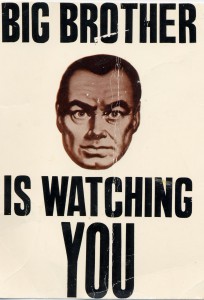
Big_Brother_posterWe have already seen this with the illeg­al US state take-down of Kim Dot­com’s secure cloud ser­vice, Megaup­load, with the glob­al per­se­cu­tion of Wikileaks, with Obama’s war on whis­tleblowers, with the NDAA, with the asym­met­ric extra­di­tion cases, with the drone wars across the Middle East and Cent­ral Asia.….  where to stop?

Snowden, through his incred­ible act of bravery, has con­firmed our worst fears. It is not just cor­por­a­tions that have gone glob­al — sur­veil­lance has too. And now, thank­fully, so too are whistleblowers.

What troubles me some­what is the way that the old media is respond­ing — even The Guard­i­an, which broke the story. Glenn Gre­en­wald is an excel­lent, cam­paign­ing journ­al­ist and I have no doubt what­so­ever that he will fight to the wire for his source.

How­ever, the news­pa­per as an entity seems to be hold­ing back the free flow of inform­a­tion. Char­it­ably, one could assume that this is to max­im­ise the impact of Snowden’s dis­clos­ures. Less char­it­ably, one could also see it as a way to eke out the stor­ies to max­im­ise the news­pa­per­’s profits and glory. Again, it’s prob­ably a bit of both.

How­ever, I do not think this will ulti­mately work in the best interests of the whis­tleblower, who needs to get the inform­a­tion out there now, and get the whole debate going now.

Plus, today it was repor­ted that a D‑Notice had been issued against the UK media last week. I have writ­ten before about this invi­di­ous self-cen­sor­ship with which the Brit­ish media col­lab­or­ates: seni­or edit­ors and seni­or mil­it­ary per­son­nel and spooks meet to agree wheth­er or not stor­ies may act against “nation­al secur­ity” (still a leg­ally undefined phrase), and ban pub­lic­a­tions accord­ingly. And this is “vol­un­tary” — what does that say about our press hold­ing power to account, when they will­ingly col­lude in the sup­pres­sion of inform­a­tion?

Plus, some of the key journ­al­ists at The Guard­i­an who were involved in the Wikileaks stitch-up are also now peck­ing away at the Snowden story. The old media are still con­tinu­ing to act as a bot­tle­neck of the free flow of inform­a­tion from whis­tleblowers to the pub­lic domain. In the post-Wikileaks era, this is a ret­ro­grade step. It is not for them to assess what the pub­lic needs to know, nor is it down to them to ana­lyse and second-guess why any whis­tleblower is doing what they are doing.

As Edward Snowden stated: “The con­sent of the gov­erned is not con­sent if it is not informed”.

Spies need more oversight, not new powers

Pub­lished on www​.polit​ics​.co​.uk, and Huff­ing­ton Post UK.

Fol­low­ing the awful murder of Drum­mer Lee Rigby in Wool­wich last week, the polit­ic­al securo­crats who claim to rep­res­ent the interests of the Brit­ish intel­li­gence ser­vices have swung into action, demand­ing yet fur­ther sur­veil­lance powers for MI5 and MI6 “in order to pre­vent future Wool­wich-style attacks”.

As I’ve writ­ten before, it was heart­en­ing that the UK Prime Min­is­ter said in the after­math of the attack that there would be no knee-jerk secur­ity reac­tion. How­ever, that has not deterred cer­tain intel­li­gence sock-pup­pets from polit­ic­al oppor­tunism — they stridently call for the resur­rec­tion of the draft Com­mu­nic­a­tions Data Bill that was earli­er this year kicked into the long grass. If the hawks are suc­cess­ful, the new law would have implic­a­tions not only for our freedoms at home, but also for our policy and stand­ing abroad.

Recently the civil liber­ties camp acquired a sur­pris­ing ally in this debate, with MI5 unex­pec­tedly enter­ing the fray.  And rightly so. There is abso­lutely no need for this new legis­la­tion, the requis­ite powers are already in place. Seni­or secur­ity sources have argued that those cit­ing the Wool­wich attack to pro­mote the snoop­ers’ charter are using a “cheap argu­ment”.

As I said in this recent BBC radio inter­view, all the neces­sary laws are already in place for MI5 either to pass­ively mon­it­or or aggress­ively invest­ig­ate per­sons of interest under the ori­gin­al terms of IOCA (1985) and updated in the Reg­u­la­tion of Invest­ig­at­ory Powers Act (RIPA 2000).

There now appears to be little doubt that the two Wool­wich sus­pects were well and truly on the MI5 radar. It has been repor­ted that they had been tar­gets for at least 8 years and that Michael Ade­bolajo had been approached to work as an agent by MI5 as recently as 6 months ago.

One of his friends, Abu Nusay­bah, recor­ded an inter­view for BBC’s News­night pro­gramme last week, only to be arres­ted by counter-ter­ror­ism police imme­di­ately after­wards. He stated that Ade­bolajo had been tor­tured and threatened with rape after his arrest in Kenya en route to Somalia, and that this treat­ment may have flipped him into more viol­ent action. Indeed, the tale gets ever mur­ki­er, with reports yes­ter­day stat­ing that Ade­bolajo was snatched by the SAS in Kenya on the orders of MI5.

Oth­er inform­a­tion has since been released by the organ­isa­tion Cage­Pris­on­ers indic­at­ing that Ade­bola­jo’s fam­ily and friends had also been har­rassed to pres­sur­ize him into report­ing to MI5.

All of which obvi­ates the early claims that Ade­bolajo was either a “lone wolf” or a low-pri­or­ity tar­get. It cer­tainly indic­ates to me that MI5 will have at the very least been mon­it­or­ing Ade­bola­jo’s com­mu­nic­a­tions data, espe­cially if they were try­ing to recruit him as a source. If that indeed turns out to have been the case, then without doubt MI5 will also have been inter­cept­ing the con­tent of his com­mu­nic­a­tions, to under­stand his think­ing and assess his access. Any­thing less would have been slip­shod — a derel­ic­tion of duty — and all this could and should have been done under the exist­ing terms of RIPA.

So what are the chances of some real over­sight or answers?

If we’re talk­ing about an inde­pend­ent inquiry, the chances are slim: the Inquir­ies Act (2005) passed little noticed into law, but it means that the gov­ern­ment and the depart­ment under invest­ig­a­tion can pretty much determ­ine the scope and terms of the inquiry to which they are subject.

How­ever, might we nail the flag of hope to the mast of the Intel­li­gence and Secur­ity Com­mit­tee of Par­lia­ment (ISC) — the com­mit­tee tasked with over­see­ing the work of the UK intel­li­gence agen­cies? The new DG of MI5, Andrew Park­er, has already sub­mit­ted a writ­ten report about Wool­wich and will be giv­ing evid­ence to the ISC in per­son next week about wheth­er MI5 missed some vital intel­li­gence or dropped the ball.

Th ISC of Par­lia­ment was estab­lished as part of the Intel­li­gence Ser­vices Act (1994) — the law that finally brought MI6 and GCHQ under the umbrella of notion­al demo­crat­ic over­sight. MI5 had already come into the leg­al fold with the Secur­ity Ser­vice Act (1989).

As I have writ­ten before, ini­tially the ISC was a demo­crat­ic fig-leaf — its mem­bers were appoin­ted by the PM not Par­lia­ment, it repor­ted dir­ectly to the PM, and its remit only covered the policy, fin­ance and admin­is­tra­tion of the UK’s intel­li­gence agencies.

Until this year the ISC could not invest­ig­ate oper­a­tion­al mat­ters, nor could it demand to see doc­u­ments or ques­tion top spooks under oath. Indeed, it has been well repor­ted that seni­or spies and police have long evaded mean­ing­ful scru­tiny by being “eco­nom­ic­al with the truth”.

Former MI5 DG Sir Steph­en Lander in 2001 said “I blanche at some of the things I declined to tell the com­mit­tee early on”; a more recent DG, Sir Jonath­an Evans, had to admit in 2008 that MI5 had lied about its involve­ment in tor­ture; and Lord Blair, former Com­mis­sion­er of the Met­ro­pol­it­an Police, had to apo­lo­gise in 2008 for mis­lead­ing the ISC about the num­ber of thwarted ter­ror­ist attacks on his watch.

How­ever the cur­rent Chair of the ISC, Sir Mal­com Rif­kind, has pur­sued a more mus­cu­lar over­sight role. And it seems he has at least won some battles. The one good ele­ment to have come out of the con­ten­tious Justice and Secur­ity Act (2013) appears to be that the ISC has more dir­ect account­ab­il­ity to Par­lia­ment, rather than just to the PM (the dev­il is expressed in the detail: the ISC is now “of” Par­lia­ment, rather than “in” Parliament…).

Some­what more per­tin­ently, the ISC can now invest­ig­ate oper­a­tion­al mat­ters, demand papers and wit­nesses, and it appears they now have a spe­cial invest­ig­at­or who can go and rum­mage around the MI5 Registry for information.

It remains to be seen how effect­ive the ISC will real­ist­ic­ally be in hold­ing the intel­li­gence agen­cies to account, even with these new powers. How­ever, Sir Mal­colm Rif­kind has good reas­on to know how slip­pery the spies can be — after all, he was the For­eign Sec­ret­ary in 1995/6, the years when MI6 was fund­ing Al Qaeda asso­ci­ates to assas­sin­ate Col­on­el Gad­dafi of Libya.  The attack went wrong, inno­cent people were killed and, cru­cially, it was illeg­al under UK law, as MI6 had not reques­ted the pri­or writ­ten per­mis­sion for such a plot from the For­eign Sec­ret­ary, as required under Sec­tion 7(1) of the afore­men­tioned ISA (1994). Rif­kind has always claimed that he was not told about the plot by MI6.

So, in the interests of justice let us hope that the Rif­kind and the oth­er mem­bers of the ISC fully exer­cise their powers and that MI5’s new DG, Andrew Park­er is some­what more frank about the work of his agency than his pre­de­cessors have been. It is only through great­er hon­esty and account­ab­il­ity that our intel­li­gence agen­cies can learn from the mis­takes of the past and bet­ter pro­tect our coun­try in the future.

BBC Radio interview about the “snoopers’ charter”

Yes­ter­day I gave an inter­view to BBC Radio Ulster about the secur­ity fall-out of the Wool­wich murder and the cyn­ic­al polit­ic­al oppor­tunism of those call­ing, inev­it­ably, for great­er powers for the spies and a rein­tro­duc­tion of the pro­posed Com­munuic­a­tions Data Bill, dubbed the “snoop­ers’ charter”.

Here is the link.

Woolwich murder — the “why?” should be obvious

The bru­tal murder in Wool­wich last week of Drum­mer Lee Rigby rightly caused shock and out­rage. Inev­it­ably there has been a media feed­ing frenzy about “ter­ror­ist” attacks and home-grown rad­ic­al­isa­tion.  Brit­ish Prime Min­is­ter, Dav­id Camer­on, felt it neces­sary to fly back from a key meet­ing in France to head up the Brit­ish secur­ity response.

One slightly heart­en­ing piece of news to emerge from all the hor­ror is that the PM has stated, at least for now, that there will be no knee-jerk secur­ity crack-down in the wake of this killing.  Sure, secur­ity meas­ures have been ramped up around mil­it­ary bases in the UK, but cyn­ic­al calls from the securo­crats to rean­im­ate a pro­posed “snoop­ers’ charter”, aka the draft Com­mu­nic­a­tions Data Bill, have for now been dis­coun­ted. And rightly so — MI5 already has all the neces­sary powers to mon­it­or suspects.

How­ever, there does still seem to be a polit­ic­ally disin­genu­ous view about the motiv­a­tion behind this murder.  Yet the sus­pects them­selves made no secret of it — indeed they stayed at the scene of the crime for twenty minutes appar­ently encour­aging pho­tos and smart phone record­ings in order to get across their mes­sage.  When the police armed response team finally arrived, the sus­pects reportedly charged at the police bran­dish­ing knives and pos­sibly a gun.  They were shot, but not fatally.  This may have been attemp­ted “sui­cide by cop” — delayed until they had said their piece.

This does not strike me as the actions of “crazed killers” as has been repor­ted in the media; rather it reminds me of the cold and cal­cu­lated actions of Nor­we­gi­an mass mur­der­er, Anders Breivik. The Wool­wich murder was designed to max­im­ize the impact of the mes­sage in this social media age.

And the mes­sage being? Well, it was indeed cap­tured on smart phone and sent out to the world.  The killers clearly stated that this was a polit­ic­al action designed to high­light the grue­some viol­ence daily meted out across North Africa, the Middle East, and Cent­ral Asia as a res­ult of the west­ern policy of mil­it­ary interventionism.

This mani­fests in a vari­ety of ways: viol­ent res­ist­ance and insur­gency against pup­pet gov­ern­ments as we see in Iraq; interne­cine civil war in coun­tries such as post-NATO inter­ven­tion Libya; cov­ert wars fought by west­ern prox­ies, as we see in Syr­ia; or overt attacks in Yemen, Somalia, Afgh­anistan and Pakistan, where US and UK con­trolled drones tar­get mil­it­ants named for assas­sin­a­tion on pres­id­en­tially-approved CIA kill lists with the res­ult­ing col­lat­er­al murder of com­munity gath­er­ings, chil­dren and wed­ding parties.

All this does not jus­ti­fy the appalling murder in Wool­wich, and the per­pet­rat­ors must face justice for the crime.  How­ever, it does go some way to explain­ing why such an atro­city occurred, and we as a soci­ety need to face up to the facts or this will hap­pen again.

Say­ing this does not make me an apo­lo­gist for ter­ror­ism, any more than it did journ­al­ist Glenn Gre­en­wald — a writer who has had the journ­al­ist­ic attack dogs unleashed on him for sim­il­ar views. Bey­ond the group-think deni­al­ism with­in the Wash­ing­ton Belt­way and the West­min­ster Vil­lage, the cause and effect are now widely-recog­nised. Indeed, in her 2010 testi­mony to the Chil­cot Inquiry about the Iraq War, former head of MI5 Eliza Man­ning­ham-Buller said pre­cisely the same thing — and I don’t think any­one would dare to label her “an apo­lo­gist for terrorism”.

The seed of Islam­ic extrem­ism was planted by west­ern colo­ni­al­ism, propag­ated by the 1953 CIA and MI6 coup against Pres­id­ent Mossade­gh of Iran, watered by their sup­port for a fledging Al Qaeda in the 1980s Afghan res­ist­ance to the Soviet inva­sion, and is now flour­ish­ing as a means both of viol­ently attempt­ing to eject west­ern occupy­ing forces from Muslim coun­tries and gain­ing retri­bu­tion against the West.

We need to face up to this new real­ity. The bru­tal murder of this sol­dier may be a one-off attack, but I doubt it.  Indeed, sim­il­ar attacks against French sol­diers in Toulouse occurred last year, and this week­end there has already been what appears to be a copy-cat attack against a sol­dier in Par­is.

In this endem­ic sur­veil­lance soci­ety ter­ror­ist groups are all too aware of the vul­ner­ab­il­it­ies inher­ent in large-scale, co-ordin­ated attacks, the plan­ning of which can be picked up by sigint or from inter­net “chat­ter”. Much sim­pler to go for the low-tech atro­city and cyn­ic­ally play the all-per­vas­ive social media angle for max­im­um coverage.

The UK media has repor­ted that the Wool­wich sus­pects have been on the Brit­ish intel­li­gence radar for the last 8 years, but MI5 failed to take prompt action. The inev­it­able gov­ern­ment enquiry has been prom­ised, but the fall-back defens­ive pos­i­tion, already being trot­ted out by former spies and ter­ror­ism experts across the media is that the secur­ity ser­vices are nev­er going to be in a pos­i­tion to accur­ately pre­dict when every rad­ic­al­ised per­son might “flip” into viol­ence and that such “lone wolf” attacks are the most dif­fi­cult to stop.

As more news emerges, this is look­ing increas­ingly disin­genu­ous. Reports have emerged that one of the sus­pects, Michael Ade­bolajo, was approached to work as an agent for MI5 half a year ago, appar­ently after he had been arres­ted and assaul­ted by police in Kenya. This may be anoth­er example of the secur­ity ser­vices’ failed Pre­vent ini­ti­at­ive that seems to be caus­ing more harm that good with­in the young Brit­ish Muslim community.

This story has been com­poun­ded by the recent intriguing arrest of one of Ade­bola­jo’s friends, the self-styled Abu Nusay­bah, imme­di­ately after he had fin­ished record­ing an inter­view about this for the BBC’s News­night pro­gramme.  The Met­ro­pol­it­an Police Counter-Ter­ror­ism Com­mand swooped at the Beeb and arres­ted the man on ter­ror­ism charges: he has now dis­ap­peared into the maw of the leg­al system.

The only long-term and poten­tially effect­ive solu­tion is to address the fun­da­ment­al issues that lead to Islam­ic viol­ence and ter­ror­ism and begin nego­ti­ations. The UK, at least, has been through this pro­cess before dur­ing the 1990s, when it was attempt­ing to resolve the civil war in North­ern Ire­land. Indeed my former boss, Eliza Man­ning­ham-Buller, stated as much dur­ing a BBC lec­ture in 2011, say­ing that the US and UK gov­ern­ments need to nego­ti­ate with Al Qaeda to reach a polit­ic­al set­tle­ment.

Over the last 20 years, Al Qaeda has con­sist­ently deman­ded the remov­al of the west­ern (pre­dom­in­antly US) mil­it­ary pres­ence from the Middle East. Since the 9/11 attacks our polit­ic­al elites and media have equally con­sist­ently spun us the line that Al Qaeda car­ries out attacks because it “hates our way of life, hates our freedoms”.

Unless our gov­ern­ments acknow­ledge the prob­lems inher­ent in con­tin­ued and viol­ent west­ern inter­ven­tion­ism, unless they can accept that the war on ter­ror res­ults in rad­ic­al­isa­tion, “blow­back” and yet more inno­cent deaths, and until they admit that nego­ti­ation is the only viable long-term solu­tion, we are all con­demned to remain trapped in this ghastly cycle of violence.