The Olympics — Welcome to the Machine

Pub­lished in The Huff­ing­ton Post UK, 27 July 2012

OK, I was really so not plan­ning on ever writ­ing any­thing, what­so­ever, at any point while I con­tin­ue to breathe, about the Lon­don Olympics.  First of all I have abso­lutely zero interest in the cir­cus that is mod­ern com­pet­it­ive sport (pan­em et cir­censes), and secondly what more could I pos­sibly add to the scan­dals around the secur­ity?  All the inform­a­tion is out there if people choose to join the dots.

But syn­chron­icity plays its part.  Firstly, this morn­ing I read this excel­lent art­icle by former UK ambas­sad­or-turned-whis­tleblower, Craig Mur­ray, about how the UK is now under mar­tial law in the run-up to the Olympics.  Shortly after­wards I did an inter­view with the women’s glossy magazine, Grazia, about the secur­ity set-up around the games. I know, I know, some­times the heav­ens align in a once-in-a-cen­tury configuration.…..

So on the back of this for­tu­it­ous align­ment and while my angry-o-meter is still spiked at the “dan­ger­ous” level, I wanted to set some thoughts down.

Craig is cor­rect — because of the Olympic Games, Lon­don has gone into full mar­tial law lock-down.  Nev­er before in peace-time has the cap­it­al city of the formerly Great Bri­tain seen such a mil­it­ary “defens­ive” pres­ence: mis­sile launch­ers on loc­al tower blocks primed to blow stray­ing com­mer­cial air­liners out of the skies over Lon­don, regard­less of “col­lat­er­al dam­age”; anti-air­craft bunkers dug in on Green­wich com­mon; and nav­al des­troy­ers moored on the Thames.

Plus, absent the prom­ised G4S pub­licly-fun­ded work-exper­i­ence slaves — sorry, secur­ity staff —  the mil­it­ary has been draf­ted in.  Sol­diers just home from patrolling the streets in Afgh­anistan in daily fear of their lives have had all leave can­celled.  Instead of the much-needed R & R, they shall be patrolling the Olympic crowds.  Does any­one else see a poten­tial prob­lem here?

And all this fol­lows a dec­ade of erosion of basic freedoms and civil liber­ties — all stripped away in the name of pro­tect­ing the UK from the ever-grow­ing but neb­u­lous ter­ror­ist threat.

But I would take it a step fur­ther than Craig Mur­ray — this is not just mar­tial law, this is fas­cist mar­tial law.

(And being con­scious of any poten­tial copy­right thought-crimes, I hereby give all due cred­it to a very fam­ous UK TV advert cam­paign which appears to use the same cadence.)

Why do I say this is one step beyond?

The Itali­an World War II dic­tat­or, Benito Mus­solini, is fam­ously cred­ited with defin­ing fas­cism thus: “the mer­ger of the cor­por­ate and the state”.

And this is pre­cisely what we are see­ing on the streets of Lon­don.  Not only are Lon­don­ers sub­jec­ted to an over­whelm­ing mil­it­ary and police pres­ence, the cor­por­ate com­mis­sars are also stalk­ing the streets.

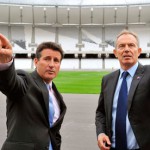
When Seb Coe and Tony Blair tri­umphantly announced that Lon­don had won the Olympics on 6th July 2005, one of their man­tras was how Lon­don and the UK would bene­fit from the pres­ence of the games.  They painted a rosy pic­ture of loc­al busi­nesses boom­ing on the back of the influx of tourists.

But the cold real­ity of today’s Olympics is grey­er.  Com­muters are being advised to work from home rather than use the over­loaded trans­port net­works; the civil ser­vice is effect­ively shut­ting down; and Zil lanes for the “great and the good” of the Olympics uni­verse are chok­ing already con­ges­ted Lon­don streets.

Even worse, busi­nesses across the UK, but par­tic­u­larly the loc­al ones in the eco­nom­ic­ally deprived environs of the Olympic Park in East Lon­don, are cat­egor­ic­ally NOT allowed to bene­fit from the games.  Under the terms of the con­tracts drawn up by the cor­por­ate mega-spon­sors, Lon­don small busi­nesses are not allowed to cap­it­al­ize in any con­ceiv­able, pos­sible, min­is­cule way on the pres­ence of the games in their own city.

And these terms and con­di­tions are enshrined in the Olympics Act 2006; any infrac­tion of the rules car­ries a crim­in­al pen­alty.  For more than a week, cor­por­ate police enfor­cers have been patrolling Lon­don look­ing for infrac­tions of the Olympic trade­mark.  And this goes way bey­ond “Olympics R US” or some such.  As Nick Cohen wrote in an excel­lent recent art­icle in The Spec­tat­or magazine:

In the Lon­don Olympic Games and Para­lympic Games Act of 2006, the gov­ern­ment gran­ted the organ­isers remark­able con­ces­sions. Most glar­ingly, its Act is bespoke legis­la­tion that breaks the prin­ciple of equal­ity before the law. Bri­tain has not offered all busi­nesses and organ­isa­tions more powers to pun­ish rivals who seek to trade on their repu­ta­tion. It has giv­en priv­ileges to the ­Olympics alone. The gov­ern­ment has told the courts they may wish to take par­tic­u­lar account of any­one using two or more words from what it calls ‘List A’ — ‘Games’; ‘Two Thou­sand and Twelve’; ‘2012’; ‘twenty twelve’. The judges must also come down hard on a busi­ness or char­ity that takes a word from List A and con­joins it with one or more words from ‘List B’ — ‘Gold’; ‘Sil­ver’; ‘Bronze’; ‘Lon­don’; ‘medals’; ‘spon­sors’; ‘sum­mer’. Com­mon nouns are now private property.”

I heard recently that a well-estab­lished loc­al café in Strat­ford, East Lon­don, that has for years been known as the Olympic Café, has been ordered to paint over its sign for the dur­a­tion of the games. If I owned the café, I would be temp­ted to sue the Olympic Com­mit­tee for breach of trademark.

It seems to me that this real-world trade­mark pro­tec­tion­ism is an exten­sion of the ongo­ing copy­right wars in cyber­space — a blatant attempt to use state level power and legis­la­tion to pro­tect the interests of the wealthy inter­na­tion­al mega-corps few.  We saw early attempts at this dur­ing the South Afric­an Foot­ball World Cup in 2010, and the Van­couver Winter Olympics the same year.

But the Lon­don Olympics take it to the next level: there is a long list of what you are not allowed to take into the sta­dia.  Spec­tat­ors will be sub­jec­ted to air­port-style secur­ity theatre.  This will ensure that no liquids of more than 100ml can be car­ried, although empty bottles will be allowed if people want to fill them up with tap water on site.  This, of course, means that more spec­tat­ors will be buy­ing their spon­sor-approved liquids in situ and at no-doubt over-inflated prices, to the bene­fit of one of the key Olympic sponsors.

The Lon­don games seem to be the first time that the glob­al cor­por­ate com­munity is demon­strat­ing its full spec­trum dom­in­ance — where the leg­al, police, and mil­it­ary resources of the state are put at the dis­pos­al of the giant, bloated, money-suck­ing leech that is the Inter­na­tion­al Olympic Committee.

Every city that has hos­ted the Olympics over the last four dec­ades has been fin­an­cially bled white; many are still pay­ing back the ini­tial invest­ment in the infra­struc­ture, even if it is now decay­ing and use­less. Greece, any­body?

But do the IOC or its region­al pimps care?  Hell, no. Like all good para­sites, once the ori­gin­al host has been drained dry, the Games move on to a new food source every four years.

What really, deeply puzzles me is why the hell are the people of Lon­don not out there protest­ing against this cor­por­at­ist putsch?  Per­haps they fear being shot?

How can it be a crime to take a full bottle of water into a sta­di­um when you want to watch a sport? How can it be a crime to tweet a pic­ture?  How can it be crim­in­al to cel­eb­rate the occa­sion in your loc­al pub with Olympic flags draped around your bar, drink­ing a beer and eat­ing a bur­ger mar­keted cheesily as “fit for cham­pi­ons” or some such?

The ori­gin­al ideals behind the recon­sti­t­u­tion of the mod­ern Olympics in 1896 were a highly roman­ti­cised and dis­tor­ted vis­ion of the val­ues of the ancient games.  But even that naïve ideal has been lost in the crapu­lous cor­por­at­ism that is the mod­ern event.

We have even gone way bey­ond the Roman view of bread and cir­cuses pla­cat­ing the masses.  Now we are into the hard­core real­politik of inter­na­tion­al cor­por­a­tions and nation­al gov­ern­ments using the games as a per­fect pre­text to tight­en the “secur­ity” screws even more.

And so the UK is proud to present full-blown Cor­por­ate Fas­cism Ver­sion 2.0.

Vae vic­tis.

Will MI6 “fix” intelligence on Iran?

By:    Ray McGov­ern, former CIA ana­lyst and Annie Machon, former MI5 intel­li­gence officer

Recent remarks by the head of MI6, Sir John Saw­ers, leave us won­der­ing if the Secret Intel­li­gence Ser­vice is pre­par­ing to “fix” intel­li­gence on Iran, as his imme­di­ate pre­de­cessor, Sir John Scar­lett, did on Iraq.

Scarlett’s pre-Iraq war role in cre­at­ing “dodgy dossiers” hyp­ing the threat of non-exist­ent “weapons of mass destruc­tion” is well known.  As for Saw­ers, the red warn­ing light for politi­ciz­a­tion blinked brightly on July 4, as he told Brit­ish seni­or civil ser­vants that Iran is “two years away” from becom­ing a “nuc­le­ar weapons state.”  How did Saw­ers come up with “two years?”

Since late 2007, the bench­mark for weigh­ing Iran’s nuc­le­ar pro­gram has been the unan­im­ous assess­ment by all 16 U.S. intel­li­gence agen­cies that Iran hal­ted its nuc­le­ar weapons pro­gram in late 2003 and that, as of mid-2007, had not restar­ted it.  Those judg­ments have been reval­id­ated every year since — des­pite strong pres­sure to bow to more omin­ous — but evid­ence-light — assess­ments by Israel and its neo-con­ser­vat­ive supporters.

Intel­li­gence Can Make a Difference

The 2007 the US Nation­al Intel­li­gence Estim­ate helped to thwart plans to attack Iran in 2008, the last year of the Bush/Cheney admin­is­tra­tion.  This shines through in George Bush’s own mem­oir, Decision Points, in which he rues the NIE’s “eye-pop­ping declar­a­tion: ‘We judge with high con­fid­ence that in fall 2003, Tehran hal­ted its nuc­le­ar weapons program.’”

Bush con­tin­ues, “But after the NIE, how could I pos­sibly explain using the mil­it­ary to des­troy the nuc­le­ar facil­it­ies of a coun­try the intel­li­gence com­munity said had no act­ive nuc­le­ar weapons pro­gram?” (Decision Points, p. 419)

Hands tied on the mil­it­ary side, US cov­ert oper­a­tions flowered, with $400 mil­lion appro­pri­ated at that same time for a major escal­a­tion of the dark-side struggle against Iran, accord­ing to mil­it­ary, intel­li­gence, and con­gres­sion­al sources cited by Sey­mour Her­sh in 2008.  This clandes­tine but all-too-real war on Iran has included attacks with com­puter vir­uses, the murders of Ira­ni­an sci­ent­ists, and what the Israel­is call the “unnat­ur­al” demise of seni­or offi­cials like Revolu­tion­ary Guards Major Gen­er­al Has­san Moghad­dam fath­er of Iran’s mis­sile program.

Moghad­dam was killed in a large explo­sion last Novem­ber, with Time magazine cit­ing a “west­ern intel­li­gence source” as say­ing the Israel’s Mossad was behind the blast.  More threat­en­ing still to Iran are the severe eco­nom­ic sanc­tions, which are tan­tamount to an act of war.

Israeli Prime Min­is­ter Ben­jamin Net­an­yahu and pro-Israel neo-con­ser­vat­ives in the U.S. and else­where have been push­ing hard for an attack on Iran, seiz­ing every pre­text they can find.  Net­an­yahu was sus­pi­ciously fast off the blocks, for example, in claim­ing that Iran was behind the tra­gic ter­ror­ist bomb­ing of Israeli tour­ists in Bul­garia on July 18, des­pite Bul­gari­an author­it­ies and even the White House warn­ing that it is too early to attrib­ute responsibility.

Netanyahu’s instant indict­ment of Iran strongly sug­gests he is look­ing for excuses to up the ante.  With the Per­sian Gulf look­ing like an acci­dent wait­ing to hap­pen, stocked as it is with war­ships from the U.S., the U.K. and else­where — and with no fail-safe way of com­mu­nic­at­ing with Ira­ni­an nav­al com­mand­ers — an escal­a­tion-gen­er­at­ing acci­dent or pro­voca­tion is now more likely than ever.

July 23: Mark­ing a Day of Infamy

Oddly, Sawers’s speech of July 4 came just as an import­ant date approached — the tenth anniversary of a sad day for Brit­ish intel­li­gence on Iraq.  On July 23, 2002 at a meet­ing at 10 Down­ing Street, then-MI6 head, John Dear­love, briefed Tony Blair and oth­er seni­or offi­cials on his talks with his Amer­ic­an coun­ter­part, CIA Dir­ect­or George Ten­et, in Wash­ing­ton three days before.

In the offi­cial minutes of that brief­ing (now known as the Down­ing Street Memo), which were leaked to the Lon­don Times and pub­lished on May 1, 2005, Dear­love explains that George Bush has decided to attack Iraq and the war was to be “jus­ti­fied by the con­junc­tion of ter­ror­ism and weapons of mass destruc­tion.”  While then-For­eign Sec­ret­ary Jack Straw points out that the case was “thin,” Dear­love explains mat­ter-of-factly, “The intel­li­gence and facts are being fixed around the policy.”

There is no sign in the minutes that any­one hic­cupped — much less demurred — at mak­ing a case for war and fur­ther­ing Blair’s determ­in­a­tion to join Bush in launch­ing the kind of “war of aggres­sion” out­lawed by the post-world war Nurem­berg Tribunal and the UN treaty.

Helped by the acqui­es­cence of their chief spies, the Blair gov­ern­ment main­lined into the body polit­ic un-assessed, raw intel­li­gence and forged doc­u­ments, with dis­astrous con­sequences for the world.

UK cit­izens were spoon-fed fake intel­li­gence in the Septem­ber Dossier (2002) and then, just six weeks before the attack on Iraq, the “Dodgy Dossier”, based largely on a 12-year old PhD thes­is culled from the Inter­net — all presen­ted by spy and politi­cian alike as omin­ous pre­mon­it­ory intelligence.

So was made the case for war. All lies, res­ult­ing in hun­dreds of thou­sands dead and maimed and mil­lions of Iraqis dis­placed — yet no one held to account.

Sir Richard Dear­love, who might have pre­ven­ted this had he had the integ­rity to speak out, was allowed to retire with full hon­ours and became the Mas­ter of a Cam­bridge col­lege.  John Scar­lett, who as chair of the Joint Intel­li­gence Com­mit­tee signed off the fraud­u­lent dossiers, was rewar­ded with the top spy job at MI6 and a knight­hood. George W. Bush gave George Ten­et the Pres­id­en­tial Medal of Free­dom — the highest civil­ian award.

What need have we for fur­ther proof? “So are they all, all hon­our­able men” — remin­is­cent of those stand­ing with Bru­tus in Shakespeare’s play, but with no Mark Anthony to expose them and stir the appro­pri­ate pop­u­lar reaction.

Therein lies the prob­lem: instead of being held account­able, these “hon­our­able men” were, well, hon­oured. Their soft land­ings offer a nox­ious object les­son for ambi­tious bur­eau­crats who are ready to play fast and loose with the truth and trim their sails to the pre­vail­ing winds.

Ill-got hon­ours offer neither deterrent nor dis­in­cent­ive to cur­rent and future intel­li­gence chiefs temp­ted to fol­low suit and cor­rupt intel­li­gence rather than chal­lenge their polit­ic­al lead­ers with hard, un-“fixed” facts. Integ­rity? In this milieu integ­rity brings know­ing smirks rather than hon­ours. And it can get you kicked out of the club.

Fix­ing Intel­li­gence on Iran

Are we in for anoth­er round of “fix­ing” — this time on Iran? We may know soon.  Israeli Prime Min­is­ter Net­an­yahu, cit­ing the ter­ror­ist attack in Bul­garia, has already provided what amounts to a vari­ation on Dearlove’s ten-year old theme regard­ing how war can be “jus­ti­fied by the con­junc­tion of ter­ror­ism and weapons of mass destruction.”

Accord­ing to the Jer­u­s­alem Post on July 17, Net­an­yahu said that all coun­tries that under­stand that Iran is an export­er of world ter­ror must join Israel in “stat­ing that fact clearly,” in order to emphas­ize the import­ance of pre­vent­ing Iran from obtain­ing a nuc­le­ar weapon.

Appear­ing yes­ter­day on Fox News Sunday and CBS’s Face the Nation, Net­an­yahu returned to that theme. Put­ting the blame for the ter­ror­ist attack in Bul­garia squarely on Iran (and Hezbol­lah), Net­an­yahu warned of the increased dangers that would accrue if Iran acquired nuc­le­ar weapons. “What would be the con­sequences if the most dan­ger­ous régime in the world got the world’s most dan­ger­ous weapons?”.

Will MI6 chief Saw­ers mod­el his con­duct on that of his pre­de­cessors who “jus­ti­fied” war on Iraq? Will he “fix” intel­li­gence around U.K./U.S./Israeli policy on Iran? Par­lia­ment­ary over­seers should demand a brief­ing from Saw­ers forth­with, before erstwhile bull­dog Bri­tain is again dragged like a poodle into anoth­er unne­ces­sary war.

Annie Machon is a former intel­li­gence officer in the UK’s MI5 Secur­ity Ser­vice and Ray McGov­ern is a fomer U.S Army Intel­li­gence Officer and CIA analyst.

What whistleblowers want

Whis­tleblowers want the sun and the moon — or at least they want to get their inform­a­tion out there, they want to make a dif­fer­ence, they want a fair hear­ing, and they don’t want to pay too high a per­son­al price for doing so.

Is that too much to ask? The decision to expose crimin­al­ity and bad prac­tice for the pub­lic good has ser­i­ous, life-chan­ging implications.

By going pub­lic about ser­i­ous con­cerns they have about their work­place, they are jeop­ard­ising their whole way of life: not just their pro­fes­sion­al repu­ta­tion and career, but all that goes with it, such as the abil­ity to pay the mort­gage, their social circle, their fam­ily life, their rela­tion­ship…  Plus, the whis­tleblower can poten­tially risk pris­on or worse.

So, with these risks in mind, they are cer­tainly look­ing for an aven­ue to blow the whistle that will offer a degree of pro­tec­tion and allow them to retain a degree of con­trol over their own lives.  In the old days, this meant try­ing to identi­fy an hon­our­able, cam­paign­ing journ­al­ist and a media organ­isa­tion that had the clout to pro­tect its source.  While not impossible, that could cer­tainly be dif­fi­cult, and becomes increas­ingly so in this era of endem­ic elec­tron­ic surveillance.

Today the oth­er option is the secure, high-tech pub­lish­ing con­duit, as trail-blazed by Wikileaks. While this does not provide the poten­tial bene­fits of work­ing with a cam­paign­ing journ­al­ist, it does provide anonym­ity and a cer­tain degree of con­trol to the mod­ern whis­tleblower, plus it allows their inform­a­tion to reach a wide audi­ence without either being filtered by the media or blocked by gov­ern­ment or cor­por­ate injunctions.

As someone who has a nod­ding acquaint­ance with the reper­cus­sions of blow­ing the whistle on a secret gov­ern­ment agency, I have liked the Wikileaks mod­el since I first stumbled across it in 2009.

As with most truly revolu­tion­ary ideas, once pos­ited it is blind­ingly obvious.

Nev­er before has this been tech­nic­ally pos­sible — the idea that a whis­tleblower­’s inform­a­tion could be made freely avail­able to the cit­izens of the world, in order to inform their demo­crat­ic choices, with no block­age, not cen­sor­ship, no fil­ter­ing or “inter­pret­a­tion” by the cor­por­ate media.

This is par­tic­u­larly rel­ev­ant in an age when the glob­al media has been con­sol­id­ated in the hands of a few mul­tina­tion­als, and when these mul­tina­tion­als have a cer­tain, shall we say “cosy”, rela­tion­ship with many of top our politi­cians and power elites.

The con­trol of the main­stream media by the spooks and gov­ern­ments has been the focus of many of my recent talks.  These cor­rupt inter-rela­tion­ships have also been recently laid bare with the News Inter­na­tion­al phone-hack­ing scandals.

The days of gar­ner­ing news from one favoured paper or TV bul­let­in are long gone. Few people now trust just one media out­let — they skip across a vari­ety of news sources, try­ing to eval­u­ate the truth for them­selves. But even that can be prob­lem­at­ic when some­thing big occurs, such as the “jus­ti­fic­a­tion” for the inva­sion of Iraq or Libya, and the cur­rent beat of war drums against Iran, when the cor­por­ate media mys­ter­i­ously achieves a consensus.

Hence the demo­crat­ic dis­con­nect, hence the dis­trust, and hence (in part) the plum­met­ing profits of the old media.

Wikileaks is based on a simple concept —  it allows the people to read the source mater­i­al for them­selves and make up their own minds based on real inform­a­tion.  This led to expos­ure of all kinds of glob­al nas­ties way before the massive 2010 US data-dump.

Des­pite this approach, the impact was ini­tially sub­dued until Wikileaks col­lab­or­ated with the old media.  This, as we all know, did indeed pro­duce the cov­er­age and aware­ness of those issues deemed import­ant as it was filtered through the MSM. This has also inev­it­ably lead to ten­sions between the new mod­el hackt­iv­ists and the old-school journalists.

No gov­ern­ment, least of all the USA, likes to have demands for justice and trans­par­ency forced upon it, and the push back since 2010 has been massive across the world in terms of an appar­ently illeg­al fin­an­cial block­ade, opaque leg­al cases and a media back­lash. Cer­tain of Wikileak­s’s erstwhile media part­ners have col­lab­or­ated in this, turn­ing on one of their richest sources of inform­a­tion in history.

How­ever, Wikileaks is more than a media source.  It is a whole new mod­el — a high-tech pub­lish­er that offers a safe con­duit for whis­tleblowers to cache and pub­li­cise their inform­a­tion without imme­di­ately hav­ing to over­turn (and in some cases risk) their lives.

For this work, Wikileaks has over the years won a num­ber of inter­na­tion­ally pres­ti­gi­ous journ­al­ism awards.

Inev­it­ably, crit­ics in the main­stream media seem to want to have their cake and eat it too: one early part­ner, the New York Times, has writ­ten that it does­n’t recog­nise Wikileaks as a journ­al­ist organ­isa­tion or a pub­lish­er — it is a source, pure and simple.

Either way, by say­ing this the media are surely shoot­ing them­selves in the cor­por­ate feet with both bar­rels. If Wikileaks is indeed “just” a source (the NYT seems to be blithely for­get­ting that good journ­al­ism is entirely depend­ent on its sources), then the media are break­ing their prime dir­ect­ive: pro­tect a source at all costs.

How­ever, if Wikileaks is a journ­al­ism or pub­lish­ing organ­isa­tion and as such is being tar­geted by the US gov­ern­ment, then all oth­er media are surely equally at risk in the future?

By not stand­ing up for Wikileaks in either capa­city, it appears that the old media have a death wish.

Over the years whis­tleblowers around the world have demon­strated their trust in Wikileaks, as it was set up by someone emer­ging from the ori­gin­al bona fide hack­er com­munity.   And rightly so — let’s not for­get that no source has been exposed through the fail­ure of the organ­isa­tion’s technology.

Many media organ­isa­tions rushed to emu­late its suc­cess by try­ing to set up their own “secure” whis­tleblow­ing repos­it­or­ies.  What the media execs failed to under­stand was the hack­er eth­os, the open source men­tal­ity: they went to their tech­ie depart­ment or com­mer­cial IT ser­vice pro­viders and said “we want one”, but failed to under­stand both the eth­os and the secur­ity con­cerns around closed, pro­pri­et­ary soft­ware sys­tems, often chan­nelled through the post-Pat­ri­ot Act, post-CISPA USA.

Oth­er, appar­ently well-mean­ing organ­isa­tions, also tried to emu­late the Wikileaks mod­el, but most have died a quiet death over the last year.  Per­haps, again, for want of real trust in their ori­gin or tech security?

Why on earth would any secur­ity-con­scious whis­tleblower, emer­ging out of a gov­ern­ment, mil­it­ary or intel­li­gence organ­isa­tion, trust such a set-up?  If someone comes out of such an envir­on­ment they will know all-too-well the scale of the push-back, the pos­sible entrap­ments, and the state-level resources that will be used to track them down. They either need an über-secure whis­tleblow­ing plat­form, or they need journ­al­ists and law­yers with fire in their belly to fight the fight, no mat­ter what.

So now to Open­Leaks — appar­ently the brainchild of Wikileaks defect­or Daniel Dom­sheit-Berg. He and the shad­owy “Archi­tect” fam­ously fell out with Juli­an Assange in late 2010, just when the polit­ic­al heat was ramp­ing up on the organ­isa­tion.  They left, reportedly tak­ing some of the cru­cial cod­ing and a tranche of files with them, and Dom­sheit-Berg decided to set up a rival organ­isa­tion called Open­Leaks.  As a res­ult of his actions, Dom­sheit-Berg was uniquely cast out of the inter­na­tion­al hack­er group, the CCC in Berlin.

He now seems to have been wel­comed back into the fold and Open­Leaks appears, finally, to be ready to receive whis­tleblower information.

How­ever, there is a cru­cial dif­fer­ence between the two organ­isa­tions.  Where Wikileaks wants to lay the inform­a­tion out there for pub­lic eval­u­ation, Open­Leaks will merely act as a repos­it­ory for cer­tain approved main­stream media organ­isa­tions to access. We are back to the ori­gin­al block­age of the cor­por­ate media decid­ing what inform­a­tion we, the people, should be allowed to ingest.

I would not wish to com­ment on Dom­sheit-Ber­g’s motiv­a­tion, but to me this seems to be an even worse option for a whis­tleblower than dir­ectly con­tact­ing a cam­paign­ing journ­al­ist with a proven track record of cov­er­ing hard-core stor­ies and fight­ing for the cause.

With Open­Leaks, the whis­tleblower loses not only the auto­mat­ic wide­spread dis­sem­in­a­tion of their inform­a­tion, but also any semb­lance of con­trol over which journ­al­ists will be work­ing on their story.  Their inform­a­tion will be parked on the web­site and any­one from pre-selec­ted media organ­isa­tions will be able to access, use and poten­tially abuse it.

One could say that Open­Leaks oper­ates as a secure sta­ging plat­form where a whis­tleblower can safely store sens­it­ive doc­u­ments and inform­a­tion.… but the founder allegedly removed and des­troyed sens­it­ive files from Wikileaks when he jumped ship in 2010.  Could any whis­tleblower really trust that Open­Leaks would not sim­il­arly “dis­ap­pear” shit-hot inform­a­tion in the future?

Plus, there is the added worry for any rightly-para­noid whis­tleblower that the founder of Open­Leaks so eas­ily aban­doned Wikileaks when under pres­sure.  Who’s to say that this would not hap­pen again, if the full might of the Pentagon were brought to bear on OpenLeaks?

Open­Leaks offers neither the per­son­al sup­port of work­ing with a trus­ted journ­al­ist and a media organ­isa­tion with the clout to fight back, nor does it provide full dis­clos­ure to the wider pub­lic to side-step poten­tial media self-cen­sor­ship and gov­ern­ment law suits, as the ori­gin­al Wikileaks mod­el does.

As such Open­Leaks seems, at least to this par­tic­u­lar whis­tleblower, to be an evol­u­tion­ary blip — a ret­ro­grade step — in the quest for justice and accountability.

The Lindmo Show, Norway

Fol­low­ing on from my talk at the Nor­we­gi­an SKUP invest­ig­at­ive journ­al­ism con­fer­ence in March, I was invited onto the Anne Lindmo Show in Nor­way on 4 May.

Anne is one of the most fam­ous and respec­ted journ­al­ists in Nor­way, and her chat show is extremely pop­u­lar on prime time NRK TV on Fri­day nights.  We had a lively ses­sion dis­cuss­ing the world of spy­ing, what it was like to blow the whistle and go on the run, and the per­son­al price that has to be paid.

Here’s the link to the whole show, and here’s my segment:

Lindmo inter­view on Nor­we­gi­an TV from Annie Machon on Vimeo.

Students for Sensible Drug Policy (SSDP) UK Conference

Last month, in my new role as Dir­ect­or of LEAP Europe, I was invited to do a talk at the SSDP con­fer­ence in Lon­don.  It was great to meet the key SSDP organ­isers, and also share a plat­form with Jason Reed, the co-ordin­at­or of LEAP UK.

The stu­dent act­iv­ists of SSDP are demand­ing that our polit­ic­al classes instig­ate a mature, fact-based dis­cus­sion about the “war on drugs”.

Sorry to rehash all the well-known art­icles about why this “war” is such a fail­ure on every con­ceiv­able front, but just let me reit­er­ate three key points: pro­hib­i­tion will always fail (as this clas­sic “Yes Min­is­ter” scene depicts), and the reg­u­la­tion and tax­a­tion of recre­ation­al drugs (in the same way as alco­hol and tobacco) would be good for soci­ety and for the eco­nomy; it would decap­it­ate organ­ised crime and, in some cases, the fund­ing of ter­ror­ism; and it would make the use and pos­sible abuse of recre­ation­al drugs a health issue rather than a crim­in­al matter.

The stu­dents get this — why can­’t our politicians?

Jason and I had a warm wel­come from the SSDP. They can see the value of law enforce­ment pro­fes­sion­als — police, judges, law­yers, and cus­toms and intel­li­gence officers — using their exper­i­ence to con­trib­ute to the debate. I look for­ward to LEAP work­ing more closely with the SSDP.

And do drop me an email if you would like to help LEAP in Europe.

21st Century Pacificism (The Old Stuff)

The_ScreamI have always been ideo­lo­gic­ally opposed to war and all the hor­rors that flow in its wake: agon­ising fear and death, fam­ine, dis­place­ment, maim­ing, tor­ture, rape, intern­ment and the break­down of all the hard-won val­ues of civ­il­ised human law and behaviour.

Look­ing back, I think that was partly why I was attrac­ted to work in dip­lomacy and how I ended up being enticed into intel­li­gence. These worlds, although by no means per­fect, could con­ceiv­ably be seen as the last-ditch defences before a coun­try goes bel­low­ing into all-out war.

I marched against the Iraq war, toured the UK to speak at Stop the War meet­ings, worked with Make Wars His­tory, and have cease­lessly spoken out and writ­ten about these and related issues.

Alastair_Campbell_1Today in the UK we have reached a con­sensus that Blair’s gov­ern­ment lied to the coun­try into the Iraq war on the false premise of weapons of mass destruc­tion, and sub­sequently enabled the Bush admin­is­tra­tion to do the same in the USA, hyp­ing up the threat of a nuc­le­ar Iraq using false intel­li­gence provided by MI6.

Mil­lions of people marched then, and mil­lions of people con­tin­ue to protest against the ongo­ing engorge­ment of the military/intelligence com­plex, but noth­ing ever seems to change.  It’s demo­crat­ic­ally dis­em­power­ing and an ener­vat­ing exper­i­ence.  What can we do about it?

I have a couple of sug­ges­tions (The New Stuff), but first let’s look at some of the most egre­gious cur­rent fake realities.

David_CameronLast year we had the spec­tacle of the cur­rent No 10 incum­bent, Dave Camer­on, stat­ing that the Liby­an inter­ven­tion would be noth­ing like Iraq — it would be “neces­sary, leg­al and right”. But there was no sub­sequent joined-up think­ing, and Blair and his cronies have still not been held to account for the Iraq gen­o­cide, des­pite prima facie breaches of inter­na­tion­al war law and of the Offi­cial Secrets Act.…

Abdelhakim-BelhajBut help might be at hand for those inter­ested in justice, cour­tesy of Abdel Hakim Bel­haj, former Liby­an Islam­ic Fight­ing Group lead­er, MI6 kid­nap­ping and tor­ture vic­tim, and cur­rent mil­it­ary com­mand­er in Tripoli.

After NATO’s human­it­ari­an bomb­ing of Libya last year and the fall of Gad­dafi’s régime, some ser­i­ously embar­rass­ing paper­work was found in the aban­doned office of Liby­an For­eign Min­is­ter and former spy head honcho, Musa Kusa (who fled to the UK and sub­sequently on to Qatar).

These let­ters, sent in 2004 by former MI6 Head of Ter­ror­ism and cur­rent BP con­sult­ant, Sir Mark Allen, gloat­ingly offer up the hap­less Bel­haj to the Liby­ans for tor­ture.  It almost seems like MI6 wanted a gold star from their new best­est friends.

Bel­haj, under­stand­ably, is still slightly peeved about this and is now suing MI6. As a res­ult, a frantic dam­age-lim­it­a­tion exer­cise is going on, with MI6 try­ing to buy his silence with a mil­lion quid, and scat­ter­ing unat­trib­uted quotes across the Brit­ish media: “it was­n’t us, gov, it was the, er, government.…”.

Which drops either (or both) Tony Blair and Jack Straw eye­brow-deep in the stink­ing cesspit. One or oth­er of them should have signed off on Bel­haj’s kid­nap­ping, know­ing he would be tor­tured in Tripoli. Or per­haps they actu­ally are inno­cent of this.…. but if they did­n’t sign off on the Bel­haj extraordin­ary kid­nap­ping, then MI6 was run­ning rampant, work­ing out­side the law on their watch.

Either way, there are ser­i­ous ques­tions to be answered.

Jack_StrawBoth these upstand­ing politi­cians are, of course, suf­fer­ing from polit­ic­al amne­sia about this case. In fact, Jack Straw, the For­eign Sec­ret­ary at the time of the kid­nap­ping, has said that he can­not have been expec­ted to know everything the spies got up to — even though that was pre­cisely his job, as he was respons­ible for them under the terms of the Intel­li­gence Secur­ity Act 1994, and should cer­tainly have had to clear an oper­a­tion so polit­ic­ally sensitive.

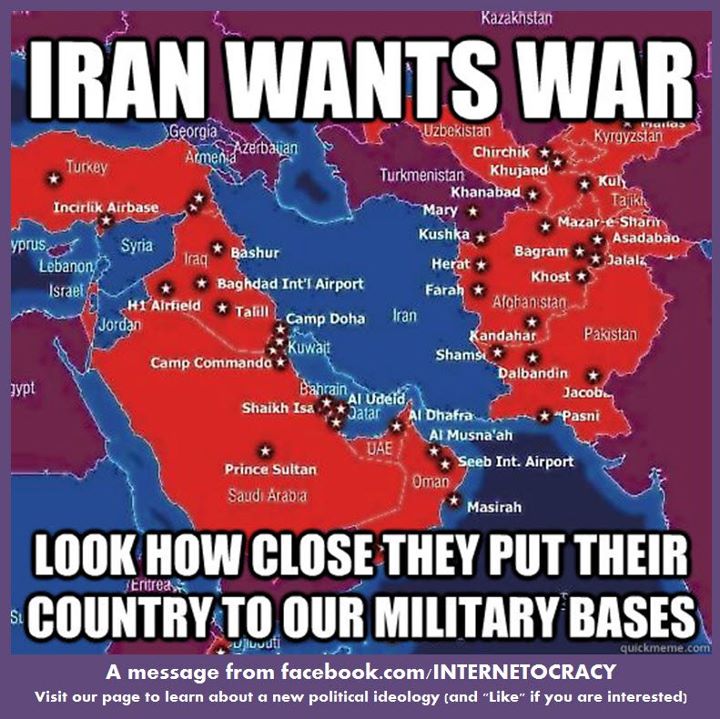
In the wake of Afgh­anistan, Iraq and Libya, what wor­ries me now is that exactly the same reas­ons, with politi­cians mouth­ing exactly the same plat­it­ud­in­ous “truths”, are being pushed to jus­ti­fy an increas­ingly inev­it­able strike against Iran.

Depress­ing as this all is, I would sug­gest that protest­ing each new, indi­vidu­al war is not the neces­sar­ily the most effect­ive response.  Just as the world’s mar­kets have been glob­al­ised, so mani­festly to the bene­fit of all we 99%-ers, have many oth­er issues.

Unlike Dave Camer­on, we need to apply some joined-up think­ing.  Glob­al protest groups need to counter more than indi­vidu­al wars in Iraq, Afgh­anistan, Pakistan, Somalia, Libya, Sudan (North and South), Syr­ia, Iran.….. sorry, I’m get­ting writer­’s cramp just enu­mer­at­ing all the cur­rent wars.

Give me a while to over­come my mor­al spasm, and I shall return with a few sug­ges­tions about pos­sible ways for­ward — 21st Cen­tury Paci­fism; the New Stuff.

Iran_and_US_bases

The Scandinavian Tour 2012

I had an immensely stim­u­lat­ing time dur­ing my recent mini-tour of Scand­inavi­an invest­ig­at­ive journ­al­ism con­fer­ences, meet­ing informed, inter­est­ing, and inter­ested people.

The focus of my talks was the nex­us between the intel­li­gence world and the media — les­sons I had learned, researched and deduced dur­ing the whis­tleblow­ing years and bey­ond.  I have heard so many hair-rais­ing media stor­ies over the years.…

And, hav­ing listened to the exper­i­ences of journ­al­ists from a wide vari­ety of oth­er coun­tries, it seems I am on the right track.

Grav_talkFirst stop was the Grav con­fer­ence in Sweden, where I gave a talk and had the pleas­ure of meet­ing invest­ig­at­ive journ­al­ists who con­firmed what I was say­ing, even if some of them did­n’t think I had quite gone far enough!  We also had fun at the “min­gel” evening.

Next stop, next day, was the SKUP con­fer­ence in Nor­way where I did a talk, and also a debate about the media and whis­tleblowers.  Note to self: nev­er, ever agree to do a morn­ing debate after the legendary SKUP party the night before.

Finally, last week­end, I vis­ited the Tutki 2012 journ­al­ism con­fer­ence in Fin­land (Down­load Helsinki_Talk).  The response was over­whelm­ingly pos­it­ive, and once again I had con­firm­a­tion of what I was say­ing from the journ­al­ists themselves.

So what can we do about this situ­ation?  I shall keep spread­ing the word, and the journ­al­ists them­selves just need to keep say­ing a resound­ing “no” to the induce­ments, at least if they want to work on mean­ing­ful invest­ig­a­tions.  And what real journ­al­ist does­n’t, au fond?

Next stop Geneva, which is why I’m limber­ing up with the French.

A blast from the past

How strange to stumble across this art­icle in the Guard­i­an news­pa­per yes­ter­day, which describes a journ­al­ist’s jus­ti­fi­ably para­noid exper­i­ences inter­view­ing Dav­id Shayler and me back in 2000 while writ­ing an art­icle for Esquire magazine.

The author, Dr Eamonn O’Neill, now a lec­turer in journ­al­ism at Strath­clyde Uni­ver­sity, spent a few days with us in Lon­don and Par­is way back when.

Shayler_Esquire_2000The Esquire art­icle high­lights the para­noia and sur­veil­lance that we had to live with at the time, and the con­tra­dict­ory brief­ings and slanders that were com­ing out of the Brit­ish estab­lish­ment and the media. O’Neill also intel­li­gently tries to address the motiv­a­tions of a whistleblower.

When it was pub­lished I was mildly uncom­fort­able about this art­icle — I felt it did­n’t do Dav­id full justice, nor did it appear to get quite to the heart of the issues he was dis­cuss­ing.  I sup­pose, at the time, I was just too enmeshed in the whole situation.

Now, with hind­sight, it is more per­spic­a­cious than I had thought.  And rather sad.

This art­icle is a timely remind­er of how vicious the estab­lish­ment can be when you cause it embar­rass­ment and pain; the treat­ment meted out to Dav­id Shayler was bru­tal.  And yet noth­ing has changed to this day, as we can see with the ongo­ing pur­suit and vili­fic­a­tion of Wikileaks.

And now to Finland.…

Tutki2012_logoMy grand tour around Scand­inavia con­tin­ues next week­end, when I shall be giv­ing the open­ing key­note at the Tutki!2012 invest­ig­at­ive journ­al­ism con­fer­ence in Hel­sinki.  Look­ing for­ward to the conference!

Talks in Sweden and Norway

Off on my travels again at the end of the week, with two key­notes at Scand­inavi­an journ­al­ism conferences.

Grav_logo I shall first be speak­ing at the Grav con­fer­ence in Sweden on Fri­day 23 March.

SKUP_2012Top­ics under dis­cus­sion will include everything from secur­ity and intel­li­gence to the war on ter­ror, civil liber­ties to eth­ics and media freedoms, gov­ern­ment account­ab­il­ity to whis­tleblow­ing and Wikileaks.

On Sat­urday I travel on to Nor­way to speak at the SKUP con­fer­ence to give a talk and also on Sunday morn­ing to par­ti­cip­ate in a pan­el dis­cus­sion about all things whis­tleblow­ing and Wikileaks. I gath­er that such dis­cus­sions can get quite, um, lively.

I’m look­ing for­ward to an inter­est­ing and stim­u­lat­ing weekend.

Just Say No — the UN Commission on Narcotic Drugs

Just back from the annu­al United Nations happy-clappy ses­sion about drug pro­hib­i­tion in Vienna, the Com­mis­sion on Nar­cot­ic Drugs.  I was there as part of the del­eg­a­tion from Law Enforce­ment Against Pro­hib­i­tion (LEAP), a glob­al cam­paign of serving and former police officers, law­yers, judges, intel­li­gence officers, cus­toms officers and pris­on gov­ernors, all with years of exper­i­ence on the front line of the drug war, and all of whom cam­paign against prohibition.

Why do they do this? Pre­cisely because they have, dur­ing their pro­fes­sion­al lives, wit­nessed the ter­rible fail­ure of the drug pro­hib­i­tion laws.

LEAP’s mes­sage is simple, logic­al and power­ful, and its mem­ber­ship cred­ible and exper­i­enced — have a look at the web­site.

The UN del­eg­a­tion con­sisted of former US drug pro­sec­utor Jim Gier­ach, retired Brazili­an judge Maria Lucia Pereira Karam, award-win­ning US pris­on super­in­tend­ent Rick Van Wick­ler, and myself.

Need­less to say, LEAP and all this breadth of rel­ev­ant expert­ise was mar­gin­al­ised at the UN.

Un_system_chart_colourThe UN is the sine qua non of bur­eau­cra­cies, an organ­isa­tion of such Byz­antine com­plex­ity it makes your eyes bleed to look at it.

Each coun­try around the world funds the UN via vol­un­tary dona­tions. Once they have coughed up, they are allowed to send nation­al del­eg­ates to rep­res­ent “their” interests at shindigs such as the CND. Those del­eg­ates are pre-briefed by their bur­eau­crats about the line they must take, and no dis­sent is allowed.

NGOs are notion­ally able to feed in their views to their del­eg­ates, although access is lim­ited, and over the last few years the lan­guage of the CND has indeed moved towards harm reduc­tion and chil­dren’s rights.  But this merely propag­ates the basic, flawed premise that “drugs” are bad, not that the “war on drugs” has com­pre­hens­ively failed, is ill-thought out, and act­ively dam­ages society.

3_wise_monkeysUN decisions on drug policy are made by con­sensus, which means that there is no real demo­crat­ic debate and that the res­ol­u­tions are so bland as to be mean­ing­less.  At no point what­so­ever are evid­ence-based altern­at­ive solu­tions, such as reg­u­lated leg­al­isa­tion, even whispered in the cor­ridors of power.

The CND’s key achieve­ment this year was to get all the nations to reaf­firm their com­mit­ment to the 100-year old Inter­na­tion­al Hag­ue Con­ven­tion, the first drug pro­hib­i­tion law in a long and escal­at­ing leg­al lit­any of fail­ure and harm.  And this in the teeth of all evid­ence provided by the suc­cess­ful decrim­in­al­isa­tion exper­i­ments in Por­tugal, Switzer­land and the Neth­er­lands.

So here’s where the fun kicks in, but I stress that this is my highly per­son­al take on what it was like to attend the CND last week:

.….….

WARNING: CND appears to be a potent psy­cho­trop­ic drug which has unknown and poten­tially dam­aging effects on the human brain.  Expos­ure to CND for even so short a peri­od as a week can lead to dis­or­i­ent­a­tion, numb­ness, depres­sion and a dis­lo­ca­tion from real­ity.  No data exists about the long-term psy­cho­lo­gic­al effects of pro­longed expos­ure, but some sub­jects can dis­play unchar­ac­ter­ist­ic aggres­sion after only a couple of days’ exper­i­ence of CND.

CND appears to be highly addict­ive lead­ing to rap­id depend­ency, and del­eg­ates return year after year for anoth­er hit. For a week, it’s party time, but then comes the crash­ing low, as they have to push CND on their own coun­tries for anoth­er long year, against all com­mon notions of decency, human­ity and community.

CND is con­tinu­ally presen­ted to vul­ner­able del­eg­ates as the only life­style choice.  Those who ques­tion its effic­acy are out­cast from the gang.  But what of the del­eg­ates’ rights to live a CND-free life, away from the peer pres­sure, bul­ly­ing and viol­ence?  What about redu­cing the harm that CND increas­ingly causes to com­munit­ies across the world?

As the god­fath­ers of CND push the line of harm reduc­tion pro­grammes, devel­op­ing coun­tries are increas­ingly drawn into a life of sor­did “money depend­ency”, even pros­ti­tut­ing them­selves polit­ic­ally to enable their con­tin­ued reli­ance on CND.

The organ­isa­tions con­trolling CND garner huge profits, and there is little polit­ic­al will to change the cur­rent set-up.

.….….

So, a win-win for the drug car­tels, ter­ror­ists, enforce­ment agen­cies, gov­ern­ments, bur­eau­crats and the wider glob­al “drug war” infrastructure.

Not so good for the rest of us.

LEAP_logo

The Extradition Farce — why the delay in reform?

Out­rage con­tin­ues to swell about the per­emp­tory extra­di­tion of Brit­ish cit­izens to face tri­al on tenu­ous charges abroad.

Thanks to the tire­less cam­paign­ing of dis­traught fam­ily mem­bers, a grow­ing anger in the UK press, and indig­nant ques­tions and debates in Par­lia­ment — even our somn­am­bu­lant MPs have roused them­selves to state that Some­thing Must be Done — the Extra­di­tion Act 2003 is now centre stage, and reform of the law will no doubt occur at some point.

As there is a grow­ing con­sensus, why the delay?  I have a the­ory, but first let’s review some of the most troub­ling recent cases.

Janis_SharpThe case that really brought the issue to wide­spread pub­lic atten­tion  is the dec­ade-long extra­di­tion battle of Gary McKin­non.  With this sword of Damocles hanging over his head for so long, poor Gary has already effect­ively served a 10-year sen­tence, uncer­tain of his future and unable to work in his chosen pro­fes­sion.  Thanks to the indefatig­able cam­paign­ing of his moth­er, Janis Sharp, his case has received wide­spread sup­port from the media and politi­cians alike.

Des­pite this the Home Sec­ret­ary, Theresa May (who has recently been work­ing so hard in Jordan to pro­tect the rights of Abu Qatada), has dragged her feet abom­in­ably over mak­ing a decision about wheth­er Gary should be extra­dited to the US to face a pos­sible 70-year pris­on sen­tence — even though the UK invest­ig­a­tion into his alleged crime was aban­doned way back in 2002.

Julia_and Richard_OdwyerThen there is the more recent case of stu­dent Richard O’D­wyer, wanted in the US even though he lives in the UK and has broken no Brit­ish laws.  He is facing a 10 year max­im­um secur­ity sen­tence if extra­dited.  Once again, his moth­er, Julia, is tire­lessly fight­ing and cam­paign­ing for her son.

Most recently, Chris Tap­pin, a retired busi­ness­man and golf club pres­id­ent, has been shipped off to a Texas high secur­ity pen­it­en­tiary fol­low­ing what sounds like a US entrap­ment oper­a­tion (a tech­nique not leg­ally admiss­able in UK courts), and faces a 35 year sen­tence if convicted.

Chris_and_Elaine_TappinDes­pite hav­ing turned him­self in, this eld­erly gent, who walks with the aid of a cane, is con­sidered such a flight risk that he was last week denied bail. Once again, his wife Elaine has come out fight­ing.
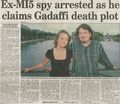
My heart goes out to all these women, and I salute their tenacity and bravery.  I remem­ber liv­ing through a sim­il­ar, if mer­ci­fully briefer, four months back in 1998 when the UK gov­ern­ment tried and failed to extra­dite Dav­id Shayler from France to the UK to stand tri­al for a breach of the OSA. I remem­ber with crys­tal clar­ity the shock of the arrest, the fear when he dis­ap­peared into a for­eign leg­al sys­tem without trace, the anguish about his life in an ali­en prison.

Sunday_Times_Paris_98And I remem­ber the fright­en­ing moment when I real­ised I had to step up and fight for him — the leg­al case, deal­ing with MPs and the end­less media work, includ­ing the ter­ror of live TV inter­views.  And all this when you are wor­ried sick about the fate of a loved one.  Shall I just say it was a steep learn­ing curve?

In the wake of the recent extra­di­tion cases, there have been ques­tions in Par­lia­ment, motions, debates, reviews (Down­load Review), and there is an ongo­ing push for an urgent need for reform.  And no doubt this will come, in time.

So why the delay?  Why not change the law now, and pre­vent McKin­non, O’Dy­wer and many oth­ers being sac­ri­ficed on the Amer­ic­an leg­al altar — the concept of “judi­cial rendi­tion”, as I have men­tioned before.

Well, I have a the­ory, one derived from per­son­al exper­i­ence.  The Brit­ish media — most not­ably the Daily Mail — inveigh against the uni­lat­er­al extra­di­tion of UK cit­izens to the USA’s bru­tal pris­on régime.  There is also some con­cern about extra­di­tion to oth­er European jur­is­dic­tions — usu­ally on the fringes to the south and east of the con­tin­ent, regions where the Brit­ish seem to have a vis­cer­al fear of cor­rupt offi­cials and kangaroo courts.

But what many com­ment­at­ors seem to miss is the cru­cial leg­al con­nec­tion — the extra­di­tion arrange­ments that ensure Brits can be shipped off to the US and many oth­er leg­al banana repub­lics com­par­able leg­al sys­tems to face out­rageous sen­tences are, in fact, embed­ded with­in the Extra­di­tion Act 2003.  This is the act that enshrined the power of the European Arrest War­rant, the the act that was rushed through Par­lia­ment in the midst of the post‑9/11 ter­ror­ism flap.

And, of course, this is the very act that is cur­rently being used and abused to extra­dite Juli­an Assange to Sweden merely for police ques­tion­ing (he has not even been charged with any crime), whence he can be “tem­por­ar­ily sur­rendered” to the delights of the US judi­cial pro­cess. Hmm, could this pos­sibly be the reas­on for the delay in reform­ing the Act?

Assange_Supreme_CourtLet me guess, you think this is begin­ning to sound a bit tin-foil hat? Surely it is incon­ceiv­able that the Brit­ish politi­cians and judges would delay right­ing a flag­rant leg­al wrong that mani­festly res­ults in inno­cent people being unjustly extra­dited and pro­sec­uted? Surely our gov­ern­ment would move swiftly to pro­tect its citizens?

As I men­tioned, my the­ory stems from per­sonal exper­i­ence. Once again delving into the mists of time, in 1997 Dav­id Shayler blew the whistle on the wrong­ful con­vic­tion on ter­ror­ist charges of two inno­cent Palestini­an stu­dents, Samar Alami and Jawad Bot­meh. Their law­yer, the excel­lent Gareth Peirce, was imme­di­ately on the case, but the UK gov­ern­ment dragged its heels for a year. Why?

Dur­ing that time, the UK gov­ern­ment tried to have Shayler extra­dited from France to the UK to stand tri­al. Gov­ern­ment law­yers were con­fid­ent of vic­tory and delayed a decision on the stu­dents’ appeal against their con­vic­tions until the whis­tleblower was safely incar­cer­ated in HMP Bel­marsh, await­ing trial.

Except it all went wrong, and the French freed Shayler for being mani­festly a polit­ical whis­tleblower, which in their leg­al opin­ion was not an extra­dict­able offence. Only at that point did the UK gov­ern­ment law­yers begin to work with Peirce on the Palestini­an case, details of which can be found here.

Christine_AssangeSo my the­ory is that the UK is drag­ging its feet about reform­ing the pre­pos­ter­ous Extra­di­tion Act until it has Assange safely over in Sweden. How­ever, they may be count­ing their chick­ens pre­ma­turely — and they should nev­er, ever over­look the determ­in­a­tion of the cam­paign­ing moth­er, in this case Christine Assange.

But in the mean­time, while the UK con­tin­ues to pros­ti­tute itself to the USA, how many more inno­cent people will have to suf­fer unjust and unjus­ti­fi­able extradition?

DoubleThink Disorder — a new pathology

An update is appar­ently due of the 1994 edi­tion of the “Dia­gnost­ic and Stat­ist­ic­al Manu­al of Men­tal Dis­orders”, the psy­chi­at­rists’ bible that allows them to tick-box their patients into a dis­order, and then, no doubt, pre­scribe Big Pharma industry drugs or an expens­ive form of ther­apy.  Any­one who has ever watched Adam Curtis’s excel­lent “Cen­tury of Self” will be aware of the patho­lo­gising of soci­ety to the bene­fit of the psy­chi­at­ric pro­fes­sions and far beyond.

I am not mak­ing light of ser­i­ous men­tal ill­nesses requir­ing spe­cial­ised and long term treat­ment such as bipolar, schizo­phrenia or chron­ic depres­sion.  These are crip­pling and soul-des­troy­ing con­di­tions and many fam­il­ies, includ­ing my own, have been touched by them.

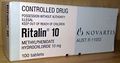
RitalinBut I am con­cerned by the appalling Pharma-creep that has been going on over the last few dec­ades where, for example, increas­ing num­bers of chil­dren are labeled with ADHD and ladled full of Rital­in (which can also lead to a thriv­ing black mar­ket in the onward sale of said drug). And we are appar­ently about to see ever more divar­ic­at­ing dis­orders added to the shrinks’ bible. 

Kevin_and_PerryAs this recent art­icle in The Inde­pend­ent states, stroppy teens will now have “oppos­i­tion­al defi­ance dis­order”, and adults who think of sex more than every 20 minutes are suf­fer­ing from “hyper­sexu­al dis­order”. (How on earth will this be dia­gnosed — will poten­tial suf­fer­ers have to keep a thought crime diary as they go about their daily lives? Man­age­ment meet­ings could be so much more divert­ing as people break off to write an update every so often — although they might have to pre­tend they’re play­ing buzzword bingo.)   And those suf­fer­ing from shy­ness or loneli­ness will suf­fer from “dys­thy­mia”.  Well, as a clas­si­cist, I’m glad to see that ancient Greek still has a role to play in today’s lexicon.

I know that such beha­vi­our­al traits can be debil­it­at­ing, but to patho­lo­gise them seems rather extreme — enough to give a per­son a complex.….

Ivory_tower2On anoth­er some­what facetious note I was intrigued to see this doing the inter­net rounds recently.  It appeared to sug­gest that hav­ing a robust dis­trust of your gov­ern­ment was also about to be patho­lo­gised as Anti-Gov­ern­ment Pho­bia, which I pre­sume would mean that vast swathes of the world’s pop­u­la­tion were men­tally ill.  How­ever, I think the clue to the legit­im­acy of the piece was in the name of the sup­posed author: Ivor E. Tower MD.….

How­ever, back to the point of this art­icle. This was the para­graph in the Indie report that really got my goat:

More wor­ry­ing, accord­ing to some experts, are attempts to redefine crimes as ill­nesses, such as “para­ph­il­ic coer­cive dis­order”, applied to men engaged in sexu­al rela­tion­ships involving the use of force. They are more com­monly known as rapists.”

So it appears that crime will now be explained away as a disorder. 

LEAP_logoBut, but, but.… the key point LEAP­ing out at me, if you’ll for­give the clumsy link, is that this seems to be in dir­ect, sharp con­trast to how we deal with an immense and ongo­ing prob­lem in the world today: namely the 50 year old failed “war on drugs”.  In this phoney war mil­lions of people across the world have been, and against all expert advice, con­tin­ue to be treated as crim­in­als rather than as patients.

Rather than rehash (sorry) all the well-known art­icles about why this war is such a fail­ure on every con­ceiv­able front, let me just make three key points: pro­hib­i­tion will always fail (as this clas­sic “Yes Min­is­ter” scene depicts), and the reg­u­la­tion and tax­a­tion of recre­ation­al drugs (in the same way as alco­hol and tobacco) would be good for soci­ety and for the eco­nomy; it would decap­it­ate organ­ised crime and, in some cases, the fund­ing of ter­ror­ism; and, most per­tin­ently for the pur­poses of this art­icle, it would make the use and pos­sible abuse of recre­ation­al drugs a health issue rather than a crim­in­al matter.

Many people at some point in their lives exper­i­ment with drugs such as dope, E, coke, or whatever and have fun doing so, just as many like to have a drink to unwind after work.  A small per­cent­age will go on to devel­op med­ic­al problems. 

That is the crux of the argu­ment here. Excess­ive abuse of drugs, both licit and illi­cit, is mani­festly a health issue and yet some people are crim­in­al­ised.  Com­pare and con­trast the pro­posed new shrinks’ bible, where what were formerly deemed to be crimes will now be seen as med­ic­al disorders.

Tony_BlairI would call this rank hypo­crisy, but per­haps the shrinks can come up with a more high-brow name?  I pro­pose Soci­et­al Double­Think Disorder. 

The Bankers’ Bonus being that it would con­veni­ently (psycho)pathologise all our “peace-speak­ing” war-mon­ger­ing politi­cians, “free mar­ket” mono­pol­ist­ic big busi­nesses, and “pub­licly owned but private profit” banks.

Praise the Gov­ern­ment and pass the Ritalin.…

Subversion” old and new

Abu_Qatada_CartoonAn inter­est­ing art­icle in yes­ter­day’s Tele­graph by polit­ic­al com­ment­at­or Peter Oborne about Abu Qatada.  This case has caused much sound and fury amongst the Brit­ish polit­ic­al and media classes over the last couple of days.  Oborne’s art­icle strips out the bom­bast and takes us back to basic prin­ciples — as did this oth­er recent art­icle in the Inde­pend­ent a day or two ago by Christina Patterson.

How­ever, what really grabbed my atten­tion in Oborne’s art­icle was his ref­er­ence to Dav­id Max­well Fyfe, the Brit­ish politi­cian and law­yer who was tasked by Sir Win­ston Churchill to lay the found­a­tions of the European sys­tem of human rights after the atro­cit­ies of World War Two — a peri­od when the need for basic rights was seared into people’s minds.

Maxwell_FyfeWhile Max­well Fyfe laid some good found­a­tions for European law, his name also has res­on­ance to all who worked for the UK domest­ic Secur­ity Ser­vice, MI5, dur­ing or in the imme­di­ate after­math of the Cold War.  It was Max­well Fyfe’s dir­ect­ive, issued in 1952, that was instru­ment­al in allow­ing MI5 to spy on Brit­ish polit­ic­al act­iv­ists sub­vers­ives.  This dir­ect­ive remained in place until 1989, when MI5 was placed on a leg­al foot­ing for the first time in its then 80 year his­tory, with the Secur­ity Ser­vice Act 1989. Here is a seg­ment about the Max­well Fyfe dir­ect­ive from my old book, “Spies, Lies and Whis­tleblowers”:

Back­ground to subversion

At this time MI5 was still using the same cri­ter­ia for record­ing indi­vidu­al sub­vers­ives and their sym­path­isers as was set out by Home Sec­ret­ary Dav­id Max­well-Fyfe in 1952.  He called on the ser­vices to identi­fy any indi­vidu­al engaged in under­min­ing Par­lia­ment­ary demo­cracy, nation­al secur­ity and/or the eco­nom­ic well-being of the UK by viol­ent, indus­tri­al or polit­ic­al means.  In fact, many would argue that groups who used only polit­ic­al means to get their point across were merely exer­cising their demo­crat­ic rights.  In fact, MI5 used pho­tos of demon­stra­tions, cop­ies of elec­tion lists and even lists of sub­scribers to rad­ic­al left-wing book clubs as indic­at­ors of sub­vers­ive sym­pathy and mem­ber­ship.  Of course, the world was a very dif­fer­ent place when I joined the sec­tion, almost 40 years after Maxwell-Fyfe’s declar­a­tion, not least because of the dis­in­teg­ra­tion of the Soviet Uni­on and its East­ern bloc allies. 

TrotskyFrom Maxwell-Fyfe’s state­ment to Par­lia­ment, which was nev­er made law, MI5 and sub­sequent gov­ern­ments used to argue that all mem­bers of cer­tain parties –such as the Com­mun­ist Party of Great Bri­tain (CPGB) or later the bewil­der­ing array of Trot­sky­ists, with names like the Inter­na­tion­al Marx­ist Group (IMG), Work­ers’ Revolu­tion­ary Party (WRP) Major and Minor, Revolu­tion­ary Com­mun­ist Party (RCP) and Revolu­tion­ary Com­mun­ist Group (RCG), anarch­ists and the extreme right — were threats to the secur­ity of the state or our demo­crat­ic sys­tem.  This in itself is a con­ten­tious pro­pos­i­tion.  None of these Trot­sky­ist groups was cul­tiv­at­ing East­ern bloc fin­ance or build­ing bombs in smoky back rooms, but were instead using legit­im­ate demo­crat­ic meth­ods to make their case, such as stand­ing in elec­tions, organ­ising demon­stra­tions and edu­cat­ing ‘the work­ers’.  They cer­tainly had no alle­gi­ance to a for­eign power, the primary rais­on d’etre for the invest­ig­a­tion of sub­ver­sion, because, unlike the Com­mun­ist Party, they abhorred the East­ern bloc.

Greenham-commonSince MI5 was effect­ively invest­ig­at­ing indi­vidu­als for hold­ing opin­ions the gov­ern­ment did not like — a very un-Brit­ish pos­i­tion — it was always at pains to point out that it took its respons­ib­il­it­ies with regard to human rights very ser­i­ously, although not ser­i­ously enough to ensure that these activ­it­ies were reg­u­lated by a leg­al frame­work.  All the service’s phone taps pri­or to the passing of the Inter­cep­tion of Com­mu­nic­a­tions Act (IOCA) in 1985 were unlaw­ful because there was no legis­la­tion gov­ern­ing the inter­cep­tion of communications.”

The dir­ect­ive was not a leg­ally bind­ing doc­u­ment, but it was the basis for the work of F Branch, MI5’s massive sec­tion tasked with hunt­ing “sub­vers­ives” dur­ing those dec­ades.  It allowed intel­li­gence officers great lat­it­ude in inter­pret­ing what was deemed sub­vers­ive activ­ity and who were “legit­im­ate’ tar­gets.  And yet there were many, many instances of the abuse of this sys­tem by para­noid, seni­or intel­li­gence officers over the years.  More inform­a­tion can be found in this chapter on sub­ver­sion from the book.

So my point is, yes, Bri­tain ostens­ibly led the way in devel­op­ing a sys­tem to pro­tect human rights in the after­math of the Second World War.  But the very archi­tect of that sys­tem then pro­duced the dir­ect­ive that gave Brit­ish spies carte blanche to invest­ig­ate polit­ic­al dis­sid­ents with­in their own coun­try, which they abused for decades.

Mark_KennedyAnd now we have com­ment­at­ors rightly say­ing that we should uphold basic human rights’ val­ues in cases such as Abu Qatada.  But what about all the UK act­iv­ists who were illeg­ally invest­ig­ated by MI5 from 1952 to the 1990s? And, more per­tin­ently today, what about all the act­iv­ists and pro­test­ers who have been aggress­ively spied upon by the unac­count­able, under­cov­er police of the NPOIU since the 1990s, under the illeg­al cat­egory of “domest­ic extrem­ists”?

I was heartened to see 87 year old artist and peace act­iv­ist John Catt is suing the NPOIU for intrus­ive sur­veil­lance over the last 6 years.  Per­haps he should quote Max­well Fyfe on human rights dur­ing his case?