Can the product of bugs be used as court evidence in the UK?

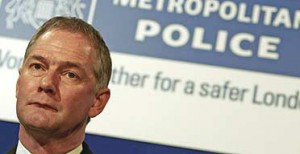
Black_sheep?_textAn inter­est­ing story on Chan­nel 4 TV news today: four Lon­don police officers are being pro­sec­uted for beat­ing up Babar Ahmad in 2003 while arrest­ing him on sus­pi­cion of ter­ror­ism charges.  And it turns out that the key evid­ence for the pro­sec­u­tion comes not from Ahmad’s com­plaint, nor from pho­to­graphs of his injur­ies, but from the product of an eaves­drop­ping device, more com­monly known as a bug, planted in his home by the UK Secur­ity Ser­vice, MI5.

It’s inter­est­ing in itself that MI5 has released this inform­a­tion for court pro­ceed­ings against Met counter-ter­ror­ism officers.  I shall res­ist spec­u­lat­ing now, but shall be watch­ing devel­op­ments with interest.

But the point I want to make quickly today is about the use of inter­cept mater­i­al as leg­al evid­ence in UK courts.  This can poten­tially be cru­cial for law­yers when speak­ing to their cli­ents, journ­al­ists who wish to pro­tect their sources, polticial act­iv­ists, and those who simply wish to pro­tect their inher­ent right to pri­vacy as the encroach­ing elec­tron­ic sur­veil­lance state con­tin­ues to swell.

It can also be poten­tially use­ful inform­a­tion for MPs talk­ing to their con­stitu­ents.  Indeed, return­ing to the years-long case of Babar Ahmad, there was a media furore in 2008 when it was revealed that the Met had author­ised the bug­ging of his con­ver­sa­tions with his MP Sad­iq Khan dur­ing pris­on visits. 

And who was the com­mand­ing officer who author­ised this?  Step for­ward former Met Counter Ter­ror­ism supremo, Andy Hay­man, that much esteemed defend­er of Brit­ish civil liber­ties who recently sug­ges­ted “dawn raids” and “snatch squads ” be used against polit­ic­al activists.

Unlike most oth­er west­ern coun­tries, the UK does not allow the use of tele­phone inter­cept as evid­ence in a court of law.  As I’ve writ­ten before, it’s a hangover from the cold war spy­ing game.  MI5 has tra­di­tion­ally seen phone taps as a source of intel­li­gence, not evid­ence, des­pite the fact that much of their work is notion­ally more evid­en­tially based in the 21st cen­tury.  It also still remains a sub­ject of debate and a fiercely fought rear­gard action by the spies them­selves, who claim telecheck is a “sens­it­ive technique”. 

As if we don’t all know that our phones can be bugged.….

How­ever, eaves­drop­ping devices that are planted in your prop­erty — your home, your office, even your car — can indeed pro­duce evid­ence that can be used against you in a court of law.   All this requires a Home Office War­rant (HOW) to make it leg­al, but Home Sec­ret­ar­ies are tra­di­tion­ally reluct­ant to refuse a request in the interests of “nation­al secur­ity”.  Moreover, if the own­er of the prop­erty agrees to a bug, even without a HOW, they can be leg­ally used.  So if you live in ren­ted accom­mod­a­tion, befriend your landlord!

Not a lot of people know all that — but we should. 
How the Light Gets In — speaking in Hay-on-Wye, May 30 2011

How_the_light_gets_in_Banner I did two ses­sions at Hay-on-Wye philo­sophy and music fest­iv­al — How the Light gets In in May 2011.

The first was a debate called “An Age of Trans­par­ency” with neo-con­ser­vat­ive com­ment­at­or Douglas Mur­ray, and philo­soph­er Nigel Warburton.

The second was my talk about “Spies, Lies, and Life on the Run”.

Here’s a link to a video of my talk.

How_the_light_gets_in_banner

A tale of two countries — pre-emptive policing in Britain and Syria

What a dif­fer­ence a mere month makes in the UK media.  At the end of March The Inde­pend­ent news­pa­per pro­duced this art­icle in the wake of the huge TUC anti-cuts protest in Lon­don, where the Brit­ish Home Sec­ret­ary was cas­tig­ated for con­sid­er­ing great­er police powers to pre­vent such “trouble” again, with par­tic­u­lar ref­er­ence to the forth­com­ing roy­al wedding.

At the time former assist­ant com­mis­sion­er at Scot­land Yard, Andy Hay­man, who had served as the head of the Met­ro­pol­it­an Police Counter-Ter­ror­ism squad and was, umm,  reportedlymuch-esteemed officer before his early resig­na­tion, adop­ted a mus­cu­lar tone by call­ing for “snatch squads” and “dawn raids” to be car­ried out by police against sus­pec­ted trouble­makers.  How ter­ribly un-British.

Per­haps I’m start­ing at shad­ows, but with the above in mind two inter­est­ing aricles appeared in that very same news­pa­per today.

The first art­icle that caught my eye con­firmed there was indeed just such a secur­ity crack­down against sus­pec­ted dis­sid­ents in the UK on the eve of the roy­al wed­ding.  Lynne Owens, the Met­ro­pol­it­an Police assist­ant com­mis­sion­er in charge of the roy­al poli­cing oper­a­tion, is quoted as saying:

“We have to be abso­lutely clear. If any­one comes to Lon­don intend­ing to com­mit crim­in­al acts, we will act quickly, robustly and decis­ively.” She said the Met was work­ing with forces across the coun­try and would use “spot­ters” to identi­fy those caus­ing trouble.”

The art­icle goes on to say:

As police teams step up their pro­cess of “pre-event invest­ig­a­tion” and “intel­li­gence gath­er­ing”, reports have come in from pro­test­ers that plain-clothed police are turn­ing up at their homes to warn them against attend­ing Fri­day’s event.” 

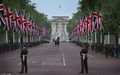
Military&pageantryIt seems that the poor old Met is hav­ing con­nip­tions about poten­tially embar­rass­ing pro­test­ers sul­ly­ing the pageantry of the roy­al wed­ding and is put­ting our money where its mouth is.  Last week The Tele­graph also repor­ted that counter-intel­li­gence oper­a­tions were being con­duc­ted against “anarch­ists” to pre­vent trouble on 29th April.

Inter­est­ing use of lan­guage, but I sup­pose that one news­pa­per­’s “pro­test­er” will always be another­’s “anarch­ist”.…

So what of the second art­icle that con­cerned me?  This described the bru­tal secur­ity crack­down in Syr­ia, where the secret police were pre-empt­ively hunt­ing down and arrest­ing sus­pec­ted dissidents:

Syr­i­a’s feared secret police raided hun­dreds of homes yes­ter­day as author­it­ies stepped up attempts to crush the pro-reform movement.….”

UK For­eign Sec­ret­ary, Wil­li­am Hag­ue is quoted as say­ing that:

Syr­ia is now at a fork in the road… it can choose ever-more viol­ent repres­sion which can only ever bring short-term secur­ity for the author­it­ies there.”

How much more need I say?  Put­ting aside the fact that Hag­ue seems to have acquired his very own fork(ed tongue), the only dis­cern­able dif­fer­ence at this stage is in the sheer scale of the bru­tal­ity and repres­sion, not the mind-set or intent.

It’s a slip­pery slope.….

Just how many unaccountable spy organisations are out there in the UK?

Black_sheep?Unsuc­cess­fully res­ist­ing the tempta­tion to say that the obvi­ous ones (MI5, MI6 and GCHQ) are still pretty unac­count­able, I was intrigued by a few recent art­icles in The Guard­i­an

George Mon­bi­ot, someone I have enorm­ous respect for but don’t always see eye-to-swiv­el­ling-eye with, wrote an excel­lent piece about the after­shocks of the Mark Kennedy/undercover cop scan­dal earli­er this year. 

Mon­bi­ot calls for the abol­i­tion of that demo­crat­ic­ally unac­count­able seni­or plod organ­isa­tion and PLC, the Asso­ci­ation of Chief Police Officers (ACPO).  This was the organ­isa­tion under whose aegis the under­cov­er cops spied on hap­less envir­on­ment protest­ors — the very people who are now being encour­aged to appeal against their con­vic­tions by Dir­ect­or of Pub­lic Pro­sec­u­tions, no less.

Mon­bi­ot quotes a couple of acronyms cov­er­ing this shady world of police spy­ing: NPOIU and NECTU.   But in anoth­er Guard­i­an art­icle today — about the police tak­ing pre-empt­ive steps against so-called anarch­ists in the run-up to the roy­al wed­ding — I saw this:

The Met is also get­ting intel­li­gence from the Fix­ated Threat Assess­ment Centre, a police unit set up in 2006 togeth­er with men­tal health agen­cies to identi­fy indi­vidu­als who are obsessed with mem­bers of the roy­al fam­ily, politi­cians or celebrities.”

Que?  When was this unit set up, and who runs it?  What about data pro­tec­tion and pri­vacy of med­ic­al records?  Or are these notions already just quaint ana­chron­isms, and a de facto Big Broth­er data­base is already in place?

Per­haps it is time for ACPO to make a clean breast of all the little group­ings it has set up over the last decade.….

My article about the role of the spies, The Guardian, 24 January 2011

Annie_1_Heleen_Banner Here’s a link to my art­icle in The Guard­i­an today, explor­ing the con­fused roles of mod­ern Brit­ish spies, and look­ing at some ways to sort out the mess.  Both the police and the spooks seem to be hav­ing a bit of an iden­tity crisis at the moment…


Are envir­on­ment­al act­iv­ists really a spy­ing priority?

Rev­el­a­tions about police­men spy­ing on envir­on­ment­al act­iv­ists sug­gest we need a sense of per­spect­ive on threats to the nation.

The cas­cade of rev­el­a­tions about secret police­men, start­ing with PC Mark Kennedy/environmental act­iv­ist “Mark Stone”, has high­lighted the iden­tity crisis afflict­ing the Brit­ish secur­ity estab­lish­ment. Private under­cov­er police units are hav­ing their James Bond moment – cider shaken, not stirred – while MI5 has become ever more plod-like, yet without the accom­pa­ny­ing over­sight. How has this happened to our demo­cracy without any pub­lic debate?

From the late 19th cen­tury the Met­ro­pol­it­an Police Spe­cial Branch invest­ig­ated ter­ror­ism while MI5, estab­lished in 1909, was a counter-intel­li­gence unit focus­ing on espi­on­age and polit­ic­al “sub­ver­sion”. The switch began in 1992 when Dame Stella Rim­ing­ton, then head of MI5, effected a White­hall coup and stole primacy for invest­ig­at­ing Irish ter­ror­ism from the Met. As a res­ult MI5 magic­ally dis­covered that sub­ver­sion was not such a threat after all – this rev­el­a­tion only three years after the Ber­lin Wall came down – and trans­ferred all its staff over to the new, sexy counter-ter­ror­ism sec­tions. Since then, MI5 has been eagerly build­ing its counter-ter­ror­ism empire, des­pite this being more obvi­ously evid­en­tial police work.

Spe­cial Branch was releg­ated to a sup­port­ing role, dab­bling in organ­ised crime and anim­al rights act­iv­ists, but not ter­ribly excited about either. Its prestige had been ser­i­ously tar­nished. It also had a group of exper­i­enced under­cov­er cops – known then as the Spe­cial Duties Sec­tion – with time on their hands.

It should there­fore come as little sur­prise that Acpo, the private lim­ited com­pany com­pris­ing seni­or police officers across the coun­try, came up with the bril­liant idea of using this skill-set against UK “domest­ic extrem­ists”. Acpo set up the Nation­al Pub­lic Order Intel­li­gence Unit (NPOIU). This first focused primar­ily on anim­al rights act­iv­ists, but mis­sion creep rap­idly set in and the unit’s role expan­ded into peace­ful protest groups. When this unac­count­able, Stasi-like unit was revealed it rightly caused an out­cry, espe­cially as the term “domest­ic extrem­ist” is not recog­nised under UK law, and can­not leg­ally be used as jus­ti­fic­a­tion to aggress­ively invade an indi­vidu­al’s pri­vacy because of their legit­im­ate polit­ic­al beliefs and act­iv­ism. So, plod has become increas­ingly spooky. What of the spooks?

As I men­tioned, they have been aggress­ively hoover­ing up the pres­ti­gi­ous counter-ter­ror­ism work. But, des­pite what the Amer­ic­ans have hys­ter­ic­ally asser­ted since 9/11, ter­ror­ism is not some unique form of “evil­tude”. It is a crime – a hideous, shock­ing one, but still a crime that should be invest­ig­ated, with evid­ence gathered, due pro­cess applied and the sus­pects on tri­al in front of a jury.

A mature demo­cracy that respects human rights and the rule of law should not intern sus­pects or render them to secret pris­ons and tor­ture them for years. And yet this is pre­cisely what our spooks are now allegedly doing – par­tic­u­larly when col­lud­ing with their US counterparts.

Also, MI5 and MI6 oper­ate out­side any real­ist­ic demo­crat­ic over­sight and con­trol. The remit of the intel­li­gence and secur­ity com­mit­tee in par­lia­ment only cov­ers the policy, admin­is­tra­tion and fin­ance of the spies. Since the com­mit­tee’s incep­tion in 1994 it has repeatedly failed to mean­ing­fully address more ser­i­ous ques­tions about the spies’ role. The spooks are effect­ively above the law, while at the same time pro­tec­ted by the dra­coni­an Offi­cial Secrets Act. This makes the abuses of the NPOIU seem almost quaint. So what to do? A good first step might be to have an informed dis­cus­sion about the real­ist­ic threats to the UK. The police and spies huddle behind the pro­tect­ive phrase “nation­al secur­ity”. But what does this mean?

The core idea should be safe­guard­ing the nation’s integ­rity. A group of well-mean­ing envir­on­ment­al pro­test­ers should not even be on the radar. And, no mat­ter how awful, the occa­sion­al ter­ror­ist attack is not an exist­en­tial threat to the fab­ric of the nation in the way of, say, the planned Nazi inva­sion in 1940. Nor is it even close to the sus­tained bomb­ing of gov­ern­ment, infra­struc­ture and mil­it­ary tar­gets by the Pro­vi­sion­al IRA in the 70s-90s.

Once we under­stand the real threats, we as a nation can dis­cuss the steps to take to pro­tect ourselves; what meas­ures should be taken and what liber­ties occa­sion­ally and leg­ally com­prom­ised, and what demo­crat­ic account­ab­il­ity exists to ensure that the secur­ity forces do not exceed their remit and work with­in the law.

If you’ve done nothing wrong, you have nothing to hide.…

Well, if you’ve done noth­ing wrong, you have noth­ing to hide.  Why object to increas­ing state sur­veil­lance powers?”

I speak reg­u­larly at inter­na­tion­al events about basic freedoms, civil liber­ties and encroach­ing police states, and this is one of the most fre­quently asked questions.

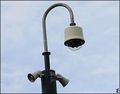
This ques­tion is usu­ally posed in the con­text of the ubi­quit­ous CCTV cam­er­as that infest the streets of Bri­tain, where it is estim­ated that you can be pho­to­graphed hun­dreds of times a day going about your daily busi­ness in London. 

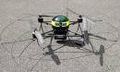
DroneNot to men­tion the talk­ing CCTV cam­er­as in the North of Eng­land, nor the increas­ing use of spy drones (as yet, reportedly, unweapon­ised — at least leth­ally)  over the skies of Bri­tain.  Nor the fact that the police officers in charge of CCTV units admit that the tech­no­logy is only use­ful as evid­ence in 3% of cases, and that viol­ent crime has actu­ally gone up since the spread of CCTV, so we’re cer­tainly no safer on our streets.

Nor do the well-mean­ing people ask­ing this ques­tion (who, one pre­sumes, have nev­er-ever done any­thing wrong in their lives, even to the extent of not drop­ping lit­ter) seem to grasp the his­tor­ic­al evid­ence: they retain an optim­ist­ic faith in the long-term benign inten­tions of our governments.

Yet as we’ve seen time and time again in his­tory, more dubi­ous, total­it­ari­an and malig­nant gov­ern­ments can indeed gain power, and will abuse and extend the sur­veil­lance laws and avail­able tech­no­logy against their own peoples.  And I’m not just talk­ing about Hitler­’s rise to power in the 1930s or the East Ger­man Stasi, although I’m in agree­ment with UK Edu­ca­tion Sec­ret­ary Michael Gove at the moment in say­ing that his­tory les­sons are nev­er a waste.…

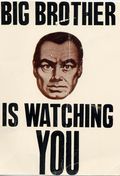
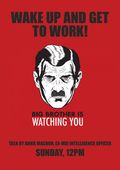
Big_Brother_posterBut we also need to learn more recent les­sons: the UK in the 1970s-1990s, where the Irish com­munity as a whole was tar­geted because of fringe Repub­lic­an ter­ror­ism; or the Muslim com­munity post‑9/11, which lives with the real fear of of being arres­ted, extraordin­ar­ily rendered, tor­tured, or even assas­sin­ated on the say-so of unac­count­able intel­li­gence agen­cies; or even peace­ful protest groups in the USA and UK who are infilt­rated and aggress­ively invest­ig­ated by Stasi-like police officers.

The Uni­ver­sal Declar­a­tion of Human Rights was put in place for a very good reas­on in 1948: to pre­vent the hor­rors of state ter­ror­ism, viol­ence and gen­o­cide from ever hap­pen­ing again.  Amongst the essen­tial, inter­na­tion­ally-agreed core prin­ciples are the right to life, the right not to be tor­tured, free­dom of expres­sion, and the right to indi­vidu­al privacy. 

Which brings me neatly back to the start of this art­icle.  This is pre­cisely why increas­ing state sur­veil­lance is a prob­lem.  Because of the post‑9/11, over-inflated, hyped-up threat from soi-dis­ant ter­ror­ist groups, we are all being pen­al­ised.  The bal­ance of power is shift­ing over­whelm­ingly in favour of the Big Broth­er state.

Well, almost.  The Wikileaks mod­el is help­ing to level the play­ing field, and whatever hap­pens to this trail-blaz­ing organ­isa­tion, the prin­ciples and tech­no­logy are out there and will be rep­lic­ated.  The genie can­not be put back in the bottle.

So, why not pose the very ques­tion in the title of this piece back on those who want to turn back the clock and erad­ic­ate Wikileaks — the gov­ern­ments, mega-cor­por­a­tions, and intel­li­gence agen­cies which have been outed, shamed and embar­rassed, and which are now try­ing to sup­press its work?

If you’ve done noth­ing wrong, you have noth­ing to hide.….


Cambridge Union Society Talk on PSTV, January 2011

Paradigm Shift TV (Sky 201 and 203)  pro­duced this film of my talk at the Cam­bridge Uni­on Soci­ety in Janu­ary 2011:


With thanks to Keith and Steve!

Spy drones coming soon to a place near you.

For a long time now I have been giv­ing speak­ing out at con­fer­ences and in inter­views around the world about the encroach­ing nature of our sur­veil­lance states. 

One aspect of this, the endem­ic CCTV cov­er­age in the UK, is notori­ous inter­na­tion­ally. Not only the estim­ated 4 mil­lion+ pub­lic CCTV cam­er­as on Brit­ish streets, but also all the traffic cam­er­as and private secur­ity cam­er­as that sneak a peak onto our pub­lic spaces too.  As if that were not enough, earli­er this year it was also repor­ted that loc­al coun­cils are invest­ing in mobile CCTV smart spy cars too.

Addi­tion­ally, of course, we had the issue of Google Street View invad­ing our pri­vacy, and the cam­era cars also just happened to coin­cid­ent­ally hoover up the private inter­net traffic of those too trust­ing to lock their wire­less inter­net access.  Unlike the UK, the Ger­mans have thank­fully said a robust “nein” to Google’s plan.

All this, as I’ve pre­vi­ously noted, des­pite the fact that the head of the Met­ro­pol­it­an Police depart­ment respons­ible for pro­cessing all this sur­veil­lance inform­a­tion went on the record to say that CCTV evid­ence is use­less in help­ing to solve all but 3% of crimes, and those merely minor.  In fact, since CCTV has been rolled out nation­ally, viol­ent crime on the streets of Bri­tain has not notice­ably reduced.

But, hey, who cares about facts when secur­ity is Big Busi­ness?  Someone, some­where, is get­ting very rich by rolling out ever more Orwellian sur­veil­lance technology. 

Talking_CCTV_CameraOn the streets of Bri­tain, it is get­ting pro­gress­ively worse.  Audi­ences across Europe and North Amer­ica have respon­ded with shocked laughter when I have men­tioned that police tri­als had been con­duc­ted in the UK using talk­ing CCTV cam­er­as that barked orders at appar­ent transgressors.

In 2007 Middles­brough, a town in the north east of the UK with a zero-tol­er­ance policy, began a tri­al using these talk­ing cam­er­as.  In line with a gov­ern­ment review of civil liber­ties this year, it was repor­ted over the sum­mer that the use of these cam­er­as might be phased out.  Need­less to say, the coun­cil is fight­ing a fierce rear­guard action against the remov­al of talk­ing CCTV — an obvi­ous example of the inher­ent dif­fi­culty of try­ing to wrest estab­lished power from the authorities.

Then earli­er this year it emerged that vari­ous Brit­ish police forces and the Ser­i­ous Organ­ised Crime Agency (SOCA),  have ordered mil­it­ary-style drones to spy on the cit­izenry from the skies.  One drone man­u­fac­turer said that there had been enquir­ies about the poten­tial for mil­it­ar­isa­tion of these drones: thank­fully, his response was repor­ted as fol­lows in The Guardian:

Military_drone“Mark Lawrence, dir­ect­or of Air Robot UK, said: “UAVs will, to an extent, replace heli­copters. Our air robots cost £30,000 com­pared with £10m for a fully equipped mod­ern heli­copter. We have even been asked to put weapons on them but I’m not inter­ested in get­ting involved in that.”

How­ever, Wired has repor­ted that “non-leth­al” weapons could be installed, to facil­it­ate crowd control.

There is also the oth­er side of the secur­ity coin to con­sider, of course.  If these drones are imple­men­ted in the skies of Bri­tain, how soon before some enter­pris­ing young “Al Qaeda” cadre cot­tons on to the idea that this could be an effect­ive way to launch an attack?  So much for all our won­der­fully effect­ive air­port secur­ity measures.

UK_Police_DronePlus, these little air­borne pests will prove to be a real haz­ard for oth­er air­craft, as has already been noted.

Des­pite all this, no wide­spread indig­na­tion has been voiced by the UK pop­u­la­tion.  When will the tip­ping point be reached about this incip­i­ent Orwellian nightmare?

But hope may be at hand.  A some­what frivol­ous art­icle appeared today, stat­ing that small spy drones will become the new paparazzi: Ver­sion 2.0, no doubt.

Per­haps, finally, we shall now see some mean­ing­ful oppos­i­tion to this encroach­ing Big Broth­er state. 

Once Bono, Sting, Saint Bob and the assembled celeb corps get on their high horses about their enshrined, fun­da­ment­al right to pri­vacy, it might finally become fash­ion­able to dis­cuss the very basic prin­ciples under­pin­ning our civilisation.….

.…you remem­ber, those fuddy-duddy ideas like the right to life, not to be tor­tured, not to be unlaw­fully imprisoned or kid­napped, free speech, fair tri­als, free con­science etc .…. oh, and pri­vacy of course!

Boiling Frogs

BoilingfrogsThis Sat­urday, Octo­ber 2, I’ll be speak­ing at the South­wark Play­house in Lon­don, in between the mat­inée and even­ing per­form­ances of an excel­lent new play by Steven Bloom­er called “Boil­ing Frogs”.  The play looks at the erosion of civil liber­ties in the UK, in the name of pro­tect­ing us from the “war on ter­ror”, and is being per­formed by The Fact­ory, an innov­at­ive theatre troupe.

My talk will be called “Are We There Yet?”, and will assess how far down the road the UK has moved towards being a de facto police state: what do we mean by this, and what are the indic­at­ors we should watch out for?

Upcoming New York Conference: how the world changed after 9/11

INN

Look­ing for­ward to speak­ing at this con­fer­ence next weekend!

A timely and neces­sary debate about the vital, but increas­ingly fra­gile, state of our demo­cracy and basic civil rights.

And what a great line up — well done to the organisers! 

Some of the oth­er speak­ers are old friends I’ve worked with before, some I look for­ward to meet­ing for the first time.

The Secret Garden Party, UK 2010

SGP_2010 In July I was invited back to speak at the Secret Garden Party, a music, polit­ics, and arts fest­iv­al held annu­ally some­where, er, secret in the UK.

What a fab week­end.  I have a well-known anti­pathy to sleep­ing under can­vas, but this was an excel­lent fest­iv­al — and even the com­post loos were not too grim. 

Lis­ted as one of the “Star Acts” in the prin­ted fest­iv­al pro­gramme (I blush), I had the lux­ury of an hour and a half to speak in the première debate tent in the Rebels and Intel­lec­tu­als sec­tion of the fest­iv­al — The For­um — a concept that the organ­iser, Ben de Vere, prom­ises to trans­plant to Lon­don some­time in the near future.

Any­way, I ser­i­ously recom­mend put­ting this fest­iv­al in your diar­ies for next year, and keep an eye open for the spread of The Forum.….

Here’s the video:


Gestapo Past and Present

So last week I was on hol­i­day with my lovely Dutch­man in Cologne on the Rhine in Ger­many, a city steeped in his­tory and now chiefly fam­ous for its Goth­ic cathed­ral, widely reputed to be pretty much the last build­ing left stand­ing in the city at the end of WW2.  Eas­ily res­ist­ing both this reli­gious hot­spot and, with slightly more dif­fi­culty, the  siren calls of the brauerei, we decided on a bit of cul­ture, some museums and a stroll along the river. 

How­ever, it turns out that not one but two build­ings had sur­vived WW2 in their entirety.  Tucked away on a back­street, we found the second sur­viv­or: the Gestapo HQ, which had been pre­served as it was found at the end of the war to serve as a ghastly warn­ing to history. 

Gestapo_HQ2Well, as someone who reg­u­larly speaks at con­fer­ences across the world about human rights, total­it­ari­an­ism and encroach­ing police states, I felt I had to have a look.  The build­ing is a non­des­cript office block that looks per­fectly inno­cent from the out­side.  Three floors are open to the pub­lic.  On the first is the museum, with the his­tory of the rise to power of the Nazis.  It was hideously fas­cin­at­ing to read how freedoms and rights were incre­ment­ally eroded as the state slipped ever more from demo­cracy.  The major­ity of the Ger­man people went sleep-walk­ing into nation­al social­ism.  As soon as Hitler had any sort of polit­ic­al power his attack-dogs, the SS, used dis­pro­por­tion­ate, sud­den, and shock­ing viol­ence against Ger­many’s own cit­izens to crush any nas­cent res­ist­ance.  So from 1933 onwards the pop­u­la­tion was ter­ror­ised, as “undesir­ables” were routinely snatched from their homes for ques­tion­ing, tor­ture and imprisonment. 

Gestapo_HQ_Annie_2And the pro­pa­ganda in the media that was on dis­play.….  Shall I just say, even more unsubtle than that which is used against us today.  I sup­pose these dark arts have developed over the inter­ven­ing years.

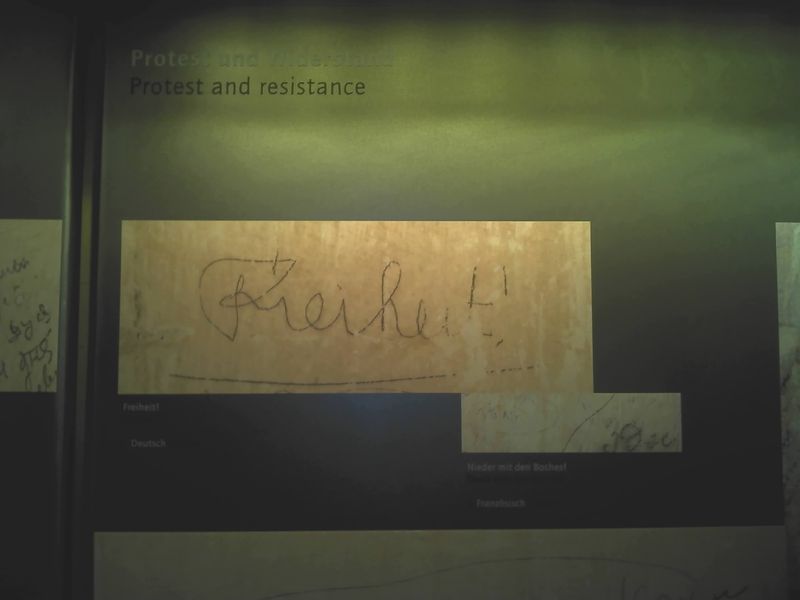
MischaBut it was the lower floors that packed the strongest punch.  The base­ment, just below street level, held the cells — tiny, dank spaces where as many as 30 people had been her­ded togeth­er.  And the walls are covered in graf­fiti in all the lan­guages of Europe — sad, des­per­ate mes­sages to the future from people who were “dis­ap­peared”. They seemed to want to leave a record of the fact simply that they had exis­ted: they had loved, they missed their fam­il­ies, they were try­ing to hold their heads high des­pite the agon­ies inflic­ted daily, they were inno­cent, they were about to die.…..

Hold_your_head_highThere was one more level — the rein­forced rat hole deep under­ground, which served both as the air-raid shel­ter for the Gestapo officers (the pris­on­ers were left upstairs in their cells dur­ing the raids), and as the tor­ture rooms.  Con­sid­er­ately, the Gestapo car­ried out their most bru­tal inter­rog­a­tions under­ground, so that the screams could not be heard at street level.

As we emerged, some­what silent, from this museum, I noticed that we, and many oth­er vis­it­ors, all turned to stare at this build­ing: it looked so bland and innoc­u­ous from the out­side.  But then people would inspect the base­ment win­dows that hid the cells.  The smokers in the group all sparked up as soon as they were out­side, drag­ging hard on their cigar­ettes.  Oth­ers just stood silently. 

So the museum does its job.  It is a power­ful warn­ing from the grave.  Homo hom­ini lupus: man is wolf to man, ever has been and ever will be, absent adequate leg­al restraint.  This is why the Uni­ver­sal Declar­a­tion of Human Rights was put in place in 1948, to pre­vent such atro­cit­ies from hap­pen­ing again.

Yet, at the risk of sound­ing sen­ten­tious, such abuse is going on around the world right now, par­tic­u­larly in the cause of the end­less, neb­u­lous “war on ter­ror”.  We have been lazy, blind and fool­ish, let­ting our basic rights slide away.  People are dis­ap­peared, extraordin­ar­ily rendered, to for­eign pris­ons and tor­tured for years.  Assas­sin­a­tion lists have been drawn up by US intel­li­gence agen­cies; sus­pects face kangaroo, mil­it­ary-style courtrooms, where they face the death pen­alty but are not allowed to know the full case against them; our gov­ern­ments aggress­ively, illeg­ally, invade oth­er coun­tries, and yet the politi­cians who lie to take us into these wars, thereby caus­ing the need­less death, pois­on­ing, maim­ing and dis­place­ment of mil­lions of people, are not called to account for their crimes, as they should be under the Nurem­berg Prin­ciples, the Rome Stat­ute, and the Inter­na­tion­al Crim­in­al Court.

We, the cit­izens of still just-about-func­tion­ing demo­cra­cies, should be ashamed.  We need to re-remem­ber our his­tory and take a stand — before it’s too late.

Protest_and Resist

Talking about totalitarianism at ETH‑0, January 2010

ETH-0_PosterIn Janu­ary I had the pleas­ure of speak­ing in The Neth­er­lands at the excel­lent geek­fest known as ETH‑0.  Rather than just banging on about the spooks, I thought it was time to take a step back and exam­ine what exactly we mean when we talk about total­it­ari­an­ism, police states, and how far down the road our coun­tries have gone.

I also wanted to drive home to an audi­ence, many of whom are too young to remem­ber the Cold War, what exactly it would be like to live under a police state with its endem­ic surveillance. 

And here’s the talk:

US Intelligence targets Wikileaks

WikileaksThe US gov­ern­ment has appar­ently been get­ting its knick­ers in a twist about the excel­lent Wikileaks web­site.  A report writ­ten in 2008 by US army counter-intel­li­gence ana­lys­ing the threat posed by this haven for whis­tleblowers has been leaked to, you’ve guessed it, the very sub­ject of the report.

Wikileaks was set up three years ago to provide a secure space for prin­cipled whis­tleblowers around the world to expose cor­rup­tion and crimes com­mit­ted by our gov­ern­ments, intel­li­gence agen­cies and mega-cor­por­a­tions.  The site takes great care to veri­fy the inform­a­tion it pub­lishes, adheres to the prin­ciple of expos­ing inform­a­tion very much in the pub­lic interest, and vig­or­ously pro­tects the identi­fy of its sources.

By doing so, Wikileaks plays a vital part in inform­ing cit­izens of what is being done (often illeg­ally) in their name.  This free flow of inform­a­tion is vital in a democracy.

Well, no gov­ern­ment likes a clued-up and crit­ic­al cit­izenry, nor does it like to have trans­par­ency and account­ab­il­ity imposed on it.  Which led to the report in question.

As I have writ­ten before ad nauseam, whis­tleblowers provide an essen­tial func­tion to the healthy work­ing of a demo­cracy.  The simplist­ic approach would be to say that if gov­ern­ments, spies and big cor­por­a­tions obeyed the law, there would be no need for whis­tleblowers.  How­ever, back in the real, post‑9/11 world, with its end­less, neb­u­lous “war on ter­ror”, illeg­al wars, tor­ture, extraordin­ary rendi­tion and Big Broth­er sur­veil­lance, we have nev­er had great­er need of them.

Rather than ensur­ing the highest stand­ards of leg­al­ity and prob­ity in pub­lic life, it is far sim­pler for the powers that be to demon­ise the whis­tleblower — a fig­ure who is now (accord­ing to the Exec­ut­ive Sum­mary of the report) appar­ently seen as the “insider threat”.  We are look­ing at a nas­cent McCarthy­ism here.  It echoes the increas­ing use by our gov­ern­ments of the term “domest­ic extrem­ists” when they are talk­ing about act­iv­ists and protesters.

There are laws to pro­tect whis­tleblowers in most areas of work now.  In the UK we have the Pub­lic Interest Dis­clos­ure Act (1998).  How­ever, gov­ern­ment, mil­it­ary, and espe­cially intel­li­gence pro­fes­sion­als are denied this pro­tec­tion, des­pite the fact that they are most often the very people to wit­ness the most hein­ous state abuses, crimes and cor­rup­tion.  If they try to do some­thing about this, they are also the people most likely to be pro­sec­uted and per­se­cuted for fol­low­ing their con­sciences, as I described in a talk at the CCC in Ber­lin a couple of years ago.

Ideally, such whis­tleblowers need a pro­tec­ted leg­al chan­nel through which to report crimes, with the con­fid­ence that these will be prop­erly invest­ig­ated and the per­pet­rat­ors held to account.  Fail­ing that, sites like Wikileaks offer an invalu­able resource.  As I said last sum­mer at the Hack­ing at Ran­dom fest­iv­al in NL, when I had the pleas­ure of shar­ing a stage with Wikileaks founder Juli­an Assange, I just wish that the organ­isa­tion had exis­ted a dec­ade earli­er to help with my own whis­tleblow­ing exploits.

The Offi­cial Secrets Act (1989) in the UK, is draf­ted to stifle whis­tleblowers rather than pro­tect real secrets.  Such laws are routinely used to cov­er up the mis­takes, embar­rass­ment and crimes of spies and gov­ern­ments, rather than to pro­tect nation­al secur­ity.  After all, even the spooks acknow­ledge that there are only three cat­egor­ies of intel­li­gence that abso­lutely require pro­tec­tion: sens­it­ive oper­a­tion­al tech­niques, agent iden­tit­ies and ongo­ing operations.

This US counter-intel­li­gence report is already 2 years old, and its strategy for dis­cred­it­ing Wikileaks (by expos­ing one of their sources pour encour­ager les autres) has, to date, mani­festly failed. Cred­it is due to the Wikileaks team in out-think­ing and tech­no­lo­gic­ally out­pa­cing the intel­li­gence com­munity, and is a ringing endorse­ment for the whole open source philosophy.

I’ve said this before, and I shall say it again: as our coun­tries evolve ever more into sur­veil­lance soci­et­ies, with big broth­er data­bases, CCTV, bio­met­ric data, police drones, vot­ing com­puters et al, geeks may be our best (and last?) defence against emer­ging Big Broth­er states.