Magna Carta versus Snoopers’ Charter

black_sheep_text_OK, this has to be a bleed­ing obvi­ous point, but I feel moved to make it anyway.

After the bru­tal Wool­wich murder of  Drum­mer Lee Rigby,  there were calls from the Brit­ish securo­crats to resur­rect the dis­cred­ited Com­mu­nic­a­tions Data bill — aka the Snoop­ers’ Charter.  Cap­it­al­ising on the nation’s shock, they believed it was the right time to push through a par­tic­u­larly dra­coni­an piece of legis­la­tion, as I wrote at the time.

The aim of the Snoop­er­’s Charter is to store all the meta-data of our com­mu­nic­a­tions in the UK, which means they can poten­tially be used as evid­ence against us at some neb­u­lous future point if the leg­al goal­posts shift — as they seem to be doing at an alarm­ing rate these days.

Not only are act­iv­ists now being called “domest­ic extrem­ists” or “ter­ror­ists”, but the concept of secret courts seems to be meta­stas­ising at an alarm­ing rate — it is not longer just a concept used in immig­ra­tion and now civil courts, it has reached the giddy heights of the Supreme Court in the UK, with the secret hear­ings around the Ira­ni­an Mel­lat bank. Top UK Law Lord Neuber­ger was recently quoted, in the Daily Mail of all places, as say­ing that secret justice is no justice.

But I digress. Post-Wool­wich, the securo­crats were over­taken by events. The cour­ageous Edward Snowden blew the whistle on the fact that the NSA and its pals like GCHQ are already hoover­ing up all our elec­tron­ic com­mu­nic­a­tions, as well as spy­ing on top politi­cians. As a res­ult the securo­crats have gone to ground, but no doubt they will try to slith­er out again soon.

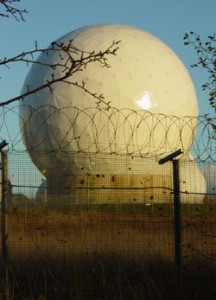
Or per­haps not — today still fur­ther sur­veil­lance hor­rors emerged as a res­ult of the Snowden dis­clos­ures: the UK listen­ing post GCHQ, which has long had an unhealth­ily inces­tu­ous rela­tion­ship with the NSA, has gone to the next level with the “Total Mas­tery of the Inter­net” pro­gramme, code­named “TEMPORA.

The repor­ted cap­ab­il­it­ies of TEMPORA are huge — GCHQ can tap into all the inform­a­tion flow­ing through the trans-Atlantic fibre optic cables and bey­ond. It is truly suck­ing on the fire hydrant of information

This should be gobsmack­ing news, but the concept was already repor­ted in The Register 4 years ago. The trouble is, nobody really cared then or just thought it was a bunch of geeks being para­noid. Now this is glob­al news thanks to the brave actions of a whistleblower.

One has to won­der if the UK gov­ern­ment is so keen to ram the Snoop­ers’ Charter into law as a ret­ro­grade jus­ti­fic­a­tion for the endem­ic PRISM and TEMPORA snoop­ing that has already been going on for years? And let’s not for­get the old pro­to­type snoop­ing programe, ECHELON

As a lead­ing European pri­vacy cam­paign­er recently wrote, by the year 1215 Brit­ish bar­ons had more basic rights under the Magna Carta than we mod­ern day serfs can pos­sibly aspire to now.

How can we be going back­wards, so fast?

O tem­pora, o mores indeed.…. some clas­si­cist, some­where in the bowels of the Brit­ish intel­li­gence agen­cies, is hav­ing a laugh.

Edward Snowden — the Globalisation of Whistleblowing

I have held back from writ­ing about the Edward Snowden NSA whis­tleblow­ing case for the last week — partly because I was immersed in the res­ult­ing media inter­views and talks, and partly because I wanted to watch how the story developed, both polit­ic­ally and in the old media. The reac­tion of both can tell you a lot.

That does not mean that I did not have a very pos­it­ive response to what Snowden has done. Far from it. The same night the story broke about who was behind the leaks, I dis­cussed the implic­a­tions on an RT inter­view and called what he did Whis­tleblow­ing 2.0.

Why did I say that? Well, it appeared from his ini­tial video inter­view with The Guard­i­an that he had learned from pre­vi­ous whis­tleblow­ing cases: he had watched the media and care­fully chosen a journ­al­ist, Glenn Gre­en­wald, with a good track record on the rel­ev­ant issues who would prob­ably fight his corner fear­lessly; his inform­a­tion clearly demon­strated that the intel­li­gence agen­cies were spin­ning out of con­trol and build­ing sur­veil­lance states; he care­fully chose a jur­is­dic­tion to flee to that might have the clout to pro­tect him leg­ally against the wrath of an over-mighty USA; and he has used his inter­net and media savvy to gain as much expos­ure and pro­tec­tion as quickly as possible.

edward_snowdenPlus, he has been incred­ibly brave, con­sid­er­ing the dra­coni­an war on whis­tleblowers that is cur­rently being waged by the Amer­ic­an admin­is­tra­tion. There have been three oth­er NSA whis­tleblowers in recent years, all also talk­ing about endem­ic sur­veil­lance. All have paid a high per­son­al price, all dis­played great bravery in the face of adversity yet, sadly, none has achieved the same level of inter­na­tion­al impact. Were we just deaf to their warn­ings, or has Snowden played this better?

I think a bit of both.  He’s a geek, a young geek, he will have seen what happened to oth­er whis­tleblowers and appears to have taken steps to avoid the same pit­falls. He has gone pub­lic to pro­tect his fam­ily and pre­vent harm to his former col­leagues in any ensu­ing witch-hunt. And he has fled the coun­try in order to remain at liberty to argue his case, which is key to keep­ing the story alive for more than a week in the gad­fly minds of the old media. I know, I’ve been involved in the same process.

He has blown the whistle to pro­tect an Amer­ic­an way of life he thinks “worth dying for”. Yet he has broadened out the issues inter­na­tion­ally — what hap­pens in Amer­ica impacts the rest of the world. This, in my view, is cru­cial.  I have been writ­ing for years that the US is increas­ingly claim­ing glob­al leg­al hege­mony over the entire inter­net, as well as the right to kid­nap, tor­ture and murder for­eign­ers at will.

The Pat­ri­ot Act has not only shred­ded the US con­sti­tu­tion, it also now appar­ently has glob­al reach for as long as our craven gov­ern­ments allow it to. Now we know that this is not some abstract concept, the­ory or spec­u­la­tion — we are all poten­tially being watched

Edward Snowden argued his case very effect­ively in a live chat on The Guard­i­an news­pa­per web­site. It became clear that he is indeed a new gen­er­a­tion of whisteblower. This is not someone who wit­nessed one crime and imme­di­ately felt he had to speak out. This is a tech­nic­al expert who watched, over time and with dis­may, the encroach­ing Big Broth­er sur­veil­lance state that is tak­ing over the world via the NSA and its clones.

He is young, he had faith that a new gov­ern­ment would mean change, but in the end felt com­pelled to take con­sidered action when he wit­nessed the unac­count­able mis­sion creep, the lim­ited and inef­fec­tu­al over­sight, and the neutered politi­cians who rush to reas­sure us that everything is leg­al and pro­por­tion­ate when they really have no idea what the spy agen­cies get up to.

In both the US and the UK the spies repeatedly get away with lying to the notion­al over­sight bod­ies about mis­takes made, rules bent, and illeg­al oper­a­tions. Former seni­or CIA ana­lyst, Ray McGov­ern, has cata­logued the US lies, and here are a few home-brewed Brit­ish examples. The inter­net com­pan­ies have also been wrig­gling on the hook over the last week.

Snowden appears to be very aware not only of poten­tial state level sur­veil­lance but also the glob­al cor­por­at­ist aspect of the sub­ver­sion of the basic com­pan­ies most people use to access the inter­net — Google, Face­book, Microsoft, Yahoo, Apple, Skype et al. A few pion­eers have been dis­cuss­ing the need to pro­tect one­self from such cor­por­at­ist over­sight for years, and such pion­eers have largely been ignored by the main­stream: they’re “just geeks” they are “para­noid”, “tin foil hat” etc.

Edward Snowden has laid bare the truth of this glob­al­ised, cor­por­at­ist Big Broth­er state. From his pub­lic state­ments so far, he seems very alive to the inter­na­tion­al aspects of what he is reveal­ing. This is not just about Amer­ic­ans being snooped on, this affects every­body. We are all sub­ject to the bru­tal hege­mony that US securo­crats and cor­por­a­tions are try­ing to impose on us, with no rights, no redress under the law.
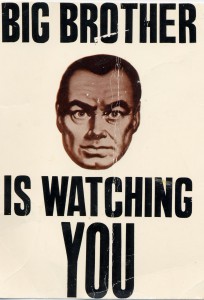
Big_Brother_posterWe have already seen this with the illeg­al US state take-down of Kim Dot­com’s secure cloud ser­vice, Megaup­load, with the glob­al per­se­cu­tion of Wikileaks, with Obama’s war on whis­tleblowers, with the NDAA, with the asym­met­ric extra­di­tion cases, with the drone wars across the Middle East and Cent­ral Asia.….  where to stop?

Snowden, through his incred­ible act of bravery, has con­firmed our worst fears. It is not just cor­por­a­tions that have gone glob­al — sur­veil­lance has too. And now, thank­fully, so too are whistleblowers.

What troubles me some­what is the way that the old media is respond­ing — even The Guard­i­an, which broke the story. Glenn Gre­en­wald is an excel­lent, cam­paign­ing journ­al­ist and I have no doubt what­so­ever that he will fight to the wire for his source.

How­ever, the news­pa­per as an entity seems to be hold­ing back the free flow of inform­a­tion. Char­it­ably, one could assume that this is to max­im­ise the impact of Snowden’s dis­clos­ures. Less char­it­ably, one could also see it as a way to eke out the stor­ies to max­im­ise the news­pa­per­’s profits and glory. Again, it’s prob­ably a bit of both.

How­ever, I do not think this will ulti­mately work in the best interests of the whis­tleblower, who needs to get the inform­a­tion out there now, and get the whole debate going now.

Plus, today it was repor­ted that a D‑Notice had been issued against the UK media last week. I have writ­ten before about this invi­di­ous self-cen­sor­ship with which the Brit­ish media col­lab­or­ates: seni­or edit­ors and seni­or mil­it­ary per­son­nel and spooks meet to agree wheth­er or not stor­ies may act against “nation­al secur­ity” (still a leg­ally undefined phrase), and ban pub­lic­a­tions accord­ingly. And this is “vol­un­tary” — what does that say about our press hold­ing power to account, when they will­ingly col­lude in the sup­pres­sion of inform­a­tion?

Plus, some of the key journ­al­ists at The Guard­i­an who were involved in the Wikileaks stitch-up are also now peck­ing away at the Snowden story. The old media are still con­tinu­ing to act as a bot­tle­neck of the free flow of inform­a­tion from whis­tleblowers to the pub­lic domain. In the post-Wikileaks era, this is a ret­ro­grade step. It is not for them to assess what the pub­lic needs to know, nor is it down to them to ana­lyse and second-guess why any whis­tleblower is doing what they are doing.

As Edward Snowden stated: “The con­sent of the gov­erned is not con­sent if it is not informed”.

RT interview about whistleblower Edward Snowden

The whis­tleblower behind last week’s PRISM leaks dra­mat­ic­ally went pub­lic last night.  Edward Snowden gave an inter­view to Glenn Gre­en­wald of The Guard­i­an explain­ing calmly and cogently why he chose to expose the NSA’s endem­ic data-min­ing. An immensely brave man.

Here is an inter­view I did about the case last night for RT:

And here is the tran­script.

BBC Radio interview about the “snoopers’ charter”

Yes­ter­day I gave an inter­view to BBC Radio Ulster about the secur­ity fall-out of the Wool­wich murder and the cyn­ic­al polit­ic­al oppor­tunism of those call­ing, inev­it­ably, for great­er powers for the spies and a rein­tro­duc­tion of the pro­posed Com­munuic­a­tions Data Bill, dubbed the “snoop­ers’ charter”.

Here is the link.

Journalists need to tool up

Pub­lished in the Huff­ing­ton Post UK:

Over the last week more sound, fury and indig­na­tion has cas­caded forth from the US media, spill­ing into the European news, about the Amer­ic­an gov­ern­ment and the Asso­ci­ated Press spy­ing scan­dal.

Last week it emerged that the US Depart­ment of Justice mon­itored the tele­phones of, gasp, journ­al­ists work­ing at AP. Appar­ently this was done to try to invest­ig­ate who might have been the source for a story about a foiled ter­ror­ist plot in Yemen. How­ever, the drag­net seems to have widened to cov­er almost 100 journ­al­ists and poten­tially threatened gov­ern­ment­al leak­ers and whis­tleblowers who, in these days of sys­tem­at­ic secur­ity crack­downs in the US, are fast becom­ing Pub­lic Enemy No 1.

Now it appears that the US DoJ has been read­ing the emails of a seni­or Fox News report­er. And this has got the US hacks into a fright­ful tizz. What about the First Amendment?

Well, what about the fact that the Pat­ri­ot Act shred­ded most of the US Con­sti­tu­tion a dec­ade ago?

Also, who is actu­ally facing the secur­ity crack­down here? The US journ­al­ists are bleat­ing that their sources are dry­ing up in the face of a sys­tem­at­ic witch hunt by the US admin­is­tra­tion. That must be hard for the journ­al­ists — hard at least to get the stor­ies and by-lines that ensure their con­tin­ued employ­ment and the abil­ity to pay the mort­gage. This adds up to the phrase du jour: a “chilling effect” on free speech.

Er, yes, but how much harder for the poten­tial whis­tleblowers? They are the people facing not only a loss of pro­fes­sion­al repu­ta­tion and career if caught, but also all that goes with it. Plus, now, they are increas­ingly facing dra­coni­an pris­on sen­tences under the recently rean­im­ated and cur­rently much-deployed US 1917 Espi­on­age Act for expos­ing issues in the pub­lic interest. Ex-NSA Thomas Drake faced dec­ades in pris­on for expos­ing cor­rup­tion and waste, while ex-CIA John Kiriakou is cur­rently lan­guish­ing in pris­on for expos­ing the use of torture.

The US gov­ern­ment has learned well from the example of the UK’s Offi­cial Secrets Acts — laws that nev­er actu­ally seem to be wiel­ded against real estab­lish­ment trait­ors, who always seem to be allowed to slip away, but which have been used fre­quently and effect­ively to stifle dis­sent, cov­er up spy crimes, and to spare the blushes of the Establishment.

So, two points:

Firstly, the old media could and should have learned from the new mod­el that is Wikileaks and its ilk. Rather than asset strip­ping the organ­isa­tion for inform­a­tion, while abandon­ing the alleged source, Brad­ley Man­ning, and the founder, Juli­an Assange, to their fates, Wikileak­s’s erstwhile allies could and mor­ally should cam­paign for them. The issues of the free flow of inform­a­tion, demo­cracy and justice are big­ger than petty argu­ments about per­son­al­ity traits.

Plus, the old media appear to have a death wish: to quote the words of the former New York Times edit­or and Wikileaks col­lab­or­at­or Bill Keller, Wikileaks is not a pub­lish­er — it is a source, pure and simple. But surely, if Wikileaks is “only” a source, it must be pro­tec­ted at all costs — that is the medi­a’s prime dir­ect­ive. Journ­al­ists have his­tor­ic­ally gone to pris­on rather than give away their sources.

How­ever, if Wikileaks is indeed deemed to be a pub­lish­er and can be per­se­cuted this way, then all the old media are equally vul­ner­able. And indeed that is what we are wit­ness­ing now with these spy­ing scandals.

Secondly, these so-called invest­ig­at­ive journ­al­ists are sur­prised that their phones were tapped?  Really?

If they are doing prop­er, worth­while journ­al­ism, of course their comms will be tapped in a post-Pat­ri­ot Act, sur­veil­lance-state world. Why on earth are they not tak­ing their own and their sources’ secur­ity ser­i­ously? Is it ama­teur night?

In this day and age, any ser­i­ous journ­al­ist (and there are still a few hon­our­able examples) will be tak­ing steps to pro­tect the secur­ity of their sources. They will be tooled up, tech-savvy, and they will have atten­ded Crypto-parties to learn secur­ity skills. They will also be pain­fully aware that a whis­tleblower is a per­son poten­tially facing pris­on, rather than just the source of a career-mak­ing story.

If main­stream journ­al­ists are ser­i­ous about expos­ing cor­rup­tion, hold­ing power to account, and fight­ing for justice they need to get ser­i­ous about source pro­tec­tion too and get teched-up. Help is widely avail­able to those who are inter­ested. Indeed, this sum­mer the Centre for Invest­ig­at­ive Journ­al­ism is host­ing talks in Lon­don on this sub­ject, and many oth­er inter­na­tion­al journ­al­ism con­fer­ences have done the same over the last few years.

Sadly, the level of interest and aware­ness remains rel­at­ively low — many journ­al­ists retain a naïve trust in the gen­er­al leg­al­ity of their gov­ern­ment’s actions: the author­it­ies may bend the rules a little for “ter­ror­ists”, but of course they will abide by the rules when it comes to the media.….

.…or not. Water­gate now looks rather quaint in comparison.

As for me: well, I have had some help and have indeed been teched-up. My laptop runs the free Ubuntu Linux (the 64 bit ver­sion for grown-ups) from an encryp­ted sol­id state hard drive. I have long and dif­fer­ent pass­words for every online ser­vice I use. My mail and web serv­er are in Switzer­land and I encrypt as much of my email as pos­sible. It’s at least a start.

And here’s what I have to say about why journ­al­ists should think about these issues and how they can pro­tect both them­selves and their sources:  Open­ing key­note “The Big Dig Con­fer­ence” from Annie Machon on Vimeo.

Club of Amsterdam

Last week I had the pleas­ure of speak­ing at the Club of Ams­ter­dam.  The top­ic under dis­cus­sion was “The future of digit­al iden­tity”.  Many thanks to Felix and the team. A lively evening.

Annie Machon at the Club of Ams­ter­dam from Annie Machon on Vimeo.
First pub­lished in my news­let­ter last week, amongst much else. Do sign up!

Silfur Egils Interview, Iceland

My recent inter­view on Iceland’s premi­er news dis­cus­sion show, Sil­fur Egils, hos­ted by the excel­lent Egill Helgason.

The name refers to an old Norse saga about a hero, an earli­er Egill, throw­ing hand­fuls of sil­ver to the ground so he could make the Vik­ing politicos of the day scrabble around in the dirt try­ing to pick up the coins.

Plus ça change, plus c’est la même chose.

Talk at the Icelandic Centre for Investigative Journalism

Wikileaks spokes­man, Kris­tinn Hrafns­son, invited me to speak at the Iceland­ic Centre for Invest­ig­at­ive Journ­al­ism while I was in Ice­land in February.

While focus­ing on the inter­sec­tion and con­trol between intel­li­gence and the media, my talk also explores many of my oth­er cur­rent areas of interest.

Ice­land Journ­al­ists talk 2013 from Annie Machon on Vimeo.

UK Anonymous Radio Interview

Here’s the link to my inter­view tonight on UK Anonym­ous Radio — I had a great time and found it a fun, wide-ran­ging, and stim­u­lat­ing hour.  I hope you do too.  So, thank you Anonymous.

And also thank you to Kim Dot­com set­ting up the new file-shar­ing site, Mega, which replaces his illeg­ally-taken-down glob­al site, MegaUp­load.  I have some­where safe, I think, to store my interviews!

What a sham­bol­ic dis­grace that MegaUp­load raid was, and what a clas­sic example of the glob­al cor­por­at­ist agenda that I dis­cuss in the interview.

I do love geeks.

The FISA/Echelon Panopticon

A recent inter­view with James Corbett of the Corbett Report on Glob­al Research TV dis­cuss­ing issues such as FISA, Ech­el­on, and our cul­tur­al “groom­ing” by the bur­geon­ing sur­veil­lance state:

The End of Privacy and Freedom of Thought?

I saw this chilling report in my Twit­ter feed today (thanks @Asher_Wolf): Tel­stra is imple­ment­ing deep pack­et inspec­tion tech­no­logy to throttle peer to peer shar­ing over the internet.

Des­pite being a clas­si­cist not a geek by train­ing, this sounds like I know what I’m talk­ing about, right?  Well some­what to my own sur­prise, I do, after years of expos­ure to the “hackt­iv­ist” eth­os and a grow­ing aware­ness that geeks may our last line of defence against the cor­por­at­ists.  In fact, I recently did an inter­view on The Keiser Report about the “war on the internet”.

Offi­cially, Tel­stra is imple­ment­ing this cap­ab­il­ity to pro­tect those fra­gile busi­ness flowers (surely “broken busi­ness mod­els” — Ed) with­in the enter­tain­ment and copy­right indus­tries — you know, the com­pan­ies who pimp out cre­at­ive artists, pay most of them a pit­tance while keep­ing the bulk of the loot for them­selves, and then whine about how P2P file shar­ing and the cir­cu­la­tion and enjoy­ment of the artists’ work is theft?

But who, ser­i­ously, thinks that such tech­no­logy, once developed, will not be used and abused by all and sun­dry, down to and includ­ing our bur­geon­ing police state appar­at­us? If the secur­ity forces can use any tool, no mat­ter how sor­did, they will do so, as has been recently repor­ted with the UK under­cov­er cops assum­ing the iden­tit­ies of dead chil­dren in order to infilt­rate peace­ful protest groups.

Writer and act­iv­ist, Cory Doc­torow, summed this prob­lem up best in an excel­lent talk at the CCC hack­er­fest in Ber­lin in 2011:

The shred­ding of any notion of pri­vacy will also have a chilling effect not only on the pri­vacy of our com­mu­nic­a­tions, but will also res­ult in our begin­ning to self-cen­sor the inform­a­tion we ingest for fear of sur­veil­lance (Nazi book burn­ings are so 20th Cen­tury).  It will, inev­it­ably, also lead us to self-cen­sor what we say and what we write, which will slide us into an Orwellian dysto­pia faster than we could say “Aaron Swartz”.

As Columbi­an Pro­fess­or of Law, Eben Moglen, said so elo­quently last year at anoth­er event in Ber­lin — “free­dom of thought requires free media”:

Two of my favour­ite talks, still freely avail­able on the inter­net. Enjoy.

Echelon Redux

Just a quick­ie, as this is some sort of hol­i­day sea­son appar­ently.  How­ever, this did annoy me.   In the same way that Pres­id­ent Obama signed the invi­di­ous NDAA on 31st Decem­ber last year, des­pite his prot­est­a­tions about veto­ing etc, it appears the US gov­ern­ment has sneaked/snuck through (please delete as appro­pri­ate, depend­ing on how you pro­nounce “tomato”) yet anoth­er dra­coni­an law dur­ing the fest­ive sea­son, which appar­ently fur­ther erodes the US con­sti­tu­tion and the civil rights of all Americans.

Yet anoth­er prob­lem for our benighted cous­ins across the pond, you might think.  But as so often hap­pens these days, bonkers Amer­ic­an laws can affect us all.

Yes­ter­day the Sen­ate approved an expan­sion of the terms of the For­eign Intel­li­gence Sur­veil­lance Act (FISA).  This allows the US intel­li­gence ser­vices to hoover up, if you’ll par­don the mild intel­li­gence joke, the emails of god-fear­ing, law-abid­ing Amer­ic­ans if they are exchan­ging emails with pesky foreigners.

Well of course the whole world now knows, post 9/11, that all for­eign­ers are poten­tial ter­ror­ists and are now being watched/snatched/extraordin­ar­ily rendered/tor­tured/assas­sin­ated with impun­ity.  In Europe we have had many people suf­fer this way and some have man­aged to achieve recog­ni­tion and resti­tu­tion.  That appears to do little to stop the drone wars and blood-let­ting that the USA has unleashed across the Middle East.

But the NDAA and the exten­ded FISA should at least rouse the ire of Amer­ic­ans them­selves: US cit­izens on US soil can now poten­tially be tar­geted.  This is new, this is dan­ger­ous, right?

Well, no, not quite, as least as far as the inter­cep­tion of com­mu­nic­a­tions goes.

The Ech­el­on sys­tem, exposed in 1988 by Brit­ish journ­al­ist Duncan Camp­bell and rein­vestig­ated in 1999, put in place just such a (leg­ally dubi­ous) mech­an­ism for watch­ing domest­ic cit­izens.  The sur­veil­lance state was already in place, even if through a back door, as you can see from this art­icle I wrote 4 years ago, which included the fol­low­ing paragraph:

ECHELON was an agree­ment between the NSA and its Brit­ish equi­val­ent GCHQ (as well as the agen­cies of Canada, Aus­tralia, and New Zea­l­and) whereby they shared inform­a­tion they gathered on each oth­ers’ cit­izens. GCHQ could leg­ally eaves­drop on people out­side the UK without a war­rant, so they could tar­get US cit­izens of interest, then pass the product over to the NSA. The NSA then did the same for GCHQ. Thus both agen­cies could evade any demo­crat­ic over­sight and account­ab­il­ity, and still get the intel­li­gence they wanted.

The only dif­fer­ence now is that FISA has come blast­ing through the front door, and yet people remain quiescent.

British politicians Droning on

Pub­lished in The Huff­ing­ton Post UK, 2 Octo­ber 2012

Only in the mad world of mod­ern Brit­ish polit­ics could it be pos­sible to con­nect MPs, drones and roy­al breasts. Is this sound­ing a little too bizarre? Let me explain.…

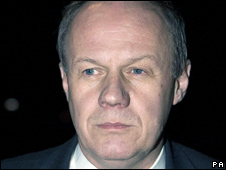
Way back in 2008 Con­ser­vat­ive MP Dami­en Green, who was at the time the Shad­ow Min­is­ter for Immig­ra­tion, was arres­ted on sus­pi­cion of eli­cit­ing leaks from a Home Office civil ser­vant that appeared to con­firm the then Labour gov­ern­ment was cov­er­ing up UK immig­ra­tion figures.

When I say arres­ted, this was not the stand­ard, civ­il­ised and pre-arranged appoint­ment at the loc­al nick, which the police tra­di­tion­ally allow their polit­ic­al “mas­ters” or, for that mat­ter, their bud­dies at News International.

Oh no, this was a full-on, Cold War-style arrest, car­ried out by the Met­ro­pol­it­an Police Counter-Ter­ror­ism com­mand (known in the old days as Spe­cial Branch). Intriguingly, civil ser­vants appeared to have mis­lead­ingly hyped up the need for a heavy-handed police response by stat­ing that they were “in no doubt that there has been con­sid­er­able dam­age to nation­al secur­ity already as a res­ult of some of these leaks”.

And indeed, the res­ult­ing arrests bore all the hall-marks of a nation­al secur­ity case: secret police, dawn raids, and counter-ter­ror­ism style searches of the fam­ily home, the con­stitu­ency office, and — shock — an inva­sion of Green’s office in parliament.

Yet Green was not arres­ted under the terms of the Offi­cial Secrets Act. Instead, both he and his hap­less whis­tleblower, Chris­toph­er Gal­ley, were only seized on sus­pi­cion of breach­ing some arcane Vic­tori­an law (“aid­ing and abet­ting mis­con­duct in pub­lic office”).  I sup­pose arrest­ing a sit­ting MP for a breach of the OSA would have been just too polit­ic­ally tricky.

Leav­ing aside the under­stand­able upset caused to Green’s wife and chil­dren by the raid on their home, plus the fact that the police viol­ated not only their per­son­al effects such as bed sheets and love let­ters but also con­fid­en­tial leg­al papers about child abuse cases that Mrs Green was work­ing on, what really caused out­rage in the media and polit­ic­al classes was the fact that Plod had dared to invade the hal­lowed ground of parliament.

There was an out­cry from politi­cians about the “encroach­ing police state”. The case was duly dropped, the seni­or officer, Assist­ant Com­mis­sion­er Bob Quick, had to resign (but only after com­mit­ting yet anoth­er polit­ic­al gaffe), and oth­er stor­ies, such as the MP expenses scan­dal, grabbed the atten­tion of the main­stream media.

Roll on four years, and Dami­en Green has now ascen­ded to the giddy heights of Home Office Min­is­ter of State for Police and Crim­in­al Justice. Well, meet­ing his new staff must have been an inter­est­ing exper­i­ence for him.

But what is this man now doing in his emin­ent role, to stop the slide into the encroach­ing police state that is the UK? Of all people, one would expect him to be sens­it­ive to such issues.

Sadly, he appears to have already gone nat­ive on the job. It was repor­ted yes­ter­day that he is pro­pos­ing the use of police drones to spy on the UK pop­u­la­tion, but in an “appro­pri­ate and pro­por­tion­ate” man­ner of course.

The concept of small aer­i­al drones being used by UK police has been mooted for a few years now — indeed some police forces and secur­ity agen­cies have already bought them. But where­as the ini­tial, stand­ard jus­ti­fic­a­tion was that it would help in the “war on ter­ror” (as it has so ably done in the Middle East, where inno­cent fam­il­ies are routinely slaughtered in the name of assas­sin­at­ing mil­it­ants), mis­sion-creep has already set in.  Dami­en Green stated at the launch of the new Nation­al Police Air Ser­vice (NPAS) that drones could be use­ful mon­it­or­ing protests and traffic viol­a­tions. It has even been repor­ted that the Home Office plans to use non-leth­al weapons to do so.

Of course there are prob­lems around the use of drones in UK air­space.  Our skies are already very crowded and they could present a haz­ard to air­craft, although the BBC has repor­ted that drones could be air­borne in the next few years.  This appears to be the only argu­ment hold­ing the use of drones in check — for­get about civil liber­ties and pri­vacy issues.

This is par­tic­u­larly per­tin­ent as we look at the evol­u­tion of drone tech­no­logy.  Cur­rently the UK police are dis­cuss­ing toy-sized drones, but it has already been repor­ted that drones the size of birds or even insects, with autonom­ous intel­li­gence or swarm cap­ab­il­it­ies are being developed. And don’t even get me star­ted on the sub­ject of poten­tial militarisation.…

There is a whole debate to be had about what can be viewed and what can­not — where does the pub­lic sphere end and the private begin? A couple of years ago I sug­ges­ted some­what facetiously that our best hope of defeat­ing the intro­duc­tion of sur­veil­lance drones in the UK might be indig­nant celebs suing the paparazzi for using the tech­no­lo­gies.  But per­haps the ante has already been upped in the recent fall-out from the Duch­ess of Cam­bridge and her roy­ally papped breasts.

If drone tech­no­logy becomes wide­spread, then nobody will have any pri­vacy any­where. But who knows, before we get to that stage per­haps HM Queen will come out swinging on the side of pri­vacy for her grand­daugh­ter-in-law, if not for the rest of her “sub­jects”. If that were to hap­pen then no doubt Dami­en Green will aban­don his new-found enthu­si­asm for these air­borne sur­veil­lance pests; if not to stop the “encroach­ing police state” of which he must have such col­our­ful recol­lec­tions, then at least to safe­guard any poten­tial knight­hood in his rosy min­is­teri­al future.