Libya: my enemy’s enemy is my friend, until he becomes my enemy again…

UK Prime Min­is­ter, Dav­id Camer­on, reportedly made the start­ling state­ment recently that the mil­it­ary inter­ven­tion in Libya “unlike Iraq, is neces­sary, leg­al and right”. 

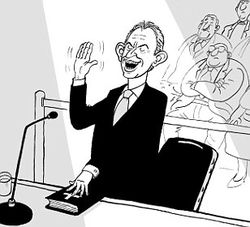
Blair_takes_the_oathWould it not be won­der­ful if he could take the next logic­al step towards joined-up think­ing and con­sider send­ing our esteemed Middle East Peace Envoy, a cer­tain Mr T Blair, over for a spot of por­ridge at the Inter­na­tion­al Crim­in­al Court in The Hag­ue?  After all, Camer­on has now clearly implied that the Iraq war was “unne­ces­sary, illeg­al and wrong”.….

But back to Libya.  With the ongo­ing crisis — now war — much is being writ­ten about how the pre­vi­ous UK gov­ern­ment col­lab­or­ated with the Gad­dafi régime in the last dec­ade — while tacitly glossing over the last year of Coali­tion gov­ern­ment where, no doubt, sim­il­ar levels of coöper­a­tion and back-slap­ping and money-grub­bing were going on at the highest levels to ensure the con­tinu­ing flow of oil con­tracts to the UK.

But, yes, we should be dis­sect­ing the Labour/Gaddafi power bal­ance.  Gad­dafi had New Labour over the pro­ver­bi­al (oil) bar­rel from the late 1990s, when MI5 whis­tleblower Dav­id Shayler exposed the failed and illeg­al MI6 assas­sin­a­tion plot against Col­on­el Gad­dafi, using as fall-guys a rag-tag group of Islam­ic extrem­ists.  The newly-elec­ted Labour gov­ern­ment’s knee-jerk response at the time was to believe the spook’s deni­als and cov­er-up for them.  Per­haps not so sur­pris­ing, as the gov­ern­ment min­is­ters of the day were uncom­fort­ably aware that the spies held files on them.  But this craven response did leave the gov­ern­ment pos­i­tion exposed, as Gad­dafi well knew.

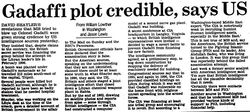
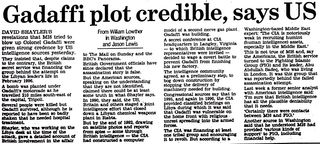
MoS_G_Plot-credible_1997The CIA was fully cog­nis­ant of this failed plot at the time, as were the French intel­li­gence ser­vices.  The Gad­dafi Plot is once again being ref­er­enced in the media, includ­ing the Tele­graph, and a recent edi­tion of the Huff­ing­ton Post.  The details are still rel­ev­ant, as it appears that our enter­pris­ing spooks are yet again reach­ing out to a rag-tag group of rebels — primar­ily Islam­ists and the Senussi roy­al­ists based around Benghazi. 

The les­sons of the reck­less and ill-thought out Gad­dafi Plot were brushed under the car­pet, so his­tory may yet again be doomed to repeat itself.  Yes, Gad­dafi has been one of the biggest back­ers of ter­ror­ism ever, and yes he has bru­tal­ised parts of his own pop­u­la­tion, but if he were deposed how can the West be sure that those step­ping into the power vacu­um would not be even more dangerous?

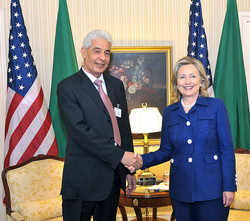
Musa_Kousa_Hillary_Clinton_NY_2010The Liby­an gov­ern­ment con­tin­ued to use the 1996 MI6 assas­sin­a­tion plot as lever­age in its nego­ti­ations with the New Labour gov­ern­ment right up until (pub­licly at least) 2009.  Musa Kousa, the cur­rent For­eign Min­is­ter, played a key role through­out.  For many years Kousa was the head of the Liby­an Extern­al Secur­ity Organsi­ation and was widely seen as the chief archi­tect of inter­na­tion­al Liby­an-backed ter­ror­ism against the USA, the UK and France. 

Anoth­er appar­ent example of this mor­al black­mail caught my eye recently — this report in the Daily Mail.  Saif al-Islam Gad­dafi was afforded MI6-backed pro­tec­tion when he was finally allowed into the UK in Septem­ber 2002 to study at the LSE

The tim­ing was par­tic­u­larly inter­est­ing, as only months earli­er Saif had won a libel case against the UK’s Sunday Tele­graph news­pa­per.  A grov­el­ling apo­logy was made by the news­pa­per, but Saif refrained from ask­ing for “exem­plary dam­ages” — which he would almost cer­tainly have won.  The res­ult­ing pay-off for this restraint appears to be that a mere five months later he was wel­comed into the UK with MI6-facil­it­ated protection.

Saif’s rela­tions with the UK had not always been so rosy. As back­ground to this case, in 1995 the Sunday Tele­graph had fallen hook, line and sinker for a MI6 clas­sic pro­pa­ganda oper­a­tion.  As The Guard­i­an repor­ted, the secret­ive MI6 media manip­u­la­tion sec­tion, Inform­a­tion Oper­a­tions, (I/Ops), had suc­cess­fully spun a fake story to hap­less spook hack, Con Cough­lin, that Gad­dafi Juni­or was involved in cur­rency fraud.  This story was fake, but the paper trail it pro­duced was used by the spies as a pre­text to pre­vent Saif from enter­ing the UK at the time. 

Saif_Prince_AndrewBy 2002 this was all old his­tory, of course.  Saif was wel­comed to the UK, offi­cially to study for his MA and PhD at the Lon­don School of Eco­nom­ics (and show­ing his grat­it­ude to that august insti­tu­tion with a hefty dona­tion of £1.5 mil­lion — it makes the new tuition fees for UK stu­dents seem bet­ter value for money), and unof­fi­cially to chum up to vari­ous Estab­lish­ment ena­blers to end Liby­a’s pari­ah status, open up luc­rat­ive trade chan­nels, and get the SAS to train up Liby­a’s spe­cial forces

The UK mil­it­ary must be just lov­ing that now.….

So I get the feel­ing that the UK gov­ern­ment has over the last dec­ade indeed “danced with the dev­il”.  After dec­ades of view­ing Libya and Col­on­el Gad­dafi as a Pri­or­ity One JIC intel­li­gence tar­get, the UK gov­ern­ment fell over itself to appease the Gad­dafi régime in the wake of the bungled assas­sin­a­tion attempt in 1996 and the libelling of his son.  These were the sticks Gad­dafi used; the car­rots were undoubtedly the Saif/MI6-facil­it­ated oil con­tracts

Of course, all this is now pretty much a moot point, fol­low­ing Dave Camer­on’s “neces­sary, leg­al and right” mil­it­ary inter­ven­tion.  If the wily old Col­on­el man­ages to hang on grimly to some semblence of power (and he has an impress­ive track-record of sur­viv­ing against the odds), then I doubt if he’ll be happy to coöper­ate with Brit­ish oil com­pan­ies in the future.  At the very least. 

Gad­dafi has already threatened “ven­geance” against the West, and it was repor­ted today that MI5 is tak­ing this all-too-pre­d­it­able risk seriously.

If Gad­dafi is deposed, who can real­ist­ic­ally pre­dict the inten­tions and cap­ab­il­it­ies of those who will fill the power vacu­um?  We should have learnt from Afgh­anistan and Iraq: my enemy’s enemy is my friend — until he becomes my enemy again.….


The spies and Libya — time to dust off their conscience

As I’ve men­tioned before, the former heads of UK intel­li­gence agen­cies have a charm­ing habit of speak­ing out in sup­port of the rule of law, civil liber­ties, pro­por­tion­al­ity and plain com­mon sense — but usu­ally only after they have retired. 

Per­haps at their leav­ing parties their con­sciences are extrac­ted from the secur­ity safe, dus­ted off and giv­en back  — along with the gold watch?

DearloveEven then, post-retire­ment, they might try to thrice-deny poten­tially world-chan­ging inform­a­tion, as Sir Richard Dear­love did when ques­tioned by the fear­less and fear­somely bright Silkie Carlo about the leaked Down­ing Street Memo at his recent speech at the Cam­bridge Uni­on.  (The links are in two parts, as the film had to be mirrored on You­tube — Dear­love claimed copy­right on the orgin­al Love Police film and had it taken down.)

And “out of con­text”, my left foot — he could poten­tially have saved mil­lions of lives in the Middle East if he’d gone pub­lic with his con­sidered pro­fes­sion­al opin­ion about the intel­li­gence facts being fit­ted around a pre­con­ceived war policy in the run-up to the inva­sion of Iraq.

Would­n’t it be lovely if these esteemed ser­vants of the state, replete with respect, status and hon­ours, could actu­ally take a stand while they are still in a pos­i­tion to influ­ence world events?

Eliza_Manningham_BullerMy former boss, Bar­on­ess Eliza Man­ning­ham-Buller, has been unusu­ally voci­fer­ous since her retire­ment in 2007 and elev­a­tion to the peer­age.  She used her maid­en speech to the House of Lords to object to the pro­posed plans to increase police deten­tion of ter­ror­ist sus­pects without charge from 28 to 42 days; she recently sug­ges­ted that the “war on ter­ror” is unwinnable and that we should, if pos­sible, nego­ti­ate with “Al Qaeda” (well, it worked with the Pro­vi­sion­al IRA); and that the “war on drugs” had been lost and the UK should treat recre­ation­al drug use as a health rather than a crim­in­al issue. She steals all my best lines.…

But cred­it where cred­it is due.  Des­pite the fact that she used the full power of the Brit­ish state to pur­sue ter­ror­ist sus­pects up until 2007 and invest­ig­ate drug bar­ons in the 1990s, she did appar­ently try to make a stand while en poste in the run-up to the Iraq War.  Last year she gave evid­ence to the Chil­cot Enquiry, stat­ing that she had offi­cially briefed the gov­ern­ment that an inva­sion of Iraq would increase the ter­ror­ist threat to the UK.

So it’s obvi­ous that once a UK Prime Min­is­ter has come over all Churchil­lian he tends to ignore the coun­sel of his chief spooks, as we’ve seen with both the Down­ing Street Memo the Chil­cot Enquiry. 

With that in mind, I’ve read with interest the recent press reports that the UK author­it­ies appar­ently knew about Col­on­el Gad­dafi retain­ing stock­piles of mus­tard gas and sar­in (des­pite the fact that the world was assured in 2004 that it was his renun­ci­ation of WMDs that allowed him back into the inter­na­tion­al dip­lo­mat­ic fold) . 

So the key ques­tion is surely: is this anoth­er erro­neous45 minutes from attack” moment, with Gad­dafi’s alleged stock­piles of WMD a per­fect scare­mon­ger­ing pre­text to push for a full-on régime change in Libya; or is this genu­ine, and we were all lied to about Gad­dafi’s destruc­tion of his WMD stock­piles for eco­nom­ic advant­age and fat, juicy oil contracts?

The Wall Street Journ­al recently ran an art­icle quot­ing the con­cern of “gov­ern­ment insiders” about Gad­dafi’s poten­tial future ter­ror­ism threat against the West, up to and includ­ing WMDs, should he cling on to power.  Well, yes, it would hardly be sur­pris­ing if he were now to be as mad as a wasp with his ex-new best bud­dies.  Des­pite the sor­did rap­proche­ment in the last dec­ade, he has been for much of his life an invet­er­ate enemy of the West and spon­sor of world­wide terrorism.

Rather than wait­ing for his “K” and his retire­ment, would it not be won­der­ful if the cur­rent head of MI5, Jonath­an Evans, could extract his con­science from that dusty secur­ity safe and make a use­ful and informed state­ment to shed some light on the mess that the Liby­an war is rap­idly becom­ing?  He could poten­tially change the course of world his­tory and save untold lives.

BBC article: could 7/7 have been prevented?

Peter Taylor, a respec­ted journ­al­ist at the BBC, argues that if there had been more coöper­a­tion between MI5 and region­al police Spe­cial Branches, then the 7/7 bomb­ings in Lon­don in 2005 could have been pre­ven­ted.  His thes­is appears to be that MI5 did not work closely enough with the police (the exec­ut­ive branch) of the UK’s intel­li­gence com­munity: the aptly-named Oper­a­tion Crevice has exposed the cracks in the uni­fied pub­lic façade of the UK intel­li­gence community.

How­ever, Taylor assures us that this prob­lem is in the past, with MI5 officers and Spe­cial Branch police now hap­pily work­ing side by side in region­al offices across the UK.  So that’s OK then.

It con­tin­ues to sur­prise me that seasoned Brit­ish journ­al­ists repeatedly fall into the post‑9/11 group-think of the USA — that ter­ror­ism is a new phe­nomen­on.  Rather start­lingly, Taylor’s art­icle even asserts that the FBI had the Crevice inform­a­tion in real-time, while the West Yorks SB was left in the dark.

Those in the UK with a memory longer than a may­fly’s will be aware that this coun­try endured 30 years of Irish Repub­lic­an ter­ror­ism, and dur­ing the 1990s MI5 had lead respons­ib­il­ity for invest­ig­at­ing this threat.  So from 1993 the spooks did indeed work side-by-side with their region­al SB counter-parts across the coun­try.  Dur­ing this peri­od the emphas­is was on gath­er­ing both intel­li­gence to pre-empt­ively thwart ter­ror­ist plots and also evid­ence to use in the ensu­ing court cases.  And there were some not­able successes.

So what changed in the fol­low­ing dec­ade?  Did the spooks retreat back behind the bar­ri­cades of their Lon­don HQ, Thames House, as the ink dried on the Good Fri­day Agree­ment?  Were the hard-won les­sons of the 1990s so quickly forgotten?

Well, cer­tainly oth­er les­sons from the civil war in Nort­ern Ire­land appear to have been expunged from the col­lect­ive intel­li­gence memory.  For example, the use of tor­ture, mil­it­ary tribunals, intern­ment and curfews were all used extens­ively in the early years of the NI con­flict and all were spec­tac­u­larly counter-pro­duct­ive, act­ing as a recruit­ing ground for new gen­er­a­tions of ter­ror­ists.  Yet these prac­tices now once again appear to be impli­citly con­doned by MI5 and MI6 in the USA’s bru­tal “war on terror”.

So one would hope that this new BBC pro­gramme calls for a reapprais­al of our intel­li­gence infra­struc­ture.  Why should we mind­lessly con­tin­ue to accept the status quo, when this res­ults in les­sons being for­got­ten and mis­takes being repeated?  How about the BBC call­ing for a root and branch review of the threats the UK real­ist­ic­ally faces, and the most efeect­ive way to guard against them, while work­ing with­in the demo­crat­ic process?


Varsity newspaper interview, February 2011

The Secret Ser­vice: “A very Brit­ish mess”

Olivia Crel­lin inter­rog­ates Annie Machon on her life after MI5

by Olivia Crellin

Thursday 3rd Feb­ru­ary 2011

Annie Machon, former MI5 agent, is the image of glam­our and guts. Her blonde hair, of the bomb­shell vari­ety, frames a face that, far from being that of the reserved and stealthy spook, exudes energy, enthu­si­asm, and openness.

Andrew_Griffin_Varsity_Newspaper_2011Unlike her former part­ner, the whis­tleblower Dav­id Shayler, Machon seems to have emerged rel­at­ively unscathed from the years imme­di­ately fol­low­ing the couple’s attempts to reveal ser­i­ous MI5 blun­ders in 1996.

Now work­ing as a self-pro­fessed “author, media pun­dit, journ­al­ist, cam­paign­er and prom­in­ent pub­lic speak­er”, she has made a “new way of life” out of selling her­self, her past, and her story. And she’s doing a good job.

Machon, who stud­ied Clas­sics at Cam­bridge, is the most recent in a long line of fam­ous spies to have emerged from the Uni­ver­sity – most not­ably the Cam­bridge Spies who defec­ted to the Rus­si­ans dur­ing the Cold War.

Best known for her whistle-blow­ing on issues such as MI5’s alleged involve­ment in the attemp­ted assas­sin­a­tion on Gad­dafi, Machon is an oft-con­sul­ted expert on cur­rent affairs top­ics such as Wikileaks, the infilt­ra­tion of act­iv­ist groups, and the 9/11 Truth Move­ment, cri­tiquing what she sees as con­tem­por­ary society’s des­cent into a “police state”.

Com­ment­ing on the “very Brit­ish mess” that is the cur­rent UK Intel­li­gence Ser­vices, Machon’s answers to my ques­tions blend per­son­al anec­dote with hard-hit­ting asser­tions. She sounds con­vin­cing. Des­pite no longer hav­ing any insider inform­a­tion, she still has plenty to say.

Recruited dur­ing the “mar­gin­ally golden eth­ic­al era” of the 1990s, Machon’s exper­i­ence of MI5 was nev­er­the­less riddled with anti­qua­tion, con­fu­sion, insu­lar­ity and suffocation.

Draw­ing atten­tion to MI5 and MI6’s “cul­ture of just-fol­low-orders”, an eth­os that former head of MI5 Dame Stella Rim­ing­ton also acknow­ledged, Machon believes that the UK Intel­li­gence Ser­vices have, for a long time, been their own worst enemy.

Entrenched in unne­ces­sary laws, a “hangover” from the organisation’s counter-espi­on­age ori­gins, Machon states that until the spooks “open up a little bit to con­struct­ive cri­ti­cism from the oth­er side, so that [MI5] can get a bit of fresh air, they’re going to spir­al down into… tor­ture and things.”

While Machon asserts that there was no use of tor­ture in her time with the agency – it was con­sidered “counter-pro­duct­ive” and “uneth­ic­al” – she did hear some hor­ror stor­ies from the older boys’ exper­i­ence in North­ern Ire­land includ­ing one case con­cern­ing an agent, code­named Steak Knife, who was per­mit­ted to tor­ture and even kill his fel­low intel­li­gence officers in order to keep his cov­er in the “Nut­ting Squad” of the IRA – “A sick James Bond got­ten out of hand.”

Machon refers to these stor­ies as “a sort of petri dish of the abuses that we are see­ing now with the Muslim com­munity”. Just as the trend to tar­get one group of soci­ety returns, the use of tor­ture, as exper­i­enced in Ire­land, comes full circle. “It makes me shiver,” Machon tells me, “that people who were per­haps my friends, ideal­ist­ic twenty-somethings when I was an officer, who I might’ve had drinks with, had din­ner with, whatever, might be those people now.”

While there seems to be a “demo­crat­ic will” to get rid of “some of the more Dra­coni­an laws from under the last gov­ern­ment”, Machon believes that instances such as Mark Kennedy’s under­cov­er infilt­ra­tion of an act­iv­ist group demands soci­ety to take a closer look at the ways in which we pro­tect nation­al secur­ity. “Once you start erod­ing someone’s civil liber­ties on one front, it’ll cas­cade. That’s how Ger­many found itself in a Fas­cist state in the 1930s,” the former-spy asserts. “They didn’t wake up one morn­ing and Hitler was in power. It’s a very slip­pery slope.” This is why Machon, above all oth­er issues, is call­ing for an “adult debate” about the work­ings of Secret Intel­li­gence in a “mature democracy”.

One organ­iz­a­tion that Machon sees as con­trib­ut­ing to this debate is Wikileaks. Machon praised this form of new media, call­ing it “fant­ast­ic” as a “high-tech con­duit to enable whis­tleblowers” in con­trast to the “self-cen­sor­ship and fear” of the main­stream press, which blocks the flow of such inform­a­tion to the public.

Machon advised stu­dents at the Cam­bridge Uni­on to find altern­at­ive sources of inform­a­tion for their news, cit­ing coun­tries’ decept­ive use of false-flag ter­ror­ism. “I’m not say­ing that every major ter­ror­ist atro­city might be a dirty trick, but you have to keep that pos­sib­il­ity in the back of your mind,” she warned.

It’s all about a sort of breach of trust,” Machon con­cludes, which is “cor­ros­ive for a demo­cracy.” Wheth­er it’s an issue like 9/11, or the bail­ing out of the banks or the war in Iraq, Machon asserts that the erosion of civil liber­ties is finally for­cing soci­ety to “become demo­crat­ic­ally engaged again, which can­not be bad.”

In many ways Annie Machon is serving her coun­try as stealth­ily and determ­inedly as if she had nev­er left MI5. Tak­ing the “same sort of fun­da­ment­al drive to try and make a dif­fer­ence, to try and change things for the bet­ter,” into this new arena of her work, she hands me a red-and-black busi­ness card with her shades-tot­ing self on it and the phrase “Using Our Intel­li­gence” emblazoned on the front.

There’s always the debate,” she tells me cryptic­ally, “is it bet­ter to be inside the tent piss­ing out or out­side the tent piss­ing in?”

Cambridge Union Society, 28th January 2011

CUS_3Well I had a fab time revis­it­ing the old place last week to do a talk at the Uni­on Soci­ety — some­where I spent many happy hours, oh, aeons ago!

Many thanks to Rebecca and the rest of the team for organ­ising and host­ing the event, and to Silkie for set­ting the whole ball rolling.

It was a busy week­end.  The Fri­day even­ing began with an all-too-brief appear­ance at the first meet­ing of a new group, MI7 — can I say that, or is it a state secret? — organ­ised by Silkie and Charlie Veitch of the Love Police

CUS_1It was strange to go back to the Uni­on as a speak­er after so long and so many unusu­al exper­i­ences.  The audi­ence seemed to stay wide awake for my hour-long talk, and the ques­tions after­wards were inter­est­ing, lively and var­ied.  I was also encour­aged to see that ideas deemed to be “rad­ic­al” only a few years ago are now going mainstream.

The next day was taken up with inter­views for The Cam­bridge Stu­dent and Varsity stu­dent news­pa­pers, Sky 203 Chan­nel,  and a photo shoot with QH Pho­to­graphy for a gal­lery exhib­i­tion in Lon­don later this year.

The Cam­bridge Stu­dent journ­al­ists gamely allowed the inter­view to be film by Sky 203 — not the easi­est of scenarios.

Varsity” news­pa­per did a col­our­ful and intel­li­gent inter­view — thanks Olivia! — which was rap­idly fol­lowed on the news­pa­per web­site today with this puff piece about MI6

I can only assume that this is merely bal­anced news report­ing, espe­cially as the Mas­ter of Pem­broke Col­lege, Chair of the Trust­ee Board of the Uni­on Soci­ety, and former head of MI6, Sir Richard Dear­love, will be speak­ing at the Uni­on in a couple of weeks.…. 

Cambridge_1Cer­tainly an inter­est­ing juxtaposition!

The photo shoot was fun, and the res­ults will be appear­ing in Lon­don at the end of this year.  As you can see from the photo on the left, Huy takes a mean picture.

I also ran into Ryan J‑W Smith, who is in the pro­cess of com­plet­ing his intriguing film, 2Plus2Makes4.  Lim­ited private and fest­iv­al screen­ings are expec­ted this summer.

The film syn­op­sis asks some fun­da­ment­al questions:

How close are we to slid­ing into Orwell’s total­it­ari­an night­mare, ‘1984’? Con­tro­ver­sial, shock­ing, power­ful and hon­est — star­ring Tony Benn, Gore Vid­al, former MI5, CIA, FBI agents, Sen­at­ors, Pres­id­en­tial Nom­in­ees, etc.  A ‘Must-See’ fea­ture doc­u­ment­ary from award-win­ning film­maker, Ryan J‑W Smith. Smith’s pre­vi­ous films have received 16 Inter­na­tion­al Film Fest­iv­al Selec­tions, 5 ‘Best Film’ Nom­in­a­tions, and 4 ‘Best Film’ wins.”

Law Enforcement Against Prohibition (LEAP)

LEAP_logo

Law Enforce­ment Against Pro­hib­i­tion (LEAP).

Pro­hib­i­tion has nev­er worked, as proven through­out history. 

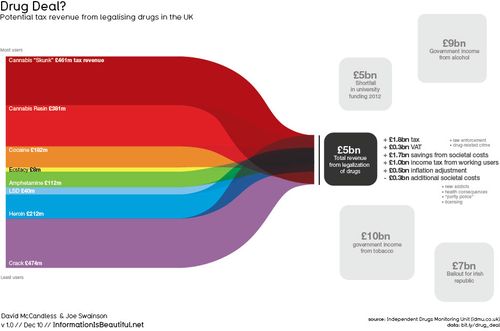
Around the world many judges, law­yers, officers from the police, cus­toms, and intel­li­gence organ­isa­tions, as well as many oth­er experts, are chal­len­ging the failed concept of the “war on drugs”.   This policy, in place for dec­ades now in many coun­tries des­pite its mani­fest, abject and repeated fail­ure, crim­in­al­ises great swathes of our pop­u­la­tions, causes health prob­lems, social prob­lems and untold suf­fer­ing, and funds organ­ised crime and ter­ror­ist groups, rather than provid­ing poten­tially enorm­ous tax rev­en­ue to the state. 

It is time for a mature, calm debate about the issue, rather than hys­ter­ic­al, tabloid headlines.

I am hon­oured to be one of this group speak­ing out.


LEAP State­ment of Principles

1. LEAP does not pro­mote the use of drugs and is deeply con­cerned about the extent of drug abuse world­wide. LEAP is also deeply con­cerned with the destruct­ive impact of viol­ent drug gangs and car­tels every­where in the world. Neither prob­lem is remedied by the cur­rent policy of drug pro­hib­i­tion. Indeed, drug abuse and gang viol­ence flour­ish in a drug pro­hib­i­tion envir­on­ment, just as they did dur­ing alco­hol prohibition.

2. LEAP advoc­ates the elim­in­a­tion of the policy of drug pro­hib­i­tion and the inaug­ur­a­tion of a replace­ment policy of drug con­trol and reg­u­la­tion, includ­ing reg­u­la­tions impos­ing appro­pri­ate age restric­tions on drug sales and use, just as there are age restric­tions on mar­riage, sign­ing con­tracts, alco­hol, tobacco, oper­at­ing vehicles and heavy equip­ment, vot­ing and so on.

3. LEAP believes that adult drug abuse is a health prob­lem and not a law-enforce­ment mat­ter, provided that the abuse does not harm oth­er people or the prop­erty of others.

4. LEAP believes that adult drug use, how­ever dan­ger­ous, is a mat­ter of per­son­al free­dom as long as it does not impinge on the free­dom or safety of others.

5. LEAP speak­ers come from a wide diver­gence of polit­ic­al thought and social con­science and recog­nize that in a post-pro­hib­i­tion world it will take time to strike a prop­er reg­u­lat­ory bal­ance, blend­ing private, pub­lic and med­ic­al mod­els to best con­trol and reg­u­late “illi­cit drugs.” LEAP speak­ers are free to advoc­ate their view of bet­ter post-pro­hib­i­tion stratagems without toe­ing a LEAP “party line.”

6. LEAP recog­nizes that even in a post-pro­hib­i­tion world, still, drugs can be dan­ger­ous and poten­tially addict­ive, requir­ing appro­pri­ate reg­u­la­tion and con­trol. Even in a free-mar­ket eco­nomy, reas­on­able reg­u­la­tion for the pur­poses of pub­lic health is a long-stand­ing, accep­ted prin­ciple. Such reg­u­la­tion must not allow cas­u­al, unfettered or indis­crim­in­ate drug sales.

7. LEAP believes that gov­ern­ment has a pub­lic health oblig­a­tion to accur­ately ascer­tain the risks asso­ci­ated with the use of each “illi­cit drug” and a duty to clearly com­mu­nic­ate that inform­a­tion to the pub­lic by means of labeling and warn­ings sim­il­ar to what is done regard­ing food, tobacco, alco­hol and medicine.

8. LEAP believes that an inor­din­ate num­ber of people have been mis­guidedly incar­cer­ated for viol­a­tion of zero-tol­er­ant, non­vi­ol­ent, con­sen­su­al “drug crimes.” The end of drug pro­hib­i­tion will allow those per­sons to be promptly released, to have their record of con­vic­tion expunged, and their civil rights com­pletely restored. How­ever, the repeal of drug pro­hib­i­tion does not imply the exon­er­a­tion from charges for con­nec­ted offenses, such as viol­ent crimes, gun crimes, theft, or driv­ing under the influ­ence of drugs. Fur­ther­more, LEAP believes that people using alco­hol or oth­er drugs must be held account­able for any mis­be­ha­vi­or, which harms oth­er people or prop­erty of oth­ers, while under the influ­ence of mind-alter­ing substances.

9. LEAP believes that per­sons suf­fer­ing from drug abuse afflic­tions and addic­tion, who want help, should be provided with a vari­ety of help, includ­ing drug treat­ment and drug main­ten­ance, even for unin­sured addicts. LEAP believes that with an end to drug pro­hib­i­tion and regained con­trol of crim­in­al justice expendit­ures, a frac­tion of those sav­ings would be more than suf­fi­cient to pay for expan­ded addic­tion services.

10. LEAP recog­nizes that dif­fer­ent “illi­cit drugs” pose dif­fer­ing risks of harm. As such, in a post-pro­hib­i­tion world, LEAP recog­nizes that an appro­pri­ate set of reg­u­la­tions and con­trol for one sub­stance may not be a suit­able or suf­fi­cient reg­u­la­tion and con­trol for anoth­er sub­stance. LEAP believes that the nation states of the world and vari­ous states with­in the United States must be giv­en the reg­u­lat­ory lat­it­ude to try new mod­els that wisely bal­ance the notions of free­dom over one’s own body with the need for com­mon sense reg­u­la­tion of drugs to reduce death, dis­ease, addic­tion and harm.

Drug_tax_revenue


The murder of Pat Finucane

Mov­ing swiftly past the pruri­ent, thigh-rub­bing glee that most of the old media seems to be exhib­it­ing over the alleged details of Juli­an Assange’s love life, let’s re-focus on the heart of the Wikileaks dis­clos­ures, and most import­antly the aims under­pin­ning them: trans­par­ency, justice, and an informed cit­izenry liv­ing with­in fully-func­tion­ing demo­cra­cies.  Such quaint notions.

In the media mael­strom of the Cableg­ate dis­clos­ures, and the res­ult­ing infant­ile and thug­gish threats of the Amer­ic­an polit­ic­al class, is easy to lose sight of the fact that many of the leaked doc­u­ments refer to scan­dals, cor­rup­tion and cov­er-ups in a range of coun­tries, not just the good old US of A.

Pat_FinucaneOne doc­u­ment that recently caught my atten­tion related to the notori­ous murder twenty-one years ago of civil rights act­iv­ist, Pat Finu­cane, in North­ern Ire­land.  Finu­cane was a well-known law­yer who was shot and killed in front of his wife and three small chil­dren.  There has long been spec­u­la­tion that he was tar­geted by Prot­est­ant ter­ror­ist groups, in col­lu­sion with the NI secret police, the army’s notori­ous and now-dis­ban­ded Forces Research Unit (FRU), and/or MI5.

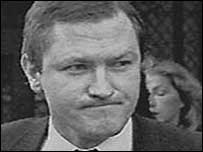
Well, over a dec­ade ago former top plod, Lord (John) Stevens, began an inquiry that did indeed estab­lish such state col­lu­sion, des­pite hav­ing his inquiry offices burnt out in the pro­cess by person/s allegedly unknown half-way through the invest­ig­a­tion.  Stevens fought on, pro­du­cing a damning report in 2003 con­firm­ing the notion of state col­lu­sion with Irish Loy­al­ist ter­ror­ist activ­it­ies, but nev­er did cla­ri­fy exactly what had happened to poor Pat Finucane.

How­ever, Finu­cane’s trau­mat­ised fam­ily has nev­er stopped demand­ing justice.  The recent dis­clos­ure shines a light on some of the back-room deals around this scan­dal, and for that I’m sure many people thank Wikileaks.

The “Troubles” in North­ern Ire­land — such a quint­es­sen­tially Brit­ish under­state­ment, in any oth­er coun­try it would have been called a civil war — were decept­ive, murky and vicious on both sides.  “Col­lu­sion” is an elast­ic word that stretches bey­ond the strict notion of the state.  It is well-known that the US organ­is­tion, NORAID, sup­por­ted by many Amer­ic­ans claim­ing Irish ances­try, was a major fun­drais­ing chan­nel for, um, Sinn Féin, the polit­ic­al wing of the Pro­vi­sion­al IRA, from the 1970s onwards. 

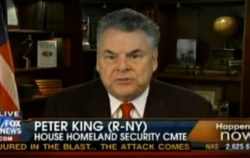
Peter_kingSuch net­works provided even more sup­port than Col­on­el Gad­dafi of Libya with his arms ship­ments, and the cash well only dried up post‑9/11.  As you can see in this recent art­icle in the The Tele­graph, even the incom­ing Chair­man of the House Home­land Secur­ity Com­mit­tee, New York Con­gress­man Peter King (who iron­ic­ally called for the des­ig­na­tion of Wkileaks as a “for­eign ter­ror­ist organ­isa­tion”) appears to have been a life long sup­port­er of Sinn Féin.

With this in the back of our minds, it appears that Dub­lin and Wash­ing­ton kept push­ing for a full inquiry into Finu­cane’s murder — and in 2005 it looked like MI5 would finally co-oper­ate

How­ever, the dev­il was in the detail. Coin­cid­ent­ally, 2005 was the year that the UK gov­ern­ment rushed through a new law, the Inquir­ies Act, which scan­dal­ously allowed any depart­ment under invest­ig­a­tion (in this case MI5) to dic­tate the terms and scope of the inquiry. 

Col­lu­sion by any state in the unlaw­ful arrest, tor­ture, and extraju­di­cial murder of people — wheth­er its own cit­izens or oth­ers — is state ter­ror­ism.  Let’s not mince our words here.  Amnesty Inter­na­tion­al provides a clear defin­i­tion of this concept.

As the The Guard­i­an  art­icle about Finu­cane so succintly puts it:

When a state sanc­tions the killing of cit­izens, in par­tic­u­lar cit­izens who are law­yers, it puts the rule of law and demo­cracy in jeop­ardy. And when a state enlists aux­il­i­ary assas­sins, it cedes its mono­poly over state secrets: it may feel omni­po­tent, but it is also vul­ner­able to disclosure.”

Mercenaries1Indeed.  North­ern Ire­land was like a Petri dish of human rights abuses: tor­ture, Dip­lock courts (aka mil­it­ary tribunals), kid­nap­pings, curfews, shoot-to-kill, inform­ers, and state col­lu­sion in assassinations.

The infec­tion has now spread.  These are pre­cisely the tac­tics cur­rently used by the US, the UK and their “aux­il­i­ary assas­sins” across great swathes of the Middle East.  Per­haps this explains why our nation states have been out­flanked and have ceded their mono­poly over secrets.

Will justice ever be done?  In the past I would have said, sadly, that would be highly unlikely.  How­ever,  cour­ageous organ­isa­tions like Wikileaks and its ilk are improv­ing the odds.

The Ghost of Daniel Ellsberg

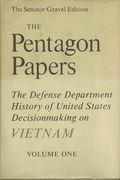
Pentagon_papers This is an excel­lent art­icle from a European tech­no­logy strategist and futur­ist.  It suc­cinctly sums up all that is wrong with the old medi­a’s cov­er­age of the Wikileaks story over the last year, where people obsess about the tech­no­logy, the web­site and the per­son­al life of Juli­an Assange.

As the art­icle says, we should be focus­ing on the core issues: illeg­al wars, war crimes, murder, tor­ture, cor­por­ate and polit­ic­al cor­rup­tion, and dip­lo­mat­ic duplicity.

Let’s address the mes­sage, not attack the mes­sen­ger, and cer­tainly not the medium.


Blitz Spirit?

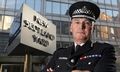
Sir_Paul_StephensonThe most seni­or police officer in the UK, the Com­mis­sion­er of the Met­ro­pol­it­an Police Sir Paul Steph­en­son no less, is say­ing that the Brit­ish cit­izens are not tak­ing the threat of ter­ror­ism ser­i­ously enough.  “Al Qaeda” could strike at any minute, the enemy is with­in etc, etc.…

Now, for a man of his seni­or­ity, one pre­sumes that he has served as a police­man for a fair few years — pos­sibly in the 1970s, cer­tainly the 80s and 90s.  Which means that he should have a memory of what it means to be under the real, daily threat of bombs explod­ing that aimed to maim, kill and ter­ror­ize the civil­ian pop­u­la­tion of Lon­don and the rest of the UK.  After all, through­out those dec­ades the Pro­vi­sion­al IRA, backed by the fund-rais­ing activ­it­ies of cer­tain Amer­ic­an cit­izens and Col­on­el Gad­dafi of Libya — that erstwhile pat­ron of free­dom fight­ers every­where, now a staunch ally of the West in the “war on ter­ror” — was pretty much put­ting bombs down at will on UK streets.

Bishopsgate_Bombing_1993Dur­ing these years the UK has endured Lock­er­bie, Omagh, Bish­opsgate, Canary Wharf, and Manchester, to name but a few major atro­cit­ies.  A good sum­mary of the ter­ror­ist attacks against Lon­don alone over the last 150 years can be found here, with the first Tube bomb­ing occur­ring in 1885.  A pilot, Patrick Smith, also recently wrote a great art­icle about air­craft secur­ity and the sheer scale of the ter­ror­ist threat to the West in the 1980s — and asks a very per­tin­ent ques­tion: just how would we col­lect­ively react to such a stream of atro­cit­ies now? 

Put­ting aside my pro­fes­sion­al life at the time, I have per­son­al memor­ies of what it was like to live and work in Lon­don in the 1990s under the shad­ow of ter­ror­ism.  I remem­ber mak­ing my way to work when I was a fledging MI5 intel­li­gence officer in 1991 and com­mut­ing through Vic­tor­ia train sta­tion in Lon­don 10 minutes before a bomb, planted in a rub­bish bin, exploded on the sta­tion con­course.  One per­son was killed, and many sus­tained severe injur­ies.  One per­son had their foot blown off — the image haunted me for a long time.

I also vividly remem­ber, two years later, sit­ting at my desk in MI5’s May­fair office, and hear­ing a dull thud in the back­ground — this turned out to be a bomb explod­ing out­side Har­rods depart­ment store in Knights­bridge.  And let’s not for­get the almost daily dis­rup­tion to the tube and rail net­works dur­ing the 90s because of secur­ity alerts.  Every Lon­don­er was exhor­ted to watch out for, and report, any sus­pi­cious pack­ages left at sta­tions or on streets.  Yet because of the pre­ced­ing couple of dec­ades, this was already a nor­mal way of life in the city. 

Keep_Calm_and_Carry_On_PosterLon­don­ers have grown used to incon­veni­ence; they grumble a bit about the dis­rup­tion and then get on with their lives — echoes of the “keep calm and carry on” men­tal­ity that evolved dur­ing the Blitz years.  In the 1990s the only notice­able change to Lon­don’s diurn­al rhythm was that there were few­er US tour­ists clog­ging up the streets — an early indic­a­tion of the dis­pro­por­tion­ate, para­noid US reac­tion to a per­ceived ter­ror­ist threat.

Sep­ar­ate from the IRA, in 1994 a car bomb exploded out­side the Israeli embassy in Kens­ing­ton, Lon­don.  Des­pite ini­tial reports that Ira­ni­an-backed groups were respons­ible (and, it turns out, MI5 may have dropped the ball), Palestini­an act­iv­ists were blamed and con­victed, wrongly it turns out, as MI5 assessed that the Israeli intel­li­gence agency, Mossad, had pulled a dirty trick.

Ter­ror­ism on the streets of Lon­don was noth­ing new.  In the early 1980s my fath­er was in Lon­don attend­ing an invest­ig­at­ive journ­al­ism course and nar­rowly missed two bomb­ings — one in a res­taur­ant at Marble Arch a couple of hours after he and the rest of the course mem­bers had been eat­ing there, and anoth­er later that night close to the hotel he was stay­ing in at Lan­caster Gate. 

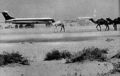
Dawson's_Field_VC10My Pa had anoth­er near miss in 1970 when he was a young air­line pilot fly­ing VC-10s around the world for BOAC. He was sup­posed to be the pilot of the VC-10 that ended up at Dawson’s Field in Jordan — hijacked by mem­bers of the PFLP and even­tu­ally blown up.  He had been pre­ven­ted from fly­ing from Bahrain that day as he was suf­fer­ing a bad dose of the ‘flu.

To this day, his view about both these incid­ents is to shrug and carry on.  Yes, it was a close shave, but if you allow incid­ents like that to col­our the rest of your life, then the concept of ter­ror­ism has already won.

The UK and its cit­izens have had plenty of hands-on exper­i­ence of liv­ing with the real­ity of war, polit­ic­al viol­ence and ter­ror­ism.   As a res­ult, I’m con­stantly flab­ber­gas­ted by the glob­al secur­ity crack­down since 9/11 and par­tic­u­larly in the UK after 7th July 2005.  It was ghastly, and my heart bleeds for the vic­tims, fam­il­ies, and sur­viv­ors, but major ter­ror­ist atro­cit­ies are hardly new to the UK

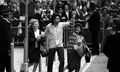
Gerard_Conlan_Guildford_4_releaseThe UK gov­ern­ment seems now to have for­got­ten hard-learned les­sons from the 1970s and 80s in the war in North­ern Ire­land: that dra­coni­an meas­ures — tor­ture, shoot to kill, intern­ment, mil­it­ary-style tribunals —  not only don’t work, but also are counter-pro­duct­ive and act as recruit­ing grounds for ter­ror­ist groups.  The flag­rant mis­car­riages of justice around cases like the Guild­ford Four and Birm­ing­ham Six rein­forced this perspective. 

And the UK has not been alone in Europe when it comes to liv­ing with the daily real­ity of ter­ror­ism: the Span­ish have endured Basque sep­ar­at­ist attacks for four dec­ades, as have the French — in addi­tion to those per­pet­rated in Par­is with dev­ast­at­ing res­ults by Algeri­an Islam­ic groups in the 1990s.  Ger­many suc­cess­fully dealt with the Baader-Mein­hof Gang (Red Army Fac­tion), and oth­er European coun­tries, such as Bel­gi­um and Italy, have endured Oper­a­tion Gla­dio style ter­ror­ist attacks over recent decades.

But in all those years, none of our coun­tries gave up on the concept of basic val­ues and freedoms — indeed they seemed to learn use­ful les­sons from the repress­ive, failed exper­i­ment in North­ern Ire­land.  So why are we now fall­ing in line, unthink­ingly, with the hys­ter­ic­al and bru­tal US response post 9/11? 

Das_leben_der_anderenIn the UK we are effect­ively liv­ing under a Big Broth­er sur­veil­lance state, as I have pre­vi­ously and extens­ively writ­ten.  Oth­er North­ern European coun­tries are con­stantly pres­sured to fall in line with the US “war on ter­ror” fear men­tal­ity.  To its cred­it Ger­many is react­ing cau­tiously, even in the face of the cur­rent, hyped-up ter­ror threat.  But then we Europeans know the les­sons of his­tory — we’ve lived them, and Ger­many more than most.  The ghosts of the Gestapo and the Stasi still cre­ate a fris­son of fear in the col­lect­ive Ger­man­ic memory.

But return­ing to that doughty crime fight­er, Sir Paul Steph­en­son.  The day after he ticked off the UK pub­lic for not tak­ing ter­ror­ism ser­i­ously enough, he is once again in the media, pre­dict­ing an era of grow­ing civil unrest in the wake of the stu­dent riots in Lon­don, and chillingly stat­ing that the rules of the game had changed.  For­get about try­ing to nego­ti­ate with cam­paign­ers — now the only way to deal with them is to spy on them, as The Guard­i­an reported:

We have been going through a peri­od where we have not seen that sort of viol­ent dis­order,” Steph­en­son said. “We had dealt with stu­dent organ­isers before and I think we based it too much on his­tory. If we fol­low an intel­li­gence-based mod­el that stops you doing that. Obvi­ously you real­ise the game has changed. Regret­tably, the game has changed and we must act.”

Big_BrotherLast year the same news­pa­per revealed that ACPO, the seni­or police officers’ private asso­ci­ation, was run­ning an illeg­al unit to spy on “domest­ic extrem­ists” (read polit­ic­ally act­ive cit­izens).  In response to the pub­lic out­cry, the head of ACPO, Sir Hugh Orde, prom­ised to stop this Stasi-like prac­tice.  In the wake of the stu­dent protests, Sir Paul will prob­ably see a renewed need for the unit, no doubt under anoth­er name.  Big Broth­er grows apace — because, of course, we all know that Ocean­ia has always been at war with Eastasia.…..

Sir John Sawers, head of MI6, makes historic public appearance

For the first time in 100 years “C”, the head of the UK for­eign intel­li­gence ser­vice SIS (com­monly known as MI6) has gone public.

Former career dip­lo­mat Sir John Saw­ers (he of Speedo fame) yes­ter­day made a speech to the UK Soci­ety of Edit­ors in what appeared to be a pro­fes­sion­ally dip­lo­mat­ic rear-guard action in response to a num­ber of hot media top­ics at the moment.

Choos­ing both his audi­ence wisely and his words care­fully, he hit on three key areas:

Tor­ture: Leg­al cases are cur­rently going through UK courts on behalf of Brit­ish vic­tims of tor­ture, in which MI5 and MI6 intel­li­gence officers are alleged to have been com­pli­cit.  The Met­ro­pol­it­an Police are cur­rently invest­ig­at­ing a num­ber of cases.  Over the last week, a Brit­ish mil­it­ary train­ing manu­al on “enhanced” inter­rog­a­tion tech­niques has also been made pub­lic. How­ever, Saw­ers unblush­ingly states that MI6 abides by UK and inter­na­tion­al law and would nev­er get involved, even tan­gen­tially, in tor­ture cases.  In fact, he goes on to assert that the UK intel­li­gence agen­cies are train­ing the rest of the world in human rights in this regard.


Whis­tleblow­ing: In the week fol­low­ing the latest Wikileaks coup — the Iraq War Diar­ies, com­pris­ing nearly 400,000 doc­u­ments detail­ing the every­day hor­ror of life in occu­pied Iraq, includ­ing war crimes such as murder, rape and tor­ture com­mit­ted by both US and UK forces — Saw­ers states that secrecy is not a dirty word: the intel­li­gence agen­cies need to have the con­fid­ence that whis­tleblowers will not emerge to in order to guard agent and staff iden­tit­ies, as well as main­tain­ing the con­fid­ence of their inter­na­tion­al intel­li­gence part­ners that their (dirty?) secrets will remain, um, secret.  One pre­sumes he is advoc­at­ing against the expos­ure of war crimes and justice for the victims.

This, one also pre­sumes, is the jus­ti­fic­a­tion for US politi­cians who pro­pose cyber-attacks against Wikileaks and the declar­a­tion by some US polit­ic­al insiders that Juli­an Assange, spokes­man of the organ­isa­tion, should be treated as an unlaw­fully des­ig­nated “unlaw­ful com­batant”, sub­ject to the full rigour of extra-judi­cial US power, up to and includ­ing assassination. 

Spuri­ous media claims of unveri­fied “dam­age” are the hoary old chest­nuts always dragged out in whis­tleblower cases.  After Wikileaks released its Afghan War Blog in July, gov­ern­ment and intel­li­gence com­ment­at­ors made apo­ca­lyptic pre­dic­tions that the leak had put mil­it­ary and agent lives at risk.  US Defense Sec­ret­ary Robert Gates has since gone on the record to admit that this was simply not true. 

Dur­ing the Shayler whis­tleblow­ing case a dec­ade ago, the gov­ern­ment repeatedly tried to assert that agent lives had been put at risk, and yet the form­al judge­ment at the end of his tri­al stated that this was abso­lutely not the case.  And again, with the recent Wikileaks Iraq War Blog, gov­ern­ment sources are using the same old man­tra.  When will they real­ise that they can only cry wolf so many times and get away with it?  And when will the journ­al­ists regur­git­at­ing this spin wake up to the fact they are being played?

Account­ab­il­ity:  Saw­ers goes on to describe the mech­an­isms of account­ab­il­ity, such as they are.  He accur­ately states, as I have pre­vi­ously described ad nauseam, that under the 1994 Intel­li­gence Ser­vices Act, he is notion­ally respons­ible to his polit­ic­al “mas­ter”, the For­eign Sec­ret­ary, who has to clear in advance any leg­ally dubi­ous for­eign oper­a­tions (up to and includ­ing murder – the fabled “licence to kill” is not fic­tion, as you can see here).

The 1994 ISA also estab­lished the Prime Min­ister­’s Intel­li­gence and Secur­ity Com­mit­tee (ISC) in Par­lia­ment, which many com­ment­at­ors seem to believe offers mean­ing­ful over­sight of the spies.  How­ever, as I have detailed before, this is a mere fig leaf to real account­ab­il­ity: the ISC can only invest­ig­ate issues of policy, fin­ance and admin­is­tra­tion of the spy agen­cies.  Dis­clos­ures relat­ing to crime, oper­a­tion­al incom­pet­ence or involve­ment in tor­ture fall out­side its remit.

But what hap­pens if intel­li­gence officers decide to oper­ate bey­ond this frame­work? How would min­is­ters or the ISC ever know?  Oth­er spy mas­ters have suc­cess­fully lied to their polit­ic­al mas­ters in the past, after all.

Sir John has the gall to say that, if an oper­a­tion is not cleared by the For­eign Sec­ret­ary, it does not pro­ceed.  But what about the Gadaf­fi Plot way back in 1996, when MI6 was spon­sor­ing a group of Islam­ic extrem­ist ter­ror­ists in Libya to try to assas­sin­ate Col­on­el Gadaf­fi without, it has been asser­ted, the pri­or writ­ten approv­al of the then-For­eign sec­ret­ary, Tory politi­cian Mal­com Rif­kind?  This was repor­ted extens­ively, includ­ing in this art­icle by Mark Thomas in the New States­man. What hap­pens if rogue MI6 officers blithely side-step this notion­al account­ab­il­ity — because they can, because they know they will get away with it — because they have in the past?

MoS_August_97_QPlot_CredibleIn the interests of justice, UK and inter­na­tion­al law, and account­ab­il­ity, per­haps a new Conservative/Coalition gov­ern­ment should now reas­sess its approach to intel­li­gence whis­tleblowers gen­er­ally, and re-exam­ine this spe­cif­ic dis­clos­ure about Libya, which has been backed up by inter­na­tion­al intel­li­gence sources, both US and French, in order to achieve some sort of clos­ure for the inno­cent vic­tims in Libya of this MI6-fun­ded ter­ror­ist attack? And it is finally time to hold the per­pet­rat­ors to account — PT16, Richard Bart­lett, and PT16B, Dav­id Wat­son, who were the seni­or officers in MI6 respons­ible for the murder plot.

As civ­il­ised coun­tries, we need to rethink our approach to the issue of whis­tleblow­ing. Lies, spin,  pro­sec­u­tions and thug­gish threats of assas­sin­a­tion are beneath us as soci­et­ies that notion­ally adhere to the prin­ciples of demo­cracy.  If we can only real­ist­ic­ally hope that the actions of our gov­ern­ments, mil­it­ary forces, and intel­li­gence agen­cies are trans­par­ent and account­able via whis­tleblowers, then we need to ensure that these people are leg­ally pro­tec­ted and that their voices are heard clearly.


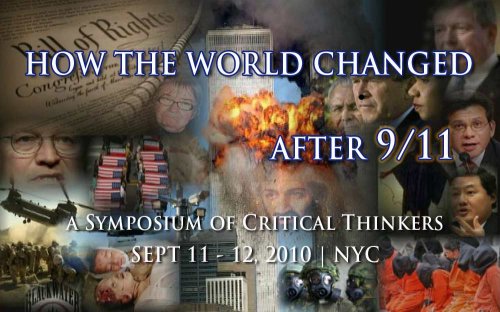
New York INN conference: How the world changed after 9/11

INNIn Septem­ber 2010 I was invited over to New York to speak at a tele­vised 2‑day sym­posi­um organ­ised by the inde­pend­ent TV and radio sta­tion Inter­na­tion­al News Net (INN).  The top­ic under dis­cus­sion was “How the world changed after 9/11”.

Speak­ers were invited from around the world to par­ti­cip­ate in pan­el dis­cus­sions focus­ing on dif­fer­ent areas that have been notice­ably degraded and cor­rup­ted since 9/11 in response to the end­less “war on ter­ror”: civil liber­ties, the rule of law, intel­li­gence, polit­ics, eco­nom­ics, and the media.  Some of the dis­cus­sions fea­tured aca­dem­ics, pro­fes­sion­als and sci­ent­ists ques­tion­ing the asser­tions of the offi­cial US gov­ern­ment account of 9/11 itself — the jus­ti­fic­a­tion for so many ensu­ing horrors.

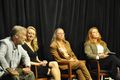
NYC_Sept_2010_on stageI was on the same pan­el as Ray McGov­ern (army vet­er­an and long-time CIA ana­lyst), Coleen Row­ley (FBI whis­tleblower), and Dr Kath­er­ine Albrecht (digit­al pri­vacy cam­paign­er).  The title of the ses­sion was “Good­bye Fourth Amend­ment”.  As I poin­ted out at the begin­ning of my talk, at least the US has a writ­ten con­sti­tu­tion to shred — some­thing the UK nev­er quite man­aged to produce.…

Here’s the film of my ses­sion. DVDs of this and all oth­er pan­el dis­cus­sions are avail­able from INN.

Upcoming New York Conference: how the world changed after 9/11

INN

Look­ing for­ward to speak­ing at this con­fer­ence next weekend!

A timely and neces­sary debate about the vital, but increas­ingly fra­gile, state of our demo­cracy and basic civil rights.

And what a great line up — well done to the organisers! 

Some of the oth­er speak­ers are old friends I’ve worked with before, some I look for­ward to meet­ing for the first time.