Fig Leaf to the Spies

The lack of any mean­ing­ful over­sight of the UK’s intel­li­gence com­munity was high­lighted again last week, when The Daily Mail repor­ted that a cru­cial fax was lost in the run-up to the 7/7 bomb­ings in Lon­don in 2005.

There has yet to be an offi­cial enquiry into the worst ter­ror­ist atro­city on the UK main­land, des­pite the call for one from trau­mat­ised fam­il­ies and sur­viv­ors and the legit­im­ate con­cerns of the Brit­ish pub­lic. To date, we have had to make do with an “offi­cial nar­rat­ive” writ­ten by a face­less bur­eau­crat and pub­lished in May 2006. As soon as it was pub­lished, the then Home Sec­ret­ary, John Reid, had to cor­rect egre­gious fac­tu­al errors when present­ing it to Parliament.

The Intel­li­gence and Secur­ity Com­mit­tee (ISC) also did a shoddy first job, when it cleared the secur­ity forces of all wrong-doing in its ini­tial report pub­lished at the same time. It claimed a lack of resources had hampered MI5’s counter-ter­ror­ism efforts.

How­ever, fol­low­ing a use­ful leak, it emerged that MI5 had not only been aware of at least two of the alleged bombers before the attack, it had been con­cerned enough to send a fax up to West York­shire Police Spe­cial Branch ask­ing them to invest­ig­ate Mohammed Sidique Khan and Shehz­ad Tan­weer. This fax was nev­er acted upon.

So the ISC has been forced to pro­duce anoth­er report, this time appar­ently admit­ting that, yes, there had been intel­li­gence fail­ures, most not­ably the lost fax. West York­shire SB should have acted on it. But the intel­li­gence officer in MI5 respons­ible for this invest­ig­a­tion should have chased it up when no response was forthcoming.

This second ISC report, which has been sit­ting on the Prime Minister’s desk for weeks already, is said to be “dev­ast­at­ing”. How­ever, I’m will­ing to bet that if/when it sees the light of day, it will be any­thing but.

The ISC is at best an over­sight fig leaf. It was formed in 1994, when MI6 and GCHQ were put on a stat­utory foot­ing for the first time with the Intel­li­gence Ser­vices Act. At the time the press wel­comed this as a great step for­ward towards demo­crat­ic account­ab­il­ity for the intel­li­gence com­munity. Well, it could not have been worse than the pre­vi­ous set-up, when MI5, MI6 and GCHQ did not offi­cially exist. They were not required to obey the laws of the land, and no MP was allowed to ask a ques­tion in Par­lia­ment about their activ­it­ies. As 1980s whis­tleblower Peter Wright so suc­cinctly put it, the spies could bug and burgle their way around with impunity.
So the estab­lish­ment of the ISC was a (very) lim­ited step in the right dir­ec­tion. How­ever, it is not a Par­lia­ment­ary Com­mit­tee. Its mem­bers are selec­ted by the Prime Min­is­ter, and it is answer­able only to the PM, who can vet its find­ings. The remit of the ISC only cov­ers mat­ters of spy policy, admin­is­tra­tion and fin­ance. It is not empowered to invest­ig­ate alleg­a­tions of oper­a­tion­al incom­pet­ence nor crimes com­mit­ted by the spies. And its annu­al report has become a joke with­in the media, as there are usu­ally more redac­tions than coher­ent sentences.

The ISC’s first big test came in the 1990s fol­low­ing the Shayler and Tom­lin­son dis­clos­ures. These involved detailed alleg­a­tions of illeg­al invest­ig­a­tions, bungled oper­a­tions and assas­sin­a­tion attempts against for­eign heads of state. It is dif­fi­cult to con­ceive of more hein­ous crimes com­mit­ted by our shad­owy spies.

But how did the ISC react? If one reads the reports from the rel­ev­ant years, the only aspect that exer­cised the ISC was Shayler’s inform­a­tion that MI5 had on many MPs and gov­ern­ment min­is­ters. The ISC was reas­sured by MI5 that would no longer be able to use these files. That’s it.

For­get about files being illeg­ally held on hun­dreds of thou­sands of inno­cent UK cit­izens; for­get about the illeg­al phone taps, the pre­vent­able deaths on UK streets from IRA bombs, inno­cent people being thrown in pris­on, and the assas­sin­a­tion attempt against Col­on­el Gad­dafi of Libya. The fear­less and etern­ally vigil­ant ISC MPs were primar­ily con­cerned about receiv­ing reas­sur­ance that their files would no longer be vet­ted by MI5 officers on the basis of mem­ber­ship to “sub­vers­ive” organ­isa­tions. What were they afraid of – that shame­ful evid­ence of early left-wing activ­ity from their fiery youth might emerge? Heav­en for­bid under New Labour.

Barely a day goes by when news­pa­per head­lines do not remind us of ter­rible threats to our nation­al secur­ity. Only in the last week, the UK media has repor­ted that the threat of espi­on­age from Rus­sia and China is at its highest since the days of the Cold War; that resur­gent Repub­lic­an ter­ror groups in North­ern Ire­land pose a graver danger to us even than Al Qaeda; that rad­ic­al­ised Brit­ish Muslim youth are return­ing from fight­ing with the Taliban to wage war on the streets of the UK. We have to take all this on trust, des­pite the intel­li­gence com­munity’s appalling track record of bend­ing the truth to gain more powers and resources. This is why mean­ing­ful over­sight is so vitally import­ant for the health of our demo­cracy. The ISC is a long way from provid­ing that.

Boiling a Frog

Last Sunday George Bush gra­ciously flew into the UK for a final offi­cial vis­it before he steps down as pres­id­ent in Janu­ary next year. PM Gor­don Brown looked dis­tinctly uncom­fort­able at their joint press con­fer­ence, par­tic­u­larly when he had to announce that the UK would con­tin­ue to sup­port US mil­it­ary adven­tur­ism in the Middle East by send­ing yet more troops out there.

Of course, over the years many mil­lions of us opposed these illeg­al wars, but to no avail. This was the last oppor­tun­ity for peace pro­test­ers in the UK to vent their feel­ings towards Bush. The police respon­ded in an increas­ingly heavy-handed way, pen­ning the peacen­iks up, beat­ing inno­cent people around the head for no reas­on, and call­ing in the armoured riot police.

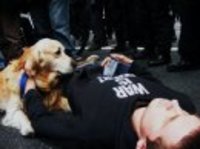
One friend of mine said that they were stand­ing there play­ing protest songs when sud­denly a wall of Rob­ocop lookalikes appeared and began to advance on them. My friend, a seasoned act­iv­ist, had nev­er seen any­thing quite like it; even he was unnerved. Anoth­er decided to make a stand. Well, to be exact, he lay down at their feet, pro­tec­ted only by Solomon his trusty Peace Dog.

Des­pite all this, the police per­sisted in blam­ing the pro­test­ers. Deputy Assist­ant Com­mis­sion­er Chris Allis­on announced that the Met would hold an enquiry and said: “We are ser­i­ously dis­ap­poin­ted by the irre­spons­ible and crim­in­al action of those who have chal­lenged police….”

Allis­on then went on to make a state­ment that chilled my heart: he said that the protest could have been used as a “cov­er” for ter­ror­ists tar­get­ing George Bush.

So this is what it has come to. Many intel­li­gent com­ment­at­ors over recent years have said that politi­cians and police use the threat of ter­ror­ism to gain more and more dra­coni­an powers. Time and again we have seen inno­cent people stopped for no good reas­on under Sec­tion 44 of the Ter­ror­ism Act. Infam­ously, this Act was also used to throw 87 year old Wal­ter Wolfgang out of a Labour Party con­fer­ence for heck­ling Jack Straw. Police can even arrest you now purely to ascer­tain your identity.

But for a seni­or police­man to claim that viol­ence is accept­able against peace cam­paign­ers as they might be har­bour­ing ter­ror­ists is one step bey­ond. The tac­tics the US army has used so dis­astrously on the streets of Bagh­dad have now been impor­ted to the streets of Westminster.

I have been say­ing for a long time that the laws are already in place for the UK to be defined as effect­ively a police state. The only reas­on that this is not yet obvi­ous to all is because these laws are not applied more widely. But per­haps we are see­ing the first signs of this now.

Where will this end? The Ger­man people did not just wake up one day in 1939 and find that they lived under a fas­cist régime. The pro­cess was slow, and the erosion of demo­cracy incre­ment­al. The vast major­ity was not even aware of what was hap­pen­ing to their coun­try until it was too late.

They say that if you put a frog in cold water, and then gradu­ally heat up the pot, the frog can­not detect the change in tem­per­at­ure fast enough and will sit there boil­ing to death. This, I fear, is what is hap­pen­ing to our democracy.


Spooks leave UK vulnerable to Russian mafia

Accord­ing to the Daily Mail this week, Rus­si­an secur­ity expert, Andrei Sold­atov, reck­ons the UK is wide open to the threat of the Rus­si­an mafia. He primar­ily blames the froid­eur that has blighted Anglo-Rus­si­an rela­tions since the Litv­inen­ko affair. How­ever, he also states that MI5 no longer has a role to play in invest­ig­at­ing organ­ised crime, and that has con­trib­uted to our vulnerability.

Nat­ur­ally res­ist­ing the tempta­tion to say that MI5’s involve­ment would not neces­sar­ily have afforded us any mean­ing­ful pro­tec­tion, I would say that this is down to a fun­da­ment­al prob­lem in how we organ­ise our response to threats to the nation­al secur­ity of this country.

The secur­ity infra­struc­ture in the UK has evolved over the last cen­tury into a ter­ribly Brit­ish muddle. For his­tor­ic reas­ons, we have a pleth­ora of intel­li­gence agen­cies, all com­pet­ing for fund­ing, power and prestige: MI5, MI6, GCHQ, the Met­ro­pol­it­an Police Spe­cial Branch (MPSB), spe­cial branches in every oth­er police force, mil­it­ary intel­li­gence, and HM Rev­en­ue and Cus­toms et al. Each is sup­posed to work with the oth­er, but in real­ity they guard their ter­rit­ory and intel­li­gence jeal­ously. After all, know­ledge is power.

MI5 and MPSB have always been the lead intel­li­gence organ­isa­tions oper­at­ing with­in the UK. As such, their cov­ert rivalry has been pro­trac­ted and bit­ter, but to the out­side world they appeared to rub along while MI5 was primar­ily focus­ing on espi­on­age and polit­ic­al sub­ver­sion and the Met con­cen­trated on the IRA. How­ever, after the end of the Cold War, MI5 had to find new tar­gets or lose staff, status and resources.

In 1992 the then Home Sec­ret­ary, Ken Clarke, announced that MI5 was tak­ing over the lead respons­ib­il­ity for invest­ig­at­ing IRA activ­ity on the UK main­land — work that had been done by MPSB for over 100 years. Vic­tory was largely cred­ited to clev­er White­hall man­oeuv­er­ing on the part of the head of MI5, Stella Rim­ing­ton. The Met were furi­ous, and the trans­fer of records was frac­tious, to say the least.

Also, there was a year’s delay in the han­dover of respons­ib­il­ity. So MI5 arti­fi­cially main­tained the per­ceived threat levels posed by polit­ic­al sub­ver­sion in order to retain its staff until the trans­ition was com­plete. This meant that there was no real case for the aggress­ive invest­ig­a­tion of sub­vers­ive groups in the UK – which made all such oper­a­tions illeg­al. Staff in this sec­tion, includ­ing me, voci­fer­ously argued against this con­tin­ued sur­veil­lance, rightly stat­ing that such invest­ig­a­tions were thereby flag­rantly illeg­al, but the seni­or man­age­ment ignored us in the interests of pre­serving their empires.

How­ever, in the mid-1990s, when peace appeared to be break­ing out in North­ern Ire­land and bey­ond, MI5 had to scout around for more work to jus­ti­fy its exist­ence. Hence, in 1996, the Home Sec­ret­ary agreed that they should play a role in tack­ling organ­ised crime – but only in a sup­port­ing role to MPSB. This was nev­er a par­tic­u­larly pal­at­able answer for the spooks, so it is no sur­prise that they have sub­sequently dropped this area of work now that the threat from “Al Qaeda” has grown. Ter­ror­ism has always been per­ceived as high­er status work. And of course this new threat has led to a slew of increased resources, powers and staff for MI5, not to men­tion the open­ing of eight region­al headquar­ters out­side London.

But should we really be approach­ing a sub­ject as ser­i­ous as the pro­tec­tion of our nation­al secur­ity in such a haphaz­ard way, based solely on the fact that we have these agen­cies in exist­ence, so let’s give them some work?

If we are really faced with such a ser­i­ous ter­ror­ist threat, would it not be smarter for our politi­cians to ask the basic ques­tions: what is the real­ist­ic threat to our nation­al secur­ity and the eco­nom­ic well­being of the state, and how can we best pro­tect ourselves from these threats? If the most effect­ive answer proves to be a new, ded­ic­ated counter-ter­ror­ism organ­isa­tion, so be it. We Brits love a sense of his­tory, but a new broom will often sweep clean.


CCTV doesn’t prevent crime

So, the argu­ment about CCTV and our big broth­er soci­ety rumbles on. A seni­or police­man, Detect­ive Chief Inspect­or Mick Neville of the Visu­al Images, Iden­ti­fic­a­tions and Detec­tions Office (Viido) at New Scot­land Yard, has been quoted as say­ing that only 3 per cent of crimes have been solved by CCTV evid­ence. Des­pite the UK hav­ing the highest per cap­ita num­ber of CCTVs in the world, this brave new world has failed to make us safer.

A few oth­er police forces, and nat­ur­ally the secur­ity com­pan­ies flog­ging the kit, say that CCTV has at least dra­mat­ic­ally reduced oppor­tun­ist­ic crimes. Who should we believe?

What can­not be dis­puted is the fact that there are well over 4,000,000 CCTVs in this coun­try, and the organ­isa­tion, Pri­vacy Inter­na­tion­al, assesses that we are the most watched cit­izenry in Europe.

While some law-abid­ing cit­izens say they feel intim­id­ated by CCTV and how the inform­a­tion could poten­tially be mis­used, most people seem not to care. In fact, the major­ity appar­ently feel safer if they can see CCTV on the streets, even if this per­vas­ive sur­veil­lance has in no way dis­cour­aged crimes of viol­ence. So why this gap between per­cep­tion and reality?

One of my pet the­or­ies has always been to blame Big Broth­er. No, not the book. I have always been flum­moxed by the pop­ular­ity of the TV show and the pleth­ora of real­ity TV spin-offs. My instinct­ive reac­tion was that it was sim­il­ar to being “groomed” to accept round-the-clock intru­sion into our per­son­al lives. More than accept – desire it. The clear mes­sage is that such sur­veil­lance can lead to instant fame, wealth and access to the Z‑list parties of Lon­don. And for that we are sleep-walk­ing into a real Orwellian nightmare.

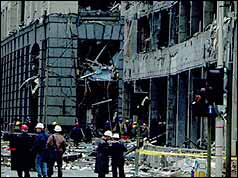
Slightly flip­pant the­or­ies aside, it is inter­est­ing that one of the most cited examples of the need for CCTV was the Bish­opsgate bomb­ing in Lon­don in 1993. In this case a lorry bomb, filled with a tonne of home made explos­ive (HME) was det­on­ated in the heart of the city of Lon­don by the IRA. One per­son was killed, many were injured, and hun­dreds of mil­lions of pounds worth of dam­age was caused, not to men­tion the fact threat the IRA scored a huge pub­li­city coup.

But this had noth­ing to do with the lack or oth­er­wise of CCTV in the streets of the City. It was an intel­li­gence fail­ure, pure and simple.

This attack could and should have been pre­ven­ted. It occurred while I was work­ing in MI5, and it was widely known in the ser­vice at the time that the bomber should have been arres­ted six months before dur­ing a sur­veil­lance oper­a­tion. Des­pite the fact that he was seen check­ing out anoth­er lorry bomb in stor­age, he was allowed to walk free and escape to the Repub­lic of Ire­land due to pro­ced­ur­al cock-ups. Months later, he returned to the City and bombed Bishopsgate.

By rely­ing increas­ingly on tech­no­lo­gies to pro­tect us, we are fol­low­ing in the foot­steps of the Amer­ic­ans. They have always had an over-reli­ance on gad­gets and giz­mos when seek­ing to invest­ig­ate crim­in­als and ter­ror­ists: satel­lite track­ing, phone taps, bugs. But this hoover­ing up of inform­a­tion is nev­er an adequate replace­ment for pre­cise invest­ig­at­ive work. Plus, any crim­in­al or ter­ror­ist worth their salt these days knows not to dis­cuss sens­it­ive plans electronically.

Scat­ter-gun approaches to gath­er­ing intel­li­gence, such as blanket sur­veil­lance, still at this stage require human beings to pro­cess and assess it for evid­en­tial use. That, accord­ing to DCI Neville, is part of the prob­lem. There is just too much com­ing in, not enough staff, insuf­fi­cient co-oper­a­tion between forces, and the job lacks per­ceived status with­in the police.

The oth­er prob­lem of an over-reli­ance on tech­no­logy is that it can always be hacked. The most recent hack­ing has broken the RFID chips that we all carry in our pass­ports, Oyster cards and the planned ID cards. New tech­no­lo­gies can­not guar­an­tee that our per­son­al data is secure, so rather than pro­tect­ing us, they make us more liable to crimes such as iden­tity theft.

So once again nation­al and loc­al gov­ern­ment bod­ies have rushed to buy up tech­no­logy, without fully think­ing through either its applic­a­tion or its use­ful­ness. And without fully assess­ing the implic­a­tions for a free soci­ety. Just because the tech­no­logy exists, it does not mean that it is fit for pur­pose, nor that it will make us safer.


British Spies and Torture

On 30th April, The Guard­i­an news­pa­per repor­ted that yet anoth­er man, picked up in a Brit­ish counter-ter­ror­ism oper­a­tion in Pakistan, has come for­ward claim­ing that he was tor­tured by the Pakistani intel­li­gence agency, the ISI, with the col­lu­sion of Brit­ish spooks

This is part of a grow­ing body of evid­ence indic­at­ing that Brit­ish intel­li­gence officers are con­tinu­ing to flout the law in one of the most hein­ous ways pos­sible, the pro­longed tor­ture of anoth­er human being. Alleg­a­tions have been emer­ging for years that detain­ees of notori­ous camps such as Guantanamo and Abu Ghraib have heard Brit­ish voices either dur­ing the inter­rog­a­tion ses­sions or dir­ect­ing the line of ques­tion­ing. Many of these detain­ees are also the vic­tims of “extraordin­ary rendi­tion”, in itself an extraordin­ar­ily euphemist­ic phrase for the kid­nap­ping and trans­port­a­tion of ter­ror­ist sus­pects to Third World coun­tries where they can be held indef­in­itely and tor­tured with impunity.

This is a situ­ation that haunts me. I worked as an intel­li­gence officer for MI5 in the 1990s, before leav­ing to blow the whistle. Per­haps I worked with some of the people now dir­ectly involved in tor­ture? Per­haps I was even friends with some of them, met them for drinks, had them round for din­ner? How could young, ideal­ist­ic officers, com­mit­ted to pro­tect­ing their coun­try by leg­al means, make that per­son­al mor­al jour­ney and par­ti­cip­ate in such bar­bar­ic acts?

These ques­tions ran through my head when, in 2007, I had the hon­our to meet a gentle, spir­itu­al man called Moazzam Begg. He is a Brit­ish cit­izen who went to Pakistan with his fam­ily to help build a school. One night, his door was broken down, and he was hooded, cuffed and bundled out of his home by Amer­ic­ans, in front of his hys­ter­ic­al wife and young chil­dren. That was the last they saw of him for over 3 years. Ini­tially he was tor­tured in the notori­ous Bagram air­base, before end­ing up in Guantanamo, which he said was a relief to reach as the con­di­tions were so much bet­ter. Need­less to say, he was released with out charge, and is now suing MI5 and MI6 for com­pens­a­tion. He has also writ­ten a book about his exper­i­ences and now spends his time help­ing the cam­paign, Cage Pris­on­ers.

Bri­tain was the first state to rat­i­fy the European Con­ven­tion of Human Rights, which includes Art­icle 3 — no one shall be sub­jec­ted to tor­ture or to inhu­man or degrad­ing treat­ment or pun­ish­ment. It is impossible for a state to derog­ate from this art­icle. So how and why has Bri­tain stooped to the level that it will appar­ently par­ti­cip­ate in such activ­ity? The “apo­ca­lyptic scen­ario” much loved by apo­lo­gists of tor­ture, where a ter­ror­ist has to be broken to reveal the loc­a­tion of the tick­ing bomb, occurs only in fant­ast­ic­al TV dra­mas like “24”, nev­er in real life.

In the 1990s the accep­ted MI5 pos­i­tion was that tor­ture doesn’t work. This was a les­son the UK secur­ity forces had learned the hard way in 1970s North­ern Ire­land. Then, IRA sus­pects had been roun­ded up, interned without tri­al and sub­jec­ted to what the Amer­ic­ans would no doubt nowadays call “enhanced inter­rog­a­tion tech­niques”. But the secur­ity forces got it wrong. The vast major­ity of internees were arres­ted on the basis of the flim­si­est intel­li­gence and had no links what­so­ever with the IRA. Well, at least when they entered pris­on. Intern­ment proved to be the best pos­sible recruit­ing drive for the IRA.

So why has this think­ing changed? I would sug­gest this is part of a core prob­lem for MI5 – the shroud of secrecy with­in which it con­tin­ues to oper­ate and the com­plete lack of account­ab­il­ity and over­sight for the organ­isa­tion. There is no vent­il­a­tion, no con­struct­ive cri­ti­cism, no debate. Once a new doc­trine has been adop­ted by the lead­er­ship, in slav­ish imit­a­tion of US policy, it rap­idly spreads through­out the organ­isa­tion as officers are told to “just fol­low orders”. To do any­thing else is career sui­cide. This leads to a self-per­petu­at­ing olig­archy where illeg­al or uneth­ic­al beha­viour is accep­ted as the norm.

Of course, you may well argue that a spy organ­isa­tion has to oper­ate in secret. Well, yes and no. Of course it needs to pro­tect sens­it­ive oper­a­tion­al tech­niques, ongo­ing oper­a­tions and the iden­tit­ies of agents. How­ever, bey­ond that it should be open to scru­tiny and demo­crat­ic account­ab­il­ity, just as the police anti-ter­ror­ism branch is. After all, they do vir­tu­ally the same work, so why should they be any less accountable?

The tra­di­tion of UK spies oper­at­ing in abso­lute secrecy is a hangover from the bad old days of the cold war, and is utterly inap­pro­pri­ate to a mod­ern counter-ter­ror­ist organ­isa­tion. Increased open­ness and account­ab­il­ity is not only essen­tial in a mod­ern demo­cracy, it also ensures that the spies can­not con­tin­ue to brush their mis­takes and crimin­al­ity under the car­pet. Bri­tain deserves bet­ter from those charged with pro­tect­ing its nation­al security.


AltVoices Article, June 2007

My art­icle in Alt​Voices​.org, June 2007:

THE OFFICIAL SILENCING ACT

Last month the UK’s dra­coni­an secrecy laws were again used to crim­in­al­ise two hon­our­able whis­tleblowers. The UK’s supine main­stream media failed both to ques­tion the valid­ity of these con­vic­tions and to hold the gov­ern­ment to account.

by Annie Machon

On May 9 Dav­id Keogh, a 50-year-old com­mu­nic­a­tions officer in the Cab­in­et Office, and Leo O’Con­nor, 44, a research­er for an anti-war Labour MP, were con­victed of breach­ing the Offi­cial Secrets Act (1989).

Keogh’s crime was to have leaked an “extremely sens­it­ive” memo to O’Connor, detail­ing a con­ver­sa­tion about Iraq between Tony Blair and George W. Bush in April 2004.

Keogh passed the doc­u­ment to O’Connor to give to his MP in the hope it would reach the pub­lic domain, expose Bush as a “mad­man”, and lead to ques­tions in Par­lia­ment. The memo was deemed to be so secret that much of the tri­al was held in camera.

Keogh was found guilty of two breaches of the OSA, O’Connor of one, and they received sen­tences of six months and three months respectively.

This bald sum­mary of the case was all that appeared in the main­stream UK media. No doubt many people will have taken this case at face value. After all, the UK should be able to pro­tect its nation­al secur­ity and impose tough leg­al sanc­tions for treach­ery, shouldn’t it?

Except that this was not treach­ery. Keogh and O’Connor were not passing the UK’s secrets to an enemy power. They acted from con­science to expose pos­sible wrong­do­ing at the highest level.

The media should have use this tri­al to address the ongo­ing debate in the UK about the con­tinu­al use and abuse of the OSA. Unfor­tu­nately for the Brit­ish people, the media toed the offi­cial line and kept quiet.

The UK’s secrecy laws are a very Brit­ish muddle. The first OSA was enacted in 1911 to pro­sec­ute trait­ors. This law remained in place until the 1980s, when the Thatch­er gov­ern­ment was rocked by the alleg­a­tions of civil ser­vant Clive Pont­ing about a cov­er-up over the attack on the Argen­tine ship the Gen­er­al Bel­grano dur­ing the Falk­lands War.

Dur­ing his tri­al, Pont­ing relied on the pub­lic interest defence avail­able under the 1911 Act. He was acquit­ted, and the Con­ser­vat­ive gov­ern­ment imme­di­ately drew up a new law, the 1989 OSA. This new law was designed primar­ily to intim­id­ate and silence whis­tleblowers. Treach­ery is still pro­sec­uted under the 1911 Act.

The 1989 Act, opposed at the time by Tony Blair and most of the cur­rent Labour gov­ern­ment, ensures that any­one who is or has been a mem­ber of the intel­li­gence com­munity faces two years in pris­on if they dis­close inform­a­tion relat­ing to their work without per­mis­sion, regard­less of wheth­er they are blow­ing the whistle on crim­in­al activity.

Since com­ing to power in 1997, Blair’s gov­ern­ment has repeatedly used this Act to sup­press legit­im­ate dis­sent, silence polit­ic­al oppos­i­tion and pro­tect crim­in­als with­in the intel­li­gence establishment.

In 1997, MI6 whis­tleblower Richard Tom­lin­son had no option but to plead guilty dur­ing his tri­al, and was sen­tenced to six months in prison.

Around the same time MI5 whis­tleblower Dav­id Shayler dis­closed the illeg­al 1995 MI6 plot to assas­sin­ate Col­on­el Gad­dafi of Libya, as well as a string of oth­er crimes com­mit­ted by MI5.

Dur­ing his tri­al Shayler argued that, under Art­icle 10 of the European Con­ven­tion of Human Rights, legis­la­tion such as the OSA is only pro­por­tion­ate in sup­press­ing a whistleblower’s right to speak out in order to pro­tect “nation­al security”.

How­ever, his judges effect­ively ruled that this right should also be cur­tailed for “nation­al interest” con­sid­er­a­tions. This neb­u­lous concept, undefined for the pur­poses of the OSA, is routinely wheeled out to spare the blushes of politi­cians and incom­pet­ent spy agencies.

In 2002 Shayler did win from the courts the defence of “neces­sity”. How­ever, the Law Lords spe­cific­ally denied him this defence without hear­ing his evid­ence. Shayler was con­victed in Novem­ber 2002 of three breaches of the OSA and sen­tenced to six months in prison.

In 2003 the late Dr Dav­id Kelly would also have faced an OSA tri­al for his alleged com­ments about the gov­ern­ment “sex­ing up” the notori­ous dodgy dossier before the war in Iraq.

The 1989 OSA does not just apply to those in and around the intel­li­gence com­munity. Oth­er civil ser­vants, as well as journ­al­ists who pub­lish their dis­clos­ures, face the same pris­on sen­tence if the pro­sec­u­tion can prove “dam­age to nation­al secur­ity”. Keogh and O’Connor were con­victed under these pro­vi­sions, although the pro­sec­u­tion reportedly relied only on the “nation­al interest” argument.

The UK gov­ern­ment is increas­ingly con­cerned about secur­ity leaks dur­ing the unend­ing “war on ter­ror”, and is now talk­ing about doub­ling to four years the sen­tence for whistleblowing.

By fail­ing to chal­lenge this or to cam­paign for the res­tor­a­tion of the pub­lic interest defence, journ­al­ists are com­pli­cit in crim­in­al­ising hon­our­able people. The media’s craven atti­tude allows the gov­ern­ment and intel­li­gence agen­cies to con­tin­ue lit­er­ally to get away with murder.

MI5 must back use of phone-taps

This is an art­icle of mine that appeared in The Guard­i­an on Wed­nes­day August 03 2005 .

Calls for justice

MI5 must back use of phone-taps

When I worked in MI5 in the 1990s, the use of tele­phone inter­cept mater­i­al (code­named Lin­en) was even then a hot top­ic of dis­cus­sion. Most of the new­er officers and the leg­al advisers advoc­ated its use. The MI5 old guard tried to claim that it was a sensitive
tech­nique and if used in court, tele­phone intel­li­gence would be lost.

Every­one knows tele­phone lines can be bugged. And if, in a spe­cif­ic court case, evid­ence of par­tic­u­lar sens­it­iv­ity occurred in an inter­cept, its exist­ence could be pro­tec­ted by pub­lic interest immunity certificates.

The with­hold­ing of Lin­en is a hangover from the cold war, when tele­phone taps were used purely to gath­er intel­li­gence on espi­on­age and polit­ic­al tar­gets. Now that MI5 is doing largely police-style, evid­en­tial work to bring ter­ror­ists to tri­al, it needs to update its methods.

Intel­li­gence gathered from bugs planted in a sus­pect’s prop­erty is already used as evid­ence in Brit­ish courts, although this is argu­ably a more sens­it­ive tech­nique. Most west­ern demo­cra­cies allow the use of intel­li­gence derived from tele­phone bugs.

Most Bel­marsh internees are incar­cer­ated on the basis of “secret and reli­able intel­li­gence” — ie tele­phone taps — which can­not be used in a court of law to charge them. Per­haps MI5 does not want Lin­en exposed to the scru­tiny of a court of law in these cases because the intel­li­gence is so weak.

In the early 1970s, the then prime min­is­ter, Har­old Wilson, was dis­suaded from employ­ing Judith Hart as a min­is­ter because of “secret and reli­able intel­li­gence”. It turned out that all she had done was ring up a friend who happened to work in the Com­mun­ist party HQ and call her “com­rade”, a prac­tice com­mon in leftwing circles at the time.

MI5 needs to drag itself into the 21st cen­tury and allow its intel­li­gence to be used as evid­ence. It needs to ensure that the new breed of ter­ror­ists threat­en­ing our coun­try can feel the full force of Brit­ish justice, nota bul­let in the back of the head.

Annie Machon is the author of Spies, Lies and Whis­tleblowers: MI5 and the Dav­id Shayler Affair

Sunday Tribune Interview, 2005

Irish Sunday Tribune, July 2005

What really went on in the secret service?

Suz­anne Breen

THEY’RE prob­ably out there now, walk­ing about, look­ing for tar­gets, ” says former spy,  Annie Machon, as she sur­veys the bust­ling bars, res­taur­ants and shops in Gatwick Air­port.  MI5 used Heath­row and Gatwick in train­ing courses.  Officers would be sent to the air­ports and instruc­ted to come back with one per­son’s name, address, date of birth, occu­pa­tion and pass­port or driv­ing licence num­ber … the basic inform­a­tion for MI5 to open a per­son­al file.

They’d have to go up to a com­plete stranger and start chat­ting to them. One male officer nearly got arres­ted.  It was much easi­er for women officers … nobody’s sus­pi­cious of a woman ask­ing questions.”

Tall, blonde and strik­ingly eleg­ant, Machon (37) could have stepped out of a TV spy drama. She arrives in a simple black dress, with pearl ear­rings, and per­fect oyster nails.  She is charm­ingly polite but, no mat­ter how many ques­tions you ask, she retains the slightly detached, inscrut­able air that prob­ably made her good at her job.

A Cam­bridge Clas­sics gradu­ate, her book, <em>Spies, Lies and Whistleblowers</em>, has just been pub­lished. She worked in ‘F’ branch … MI5’s counter-sub­ver­sion sec­tion … and ‘T’ branch, where she had a rov­ing brief on Irish ter­ror­ism.  MI5 took 15 months to vet the book. Sec­tions have been blacked out. If Machon dis­closes fur­ther inform­a­tion without approv­al, she could face pro­sec­u­tion under the Offi­cial Secrets Act.

She left MI5 deeply dis­il­lu­sioned. In 1997, she went on the run from the UK with her boy­friend, former fel­low spy Dav­id Shayler (39). He was sub­sequently jailed for dis­clos­ing secrets, includ­ing that MI6 had allegedly fun­ded a plot to assas­sin­ate Col­on­el Gaddafi.

Machon had “respons­ib­il­ity and free­dom” in MI5 when com­bat­ing Irish ter­ror­ism. “It was won­der­ful when you got res­ults, when you stopped a bomb. That was why I’d joined.  There was a huge under­stand­ing of the IRA and the North­ern Ire­land con­flict.  We wer­en’t just a bunch of big­ots say­ing “string up the ter­ror­ists”. Some man­agers might have had that atti­tude but it was­n’t shared by most officers.  They acknow­ledged the IRA as the most pro­fes­sion­al ter­ror­ist organ­isa­tion they’d dealt with. Loy­al­ists, and repub­lic­an splinter groups like the INLA, were a lot less sophisticated.”

Machon did­n’t wit­ness state col­lu­sion but is “watch­ing with interest” as cases unfold. She voices some eth­ic­al con­cerns: MI5 ran a Garda officer as an undeclared agent, which was illeg­al in the Repub­lic.  If it wanted to tap a phone in the Repub­lic, no war­rant was needed and there was no over­sight pro­ced­ure. An MI5 officer simply asked GCHQ, which inter­cepts com­mu­nic­a­tion, to set it up.

MI5’s approach to the law led to bizarre situations:

Officers cov­ertly entered a house in North­ern Ire­land to install bug­ging equip­ment.  They trashed it up and stole things to make it look like a burg­lary. But MI5 law­yers said it was­n’t leg­ally accept­able to steal so the officers had to go and put the goods back which made it look even more suspicious.”

Machon atten­ded secur­ity meet­ings in North­ern Ire­land. Her life was nev­er in danger, she says. The only col­leagues she knew who were killed were on the Chinook heli­copter which crashed off the Mull of Kintyre in 1994.

Machon had joined the intel­li­gence ser­vices three years earli­er. She worked from an office in Bolton Street, May­fair, one of MI5’s three build­ings in Lon­don.  “It was very dilap­id­ated.  There were ancient phones, with wires cross­ing the floor stuck down with tape.  It had battered wooden desks and thread­bare car­pets. There were awful lime-green walls. The dress code in MI5 was very Marks and Spen­cer. MI6 (which com­bats ter­ror­ism abroad) was much smarter, more Saville Row.”

MI5’s pres­ence in the build­ing was meant to be a secret but every­body knew, says Machon: “The guide on the open-top Lon­don tour bus which passed by would tell pas­sen­gers, ‘and on your right is MI5’.  We were advised to get out of tax­is at the top of the street, not the front door, but all the drivers knew any­way. Later, we moved to mod­ern headquar­ters in Thames House.”

Being a spy isn’t what people think, Machon says.  “It was­n’t exactly James Bond, with glam­or­ous, cock­tail-drink­ing espi­on­age.  There were excit­ing bits, like meet­ing agents in safe houses, but there were plenty of bor­ing days.  Mostly, I’d be pro­cessing ‘lin­en’ — the product from tele­phone taps … or read­ing inter­cep­ted mail or agents’ reports. You get to know your tar­gets well from eaves­drop­ping on their lives.  You learn all sorts of things, like if they’re sleep­ing with someone behind their part­ner­’s back. It’s sur­real know­ing so much about people you don’t know; and then it rap­idly becomes very normal.”

Machon claims the intel­li­gence ser­vices were often sham­bol­ic, and blun­ders meant three IRA bombs in 1993 … includ­ing Bish­opsgate, which cost £350m …could have been pre­ven­ted.  “MI5 has this super-slick image but some­times it was just a very Brit­ish muddle.  Tapes from tele­phone taps would be binned without being tran­scribed because there was­n’t the per­son­nel to listen to them.  On occa­sions, MI5 did respond quickly, but then it could take weeks to get a war­rant for a phone tap because man­agers pondered so long over the applic­a­tion word­ing … wheth­er to use ‘but’ or ‘how­ever’, ‘may’ or ‘might’.

Mobile sur­veil­lance (who fol­low tar­gets) were bloody good. There were some amaz­ingly cap­able officers who were often wasted.  Des­pite everything prom­ised about MI5 mod­ern­ising, it remained very hier­arch­ic­al, with the old guard, which had cut its teeth in the Cold War, dom­in­at­ing.  They were used to a stat­ic tar­get. They’re not up to the job of deal­ing with mobile extrem­ist Islam­ic ter­ror­ism. We’ve been play­ing catch-up with al Qaeda for years.”

Machon says MI5 pays sur­pris­ingly badly: “I star­ted on £15,000 … entrants now get about £20,000. A detect­ive con­stable in the Met was on twice my salary.  Of course, it’s about more than money but you must reward to keep good people.  If you pay pea­nuts, you end up with monkeys.”

Machon grew up in Guern­sey, in the Chan­nel Islands, the daugh­ter of a news­pa­per edit­or. “I was apolit­ic­al. My only know­ledge of spy­ing was watch­ing John Le Car­re’s drama Tinker, Tail­or, Sol­dier, Spy.”  After tak­ing For­eign Office exams, she received a let­ter on MoD note­pa­per.  “There may be oth­er jobs you would find more inter­est­ing, ” it said. Intrigued, she rang. It was MI5.

Dur­ing the recruit­ment pro­cess, every aspect of her life from the age of 12 was invest­ig­ated. “I’d to nom­in­ate four friends from dif­fer­ent phases of my life. After they were ques­tioned, they had to nom­in­ate anoth­er four people.  I con­fessed to smoking dope twice. I was quizzed about my sexu­al his­tory by a sweet old lady who looked like my grand­moth­er but resembled Miss Marple in her inter­rog­a­tion.  She asked if I was gay.  The rules have since changed, but then MI5 regarded homo­sexu­al­ity as a defect. If you lied and were found out, you’d be sacked on the spot.  In the­ory, they regarded promis­cu­ity as a weak­ness, but there were plenty of extra-mar­it­al affairs. One couple were twice caught shag­ging in the office.  The male officer, who was very bad at his job, was put on ‘garden­ing leave’ … sent home on full pay. The woman, an Arab­ic-speak­ing trans­lat­or who was great at her job, was sacked.”

A cul­ture of “rampant drunk­en­ness” exis­ted, says Machon: “There was an oper­a­tion against a Czech dip­lo­mat who was also a spy.  The officer run­ning it got pissed, went round with his mates to the dip­lo­mat’s house, and shouted oper­a­tion­al details through the let­ter-box at him.”

Recruits were encour­aged to tell fam­ily and close friends they were MI5, and any­one else that they worked for the MoD.

MI5 had one mil­lion per­son­al files (PFs), Machon says. “I came across files on celebrit­ies, prom­in­ent politi­cians, law­yers, and journ­al­ists. It was ridicu­lous. There were files on Jack Straw, Mo Mow­lam, Peter Hain, Patri­cia Hewitt, Ted Heath, Tony and Cher­ie Blair, Gareth Peirce, and Mohamed Al Fayed.  There was a file on ‘sub­vers­ives’ in the music industry, includ­ing the Sex Pis­tols and UB40.

At recruit­ment, I was told MI5 no longer obsessed about ‘reds under the bed’, yet there was a file on a school­boy who had writ­ten to the Com­mun­ist Party ask­ing for inform­a­tion for a school pro­ject.  A man divor­cing his wife had writ­ten to MI5 say­ing she was a com­mun­ist, so a file was opened on her. MI5 nev­er des­troys a file.”

The rank­ing in import­ance of tar­gets could be sur­pris­ing. PF3 was (and is) Leon Trot­sky; PF2, Vladi­mir Ilych Len­in; PF1 was Eamon De Valera.

MI5 cur­rently has around 3,000 employ­ees. About a quarter are officers; the rest are tech­nic­al, admin­is­trat­ive and oth­er sup­port staff, accord­ing to Machon.

In recent years, MI5 appoin­ted two female dir­ect­or gen­er­als … Stella Rim­ming­ton, and the cur­rent dir­ect­or gen­er­al, Dame Eliza Man­ning­ham-But­ler. “I always found Stella very cold and I was­n’t impressed with her cap­ab­il­it­ies. There was an ele­ment of token­ism in her appoint­ment.  Eliza is like Ann Wid­de­combe’s bossy sis­ter, ” says Machon, mis­chiev­ously rais­ing an eye­brow. “She scares a lot of men. She is seen as hand-bag­ging her way to the top.”

Machon says the only way of respond­ing to the grow­ing ter­ror­ist threat is for the present intel­li­gence infra­struc­ture to be replaced by a single counter-ter­ror­ist agency.  The intense rivalry between MI5, MI6, Spe­cial Branch and mil­it­ary intel­li­gence means they’re often more hos­tile to each oth­er than to their tar­gets. ID cards and fur­ther dra­coni­an secur­ity legis­la­tion will offer no pro­tec­tion, she says.

Machon was act­ive in the anti-war cam­paign. She believes there is an “80% chance” that Dr Dav­id Kelly, the gov­ern­ment sci­ent­ist who ques­tioned the claim that Iraq could launch weapons of mass destruc­tion with­in 45 minutes, did­n’t com­mit sui­cide but was murdered on MI5’s instructions.

Oth­er sus­pi­cious minds won­der if Machon and Shayler ever left MI5. Could it be an elab­or­ate plot to make them more effect­ive agents? By pos­ing as whis­tleblowers, they gain the entry to rad­ic­al, leftwing circles.

Machon dis­misses this the­ory: “It would be very deep cov­er indeed to go to those lengths. Gareth Peirce is our soli­cit­or. She trusts us and she’s no fool.” Machon says while they have no regrets, they’ve paid a huge emo­tion­al and fin­an­cial price for chal­len­ging the secret state. They sur­vive on money from the odd news­pa­per art­icle and TV inter­view. Home is a small ter­raced house in East­bourne, east Sus­sex, where they grow toma­toes and have two cats.

Are they still friends with serving MI5 officers? “No com­ment!” says Machon with a smile. These days, she goes places she nev­er did.

When she addresses leftwing meet­ings, someone often approaches at the end.  “You must know my file?” they say.

Spies, Lies & Whis­tleblowers’ by Annie Machon is pub­lished by The Book Guild, £17.95