Judicial rendition — the UK-US extradition treaty is a farce

Some­times I sit here read­ing the news —  on sub­jects in which I take a deep interest such as the recent police invest­ig­a­tion into UK spy com­pli­city in tor­ture, where the police decided not to pro­sec­ute — and feel that I should com­ment.  But really, what would be the point?  Of course the police would not find enough con­crete evid­ence, of course no indi­vidu­al spies would be held to account, des­pite the fact that the Brit­ish gov­ern­ment has already paid massive set­tle­ments to the victims.

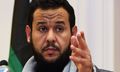
BelhadjNow there are reports that the police will be invest­ig­at­ing MI6 involve­ment in the extraordin­ary rendi­tion and tor­ture of two Liby­ans.  The case appears bang to rights, with doc­u­ment­ary evid­ence that high-rank­ing MI6 officers and gov­ern­ment min­is­ters were involved in and approved the oper­a­tion.  Yet I’m will­ing to bet that the plods at Scot­land Yard will still not be able to find the requis­ite evid­ence to pro­sec­ute anybody. 

The inev­it­able (and prob­ably wished-for out­come on the part of the author­it­ies) is that people become so weary and cyn­ic­al about the lack of justice that they stop fight­ing for it.  And they can tem­por­ar­ily suc­ceed, when we suc­cumb to cyn­ic­al burnout.

But the case repor­ted in today’s Daily Mail, that of a young Brit­ish stu­dent facing extra­di­tion to the US des­pite hav­ing broken no laws in the UK, suc­ceeded in rous­ing my wrath. 

Richard_ODwyerThe hap­less 23-year old Richard O’D­wyer faces 10 years in a max­im­um secur­ity Amer­ic­an pris­on.  His crime, accord­ing to the US, is that he set up a UK-based web­site that provided links to oth­er inter­na­tion­al web­sites that allegedly hos­ted copy­right material.

This case is so troub­ling on so many levels it is dif­fi­cult to know where to begin.  There are issues around the crack­down of US cor­por­ate copy­right law, issues around the inequal­ity of the uni­lat­er­al Extra­di­tion Act 2003, and his­tor­ic ques­tions of US hypo­crisy about extradition.

So let’s start with the unsup­por­ted alleg­a­tions against poor Richard O’D­wyer.  He is a stu­dent who built a web­site that col­lated a list of sites in oth­er coun­tries that host films, books and music for free down­load.  O’D­wyer did not him­self down­load any copy­righted mater­i­al, and the web­sites he linked to were appar­ently with­in jur­is­dic­tions where such down­loads are not illeg­al.  Provid­ing a sign­post to oth­er leg­al inter­na­tion­al sites is mani­festly not a crime in the UK and he has nev­er been charged.

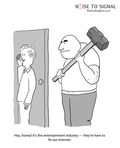
How­ever, over the last couple of dec­ades the US enter­tain­ment lobby has been fight­ing a vicious rear­guard action against copy­right infringe­ment, start­ing with the music, then the film, and now the pub­lish­ing industry.  The lob­by­ists have proved vic­tori­ous and the invi­di­ous SOPA and PIPA laws are soon to be passed by the US Con­gress.  All well and good you might think — it’s one of those mad US issues.  But oh no, these laws have glob­al reach.  What might be leg­al with­in the UK might still mean that you fall foul of US legislation.

Gary_McKinnon2Which is where the Extra­di­tion Act 2003 becomes par­tic­u­larly threat­en­ing.  This law means that any UK cit­izen can be deman­ded by and handed over to the US with no prima facie evid­ence.  As we have seen in the appalling case of alleged hack­er Gary McKin­non, it mat­ters not if the “crime” were com­mit­ted on UK soil (as you can see here, McKin­non’s case was not pro­sec­uted by the UK author­it­ies in 2002.  If it had been, he would have received a max­im­um sen­tence of 6 months’ com­munity ser­vice: if extra­dited he is facing up to 70 years in a US max­im­um secur­ity prison).

The UK gov­ern­ment has tried to spin the egre­gious Liby­an cases as “judi­cial rendi­tion” rather than “extraordin­ary kid­nap­ping” or whatever it’s sup­posed to be.  So I think it would be accur­ate to call Gary McKin­non’s case “judi­cial rendi­tion” too, rather than bor­ing old extradition.

Richard O’D­wyer appar­ently did­n’t com­mit any­thing that could be deemed to be a crime in the UK, and yet he is still facing extra­di­tion to the US and a 10 year stretch.  The new US laws like SOPA threaten all of us, and not just with judi­cial rendition. 

As I have men­tioned before, digit­al rights act­iv­ist Cory Doc­torow summed it up best: “you can­’t make a sys­tem that pre­vents spy­ing by secret police and allows spy­ing by media giants”.  These cor­por­ate inter­net laws are a Tro­jan horse that will threaten our basic civil liber­ties across the board.

So now to my third point.  The hypo­crisy around the Amer­ic­an stance on extra­di­tion with the UK is breath­tak­ing.   The UK has been dis­patch­ing its own cit­izens off at an alarm­ing rate to the “tender” mer­cies of the US judi­cial sys­tem since 2004, with no prima facie evid­ence required.  In fact, the leg­al proof required to get a UK cit­izen extra­dited to the US is less than that required for someone to be extra­dited from one US state to another. 

The US, on the oth­er hand, delayed rat­i­fy­ing the law until 2006, and the bur­den of proof required to extra­dite someone to the UK remains high, so it is unbal­anced not only in concept but also in prac­tice.  And this des­pite the fact that the law was seen as cru­cial to facil­it­ate the trans­fer of highly dan­ger­ous ter­ror­ist sus­pects in the end­less “war on terror”.

Why has this happened?  One can but spec­u­late about the power of the Irish lobby in the US gov­ern­ment, as Sir Men­zies Camp­bell did dur­ing a par­lia­ment­ary debate about the Act in 2006.   How­ever, it is well known that the US was remark­ably coy about extra­dit­ing IRA sus­pects back to the UK to stand tri­al dur­ing the 30-year “Troubles” in North­ern Ire­land.  We even have well-known apo­lo­gists such as Con­gress­man Peter King, the Chair­man of the Home­land Secur­ity Com­mit­tee attempt­ing to demon­ise organ­isa­tions like Wikileaks as ter­ror­ist organ­isa­tions, while at the same being a life-long sup­port­er of Sinn Féin, the polit­ic­al wing of the Pro­vi­sion­al IRA.

UK_poodleThe double stand­ards are breath-tak­ing.  The US dic­tates an extra­di­tion treaty with the UK to stop ter­ror­ism, but then uses this law to tar­get those who might poten­tially, tan­gen­tially, minutely threaten the profits of the US enter­tain­ment mega-corps; and then it delays rat­i­fy­ing and imple­ment­ing its own law for poten­tially dubi­ous polit­ic­al reasons.

And the UK gov­ern­ment yet again rolls over and takes it, while inno­cent stu­dents such as Richard O’D­wyer must pay the price.  As his moth­er is quoted as say­ing: “if they can come for Richard, they can come for anyone”.
The Bureau of Investigative Journalism article

Here is a recent art­icle I wrote for The Bur­eau of Invest­ig­at­ive Journ­al­ism, about our slide into a sur­veil­lance state. 

TBIJ sup­por­ted Wikileaks dur­ing the release of the Spy­Files. The issue is of such cru­cial import­ance for our demo­cracy, I was dis­ap­poin­ted that more of the main­stream media did not fol­low up on the stor­ies provided.

Here’s the text:

Ana­lys­is: the slide into a sur­veil­lance state

Fifty years ago, Pres­id­ent Eis­en­hower warned of the ‘dis­astrous rise’ of the mil­it­ary-indus­tri­al com­plex. His fears proved all too accurate.

Now in the post‑9/11 world, the threat goes even fur­ther: the mil­it­ary-indus­tri­al com­plex is evolving into the mil­it­ary-intel­li­gence com­plex. It is a world, I fear, that is pro­pelling us into a dysto­pi­an sur­veil­lance nightmare.

I have seen this night­mare unfold from close quar­ters. In the mid-90s I was an intel­li­gence officer for MI5, the UK domest­ic secur­ity ser­vice. That is, until I resigned to help my former part­ner and col­league Dav­id Shayler blow the whistle on a cata­logue of incom­pet­ence, cov­er-ups and crimes com­mit­ted by spies. We naively hoped that this would lead to an inquiry, and a review of intel­li­gence work and account­ab­il­ity with­in the notori­ously secret­ive Brit­ish system.

The blun­ders and illeg­al oper­a­tions that we wit­nessed in our six years at MI5 took place at what is prob­ably the most eth­ic­al and account­able dec­ade in the Brit­ish spy­ing service’s 100-year history.

Even then, they were get­ting away with pretty much whatever they wanted.

Since the attacks of 9/11, I have watched with increas­ing dis­may as more powers, money and resources have been pumped into the inter­na­tion­al intel­li­gence com­munity to com­bat the neb­u­lous ‘war on ter­ror’. As a res­ult, civil liber­ties have been eroded in our own coun­tries, and count­less inno­cent people have been killed, maimed and dis­placed across the Middle East.

The Reg­u­la­tion of Invest­ig­at­ory Powers Act (RIPA), which was designed to allow our spy agen­cies to law­fully inter­cept our com­mu­nic­a­tions to counter ter­ror­ism and organ­ised crime, has been routinely used and abused by almost 800 pub­lic bod­ies. MI5 admit­ted to mak­ing 1,061 mis­takes or ‘admin­is­trat­ive errors’ this year alone in its applic­a­tion of RIPA, accord­ing to the Inter­cep­tion of Com­mu­nic­a­tions Com­mis­sion­er, Sir Paul Kennedy.

Intel­li­gence creep extends to the police, as we saw with the under­cov­er police scan­dal earli­er this year, where the unac­count­able Nation­al Pub­lic Order Intel­li­gence Unit was dis­covered to be infilt­rat­ing harm­less and legit­im­ate protest groups for years on end.

It is a world, I fear, that is pro­pelling us into a dysto­pi­an sur­veil­lance nightmare.

Even bey­ond the under­cov­er cops, we have seen an explo­sion in cor­por­ate spy­ing. This involves mer­cen­ary spy com­pan­ies such as Xe (formerly Black­wa­ter), Kroll, Aegis and Dili­gence offer­ing not just secur­ity muscle in hot­spots around the world, but also bespoke oper­a­tions enabling big cor­por­a­tions to check out staff or to infilt­rate and invest­ig­ate protest groups that may embar­rass the companies.

The mer­cen­ary spy oper­ates without any over­sight what­so­ever, and can even be gran­ted immunity from pro­sec­u­tion, as Xe enjoyed when oper­at­ing in Iraq.

The last dec­ade has also been a boom time for com­pan­ies provid­ing high-tech sur­veil­lance cap­ab­il­it­ies. One aspect of this in the UK – the endem­ic CCTV cov­er­age – is notori­ous. Loc­al coun­cils have inves­ted in mobile CCTV smart spy cars, while cam­er­as that bark orders to you on the street have been tri­alled in Middlesbrough.

Drones are increas­ingly used for aer­i­al sur­veil­lance – and the poten­tial for mil­it­ar­isa­tion of these tools is clear.

All this des­pite the fact that the head of the Met­ro­pol­it­an Police depart­ment that is respons­ible for pro­cessing all this sur­veil­lance inform­a­tion stated pub­licly that CCTV evid­ence is use­less in help­ing to solve all but 3% of street rob­ber­ies in Lon­don. In fact, since CCTV has been rolled out nation­ally, viol­ent crime on the streets of Bri­tain has increased.

But, hey, who cares about facts when secur­ity is Big Busi­ness? Someone, some­where, is get­ting very rich by rolling out ever more Orwellian sur­veil­lance tech­no­logy. And while the tech­no­logy might not be used against the wider UK cit­izenry in a par­tic­u­larly malig­nant man­ner – yet – the same com­pan­ies are cer­tainly allow­ing their tech­no­lo­gies to find their way to the more viol­ent and repress­ive Middle East­ern states.

That would nev­er hap­pen in Bri­tain – would it? We retain an optim­ist­ic faith in the long-term benign inten­tions of our gov­ern­ment, while tut-tut­ting over Syr­i­an police snatch squads pre-empt­ively arrest­ing sus­pec­ted dis­sid­ents. Yet this has already happened in the UK: before the roy­al wed­ding in April, pro­test­ers were pre-empt­ively arres­ted to ensure that they would not cause embar­rass­ment. The intent is the same in Syr­ia and Bri­tain. Only the scale and bru­tal­ity dif­fers – at the moment.

When I worked for MI5 in the 1990s I was appalled how eas­ily tele­phone inter­cep­tion could be used illeg­ally, and how eas­ily the spies could hide their incom­pet­ence and crimes from the gov­ern­ment. In the last dec­ade it has become much worse, with seni­or spies and police officers repeatedly being caught out lying to the tooth­less Intel­li­gence and Secur­ity Com­mit­tee in Par­lia­ment. And this is only the offi­cial intel­li­gence sector.

How much worse is the endem­ic sur­veil­lance car­ried out by the cor­por­ate spy industry?

The bal­ance of power, bolstered by new tech­no­lo­gies, is shift­ing over­whelm­ingly in favour of the Big Broth­er state – well, almost. The WikiLeaks mod­el is help­ing level the play­ing field, and whatever hap­pens to this trail­blaz­ing organ­isa­tion, the prin­ciples and tech­no­logy are out there and will be rep­lic­ated. This genie can­not be put back in the bottle. This – com­bined with the work of informed MPs, invest­ig­at­ive journ­al­ists and poten­tially the occa­sion­al whis­tleblower – gives me hope that we can halt this slide into a Stasi state.

Annie Machon is a former spy with MI5, the Brit­ish intel­li­gence agency work­ing to pro­tect the UK’s nation­al secur­ity against threats such as ter­ror­ism and espi­on­age.
You can read Annie Machon’s blog ‘Using Our Intel­li­gence’ here.

Fascism 2012 — the ongoing merger of the corporate and the state

I’m gradu­ally com­ing to after a knock-out blow last Octo­ber — the unex­pec­ted death of my beloved and only broth­er, Rich.  Words can­not describe.

But look­ing for­ward to the delights that 2012 will no doubt offer: Juli­an Assange remains trapped in a leg­al spider­’s web, but all cred­it to Wikileaks — it keeps on provid­ing the goods. 

The recent pub­lic­a­tion of the Spy­Files should have been a massive wake-up call, as it it high­lighted the increas­ing use and abuse of mer­cen­ary spy tech — all without any effect­ive over­sight, as I recently wrote in my art­icle for the Bur­eau of Invest­ig­at­ive Journ­al­ism

Need­less to say, the issue of massive com­mer­cial sur­veil­lance cap­ab­il­it­ies usu­ally remains con­fined to a niche media mar­ket, although the Daily Mail did rouse itself to report that shop­pers were being tracked via mobile phones as they con­sumed their way around malls.  Well, I sup­pose it’s a start.

With the growth of mer­cen­ary spy com­pan­ies in our minds, we should be even more con­cerned about the accel­er­ated shred­ding of our civil liber­ties, par­tic­u­larly in the US and UK.  Des­pite earli­er prom­ises that he would veto any such legis­la­tion, Pres­id­ent Obama signed into law the invi­di­ous NDAA on 31st Decem­ber.  This means that the US mil­it­ary is now empowered to seize and indef­in­itely detain, with no recourse to tra­di­tion­al due pro­cess, not only poten­tially all non-Amer­ic­ans across the plan­et à la the Guantanamo/extraordinary rendi­tion mod­el, but can now also do this to US cit­izens with­in their own country.

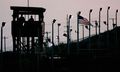
Guantanamo_BayDes­pite the pas­sion­ate inter­net debate, the issue has unsur­pris­ingly been largely ignored by most of the main­stream cor­por­ate media.  But the pre­dom­in­antly US-based inter­net com­ment­ary dis­plays a breath­tak­ing hypo­crisy: yes, the NDAA is a ter­rible law with awful implic­a­tions for Amer­ic­an cit­izens.  How­ever, people around the world have been liv­ing with just this fear for a dec­ade, with whole com­munit­ies afraid of being snatched and dis­ap­peared into black CIA tor­ture facil­it­ies.   Where was the US out­rage then?  The Pas­tor Mar­tin Niemoeller poem remains as rel­ev­ant today as when it was writ­ten 70 years ago.

That said a couple of brave voices have spoken out: Naomi Wolf recently described how the US legis­lat­ors could iron­ic­ally find them­selves on the receiv­ing end of this law, if we go by all his­tor­ic pre­ced­ents.  Paul Craig Roberts was on froth­ing good form too, inveigh­ing against the war crimes of the US mil­it­ary, the per­se­cu­tion of Wikileaks for expos­ing those very crimes, and the evolving total­it­ari­an­ism of our countries.

SOPAIn a digit­al mir­ror of the NDAA, the enter­tain­ment industry and their pet lob­by­ists are suc­cess­fully ram­ming through the invi­di­ous SOPA law.   As acclaimed digit­al rights act­iv­ist and author, Cory Doc­torow, described in his key­note at the recent CCC geek­fest in Ber­lin, these ostens­ibly com­mer­cial laws are in effect a stalk­ing horse for gov­ern­ments to seize con­trol of the inter­net.  As he wrote in the Guard­i­an “you can­’t make a sys­tem that pre­vents spy­ing by secret police and allows spy­ing by media giants”. 

With this in the back of our minds, the Wikileaks Spy­Files rev­el­a­tions about the increas­ing glob­al­isa­tion and com­mer­cial­isa­tion of cor­por­ate spy tech­no­logy are even more alarm­ing.  The gov­ern­ment spy agen­cies work with little effect­ive over­sight, but the mer­cen­ar­ies have a com­pletely free leg­al rein.  Intriguingly, it appears that unlike our own gov­ern­ments Afgh­anistan is alive to this prob­lem and is reportedly boot­ing out for­eign contractors. 

Yet the bal­ance of power in cer­tain west­ern coun­tries is slid­ing over­whelm­ingly towards police states —  or, indeed, fas­cism, if you take into con­sid­er­a­tion Benito Mus­solin­i’s defin­i­tion: “the mer­ger of state and cor­por­ate power”.

Our line of defence is slender — organ­isa­tions like Wikileaks, one or two politi­cians of con­science, a few remain­ing real invest­ig­at­ive journ­al­ists and per­haps the odd whis­tleblower.  Bey­ond that, we must indi­vidu­ally get to grips with the threat, get informed, teched up, and pro­tect ourselves, as we can no longer rely on our gov­ern­ments to uphold our basic rights — you know, pri­vacy, free­dom of expres­sion, habeas cor­pus, and all those oth­er delight­fully old-fash­ioned ideas.

If we do not act soon, we may no longer be able to act at all in the near future.…  So I wish every­one an informed, pro­duct­ive and act­ive 2012!


The Big Dig Journalism Conference, Copenhagen

I recently did the open­ing key­note at the Big Dig invest­ig­at­ive journ­al­ism con­fer­ence in Copen­ha­gen.  Thanks to the organ­isers for a won­der­ful weekend!

Mediafabric talk, Prague, October 2011

Last Octo­ber I had the pleas­ure of speak­ing at the excel­lent Medi­afab­ric con­fer­ence in Prague.  The focus of my talk was the future of intel­li­gence, whis­tleblow­ing and journalism.

The event was organ­ised by Source­fab­ric, an inter­na­tion­al organ­isa­tion that provides open source tools and solu­tions for journ­al­ists, so it was an eclect­ic and stim­u­lat­ing crowd of journ­al­ists, geeks, hack­tav­ists and design­ers.   So well done and thank you to the organisers.

Here’s the video:

Speaking at Mediafabric Conference, Prague, 21 October

SF_brandmark_small

Off tomor­row to speak at the Medi­afab­ric con­fer­ence in Prague. 

Should be a good one — all about the media, journ­al­ists, tech­no­lo­gists, design­ers, hack­ers,  and all points in between!

The con­fer­ence has been organ­ised by Source­fab­ric, and there will be live stream­ing here.

Journalists need to wise up to secrecy laws

GIJC_logo

I had a fant­ast­ic time at the Glob­al Invest­ig­at­ive Journ­al­ism Con­fer­ence in Kiev last week­end.  A huge  well done to the organ­isers for a great four days, and I loved hav­ing the chance to meet so many inter­est­ing and inter­ested people from across the world!

I was invited to give the open­ing key­note speech (video to fol­low), where I dis­cussed some of my exper­i­ences from the MI5 whis­tleblow­ing years, but then went on to apply the harsh les­sons learned to the cur­rent situ­ation vis a vis the issue of spy influ­ence on the media today and the thorny issue of whis­tleblow­ing and the pro­tec­tion of sources.

Part of my talk focused on the con­trol of the media by the spies in Bri­tain.  As I have writ­ten before, this is very much a “car­rot and stick” scen­ario: the soft aspect, of course, being cosy chats with selec­ted journ­al­ists, well-timed career-enhan­cing scoops, as well as an increas­ingly unhealthy journ­al­ist­ic depend­ence on brief­ings com­ing out of the intel­li­gence world and government.

The stick aspect includes the bat­tery of harsh laws that can be called upon to sup­press free report­ing in the UK, which some­times leads to self-cen­sor­ship by the media.  These laws include:

Beginning_of_trialHow do I know all this?  Well, as you can see from many of the links in the above list, I’ve lived through much of this and have fol­lowed with great interest sim­il­ar and related cases over the years.  More inform­a­tion about these issues can be found in this excel­lent report pro­duced by Art­icle 19 and Liberty over a dec­ade ago.  The situ­ation has not improved.

While in Kiev I atten­ded an excel­lent ses­sion where two Rus­si­an journ­al­ists dis­cussed the rami­fic­a­tions of report­ing on the mod­ern incarn­a­tion of the Rus­si­an intel­li­gence agency, the FSB.

I was some­what startled to hear that even in Rus­sia journ­al­ists have more leg­al pro­tec­tion than those in the UK — ie they face no crim­in­al leg­al sanc­tion if they report whis­tleblower mater­i­al from the Rus­si­an spy agen­cies.  In the UK journ­al­ists poten­tially face 2 years in pris­on for doing so, under the invi­di­ous Sec­tion 5 of the 1989 OSA.

Way to go, Brit­ish democracy.

Spies and the Media — my recent talk at the Centre for Investigative Journalism

Here’s the film of my talk at the recent sum­mer school at the Centre for Invest­ig­at­ive Journ­al­ism in Lon­don a month ago:


Many thanks to Gav­in and the rest of the CIJ team for such a stim­u­lat­ing and thought-pro­vok­ing weekend!

Keynote at Centre for Investigative Journalism Summer School, 16 July 2011

CIJ_logo_summerschool

My next talk in the UK will be a key­note at the renowned CIJ sum­mer school on 16th July. One of the major themes this year is whis­tleblow­ing, for obvi­ous Wikileaks-related reas­ons, and it appears I shall be in good company.

My talk is at 2pm on the Sat­urday.  I under­stand the key­notes are open to the pub­lic, not just sum­mer school attendees, so come along if you can and please spread the word!

How the Light Gets In festival — my talk

My recent talk at the excel­lent How the Light Gets In philo­sophy fest­iv­al at Hay-on-Wye.  With cred­it and thanks to IAI TV and the staff of the Insti­tute of Art and Ideas, the organ­isers the event.


How the Light Gets In — speaking in Hay-on-Wye, May 30 2011

How_the_light_gets_in_Banner I did two ses­sions at Hay-on-Wye philo­sophy and music fest­iv­al — How the Light gets In in May 2011.

The first was a debate called “An Age of Trans­par­ency” with neo-con­ser­vat­ive com­ment­at­or Douglas Mur­ray, and philo­soph­er Nigel Warburton.

The second was my talk about “Spies, Lies, and Life on the Run”.

Here’s a link to a video of my talk.

How_the_light_gets_in_banner

Guantanamo Files: was Bin Hamlili really an MI6 source?

My recent art­icle in The Guard­i­an news­pa­per about the strange, sad case of yet anoth­er Guantanamo victim.

Guantá­namo Bay files: Was Bin Ham­lili really an MI6 source?

With dirty tricks rife in the secret ser­vice we may nev­er know the truth about the Algeri­an car­pet-seller­’s ver­sion of events.

Anoth­er cache of intel­li­gence nas­ties has emerged, blink­ing, into the main­stream media day­light by way of WikiLeaks. This time, the inform­a­tion is drawn from offi­cial Guantá­namo reports on detain­ees, draw­ing on inform­a­tion gleaned over the years of “enhanced” interrogations.

One case that caught my atten­tion was that of Algeri­an car­pet seller Adil Hadi al Jazairi Bin Ham­lili, an alleged “al-Qaida oper­at­ive, facil­it­at­or, cour­i­er, kid­nap­per and assas­sin” who also appar­ently worked as an agent of CSIS (Cana­dian Secret Intel­li­gence Ser­vice) and our very own MI6. So was this man a double-agent, play­ing his own lonely game and caught between the demands of his al-Qaida con­tacts and his west­ern hand­lers? Or has MI6 been employ­ing its very own al-Qaida assassin?

The report states that this is Bin Ham­lili’s story in his own words – no doubt freely uttered as he emerged, splut­ter­ing, from yet anoth­er inter­rog­a­tion. It appears that he entered the mujahideen world when he was a child in the 1980s, fight­ing the Soviet occu­pa­tion of Afgh­anistan. An era when the group was very much an ally of the west, fun­ded, trained and armed by the CIA and MI6 in the fight against the Soviet Union.

This could very well have led to MI6 and/or CSIS approach­ing Bin Ham­lili as a poten­tial source of human intel­li­gence. Humint sources are the crown jew­els of intel­li­gence work – able to reach parts bey­ond the range of elec­tron­ic sur­veil­lance. The down­side, of course, is that they are merely human and need strong sup­port and backup to sur­vive their dan­ger­ous job, year after year. This is some­thing that is not always provided to them and they can often end up feel­ing exposed, increas­ingly para­noid and in real danger, play­ing every side just to survive.

While some agents do indeed suf­fer a genu­ine revul­sion towards their earli­er alle­gi­ances – the basic ideo­lo­gic­al shift – and try to atone by help­ing the spooks, most are entrapped by the oth­er three points in the clas­sic spy acronym: money, ideo­logy, com­prom­ise, ego. These are more shaded, com­pelled motiv­a­tions that can lead to resent­ment and poten­tial double-deal­ing, and require close agent hand­ling and care. Unfor­tu­nately, this is often lacking.

So wel­come to the clas­sic intel­li­gence “hall of mir­rors”. Was Bin Ham­lili really an MI6 source? Or was this just an attempt to stop the tor­ture in Guantá­namo, how­ever tem­por­ar­ily? Per­haps he was play­ing both sides? Or per­haps he faith­fully repor­ted back to his CSIS/MI6 hand­lers but his reports were not effect­ively acted on – this hap­pens in the intel­li­gence agen­cies – and the culp­able officers brushed these mis­takes under the car­pet by claim­ing “agent unre­li­ab­il­ity” or “lack of co-operation”.

Or, more wor­ry­ingly, Bin Ham­lili might indeed have had an effect­ive work­ing rela­tion­ship with his hand­lers and was actu­ally tasked in his work as pro­vocateur or even ter­ror­ist, for some arcane intel­li­gence pur­poses. But once caught, he was deemed to be polit­ic­ally embar­rass­ing and hung out to dry.

This would cer­tainly not be the first time this has happened to intel­li­gence agents. Dirty tricks were intrins­ic in the dirty war in North­ern Ire­land from the early 1970s, and agents such as Mar­tin McGart­land, Denis Don­ald­son (deceased) and Kev­in Fulton have learned all too bru­tally what the phrase “hung out to dry” really means.

This was not restric­ted to North­ern Ire­land. In 1996, MI6 illeg­ally fun­ded an “al-Qaida” coup to assas­sin­ate Col­on­el Gad­dafi, using as its agent a Liby­an mil­it­ary intel­li­gence officer. The attempt mani­festly failed, although inno­cent people were killed in the attempt. This was all hushed up at the time, but now seems rather tame as we watch our defence sec­ret­ary, Liam Fox, fly out to dis­cuss with his US coun­ter­part, Robert Gates, the overt assas­sin­a­tion of Gad­dafi using pred­at­or drones. State ter­ror­ism as the new diplomacy?

I doubt we shall ever now know the truth behind Bin Ham­lili’s report. The expos­ure of the Guantá­namo régime high­lights once again that tor­ture is coun­ter­pro­duct­ive – it panders to the pre­con­cep­tions of the inter­rog­at­ors and acts as a recruit­ing ground for future poten­tial ter­ror­ists. This used to be the con­sensus even with­in our intel­li­gence agen­cies, pre‑9/11. They need to re-remem­ber the les­sons of his­tory, and their humanity.

Frontline Club/New Statesman (FCNS) whistleblower debate with Julian Assange

This house believes whis­tleblowers make the world a safer place.”

I was hon­oured to be asked to say a few words at the recent debate about the value of whis­tleblowers in Lon­don on 9th April 2011.

The Front­line Club and the left-wing New States­man magazine jointly hos­ted the event, which starred Juli­an Assange, edit­or in chief of Wikileaks.  Here is the debate in full:


Need­less to say, the oppos­i­tion had an uphill battle arguing not only against logic, the fair applic­a­tion of law, and the mean­ing of a vibrant and informed demo­cracy, but also against the new real­it­ies in the worlds of journ­al­ism and technology. 

The first more dip­lo­mat­ic­ally-minded oppos­i­tion­ist adop­ted a policy of appease­ment towards the audi­ence, but the last two had to fall back on the stale and puerile tac­tics of name-call­ing and ad hom­inem attacks.  So good to see that expens­ive edu­ca­tions are nev­er a waste.…

The pro­pos­i­tion was sup­por­ted enthu­si­at­ic­ally by the sell-out crowd, a resound­ing vote of con­fid­ence in the demo­crat­ic notions of account­ab­il­ity and transparency.

Here’s a snip­pet of my (brief) con­tri­bu­tion to a fant­ast­ic afternoon:


Security forces endanger agent lives, not whistleblowers…

Our esteemed gov­ern­ments, intel­li­gence agen­cies and police forces always attack whis­tleblowers and organ­isa­tions such as Wikileaks on the grounds that unau­thor­ised dis­clos­ure of clas­si­fied inform­a­tion puts the lives of agents and inform­ants at risk.

Bob_QuickAgent iden­tit­ies, along with ongo­ing oper­a­tions (as Former Assist­ant Com­mis­sion­er of Spe­cial Oper­a­tions at the Met­ro­pol­it­an Police, Bob Quick, found to his cost two years ago) and sens­it­ive invest­ig­at­ory tech­niques, are indeed in need of pro­tec­tion.  Much else is not — par­tic­u­larly inform­a­tion about lies, cov­er-ups, incom­pet­ence and crime.

Indeed, once you delve behind the scream­ing head­lines that whis­tleblower dis­clos­ures have risked agent lives, you often find that this is abso­lutely not the case — in fact their motiv­a­tion is usu­ally to pre­vent fur­ther need­less tor­ture, death and war crimes.  So the US Defence Sec­ret­ary, Robert Gates, was forced to admit that Wikileaks had indeed not endangered lives with the pub­lic­a­tion of the Afghan War Logs last year, and Dav­id Shayler­’s tri­al judge, in his form­al rul­ing, stated that “no lives had been put at risk” by his whistleblowing.

Instead, there is a grow­ing body of evid­ence to sug­gest that the secur­ity forces are the very organ­isa­tions not tak­ing the pro­tec­tion and after­care of their agents seriously.

Mark Kennedy, the under­cov­er police officer who spied on UK envir­on­ment­al protest groups, has gone on the record to say that the super­vi­sion, care and psy­cho­lo­gic­al sup­port provided to him was woe­fully lack­ing.   Kev­in Fulton, a serving sol­dier who infilt­rated the IRA on behalf of the notori­ous Forces Research Unit, has sim­il­arly been hung out to dry and is now attempt­ing to sue the Brit­ish Gov­ern­ment to provide the prom­ised, adequate aftercare.

Mar­tin McGart­land, who worked as a source in North­ern Ire­land at the height of “The Troubles” and is cred­ited with sav­ing 50 lives, has also borne the brunt of this lais­sez faire atti­tude since he stopped work­ing for intel­li­gence.  He has the scars to prove it too, hav­ing sur­vived assas­sin­a­tion attempts, and once blindly leap­ing out of a third floor win­dow in an frantic attempt to escape tor­ture at the hands of the IRA.  As he says:

Who would put their lives on the line nowadays when they can read what hap­pens to those who did?”, McGart­land says. “I can’t go home and the IRA are sup­posed to be a former ter­ror­ist group. Nobody is hunt­ing down my attack­ers and nobody in author­ity seems to care. That has a dir­ect impact on recruit­ing agents.…”

Denis_DonaldsonThe most egre­gious case is of Denis Don­ald­son, Sinn Féin’s Head of Admin­is­tra­tion at Stor­mont in North­ern Ire­land who was outed as a MI5 and police spy by Gerry Adams in 2006.  He was bru­tally murdered a few months later, allegedly by the Real IRA, hav­ing received little pro­tec­tion or sup­port from his erstwhile spook handlers.

So who is really more likely expose cur­rent agents to the risk of psy­cho­lo­gic­al dam­age, tor­ture and death, or to deter future agents from volun­teer­ing to work with the secur­ity forces?  Prin­cipled whis­tleblowers who expose crime and incom­pet­ence with due care for pro­tect­ing real secrets, or the spooks who take a cava­lier approach to the pas­tor­al care of their agents, and then hang them out to dry once their use­ful­ness is at an end?