Alan Johnson’s MI5 File?

Alan_JohnsonI won­der what inform­a­tion, if any, MI5 has on file about new-ish UK Home Sec­ret­ary, Alan John­son?  Or, more per­tin­ently, what HE thinks the spies might have.…..

How else explain his recent com­ments in The Daily Tory­graph? He said that he will be the voice of those who can­not defend them­selves — ie those poor, anonym­ous intel­li­gence officers in MI5.  He even drags out the hoary old chest­nut that a crim­in­al invest­ig­a­tion into prima facie evid­ence that the spooks have been involved in ser­i­ous crime — the tor­ture of anoth­er human being — would dam­age nation­al security. 

I’m sur­prised he man­aged to bite back Tony Blair’s infam­ous line, that an invest­ig­a­tion into pos­sible spy incom­pet­ence and crime would be a “ludicrous diversion”

Ever since Labour came to power in 1997, we have had a series of Home Sec­ret­ar­ies strain­ing to avoid doing their job vis a vis the spooks in Thames House: the job being that of polit­ic­al mas­ter of MI5, thereby provid­ing a modic­um of demo­crat­ic over­sight to an extremely power­ful and secret­ive organ­isa­tion, hold­ing it to account and ensur­ing it obeys the law. 

The role of Home Sec­ret­ary is not to be the cham­pi­on of unac­count­able spies who are pro­tec­ted from invest­ig­a­tion and over­sight by a whole raft of secrecy legislation.

More and more evid­ence is emer­ging that MI5 assisted the USA’s extraordin­ary rendi­tion plan, that it  was com­pli­cit in tor­ture, and that its officers have lied to cov­er their tracks.  Under this ava­lanche of scan­dal, some MPs have finally woken up to the fact that the Home Sec­ret­ary should be ensur­ing MI5 obeys the law.  Some are even dar­ingly sug­gest­ing that there should be prop­er Par­lia­ment­ary over­sight of the spies, rather than the fig leaf that is the Intel­li­gence and Secur­ity Com­mit­tee — hand-picked by and only answer­able to the Prime Min­is­ter, and power­less to ques­tion intel­li­gence officers under oath, demand papers, or look at any­thing more ser­i­ous than policy, fin­ance or administration.

Walk_the_plankThe Met­ro­pol­it­an Police have even begun a crim­in­al invest­ig­a­tion into MI5’s com­pli­city in tor­ture.  While I doubt any case that could, ahem,  “dam­age nation­al secur­ity” will ever come to court,  a few juni­or officers may be asked to do the decent thing and quietly walk the plank. 

But the real issue — the closed, self-per­petu­at­ing group-think cul­ture, where officers should just fol­low orders and not rock the boat — will con­tin­ue unchal­lenged, res­ult­ing inev­it­ably in yet more scandals.

It is time we had a Home Sec­ret­ary who is up to the job and who has the back­bone to ini­ti­ate some mean­ing­ful reform of MI5

Spy Chiefs attack UK Police State

DearloveSir Richard Dear­love, ex-head of MI6 and cur­rent Mas­ter of Pem­broke Col­lege, Cam­bridge, has been much in the news recently after gra­cing the Hay on Wye book fest­iv­al, where he gave a speech.  In this, he is repor­ted to have spoken out, in strong terms, against the endem­ic and all-per­vas­ive sur­veil­lance soci­ety devel­op­ing in the UK

Ex-spy chiefs in the UK have a charm­ing habit of using all these sur­veil­lance meas­ures to the nth degree while in the shad­ows, and then hav­ing a Dam­as­cene con­ver­sion into civil liber­ties cam­paign­ers once they retire.  Eliza Man­ning­ham-Buller, the ex-head of MI5, used her maid­en speech in the House of Lords to argue against the exten­sion of the time lim­it the police could hold a ter­ror­ist sus­pect without charge, and even Stella Rim­ing­ton (also ex-MI5) has recently thrown her hat in the ring.  They nick all my best lines these days.

Would­n’t it be great if one of them, one day, could argue in favour of human rights, pro­por­tion­al­ity and the adher­ence to the law while they were still in a pos­i­tion to influ­ence affairs?

Dear­love him­self could have changed the course of world his­tory if he had found the cour­age to speak out earli­er about the fact that the intel­li­gence case for the Iraq war was being fixed around pre-determ­ined policy.  As it is, we only know that he objec­ted to this because of the notori­ous, leaked Down­ing Street Memo.

The Guard­i­an news­pa­per repor­ted that Dear­love even touched on the real­ity of obtain­ing min­is­teri­al per­mis­sion before break­ing the law.  Which, of course, is the ulti­mate point of the 1994 Intel­li­gence Ser­vices Act, and does indeed enshrine the fabled “licence to kill”.  It states that MI6 officers can break the law abroad with impun­ity from pro­sec­u­tion if, and only if, they obtain pri­or writ­ten per­mis­sion from their polit­ic­al mas­ter — in this case the For­eign Secretary.

How­ever, accord­ing to The Guard­i­an, he seems to have mis­un­der­stood the spir­it of the law, if not the letter:

He said that the intel­li­gence com­munity was “some­times asked to act in dif­fi­cult cir­cum­stances. When it does, it asks for leg­al opin­ion and min­is­teri­al approv­al … It’s about polit­ic­al cover”. 

Moment­ar­ily put­ting aside the not unim­port­ant debate about wheth­er the spies and the gov­ern­ment should even be allowed tech­nic­ally to side-step inter­na­tion­al laws against crimes up to, and includ­ing, murder, I am still naively sur­prised by the shame­less­ness of this state­ment:  the notion of min­is­teri­al over­sight was put in place to ensure some kind of demo­crat­ic over­sight and account­ab­il­ity for the work of the spies — not to provide polit­ic­al cov­er, a fig leaf.

I think he’s rather giv­en the game away here about how the spies really view the role of  their “polit­ic­al masters”.

Organisations I’m involved with


I sup­port and work with a num­ber of organ­isa­tions that share my con­cerns about account­ab­il­ity and trans­par­ency in areas such as intel­li­gence and secur­ity, the failed war on drugs, free­dom of inform­a­tion, human rights, pri­vacy issues, civil liber­ties, and the war on terror.

The Cam­paign for Press and Broad­cast­ing Free­dom, which does what it says on the tin! One of the cam­paign organ­isers, Barry White, is cur­rently on the NEC of the UK Nation­al Uni­on of Journ­al­ists, and writes a great blog: www​.fromthenecup​.org​.uk.  Here’s a link to a piece I’ve just writ­ten on my website.


200px-Piratpartiet.svg Pir­ate Party (NL).  Affil­i­ated to the Pir­ate Parties Inter­na­tion­al, this group cam­paigns around issues such (digit­al) civil liber­ties, trans­par­ency, pri­vacy and copy­right.  PPNL fielded can­did­ates in the Dutch gen­er­al elec­tion in 2010.  Shortly before the elec­tion, I was invited to provide some media train­ing to the candidates.


Law Enforce­ment Against Pro­hib­i­tion (LEAP).

Pro­hib­i­tion has nev­er worked, as proven through­out his­tory. And now around the world many judges,lawyers, pris­on gov­ernors, and officers from police, cus­toms, and intel­li­gence organ­isa­tions, as well as many oth­er experts, are chal­len­ging the failed concept of the “war on drugs”.   This policy, in place for dec­ades now in many coun­tries des­pite its mani­fest, abject and repeated fail­ure, crim­in­al­ises great swathes of our pop­u­la­tions, causes health prob­lems, social prob­lems and untold suf­fer­ing, and funds organ­ised crime and ter­ror­ist groups.  It is time for a mature, calm debate about the issue, rather than hys­ter­ic­al, tabloid headlines.

I am hon­oured to be one of this group speak­ing out, and now to be work­ing as the Dir­ect­or of LEAP, Europe.


Make Wars His­tory is a non-profit peace group that aims to end war by uphold­ing the inter­na­tion­al and nation­al laws that make war­fare illeg­al under any con­di­tion except self-defense. It spe­cific­ally seeks account­ab­il­ity for the illeg­al and dis­astrous inva­sion of Iraq and a form­al invest­ig­a­tion of the people who were instru­ment­al in start­ing it. Here’s the launch of the cam­paign in the Houses of Par­lia­ment in Janu­ary 2008.

Legal doublethink re whistleblowers — my CPBF article, July 2006

Thanks to Wikileaks the concept of whis­tleblow­ing is once again, rightly, back in the prime-time news slots.

To high­light the Brit­ish leg­al double­think when it comes to whis­tleblow­ing cases, I repro­duce below an art­icle I wrote in 2006 for the excel­lent UK Cam­paign for Press and Broad­cast­ing Free­dom organ­isa­tion (CPBF).

Basic­ally, the rul­ing stated that a whis­tleblower can­not repeat their own dis­clos­ures in pub­lic, even though any­one else in the world can:

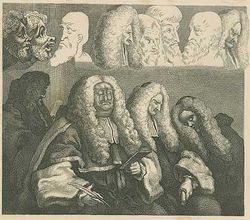
Hogarth_judge In 2006 I had­n’t heard of Mr “Justice” Eady (he had yet to reach his max­im­um velo­city), but he seems to have built up of bit of form since then.  He is now most notori­ous for his pun­it­ive rul­ings in many “libel tour­ismcases and celeb sex scan­dals, not to men­tion the odi­ous concept of the super-injunc­tion, start­lingly exem­pli­fied in the Trafigura case about alleg­a­tions of dump­ing tox­ic waste off the Ivory Coast — one of Wikileak­s’s earli­er media suc­cesses.

Obvi­ously Eady, the man in charge of rul­ing on UK free­dom of expres­sion cases, was the per­son to go to if you had some­thing to hide.

Thank­fully he was replaced earli­er this year by Michael Tugend­hat QC, who flu­ently rep­res­en­ted the medi­a’s corner dur­ing the Shayler whis­tleblow­ing years, and some of Eady’s most egre­gious decisions have already been over­turned by his successor.


CPBF_Logo  Anoth­er suc­cess for Brit­ish justice — Annie Machon (31÷7÷06)

It was anoth­er resound­ing suc­cess for Brit­ish justice, accord­ing to Annie Machon. Mr Justice Eady gran­ted a per­man­ent injunc­tion against Dav­id Shayler in the High Court today (Fri­day 28 July). In a breath­tak­ing rul­ing, Eady stated that Dav­id was not entitled to present evid­ence or cross-exam­ine his accusers (again), but instead issued a sum­mary judge­ment based on asser­tions made by MI5.

This means that Dav­id can now only talk about a restric­ted range of dis­clos­ures — spe­cific­ally what appeared in the Mail on Sunday on 24 August 1997. This means that he can­not talk about a whole range of top­ics which are in the pub­lic domain and have already been cleared via the injunc­tion and for the pub­lic­a­tion of my book, Spies, Lies and Whis­tleblowers.

Spe­cific­ally, this means that, while I and the rest of the world can talk about state-sponsored false-flag ter­ror­ism, includ­ing the Gad­dafi plot, Dav­id is banned. Very con­veni­ent when the 911 cam­paign is tak­ing off.

The tem­por­ary injunc­tion was issued in Septem­ber 1997 on the expli­cit under­stand­ing that a full leg­al hear­ing would be needed before it could be made per­man­ent. Dav­id has now been denied this.

Also, the injunc­tion has been abused repeatedly, for example allow­ing the gov­ern­ment to spin lies against him when he wished to reveal the wrong­ful con­vic­tion of two inno­cent Palestini­ans, Samar Alami and Jawad Bot­meh, for the bomb­ing of the Israeli embassy in Lon­don in 1994. Also, when he tried to alert the gov­ern­ment to murder and a major ter­ror­ist attack organ­ised by MI6 officers in the Gad­dafi plot, he did so leg­ally via the injunction.

For his pains, he was the one thrown in pris­on in Par­is in 1998.

The injunc­tion has also repeatedly been used to intim­id­ate journ­al­ists (one of whom was tried and con­victed) and to stop the media invest­ig­at­ing the crimin­al­ity of MI5 and MI6. With this rul­ing, the judge has also abol­ished at one stroke the medi­a’s right to pub­lish whis­tleblowers’ testi­mony if they can argue it caused no dam­age to nation­al security.

If any future whis­tleblower emerges from the intel­li­gence ser­vices, and is injunc­ted, the media has lost this defence, enshrined by par­lia­ment in crim­in­al law (Sec­tion 1.5 of the OSA). And why is an injunc­tion neces­sary any­way? There already exists a crim­in­al sanc­tion under the Offi­cial Secret Act. The judge was kind enough to say that the injunc­tion was for David’s own good and would stop him hav­ing to break the OSA again! We are through the look­ing glass.

Yours in won­der­land, Annie