Lost Document Débâcle

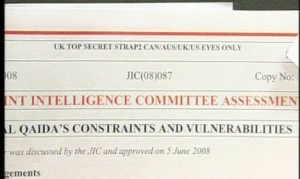
So anoth­er intel­li­gence offi­cial has mis­laid some highly clas­si­fied doc­u­ments — this time by leav­ing them lying on a com­muter train depart­ing Water­loo sta­tion. And while the Cab­in­et office (his soon to be former employ­er?) is des­per­ately try­ing to down­play the sens­it­iv­ity of these doc­u­ments, let’s not be fooled. “Top Secret – Strap – Can/Aus/UK/US Eyes Only” is very high level clas­si­fic­a­tion indeed.

In this case, it appears that the offi­cial may not even have had per­mis­sion to remove these doc­u­ments in the first place. Cab­in­et Min­is­ter, Ed Miliband, is quoted in the Daily Mail today as say­ing that there had been ‘a clear breach’ of rules for­bid­ding the remov­al of doc­u­ments without author­isa­tion. Then, hav­ing removed these doc­u­ments illeg­ally, the intel­li­gence offi­cial appears to have taken them out of the secur­ity briefcase and read them in pub­lic, before leav­ing them on the train.

One can only spec­u­late wheth­er he was drunk, simply care­less, or wheth­er this was a tim­id attempt to blow the whistle and draw the BBC’s atten­tion to yet fur­ther proof that the “war on ter­ror” is overhyped.

The secur­ity breach is not unusu­al. Over the years, drunk­en spies have mis­laid count­less doc­u­ments in pubs and on the jour­ney home. In 2000 an MI6 officer even left a laptop in a Vaux­hall bar. How­ever, the secret inform­a­tion usu­ally has a degree of low-level pro­tec­tion – the com­puter is encryp­ted or the doc­u­ments are locked in a secur­ity briefcase, not left lying around in an orange folder.

When I was work­ing for the spooks, the drink­ing cul­ture was endem­ic. Seni­or man­agers set the pace, with some going to the pub most days for lunch – one pub was fam­ously called Base Camp Two – sink­ing a few pints, and then doz­ing the after­noon away. Of course, the young­er officers fol­lowed suit, reg­u­larly meet­ing after work for a drink and a moan. Often, they would have secur­ity briefcases with them to take away the next day for work, and it was a mir­acle that more doc­u­ments were not lost.

There is spec­u­la­tion in the media that the man will be dis­cip­lined. He has already been sus­pen­ded. But the media appears to be miss­ing a trick: this is also a breach of the Offi­cial Secrets Act 1989. In this case, Sec­tion 1(1) will apply:

A per­son who is or has been—

(a) a mem­ber of the secur­ity and intel­li­gence ser­vices; or

(b) a per­son noti­fied that he is sub­ject to the pro­vi­sions of this subsection,

is guilty of an offence if without law­ful author­ity he dis­closes any inform­a­tion, doc­u­ment or oth­er art­icle relat­ing to secur­ity or intel­li­gence which is or has been in his pos­ses­sion by vir­tue of his pos­i­tion as a mem­ber of any of those ser­vices or in the course of his work while the noti­fic­a­tion is or was in force.”

So, if this offi­cial was drunk and care­less with the nation’s secrets, he deserves to face the music. The doc­u­ments were seen by a mem­ber of pub­lic and by BBC staff, so the “clear bright line” against dis­clos­ure that is always argued in whis­tleblower tri­als had already been breached.

If this was a cov­ert attempt a get­ting the inform­a­tion to the media, as happened, then this per­son is a whis­tleblower and deserves pro­tec­tion. The law makes no dis­tinc­tion based on intent, as the pub­lic interest defence was removed from the OSA in 1989 (des­pite the fact that Blair, Straw and most of the Labour gov­ern­ment past and present voted against this measure).

How­ever, such an action is clearly mor­ally dif­fer­ent from drunk­en care­less­ness, and if that was indeed his intent, he would have done bet­ter to have had the cour­age of his con­vic­tions and gone dir­ectly to the media. He would still not have had any defence under the OSA for his prin­cipled stance, but the impact and poten­tial for change would have been great­er. Bet­ter to be hung for a sheep than a lamb.

The Media and the Spies

The UK main­stream media has made much this week of Home Sec­ret­ary Jac­qui Smith’s asser­tion that MI5 had not reques­ted the government’s pro­posed exten­sion of the impris­on­ment without charge of ter­ror­ist sus­pects from 28 to 42 days.

This state­ment has caused a furore in the UK, and there is a chance that the PM may lose the key vote in Par­lia­ment on this amend­ment tomorrow.

In fact, such has been the uproar that the Dir­ect­or Gen­er­al of MI5, Jonath­an Evans, is repor­ted by Reu­ters to have made a rare pub­lic statement:

Since the secur­ity ser­vice is neither a pro­sec­ut­ing author­ity nor respons­ible for crim­in­al invest­ig­a­tions, we are not, and nev­er have been, the appro­pri­ate body to advise the gov­ern­ment on pre-charge deten­tion time lim­its,” he said in a state­ment on the MI5 website.

We have not, there­fore, sought to com­ment pub­licly or privately on the cur­rent pro­pos­als, except to say that we recog­nise the chal­lenge posed for the police ser­vice by the increas­ingly com­plex and inter­na­tion­al char­ac­ter of some recent ter­ror­ist cases.”

What par­tic­u­larly strikes me about this is an appar­ently insig­ni­fic­ant phrase, “raised pub­licly or privately”.

In con­trast to the Met­ro­pol­it­an Police Com­mis­sion­er Sir Ian Blair, who admit­ted to “unin­ten­tion­ally mis­lead­ing” the par­lia­ment­ary Joint Com­mit­tee charged with assess­ing the need to increase the deten­tion lim­it, Evans had refused to give evid­ence about the 42 day issue. So he has cer­tainly not raised this in a pub­licly account­able way.

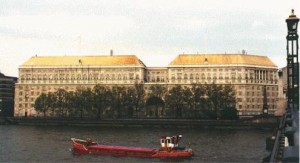
It’s the word “private” that intrigues me. It reeks of sotto voce dis­cus­sions between old school chums at the grander gentlemen’s clubs in Lon­don: of unat­trib­ut­able brief­ings between anonym­ous MI5 officers and chosen journ­al­ists; and of cosy lunches with Fleet Street edit­ors in the DG’s din­ing room at Thames House, MI5’s Lon­don HQ.

While Evans denies using this meth­od­o­logy around the 42 day issue, his state­ment con­firms that such private dis­cus­sions do indeed play a part in influ­en­cing policy decisions and media perception.

I saw this approach first-hand in the 1990s dur­ing the whis­tleblow­ing years. In fact, it was then that MI5 stepped up its charm offens­ive with politi­cians and journ­al­ists. It was dur­ing one of the first of these cosy media lunches in Thames House, hos­ted by the then DG Steph­en Lander, that the respec­ted BBC Dip­lo­mat­ic Edit­or Mark Urb­an asked a fate­ful ques­tion about the Gad­dafi Plot and was reportedly told by Lander that “he was not here to answer half-baked ques­tions from smart-arse journ­al­ists”. So there were cer­tain short­falls in the charm, even if the lack of account­ab­il­ity held up well.

But there are oth­er, more sin­is­ter ways for the spies to manip­u­late pub­lic opin­ion. MI6 has a sens­it­ive sec­tion called Inform­a­tion Oper­a­tions (I/Ops), which exists purely to set the news agenda for the spies. I/Ops man­ages this either by mas­sa­ging the facts, spin­ning the tone of the story or, more wor­ry­ingly, plant­ing false stor­ies in a qui­es­cent press.

In the 1990s there was a fam­ous case. Col­on­el Gaddafi’s son, Saif Al Islam, applied for a visa to come to Bri­tain. I/Ops planted a com­pletely false story in The Sunday Tele­graph that he was involved in money laun­der­ing with Iran and, lo and behold, MI5 had the per­fect excuse to deny him a visa. Al Islam sub­sequently sued the news­pa­per which, faced with Shayler­’s evid­ence, settled out of court.

A few months ago the ex-head of MI6, Sir Richard Dear­love, gave a talk at the LSE about the intel­li­gence agen­cies and the media. I went along to have a laugh, and was gra­ciously allowed to ask a ques­tion. Nat­ur­ally I raised the issue of I/Ops, its rela­tion­ship with the media, and wheth­er such a role was accept­able in a mod­ern democracy.

In the con­text of the talk, what could have been more per­tin­ent? How­ever, Dear­love declined to answer. In fact, he went so far as to say that such a mat­ter was “with­in the ring of secrecy”. At which point a journ­al­ist from a pres­ti­gi­ous nation­al news­pa­per who was sit­ting next to me, turned and said glee­fully that this at last proved that I/Ops exis­ted. Grat­i­fy­ing as this was, I shall reit­er­ate my ques­tion: is the role of I/Ops accept­able in a mod­ern demo­cracy, where we are sup­posed to enjoy free­dom of inform­a­tion, trans­par­ency and account­ab­il­ity from the powers-that-be?

Spooks leave UK vulnerable to Russian mafia

Accord­ing to the Daily Mail this week, Rus­si­an secur­ity expert, Andrei Sold­atov, reck­ons the UK is wide open to the threat of the Rus­si­an mafia. He primar­ily blames the froid­eur that has blighted Anglo-Rus­si­an rela­tions since the Litv­inen­ko affair. How­ever, he also states that MI5 no longer has a role to play in invest­ig­at­ing organ­ised crime, and that has con­trib­uted to our vulnerability.

Nat­ur­ally res­ist­ing the tempta­tion to say that MI5’s involve­ment would not neces­sar­ily have afforded us any mean­ing­ful pro­tec­tion, I would say that this is down to a fun­da­ment­al prob­lem in how we organ­ise our response to threats to the nation­al secur­ity of this country.

The secur­ity infra­struc­ture in the UK has evolved over the last cen­tury into a ter­ribly Brit­ish muddle. For his­tor­ic reas­ons, we have a pleth­ora of intel­li­gence agen­cies, all com­pet­ing for fund­ing, power and prestige: MI5, MI6, GCHQ, the Met­ro­pol­it­an Police Spe­cial Branch (MPSB), spe­cial branches in every oth­er police force, mil­it­ary intel­li­gence, and HM Rev­en­ue and Cus­toms et al. Each is sup­posed to work with the oth­er, but in real­ity they guard their ter­rit­ory and intel­li­gence jeal­ously. After all, know­ledge is power.

MI5 and MPSB have always been the lead intel­li­gence organ­isa­tions oper­at­ing with­in the UK. As such, their cov­ert rivalry has been pro­trac­ted and bit­ter, but to the out­side world they appeared to rub along while MI5 was primar­ily focus­ing on espi­on­age and polit­ic­al sub­ver­sion and the Met con­cen­trated on the IRA. How­ever, after the end of the Cold War, MI5 had to find new tar­gets or lose staff, status and resources.

In 1992 the then Home Sec­ret­ary, Ken Clarke, announced that MI5 was tak­ing over the lead respons­ib­il­ity for invest­ig­at­ing IRA activ­ity on the UK main­land — work that had been done by MPSB for over 100 years. Vic­tory was largely cred­ited to clev­er White­hall man­oeuv­er­ing on the part of the head of MI5, Stella Rim­ing­ton. The Met were furi­ous, and the trans­fer of records was frac­tious, to say the least.

Also, there was a year’s delay in the han­dover of respons­ib­il­ity. So MI5 arti­fi­cially main­tained the per­ceived threat levels posed by polit­ic­al sub­ver­sion in order to retain its staff until the trans­ition was com­plete. This meant that there was no real case for the aggress­ive invest­ig­a­tion of sub­vers­ive groups in the UK – which made all such oper­a­tions illeg­al. Staff in this sec­tion, includ­ing me, voci­fer­ously argued against this con­tin­ued sur­veil­lance, rightly stat­ing that such invest­ig­a­tions were thereby flag­rantly illeg­al, but the seni­or man­age­ment ignored us in the interests of pre­serving their empires.

How­ever, in the mid-1990s, when peace appeared to be break­ing out in North­ern Ire­land and bey­ond, MI5 had to scout around for more work to jus­ti­fy its exist­ence. Hence, in 1996, the Home Sec­ret­ary agreed that they should play a role in tack­ling organ­ised crime – but only in a sup­port­ing role to MPSB. This was nev­er a par­tic­u­larly pal­at­able answer for the spooks, so it is no sur­prise that they have sub­sequently dropped this area of work now that the threat from “Al Qaeda” has grown. Ter­ror­ism has always been per­ceived as high­er status work. And of course this new threat has led to a slew of increased resources, powers and staff for MI5, not to men­tion the open­ing of eight region­al headquar­ters out­side London.

But should we really be approach­ing a sub­ject as ser­i­ous as the pro­tec­tion of our nation­al secur­ity in such a haphaz­ard way, based solely on the fact that we have these agen­cies in exist­ence, so let’s give them some work?

If we are really faced with such a ser­i­ous ter­ror­ist threat, would it not be smarter for our politi­cians to ask the basic ques­tions: what is the real­ist­ic threat to our nation­al secur­ity and the eco­nom­ic well­being of the state, and how can we best pro­tect ourselves from these threats? If the most effect­ive answer proves to be a new, ded­ic­ated counter-ter­ror­ism organ­isa­tion, so be it. We Brits love a sense of his­tory, but a new broom will often sweep clean.


Pay peanuts, get monkeys

So the spooks are yet again try­ing to recruit IT pro­fes­sion­als. MI6 is cur­rently advert­ising for a, quote, “world class enter­prise archi­tect”, but is offer­ing a salary sig­ni­fic­antly below the mar­ket rate. MI5 is con­stantly on the lookout for IT staff –as recent adverts in the press will attest.

My sense is that the agen­cies are still des­per­ately play­ing IT catch-up. In the 1990s, when I worked as an intel­li­gence officer, we were still writ­ing out everything longhand and get­ting our sec­ret­ar­ies to type it up – with all the attend­ant typos, revi­sions and delays. Inform­a­tion data­bases, such the sys­tem code­named Durbar, which held the ter­ror­ist records, could only be accessed via 1970s, beige, mon­it­or-and-key­board, all-in-one computers.

In the early 1990s MI5 did try to devel­op its own inform­a­tion man­age­ment sys­tem from scratch, rightly think­ing that buy­ing off-the-shelf from an Amer­ic­an mega­corp was prob­ably not good secur­ity. How­ever, MI5 man­age­ment still thought IT was a low pri­or­ity – des­pite the fact the effi­cient pro­cessing of inform­a­tion should have been the core work. So, the agency paid sig­ni­fic­antly below the mar­ket rates for IT pro­fes­sion­als, and pos­ted main­stream intel­li­gence officers, with no pro­ject man­age­ment exper­i­ence, to run the depart­ment for 2 year peri­ods. Need­less to say, mor­al was rock-bot­tom. The IT bods were unmo­tiv­ated, the IOs demor­al­ised at being pos­ted to a career grave­yard slot and the unwieldy sys­tem, code­named Grant, nev­er got off the ground.

In the middle of the dec­ade MI5 in des­per­a­tion bought an off-the-shelf pack­age which was based on Win­dows 95. Even then officers had to fight to have access to a ter­min­al to do their work. And, of course, Win­dows is not known as the most stable or secure sys­tem avail­able. I also heard recently that MI5 is still using this pro­pri­et­ary soft­ware, and thinks that it can pro­tect its inform­a­tion sys­tems by patch­ing up secur­ity prob­lems. It gives one such faith that MI5 can really pro­tect this coun­try from ter­ror­ist attack.

But this leads us onto a more ser­i­ous issue regard­ing our nation­al sov­er­eignty. What the hell is our gov­ern­ment doing, shov­el­ling bil­lions of pounds every year over to US IT com­pan­ies to pay for licences that then per­mit our gov­ern­ment depart­ments to use their soft­ware pack­ages? And with the cur­rent con­cerns about ter­ror­ism and the sub­sequent datamin­ing activ­it­ies of a para­noid US admin­is­tra­tion, how can we be sure that the NSA is not sneak­ing a peek at the work of our secur­ity forces via back doors in this software?

So, to pro­tect our sov­er­eignty, as well as devel­op our know­ledge base and grow our eco­nomy, why does the UK gov­ern­ment not encour­age all gov­ern­ment agen­cies and depart­ments to switch from pro­pri­et­ary to open source soft­ware? After all, many oth­er coun­tries around the world are already doing this for pre­cisely these reasons.

No doubt it’s that pesky “spe­cial rela­tion­ship” kick­ing in again.….

MI5 caught with its pants down

An MI5 A4 sur­veil­lance officer has had to resign because his wife sold a story to The News of the World news­pa­per that the For­mula One boss, Max Mos­ley, son of notori­ous fas­cist Sir Oswald Mos­ley, had indulged in a Nazi-inspired orgy with her and four oth­er pros­ti­tutes in a cel­lar in Chelsea, one of the swanki­est areas of London.

This raises an inter­est­ing ques­tion. Either the A4 officer, reportedly a former Roy­al Mar­ine, had no idea that his wife was work­ing as a pros­ti­tute, in which case, what the hell was he doing work­ing for the sur­veil­lance unit of MI5? Not quite the sharpest knife in the block, then. Or he knew, but chose to keep it quiet – a ser­i­ous vet­ting offence. Which was it?

The move against Mos­ley cer­tainly seems to have been a “hon­eytrap” of sorts – at least on the part of The News of the Screws, which reportedly equipped “Mrs Bond” with the cam­er­as. But bey­ond that? The Screws and its sis­ter paper The Sunday Times asser­ted that the MI5 con­nec­tion was just a coin­cid­ence, as did The Sunday Tele­graph, known in spook circles as the in-house magazine of MI6.

The Mos­ley case does have his­tor­ic­al echoes. A sim­il­ar, and notori­ous case, occurred in the 1970s. Lord Lamb­ton, at the time the RAF Min­is­ter in Edward Heath’s gov­ern­ment, was caught in flagrente with a call girl and, even worse, was caught on film smoking a joint. Lamb­ton had to resign in disgrace.

But there was more to it. The News of the Screws pho­to­graph­er lurk­ing in the ward­robe had been lent the night-vis­ion cam­era by an MI6 agent to obtain nice, clear images.

Why did MI6, the for­eign intel­li­gence gath­er­ing agency, tar­get Lord Lamb­ton? Well, accord­ing to the agent in ques­tion, Lee Tracey who first came to the public’s atten­tion in the Pro­fumo Affair, MI6 was motiv­ated by a desire to embar­rass MI5, which it deemed not to be up to scratch in its domest­ic spy­ing work.

So the “hon­eytrap” is a tried and tested meth­od to com­prom­ise your oppon­ents and score polit­ic­al points. But, unless there is some private feud with the spies, it does seem unlikely in this case. Mos­ley may enjoy an exot­ic sex life, but does the F1 boss really look like he poses a legit­im­ate threat to nation­al security? .

The more fun­da­ment­al issue is surely the effect­ive­ness of MI5’s in-house vet­ting sec­tion. How did the A4 officer­’s mar­riage to a pros­ti­tute escape their notice? The sec­tion respons­ible, C4, checks the back­grounds of employ­ees to the nth degree – a sys­tem called “Developed Vet­ting”. Any char­ac­ter “defects” must be picked up via an extens­ive series of checks.

In the wake of this scan­dal, an inev­it­able unnamed seni­or White­hall source was quoted as say­ing “I can­not talk about indi­vidu­al cases, but we do expect high stand­ards of beha­viour from all staff at all times, both pro­fes­sion­ally and privately”.

Well, sort of….

When I was recruited in 1991, MI5’s primary con­cern was that unknown trans­gres­sions could lead to black­mail. If the mis­de­mean­ours were minor but admit­ted, MI5 ten­ded to turn a blind eye.

In the 1990s MI5 still had an offi­cial policy of not employ­ing homo­sexu­als. As late as the 1980s, homo­sexu­al­ity had been deemed by the ser­vice to be a “char­ac­ter defect”, as well as a poten­tial source of black­mail. As you sign away your employ­ment rights when you join MI5, there was no point in any­one cry­ing “dis­crim­in­a­tion”. The pos­i­tion changed in 1995, and one brave soul did step out of the closet at the time. Also, when I worked there, dope-smoking was com­mon­place amongst young officers – and some coughed (if you’ll par­don the pun) to this dur­ing their vet­ting inter­views. No action was taken. Sim­il­arly, infi­del­ity was a vet­ting offense, but many (mar­ried) officers were at it like the pro­ver­bi­al rabbits.

Per­haps it has tightened up since my day. How­ever, this seems unlikely giv­en the recent scan­dal. How can we expect MI5 to adequately pro­tect this coun­try when it can’t even police its own staff?

Terrorism Act used against Journalist

A wor­ry­ing art­icle in today’s Guard­i­an by the indefatig­able Duncan Camp­bell, in which he reports that police are using the Ter­ror­ism Act (2000) to try to force a journ­al­ist to hand over inform­a­tion from a source.

This issue is the scared cow of journ­al­ism – that they nev­er reveal their sources. To do so would imme­di­ately deter whis­tleblowers from speak­ing in con­fid­ence to the media, and gov­ern­ment crimes and lies would remain secret. The pro­tec­tion of journ­al­ist­ic sources con­trib­utes to safe­guard­ing our demo­cracy, as legis­la­tion such as the Free­dom of Inform­a­tion Act (2000) is effect­ively tooth­less when up against the inner work­ings of the state.

Because of this, journ­al­ists with integ­rity in this coun­try and abroad are will­ing to risk pris­on rather than hand over their notes. As Camp­bell remarks, this happened to Mar­tin Bright in 2000 when he was Home Affairs Edit­or at The Observ­er. The Met­ro­pol­it­an Police Spe­cial Branch went crash­ing into the offices on Far­ring­don Road, demand­ing that he hand over all his notes on the Shayler case. More bizar­rely, they also deman­ded a let­ter Shayler had sent to The Guard­i­an, even though it had already been pub­lished in the news­pa­per. Thank­fully for Mar­tin, the Nation­al Uni­on of Journ­al­ists sup­por­ted him, and the police even­tu­ally backed off.

The fact that the police are using the Ter­ror­ism Act as is a wor­ry­ing new devel­op­ment. But it’s not just pro­duc­tion orders from the police that journ­al­ists and news­pa­pers have to be wor­ried about. The author­it­ies have a range of weapons in their arsen­al if they choose to sup­press inform­a­tion eman­at­ing from inner gov­ern­ment circles or the intel­li­gence world. And yet it is with­in these very circles that the most hein­ous crimes and viol­a­tions are com­mit­ted, and whence the most sig­ni­fic­ant whis­tleblowers tend to emerge. Think Dr Dav­id Kelly, Dav­id Shayler, Kath­er­ine Gun.

So, what else can the author­it­ies use to sup­press val­id cri­ti­cism? Well, firstly and most notori­ously, we have the Offi­cial Secrets Act in the UK. This does not just pre­vent intel­li­gence officers and noti­fied gov­ern­ment offi­cials from ever speak­ing to any­one out­side the agency about any­thing, ever (Sec­tion 1(1)). Slightly less well known is Sec­tion 5, which makes it a crime for any journ­al­ist to receive or eli­cit inform­a­tion from these whis­tleblowers that dam­ages “nation­al secur­ity” (the term to this day remains undefined). Of course, as we saw in the Shayler case, the gov­ern­ment is always extremely reluct­ant to cross the media and enforce this, so it is usu­ally just the unfor­tu­nate whis­tleblower who is hung out to dry.

If the threat of the OSA fails, the gov­ern­ment can always find a tame judge to issue an emer­gency injunc­tion. Again, this happened in the Shayler case, when an injunc­tion was taken out both against him and the UK’s nation­al media. Need­less to say, the injunc­tion against the media was dropped (even this gov­ern­ment quailed at the pro­spect of tak­ing on News Inter­na­tion­al and the Mail group), but remains in place to this day against the hap­less whistleblower.

This injunc­tion is no small thing. The government’s law­yers have used it to fright­en off pub­lish­ers from even look­ing at a nov­el (that’s right – a work of fic­tion) that Shayler wrote in 1998. Let­ters winged their way from gov­ern­ment law­yers to UK pub­lish­ers in Lon­don in 1999. And when Shayler built a web­site, hos­ted by Tab­net in Cali­for­nia, the gov­ern­ment wrote to them point­ing out that there was an injunc­tion in place and ask­ing for the site to be taken down. Tab­net gently poin­ted out that per­haps the Brit­ish gov­ern­ment had for­got­ten about 1776, and con­tin­ued to host the site.

If the OSA and injunc­tions are not enough, we also have the notori­ous D Notice Com­mit­tee (now rebranded as the Defence Press and Broad­cast­ing Advis­ory Com­mit­tee), a body that can block pub­lic­a­tion of a story by issu­ing a notice at the say-so of the gov­ern­ment. Very appro­pri­ate in a so-called demo­cracy. What makes it worse is that the Com­mit­tee is made up of volun­teers from amongst the great and the good from the media world, as well as rep­res­ent­at­ives from gov­ern­ment depart­ments. These guys, seni­or edit­ors and TV exec­ut­ives, enter the charmed inner circle and start to police their own industry. It’s amaz­ing how quickly new appointees go nat­ive and fight the government’s corner.

So there you have it – a whole bat­tery of laws to pro­tect the Brit­ish Estab­lish­ment from the scru­tiny and con­struct­ive cri­ti­cism of the media. When a journ­al­ist of integ­rity stands up to the author­it­ies, we should all sup­port them. They are provid­ing a cru­cial ser­vice of vent­il­a­tion and account­ab­il­ity for our retreat­ing demo­cracy. I wish Shiv Malik, the freel­an­cer at the eye of the cur­rent storm, the very best.


Straw Man

The gov­ern­ment is push­ing through yet anoth­er piece of legis­la­tion designed to provide “pub­lic ser­vice hon­esty, integ­rity and inde­pend­ence” to the Brit­ish people. As part of this strategy, the draft Con­sti­tu­tion­al Renew­al Bill even con­tains a sec­tion to provide pro­tec­tion for gov­ern­ment whis­tleblowers. Need­less to say, spies are auto­mat­ic­ally excluded (see sec­tion 25 (2) of the draft Bill).

The draft Bill states that any whis­tleblowers from with­in the ranks of MI5, MI6 and GCHQ will be dealt with intern­ally. This has always been the case for MI5 and 6 (des­pite the government’s breath­tak­ing lies dur­ing the Shayler case that he could have gone to any crown ser­vant with his con­cerns). How­ever, in the case of GCHQ, this Bill will take away employ­ees’ rights to go to an inde­pend­ent Com­mis­sion­er, to bring it into dra­coni­an line with its sis­ter agencies.

So, to put this bluntly, those in our intel­li­gence agen­cies who exper­i­ence eth­ic­al qualms about their work or, even worse, wit­ness crimes, will have to take their con­cerns to the head of the very agency com­mit­ting these crimes. Let’s guess how far these com­plaints will go.

Now, some might say that it’s naïve to think that the intel­li­gence agen­cies don’t com­mit illeg­al or uneth­ic­al acts. All I can say to that is — grow up. James Bond is a myth. Even the bad old days of the Cold War when, as former MI5 officer Peter Wright put it, MI5 could “bug and burgle its way around Lon­don” with impun­ity are long gone. The 1985 Inter­cep­tion of Com­mu­nic­a­tions Act (and sub­sequent legis­la­tion), the 1989 Secur­ity Ser­vice Act, and the 1994 Intel­li­gence Ser­vices Act, have put paid to that. In line with basic human rights, the spies now have to apply for min­is­teri­al per­mis­sion based on, ahem, a sol­id intel­li­gence case, to aggress­ively invest­ig­ate a target.

Dur­ing the 10 month peri­od of my recruit­ment to MI5 in 1990, I was repeatedly told that the organ­isa­tion had to obey the law; that it was evolving into a mod­ern counter-ter­ror­ism agency. If that is indeed the case, then why is MI5 still to this day not account­able in the same way as the Met­ro­pol­it­an Police Spe­cial Branch, which does the same work?

And who is the brave politi­cian ensur­ing that our intel­li­gence com­munity can remain shrouded in secrecy and pro­tec­ted from cri­ti­cism by the full force of the law? Stand up Justice Min­is­ter Jack Straw.

It just remains for me to say that Straw has a cer­tain his­tory in this area. In 1997, when Shayler blew the whistle, Straw was the Home Sec­ret­ary, the gov­ern­ment min­is­ter charged with over­see­ing MI5. One of Shayler’s early dis­clos­ures was that MI5 held files on a num­ber of politi­cians, includ­ing Straw him­self. Did Straw demand to see his file in angry dis­be­lief? No, he meekly did the spies’ bid­ding and issued a blanket injunc­tion against Shayler and the UK’s nation­al media.

But think about it — this is a clas­sic Catch 22 situ­ation. Either MI5 was right to open a file on Straw because he was a polit­ic­al sub­vers­ive and a danger to nation­al secur­ity – in which case, should he not have imme­di­ately resigned as Home Sec­ret­ary? Or MI5 got it wrong about Straw. In which case he should have been invest­ig­at­ing this mis­take and demand­ing to know how many oth­er inno­cent UK cit­izens had files wrongly and illeg­ally opened on them.

But Straw did neither. Per­haps he was wor­ried about what the spies could reveal about him? It’s inter­est­ing that he is yet again rush­ing to pro­tect their interests….


CCTV doesn’t prevent crime

So, the argu­ment about CCTV and our big broth­er soci­ety rumbles on. A seni­or police­man, Detect­ive Chief Inspect­or Mick Neville of the Visu­al Images, Iden­ti­fic­a­tions and Detec­tions Office (Viido) at New Scot­land Yard, has been quoted as say­ing that only 3 per cent of crimes have been solved by CCTV evid­ence. Des­pite the UK hav­ing the highest per cap­ita num­ber of CCTVs in the world, this brave new world has failed to make us safer.

A few oth­er police forces, and nat­ur­ally the secur­ity com­pan­ies flog­ging the kit, say that CCTV has at least dra­mat­ic­ally reduced oppor­tun­ist­ic crimes. Who should we believe?

What can­not be dis­puted is the fact that there are well over 4,000,000 CCTVs in this coun­try, and the organ­isa­tion, Pri­vacy Inter­na­tion­al, assesses that we are the most watched cit­izenry in Europe.

While some law-abid­ing cit­izens say they feel intim­id­ated by CCTV and how the inform­a­tion could poten­tially be mis­used, most people seem not to care. In fact, the major­ity appar­ently feel safer if they can see CCTV on the streets, even if this per­vas­ive sur­veil­lance has in no way dis­cour­aged crimes of viol­ence. So why this gap between per­cep­tion and reality?

One of my pet the­or­ies has always been to blame Big Broth­er. No, not the book. I have always been flum­moxed by the pop­ular­ity of the TV show and the pleth­ora of real­ity TV spin-offs. My instinct­ive reac­tion was that it was sim­il­ar to being “groomed” to accept round-the-clock intru­sion into our per­son­al lives. More than accept – desire it. The clear mes­sage is that such sur­veil­lance can lead to instant fame, wealth and access to the Z‑list parties of Lon­don. And for that we are sleep-walk­ing into a real Orwellian nightmare.

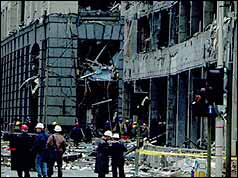
Slightly flip­pant the­or­ies aside, it is inter­est­ing that one of the most cited examples of the need for CCTV was the Bish­opsgate bomb­ing in Lon­don in 1993. In this case a lorry bomb, filled with a tonne of home made explos­ive (HME) was det­on­ated in the heart of the city of Lon­don by the IRA. One per­son was killed, many were injured, and hun­dreds of mil­lions of pounds worth of dam­age was caused, not to men­tion the fact threat the IRA scored a huge pub­li­city coup.

But this had noth­ing to do with the lack or oth­er­wise of CCTV in the streets of the City. It was an intel­li­gence fail­ure, pure and simple.

This attack could and should have been pre­ven­ted. It occurred while I was work­ing in MI5, and it was widely known in the ser­vice at the time that the bomber should have been arres­ted six months before dur­ing a sur­veil­lance oper­a­tion. Des­pite the fact that he was seen check­ing out anoth­er lorry bomb in stor­age, he was allowed to walk free and escape to the Repub­lic of Ire­land due to pro­ced­ur­al cock-ups. Months later, he returned to the City and bombed Bishopsgate.

By rely­ing increas­ingly on tech­no­lo­gies to pro­tect us, we are fol­low­ing in the foot­steps of the Amer­ic­ans. They have always had an over-reli­ance on gad­gets and giz­mos when seek­ing to invest­ig­ate crim­in­als and ter­ror­ists: satel­lite track­ing, phone taps, bugs. But this hoover­ing up of inform­a­tion is nev­er an adequate replace­ment for pre­cise invest­ig­at­ive work. Plus, any crim­in­al or ter­ror­ist worth their salt these days knows not to dis­cuss sens­it­ive plans electronically.

Scat­ter-gun approaches to gath­er­ing intel­li­gence, such as blanket sur­veil­lance, still at this stage require human beings to pro­cess and assess it for evid­en­tial use. That, accord­ing to DCI Neville, is part of the prob­lem. There is just too much com­ing in, not enough staff, insuf­fi­cient co-oper­a­tion between forces, and the job lacks per­ceived status with­in the police.

The oth­er prob­lem of an over-reli­ance on tech­no­logy is that it can always be hacked. The most recent hack­ing has broken the RFID chips that we all carry in our pass­ports, Oyster cards and the planned ID cards. New tech­no­lo­gies can­not guar­an­tee that our per­son­al data is secure, so rather than pro­tect­ing us, they make us more liable to crimes such as iden­tity theft.

So once again nation­al and loc­al gov­ern­ment bod­ies have rushed to buy up tech­no­logy, without fully think­ing through either its applic­a­tion or its use­ful­ness. And without fully assess­ing the implic­a­tions for a free soci­ety. Just because the tech­no­logy exists, it does not mean that it is fit for pur­pose, nor that it will make us safer.


Spies and the Law

For con­text, here’s a little bit of back­ground inform­a­tion about the UK’s spy agen­cies, and the leg­al con­straints with­in which they are sup­posed to operate.

There are three primary agen­cies: MI5 (the UK Secur­ity Ser­vice), MI6 (Secret Intel­li­gence Ser­vice — SIS) and GCHQ (the Gov­ern­ment Com­mu­nic­a­tions HQ). Bey­ond this inner circle, there is the Met­ro­pol­it­an Police Spe­cial Branch (MPSB), the spe­cial branches of every oth­er police force in the UK, mil­it­ary intel­li­gence, and Cus­toms, amongst others.

MI5 and MI6 were set up in 1909 dur­ing the build up to the First World War, when their remit was to uncov­er Ger­man spies. For the next 80 years they didn’t offi­cially exist and oper­ated out­side the law.

In 1989 MI5 was put on a leg­al foot­ing for the first time when par­lia­ment passed the Secur­ity Ser­vice Act. This stated that it had to work with­in leg­al para­met­ers, and if it wanted to do some­thing that would oth­er­wise be illeg­al, such as break­ing into and bug­ging someone’s house, it had to get the writ­ten per­mis­sion of its polit­ic­al mas­ter, the Home Sec­ret­ary. Without that, MI5 would be break­ing the law just as you or I would be.

MI6 and GCHQ were not put on a leg­al foot­ing until the 1994 Intel­li­gence Ser­vices Act, and are answer­able to the For­eign Sec­ret­ary. The same Act also set up the Intel­li­gence and Secur­ity Com­mit­tee in Par­lia­ment as a sop to demo­crat­ic over­sight. The ISC is respons­ible for over­see­ing the policy, fin­ance and admin­is­tra­tion of the three agen­cies. It has abso­lutely no remit to look at their oper­a­tion­al run­ning, nor can it invest­ig­ate alleged crimes com­mit­ted by them. Even if it could, the ISC has no power to call for wit­nesses or demand doc­u­ments from the spooks. Moreover, the com­mit­tee is appoin­ted by the Prime Min­is­ter, answer­able only to him, and he can vet its find­ings. Much of the ISC’s annu­al reports are blanked out.

When I was recruited by MI5 in the early 1990s, the organ­isa­tion was at great pains to explain that it worked with­in the law, was account­able, and its work was mainly invest­ig­at­ing ter­ror­ism. Once I began work­ing there, this quickly proved to be untrue. MI5 is incom­pet­ent, it breaks the law, con­nives at the impris­on­ment of inno­cent people, illeg­ally bugs people, lies to gov­ern­ment (on whom it holds per­son­al files) and turns a blind eye to false flag ter­ror­ism. This is why I resigned and helped to blow the whistle.

With all this hys­teria about the threat from Al Qaeda, and the ava­lanche of new powers and resources being thrown at the spooks, as well the erosion of our liber­ties, we need to keep a cool head. Why don’t our politi­cians take a step back and ask what pre­cisely are the scale and nature of the threats facing this coun­try, and how can we best police them? As Sir Ian Blair recently showed, we can­not take the secur­ity forces’ words about this at face value.

There’s a lot of his­tor­ic bag­gage attached to MI5 and 6, par­tic­u­larly after their dirty tricks against the left in the 1980s. As they are now primar­ily doing a poli­cing job against ter­ror­ism, why not just clear the decks and start again? Set up a ded­ic­ated counter-ter­ror­ism agency, which is prop­erly account­able to par­lia­ment, as the police already are and the spies are not.

As it stands the UK has the most secret­ive intel­li­gence agen­cies in the west­ern world. They are exempt from the Free­dom of Inform­a­tion Act, and pro­tec­ted by the dra­coni­an Offi­cial Secrets Act. The 1989 OSA makes it a crim­in­al offence for any­one to blow the whistle on crimes com­mit­ted by the spies, and it is no longer pos­sible for a whis­tleblower to argue that they acted in the pub­lic interest.

No oth­er west­ern demo­cracy has spies who are quite so unac­count­able, nor so pro­tec­ted from scru­tiny by the law. The closest ana­lo­gies are prob­ably the intel­li­gence agen­cies of coun­tries such as Libya or Iran. Par­tic­u­larly as we now know that MI5 and MI6 officers are con­niv­ing in extraordin­ary rendi­tion and the use of torture.

Are they leg­al? Yes, now, in the­ory. Do they abide by the law? Only when it suits them. Are they eth­ic­al? Abso­lutely not.

UK Police Chief Misleads MPs

An inter­est­ing art­icle appeared in The Sunday Times today, stat­ing that Bri­tain’s top police­man, the Com­mis­sion­er of the Met­ro­pol­it­an Police Sir Ian Blair, had “unwit­tingly” misled the par­lia­ment­ary Intel­li­gence and Secur­ity Com­mit­tee about the need to increase the peri­od of deten­tion without charge for ter­ror­ist sus­pects in the UK from 28 to 42 days. Blair claimed that 12 major ter­ror­ist oper­a­tions had been foiled in Bri­tain since 2005. In fact, the art­icle reports that only 6 plots have been stopped. Blair has had to issue a grov­el­ling apo­logy via the Press Asso­ci­ation for this, umm, gaffe.

But the art­icle neg­lects to tell us how and why this new inform­a­tion came to light. So allow me to speculate.

The Met, along with its shad­owy cohorts in MI5, is entrus­ted with pro­tect­ing Bri­tain from ter­ror­ist threats. Since 9/11 and the all-per­vas­ive war on ter­ror, Bri­tain’s secur­ity forces have been gran­ted sweep­ing new powers, resources and a huge increase in staff­ing levels to do this job. To ensure this is jus­ti­fied, they are con­tinu­ally telling us of the huge threat we face from ter­ror­ism and how suc­cess­ful they are in pro­tect­ing us. It is in their interests to talk this up.

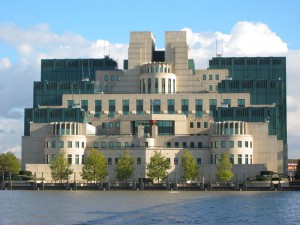
Mean­while, over on the south bank of the river, MI6 con­tin­ues to suf­fer from the loss of prestige brought about by its mis­takes and lack of good intel­li­gence in the run-up to the Iraq inva­sion. There is no love lost between these three agen­cies, as they com­pete for power and resources. So, to use a good civil ser­vice phrase, I can­not rule out the pos­sib­il­ity that someone in MI6 leaked this inform­a­tion to have a pop at the Met and MI5.

How­ever, there is a more ser­i­ous aspect to this incid­ent. But for this inform­a­tion emer­ging, MPs and pub­lic alike would have had no way of know­ing that the per­ceived threat from ter­ror­ism had been grossly inflated in order for the police to gain yet more powers. We would have had to take Sir Ian’s word.

Well, we’ve been here before many, many times, most notori­ously when the intel­li­gence agen­cies would have us believe that Sad­dam had WMD that could attack Brit­ish interests with 45 minutes. This, of course, led to the Iraq war and the deaths of hun­dreds of thou­sands of inno­cent men, women and children.

So how can we ensure we are told the truth by the spies? Well, great­er account­ab­il­ity and effect­ive par­lia­ment­ary over­sight would be a step in the right dir­ec­tion. But we don’t just need the cor­rect mech­an­isms in place in par­lia­ment. We also need MPs with the know­ledge, intel­li­gence and integ­rity to ask the dif­fi­cult ques­tions when faced with bogus assertions.

British Spies and Torture

On 30th April, The Guard­i­an news­pa­per repor­ted that yet anoth­er man, picked up in a Brit­ish counter-ter­ror­ism oper­a­tion in Pakistan, has come for­ward claim­ing that he was tor­tured by the Pakistani intel­li­gence agency, the ISI, with the col­lu­sion of Brit­ish spooks

This is part of a grow­ing body of evid­ence indic­at­ing that Brit­ish intel­li­gence officers are con­tinu­ing to flout the law in one of the most hein­ous ways pos­sible, the pro­longed tor­ture of anoth­er human being. Alleg­a­tions have been emer­ging for years that detain­ees of notori­ous camps such as Guantanamo and Abu Ghraib have heard Brit­ish voices either dur­ing the inter­rog­a­tion ses­sions or dir­ect­ing the line of ques­tion­ing. Many of these detain­ees are also the vic­tims of “extraordin­ary rendi­tion”, in itself an extraordin­ar­ily euphemist­ic phrase for the kid­nap­ping and trans­port­a­tion of ter­ror­ist sus­pects to Third World coun­tries where they can be held indef­in­itely and tor­tured with impunity.

This is a situ­ation that haunts me. I worked as an intel­li­gence officer for MI5 in the 1990s, before leav­ing to blow the whistle. Per­haps I worked with some of the people now dir­ectly involved in tor­ture? Per­haps I was even friends with some of them, met them for drinks, had them round for din­ner? How could young, ideal­ist­ic officers, com­mit­ted to pro­tect­ing their coun­try by leg­al means, make that per­son­al mor­al jour­ney and par­ti­cip­ate in such bar­bar­ic acts?

These ques­tions ran through my head when, in 2007, I had the hon­our to meet a gentle, spir­itu­al man called Moazzam Begg. He is a Brit­ish cit­izen who went to Pakistan with his fam­ily to help build a school. One night, his door was broken down, and he was hooded, cuffed and bundled out of his home by Amer­ic­ans, in front of his hys­ter­ic­al wife and young chil­dren. That was the last they saw of him for over 3 years. Ini­tially he was tor­tured in the notori­ous Bagram air­base, before end­ing up in Guantanamo, which he said was a relief to reach as the con­di­tions were so much bet­ter. Need­less to say, he was released with out charge, and is now suing MI5 and MI6 for com­pens­a­tion. He has also writ­ten a book about his exper­i­ences and now spends his time help­ing the cam­paign, Cage Pris­on­ers.

Bri­tain was the first state to rat­i­fy the European Con­ven­tion of Human Rights, which includes Art­icle 3 — no one shall be sub­jec­ted to tor­ture or to inhu­man or degrad­ing treat­ment or pun­ish­ment. It is impossible for a state to derog­ate from this art­icle. So how and why has Bri­tain stooped to the level that it will appar­ently par­ti­cip­ate in such activ­ity? The “apo­ca­lyptic scen­ario” much loved by apo­lo­gists of tor­ture, where a ter­ror­ist has to be broken to reveal the loc­a­tion of the tick­ing bomb, occurs only in fant­ast­ic­al TV dra­mas like “24”, nev­er in real life.

In the 1990s the accep­ted MI5 pos­i­tion was that tor­ture doesn’t work. This was a les­son the UK secur­ity forces had learned the hard way in 1970s North­ern Ire­land. Then, IRA sus­pects had been roun­ded up, interned without tri­al and sub­jec­ted to what the Amer­ic­ans would no doubt nowadays call “enhanced inter­rog­a­tion tech­niques”. But the secur­ity forces got it wrong. The vast major­ity of internees were arres­ted on the basis of the flim­si­est intel­li­gence and had no links what­so­ever with the IRA. Well, at least when they entered pris­on. Intern­ment proved to be the best pos­sible recruit­ing drive for the IRA.

So why has this think­ing changed? I would sug­gest this is part of a core prob­lem for MI5 – the shroud of secrecy with­in which it con­tin­ues to oper­ate and the com­plete lack of account­ab­il­ity and over­sight for the organ­isa­tion. There is no vent­il­a­tion, no con­struct­ive cri­ti­cism, no debate. Once a new doc­trine has been adop­ted by the lead­er­ship, in slav­ish imit­a­tion of US policy, it rap­idly spreads through­out the organ­isa­tion as officers are told to “just fol­low orders”. To do any­thing else is career sui­cide. This leads to a self-per­petu­at­ing olig­archy where illeg­al or uneth­ic­al beha­viour is accep­ted as the norm.

Of course, you may well argue that a spy organ­isa­tion has to oper­ate in secret. Well, yes and no. Of course it needs to pro­tect sens­it­ive oper­a­tion­al tech­niques, ongo­ing oper­a­tions and the iden­tit­ies of agents. How­ever, bey­ond that it should be open to scru­tiny and demo­crat­ic account­ab­il­ity, just as the police anti-ter­ror­ism branch is. After all, they do vir­tu­ally the same work, so why should they be any less accountable?

The tra­di­tion of UK spies oper­at­ing in abso­lute secrecy is a hangover from the bad old days of the cold war, and is utterly inap­pro­pri­ate to a mod­ern counter-ter­ror­ist organ­isa­tion. Increased open­ness and account­ab­il­ity is not only essen­tial in a mod­ern demo­cracy, it also ensures that the spies can­not con­tin­ue to brush their mis­takes and crimin­al­ity under the car­pet. Bri­tain deserves bet­ter from those charged with pro­tect­ing its nation­al security.


The UK Spies: Ineffective, Unethical and Unaccountable

The text of my art­icle for e‑International Rela­tions, March 2008:

The UK Intel­li­gence Com­munity: Inef­fect­ive, Uneth­ic­al and Unaccountable

The USA and the UK are enmeshed in an appar­ently unend­ing war of attri­tion – sorry peace­keep­ing — in Iraq.  Why? Well, we may remem­ber that the UK was assured by former Prime Min­is­ter Tony Blair, in sin­cere terms, that Sad­dam Hus­sein pos­sessed weapons of mass destruc­tion which could be deployed again Brit­ish interests with­in 45 minutes.  Indeed the press was awash with “45 minutes from Armaged­don” head­lines on 18th March 2003, the day of the cru­cial war debate in the Brit­ish par­lia­ment. The implic­a­tion was that Bri­tain was dir­ectly at threat from the evil Iraqis.

The US var­ied the diet.  George Bush, in his State of the Uni­on address before the war, assured his nation that Iraq had been attempt­ing to buy mater­i­al to make nuc­le­ar weapons from Niger.  The Amer­ic­an media and pub­lic fell for this claim, hook, line and sinker.

What do these two erro­neous claims have in com­mon?  Well, both were “sexed up” for pub­lic consumption.

We all know now that there nev­er were any WMDs to be found in Iraq.  After 10 years of pun­it­ive sanc­tions, the coun­try simply didn’t have the cap­ab­il­ity, even if it had the will, to devel­op them.  The Niger claim is even more tenu­ous.  This was based on an intel­li­gence report eman­at­ing from the Brit­ish Secret Intel­li­gence Ser­vice (com­monly know as SIS or MI6), which was based on forgeries.

We have had head­line after scream­ing head­line stat­ing that yet anoth­er ter­ror­ist cell has been roun­ded up in Bri­tain. The Ricin plot? The behead­ing of a Brit­ish Muslim ser­vice­man? The liquid bombs on air­planes?  Yet, if one reads the news­pa­pers care­fully, one finds that charges are dropped quietly after a few months.

So, why is this hap­pen­ing?  I can haz­ard a few guesses.  In the 1990s I worked for 6 years as an intel­li­gence officer for MI5, invest­ig­at­ing polit­ic­al “sub­vers­ives”, Irish ter­ror­ists, and Middle East­ern ter­ror­ism.  In late 1996 I, with my then part­ner and col­league Dav­id Shayler, left the ser­vice in dis­gust at the incom­pet­ent and cor­rupt cul­ture to blow the whistle on the UK intel­li­gence estab­lish­ment.  This was not a case of sour grapes – we were both com­pet­ent officers who reg­u­larly received per­form­ance related bonuses.

How­ever, we had grown increas­ingly con­cerned about breaches of the law; ineptitude (which led to bombs going off that could and should have been pre­ven­ted); files on politi­cians; the jail­ing of inno­cent people; illeg­al phone taps; and the illeg­al spon­sor­ing of ter­ror­ism abroad, fun­ded by UK tax-payers.

The key reas­on that we left and went pub­lic is prob­ably one of the most hein­ous crimes – SIS fun­ded an Islam­ic extrem­ist group in Libya to try to assas­sin­ate Col­on­el Gad­dafi in 1996.  The attack failed, but killed inno­cent people.  The attack was also illeg­al under Brit­ish law.  The 1994 intel­li­gence Ser­vices Act, which put SIS on a leg­al foot­ing for the first time in its 80 year his­tory, stated that its officers were immune from pro­sec­u­tion in the UK for illeg­al acts com­mit­ted abroad, if they had the pri­or writ­ten per­mis­sion of its polit­ic­al mas­ter – ie the For­eign Sec­ret­ary.  In this case they did not.

So, the assas­sin­a­tion attempt was not only immor­al, uneth­ic­al and highly reck­less in a volat­ile area of the world, but also illeg­al under Brit­ish law.

In August 1997 we went pub­lic in a nation­al Brit­ish news­pa­per about our con­cerns.  We hoped that the newly-elec­ted Labour gov­ern­ment would take our evid­ence and begin an invest­ig­a­tion of the intel­li­gence agen­cies.  After all, many Labour MPs had been on the receiv­ing end of spook invest­ig­a­tions in their rad­ic­al youth.  Many had also opposed the dra­coni­an UK law, the Offi­cial Secrets Act (OSA 1989), which deprived an intel­li­gence whis­tleblower of a pub­lic interest defence.

How­ever, it was not to be.  I have no proof, but I can spec­u­late that the Labour gov­ern­ment did the spies’ bid­ding for fear of what might be on their MI5 files. They issued an injunc­tion against Dav­id and the nation­al press.  They failed to extra­dite him from France in 1998 but, when he returned vol­un­tar­ily to face trail in the UK in 2000, they lynched him in the media.  They also ensured that, through a series of pre-tri­al leg­al hear­ings, he was not allowed to say any­thing in his own defence and was not able to freely ques­tion his accusers.  Indeed the judge ordered the jury to convict.

The whole sorry saga of the Shayler affair shows in detail how the Brit­ish estab­lish­ment will always shoot the mes­sen­ger to pro­tect its own interests.  If the Brit­ish gov­ern­ment had taken Shayler’s evid­ence, invest­ig­ated his dis­clos­ures, and reformed the ser­vices so that they were sub­ject to effect­ive over­sight and had to obey the law, they may well be work­ing more effi­ciently to pro­tect us from threats to our national’s secur­ity.  After all, the focus of their work is now counter-ter­ror­ism, and they use the same resources and tech­niques as the police.  Why should they not be sub­ject to the same checks and balances?

Instead, MI5 and SIS con­tin­ue to oper­ate out­side mean­ing­ful demo­crat­ic con­trol.  Their cul­tures are self-per­petu­at­ing olig­arch­ies, where mis­takes are glossed over and repeated, and where ques­tions and inde­pend­ent thought are dis­cour­aged.  We deserve better.


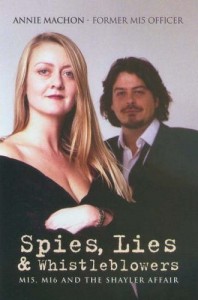
Spies,Lies and Whistleblowers: MI5 and the David Shayler Affair

My book about the Shayler affair (includ­ing the MI6 plot to assas­in­ate Col. Gad­dafi) and my exper­i­ences as an Intel­li­gence Officer in MI5.

I was invited on to “The Richard and Judy Show” in 2005 to talk about my book, and it is fea­tured on the show’s web­site.

Wil­li­am Pod­more was kind enough to review my work:

In this remark­able book, Annie Machon makes ser­i­ous alleg­a­tions against the Brit­ish state’s intel­li­gence ser­vices, MI5 and MI6. Ms Machon and her part­ner Dav­id Shayler are former high-rank­ing MI5 officers, both now retired from the ser­vice. The book’s alleg­a­tions derive from their exper­i­ences and deserve at least to be the sub­ject of inquiry.

She asserts that MI5 has illeg­ally invest­ig­ated thou­sands of Brit­ish cit­izens for their polit­ic­al views; that there was col­lu­sion between the Army Forces Research Unit and loy­al­ist ter­ror­ists; that MI5 failed to stop four major ter­ror­ist attacks in Bri­tain, even though it had reli­able evid­ence; and that MI5 and MI6 let a known Liby­an ter­ror­ist into Bri­tain and let him set up a ter­ror­ist net­work here.

She alleges that MI6’s counter-Ira­ni­an sec­tion used the Sunday Tele­graph (and the journ­al­ists Con Cough­lin, John Simpson and Domin­ic Lawson) to try to blame Iran for the 1988 Lock­er­bie bomb­ing, the destruc­tion of flight PA103. MI6 was try­ing to deflect atten­tion from the fact that it was actu­ally a Liby­an retali­ation for the US bomb­ing of Tripoli (backed by Thatch­er) in 1986.

The book’s most sig­ni­fic­ant alleg­a­tion is that MI6 illeg­ally paid tens of thou­sands of pounds to Al-Qa’ida in 1995–96 to assas­sin­ate Col­on­el Gad­dafi and seize power in Libya. In the attemp­ted coup, sev­er­al inno­cent civil­ians and secur­ity police were killed. If this is true, MI6, a Brit­ish state agency, sponsored our ter­ror­ist enemies in a con­spir­acy to murder, which res­ul­ted in the killing of inno­cent civilians.

But Blair refuses to hear any evid­ence against the intel­li­gence ser­vices, and pro­sec­utes and har­asses crit­ics and whis­tleblowers. The Intel­li­gence and Secur­ity Com­mit­tee, set up under the 1994 Intel­li­gence Ser­vices Act to over­see the ser­vices, is no use, because it is appoin­ted by and reports only to the Prime Minister.

The intel­li­gence ser­vices should work under the rule of law and respect demo­crat­ic rights. Ter­ror­ist sus­pects should be arres­ted and brought to tri­al under crim­in­al law, not detained, or executed, without tri­al, as has happened in North­ern Ire­land and elsewhere.

The intel­li­gence ser­vices are sup­posed to pro­tect us, but it would appear that they have instead con­nived in ter­ror­ism, put­ting us at great­er risk of ter­ror­ist attack.

The Cam­paign for Press and Broad­cast­ing Free­dom (CPBF) also high­lighted it.

The book can be ordered through Amazon.

AltVoices Article, June 2007

My art­icle in Alt​Voices​.org, June 2007:

THE OFFICIAL SILENCING ACT

Last month the UK’s dra­coni­an secrecy laws were again used to crim­in­al­ise two hon­our­able whis­tleblowers. The UK’s supine main­stream media failed both to ques­tion the valid­ity of these con­vic­tions and to hold the gov­ern­ment to account.

by Annie Machon

On May 9 Dav­id Keogh, a 50-year-old com­mu­nic­a­tions officer in the Cab­in­et Office, and Leo O’Con­nor, 44, a research­er for an anti-war Labour MP, were con­victed of breach­ing the Offi­cial Secrets Act (1989).

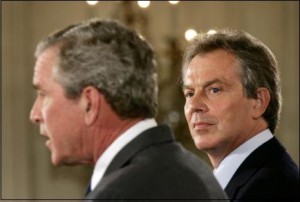
Keogh’s crime was to have leaked an “extremely sens­it­ive” memo to O’Connor, detail­ing a con­ver­sa­tion about Iraq between Tony Blair and George W. Bush in April 2004.

Keogh passed the doc­u­ment to O’Connor to give to his MP in the hope it would reach the pub­lic domain, expose Bush as a “mad­man”, and lead to ques­tions in Par­lia­ment. The memo was deemed to be so secret that much of the tri­al was held in camera.

Keogh was found guilty of two breaches of the OSA, O’Connor of one, and they received sen­tences of six months and three months respectively.

This bald sum­mary of the case was all that appeared in the main­stream UK media. No doubt many people will have taken this case at face value. After all, the UK should be able to pro­tect its nation­al secur­ity and impose tough leg­al sanc­tions for treach­ery, shouldn’t it?

Except that this was not treach­ery. Keogh and O’Connor were not passing the UK’s secrets to an enemy power. They acted from con­science to expose pos­sible wrong­do­ing at the highest level.

The media should have use this tri­al to address the ongo­ing debate in the UK about the con­tinu­al use and abuse of the OSA. Unfor­tu­nately for the Brit­ish people, the media toed the offi­cial line and kept quiet.

The UK’s secrecy laws are a very Brit­ish muddle. The first OSA was enacted in 1911 to pro­sec­ute trait­ors. This law remained in place until the 1980s, when the Thatch­er gov­ern­ment was rocked by the alleg­a­tions of civil ser­vant Clive Pont­ing about a cov­er-up over the attack on the Argen­tine ship the Gen­er­al Bel­grano dur­ing the Falk­lands War.

Dur­ing his tri­al, Pont­ing relied on the pub­lic interest defence avail­able under the 1911 Act. He was acquit­ted, and the Con­ser­vat­ive gov­ern­ment imme­di­ately drew up a new law, the 1989 OSA. This new law was designed primar­ily to intim­id­ate and silence whis­tleblowers. Treach­ery is still pro­sec­uted under the 1911 Act.

The 1989 Act, opposed at the time by Tony Blair and most of the cur­rent Labour gov­ern­ment, ensures that any­one who is or has been a mem­ber of the intel­li­gence com­munity faces two years in pris­on if they dis­close inform­a­tion relat­ing to their work without per­mis­sion, regard­less of wheth­er they are blow­ing the whistle on crim­in­al activity.

Since com­ing to power in 1997, Blair’s gov­ern­ment has repeatedly used this Act to sup­press legit­im­ate dis­sent, silence polit­ic­al oppos­i­tion and pro­tect crim­in­als with­in the intel­li­gence establishment.

In 1997, MI6 whis­tleblower Richard Tom­lin­son had no option but to plead guilty dur­ing his tri­al, and was sen­tenced to six months in prison.

Around the same time MI5 whis­tleblower Dav­id Shayler dis­closed the illeg­al 1995 MI6 plot to assas­sin­ate Col­on­el Gad­dafi of Libya, as well as a string of oth­er crimes com­mit­ted by MI5.

Dur­ing his tri­al Shayler argued that, under Art­icle 10 of the European Con­ven­tion of Human Rights, legis­la­tion such as the OSA is only pro­por­tion­ate in sup­press­ing a whistleblower’s right to speak out in order to pro­tect “nation­al security”.

How­ever, his judges effect­ively ruled that this right should also be cur­tailed for “nation­al interest” con­sid­er­a­tions. This neb­u­lous concept, undefined for the pur­poses of the OSA, is routinely wheeled out to spare the blushes of politi­cians and incom­pet­ent spy agencies.

In 2002 Shayler did win from the courts the defence of “neces­sity”. How­ever, the Law Lords spe­cific­ally denied him this defence without hear­ing his evid­ence. Shayler was con­victed in Novem­ber 2002 of three breaches of the OSA and sen­tenced to six months in prison.

In 2003 the late Dr Dav­id Kelly would also have faced an OSA tri­al for his alleged com­ments about the gov­ern­ment “sex­ing up” the notori­ous dodgy dossier before the war in Iraq.

The 1989 OSA does not just apply to those in and around the intel­li­gence com­munity. Oth­er civil ser­vants, as well as journ­al­ists who pub­lish their dis­clos­ures, face the same pris­on sen­tence if the pro­sec­u­tion can prove “dam­age to nation­al secur­ity”. Keogh and O’Connor were con­victed under these pro­vi­sions, although the pro­sec­u­tion reportedly relied only on the “nation­al interest” argument.

The UK gov­ern­ment is increas­ingly con­cerned about secur­ity leaks dur­ing the unend­ing “war on ter­ror”, and is now talk­ing about doub­ling to four years the sen­tence for whistleblowing.

By fail­ing to chal­lenge this or to cam­paign for the res­tor­a­tion of the pub­lic interest defence, journ­al­ists are com­pli­cit in crim­in­al­ising hon­our­able people. The media’s craven atti­tude allows the gov­ern­ment and intel­li­gence agen­cies to con­tin­ue lit­er­ally to get away with murder.