BBC article: could 7/7 have been prevented?

Peter Taylor, a respec­ted journ­al­ist at the BBC, argues that if there had been more coöper­a­tion between MI5 and region­al police Spe­cial Branches, then the 7/7 bomb­ings in Lon­don in 2005 could have been pre­ven­ted.  His thes­is appears to be that MI5 did not work closely enough with the police (the exec­ut­ive branch) of the UK’s intel­li­gence com­munity: the aptly-named Oper­a­tion Crevice has exposed the cracks in the uni­fied pub­lic façade of the UK intel­li­gence community.

How­ever, Taylor assures us that this prob­lem is in the past, with MI5 officers and Spe­cial Branch police now hap­pily work­ing side by side in region­al offices across the UK.  So that’s OK then.

It con­tin­ues to sur­prise me that seasoned Brit­ish journ­al­ists repeatedly fall into the post‑9/11 group-think of the USA — that ter­ror­ism is a new phe­nomen­on.  Rather start­lingly, Taylor’s art­icle even asserts that the FBI had the Crevice inform­a­tion in real-time, while the West Yorks SB was left in the dark.

Those in the UK with a memory longer than a may­fly’s will be aware that this coun­try endured 30 years of Irish Repub­lic­an ter­ror­ism, and dur­ing the 1990s MI5 had lead respons­ib­il­ity for invest­ig­at­ing this threat.  So from 1993 the spooks did indeed work side-by-side with their region­al SB counter-parts across the coun­try.  Dur­ing this peri­od the emphas­is was on gath­er­ing both intel­li­gence to pre-empt­ively thwart ter­ror­ist plots and also evid­ence to use in the ensu­ing court cases.  And there were some not­able successes.

So what changed in the fol­low­ing dec­ade?  Did the spooks retreat back behind the bar­ri­cades of their Lon­don HQ, Thames House, as the ink dried on the Good Fri­day Agree­ment?  Were the hard-won les­sons of the 1990s so quickly forgotten?

Well, cer­tainly oth­er les­sons from the civil war in Nort­ern Ire­land appear to have been expunged from the col­lect­ive intel­li­gence memory.  For example, the use of tor­ture, mil­it­ary tribunals, intern­ment and curfews were all used extens­ively in the early years of the NI con­flict and all were spec­tac­u­larly counter-pro­duct­ive, act­ing as a recruit­ing ground for new gen­er­a­tions of ter­ror­ists.  Yet these prac­tices now once again appear to be impli­citly con­doned by MI5 and MI6 in the USA’s bru­tal “war on terror”.

So one would hope that this new BBC pro­gramme calls for a reapprais­al of our intel­li­gence infra­struc­ture.  Why should we mind­lessly con­tin­ue to accept the status quo, when this res­ults in les­sons being for­got­ten and mis­takes being repeated?  How about the BBC call­ing for a root and branch review of the threats the UK real­ist­ic­ally faces, and the most efeect­ive way to guard against them, while work­ing with­in the demo­crat­ic process?


Cambridge Union Society Talk on PSTV, January 2011

Paradigm Shift TV (Sky 201 and 203)  pro­duced this film of my talk at the Cam­bridge Uni­on Soci­ety in Janu­ary 2011:


With thanks to Keith and Steve!

Durham Union Society Talk, 16 February 2011

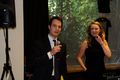
DUS_logo It’s a busy couple of months for talks, and I have the pleas­ure of speak­ing at the Durham Uni­on Soci­ety tomor­row night (16th February).

My talk will be focus­ing on the mod­ern role of intel­li­gence agen­cies, the war on ter­ror, what it’s like to be recruited to work as a spook, whis­tleblow­ing, Wikileaks, police states and civil liber­ties.  An eclect­ic mix.

The talk is open to all stu­dents, not just mem­bers of the Uni­on, so if you’re in the area and have the time, do come along!

Varsity newspaper interview, February 2011

The Secret Ser­vice: “A very Brit­ish mess”

Olivia Crel­lin inter­rog­ates Annie Machon on her life after MI5

by Olivia Crellin

Thursday 3rd Feb­ru­ary 2011

Annie Machon, former MI5 agent, is the image of glam­our and guts. Her blonde hair, of the bomb­shell vari­ety, frames a face that, far from being that of the reserved and stealthy spook, exudes energy, enthu­si­asm, and openness.

Andrew_Griffin_Varsity_Newspaper_2011Unlike her former part­ner, the whis­tleblower Dav­id Shayler, Machon seems to have emerged rel­at­ively unscathed from the years imme­di­ately fol­low­ing the couple’s attempts to reveal ser­i­ous MI5 blun­ders in 1996.

Now work­ing as a self-pro­fessed “author, media pun­dit, journ­al­ist, cam­paign­er and prom­in­ent pub­lic speak­er”, she has made a “new way of life” out of selling her­self, her past, and her story. And she’s doing a good job.

Machon, who stud­ied Clas­sics at Cam­bridge, is the most recent in a long line of fam­ous spies to have emerged from the Uni­ver­sity – most not­ably the Cam­bridge Spies who defec­ted to the Rus­si­ans dur­ing the Cold War.

Best known for her whistle-blow­ing on issues such as MI5’s alleged involve­ment in the attemp­ted assas­sin­a­tion on Gad­dafi, Machon is an oft-con­sul­ted expert on cur­rent affairs top­ics such as Wikileaks, the infilt­ra­tion of act­iv­ist groups, and the 9/11 Truth Move­ment, cri­tiquing what she sees as con­tem­por­ary society’s des­cent into a “police state”.

Com­ment­ing on the “very Brit­ish mess” that is the cur­rent UK Intel­li­gence Ser­vices, Machon’s answers to my ques­tions blend per­son­al anec­dote with hard-hit­ting asser­tions. She sounds con­vin­cing. Des­pite no longer hav­ing any insider inform­a­tion, she still has plenty to say.

Recruited dur­ing the “mar­gin­ally golden eth­ic­al era” of the 1990s, Machon’s exper­i­ence of MI5 was nev­er­the­less riddled with anti­qua­tion, con­fu­sion, insu­lar­ity and suffocation.

Draw­ing atten­tion to MI5 and MI6’s “cul­ture of just-fol­low-orders”, an eth­os that former head of MI5 Dame Stella Rim­ing­ton also acknow­ledged, Machon believes that the UK Intel­li­gence Ser­vices have, for a long time, been their own worst enemy.

Entrenched in unne­ces­sary laws, a “hangover” from the organisation’s counter-espi­on­age ori­gins, Machon states that until the spooks “open up a little bit to con­struct­ive cri­ti­cism from the oth­er side, so that [MI5] can get a bit of fresh air, they’re going to spir­al down into… tor­ture and things.”

While Machon asserts that there was no use of tor­ture in her time with the agency – it was con­sidered “counter-pro­duct­ive” and “uneth­ic­al” – she did hear some hor­ror stor­ies from the older boys’ exper­i­ence in North­ern Ire­land includ­ing one case con­cern­ing an agent, code­named Steak Knife, who was per­mit­ted to tor­ture and even kill his fel­low intel­li­gence officers in order to keep his cov­er in the “Nut­ting Squad” of the IRA – “A sick James Bond got­ten out of hand.”

Machon refers to these stor­ies as “a sort of petri dish of the abuses that we are see­ing now with the Muslim com­munity”. Just as the trend to tar­get one group of soci­ety returns, the use of tor­ture, as exper­i­enced in Ire­land, comes full circle. “It makes me shiver,” Machon tells me, “that people who were per­haps my friends, ideal­ist­ic twenty-somethings when I was an officer, who I might’ve had drinks with, had din­ner with, whatever, might be those people now.”

While there seems to be a “demo­crat­ic will” to get rid of “some of the more Dra­coni­an laws from under the last gov­ern­ment”, Machon believes that instances such as Mark Kennedy’s under­cov­er infilt­ra­tion of an act­iv­ist group demands soci­ety to take a closer look at the ways in which we pro­tect nation­al secur­ity. “Once you start erod­ing someone’s civil liber­ties on one front, it’ll cas­cade. That’s how Ger­many found itself in a Fas­cist state in the 1930s,” the former-spy asserts. “They didn’t wake up one morn­ing and Hitler was in power. It’s a very slip­pery slope.” This is why Machon, above all oth­er issues, is call­ing for an “adult debate” about the work­ings of Secret Intel­li­gence in a “mature democracy”.

One organ­iz­a­tion that Machon sees as con­trib­ut­ing to this debate is Wikileaks. Machon praised this form of new media, call­ing it “fant­ast­ic” as a “high-tech con­duit to enable whis­tleblowers” in con­trast to the “self-cen­sor­ship and fear” of the main­stream press, which blocks the flow of such inform­a­tion to the public.

Machon advised stu­dents at the Cam­bridge Uni­on to find altern­at­ive sources of inform­a­tion for their news, cit­ing coun­tries’ decept­ive use of false-flag ter­ror­ism. “I’m not say­ing that every major ter­ror­ist atro­city might be a dirty trick, but you have to keep that pos­sib­il­ity in the back of your mind,” she warned.

It’s all about a sort of breach of trust,” Machon con­cludes, which is “cor­ros­ive for a demo­cracy.” Wheth­er it’s an issue like 9/11, or the bail­ing out of the banks or the war in Iraq, Machon asserts that the erosion of civil liber­ties is finally for­cing soci­ety to “become demo­crat­ic­ally engaged again, which can­not be bad.”

In many ways Annie Machon is serving her coun­try as stealth­ily and determ­inedly as if she had nev­er left MI5. Tak­ing the “same sort of fun­da­ment­al drive to try and make a dif­fer­ence, to try and change things for the bet­ter,” into this new arena of her work, she hands me a red-and-black busi­ness card with her shades-tot­ing self on it and the phrase “Using Our Intel­li­gence” emblazoned on the front.

There’s always the debate,” she tells me cryptic­ally, “is it bet­ter to be inside the tent piss­ing out or out­side the tent piss­ing in?”

Cambridge Union Society, 28th January 2011

CUS_3Well I had a fab time revis­it­ing the old place last week to do a talk at the Uni­on Soci­ety — some­where I spent many happy hours, oh, aeons ago!

Many thanks to Rebecca and the rest of the team for organ­ising and host­ing the event, and to Silkie for set­ting the whole ball rolling.

It was a busy week­end.  The Fri­day even­ing began with an all-too-brief appear­ance at the first meet­ing of a new group, MI7 — can I say that, or is it a state secret? — organ­ised by Silkie and Charlie Veitch of the Love Police

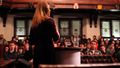
CUS_1It was strange to go back to the Uni­on as a speak­er after so long and so many unusu­al exper­i­ences.  The audi­ence seemed to stay wide awake for my hour-long talk, and the ques­tions after­wards were inter­est­ing, lively and var­ied.  I was also encour­aged to see that ideas deemed to be “rad­ic­al” only a few years ago are now going mainstream.

The next day was taken up with inter­views for The Cam­bridge Stu­dent and Varsity stu­dent news­pa­pers, Sky 203 Chan­nel,  and a photo shoot with QH Pho­to­graphy for a gal­lery exhib­i­tion in Lon­don later this year.

The Cam­bridge Stu­dent journ­al­ists gamely allowed the inter­view to be film by Sky 203 — not the easi­est of scenarios.

Varsity” news­pa­per did a col­our­ful and intel­li­gent inter­view — thanks Olivia! — which was rap­idly fol­lowed on the news­pa­per web­site today with this puff piece about MI6

I can only assume that this is merely bal­anced news report­ing, espe­cially as the Mas­ter of Pem­broke Col­lege, Chair of the Trust­ee Board of the Uni­on Soci­ety, and former head of MI6, Sir Richard Dear­love, will be speak­ing at the Uni­on in a couple of weeks.…. 

Cambridge_1Cer­tainly an inter­est­ing juxtaposition!

The photo shoot was fun, and the res­ults will be appear­ing in Lon­don at the end of this year.  As you can see from the photo on the left, Huy takes a mean picture.

I also ran into Ryan J‑W Smith, who is in the pro­cess of com­plet­ing his intriguing film, 2Plus2Makes4.  Lim­ited private and fest­iv­al screen­ings are expec­ted this summer.

The film syn­op­sis asks some fun­da­ment­al questions:

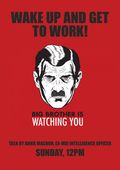
How close are we to slid­ing into Orwell’s total­it­ari­an night­mare, ‘1984’? Con­tro­ver­sial, shock­ing, power­ful and hon­est — star­ring Tony Benn, Gore Vid­al, former MI5, CIA, FBI agents, Sen­at­ors, Pres­id­en­tial Nom­in­ees, etc.  A ‘Must-See’ fea­ture doc­u­ment­ary from award-win­ning film­maker, Ryan J‑W Smith. Smith’s pre­vi­ous films have received 16 Inter­na­tion­al Film Fest­iv­al Selec­tions, 5 ‘Best Film’ Nom­in­a­tions, and 4 ‘Best Film’ wins.”

My article in The Guardian, 24 January 2011

Annie_1_Heleen_Banner Here’s a link to my art­icle in The Guard­i­an today, explor­ing the con­fused roles of mod­ern Brit­ish spies, and look­ing at some ways to sort out the mess. 

Both the police and the spooks seem to be hav­ing a bit of an iden­tity crisis at the moment…

Cambridge Union Society Talk, 28th January 2011

Cus_logo I shall be return­ing to my alma mater next week to do a talk at the Cam­bridge Uni­on Soci­ety on 28th Janu­ary.  I’ll be dis­cuss­ing spies, civil liber­ites, whis­tleblowers, Wikileaks and much more.….

Bits of Freedom Talk, Amsterdam, September 2010

Bof2 Bof3 I was invited to talk at a gath­er­ing of the (digit­al) civil liber­ties organ­isa­tion, Bits of Free­dom, in Ams­ter­dam in Septem­ber 2010.  This inter­na­tion­al, Dutch-based organ­isa­tion is doing a fant­ast­ic job high­light­ing con­cerns about inter­net pri­vacy, secur­ity and free speech issues. 

Many thanks to Ot and the team for invit­ing me, and thanks also to Jildou for film­ing the talk.  I had such a fun time, I even feel moved to for­give BoF for their thought­ful gift at the end of the even­ing — Tony Blair’s riv­et­ing auto­bi­o­graphy.  Well, it makes a good door-stop.….


New York INN conference: How the world changed after 9/11

INNIn Septem­ber 2010 I was invited over to New York to speak at a tele­vised 2‑day sym­posi­um organ­ised by the inde­pend­ent TV and radio sta­tion Inter­na­tion­al News Net (INN).  The top­ic under dis­cus­sion was “How the world changed after 9/11”.

Speak­ers were invited from around the world to par­ti­cip­ate in pan­el dis­cus­sions focus­ing on dif­fer­ent areas that have been notice­ably degraded and cor­rup­ted since 9/11 in response to the end­less “war on ter­ror”: civil liber­ties, the rule of law, intel­li­gence, polit­ics, eco­nom­ics, and the media.  Some of the dis­cus­sions fea­tured aca­dem­ics, pro­fes­sion­als and sci­ent­ists ques­tion­ing the asser­tions of the offi­cial US gov­ern­ment account of 9/11 itself — the jus­ti­fic­a­tion for so many ensu­ing horrors.

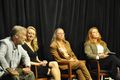
NYC_Sept_2010_on stageI was on the same pan­el as Ray McGov­ern (army vet­er­an and long-time CIA ana­lyst), Coleen Row­ley (FBI whis­tleblower), and Dr Kath­er­ine Albrecht (digit­al pri­vacy cam­paign­er).  The title of the ses­sion was “Good­bye Fourth Amend­ment”.  As I poin­ted out at the begin­ning of my talk, at least the US has a writ­ten con­sti­tu­tion to shred — some­thing the UK nev­er quite man­aged to produce.…

Here’s the film of my ses­sion. DVDs of this and all oth­er pan­el dis­cus­sions are avail­able from INN.

The Secret Garden Party, UK 2010

SGP_2010 In July I was invited back to speak at the Secret Garden Party, a music, polit­ics, and arts fest­iv­al held annu­ally some­where, er, secret in the UK.

What a fab week­end.  I have a well-known anti­pathy to sleep­ing under can­vas, but this was an excel­lent fest­iv­al — and even the com­post loos were not too grim. 

Lis­ted as one of the “Star Acts” in the prin­ted fest­iv­al pro­gramme (I blush), I had the lux­ury of an hour and a half to speak in the première debate tent in the Rebels and Intel­lec­tu­als sec­tion of the fest­iv­al — The For­um — a concept that the organ­iser, Ben de Vere, prom­ises to trans­plant to Lon­don some­time in the near future.

Any­way, I ser­i­ously recom­mend put­ting this fest­iv­al in your diar­ies for next year, and keep an eye open for the spread of The Forum.….

Here’s the video:


Talking about totalitarianism at ETH‑0, January 2010

ETH-0_PosterIn Janu­ary I had the pleas­ure of speak­ing in The Neth­er­lands at the excel­lent geek­fest known as ETH‑0.  Rather than just banging on about the spooks, I thought it was time to take a step back and exam­ine what exactly we mean when we talk about total­it­ari­an­ism, police states, and how far down the road our coun­tries have gone.

I also wanted to drive home to an audi­ence, many of whom are too young to remem­ber the Cold War, what exactly it would be like to live under a police state with its endem­ic surveillance. 

And here’s the talk:

US Intelligence targets Wikileaks

WikileaksThe US gov­ern­ment has appar­ently been get­ting its knick­ers in a twist about the excel­lent Wikileaks web­site.  A report writ­ten in 2008 by US army counter-intel­li­gence ana­lys­ing the threat posed by this haven for whis­tleblowers has been leaked to, you’ve guessed it, the very sub­ject of the report.

Wikileaks was set up three years ago to provide a secure space for prin­cipled whis­tleblowers around the world to expose cor­rup­tion and crimes com­mit­ted by our gov­ern­ments, intel­li­gence agen­cies and mega-cor­por­a­tions.  The site takes great care to veri­fy the inform­a­tion it pub­lishes, adheres to the prin­ciple of expos­ing inform­a­tion very much in the pub­lic interest, and vig­or­ously pro­tects the identi­fy of its sources.

By doing so, Wikileaks plays a vital part in inform­ing cit­izens of what is being done (often illeg­ally) in their name.  This free flow of inform­a­tion is vital in a democracy.

Well, no gov­ern­ment likes a clued-up and crit­ic­al cit­izenry, nor does it like to have trans­par­ency and account­ab­il­ity imposed on it.  Which led to the report in question.

As I have writ­ten before ad nauseam, whis­tleblowers provide an essen­tial func­tion to the healthy work­ing of a demo­cracy.  The simplist­ic approach would be to say that if gov­ern­ments, spies and big cor­por­a­tions obeyed the law, there would be no need for whis­tleblowers.  How­ever, back in the real, post‑9/11 world, with its end­less, neb­u­lous “war on ter­ror”, illeg­al wars, tor­ture, extraordin­ary rendi­tion and Big Broth­er sur­veil­lance, we have nev­er had great­er need of them.

Rather than ensur­ing the highest stand­ards of leg­al­ity and prob­ity in pub­lic life, it is far sim­pler for the powers that be to demon­ise the whis­tleblower — a fig­ure who is now (accord­ing to the Exec­ut­ive Sum­mary of the report) appar­ently seen as the “insider threat”.  We are look­ing at a nas­cent McCarthy­ism here.  It echoes the increas­ing use by our gov­ern­ments of the term “domest­ic extrem­ists” when they are talk­ing about act­iv­ists and protesters.

There are laws to pro­tect whis­tleblowers in most areas of work now.  In the UK we have the Pub­lic Interest Dis­clos­ure Act (1998).  How­ever, gov­ern­ment, mil­it­ary, and espe­cially intel­li­gence pro­fes­sion­als are denied this pro­tec­tion, des­pite the fact that they are most often the very people to wit­ness the most hein­ous state abuses, crimes and cor­rup­tion.  If they try to do some­thing about this, they are also the people most likely to be pro­sec­uted and per­se­cuted for fol­low­ing their con­sciences, as I described in a talk at the CCC in Ber­lin a couple of years ago.

Ideally, such whis­tleblowers need a pro­tec­ted leg­al chan­nel through which to report crimes, with the con­fid­ence that these will be prop­erly invest­ig­ated and the per­pet­rat­ors held to account.  Fail­ing that, sites like Wikileaks offer an invalu­able resource.  As I said last sum­mer at the Hack­ing at Ran­dom fest­iv­al in NL, when I had the pleas­ure of shar­ing a stage with Wikileaks founder Juli­an Assange, I just wish that the organ­isa­tion had exis­ted a dec­ade earli­er to help with my own whis­tleblow­ing exploits.

The Offi­cial Secrets Act (1989) in the UK, is draf­ted to stifle whis­tleblowers rather than pro­tect real secrets.  Such laws are routinely used to cov­er up the mis­takes, embar­rass­ment and crimes of spies and gov­ern­ments, rather than to pro­tect nation­al secur­ity.  After all, even the spooks acknow­ledge that there are only three cat­egor­ies of intel­li­gence that abso­lutely require pro­tec­tion: sens­it­ive oper­a­tion­al tech­niques, agent iden­tit­ies and ongo­ing operations.

This US counter-intel­li­gence report is already 2 years old, and its strategy for dis­cred­it­ing Wikileaks (by expos­ing one of their sources pour encour­ager les autres) has, to date, mani­festly failed. Cred­it is due to the Wikileaks team in out-think­ing and tech­no­lo­gic­ally out­pa­cing the intel­li­gence com­munity, and is a ringing endorse­ment for the whole open source philosophy.

I’ve said this before, and I shall say it again: as our coun­tries evolve ever more into sur­veil­lance soci­et­ies, with big broth­er data­bases, CCTV, bio­met­ric data, police drones, vot­ing com­puters et al, geeks may be our best (and last?) defence against emer­ging Big Broth­er states.

FBI Whistleblower Sibel Edmonds

Sibel_EdmondsI strongly recom­mend you take the time to watch this film about FBI whis­tleblower, Sibel Edmonds.

Kill the Mes­sen­ger”  joins some inter­est­ing dots, not just about what might have been going on round Sibel’s case, but also adds a dif­fer­ent per­spect­ive to the notori­ous out­ing of CIA officer, Valer­ie Plame.

Of course, a film that invest­ig­ates how the might of the state can be used to stifle the legit­im­ate dis­sent of a whis­tleblower will always res­on­ate with me.

Same mes­sage, dif­fer­ent country.

Alan Johnson’s MI5 File?

Alan_JohnsonI won­der what inform­a­tion, if any, MI5 has on file about new-ish UK Home Sec­ret­ary, Alan John­son?  Or, more per­tin­ently, what HE thinks the spies might have.…..

How else explain his recent com­ments in The Daily Tory­graph? He said that he will be the voice of those who can­not defend them­selves — ie those poor, anonym­ous intel­li­gence officers in MI5.  He even drags out the hoary old chest­nut that a crim­in­al invest­ig­a­tion into prima facie evid­ence that the spooks have been involved in ser­i­ous crime — the tor­ture of anoth­er human being — would dam­age nation­al security. 

I’m sur­prised he man­aged to bite back Tony Blair’s infam­ous line, that an invest­ig­a­tion into pos­sible spy incom­pet­ence and crime would be a “ludicrous diversion”

Ever since Labour came to power in 1997, we have had a series of Home Sec­ret­ar­ies strain­ing to avoid doing their job vis a vis the spooks in Thames House: the job being that of polit­ic­al mas­ter of MI5, thereby provid­ing a modic­um of demo­crat­ic over­sight to an extremely power­ful and secret­ive organ­isa­tion, hold­ing it to account and ensur­ing it obeys the law. 

The role of Home Sec­ret­ary is not to be the cham­pi­on of unac­count­able spies who are pro­tec­ted from invest­ig­a­tion and over­sight by a whole raft of secrecy legislation.

More and more evid­ence is emer­ging that MI5 assisted the USA’s extraordin­ary rendi­tion plan, that it  was com­pli­cit in tor­ture, and that its officers have lied to cov­er their tracks.  Under this ava­lanche of scan­dal, some MPs have finally woken up to the fact that the Home Sec­ret­ary should be ensur­ing MI5 obeys the law.  Some are even dar­ingly sug­gest­ing that there should be prop­er Par­lia­ment­ary over­sight of the spies, rather than the fig leaf that is the Intel­li­gence and Secur­ity Com­mit­tee — hand-picked by and only answer­able to the Prime Min­is­ter, and power­less to ques­tion intel­li­gence officers under oath, demand papers, or look at any­thing more ser­i­ous than policy, fin­ance or administration.

Walk_the_plankThe Met­ro­pol­it­an Police have even begun a crim­in­al invest­ig­a­tion into MI5’s com­pli­city in tor­ture.  While I doubt any case that could, ahem,  “dam­age nation­al secur­ity” will ever come to court,  a few juni­or officers may be asked to do the decent thing and quietly walk the plank. 

But the real issue — the closed, self-per­petu­at­ing group-think cul­ture, where officers should just fol­low orders and not rock the boat — will con­tin­ue unchal­lenged, res­ult­ing inev­it­ably in yet more scandals.

It is time we had a Home Sec­ret­ary who is up to the job and who has the back­bone to ini­ti­ate some mean­ing­ful reform of MI5