The Secret Garden Party, UK 2010

SGP_2010 In July I was invited back to speak at the Secret Garden Party, a music, polit­ics, and arts fest­iv­al held annu­ally some­where, er, secret in the UK.

What a fab week­end.  I have a well-known anti­pathy to sleep­ing under can­vas, but this was an excel­lent fest­iv­al — and even the com­post loos were not too grim. 

Lis­ted as one of the “Star Acts” in the prin­ted fest­iv­al pro­gramme (I blush), I had the lux­ury of an hour and a half to speak in the première debate tent in the Rebels and Intel­lec­tu­als sec­tion of the fest­iv­al — The For­um — a concept that the organ­iser, Ben de Vere, prom­ises to trans­plant to Lon­don some­time in the near future.

Any­way, I ser­i­ously recom­mend put­ting this fest­iv­al in your diar­ies for next year, and keep an eye open for the spread of The Forum.….

Here’s the video:


Talking about totalitarianism at ETH‑0, January 2010

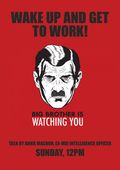
ETH-0_PosterIn Janu­ary I had the pleas­ure of speak­ing in The Neth­er­lands at the excel­lent geek­fest known as ETH‑0.  Rather than just banging on about the spooks, I thought it was time to take a step back and exam­ine what exactly we mean when we talk about total­it­ari­an­ism, police states, and how far down the road our coun­tries have gone.

I also wanted to drive home to an audi­ence, many of whom are too young to remem­ber the Cold War, what exactly it would be like to live under a police state with its endem­ic surveillance. 

And here’s the talk:

MPs object to police state

Dgreen An inter­est­ing polit­ic­al row has erup­ted this week in the UK about the arrest of the oppos­i­tion Tory MP, Dami­en Green, who is also the Shad­ow Min­is­ter for Immig­ra­tion.  He was arres­ted on Thursday for alleged breaches of an obscure com­mon law  “aid­ing and abet­ting mis­con­duct in pub­lic office”.

Reports indic­ate that the Met­ro­pol­it­an Police Spe­cial Branch, or as the news­pa­pers would have it the “anti-ter­ror­ism branch” was called in to invest­ig­ate leaks from the Home Office about immig­ra­tion policy, that Green was using these leaks to score points off the gov­ern­ment, and the Home Sec­ret­ary Jac­qui Smith in particular.

Nat­ur­ally, MPs from both sides of the House have been froth­ing at the mouth:  how dare Plod embar­rass an MP by arrest­ing him without warn­ing and by con­duct­ing co-ordin­ated searches of his homes and offices in both Kent and Lon­don?  News­pa­pers, par­tic­u­larly on the right of the polit­ic­al spec­trum, have been full of head­lines say­ing that this is proof that we are liv­ing in a police state.

While I have some sym­pathy for the belea­guered Mr Green, hav­ing also been hauled off by the Met Spe­cial Branch and quizzed for hours for dis­cuss­ing sens­it­ive inform­a­tion that was very much in the pub­lic interest, as well as see­ing my home ripped apart in a co-ordin­ated counter-ter­ror­ism style raid and seen friends arres­ted in co-ordin­ated dawn raids, I am still aghast at the hypo­crisy of both the politi­cians’ and medi­a’s reaction.

Many of us are already all to pain­fully aware that we live in a de facto police state.  Under the notori­ous Sec­tion 44 of the 2000 Ter­ror­ism Act, we can all be stopped and searched for no reas­on — and can even be arres­ted purely so that a bobby on the beat can ascer­tain our iden­tity.  Notices to this effect are now help­fully pinned up out­side most tube sta­tions in Lon­don.  Thou­sands of people are sub­ject to this across the UK every year on the streets of Britain.

But oth­er points rather leap to my atten­tion from the cov­er­age of this case.  If MPs don’t like the heavy-handed use and abuse of police powers, why did they pass these laws in the first place?  Did they not think through the implic­a­tions?  Or do they think that, as MPs, they are some­how above the laws of this land?

Plus, seni­or MPs are arguing that the use of leaks from dis­gruntled civil ser­vants is a time-hon­oured way for HM Oppos­i­tion in Par­lia­ment to hold the gov­ern­ment to account.  Well, that might be good for the MPs’ par­lia­ment­ary careers, but what of the hap­less and fre­quently brave souls with­in the Civil Ser­vice who face 2 years in pris­on for such leaks if they are con­victed of a breach of the 1989 Offi­cial Secrets Act?  And, of course, there is no leg­al defense under the OSA of hav­ing acted “in the pub­lic interest” — the very argu­ment that MPs are using to jus­ti­fy Green’s expos­ure of Home Office cov­er-ups and incompetence. 

As far as I can see, there have been no com­ments from either journ­al­ists or MPs about the fate of the source.    The most I could find was the fol­low­ing in the Daily Tele­graph:

An alleged “whis­tleblower”, thought to be a male Home Office offi­cial was arres­ted 10 days ago.”

Either that means that journ­al­ists and MPs could­n’t give a toss about the fate of this per­son — after all, an MP’s career is far more import­ant — or that any report­ing of the arrest of the whis­tleblower has been injunc­ted in the media to the nth degree.  This would be even more troub­ling, as someone can just be “dis­ap­peared” into a Kafka-esque leg­al nightmare. 


Boiling a Frog

Last Sunday George Bush gra­ciously flew into the UK for a final offi­cial vis­it before he steps down as pres­id­ent in Janu­ary next year. PM Gor­don Brown looked dis­tinctly uncom­fort­able at their joint press con­fer­ence, par­tic­u­larly when he had to announce that the UK would con­tin­ue to sup­port US mil­it­ary adven­tur­ism in the Middle East by send­ing yet more troops out there.

Of course, over the years many mil­lions of us opposed these illeg­al wars, but to no avail. This was the last oppor­tun­ity for peace pro­test­ers in the UK to vent their feel­ings towards Bush. The police respon­ded in an increas­ingly heavy-handed way, pen­ning the peacen­iks up, beat­ing inno­cent people around the head for no reas­on, and call­ing in the armoured riot police.

One friend of mine said that they were stand­ing there play­ing protest songs when sud­denly a wall of Rob­ocop lookalikes appeared and began to advance on them. My friend, a seasoned act­iv­ist, had nev­er seen any­thing quite like it; even he was unnerved. Anoth­er decided to make a stand. Well, to be exact, he lay down at their feet, pro­tec­ted only by Solomon his trusty Peace Dog.

Des­pite all this, the police per­sisted in blam­ing the pro­test­ers. Deputy Assist­ant Com­mis­sion­er Chris Allis­on announced that the Met would hold an enquiry and said: “We are ser­i­ously dis­ap­poin­ted by the irre­spons­ible and crim­in­al action of those who have chal­lenged police….”

Allis­on then went on to make a state­ment that chilled my heart: he said that the protest could have been used as a “cov­er” for ter­ror­ists tar­get­ing George Bush.

So this is what it has come to. Many intel­li­gent com­ment­at­ors over recent years have said that politi­cians and police use the threat of ter­ror­ism to gain more and more dra­coni­an powers. Time and again we have seen inno­cent people stopped for no good reas­on under Sec­tion 44 of the Ter­ror­ism Act. Infam­ously, this Act was also used to throw 87 year old Wal­ter Wolfgang out of a Labour Party con­fer­ence for heck­ling Jack Straw. Police can even arrest you now purely to ascer­tain your identity.

But for a seni­or police­man to claim that viol­ence is accept­able against peace cam­paign­ers as they might be har­bour­ing ter­ror­ists is one step bey­ond. The tac­tics the US army has used so dis­astrously on the streets of Bagh­dad have now been impor­ted to the streets of Westminster.

I have been say­ing for a long time that the laws are already in place for the UK to be defined as effect­ively a police state. The only reas­on that this is not yet obvi­ous to all is because these laws are not applied more widely. But per­haps we are see­ing the first signs of this now.

Where will this end? The Ger­man people did not just wake up one day in 1939 and find that they lived under a fas­cist régime. The pro­cess was slow, and the erosion of demo­cracy incre­ment­al. The vast major­ity was not even aware of what was hap­pen­ing to their coun­try until it was too late.

They say that if you put a frog in cold water, and then gradu­ally heat up the pot, the frog can­not detect the change in tem­per­at­ure fast enough and will sit there boil­ing to death. This, I fear, is what is hap­pen­ing to our democracy.


Cockle Rustlers under Surveillance

Four times in the past three years, powers designed to catch ter­ror­ists have been deployed against poten­tial cockle rust­lers on the sands out­side Poole Har­bour in Dor­set. I kid you not. The Inde­pend­ent news­pa­per yes­ter­day repor­ted that Poole Bor­ough Coun­cil had used the sweep­ing sur­veil­lance of the Reg­u­la­tion of Invest­ig­at­ory Powers Act (2000), oth­er­wise known as RIPA, to police the cockle fish­er­men of Dorset.

RIPA was inten­ded (the gov­ern­ment told us in 2000) merely to update for the inter­net age the old Inter­cep­tion of Com­mu­nic­a­tions Act (1985) that for the first time had reg­u­lated the intrus­ive sur­veil­lance car­ried out by spooks and police. In fact, the Grim RIPA massively expan­ded state intru­sion into our per­son­al lives, so that nine gov­ern­ment organ­iz­a­tions, includ­ing the secur­ity ser­vices and police, and 792 pub­lic author­it­ies (of which 474 are loc­al coun­cils) now have the powers to snoop on our private com­mu­nic­a­tions, and then some.

In fact, doc­u­ments dis­closed under the Free­dom of Inform­a­tion Act sug­gest that Poole Bor­ough Coun­cil may have the dubi­ous dis­tinc­tion of being the nosi­est in the UK, using RIPA not only to police its waters, but also to check on the res­id­en­tial status of loc­als, dam­age caused to traffic bar­ri­ers or oth­er minor infrac­tions. Hardly the stuff of James Bond.

Inad­vert­ently, Poole Coun­cil has provided a clas­sic case of reduc­tio ad absurdum, but this can be use­ful in high­light­ing more ser­i­ous flaws.

In the last dec­ade we have seen a slew of laws passed by our elec­ted rep­res­ent­at­ives in par­lia­ment that are poten­tially dan­ger­ous to our demo­cracy and way of life. All these laws have been whipped through par­lia­ment, and the media has ten­ded not to give them much consideration.

One such law that springs to mind is the Civil Con­tin­gen­cies Act (2004). This was passed with barely a mur­mur and, in the wake of the foot and mouth crisis, was deemed to be A Good Thing. How­ever, the dev­il is always in the detail. This law allows any seni­or gov­ern­ment min­is­ter, at the stroke of a pen, to declare a 30 day state of emer­gency. Under these terms, the author­it­ies can pre­vent our free asso­ci­ation at polit­ic­al meet­ings or demon­stra­tions, they can quar­ant­ine us, or pre­vent us mov­ing freely around our coun­try. They can even seize our homes, demol­ish them, and not have to pay a penny in com­pens­a­tion, as this will have been done to pro­tect “nation­al security”.

But the real stinker was the draft of the Legis­lat­ive and Reg­u­lat­ory Reform Act (2006). If Blair had suc­ceeded in passing this law, it would have spelled the end of 700 years of par­lia­ment­ary demo­cracy in Bri­tain. Had the ori­gin­al draft been approved, any seni­or gov­ern­ment min­is­ter could have abol­ished any law pre­vi­ously passed by our Houses of Parliament.

Not for noth­ing was this nick­named the “Abol­i­tion of Par­lia­ment Bill” (well, that and the fact that its form­al title is a tongue-twister – try say­ing it out loud!). Fol­low­ing a cit­izens’ cam­paign, the Bill was watered down as it passed through the Houses of Par­lia­ment. How­ever, even though lim­ited safe­guards have been intro­duced, min­is­ters are still in a pos­i­tion to tinker with any Brit­ish laws except the Human Rights Act. So, the tend­ency for author­it­ari­an gov­ern­ment may have been reined in this time, but we need to remain vigilant.

Many people are aware and are also appre­hens­ive of how these laws could be mis­used against the cit­izens of the UK if a more ruth­less and dra­coni­an gov­ern­ment were in power. Many com­ment­at­ors say we are sleep-walk­ing towards a police state. The tragedy is that we are pretty much there – most of the neces­sary laws are in place. It is time for us all to re-engage in the demo­crat­ic pro­cess and halt this rush towards a com­pletely unac­count­able government.

CCTV doesn’t prevent crime

So, the argu­ment about CCTV and our big broth­er soci­ety rumbles on. A seni­or police­man, Detect­ive Chief Inspect­or Mick Neville of the Visu­al Images, Iden­ti­fic­a­tions and Detec­tions Office (Viido) at New Scot­land Yard, has been quoted as say­ing that only 3 per cent of crimes have been solved by CCTV evid­ence. Des­pite the UK hav­ing the highest per cap­ita num­ber of CCTVs in the world, this brave new world has failed to make us safer.

A few oth­er police forces, and nat­ur­ally the secur­ity com­pan­ies flog­ging the kit, say that CCTV has at least dra­mat­ic­ally reduced oppor­tun­ist­ic crimes. Who should we believe?

What can­not be dis­puted is the fact that there are well over 4,000,000 CCTVs in this coun­try, and the organ­isa­tion, Pri­vacy Inter­na­tion­al, assesses that we are the most watched cit­izenry in Europe.

While some law-abid­ing cit­izens say they feel intim­id­ated by CCTV and how the inform­a­tion could poten­tially be mis­used, most people seem not to care. In fact, the major­ity appar­ently feel safer if they can see CCTV on the streets, even if this per­vas­ive sur­veil­lance has in no way dis­cour­aged crimes of viol­ence. So why this gap between per­cep­tion and reality?

One of my pet the­or­ies has always been to blame Big Broth­er. No, not the book. I have always been flum­moxed by the pop­ular­ity of the TV show and the pleth­ora of real­ity TV spin-offs. My instinct­ive reac­tion was that it was sim­il­ar to being “groomed” to accept round-the-clock intru­sion into our per­son­al lives. More than accept – desire it. The clear mes­sage is that such sur­veil­lance can lead to instant fame, wealth and access to the Z‑list parties of Lon­don. And for that we are sleep-walk­ing into a real Orwellian nightmare.

Slightly flip­pant the­or­ies aside, it is inter­est­ing that one of the most cited examples of the need for CCTV was the Bish­opsgate bomb­ing in Lon­don in 1993. In this case a lorry bomb, filled with a tonne of home made explos­ive (HME) was det­on­ated in the heart of the city of Lon­don by the IRA. One per­son was killed, many were injured, and hun­dreds of mil­lions of pounds worth of dam­age was caused, not to men­tion the fact threat the IRA scored a huge pub­li­city coup.

But this had noth­ing to do with the lack or oth­er­wise of CCTV in the streets of the City. It was an intel­li­gence fail­ure, pure and simple.

This attack could and should have been pre­ven­ted. It occurred while I was work­ing in MI5, and it was widely known in the ser­vice at the time that the bomber should have been arres­ted six months before dur­ing a sur­veil­lance oper­a­tion. Des­pite the fact that he was seen check­ing out anoth­er lorry bomb in stor­age, he was allowed to walk free and escape to the Repub­lic of Ire­land due to pro­ced­ur­al cock-ups. Months later, he returned to the City and bombed Bishopsgate.

By rely­ing increas­ingly on tech­no­lo­gies to pro­tect us, we are fol­low­ing in the foot­steps of the Amer­ic­ans. They have always had an over-reli­ance on gad­gets and giz­mos when seek­ing to invest­ig­ate crim­in­als and ter­ror­ists: satel­lite track­ing, phone taps, bugs. But this hoover­ing up of inform­a­tion is nev­er an adequate replace­ment for pre­cise invest­ig­at­ive work. Plus, any crim­in­al or ter­ror­ist worth their salt these days knows not to dis­cuss sens­it­ive plans electronically.

Scat­ter-gun approaches to gath­er­ing intel­li­gence, such as blanket sur­veil­lance, still at this stage require human beings to pro­cess and assess it for evid­en­tial use. That, accord­ing to DCI Neville, is part of the prob­lem. There is just too much com­ing in, not enough staff, insuf­fi­cient co-oper­a­tion between forces, and the job lacks per­ceived status with­in the police.

The oth­er prob­lem of an over-reli­ance on tech­no­logy is that it can always be hacked. The most recent hack­ing has broken the RFID chips that we all carry in our pass­ports, Oyster cards and the planned ID cards. New tech­no­lo­gies can­not guar­an­tee that our per­son­al data is secure, so rather than pro­tect­ing us, they make us more liable to crimes such as iden­tity theft.

So once again nation­al and loc­al gov­ern­ment bod­ies have rushed to buy up tech­no­logy, without fully think­ing through either its applic­a­tion or its use­ful­ness. And without fully assess­ing the implic­a­tions for a free soci­ety. Just because the tech­no­logy exists, it does not mean that it is fit for pur­pose, nor that it will make us safer.