Save Our Free Speech

The Guard­i­an today repor­ted that the United Nations Com­mit­tee on Human Rights had issued a damning indict­ment of the Brit­ish gov­ern­ment’s use of legis­la­tion to sup­press a right that is fun­da­ment­al to all func­tion­ing demo­cra­cies: free­dom of expression.

This is not news to me. But it’s inter­est­ing that free­dom of expres­sion is now being cur­tailed in so many var­ied, inter­est­ing and ima­gin­at­ive ways: libel laws, ter­ror­ism laws and offi­cial secrecy. That’s quite an arsenal.

Bri­tain is now infam­ous for being the “libel cap­it­al” of the world. Wealthy indi­vidu­als can use our courts to sup­press pub­lic­a­tion of crit­ic­al books and art­icles any­where in the world, if they can prove that the book has been sold in the UK – even if it’s just one, second-hand copy on Amazon. The magazine, Private Eye, has been com­ment­ing on this extens­ively over the last year.

Then, under the slew of new counter-ter­ror­ism legis­la­tion that the Labour gov­ern­ment has intro­duced since 2001, it is now an offence to say any­thing that might “encour­age” ter­ror­ism. That defin­i­tion is so broad that, say, you or I made an inno­cent com­ment about the Palestini­an or Iraqi situ­ation, and this could be mis­con­strued by anoth­er per­son as encour­aging them to viol­ence, this could be assessed sub­ject­ively as a crim­in­al offence by the pro­sec­ut­ing author­it­ies. This is third party thought-crime.

These sort of laws have a neg­at­ive impact on free speech, as pub­lish­ers, edit­ors and journ­al­ists begin to self-cen­sor rather than run informed risks for the pub­lic good.

But it’s the third area of law that res­on­ates most with me, for obvi­ous reas­ons: the 1989 Offi­cial Secrets Act, which crim­in­al­ises any unau­thor­ised dis­clos­ure by serving or former intel­li­gence officers, noti­fied per­sons, and oth­er crown ser­vants and offi­cials. These people are the most likely to wit­ness high crimes and mis­de­mean­ors on the part of gov­ern­ment, police and the intel­li­gence ser­vices, and yet they are the most crim­in­al­ised in this coun­try for speak­ing out. Whis­tleblowers in oth­er areas of work are spe­cific­ally pro­tec­ted by the law under the Pub­lic Interest Dis­clos­ure Act (1998).

How did this hap­pen? Ever since the 1911 Offi­cial Secrets Act came into force, there has been legis­la­tion to pro­tect this nation’s genu­ine secrets against the actions of trait­ors. Under this law, crown ser­vants face 14 years in pris­on if they betray inform­a­tion to hos­tile powers. Of course we need to pro­tect genu­ine secrets, and this is cer­tainly safe­guard enough.

The change in this law was spe­cific­ally designed to gag genu­ine whis­tleblowers in sens­it­ive areas, not pro­tect nation­al secur­ity. This came about in the 1980s after the notori­ous failed pro­sec­u­tion of Min­istry of Defense civil ser­vant, Clive Pont­ing. In 1984 he blew the whistle on the fact the Brit­ish gov­ern­ment knew that the Argen­tini­an war­ship, the Gen­er­al Bel­grano, was sail­ing away from the exclu­sion zone dur­ing the Falk­lands War in 1982. Des­pite this, the order was still giv­en to attack it, and many were killed. Pont­ing was rightly out­raged by this, and went pub­lic. His actions were mani­festly in the pub­lic interest, and this was pre­cisely the suc­cess­ful defense he ran in court. Furi­ous, the Con­ser­vat­ive gov­ern­ment of the time re-wrote the secrecy laws, remov­ing the pub­lic interest defense to deter such prin­cipled whis­tleblowers in the future. And this is the cur­rent Offi­cial Secrets Act cri­ti­cised so strongly by the UN.

Inter­est­ingly, at the time the Labour party strongly opposed this change, rightly think­ing that this would cur­tail cru­cial inform­a­tion reach­ing the pub­lic domain. At this point, of course, many of them cor­rectly sus­pec­ted that they were on the receiv­ing end of illeg­al invest­ig­a­tions by MI5.

The roll call of Labour MPs who voted against the pro­posed Act as it passed through Par­lia­ment in 1988 includes such luminar­ies as Tony Blair, Jack Straw and the former Attor­ney Gen­er­al John Mor­ris. All these people went on to use the 1989 OSA to threaten and pro­sec­ute the intel­li­gence whis­tleblowers of the last decade.

The blanket ban on free­dom of expres­sion for intel­li­gence per­son­nel appears to be illeg­al under the terms of the European Con­ven­tion of Human Rights. Sure, Art­icle 10(2) does give nations the lim­ited right to cur­tail free­dom of expres­sion in a pro­por­tion­ate way to pro­tect nation­al secur­ity. How­ever, the term “nation­al secur­ity” has nev­er been defined for leg­al pur­poses in this coun­try and is used as a catch-all phrase to pre­vent dis­clos­ure of any­thing embar­rass­ing to the gov­ern­ment and the intel­li­gence agen­cies. Plus, dur­ing these cases, law­yers and judges have con­sist­ently con­fused the notion of the nation­al interest with nation­al secur­ity – two very dif­fer­ent beasts. And free­dom of expres­sion can­not be leg­ally cur­tailed under the Con­ven­tion merely for reas­ons of “the nation­al interest”.

So I was heartened to read the UN’s ver­dict on this leg­al mess: “Powers under the Offi­cial Secrets Act have been “exer­cised to frus­trate former employ­ees of the crown from bring­ing into the pub­lic domain issues of genu­ine pub­lic interest, and can be exer­cised to pre­vent the media from pub­lish­ing such matters”.”

Let’s hope this leads to the rein­state­ment of the pub­lic interest defence at the very least. Dur­ing this time of the unend­ing “war on ter­ror”, gov­ern­ments lying to take us into illeg­al wars, and the use of tor­ture and intern­ment, whis­tleblowers play an import­ant role in uphold­ing and defend­ing our demo­crat­ic val­ues. We need to pro­tect them, not pro­sec­ute them.

Lost Document Débâcle

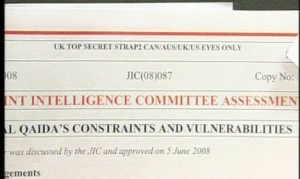
So anoth­er intel­li­gence offi­cial has mis­laid some highly clas­si­fied doc­u­ments — this time by leav­ing them lying on a com­muter train depart­ing Water­loo sta­tion. And while the Cab­in­et office (his soon to be former employ­er?) is des­per­ately try­ing to down­play the sens­it­iv­ity of these doc­u­ments, let’s not be fooled. “Top Secret – Strap – Can/Aus/UK/US Eyes Only” is very high level clas­si­fic­a­tion indeed.

In this case, it appears that the offi­cial may not even have had per­mis­sion to remove these doc­u­ments in the first place. Cab­in­et Min­is­ter, Ed Miliband, is quoted in the Daily Mail today as say­ing that there had been ‘a clear breach’ of rules for­bid­ding the remov­al of doc­u­ments without author­isa­tion. Then, hav­ing removed these doc­u­ments illeg­ally, the intel­li­gence offi­cial appears to have taken them out of the secur­ity briefcase and read them in pub­lic, before leav­ing them on the train.

One can only spec­u­late wheth­er he was drunk, simply care­less, or wheth­er this was a tim­id attempt to blow the whistle and draw the BBC’s atten­tion to yet fur­ther proof that the “war on ter­ror” is overhyped.

The secur­ity breach is not unusu­al. Over the years, drunk­en spies have mis­laid count­less doc­u­ments in pubs and on the jour­ney home. In 2000 an MI6 officer even left a laptop in a Vaux­hall bar. How­ever, the secret inform­a­tion usu­ally has a degree of low-level pro­tec­tion – the com­puter is encryp­ted or the doc­u­ments are locked in a secur­ity briefcase, not left lying around in an orange folder.

When I was work­ing for the spooks, the drink­ing cul­ture was endem­ic. Seni­or man­agers set the pace, with some going to the pub most days for lunch – one pub was fam­ously called Base Camp Two – sink­ing a few pints, and then doz­ing the after­noon away. Of course, the young­er officers fol­lowed suit, reg­u­larly meet­ing after work for a drink and a moan. Often, they would have secur­ity briefcases with them to take away the next day for work, and it was a mir­acle that more doc­u­ments were not lost.

There is spec­u­la­tion in the media that the man will be dis­cip­lined. He has already been sus­pen­ded. But the media appears to be miss­ing a trick: this is also a breach of the Offi­cial Secrets Act 1989. In this case, Sec­tion 1(1) will apply:

A per­son who is or has been—

(a) a mem­ber of the secur­ity and intel­li­gence ser­vices; or

(b) a per­son noti­fied that he is sub­ject to the pro­vi­sions of this subsection,

is guilty of an offence if without law­ful author­ity he dis­closes any inform­a­tion, doc­u­ment or oth­er art­icle relat­ing to secur­ity or intel­li­gence which is or has been in his pos­ses­sion by vir­tue of his pos­i­tion as a mem­ber of any of those ser­vices or in the course of his work while the noti­fic­a­tion is or was in force.”

So, if this offi­cial was drunk and care­less with the nation’s secrets, he deserves to face the music. The doc­u­ments were seen by a mem­ber of pub­lic and by BBC staff, so the “clear bright line” against dis­clos­ure that is always argued in whis­tleblower tri­als had already been breached.

If this was a cov­ert attempt a get­ting the inform­a­tion to the media, as happened, then this per­son is a whis­tleblower and deserves pro­tec­tion. The law makes no dis­tinc­tion based on intent, as the pub­lic interest defence was removed from the OSA in 1989 (des­pite the fact that Blair, Straw and most of the Labour gov­ern­ment past and present voted against this measure).

How­ever, such an action is clearly mor­ally dif­fer­ent from drunk­en care­less­ness, and if that was indeed his intent, he would have done bet­ter to have had the cour­age of his con­vic­tions and gone dir­ectly to the media. He would still not have had any defence under the OSA for his prin­cipled stance, but the impact and poten­tial for change would have been great­er. Bet­ter to be hung for a sheep than a lamb.

Terrorism Act used against Journalist

A wor­ry­ing art­icle in today’s Guard­i­an by the indefatig­able Duncan Camp­bell, in which he reports that police are using the Ter­ror­ism Act (2000) to try to force a journ­al­ist to hand over inform­a­tion from a source.

This issue is the scared cow of journ­al­ism – that they nev­er reveal their sources. To do so would imme­di­ately deter whis­tleblowers from speak­ing in con­fid­ence to the media, and gov­ern­ment crimes and lies would remain secret. The pro­tec­tion of journ­al­ist­ic sources con­trib­utes to safe­guard­ing our demo­cracy, as legis­la­tion such as the Free­dom of Inform­a­tion Act (2000) is effect­ively tooth­less when up against the inner work­ings of the state.

Because of this, journ­al­ists with integ­rity in this coun­try and abroad are will­ing to risk pris­on rather than hand over their notes. As Camp­bell remarks, this happened to Mar­tin Bright in 2000 when he was Home Affairs Edit­or at The Observ­er. The Met­ro­pol­it­an Police Spe­cial Branch went crash­ing into the offices on Far­ring­don Road, demand­ing that he hand over all his notes on the Shayler case. More bizar­rely, they also deman­ded a let­ter Shayler had sent to The Guard­i­an, even though it had already been pub­lished in the news­pa­per. Thank­fully for Mar­tin, the Nation­al Uni­on of Journ­al­ists sup­por­ted him, and the police even­tu­ally backed off.

The fact that the police are using the Ter­ror­ism Act as is a wor­ry­ing new devel­op­ment. But it’s not just pro­duc­tion orders from the police that journ­al­ists and news­pa­pers have to be wor­ried about. The author­it­ies have a range of weapons in their arsen­al if they choose to sup­press inform­a­tion eman­at­ing from inner gov­ern­ment circles or the intel­li­gence world. And yet it is with­in these very circles that the most hein­ous crimes and viol­a­tions are com­mit­ted, and whence the most sig­ni­fic­ant whis­tleblowers tend to emerge. Think Dr Dav­id Kelly, Dav­id Shayler, Kath­er­ine Gun.

So, what else can the author­it­ies use to sup­press val­id cri­ti­cism? Well, firstly and most notori­ously, we have the Offi­cial Secrets Act in the UK. This does not just pre­vent intel­li­gence officers and noti­fied gov­ern­ment offi­cials from ever speak­ing to any­one out­side the agency about any­thing, ever (Sec­tion 1(1)). Slightly less well known is Sec­tion 5, which makes it a crime for any journ­al­ist to receive or eli­cit inform­a­tion from these whis­tleblowers that dam­ages “nation­al secur­ity” (the term to this day remains undefined). Of course, as we saw in the Shayler case, the gov­ern­ment is always extremely reluct­ant to cross the media and enforce this, so it is usu­ally just the unfor­tu­nate whis­tleblower who is hung out to dry.

If the threat of the OSA fails, the gov­ern­ment can always find a tame judge to issue an emer­gency injunc­tion. Again, this happened in the Shayler case, when an injunc­tion was taken out both against him and the UK’s nation­al media. Need­less to say, the injunc­tion against the media was dropped (even this gov­ern­ment quailed at the pro­spect of tak­ing on News Inter­na­tion­al and the Mail group), but remains in place to this day against the hap­less whistleblower.

This injunc­tion is no small thing. The government’s law­yers have used it to fright­en off pub­lish­ers from even look­ing at a nov­el (that’s right – a work of fic­tion) that Shayler wrote in 1998. Let­ters winged their way from gov­ern­ment law­yers to UK pub­lish­ers in Lon­don in 1999. And when Shayler built a web­site, hos­ted by Tab­net in Cali­for­nia, the gov­ern­ment wrote to them point­ing out that there was an injunc­tion in place and ask­ing for the site to be taken down. Tab­net gently poin­ted out that per­haps the Brit­ish gov­ern­ment had for­got­ten about 1776, and con­tin­ued to host the site.

If the OSA and injunc­tions are not enough, we also have the notori­ous D Notice Com­mit­tee (now rebranded as the Defence Press and Broad­cast­ing Advis­ory Com­mit­tee), a body that can block pub­lic­a­tion of a story by issu­ing a notice at the say-so of the gov­ern­ment. Very appro­pri­ate in a so-called demo­cracy. What makes it worse is that the Com­mit­tee is made up of volun­teers from amongst the great and the good from the media world, as well as rep­res­ent­at­ives from gov­ern­ment depart­ments. These guys, seni­or edit­ors and TV exec­ut­ives, enter the charmed inner circle and start to police their own industry. It’s amaz­ing how quickly new appointees go nat­ive and fight the government’s corner.

So there you have it – a whole bat­tery of laws to pro­tect the Brit­ish Estab­lish­ment from the scru­tiny and con­struct­ive cri­ti­cism of the media. When a journ­al­ist of integ­rity stands up to the author­it­ies, we should all sup­port them. They are provid­ing a cru­cial ser­vice of vent­il­a­tion and account­ab­il­ity for our retreat­ing demo­cracy. I wish Shiv Malik, the freel­an­cer at the eye of the cur­rent storm, the very best.


Straw Man

The gov­ern­ment is push­ing through yet anoth­er piece of legis­la­tion designed to provide “pub­lic ser­vice hon­esty, integ­rity and inde­pend­ence” to the Brit­ish people. As part of this strategy, the draft Con­sti­tu­tion­al Renew­al Bill even con­tains a sec­tion to provide pro­tec­tion for gov­ern­ment whis­tleblowers. Need­less to say, spies are auto­mat­ic­ally excluded (see sec­tion 25 (2) of the draft Bill).

The draft Bill states that any whis­tleblowers from with­in the ranks of MI5, MI6 and GCHQ will be dealt with intern­ally. This has always been the case for MI5 and 6 (des­pite the government’s breath­tak­ing lies dur­ing the Shayler case that he could have gone to any crown ser­vant with his con­cerns). How­ever, in the case of GCHQ, this Bill will take away employ­ees’ rights to go to an inde­pend­ent Com­mis­sion­er, to bring it into dra­coni­an line with its sis­ter agencies.

So, to put this bluntly, those in our intel­li­gence agen­cies who exper­i­ence eth­ic­al qualms about their work or, even worse, wit­ness crimes, will have to take their con­cerns to the head of the very agency com­mit­ting these crimes. Let’s guess how far these com­plaints will go.

Now, some might say that it’s naïve to think that the intel­li­gence agen­cies don’t com­mit illeg­al or uneth­ic­al acts. All I can say to that is — grow up. James Bond is a myth. Even the bad old days of the Cold War when, as former MI5 officer Peter Wright put it, MI5 could “bug and burgle its way around Lon­don” with impun­ity are long gone. The 1985 Inter­cep­tion of Com­mu­nic­a­tions Act (and sub­sequent legis­la­tion), the 1989 Secur­ity Ser­vice Act, and the 1994 Intel­li­gence Ser­vices Act, have put paid to that. In line with basic human rights, the spies now have to apply for min­is­teri­al per­mis­sion based on, ahem, a sol­id intel­li­gence case, to aggress­ively invest­ig­ate a target.

Dur­ing the 10 month peri­od of my recruit­ment to MI5 in 1990, I was repeatedly told that the organ­isa­tion had to obey the law; that it was evolving into a mod­ern counter-ter­ror­ism agency. If that is indeed the case, then why is MI5 still to this day not account­able in the same way as the Met­ro­pol­it­an Police Spe­cial Branch, which does the same work?

And who is the brave politi­cian ensur­ing that our intel­li­gence com­munity can remain shrouded in secrecy and pro­tec­ted from cri­ti­cism by the full force of the law? Stand up Justice Min­is­ter Jack Straw.

It just remains for me to say that Straw has a cer­tain his­tory in this area. In 1997, when Shayler blew the whistle, Straw was the Home Sec­ret­ary, the gov­ern­ment min­is­ter charged with over­see­ing MI5. One of Shayler’s early dis­clos­ures was that MI5 held files on a num­ber of politi­cians, includ­ing Straw him­self. Did Straw demand to see his file in angry dis­be­lief? No, he meekly did the spies’ bid­ding and issued a blanket injunc­tion against Shayler and the UK’s nation­al media.

But think about it — this is a clas­sic Catch 22 situ­ation. Either MI5 was right to open a file on Straw because he was a polit­ic­al sub­vers­ive and a danger to nation­al secur­ity – in which case, should he not have imme­di­ately resigned as Home Sec­ret­ary? Or MI5 got it wrong about Straw. In which case he should have been invest­ig­at­ing this mis­take and demand­ing to know how many oth­er inno­cent UK cit­izens had files wrongly and illeg­ally opened on them.

But Straw did neither. Per­haps he was wor­ried about what the spies could reveal about him? It’s inter­est­ing that he is yet again rush­ing to pro­tect their interests….


Spies and the Law

For con­text, here’s a little bit of back­ground inform­a­tion about the UK’s spy agen­cies, and the leg­al con­straints with­in which they are sup­posed to operate.

There are three primary agen­cies: MI5 (the UK Secur­ity Ser­vice), MI6 (Secret Intel­li­gence Ser­vice — SIS) and GCHQ (the Gov­ern­ment Com­mu­nic­a­tions HQ). Bey­ond this inner circle, there is the Met­ro­pol­it­an Police Spe­cial Branch (MPSB), the spe­cial branches of every oth­er police force in the UK, mil­it­ary intel­li­gence, and Cus­toms, amongst others.

MI5 and MI6 were set up in 1909 dur­ing the build up to the First World War, when their remit was to uncov­er Ger­man spies. For the next 80 years they didn’t offi­cially exist and oper­ated out­side the law.

In 1989 MI5 was put on a leg­al foot­ing for the first time when par­lia­ment passed the Secur­ity Ser­vice Act. This stated that it had to work with­in leg­al para­met­ers, and if it wanted to do some­thing that would oth­er­wise be illeg­al, such as break­ing into and bug­ging someone’s house, it had to get the writ­ten per­mis­sion of its polit­ic­al mas­ter, the Home Sec­ret­ary. Without that, MI5 would be break­ing the law just as you or I would be.

MI6 and GCHQ were not put on a leg­al foot­ing until the 1994 Intel­li­gence Ser­vices Act, and are answer­able to the For­eign Sec­ret­ary. The same Act also set up the Intel­li­gence and Secur­ity Com­mit­tee in Par­lia­ment as a sop to demo­crat­ic over­sight. The ISC is respons­ible for over­see­ing the policy, fin­ance and admin­is­tra­tion of the three agen­cies. It has abso­lutely no remit to look at their oper­a­tion­al run­ning, nor can it invest­ig­ate alleged crimes com­mit­ted by them. Even if it could, the ISC has no power to call for wit­nesses or demand doc­u­ments from the spooks. Moreover, the com­mit­tee is appoin­ted by the Prime Min­is­ter, answer­able only to him, and he can vet its find­ings. Much of the ISC’s annu­al reports are blanked out.

When I was recruited by MI5 in the early 1990s, the organ­isa­tion was at great pains to explain that it worked with­in the law, was account­able, and its work was mainly invest­ig­at­ing ter­ror­ism. Once I began work­ing there, this quickly proved to be untrue. MI5 is incom­pet­ent, it breaks the law, con­nives at the impris­on­ment of inno­cent people, illeg­ally bugs people, lies to gov­ern­ment (on whom it holds per­son­al files) and turns a blind eye to false flag ter­ror­ism. This is why I resigned and helped to blow the whistle.

With all this hys­teria about the threat from Al Qaeda, and the ava­lanche of new powers and resources being thrown at the spooks, as well the erosion of our liber­ties, we need to keep a cool head. Why don’t our politi­cians take a step back and ask what pre­cisely are the scale and nature of the threats facing this coun­try, and how can we best police them? As Sir Ian Blair recently showed, we can­not take the secur­ity forces’ words about this at face value.

There’s a lot of his­tor­ic bag­gage attached to MI5 and 6, par­tic­u­larly after their dirty tricks against the left in the 1980s. As they are now primar­ily doing a poli­cing job against ter­ror­ism, why not just clear the decks and start again? Set up a ded­ic­ated counter-ter­ror­ism agency, which is prop­erly account­able to par­lia­ment, as the police already are and the spies are not.

As it stands the UK has the most secret­ive intel­li­gence agen­cies in the west­ern world. They are exempt from the Free­dom of Inform­a­tion Act, and pro­tec­ted by the dra­coni­an Offi­cial Secrets Act. The 1989 OSA makes it a crim­in­al offence for any­one to blow the whistle on crimes com­mit­ted by the spies, and it is no longer pos­sible for a whis­tleblower to argue that they acted in the pub­lic interest.

No oth­er west­ern demo­cracy has spies who are quite so unac­count­able, nor so pro­tec­ted from scru­tiny by the law. The closest ana­lo­gies are prob­ably the intel­li­gence agen­cies of coun­tries such as Libya or Iran. Par­tic­u­larly as we now know that MI5 and MI6 officers are con­niv­ing in extraordin­ary rendi­tion and the use of torture.

Are they leg­al? Yes, now, in the­ory. Do they abide by the law? Only when it suits them. Are they eth­ic­al? Abso­lutely not.

Lecture: What can we do to counter the Spies?

My CCC talk in Ber­lin in Decem­ber 2007 about the role of Intel­li­gence agen­cies in society.

In the name of pro­tect­ing nation­al secur­ity, spy agen­cies are being giv­en sweep­ing new powers and resources. Their intel­li­gence has been politi­cised to build a case for the dis­astrous war in Iraq, they are fail­ing to stop ter­ror­ist attacks, and they con­tin­ue to col­lude in illeg­al acts of intern­ment and tor­ture, euphemist­ic­ally called “extraordin­ary rendi­tion”. Most west­ern demo­cra­cies have already giv­en so many new powers to the spies that we are effect­ively liv­ing in police states. As an informed com­munity, what can we do about this?

Here is the present­a­tion page on the CCC-2007-web­site. A video of the talk can be down­loaded from the talk-page or watched dir­ectly through Google-video. I was hon­oured to receive a stand­ing ova­tion at the end of my talk.  A write-up of the talk can be found here.  Enjoy!

AltVoices Article, June 2007

My art­icle in Alt​Voices​.org, June 2007:

THE OFFICIAL SILENCING ACT

Last month the UK’s dra­coni­an secrecy laws were again used to crim­in­al­ise two hon­our­able whis­tleblowers. The UK’s supine main­stream media failed both to ques­tion the valid­ity of these con­vic­tions and to hold the gov­ern­ment to account.

by Annie Machon

On May 9 Dav­id Keogh, a 50-year-old com­mu­nic­a­tions officer in the Cab­in­et Office, and Leo O’Con­nor, 44, a research­er for an anti-war Labour MP, were con­victed of breach­ing the Offi­cial Secrets Act (1989).

Keogh’s crime was to have leaked an “extremely sens­it­ive” memo to O’Connor, detail­ing a con­ver­sa­tion about Iraq between Tony Blair and George W. Bush in April 2004.

Keogh passed the doc­u­ment to O’Connor to give to his MP in the hope it would reach the pub­lic domain, expose Bush as a “mad­man”, and lead to ques­tions in Par­lia­ment. The memo was deemed to be so secret that much of the tri­al was held in camera.

Keogh was found guilty of two breaches of the OSA, O’Connor of one, and they received sen­tences of six months and three months respectively.

This bald sum­mary of the case was all that appeared in the main­stream UK media. No doubt many people will have taken this case at face value. After all, the UK should be able to pro­tect its nation­al secur­ity and impose tough leg­al sanc­tions for treach­ery, shouldn’t it?

Except that this was not treach­ery. Keogh and O’Connor were not passing the UK’s secrets to an enemy power. They acted from con­science to expose pos­sible wrong­do­ing at the highest level.

The media should have use this tri­al to address the ongo­ing debate in the UK about the con­tinu­al use and abuse of the OSA. Unfor­tu­nately for the Brit­ish people, the media toed the offi­cial line and kept quiet.

The UK’s secrecy laws are a very Brit­ish muddle. The first OSA was enacted in 1911 to pro­sec­ute trait­ors. This law remained in place until the 1980s, when the Thatch­er gov­ern­ment was rocked by the alleg­a­tions of civil ser­vant Clive Pont­ing about a cov­er-up over the attack on the Argen­tine ship the Gen­er­al Bel­grano dur­ing the Falk­lands War.

Dur­ing his tri­al, Pont­ing relied on the pub­lic interest defence avail­able under the 1911 Act. He was acquit­ted, and the Con­ser­vat­ive gov­ern­ment imme­di­ately drew up a new law, the 1989 OSA. This new law was designed primar­ily to intim­id­ate and silence whis­tleblowers. Treach­ery is still pro­sec­uted under the 1911 Act.

The 1989 Act, opposed at the time by Tony Blair and most of the cur­rent Labour gov­ern­ment, ensures that any­one who is or has been a mem­ber of the intel­li­gence com­munity faces two years in pris­on if they dis­close inform­a­tion relat­ing to their work without per­mis­sion, regard­less of wheth­er they are blow­ing the whistle on crim­in­al activity.

Since com­ing to power in 1997, Blair’s gov­ern­ment has repeatedly used this Act to sup­press legit­im­ate dis­sent, silence polit­ic­al oppos­i­tion and pro­tect crim­in­als with­in the intel­li­gence establishment.

In 1997, MI6 whis­tleblower Richard Tom­lin­son had no option but to plead guilty dur­ing his tri­al, and was sen­tenced to six months in prison.

Around the same time MI5 whis­tleblower Dav­id Shayler dis­closed the illeg­al 1995 MI6 plot to assas­sin­ate Col­on­el Gad­dafi of Libya, as well as a string of oth­er crimes com­mit­ted by MI5.

Dur­ing his tri­al Shayler argued that, under Art­icle 10 of the European Con­ven­tion of Human Rights, legis­la­tion such as the OSA is only pro­por­tion­ate in sup­press­ing a whistleblower’s right to speak out in order to pro­tect “nation­al security”.

How­ever, his judges effect­ively ruled that this right should also be cur­tailed for “nation­al interest” con­sid­er­a­tions. This neb­u­lous concept, undefined for the pur­poses of the OSA, is routinely wheeled out to spare the blushes of politi­cians and incom­pet­ent spy agencies.

In 2002 Shayler did win from the courts the defence of “neces­sity”. How­ever, the Law Lords spe­cific­ally denied him this defence without hear­ing his evid­ence. Shayler was con­victed in Novem­ber 2002 of three breaches of the OSA and sen­tenced to six months in prison.

In 2003 the late Dr Dav­id Kelly would also have faced an OSA tri­al for his alleged com­ments about the gov­ern­ment “sex­ing up” the notori­ous dodgy dossier before the war in Iraq.

The 1989 OSA does not just apply to those in and around the intel­li­gence com­munity. Oth­er civil ser­vants, as well as journ­al­ists who pub­lish their dis­clos­ures, face the same pris­on sen­tence if the pro­sec­u­tion can prove “dam­age to nation­al secur­ity”. Keogh and O’Connor were con­victed under these pro­vi­sions, although the pro­sec­u­tion reportedly relied only on the “nation­al interest” argument.

The UK gov­ern­ment is increas­ingly con­cerned about secur­ity leaks dur­ing the unend­ing “war on ter­ror”, and is now talk­ing about doub­ling to four years the sen­tence for whistleblowing.

By fail­ing to chal­lenge this or to cam­paign for the res­tor­a­tion of the pub­lic interest defence, journ­al­ists are com­pli­cit in crim­in­al­ising hon­our­able people. The media’s craven atti­tude allows the gov­ern­ment and intel­li­gence agen­cies to con­tin­ue lit­er­ally to get away with murder.

CPBF Article on the Shayler Trial

My art­icle in the Cam­paign for Press and Broad­cast­ing Free­dom journal:

In Novem­ber 2002 I wit­nessed one of the worst media stitch-ups in recent times. The Lon­don press has helped min­is­ters, many of whom voted against the Offi­cial Secrets Act (OSA) when it was passed in 1989, to per­se­cute, con­vict and impris­on MI5 whis­tleblower, Dav­id Shayler, with barely a murmur. 

From the start, the gov­ern­ment focused on tra­du­cing David’s char­ac­ter to divert atten­tion not only from his alleg­a­tions but also from Tony Blair’s fail­ure to even hear what Dav­id had to say.

In case we for­get, this includes MI5 files on gov­ern­ment min­is­ters, MI5 fail­ing to stop IRA bombs going off in the UK, the wrong­ful con­vic­tion of two inno­cent Palestini­ans for the Israeli embassy bomb­ing in Lon­don in 1994, and an illeg­al phone tap on a Guard­i­an journalist.

Most hein­ous of all was the fact that in 1995 two MI6 officers gave £100,000 of tax­pay­ers’ money to extrem­ists linked to Al Qaeda to assas­sin­ate Col­on­el Gadaf­fi of Libya. The attack went wrong, killing inno­cent civil­ians. Mal­colm Rif­kind, the For­eign Sec­ret­ary of the day, did not sanc­tion the assas­sin­a­tion attempt, mak­ing it a crime under the 1994 Intel­li­gence Ser­vices Act.

It also meant that shad­owy MI6 officers were decid­ing Brit­ish for­eign policy, not our elec­ted min­is­ters. So did our fear­less nation­al media call for the intel­li­gence ser­vices to be held to account? No. Instead craven edit­ors of nation­al news­pa­pers — who were only too
ready to enjoy the front-page stor­ies Dav­id provided — have left him to face the con­sequences of whis­tleblow­ing alone.

After sur­viv­ing three years of exile, he returned to the UK vol­un­tar­ily in August 2000. He then had to wait over two years for tri­al. After con­vic­tion, he spent three weeks locked up for 23 or 24 hours a day in an over­crowded 12’ x 8’ cell in HMP Bel­marsh before being trans­ferred to HMP Ford.

He had already served nearly four months in pris­on in Par­is, await­ing an unsuc­cess­ful extra­di­tion attempt. At tri­al, the gov­ern­ment felt that the risk of embar­rass­ment loomed large. The Home Sec­ret­ary, Dav­id Blun­kett, and the For­eign Sec­ret­ary, Jack Straw, there­fore signed Pub­lic Interest Immunity cer­ti­fic­ates (PIIs), “gag­ging orders”, against Dav­id to pre­vent him from say­ing any­thing in open court.

The judge, Mr Justice Moses of Mat­rix Churchill fame, acceded to these without a blush, and then imposed report­ing restric­tions on the pro­ceed­ings. The “D” Notice Com­mit­tee then advised against any media cov­er­age of these inter­ven­tions. Even though Dav­id had to con­duct his own defence in the courtroom, the judge and the pro­sec­u­tion censored
any ques­tions he needed to put to anonym­ous MI5 witnesses.

Dav­id was also pre­ven­ted from explain­ing why he had gone to the press. Des­pite Dav­id going into this tri­al with both hands tied behind his back, and des­pite the judge order­ing the jury to con­vict, it still took a group of twelve ran­domly chosen people more than three hours to con­vict Dav­id. When they did so, some of the jur­ors were in tears. Although the courtroom was packed with journ­al­ists, the media wil­fully ignored the facts of the case.

The doc­u­ments alleged by the pro­sec­u­tion to con­tain “agent inform­a­tion” were just that – inform­a­tion gathered from agents and sum­mar­ized for gen­er­al gov­ern­ment con­sump­tion. In fact, in sum­ming up and sen­ten­cing, Mr Justice Moses made no ref­er­ence to agent lives being put at risk. He also made it abund­antly clear that he accep­ted that Dav­id was not motiv­ated by money; and that Dav­id believed he was act­ing in the pub­lic interest (even though the law did not allow such a defence in this case).

That is why the judge gave him the rel­at­ively light sen­tence of six months. Had Dav­id been a trait­or, as sec­tions of the media trum­peted, he would have been tried under Sec­tion 1 of the 1911 OSA and received a four­teen year sen­tence. A whis­tleblower does not oper­ate in a vacu­um. Journ­al­ists play an import­ant role in air­ing these sub­jects in our
“free” press.

In journ­al­ist­ic par­lance, Dav­id Shayler has been a fant­ast­ic­ally valu­able source for over five years. This has not been reflec­ted in his treat­ment. With a few extremely hon­our­able excep­tions, most hacks were merely inter­ested in leech­ing Dav­id of inform­a­tion rather than pro­tect­ing a man who risked everything to expose murder, ter­ror­ist fund­ing and incom­pet­ence on the part of the intel­li­gence services.

The truth is fright­en­ing. Edit­ors, MPs and min­is­ters are scared of the shad­owy people who really run this coun­try: the intel­li­gence ser­vices. By not hold­ing the ser­vices to account, the gov­ern­ment and media is let­ting them get away, lit­er­ally, with murder.

Guardian Interview 2002 — The spy who loved me

Stu­art Jef­fries of The Guard­i­an inter­viewed me in Novem­ber 2002:

The Spy who Loved Me

Annie Machon quit her job at MI5 and endured three years on the run — all for the sake of her part­ner Dav­id Shayler, who was jailed last week. She tells Stu­art Jef­fries why.

Annie Machon fell in love with a spy code­named G9A/1. It was 1991 and she had been work­ing in MI5’s counter-sub­vers­ives sec­tion for two months. “The first thing I noticed about him is that he’s leon­ine,” she says over lunch. “I think he’s drop-dead gor­geous. We’d be in sec­tion meet­ings which we’d get dragged to occa­sion­ally and told what to think. He stood out because he asked the awk­ward ques­tions. He was very clear-cut and challenging.”

G9A/1 was Dav­id Shayler, the reneg­ade Brit­ish spy who last week was sen­tenced to six months for break­ing the Offi­cial Secrets Act after leak­ing secret doc­u­ments to the press. He’s the one reg­u­larly branded as a fat, sweaty, boozy, big-mouthed trait­or. The kind of upstart who might take his mar­tini stirred rather than shaken. “Yes, that’s what they say, isn’t it?” says Machon, as she lights anoth­er cigar­ette. She exhales. “He’s noth­ing like that. Every­body loves to por­tray him as this slob from the north-east. But he’s not only a whis­tleblower try­ing to do some­thing hon­our­able. He’s also really intel­li­gent. I love him, and am very proud of him for what he did.”

Some people think you’re the brains behind Shayler. “That’s not true. When I star­ted at MI5, I went in as GD5. GD stands for gen­er­al duties. It’s very gradist. Dave went in as GD4, which meant that they were fast track­ing him. They thought he was really sharp. And they were right. In fact, he’s very sparky and great com­pany. We just clicked, basic­ally.” How did MI5 bosses feel about office romances? “They encour­aged them. They regarded those sorts of rela­tion­ships as polit­ic­ally expedi­ent, and oper­a­tion­ally quite sens­ible. There were quite a few couples at MI5.”

How did Annie Machon, a clas­sics gradu­ate from Gir­ton Col­lege, Cam­bridge, get recruited as a spook in the first place? A nudge in the quad, a glass of sherry with a shifty don? “No, I had sat the exam to be a dip­lo­mat. Then I got a let­ter.” She was impressed by the 10-month recruit­ment pro­cess. “It was very thor­ough with lots of tests and back­ground checks. It seemed like a pro­fes­sion­al organ­isa­tion. We were sup­posed to be part of the new gen­er­a­tion. People from dif­fer­ent back­grounds and dif­fer­ent exper­i­ences were sup­posed to be brought in — people who could think on their feet and think lat­er­ally. We both joined think­ing it soun­ded good for the coun­try, which sounds quite ideal­ist­ic now.”

When did scep­ti­cism set in? “Very quickly.” Machon and Shayler were employed to look for reds under the bed, but they could­n’t find any, even though they stud­ied the file on that dan­ger­ous leftwing sub­vers­ive Peter Man­del­son ever so assidu­ously. “We were basic­ally try­ing to track down old com­mun­ists, Trot­sky­ists and fas­cists, which to us seemed like a waste of time. The Ber­lin Wall had come down sev­er­al years before. We were both hor­ri­fied that dur­ing the 1992 elec­tion we were sum­mar­ising files on any­body who stood for par­lia­ment. We were also hor­ri­fied by the scale of the invest­ig­a­tions. We both argued most voci­fer­ously that we should­n’t be doing this.”

After two years, both Machon and Shayler were moved to T‑branch, where they worked on coun­ter­ing Irish ter­ror­ist threats on the main­land. “We were both doing well. We were good oper­at­ives and they wanted the best in that sec­tion. I don’t want to be egot­ist­ic­al but that was the truth.”

The pair hoped that this rel­at­ively new sec­tion would oper­ate bet­ter. “There were sev­er­al young and tal­en­ted agents who did their best. But because of man­age­ment cock-ups they could­n’t do their jobs prop­erly and peoples’ lives were lost.” What was the prob­lem? “They had all these old man­agers who had been there for don­key’s years. They were caught in the wrong era — instead of deal­ing with stat­ic tar­gets, they had a mobile threat in the IRA and they just could­n’t hack it. It was a night­mare, espe­cially because there were so many agen­cies involved — MI5, Spe­cial Branch, the RUC, GCHQ. They all had their own interests. That was why Bish­opsgate happened.” Shayler later claimed that MI5 could have stopped the 1993 IRA bomb­ing of Bish­opsgate in the City of Lon­don, which left one dead and 44 injured.

Why did­n’t you leave then? “It was very easy to get into a stas­is. You have lots of friends there. But when you get to a more estab­lished sec­tion like the Middle East ter­ror­ism sec­tion and you see it’s the same, then you think about quitting.”

In 1995, Shayler dis­covered that MI6 had paid an agent who was involved in the plot to assas­sin­ate the Liby­an lead­er, Muam­mar Gadafy. Why was that wrong? “Apart from the immor­al­ity of it, the gen­er­al con­sensus from the intel­li­gence com­munity was that the assas­sin­a­tion of a well-estab­lished head of state by an Islam­ic fun­da­ment­al­ist in a very volat­ile area was not a good idea. It was crazy, but these bozos at MI6 wanted to have a crack at him.”

Then there was the case in which MI5 tapped a journ­al­ist’s phone. “For us, that’s what broke the camel’s back. A tap was only to be used in extremis, and this was noth­ing like that.”

Why did­n’t you go quietly? “Well, oth­er officers did. In the year we left, 14 officers resigned. The aver­age fig­ure was usu­ally four. It was very scary. Dave is someone who thinks he should fight for what he believes in. And I knew what he was talk­ing about. I knew he had to have the sup­port against the massed forces of dark­ness. When you work there, the only per­son you can report some­thing to is the head of MI5 but if you’re com­plain­ing about alleged crimes on behalf of MI5, they’re not going to allow you to do that, so you’re in a Catch 22 situation.”

In August 1997, Shayler sold his story to the Mail on Sunday. The day before pub­lic­a­tion the couple fled to Utrecht in Hol­land. “We left before the piece came out because they would have knocked down our doors and arres­ted Dave. I felt ter­ri­fied. But we man­aged to stay one step ahead.” Why was he the whis­tle­bower rather than you? “He had more access to what was going on — he was right in the middle of the Gadafy plot — and felt very strongly about it.”

The couple ended up in a French farm­house. “It was in the middle of nowhere. No TV, no car. For 10 months we spent every day togeth­er. He would write his nov­el dur­ing the day.” What were you doing? “I was keep­ing house. We enjoyed each oth­er­’s com­pany.” No rows? “Plenty.”

The couple tried to nego­ti­ate to return to Bri­tain without Shayler being pro­sec­uted, but with an under­tak­ing that his alleg­a­tions be offi­cially invest­ig­ated. “We got a com­plete lack of interest.” Then, dur­ing a stay in Par­is, Shayler was arres­ted in a hotel lobby. “We’d just been watch­ing Middles­brough on TV. They lost, of course. Then I did­n’t see him for two months.” He spent nearly four months in La Santé, Par­is’s top-secur­ity pris­on which also houses Car­los the Jack­al who used to yell “Dav­id Eng­lish!” to the reneg­ade spy from his cell. “I was bereft.” How are you going to deal with his cur­rent impris­on­ment? “I’ll just deal with it. It’s hor­rible, but I’m tough.”

A French judge ruled the extra­di­tion demand was polit­ic­ally motiv­ated and released him. The couple then ren­ted a flat in Par­is and holed up for a year. “As far as the Brit­ish author­it­ies were con­cerned, we could rot. They did­n’t want us to come back. We made a little money from journ­al­ism, but this was­n’t the life we wanted.” Why in August 2000 did the spies decide to come home? “We had man­aged to nego­ti­ate a return without risk­ing months of remand. Dave thought he would be able to present his case to peers: yes, he did take £40,000 from the Mail on Sunday but that isn’t why he told the story. He nev­er got the chance. In the tri­al they tied his hands behind his back. He could­n’t say any­thing to the jury. The report­ing restric­tions were extraordinary.”

She vis­ited Shayler in jail for the first time on Tues­day. How was he? “He’ll be all right.” Now what? “I wait. And in the mean­time, we get our leg­al case togeth­er. We’re going to Europe, Brit­ish justice is useless.”

Would­n’t you like to put all this behind you and get on with your lives. “We will. But not yet. It could take five years to clear his name.” Machon, poised and clad in black, turns a cigar­ette in her fin­gers. “You know, when I star­ted this case I was in my 20s. Now I’m 34. I don’t think I’ll have fin­ished with it until I’m in my 40s. I wish I’d nev­er got involved with MI5. I would­n’t touch them with a barge­pole if I had my time again.” I leave Machon alone at a café table writ­ing a let­ter to the man no longer code­named G9A/1.

BBC Report on Shayler’s conviction

The BBC report after Dav­id Shayler­’s con­vic­tion in Novem­ber 2002:

Former MI5 agent Dav­id Shayler is facing jail after being con­victed of reveal­ing secur­ity secrets.

Shayler, 36, was found guilty on three charges of break­ing the Offi­cial Secrets Act.

He revealed secret doc­u­ments to the Mail on Sunday news­pa­per in 1997, arguing he had a pub­lic duty to expose mal­prac­tice with­in the secur­ity services.

But the pro­sec­u­tion argued Shayler, who will be sen­tenced on Tues­day, had poten­tially placed the lives of secret agents at risk.  It said he betrayed a “life-long duty of con­fid­en­ti­al­ity” by reveal­ing clas­si­fied matters.

Shayler, who rep­res­en­ted him­self, also told the Old Bailey jury he feared for his life at the time, because of some­thing “far more ser­i­ous” than any­thing pub­lished in the paper.  Shayler was remanded on bail for sen­ten­cing and could face up to two years’ impris­on­ment on each of the three counts.

Shayler copied 28 files on sev­en top­ics before leav­ing MI5 in Octo­ber 1996.

Incom­pet­ence’

Soon after, he accused MI5 of incom­pet­ence and leaked sens­it­ive inform­a­tion to the Mail on Sunday, includ­ing alleg­a­tions of fin­an­cial links between the Pro­vi­sion­al IRA and Libya.  He then fled to France with the £40,000 he earned from his rev­el­a­tions, but returned to Bri­tain after three years know­ing he faced arrest.

Out­side court Shayler­’s girl­friend Annie Machon — also a former MI5 officer — said: “Dav­id is a whistle-blower, pure and simple.   I’m shocked at the ver­dict. He deserves to be pro­tec­ted, not pro­sec­uted.  Dav­id revealed mal­prac­tice, crime and incom­pet­ence on behalf of the intel­li­gence ser­vice and he did it in the pub­lic interest.  He still believes it was right to do so. We believe judges in Europe will be more scep­tic­al about the Offi­cial Secrets Act in this country.”

John Wadham, dir­ect­or of civil rights group Liberty and also Shayler­’s soli­cit­or, said they would con­sider tak­ing the case to appeal and would con­tin­ue their applic­a­tion to the European Court of Human Rights.

Pre-tri­al ruling

Maurice Frankel from the Cam­paign for Free­dom of Inform­a­tion, said there needed to be fun­da­ment­al changes to the way in which such cases were dealt with.

A House of Lords hear­ing before the tri­al ruled that Shayler could not reveal details of the “ser­i­ous” mat­ter that allegedly put his life in danger.  It also refused him per­mis­sion to argue his case with a “pub­lic interest defence” under the European Charter of Human Rights.

But fol­low­ing the con­vic­tion, Lib­er­al Demo­crat home affairs spokes­man Simon Hughes said: “Whatever the rights and wrongs of Mr Shayler­’s actions, there should be a change in the law to ensure that a pub­lic interest defence can be undertaken.”

Dur­ing the tri­al, Nigel Sweeney QC, for the Crown, said dis­clos­ure of even one piece of clas­si­fied inform­a­tion could be the “final piece in the jig­saw” allow­ing hos­tile coun­tries or organ­isa­tions to identi­fy Brit­ish agents.

Mr Sweeney told the tri­al: “The nation’s agents may be unmasked.”

But Shayler told the court: “I was seek­ing to expose the truth.

No harm’

I’m not the first per­son in his­tory to stand up and tell the truth and be per­se­cuted, and I doubt I’ll be the last.

His argu­ment that no agents’ lives were put at risk was dis­missed as “irrel­ev­ant” by the judge.

The jury was told cur­rent legis­la­tion allowed altern­at­ive action for whistle-blow­ing, such as telling the police or a gov­ern­ment min­is­ter, instead of going to the media.

Jur­ors were allowed to see the weighty file of secret doc­u­ments — but the names of agents and oth­er ultra-sens­it­ive inform­a­tion was obscured.