Why the new website?

I have great pleas­ure in launch­ing my new, bespoke web­site — made for me by Sander Venema, the founder of Aster­oid Inter­act­ive in the Netherlands.

This is a new com­pany that really listens to what you want, both in terms of design and the back-end sys­tem, and I can­not recom­mend them enough.

So what did I want and why?

First of all, I wanted to get out of the USA domain-name hege­mony. Recently the US has been increas­ingly flex­ing its leg­al muscles inter­na­tion­ally.  It is now claim­ing glob­al domin­ion over all the old domains ori­gin­ally set up in its ter­rit­ory: .com, .org, .net, .info, you name it.

And it does not mat­ter if you are are a cit­izen of anoth­er coun­try, liv­ing in anoth­er coun­try, your web­site is hos­ted on anoth­er coun­try’s serv­ers, and you have noth­ing what­so­ever to do with the good ol’ US of A: if you use one of these domain names, the US gov­ern­ment can pull the plug on your site, with no warn­ing and no redress.  This has already star­ted to hap­pen.

So I am now safely ensconced in Switzer­land — not­ably the only coun­try not to take down the Wikileaks web­site in 2010, des­pite massive glob­al push-back from the US et al.  Switzer­land still seems to be tak­ing basic human rights seriously.

The US con­tinu­ally bleats on about the “free mar­ket”, so let’s vote with our wal­lets and remove our cus­tom bey­ond its per­ni­cious reach.

Secondly, I also wanted to walk the walk and move on to an open source plat­form and CMS (the soft­ware that makes it easy to pub­lish without typ­ing a lot of HTML by hand). This is the only way to ensure that you are not depend­ent on closed, pro­pri­et­ary soft­ware com­pan­ies, which can be leg­ally pres­sur­ised by nas­ties like the NSA or GCHQ into implant­ing con­veni­ent little “back doors” to spy on or manip­u­late your data. I made this move on my laptop years ago and have since enjoyed at least a rel­at­ive sense of security.

Also, as you can see, I value both my pri­vacy and respect yours when it comes to the usu­al “share” but­tons.  But I’m also very happy for you to use my mater­i­al under the Cre­at­ive Com­mons Licence.

And finally, my old site was look­ing messy — so much inform­a­tion, so little time.……

It needed a revamp, and I hope you find this site more user-friendly, and that you can find the inform­a­tion you want quickly. Please feel free to com­ment, or email me with any thoughts or suggestions.

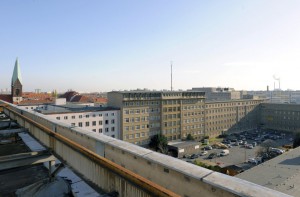
I think Sander has come up with a beau­ti­ful design.  The build­ing in the ban­ner incor­por­ates an image of the old Stasi HQ in Ber­lin.  I like the idea — an image of a pan­op­tic police state that seemed bru­tally immut­able, but that has now just.… gone.

Students for Sensible Drug Policy (SSDP) UK Conference

Last month, in my new role as Dir­ect­or of LEAP Europe, I was invited to do a talk at the SSDP con­fer­ence in Lon­don.  It was great to meet the key SSDP organ­isers, and also share a plat­form with Jason Reed, the co-ordin­at­or of LEAP UK.

The stu­dent act­iv­ists of SSDP are demand­ing that our polit­ic­al classes instig­ate a mature, fact-based dis­cus­sion about the “war on drugs”.

Sorry to rehash all the well-known art­icles about why this “war” is such a fail­ure on every con­ceiv­able front, but just let me reit­er­ate three key points: pro­hib­i­tion will always fail (as this clas­sic “Yes Min­is­ter” scene depicts), and the reg­u­la­tion and tax­a­tion of recre­ation­al drugs (in the same way as alco­hol and tobacco) would be good for soci­ety and for the eco­nomy; it would decap­it­ate organ­ised crime and, in some cases, the fund­ing of ter­ror­ism; and it would make the use and pos­sible abuse of recre­ation­al drugs a health issue rather than a crim­in­al matter.

The stu­dents get this — why can­’t our politicians?

Jason and I had a warm wel­come from the SSDP. They can see the value of law enforce­ment pro­fes­sion­als — police, judges, law­yers, and cus­toms and intel­li­gence officers — using their exper­i­ence to con­trib­ute to the debate. I look for­ward to LEAP work­ing more closely with the SSDP.

And do drop me an email if you would like to help LEAP in Europe.

La Conférence régionale du journalisme d’enquête, Geneva

Swiss_Press_Club_PhotoThe end of April saw me bask­ing in the hot and sunny weath­er of Geneva, where I had been invited to give a talk (Down­load Geneva) at the Swiss Press Club.

We had a lovely time in Geneva, and many thanks to Jean-Phil­ippe Ceppi and the rest of the team for such a warm, inter­ested and inter­est­ing welcome.

The Gareth Williams Inquest

What a mess, what a cov­er-up.  The inquest into the sad, strange death of Gareth Wil­li­ams con­cluded yes­ter­day, with the cor­on­er rais­ing more ques­tions than she was able to answer.

It was also pat­ently obvi­ous that both MI6 and the Met­ro­pol­it­an Police Counter-Ter­ror­ism Squad (SO15) hampered the invest­ig­a­tion, for the inev­it­able reas­ons of “nation­al security”.

When will MI6 real­ise that it is not above the law?

My heart goes out to Gareth­’s family.

21st Century Pacificism (The Old Stuff)

The_ScreamI have always been ideo­lo­gic­ally opposed to war and all the hor­rors that flow in its wake: agon­ising fear and death, fam­ine, dis­place­ment, maim­ing, tor­ture, rape, intern­ment and the break­down of all the hard-won val­ues of civ­il­ised human law and behaviour.

Look­ing back, I think that was partly why I was attrac­ted to work in dip­lomacy and how I ended up being enticed into intel­li­gence. These worlds, although by no means per­fect, could con­ceiv­ably be seen as the last-ditch defences before a coun­try goes bel­low­ing into all-out war.

I marched against the Iraq war, toured the UK to speak at Stop the War meet­ings, worked with Make Wars His­tory, and have cease­lessly spoken out and writ­ten about these and related issues.

Alastair_Campbell_1Today in the UK we have reached a con­sensus that Blair’s gov­ern­ment lied to the coun­try into the Iraq war on the false premise of weapons of mass destruc­tion, and sub­sequently enabled the Bush admin­is­tra­tion to do the same in the USA, hyp­ing up the threat of a nuc­le­ar Iraq using false intel­li­gence provided by MI6.

Mil­lions of people marched then, and mil­lions of people con­tin­ue to protest against the ongo­ing engorge­ment of the military/intelligence com­plex, but noth­ing ever seems to change.  It’s demo­crat­ic­ally dis­em­power­ing and an ener­vat­ing exper­i­ence.  What can we do about it?

I have a couple of sug­ges­tions (The New Stuff), but first let’s look at some of the most egre­gious cur­rent fake realities.

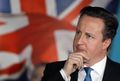
David_CameronLast year we had the spec­tacle of the cur­rent No 10 incum­bent, Dave Camer­on, stat­ing that the Liby­an inter­ven­tion would be noth­ing like Iraq — it would be “neces­sary, leg­al and right”. But there was no sub­sequent joined-up think­ing, and Blair and his cronies have still not been held to account for the Iraq gen­o­cide, des­pite prima facie breaches of inter­na­tion­al war law and of the Offi­cial Secrets Act.…

Abdelhakim-BelhajBut help might be at hand for those inter­ested in justice, cour­tesy of Abdel Hakim Bel­haj, former Liby­an Islam­ic Fight­ing Group lead­er, MI6 kid­nap­ping and tor­ture vic­tim, and cur­rent mil­it­ary com­mand­er in Tripoli.

After NATO’s human­it­ari­an bomb­ing of Libya last year and the fall of Gad­dafi’s régime, some ser­i­ously embar­rass­ing paper­work was found in the aban­doned office of Liby­an For­eign Min­is­ter and former spy head honcho, Musa Kusa (who fled to the UK and sub­sequently on to Qatar).

These let­ters, sent in 2004 by former MI6 Head of Ter­ror­ism and cur­rent BP con­sult­ant, Sir Mark Allen, gloat­ingly offer up the hap­less Bel­haj to the Liby­ans for tor­ture.  It almost seems like MI6 wanted a gold star from their new best­est friends.

Bel­haj, under­stand­ably, is still slightly peeved about this and is now suing MI6. As a res­ult, a frantic dam­age-lim­it­a­tion exer­cise is going on, with MI6 try­ing to buy his silence with a mil­lion quid, and scat­ter­ing unat­trib­uted quotes across the Brit­ish media: “it was­n’t us, gov, it was the, er, government.…”.

Which drops either (or both) Tony Blair and Jack Straw eye­brow-deep in the stink­ing cesspit. One or oth­er of them should have signed off on Bel­haj’s kid­nap­ping, know­ing he would be tor­tured in Tripoli. Or per­haps they actu­ally are inno­cent of this.…. but if they did­n’t sign off on the Bel­haj extraordin­ary kid­nap­ping, then MI6 was run­ning rampant, work­ing out­side the law on their watch.

Either way, there are ser­i­ous ques­tions to be answered.

Jack_StrawBoth these upstand­ing politi­cians are, of course, suf­fer­ing from polit­ic­al amne­sia about this case. In fact, Jack Straw, the For­eign Sec­ret­ary at the time of the kid­nap­ping, has said that he can­not have been expec­ted to know everything the spies got up to — even though that was pre­cisely his job, as he was respons­ible for them under the terms of the Intel­li­gence Secur­ity Act 1994, and should cer­tainly have had to clear an oper­a­tion so polit­ic­ally sensitive.

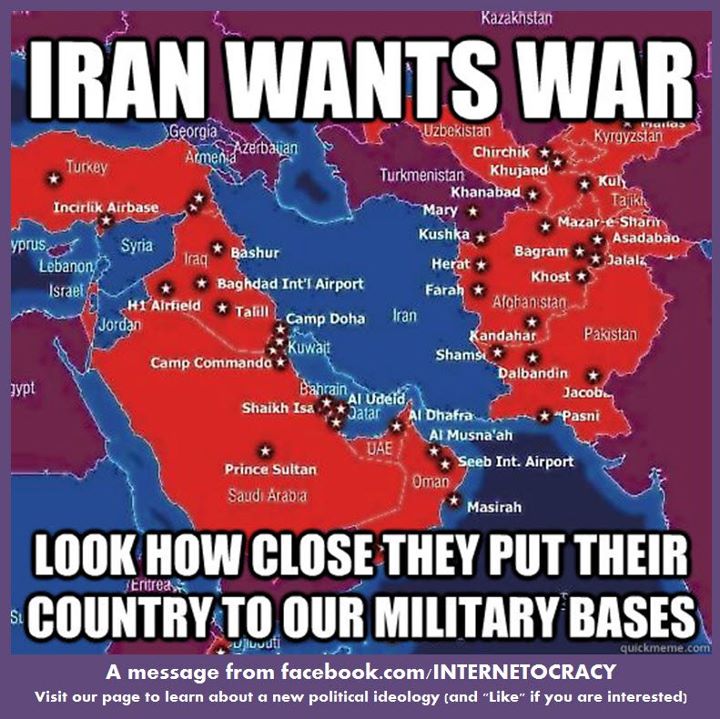
In the wake of Afgh­anistan, Iraq and Libya, what wor­ries me now is that exactly the same reas­ons, with politi­cians mouth­ing exactly the same plat­it­ud­in­ous “truths”, are being pushed to jus­ti­fy an increas­ingly inev­it­able strike against Iran.

Depress­ing as this all is, I would sug­gest that protest­ing each new, indi­vidu­al war is not the neces­sar­ily the most effect­ive response.  Just as the world’s mar­kets have been glob­al­ised, so mani­festly to the bene­fit of all we 99%-ers, have many oth­er issues.

Unlike Dave Camer­on, we need to apply some joined-up think­ing.  Glob­al protest groups need to counter more than indi­vidu­al wars in Iraq, Afgh­anistan, Pakistan, Somalia, Libya, Sudan (North and South), Syr­ia, Iran.….. sorry, I’m get­ting writer­’s cramp just enu­mer­at­ing all the cur­rent wars.

Give me a while to over­come my mor­al spasm, and I shall return with a few sug­ges­tions about pos­sible ways for­ward — 21st Cen­tury Paci­fism; the New Stuff.

Iran_and_US_bases

The Scandinavian Tour 2012

I had an immensely stim­u­lat­ing time dur­ing my recent mini-tour of Scand­inavi­an invest­ig­at­ive journ­al­ism con­fer­ences, meet­ing informed, inter­est­ing, and inter­ested people.

The focus of my talks was the nex­us between the intel­li­gence world and the media — les­sons I had learned, researched and deduced dur­ing the whis­tleblow­ing years and bey­ond.  I have heard so many hair-rais­ing media stor­ies over the years.…

And, hav­ing listened to the exper­i­ences of journ­al­ists from a wide vari­ety of oth­er coun­tries, it seems I am on the right track.

Grav_talkFirst stop was the Grav con­fer­ence in Sweden, where I gave a talk and had the pleas­ure of meet­ing invest­ig­at­ive journ­al­ists who con­firmed what I was say­ing, even if some of them did­n’t think I had quite gone far enough!  We also had fun at the “min­gel” evening.

Next stop, next day, was the SKUP con­fer­ence in Nor­way where I did a talk, and also a debate about the media and whis­tleblowers.  Note to self: nev­er, ever agree to do a morn­ing debate after the legendary SKUP party the night before.

Finally, last week­end, I vis­ited the Tutki 2012 journ­al­ism con­fer­ence in Fin­land (Down­load Helsinki_Talk).  The response was over­whelm­ingly pos­it­ive, and once again I had con­firm­a­tion of what I was say­ing from the journ­al­ists themselves.

So what can we do about this situ­ation?  I shall keep spread­ing the word, and the journ­al­ists them­selves just need to keep say­ing a resound­ing “no” to the induce­ments, at least if they want to work on mean­ing­ful invest­ig­a­tions.  And what real journ­al­ist does­n’t, au fond?

Next stop Geneva, which is why I’m limber­ing up with the French.

A blast from the past

How strange to stumble across this art­icle in the Guard­i­an news­pa­per yes­ter­day, which describes a journ­al­ist’s jus­ti­fi­ably para­noid exper­i­ences inter­view­ing Dav­id Shayler and me back in 2000 while writ­ing an art­icle for Esquire magazine.

The author, Dr Eamonn O’Neill, now a lec­turer in journ­al­ism at Strath­clyde Uni­ver­sity, spent a few days with us in Lon­don and Par­is way back when.

Shayler_Esquire_2000The Esquire art­icle high­lights the para­noia and sur­veil­lance that we had to live with at the time, and the con­tra­dict­ory brief­ings and slanders that were com­ing out of the Brit­ish estab­lish­ment and the media. O’Neill also intel­li­gently tries to address the motiv­a­tions of a whistleblower.

When it was pub­lished I was mildly uncom­fort­able about this art­icle — I felt it did­n’t do Dav­id full justice, nor did it appear to get quite to the heart of the issues he was dis­cuss­ing.  I sup­pose, at the time, I was just too enmeshed in the whole situation.

Now, with hind­sight, it is more per­spic­a­cious than I had thought.  And rather sad.

This art­icle is a timely remind­er of how vicious the estab­lish­ment can be when you cause it embar­rass­ment and pain; the treat­ment meted out to Dav­id Shayler was bru­tal.  And yet noth­ing has changed to this day, as we can see with the ongo­ing pur­suit and vili­fic­a­tion of Wikileaks.

And now to Finland.…

Tutki2012_logoMy grand tour around Scand­inavia con­tin­ues next week­end, when I shall be giv­ing the open­ing key­note at the Tutki!2012 invest­ig­at­ive journ­al­ism con­fer­ence in Hel­sinki.  Look­ing for­ward to the conference!

Talks in Sweden and Norway

Off on my travels again at the end of the week, with two key­notes at Scand­inavi­an journ­al­ism conferences.

Grav_logo I shall first be speak­ing at the Grav con­fer­ence in Sweden on Fri­day 23 March.

SKUP_2012Top­ics under dis­cus­sion will include everything from secur­ity and intel­li­gence to the war on ter­ror, civil liber­ties to eth­ics and media freedoms, gov­ern­ment account­ab­il­ity to whis­tleblow­ing and Wikileaks.

On Sat­urday I travel on to Nor­way to speak at the SKUP con­fer­ence to give a talk and also on Sunday morn­ing to par­ti­cip­ate in a pan­el dis­cus­sion about all things whis­tleblow­ing and Wikileaks. I gath­er that such dis­cus­sions can get quite, um, lively.

I’m look­ing for­ward to an inter­est­ing and stim­u­lat­ing weekend.

Just Say No — the UN Commission on Narcotic Drugs

Just back from the annu­al United Nations happy-clappy ses­sion about drug pro­hib­i­tion in Vienna, the Com­mis­sion on Nar­cot­ic Drugs.  I was there as part of the del­eg­a­tion from Law Enforce­ment Against Pro­hib­i­tion (LEAP), a glob­al cam­paign of serving and former police officers, law­yers, judges, intel­li­gence officers, cus­toms officers and pris­on gov­ernors, all with years of exper­i­ence on the front line of the drug war, and all of whom cam­paign against prohibition.

Why do they do this? Pre­cisely because they have, dur­ing their pro­fes­sion­al lives, wit­nessed the ter­rible fail­ure of the drug pro­hib­i­tion laws.

LEAP’s mes­sage is simple, logic­al and power­ful, and its mem­ber­ship cred­ible and exper­i­enced — have a look at the web­site.

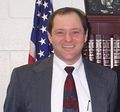
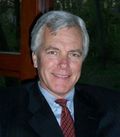
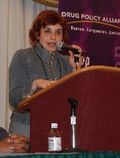
The UN del­eg­a­tion con­sisted of former US drug pro­sec­utor Jim Gier­ach, retired Brazili­an judge Maria Lucia Pereira Karam, award-win­ning US pris­on super­in­tend­ent Rick Van Wick­ler, and myself.

Need­less to say, LEAP and all this breadth of rel­ev­ant expert­ise was mar­gin­al­ised at the UN.

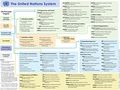
Un_system_chart_colourThe UN is the sine qua non of bur­eau­cra­cies, an organ­isa­tion of such Byz­antine com­plex­ity it makes your eyes bleed to look at it.

Each coun­try around the world funds the UN via vol­un­tary dona­tions. Once they have coughed up, they are allowed to send nation­al del­eg­ates to rep­res­ent “their” interests at shindigs such as the CND. Those del­eg­ates are pre-briefed by their bur­eau­crats about the line they must take, and no dis­sent is allowed.

NGOs are notion­ally able to feed in their views to their del­eg­ates, although access is lim­ited, and over the last few years the lan­guage of the CND has indeed moved towards harm reduc­tion and chil­dren’s rights.  But this merely propag­ates the basic, flawed premise that “drugs” are bad, not that the “war on drugs” has com­pre­hens­ively failed, is ill-thought out, and act­ively dam­ages society.

3_wise_monkeysUN decisions on drug policy are made by con­sensus, which means that there is no real demo­crat­ic debate and that the res­ol­u­tions are so bland as to be mean­ing­less.  At no point what­so­ever are evid­ence-based altern­at­ive solu­tions, such as reg­u­lated leg­al­isa­tion, even whispered in the cor­ridors of power.

The CND’s key achieve­ment this year was to get all the nations to reaf­firm their com­mit­ment to the 100-year old Inter­na­tion­al Hag­ue Con­ven­tion, the first drug pro­hib­i­tion law in a long and escal­at­ing leg­al lit­any of fail­ure and harm.  And this in the teeth of all evid­ence provided by the suc­cess­ful decrim­in­al­isa­tion exper­i­ments in Por­tugal, Switzer­land and the Neth­er­lands.

So here’s where the fun kicks in, but I stress that this is my highly per­son­al take on what it was like to attend the CND last week:

.….….

WARNING: CND appears to be a potent psy­cho­trop­ic drug which has unknown and poten­tially dam­aging effects on the human brain.  Expos­ure to CND for even so short a peri­od as a week can lead to dis­or­i­ent­a­tion, numb­ness, depres­sion and a dis­lo­ca­tion from real­ity.  No data exists about the long-term psy­cho­lo­gic­al effects of pro­longed expos­ure, but some sub­jects can dis­play unchar­ac­ter­ist­ic aggres­sion after only a couple of days’ exper­i­ence of CND.

CND appears to be highly addict­ive lead­ing to rap­id depend­ency, and del­eg­ates return year after year for anoth­er hit. For a week, it’s party time, but then comes the crash­ing low, as they have to push CND on their own coun­tries for anoth­er long year, against all com­mon notions of decency, human­ity and community.

CND is con­tinu­ally presen­ted to vul­ner­able del­eg­ates as the only life­style choice.  Those who ques­tion its effic­acy are out­cast from the gang.  But what of the del­eg­ates’ rights to live a CND-free life, away from the peer pres­sure, bul­ly­ing and viol­ence?  What about redu­cing the harm that CND increas­ingly causes to com­munit­ies across the world?

As the god­fath­ers of CND push the line of harm reduc­tion pro­grammes, devel­op­ing coun­tries are increas­ingly drawn into a life of sor­did “money depend­ency”, even pros­ti­tut­ing them­selves polit­ic­ally to enable their con­tin­ued reli­ance on CND.

The organ­isa­tions con­trolling CND garner huge profits, and there is little polit­ic­al will to change the cur­rent set-up.

.….….

So, a win-win for the drug car­tels, ter­ror­ists, enforce­ment agen­cies, gov­ern­ments, bur­eau­crats and the wider glob­al “drug war” infrastructure.

Not so good for the rest of us.

LEAP_logo

The Extradition Farce — why the delay in reform?

Out­rage con­tin­ues to swell about the per­emp­tory extra­di­tion of Brit­ish cit­izens to face tri­al on tenu­ous charges abroad.

Thanks to the tire­less cam­paign­ing of dis­traught fam­ily mem­bers, a grow­ing anger in the UK press, and indig­nant ques­tions and debates in Par­lia­ment — even our somn­am­bu­lant MPs have roused them­selves to state that Some­thing Must be Done — the Extra­di­tion Act 2003 is now centre stage, and reform of the law will no doubt occur at some point.

As there is a grow­ing con­sensus, why the delay?  I have a the­ory, but first let’s review some of the most troub­ling recent cases.

Janis_SharpThe case that really brought the issue to wide­spread pub­lic atten­tion  is the dec­ade-long extra­di­tion battle of Gary McKin­non.  With this sword of Damocles hanging over his head for so long, poor Gary has already effect­ively served a 10-year sen­tence, uncer­tain of his future and unable to work in his chosen pro­fes­sion.  Thanks to the indefatig­able cam­paign­ing of his moth­er, Janis Sharp, his case has received wide­spread sup­port from the media and politi­cians alike.

Des­pite this the Home Sec­ret­ary, Theresa May (who has recently been work­ing so hard in Jordan to pro­tect the rights of Abu Qatada), has dragged her feet abom­in­ably over mak­ing a decision about wheth­er Gary should be extra­dited to the US to face a pos­sible 70-year pris­on sen­tence — even though the UK invest­ig­a­tion into his alleged crime was aban­doned way back in 2002.

Julia_and Richard_OdwyerThen there is the more recent case of stu­dent Richard O’D­wyer, wanted in the US even though he lives in the UK and has broken no Brit­ish laws.  He is facing a 10 year max­im­um secur­ity sen­tence if extra­dited.  Once again, his moth­er, Julia, is tire­lessly fight­ing and cam­paign­ing for her son.

Most recently, Chris Tap­pin, a retired busi­ness­man and golf club pres­id­ent, has been shipped off to a Texas high secur­ity pen­it­en­tiary fol­low­ing what sounds like a US entrap­ment oper­a­tion (a tech­nique not leg­ally admiss­able in UK courts), and faces a 35 year sen­tence if convicted.

Chris_and_Elaine_TappinDes­pite hav­ing turned him­self in, this eld­erly gent, who walks with the aid of a cane, is con­sidered such a flight risk that he was last week denied bail. Once again, his wife Elaine has come out fight­ing.

My heart goes out to all these women, and I salute their tenacity and bravery.  I remem­ber liv­ing through a sim­il­ar, if mer­ci­fully briefer, four months back in 1998 when the UK gov­ern­ment tried and failed to extra­dite Dav­id Shayler from France to the UK to stand tri­al for a breach of the OSA. I remem­ber with crys­tal clar­ity the shock of the arrest, the fear when he dis­ap­peared into a for­eign leg­al sys­tem without trace, the anguish about his life in an ali­en prison.

Sunday_Times_Paris_98And I remem­ber the fright­en­ing moment when I real­ised I had to step up and fight for him — the leg­al case, deal­ing with MPs and the end­less media work, includ­ing the ter­ror of live TV inter­views.  And all this when you are wor­ried sick about the fate of a loved one.  Shall I just say it was a steep learn­ing curve?

In the wake of the recent extra­di­tion cases, there have been ques­tions in Par­lia­ment, motions, debates, reviews (Down­load Review), and there is an ongo­ing push for an urgent need for reform.  And no doubt this will come, in time.

So why the delay?  Why not change the law now, and pre­vent McKin­non, O’Dy­wer and many oth­ers being sac­ri­ficed on the Amer­ic­an leg­al altar — the concept of “judi­cial rendi­tion”, as I have men­tioned before.

Well, I have a the­ory, one derived from per­son­al exper­i­ence.  The Brit­ish media — most not­ably the Daily Mail — inveigh against the uni­lat­er­al extra­di­tion of UK cit­izens to the USA’s bru­tal pris­on régime.  There is also some con­cern about extra­di­tion to oth­er European jur­is­dic­tions — usu­ally on the fringes to the south and east of the con­tin­ent, regions where the Brit­ish seem to have a vis­cer­al fear of cor­rupt offi­cials and kangaroo courts.

But what many com­ment­at­ors seem to miss is the cru­cial leg­al con­nec­tion — the extra­di­tion arrange­ments that ensure Brits can be shipped off to the US and many oth­er leg­al banana repub­lics com­par­able leg­al sys­tems to face out­rageous sen­tences are, in fact, embed­ded with­in the Extra­di­tion Act 2003.  This is the act that enshrined the power of the European Arrest War­rant, the the act that was rushed through Par­lia­ment in the midst of the post‑9/11 ter­ror­ism flap.

And, of course, this is the very act that is cur­rently being used and abused to extra­dite Juli­an Assange to Sweden merely for police ques­tion­ing (he has not even been charged with any crime), whence he can be “tem­por­ar­ily sur­rendered” to the delights of the US judi­cial pro­cess. Hmm, could this pos­sibly be the reas­on for the delay in reform­ing the Act?

Assange_Supreme_CourtLet me guess, you think this is begin­ning to sound a bit tin-foil hat? Surely it is incon­ceiv­able that the Brit­ish politi­cians and judges would delay right­ing a flag­rant leg­al wrong that mani­festly res­ults in inno­cent people being unjustly extra­dited and pro­sec­uted? Surely our gov­ern­ment would move swiftly to pro­tect its citizens?

As I men­tioned, my the­ory stems from per­sonal exper­i­ence. Once again delving into the mists of time, in 1997 Dav­id Shayler blew the whistle on the wrong­ful con­vic­tion on ter­ror­ist charges of two inno­cent Palestini­an stu­dents, Samar Alami and Jawad Bot­meh. Their law­yer, the excel­lent Gareth Peirce, was imme­di­ately on the case, but the UK gov­ern­ment dragged its heels for a year. Why?

Dur­ing that time, the UK gov­ern­ment tried to have Shayler extra­dited from France to the UK to stand tri­al. Gov­ern­ment law­yers were con­fid­ent of vic­tory and delayed a decision on the stu­dents’ appeal against their con­vic­tions until the whis­tleblower was safely incar­cer­ated in HMP Bel­marsh, await­ing trial.

Except it all went wrong, and the French freed Shayler for being mani­festly a polit­ical whis­tleblower, which in their leg­al opin­ion was not an extra­dict­able offence. Only at that point did the UK gov­ern­ment law­yers begin to work with Peirce on the Palestini­an case, details of which can be found here.

Christine_AssangeSo my the­ory is that the UK is drag­ging its feet about reform­ing the pre­pos­ter­ous Extra­di­tion Act until it has Assange safely over in Sweden. How­ever, they may be count­ing their chick­ens pre­ma­turely — and they should nev­er, ever over­look the determ­in­a­tion of the cam­paign­ing moth­er, in this case Christine Assange.

But in the mean­time, while the UK con­tin­ues to pros­ti­tute itself to the USA, how many more inno­cent people will have to suf­fer unjust and unjus­ti­fi­able extradition?

Cops Take Pro-Legalization Message to UN War on Drugs Meeting

LEAP_logo

Law Enfor­cers Say End­ing Pro­hib­i­tion Will Improve Glob­al Secur­ity & Human Rights

VIENNA, AUSTRIA – Judges, pro­sec­utors and jail­ers who sup­port leg­al­iz­ing drugs are bring­ing their mes­sage to the United Nations Com­mis­sion on Nar­cot­ic Drugs meet­ing next week in Vienna. At the U.N. ses­sion, which comes just days after the Obama admin­is­tra­tion stepped-up its attempts to coun­ter­act the emer­ging anti-pro­hib­i­tion sen­ti­ment among sit­ting pres­id­ents in Lat­in Amer­ica, the pro-leg­al­iz­a­tion law enforce­ment offi­cials will work to embolden nation­al del­eg­a­tions from around the world to push back against the U.S.-led failed “war on drugs.”

VanwicklerRichard Van Wick­ler, a cur­rently-serving jail super­in­tend­ent who will be rep­res­ent­ing Law Enforce­ment Against Pro­hib­i­tion (LEAP) in Vienna, says, “World lead­ers who believe we could bet­ter handle drug prob­lems by repla­cing crim­in­al­iz­a­tion with leg­al con­trol are becom­ing less and less afraid of U.S. repris­al for speak­ing out or reform­ing their nations’ policies. And for good reason.”

Van Wick­ler, who has was named 2011’s Cor­rec­tions Super­in­tend­ent of the Year by the New Hamp­shire Asso­ci­ation of Counties, explains, “Voters in at least two U.S. states will be decid­ing on meas­ures to leg­al­ize marijuana this Novem­ber. It would be pure hypo­crisy for the Amer­ic­an fed­er­al gov­ern­ment to con­tin­ue force­fully push­ing a rad­ic­al pro­hib­i­tion­ist agenda on the rest of the world.”

In recent weeks, Pres­id­ents Otto Perez Molina of Guatem­ala, Juan Manuel San­tos of Colom­bia, Laura Chinchilla of Costa Rica and Felipe Cal­der­on of Mex­ico have added their voices to the call for a ser­i­ous con­ver­sa­tion on altern­at­ives to drug pro­hib­i­tion, caus­ing U.S. Vice Pres­id­ent Joe Biden to travel to Lat­in Amer­ica this week in an unsuc­cess­ful attempt to quash the debate.

GierachFormer Chica­go drug pro­sec­utor James Gier­ach, recently a fea­tured speak­er at a con­fer­ence in Mex­ico City last month atten­ded by the first lady of Mex­ico and the former pres­id­ents of Colom­bia and Brazil, says, “The unend­ing cycle of car­tel viol­ence caused by the pro­hib­i­tion mar­ket has turned a steady trickle of former elec­ted offi­cials cri­ti­ciz­ing pro­hib­i­tion into a flood of sit­ting pres­id­ents, busi­ness lead­ers and law enforce­ment offi­cials call­ing for an out­right dis­cus­sion about leg­al­iz­a­tion. It’s time for the U.S. and the U.N. to acknow­ledge that leg­al con­trol, rather than crim­in­al­iz­a­tion, is a much bet­ter way to man­age our drug prob­lems. The world can have either drug pro­hib­i­tion, viol­ence and cor­rup­tion or it can have con­trolled drug leg­al­iz­a­tion with safe streets and mor­al fab­ric, but it can­’t have both.”

The UN meet­ing in Vienna is an annu­al oppor­tun­ity for nations around the world to re-eval­u­ate drug con­trol strategies and treat­ies. More inform­a­tion about the meet­ing is here

In recent years, coun­tries like Por­tugal and Mex­ico have made moves to sig­ni­fic­antly trans­form crim­in­al­iz­a­tion-focused drug policies into health approaches by fully decrim­in­al­iz­ing pos­ses­sion of small amounts of all drugs. Still, no coun­try has yet to leg­al­ize and reg­u­late the sale of any of these drugs. Doing so, the pro-leg­al­iz­a­tion law enfor­cers point out, would be the only way to pre­vent viol­ent transna­tion­al crim­in­al organ­iz­a­tions from profit­ing in the drug trade.

Maria.KaramAlso attend­ing the con­fer­ence on behalf of LEAP will be former Brazili­an judge Maria Lucia Karam and former UK MI5 intel­li­gence officer Annie Machon.

Law Enforce­ment Against Pro­hib­i­tion (LEAP) rep­res­ents police, pro­sec­utors, judges, FBI/DEA agents and oth­ers who sup­port leg­al­iz­a­tion after fight­ing on the front lines of the “war on drugs” and learn­ing firsthand that pro­hib­i­tion only serves to worsen addic­tion and viol­ence. More info can be found here.

CONTACT:

Tom Angell: 001 202 557‑4979 or media@leap.cc

Shaleen Title: 001 617 955‑9638 or speakers@leap.cc

A new threat to media freedoms

Writers of the world, beware.  A new threat to our free­dom of speech is loom­ing and, for once, I am not inveigh­ing against the Offi­cial Secrets Act. 

Over recent years the UK has rightly earned a pun­gent repu­ta­tion as the libel cap­it­al of the world. And now it appears that this won­der­ful prac­tice is going “off­shore”.

How did this whole mess begin?  It turned out that someone in the Middle East could take excep­tion to a book writ­ten and pub­lished about them in the USA.   US law, some­what sur­pris­ingly con­sid­er­ing its cur­rent par­lous state, provided no route to sue.   How­ever, some bright leg­al spark decided that the UK courts could be used for redress, provided the offend­ing book had been sold in the UK — even if only a hand­ful of second-hand books had been sold over Amazon​.co​.uk — and Mr Justice Eady helped the pro­cess along magnificently. 

And so was born the concept of “libel tour­ism”.  Satir­ic­al cur­rent affairs magazine Private Eye has long been cam­paign­ing against this, oth­er UK news out­lets gradu­ally fol­lowed suit, and the UK gov­ern­ment is finally tak­ing steps to rein in these egre­gious, if luc­rat­ive, leg­al practices. 

3_wise_monkeysBut, hey, that’s pre­cisely when your off­shore crown depend­en­cies, oth­er­wise known as Brit­ish tax havens, come into their own.  The UK has for years turned a blind eye to the dubi­ous fin­an­cial prac­tices of these islands, the most geo­graph­ic­ally con­veni­ent being the Chan­nel Islands and the Isle of Man, where the atti­tude to self-reg­u­la­tion makes the prac­tices of the Square Mile look pos­it­ively Vestal.

Now it appears that Guern­sey is look­ing to become a hub of anoth­er luc­rat­ive off­shore prac­tice: libel tourism. 

Guern­sey has its own par­lia­ment — the States —  and can make its own laws.  So as the libel door closes on the UK main­land, a firm of off­shore tax law­yers has iden­ti­fied a won­der­ful busi­ness opportunity. 

Jason Romer is the man­aging part­ner and intel­lec­tu­al prop­erty spe­cial­ist at the large “wealth man­age­ment” leg­al firm Col­las Cri­ll.  Accord­ing to his firm­’s web­site, he also, coin­cid­ent­ally, sits on the island’s Com­mer­cial IP Steer­ing Group and the Draft­ing Sub-Com­mit­tee, and is thus con­veni­ently on hand to steer the new legis­la­tion through the States.

Hogarth_judgeAlso coin­cid­ent­ally, he appears to be an enthu­si­ast­ic advoc­ate of Eady’s infam­ous “super-injunc­tion” régime which has had such a chillingly expens­ive effect on the Brit­ish media in the last decade.

So, if this law is passed, any­one, any­where around the world will be able (if they can afford it) to register their “image rights” in Guern­sey.  These rights can even last indef­in­itely after the ori­gin­al own­er­’s death.

This means that any­one, any­where, who feels that their “image” has been inap­pro­pri­ately reproduced/copied/pirated — the cor­rect leg­al ter­min­o­logy is hazy —  can then sue through the Guern­sey courts for redress.  This could poten­tially be a power­ful new glob­al tool for the sup­pres­sion of free speech.  As pub­lic out­cry swells inter­na­tion­ally against the US IP laws, SOPA and PIPA, and across Europe against the utterly undemo­crat­ic ACTA, this new law is a giant leap pre­cisely in the wrong direction. 

Guern­sey, my island of birth, has changed out of all recog­ni­tion over the last thirty years.  Ever since the 1980s infest­a­tion of off­shore bankers and trust fund law­yers, it has been tar­mac-ed over by greed and social divi­sion. Before then it was proud of its egal­it­ari­an­ism, Nor­man-French her­it­age, beau­ti­fully ana­chron­ist­ic pace of life, and an eco­nomy based on toma­toes and tourism.

Now, if this law is passed, it will be known for its eco­nomy based on rot­ten fin­an­cial apples and off­shore libel tourism.

I just wanted to get that out of my sys­tem now — while I can still freely express my thoughts and before the island can sue me for dam­aging its “image rights”.…